BIO ST STITHIANS STRAND !
 Call Kai
 Learn
Learn Practice Test
 Spaced Repetition
 Match
Match Flashcards
 Knowt Play
1/236

Earn XP
Description and Tags
Name | Mastery | Learn | Test | Matching | Spaced | Call with Kai | Chat |
|---|
No analytics yet
Send a link to your students to track their progress
237 Terms
SAGS AIM 1: KNOWING LIFE SCIENCES
Candidates should know how reproductive strategies maximise reproductive success in different environments. [Link to population dynamics]
Study appropriate South African examples to illustrate each of the following;
Courtship (one example)
• External fertilisation vs internal fertilisation (one example of each)
• Ovipary, ovovivipary and vivipary (one example of each)
• Amniotic egg (one example - no details of structures)
• Parental care (one example)
SAGS AIM 2: INVESTIGATING PHENOMENA IN LIFE SCIENCES
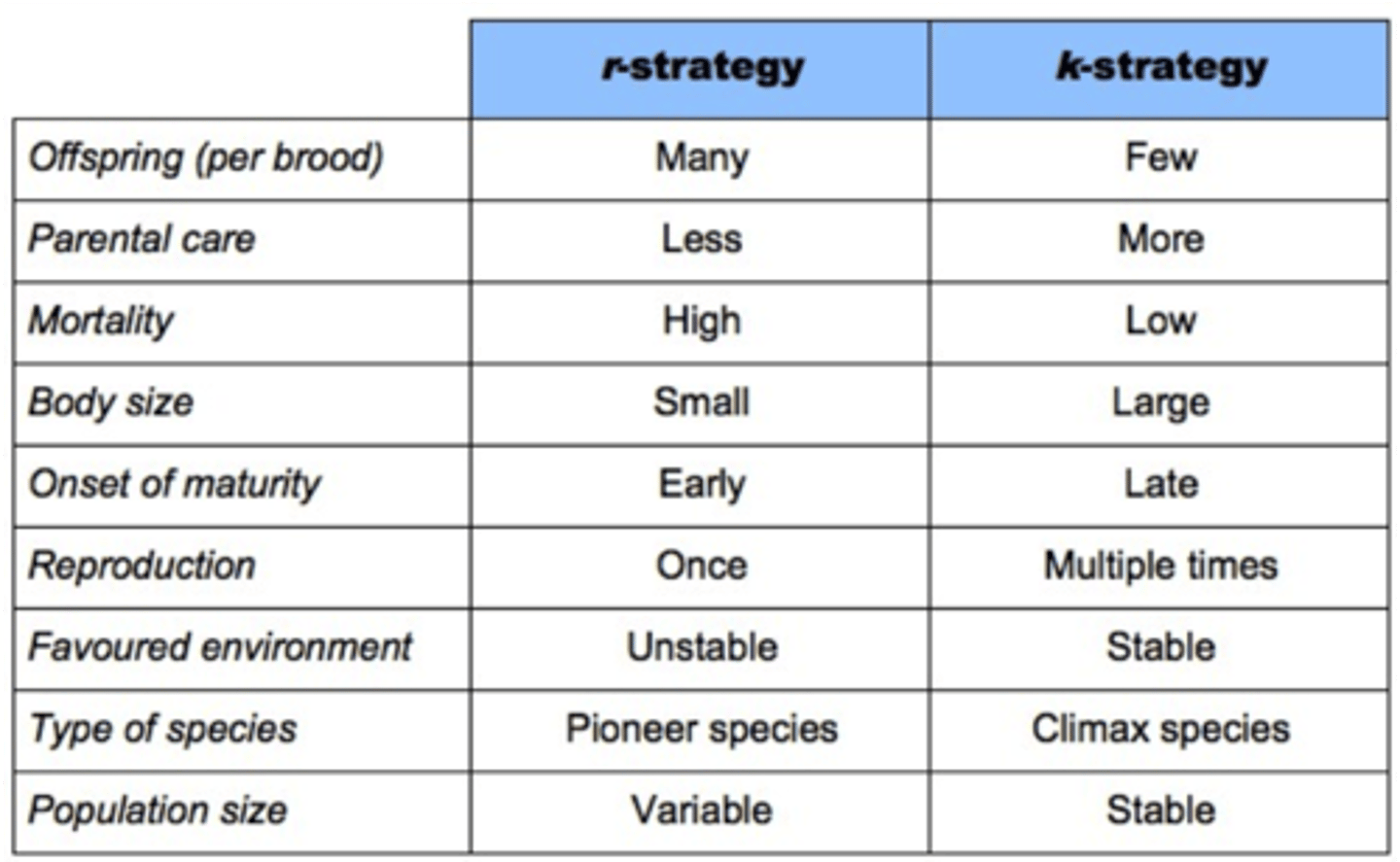
Compare the reproductive strategies and analyse how effective these are to the survival of an r-strategy,
(e.g. turtle and a k-strategy, e.g. lion, elephant.)
Candidates should be familiar with a variety of survivorship curves.
SAGs AIM 3: APPRECIATION AND UNDERSTANDING THE HISTORY, IMPORTANCENCE AND APPLICATIONS OF LIFE SCIENCES IN SOCIETY
Reproductive Strategy
Any behaviour that enables a species to breed successfully and produce offspring that survive to reproductive age.
Asexual Reproduction
Production of a new generation that does not involve the fusion of gametes
Sexual reproduction
Production of offspring by bringing together the genetic material of two parents.
Courtship
The signals and behaviour that are designed to attract another animal for mating.
Ovum/Ova (egg cell)
The non-motile gamete
External Fertilisation
The type of fertilisation that occurs in a fluid medium and takes place outside the body of the female
Internal Fertilisation
The type of fertilisation that occurs in terrestrial animals and involves the use of a cloaca/ vagina and a penis.
Ovipary
The reproductive strategy in which the embryo and foetus develop in eggs outside the parent.
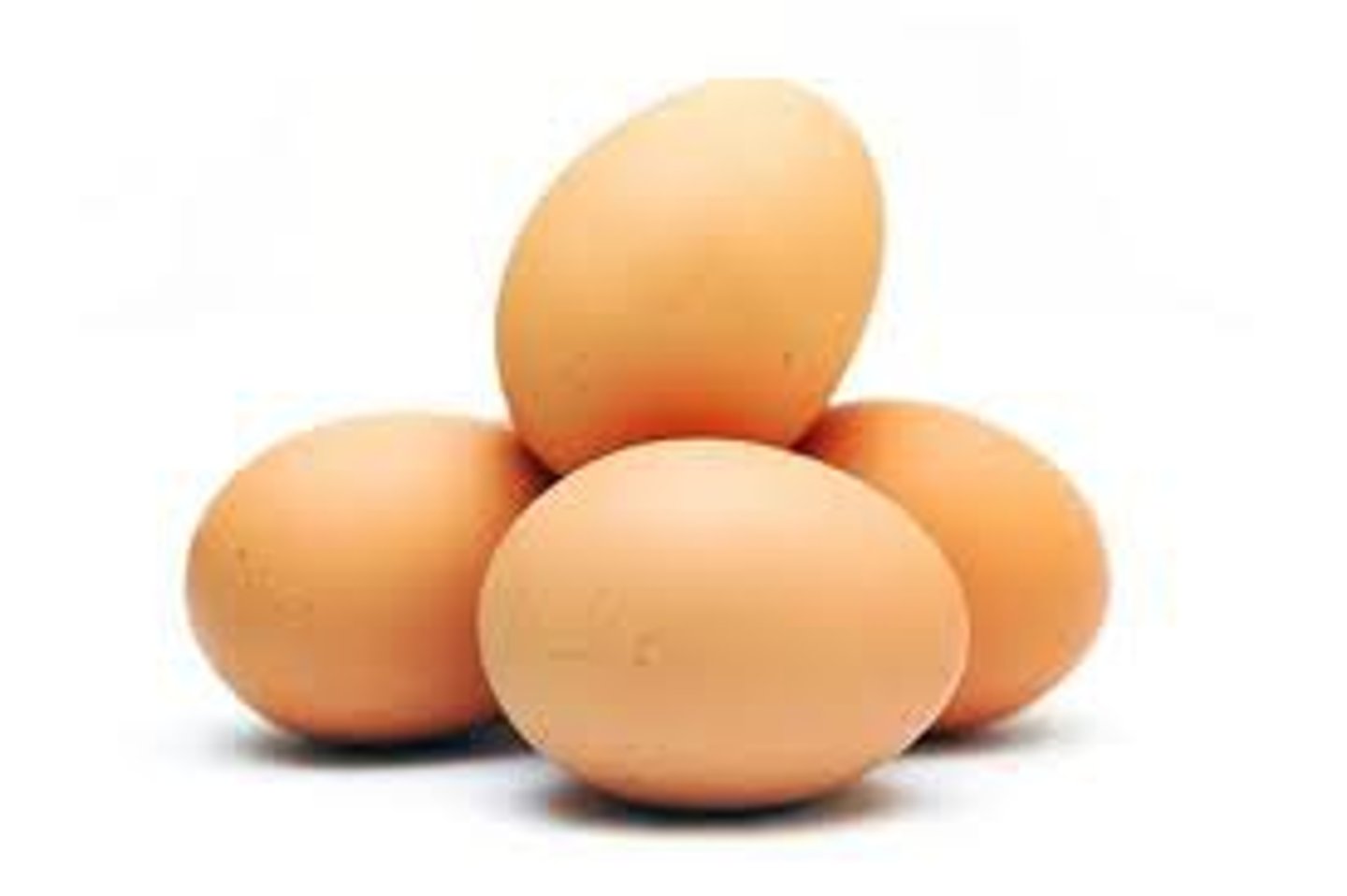
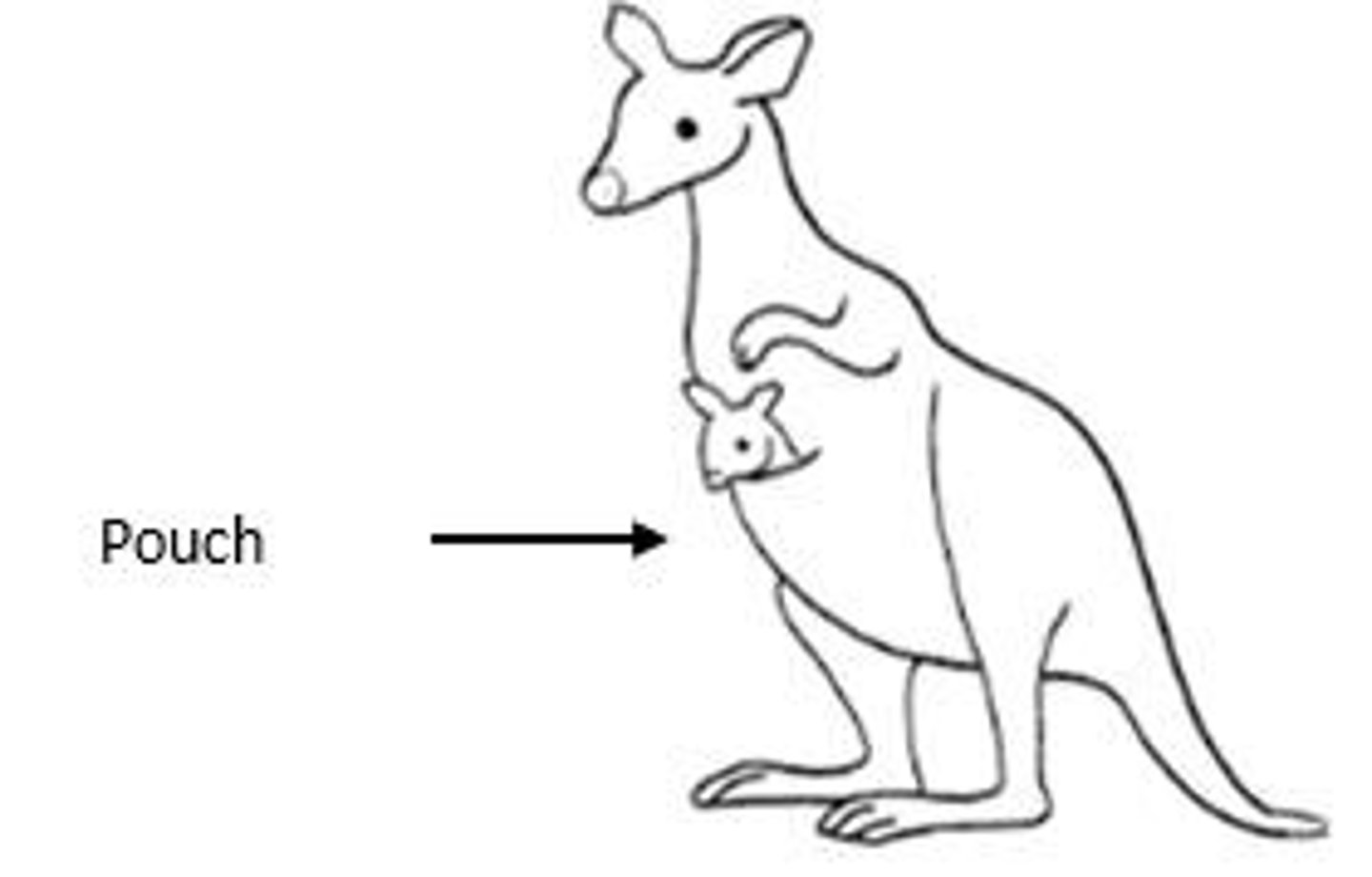
Ovovivipary
The reproductive strategy where the embryo and foetus develop in eggs inside the parent, and the offspring are born live.
Vivipary
The reproductive strategy where the embryo and foetus develop inside the parent and derive nutrients from the parent before being born live.
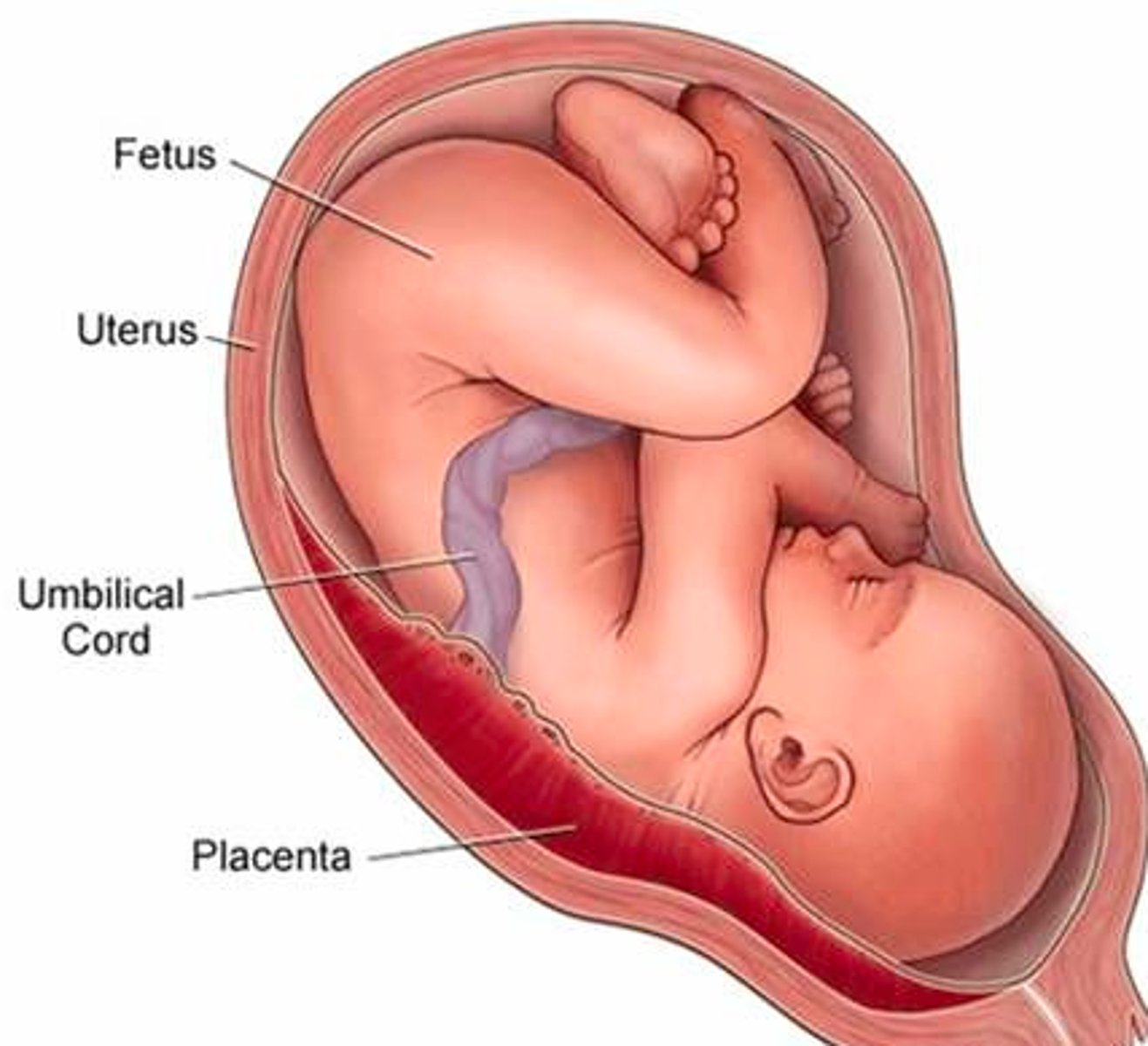
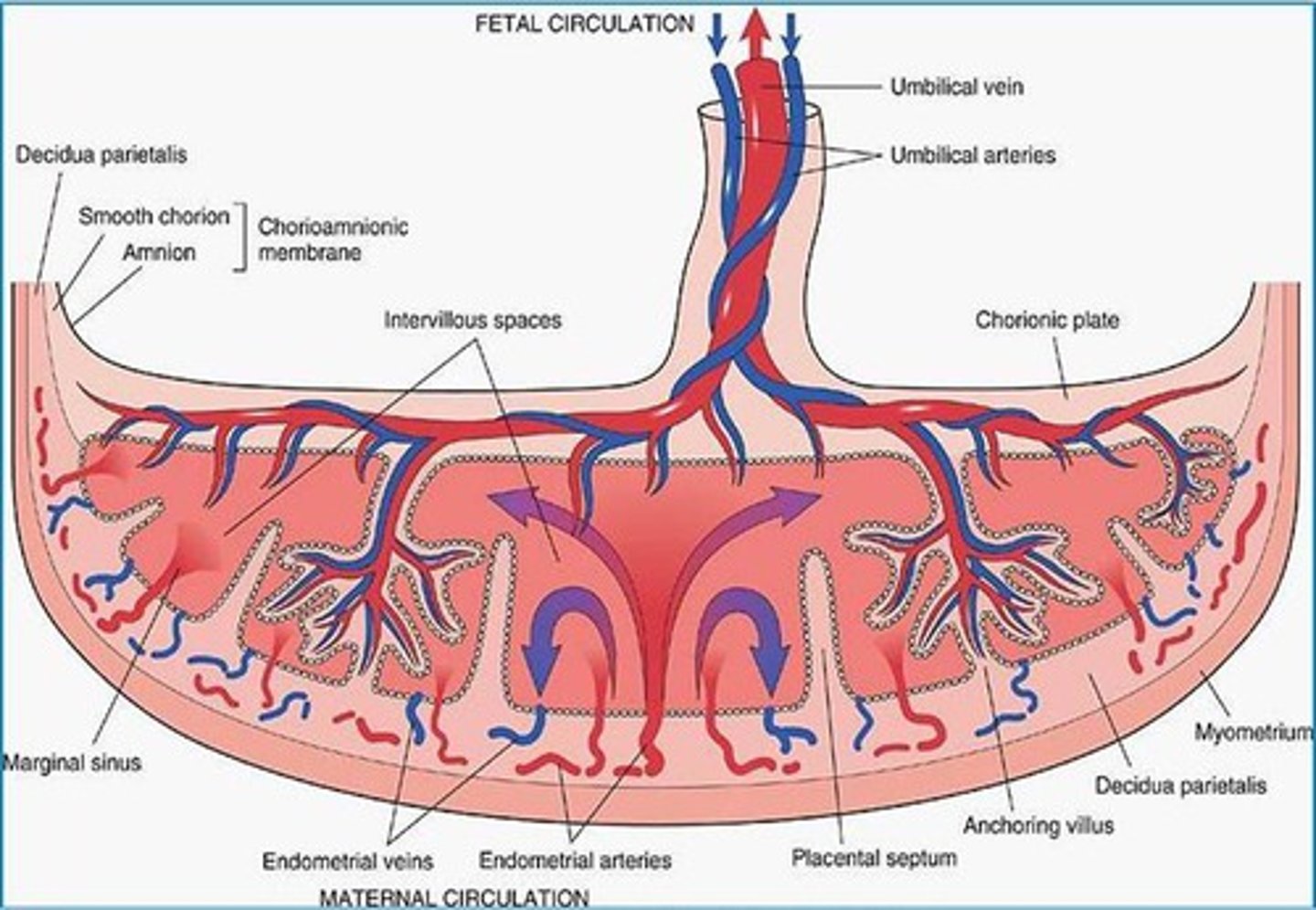
Placenta
The part of the mother that provides continuous nourishment to the developing foetus
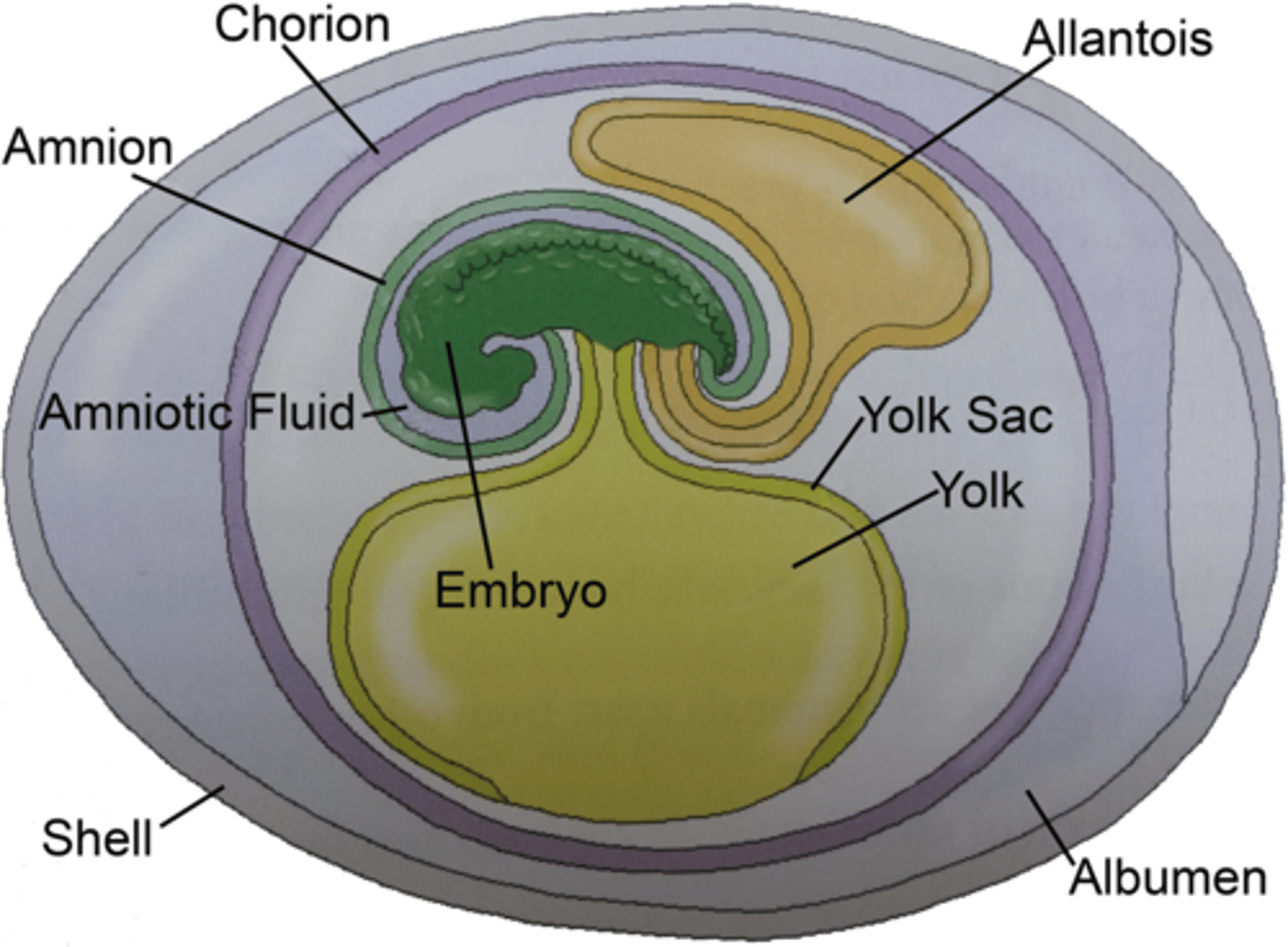
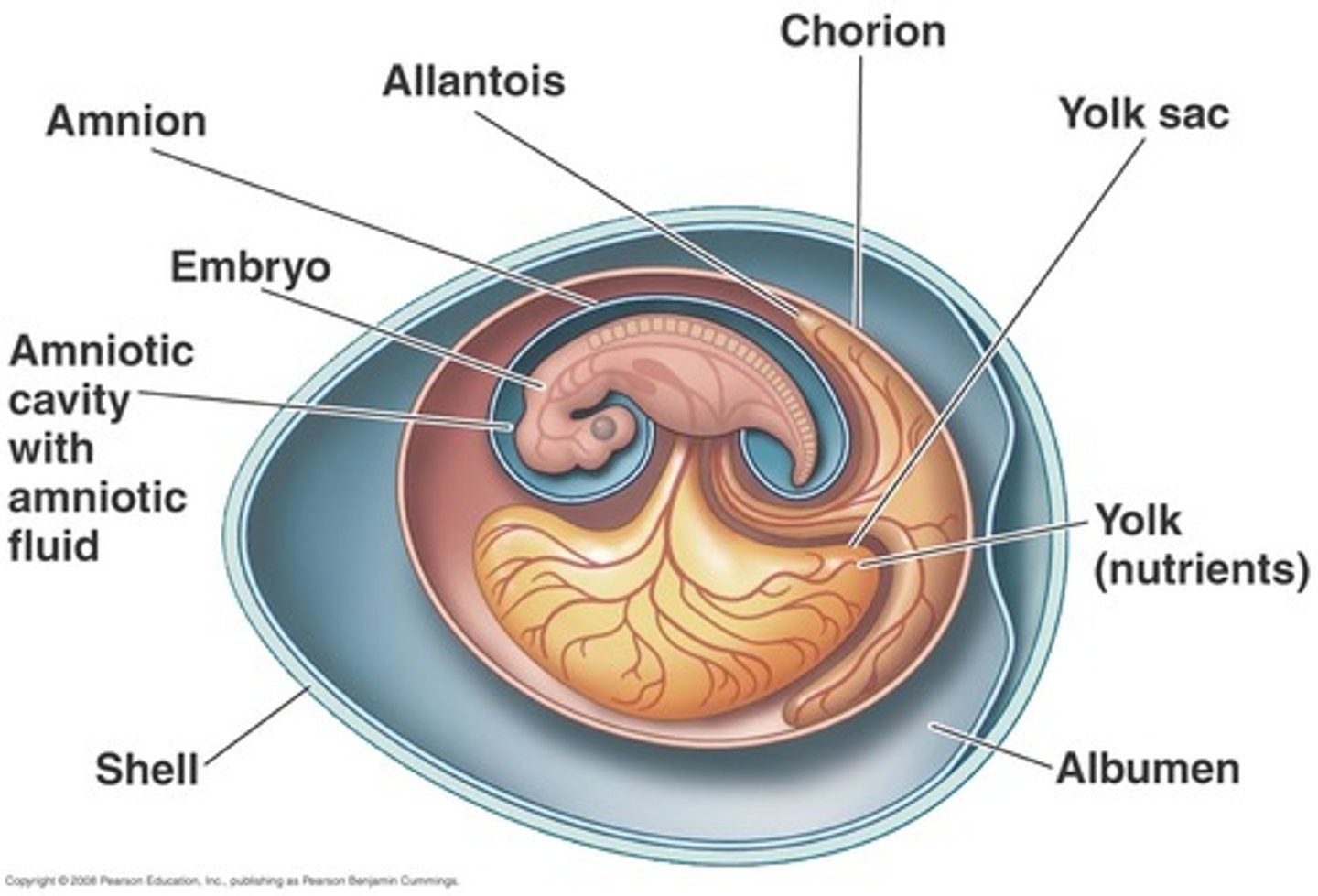
Amniotic eggs
Fertilised eggs that develop extra-embryonic fluid-filled membranes and a hard shell that allow the embryo to survive
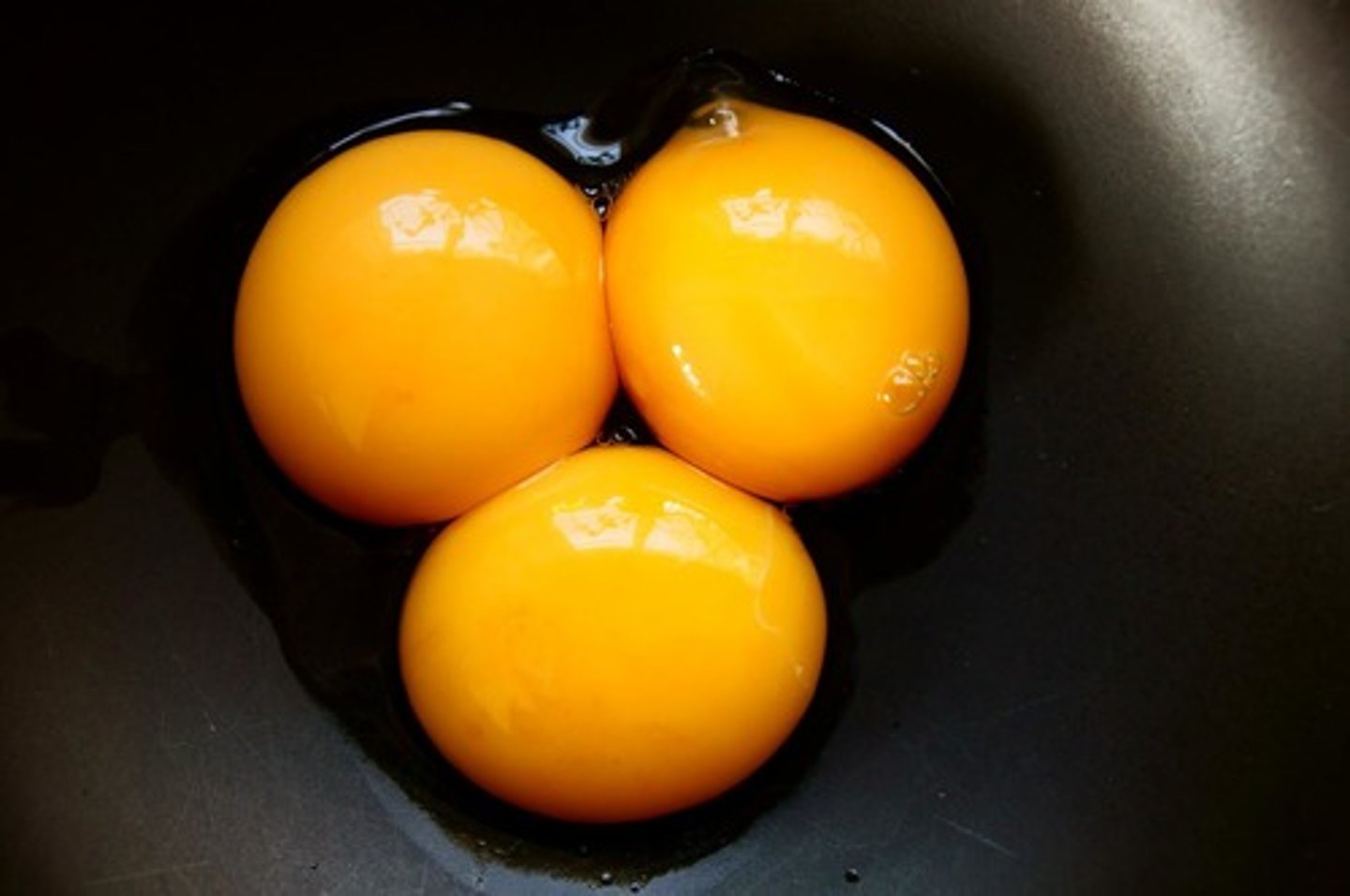
Yolk Sac
The part of the amniotic egg that holds the nutritious food (yolk) for the embryo.
Allantois
The part of the amniotic egg that acts as a reservoir for nitrogenous waste.
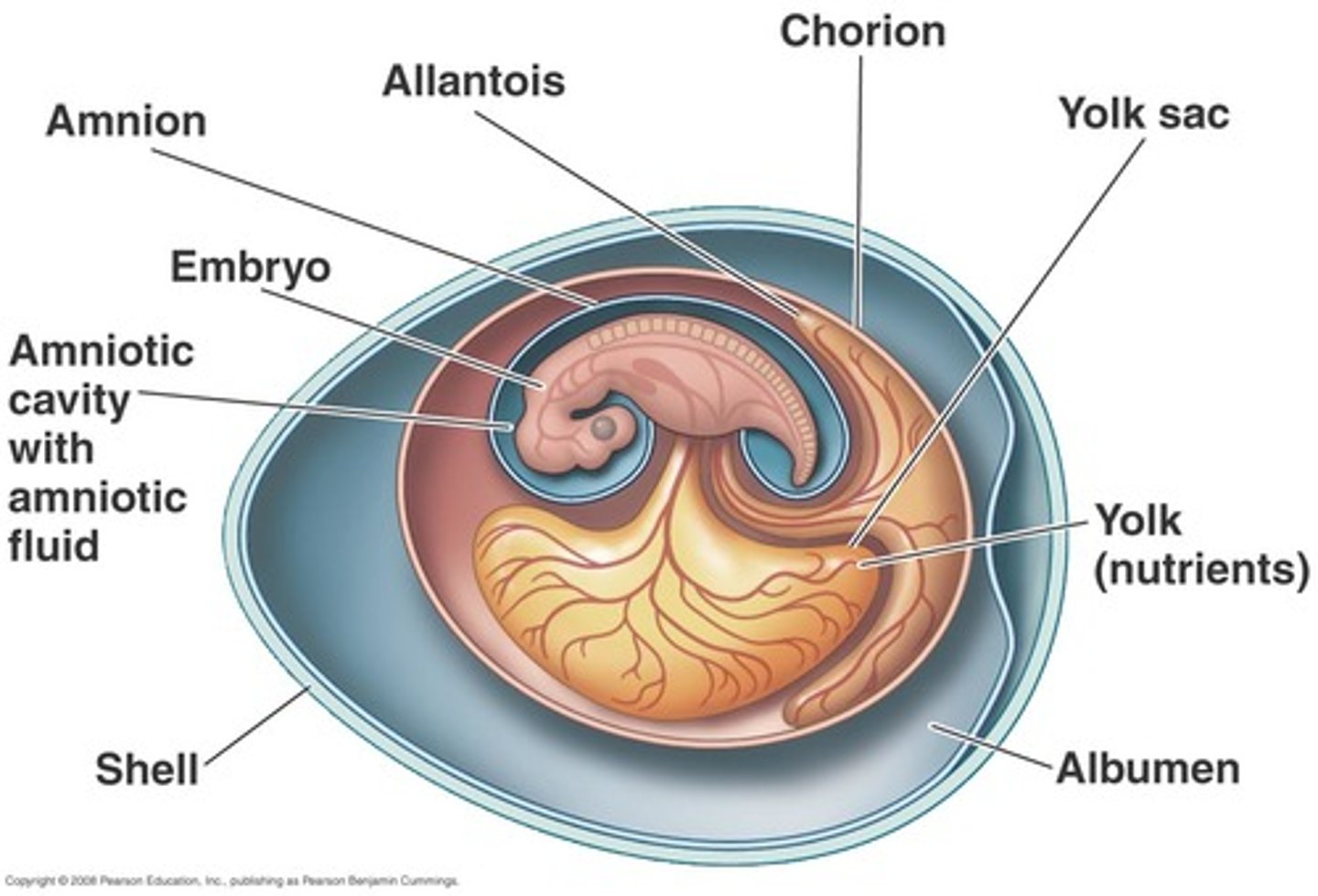
Chorion
The outermost membrane surrounding the embryo, which allows for gaseous exchange
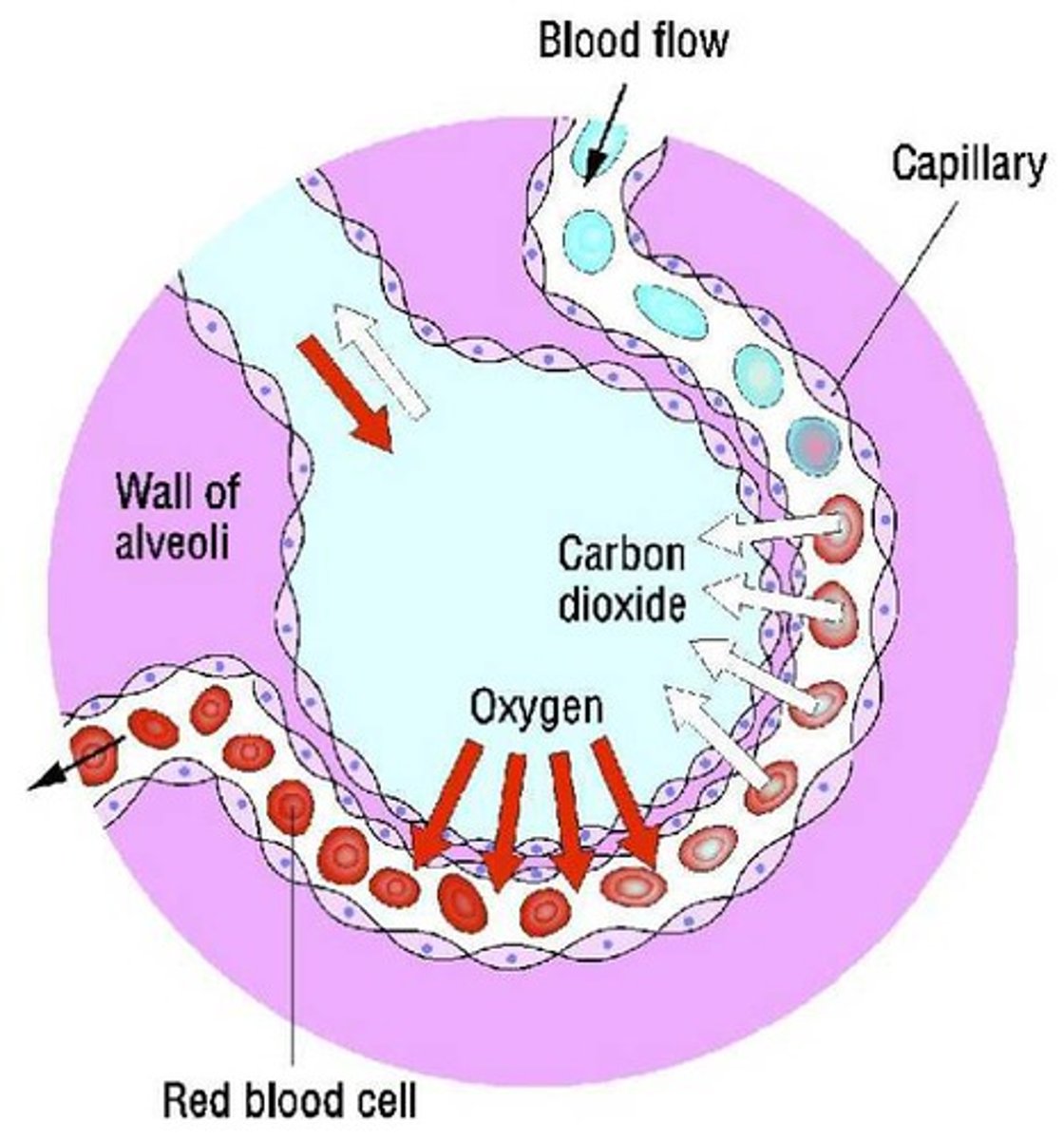
Gaseous Exchange
Gaseous exchange is the biological process where oxygen and carbon dioxide passively diffuse across a membrane.
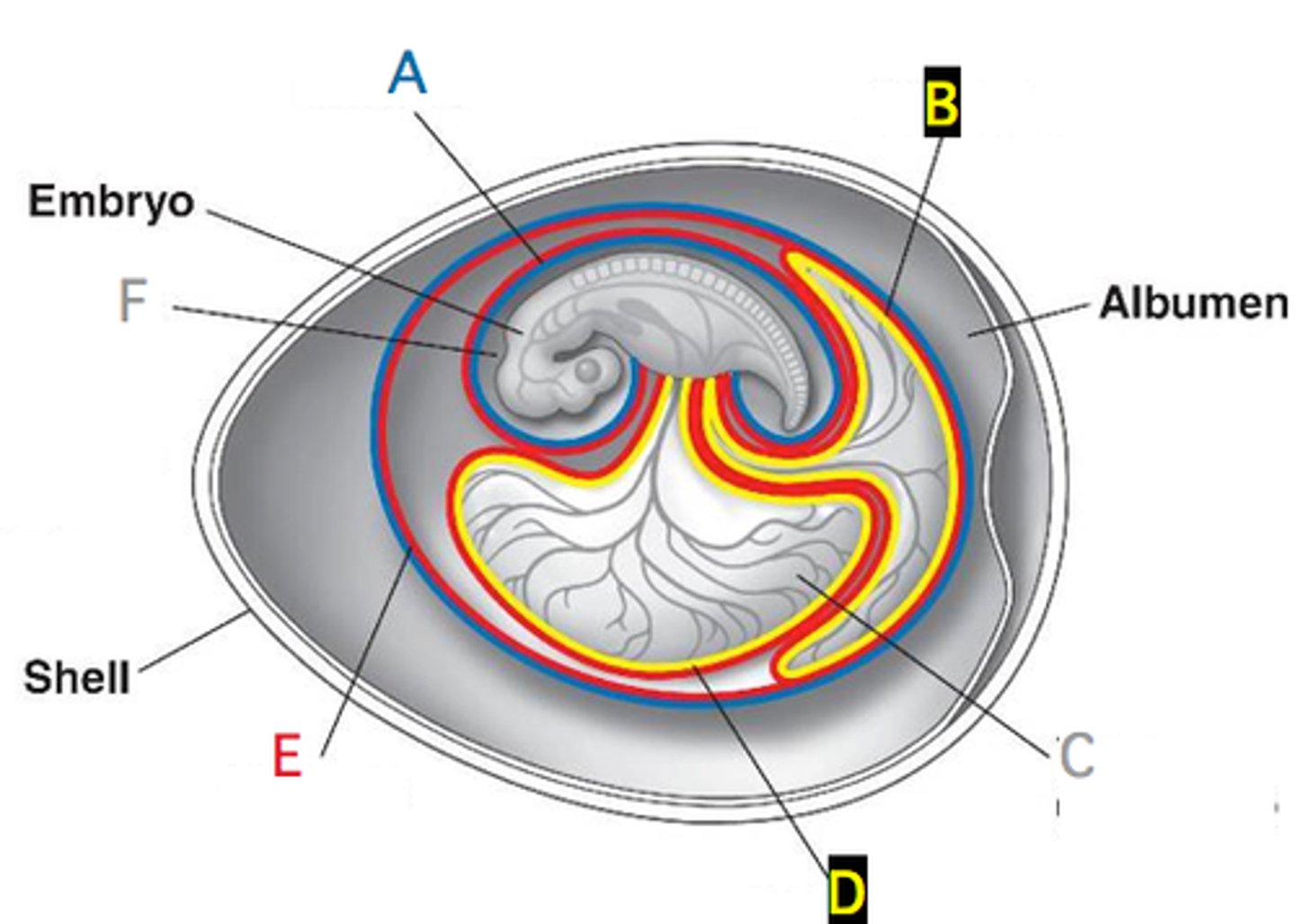
Albumen
Egg white that provides the embryo with protein and water.
Shell
Calcareous or leathery outer, porous covering that protects the developing embryo
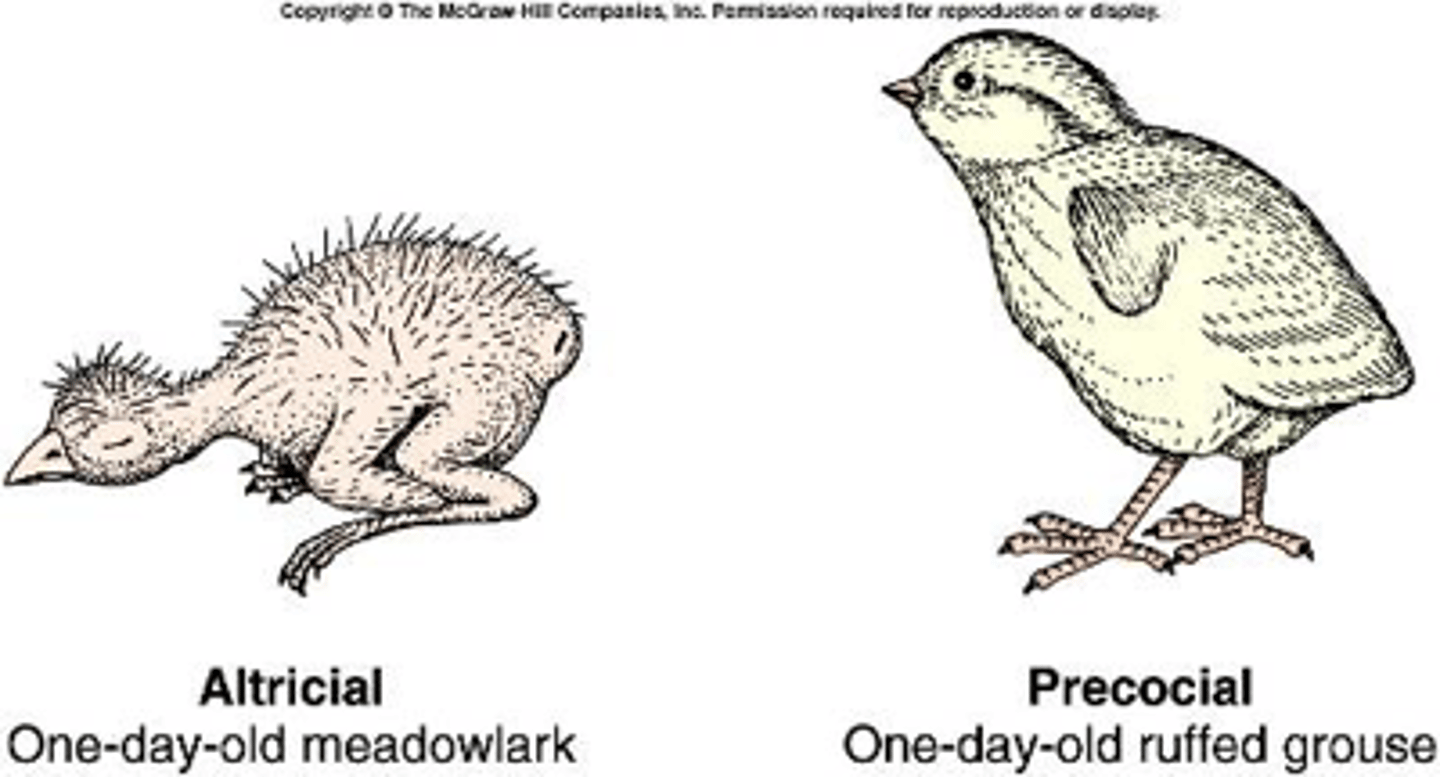
Precocial
Animals that are almost fully developed at birth, requiring little parental care after birth.
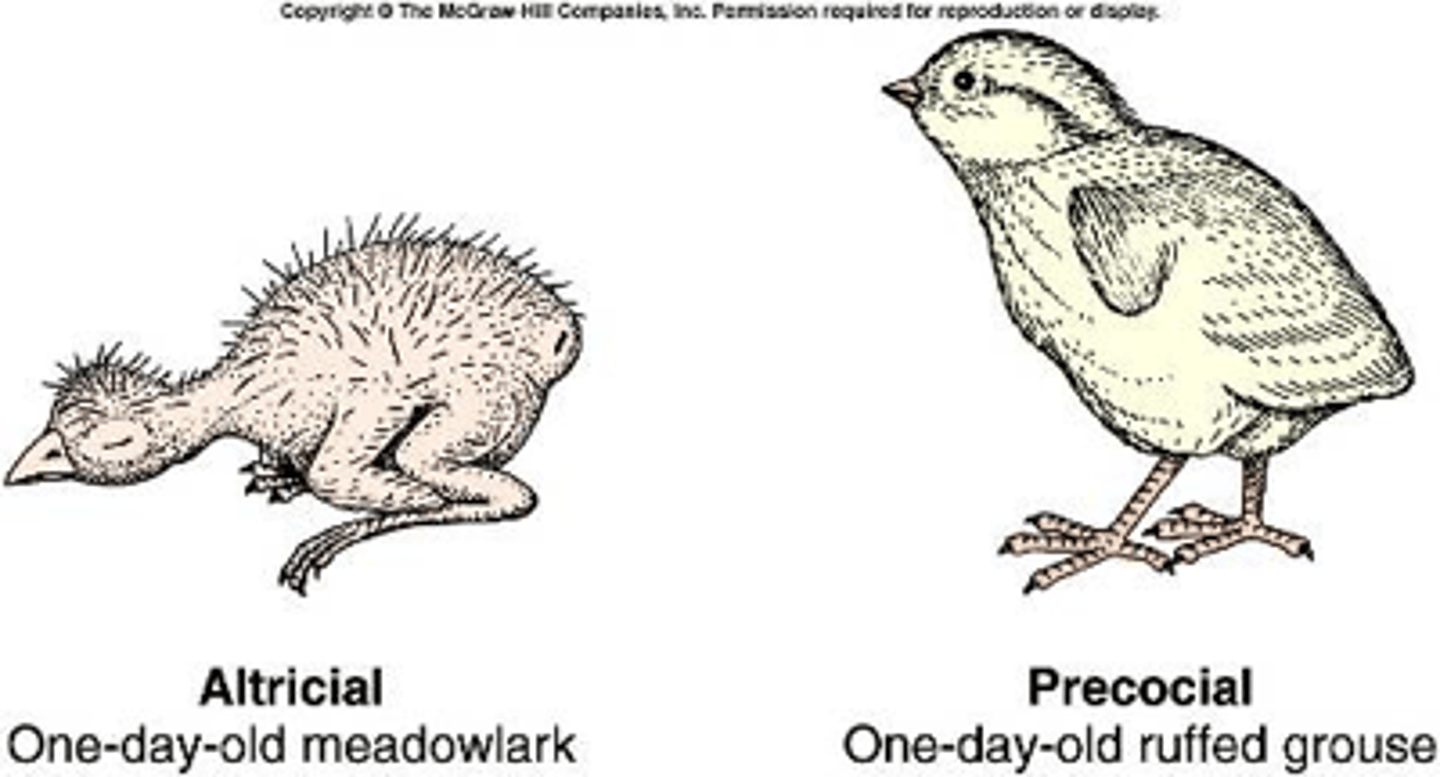
Altricial
Animals that are underdeveloped and helpless at birth, needing a lot of parental care.
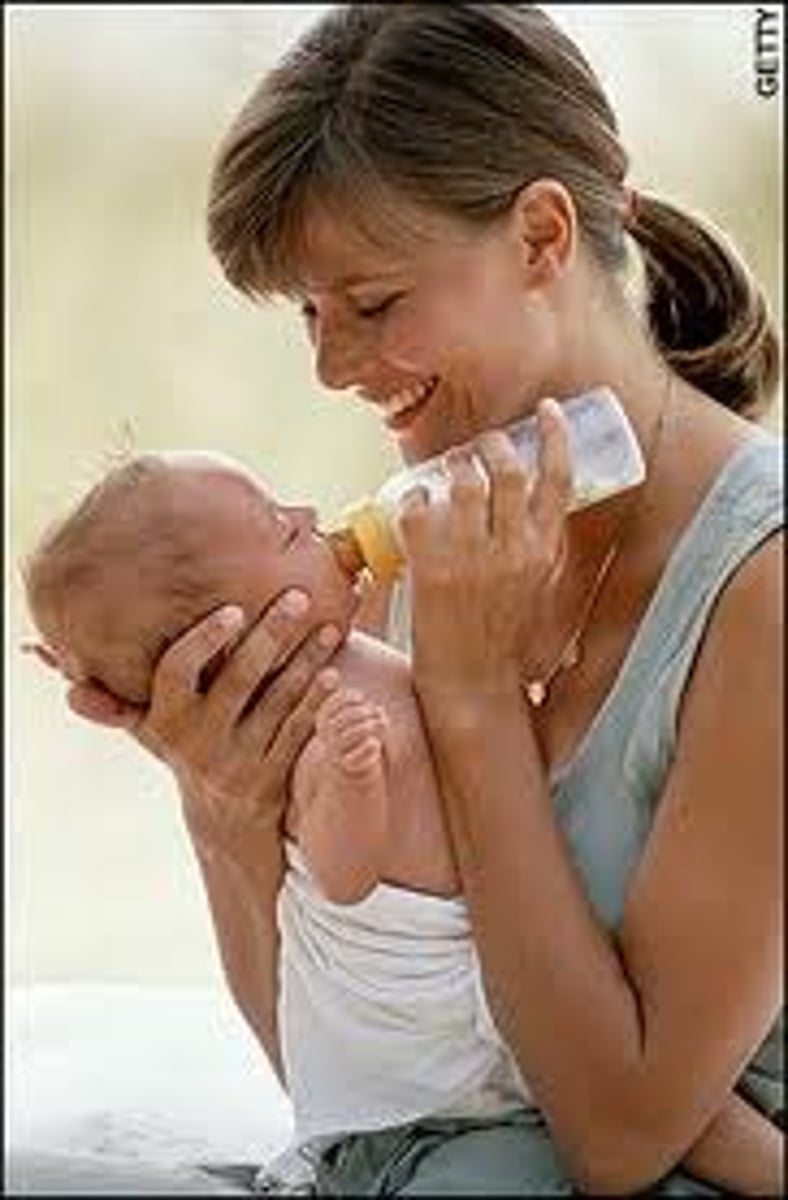
Parental care
Any behavioural pattern where parents spend time and energy to improve the survival, condition and future reproductive success of the offspring.
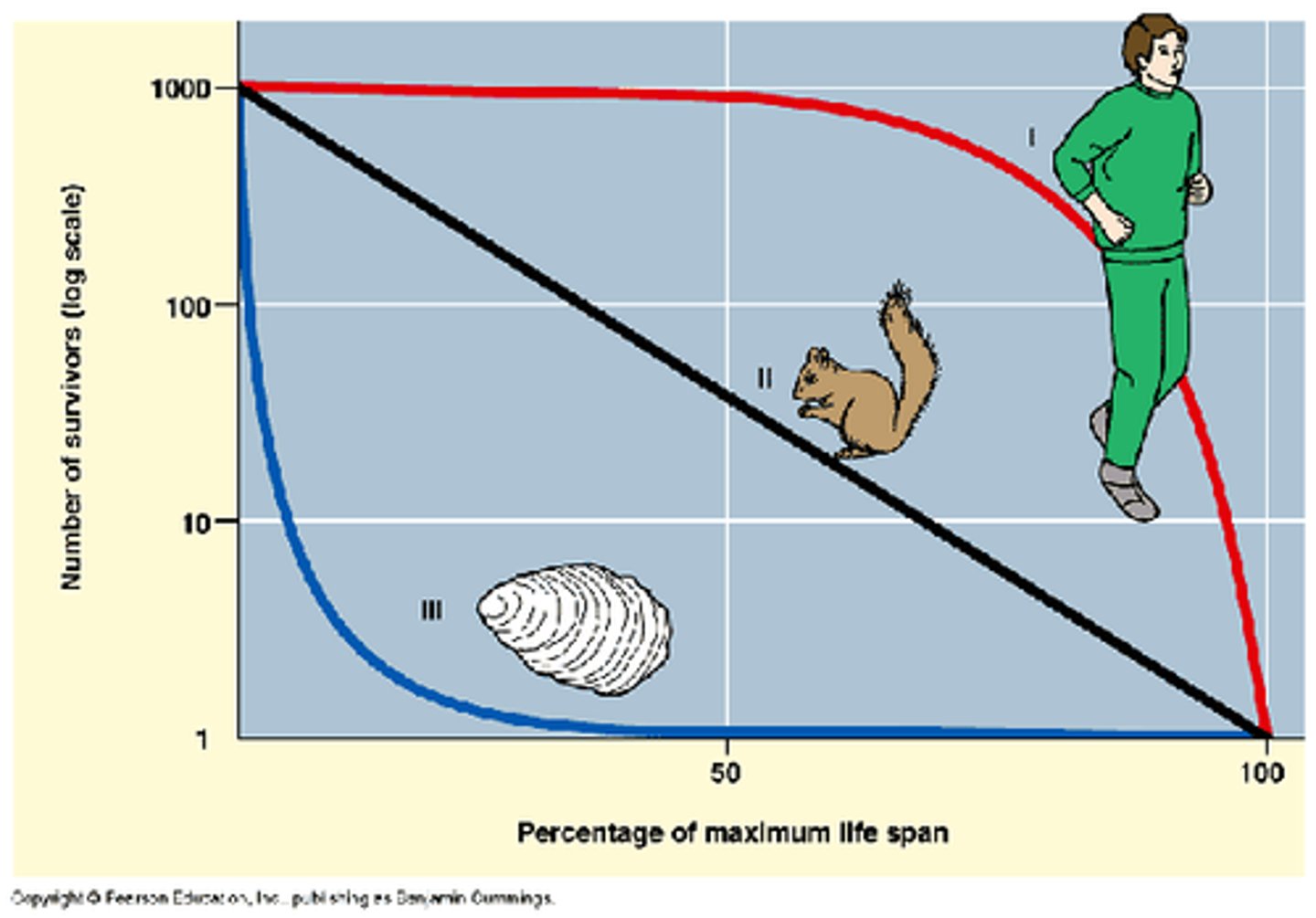
Survivorship curves
Type I( Convex Curve):
High survivorship early/high mortality in old age. Represents K-strategy species. Most individuals survive to old age (Humans/Elephants/Dolphins)
Type II (Straight Line): Steady/constant mortality at all ages. Individuals have the same chance of dying at any age. Intermediate strategy.
(Small birds/Squirrels/Coral)
Type III (Concave Curve):
High early mortality/survivors live long. Represents an R-strategy species. Many die young; the few survivors persist.
(Frogs/Plants/Turtles/Fish)
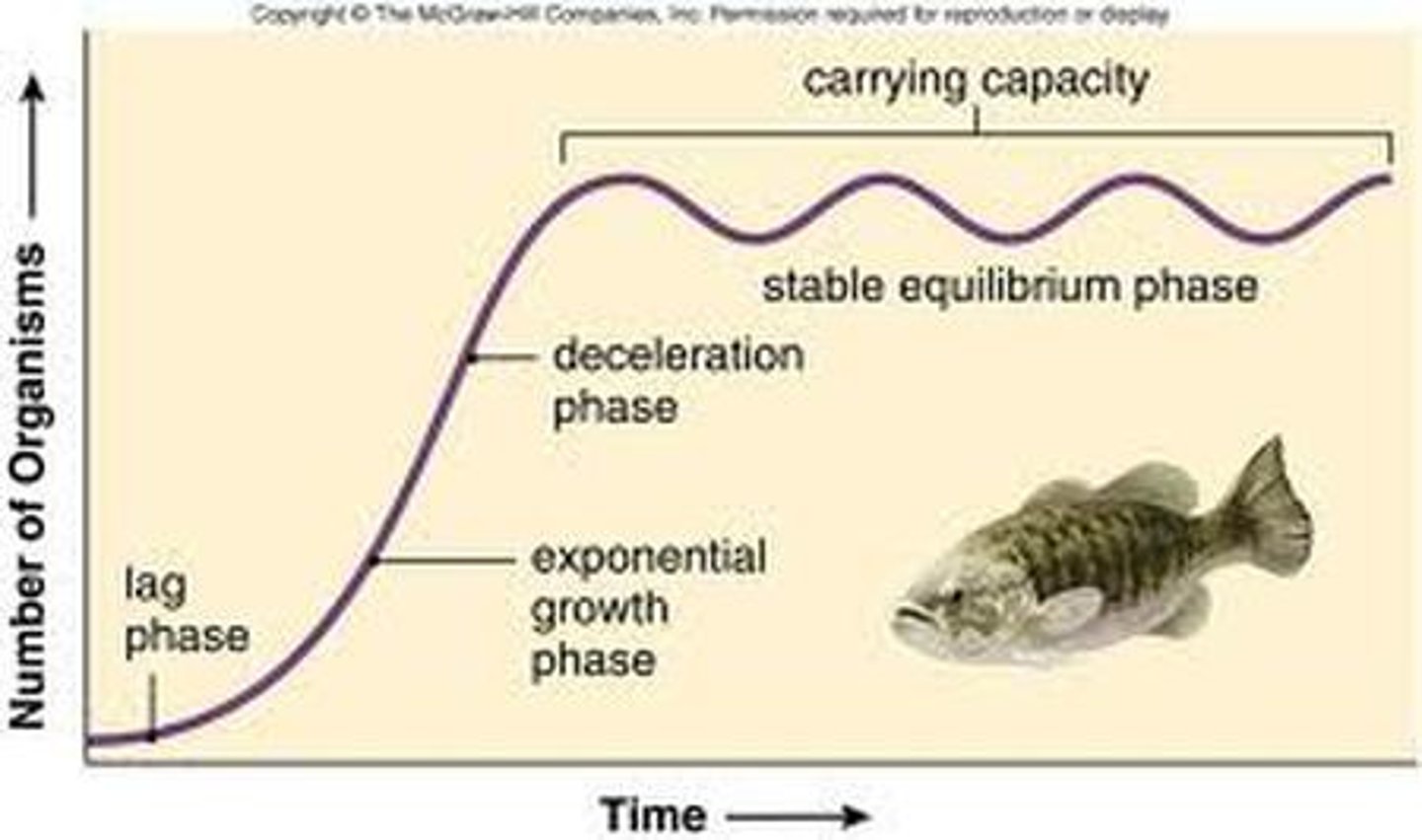
K-Strategy Species
- Few offspring at one time / over a lifetime.
- High parental care. Large body size.
- Late onset of maturity.
- Reproduce multiple times.
- Population size is stable, close to carrying capacity (K).
- Usually climax species.
R-Strategy Species
Many offspring per brood. Low parental care. Small body size. Early maturity. Reproduce once. Many die early (predation). Population size variable. Often pioneer species.
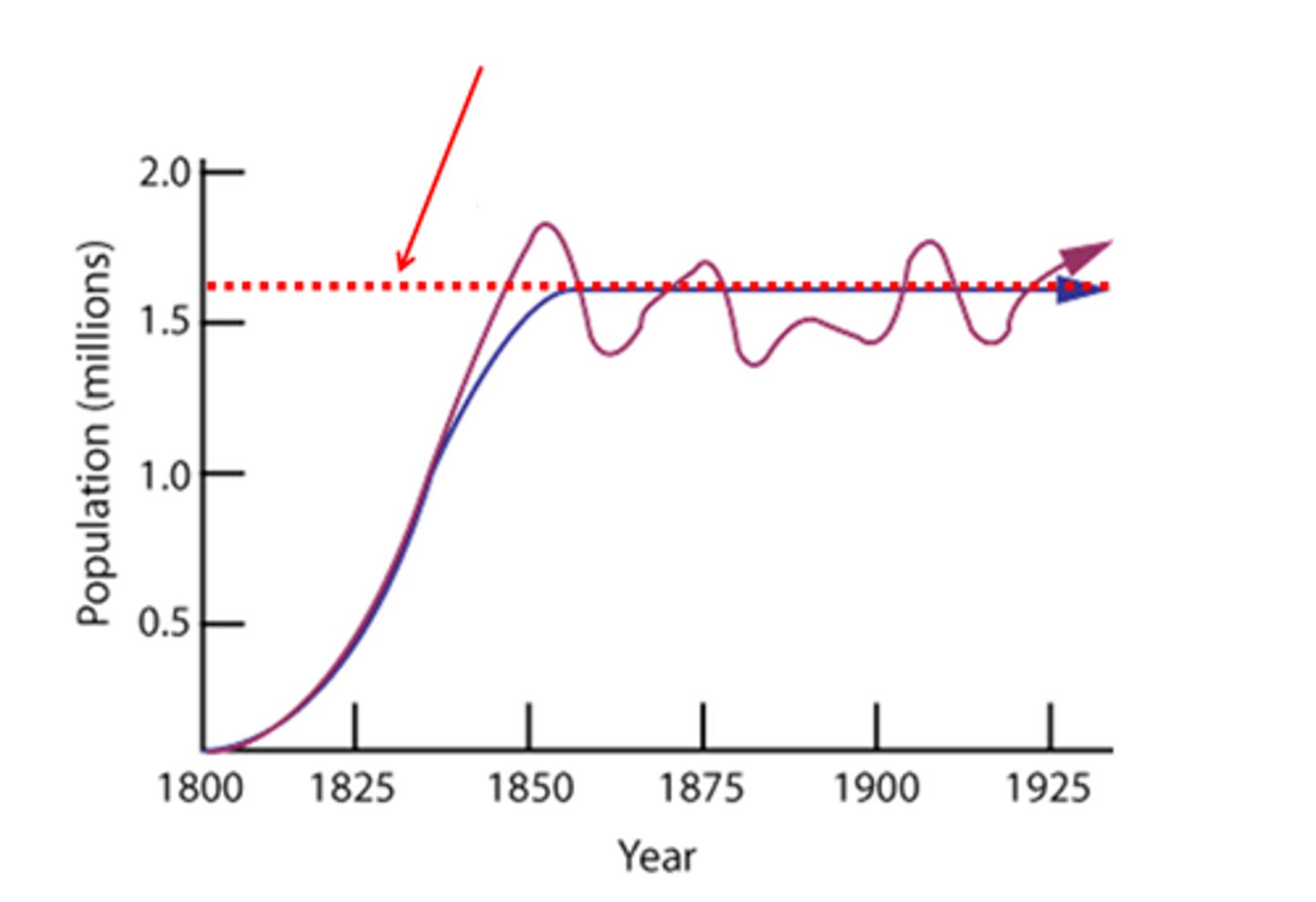
R- Strategy vs. K-Strategy
K-Strategists have a population size close to an environments Carrying Capacity (K).
R-Strategists have a population size that increases exponentially over the carrying capacity (K) of an environment before decreasing at a similarly rapid rate.
Purpose of Courtship Behaviour
- Rituals and actions performed to attract the mate
- Identify partners of the same species
- To choose the right mate (females usually will choose the larger and stronger males with more attractive qualities.)

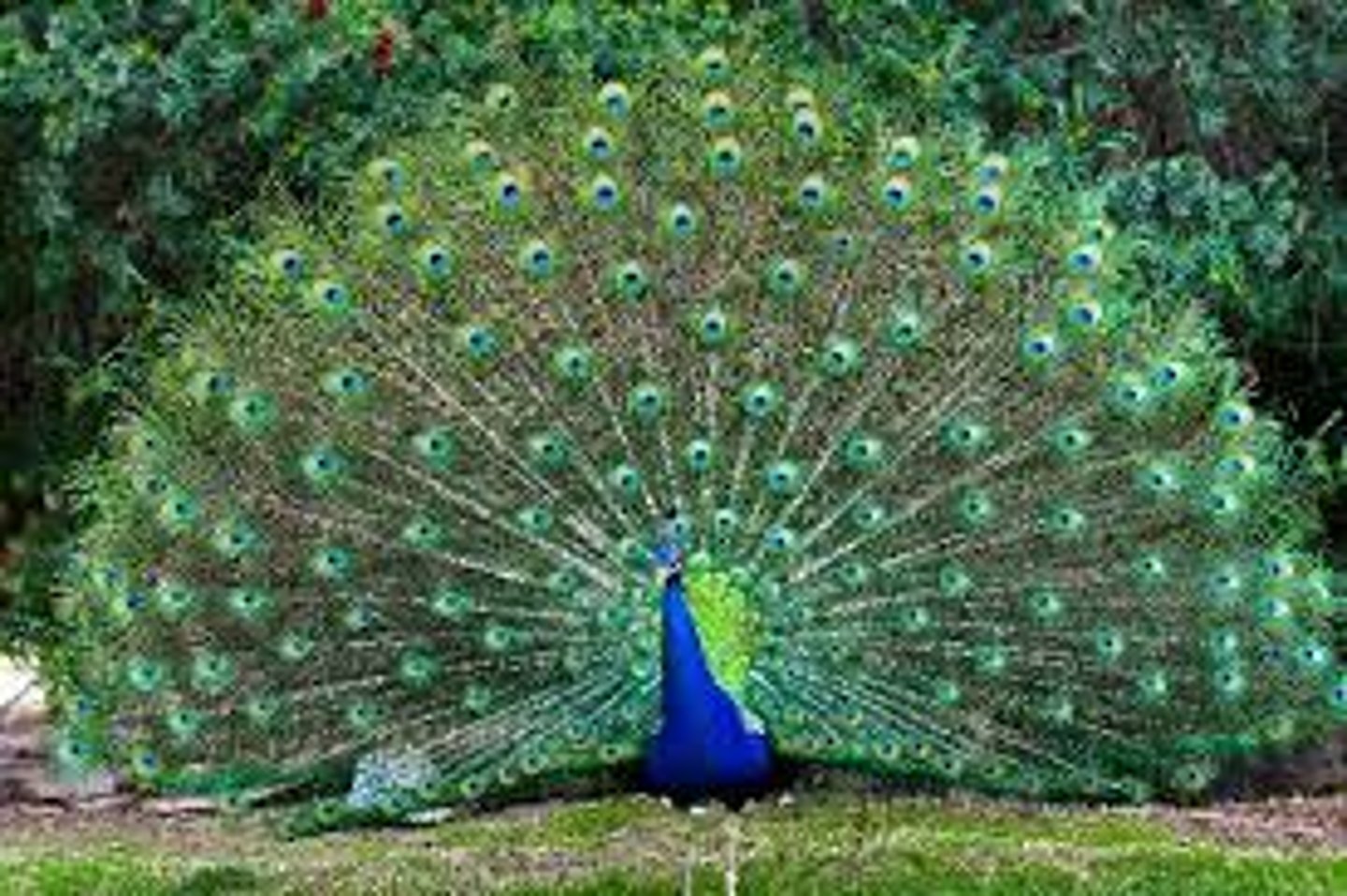
Visual Stimuli
Brightly coloured displays, elaborate feathers, physical size demonstrations. Example: Male peacock feathers.
Fighting / Strength
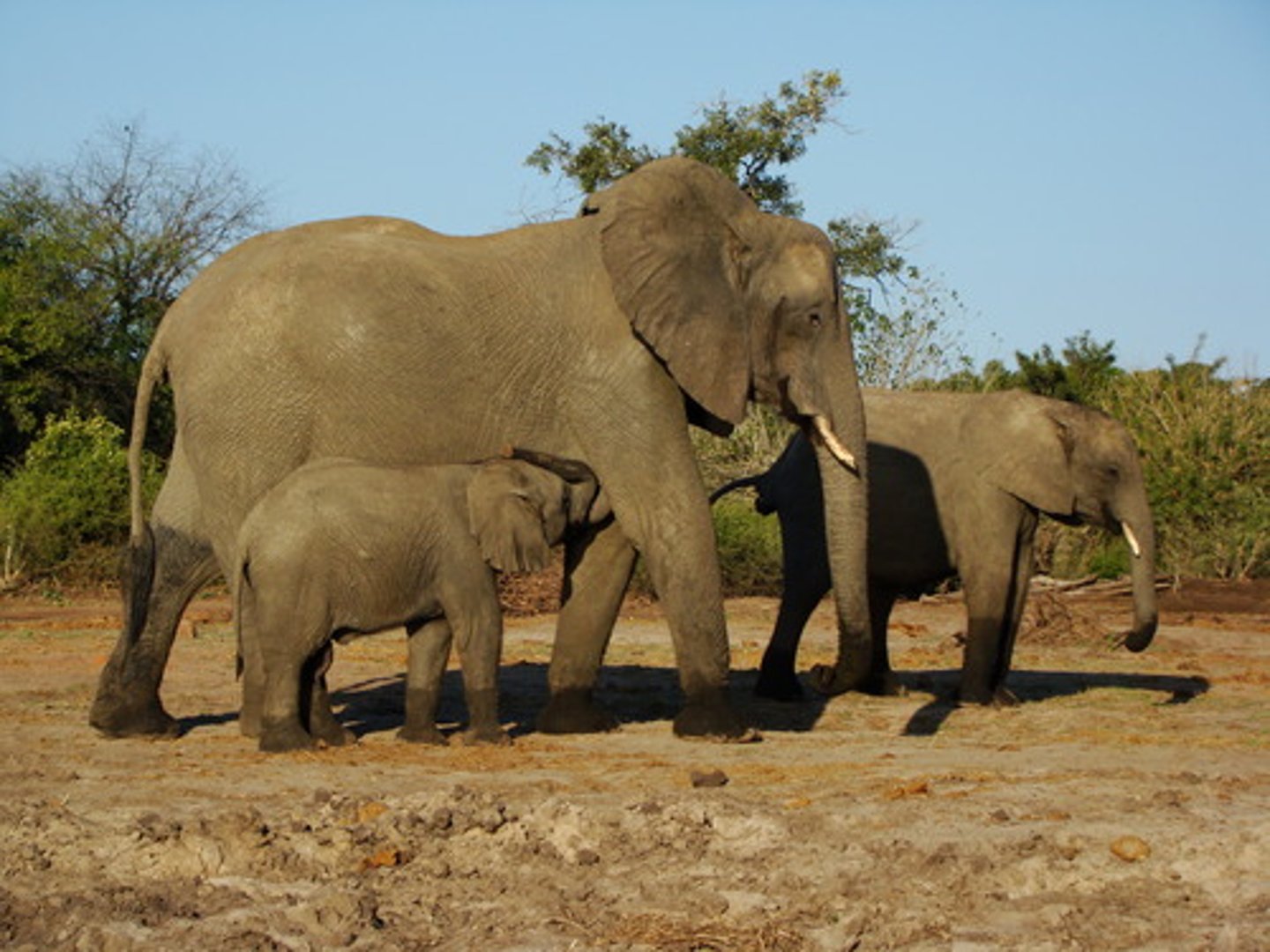
Males fight to demonstrate dominance and physical fitness to the watching females. Examples: Lions, elephants.
Performing Intricate Dances/ Touching
Elaborate choreographed movements or physical touching rituals. Examples: Scorpions, eagles, tortoises.
Bringing Food
Male demonstrates ability to provision resources — important for female energy conservation during breeding. Example: Pel's fishing owl.
Building Homes
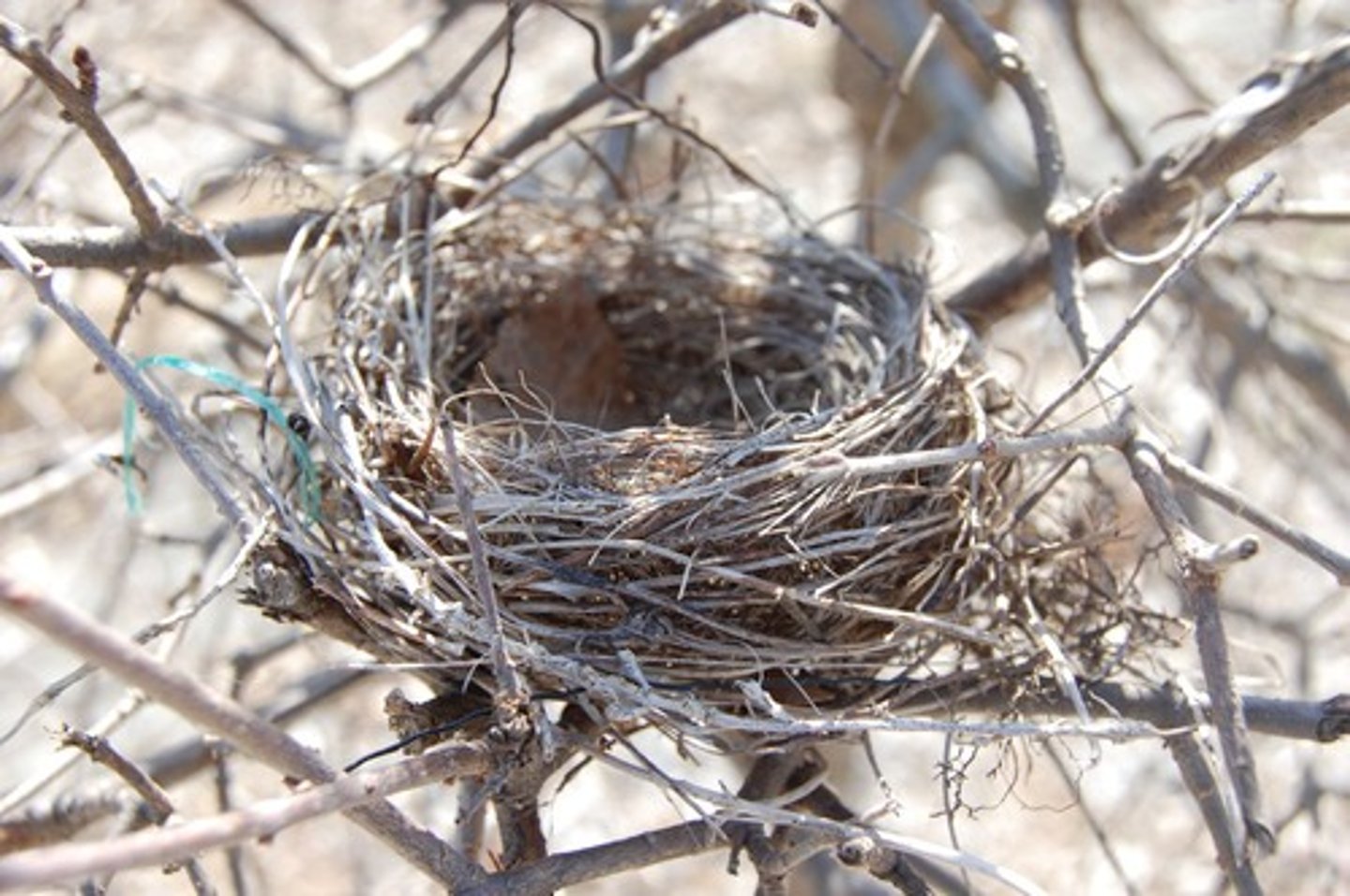
Males construct elaborate structures to demonstrate skill and resource-holding ability. Example: Weaver birds.
Chemical Stimuli
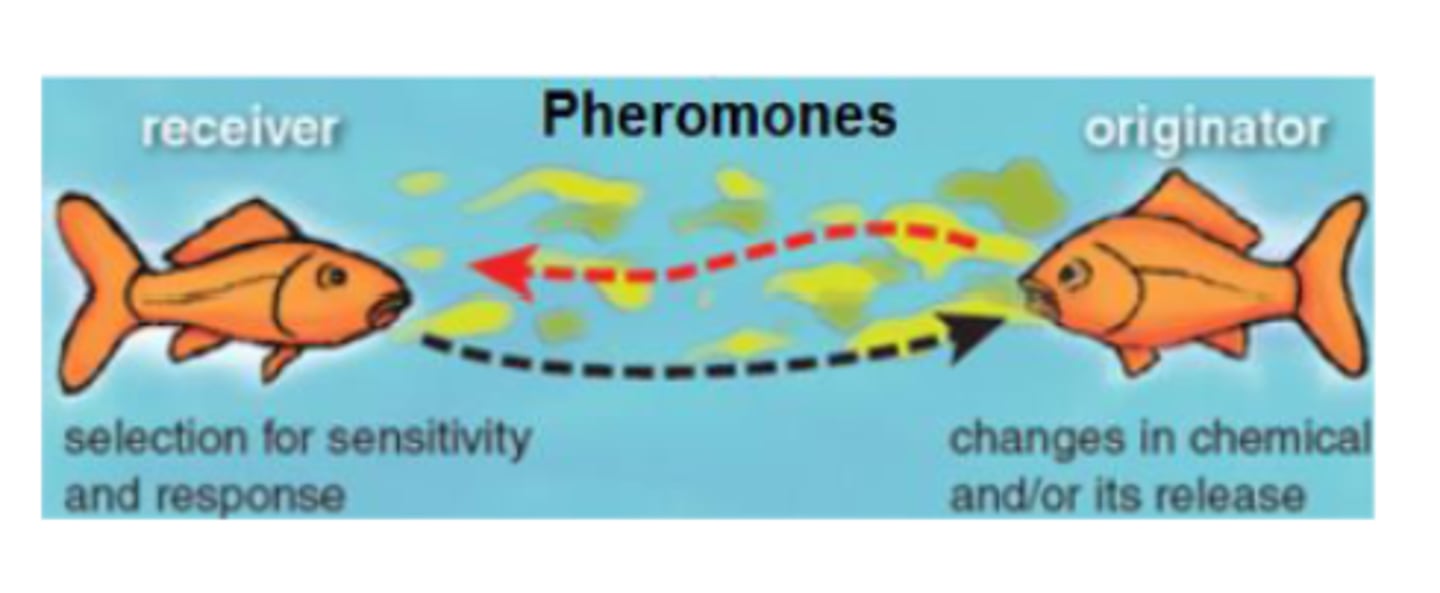
Pheromones secreted to attract mates - chemical signals that travel through air or water. Example: Moths.
Sound Stimuli
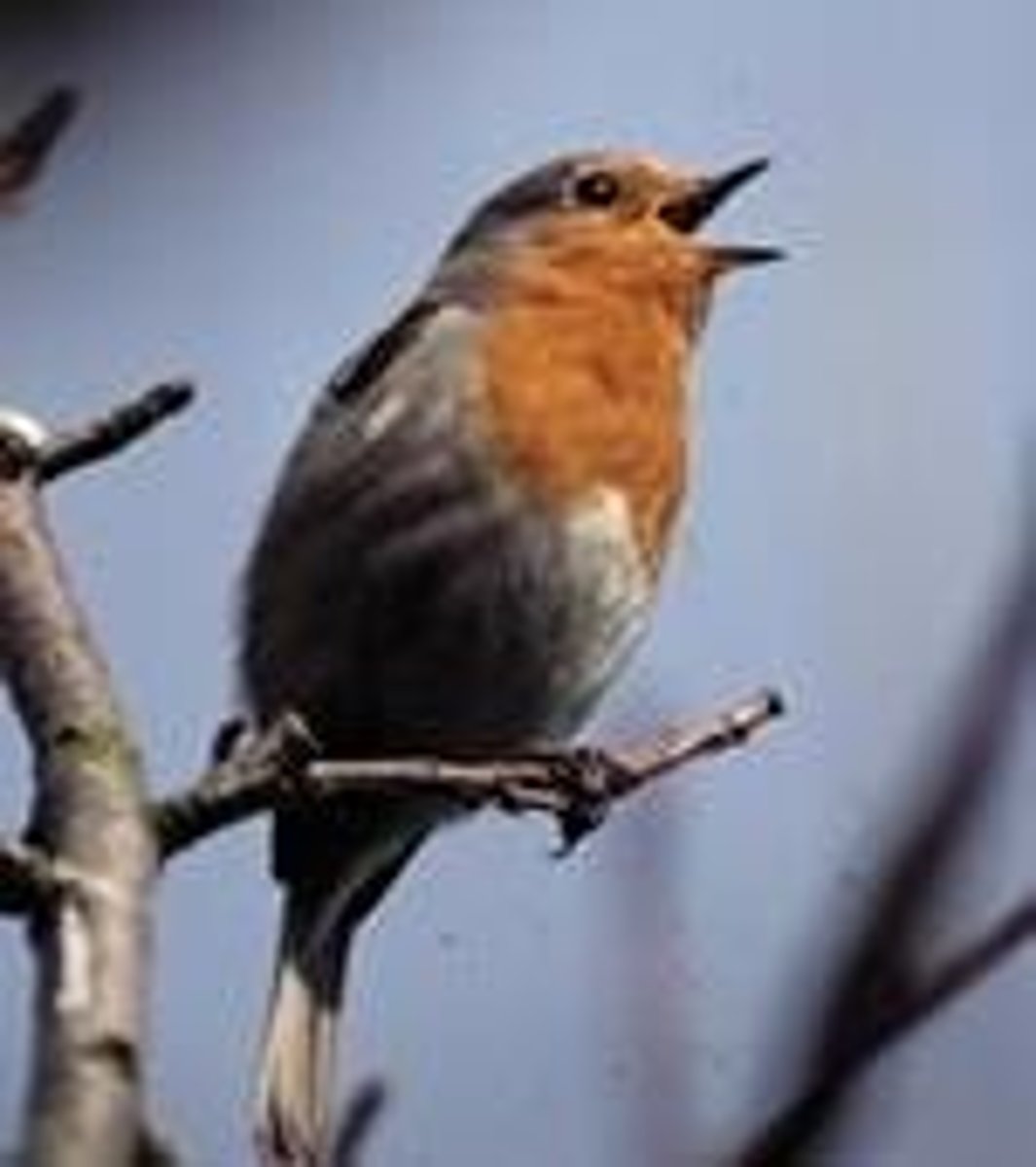
Vocalisations to attract mates and signal fitness. \
Only the healthiest individuals can maintain loud, sustained calls.
Example: Male frogs, birds.
DEFINE: Lek
A lek is an aggregation of males that gather to engage in competitive displays that may entice visiting females surveying prospective partners for copulation.
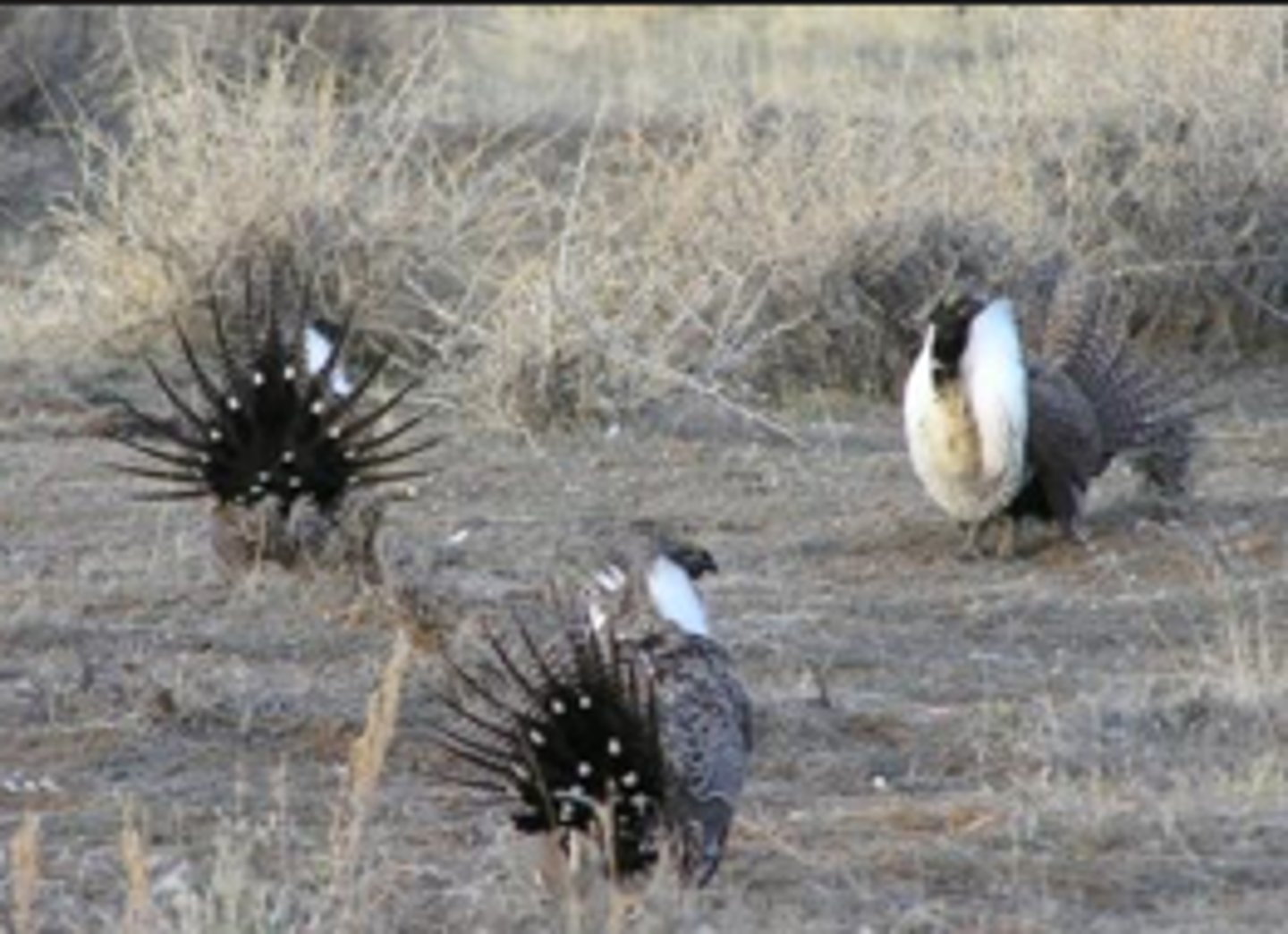
What is a Lek?
-Leks form before or during the breeding season
- Defined by: male displays + strong female mate choice + conferring of male indirect benefits
- Common in bird species; also found in insects, amphibians, and mammals
-Many males gather, but only dominant males successfully mate
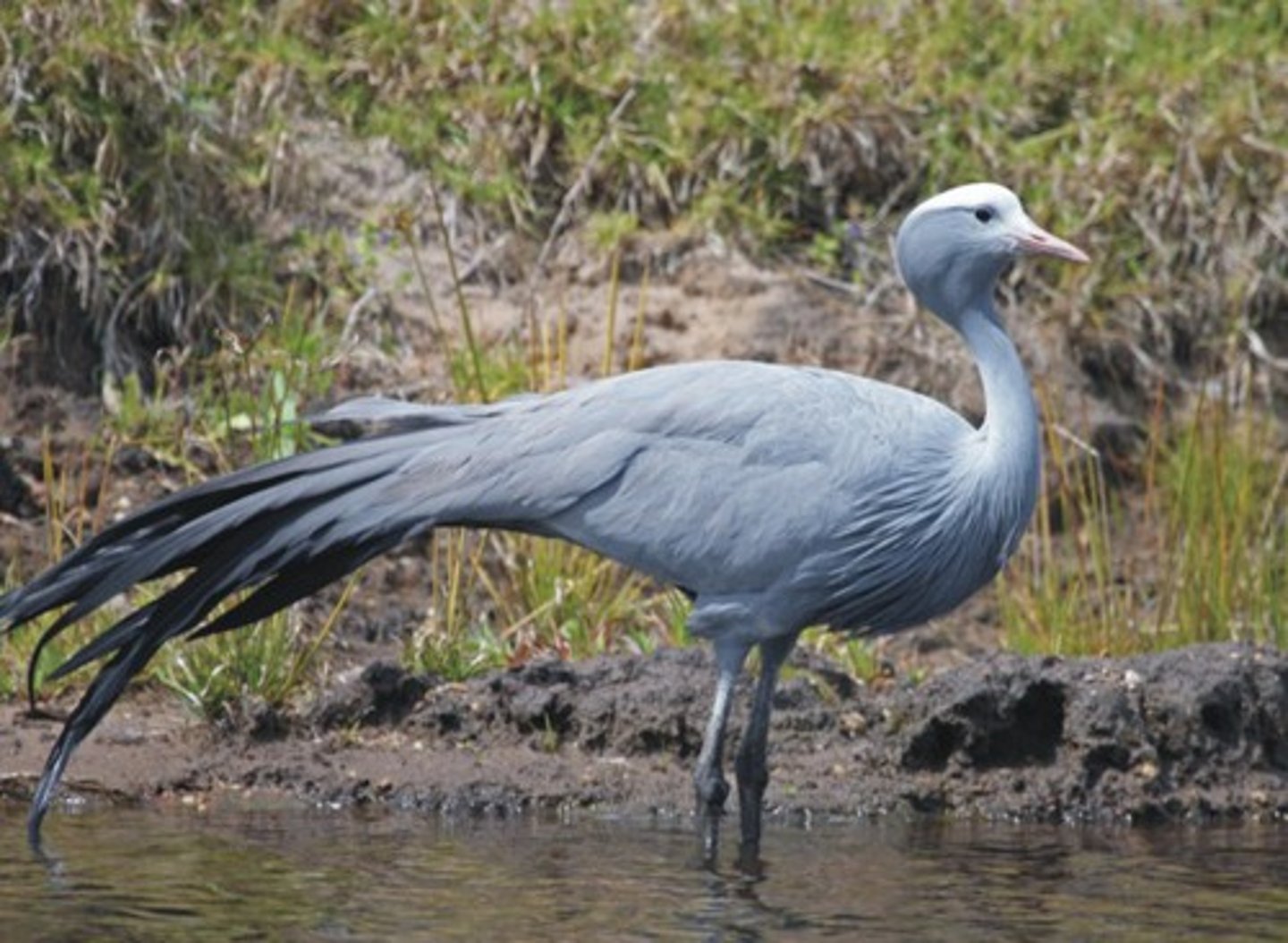
- Example: Blue Crane (National Bird) — courtship involves a "dance" in which the male chases the female with leaps, bows, and bouts of calling
How does Courtship maximise reproduction?
-ENSURES SUITABLE MATES FIND EACH OTHER: The more energetic the calls/dances/rituals, the more likely he will attract females. This is an example of natural selection.
- SEXUAL BEHAVIOUR IS TIMED: Males and females are ready for mating at the same time (often seasonal).
- ENERGY EXPENDITURE BY MALE: the female conserves her energy for breeding, gestation, and caring for young.
External Fertilisation Details
-Occurs in aquatic organisms (fish, frogs) - water provides a medium for sperm to swim and prevents desiccation.
-Egg and sperm cells are released simultaneously into water
-Sessile organisms (coral, anemones, mussels, barnacles, oysters) benefit greatly — they cannot seek out mates
-Disadvantages: eggs and sperm may drift apart; embryos left unprotected; many eggs destroyed by predators; unfavourable temperatures
-Eggs are surrounded by jelly to protect them from desiccation; the yolk provides nutrients
-Frog larvae (tadpoles) do NOT resemble adults - no competition for food. This is a complete metamorphosis
-Advantage: no additional energy spent on parental care or protective shell
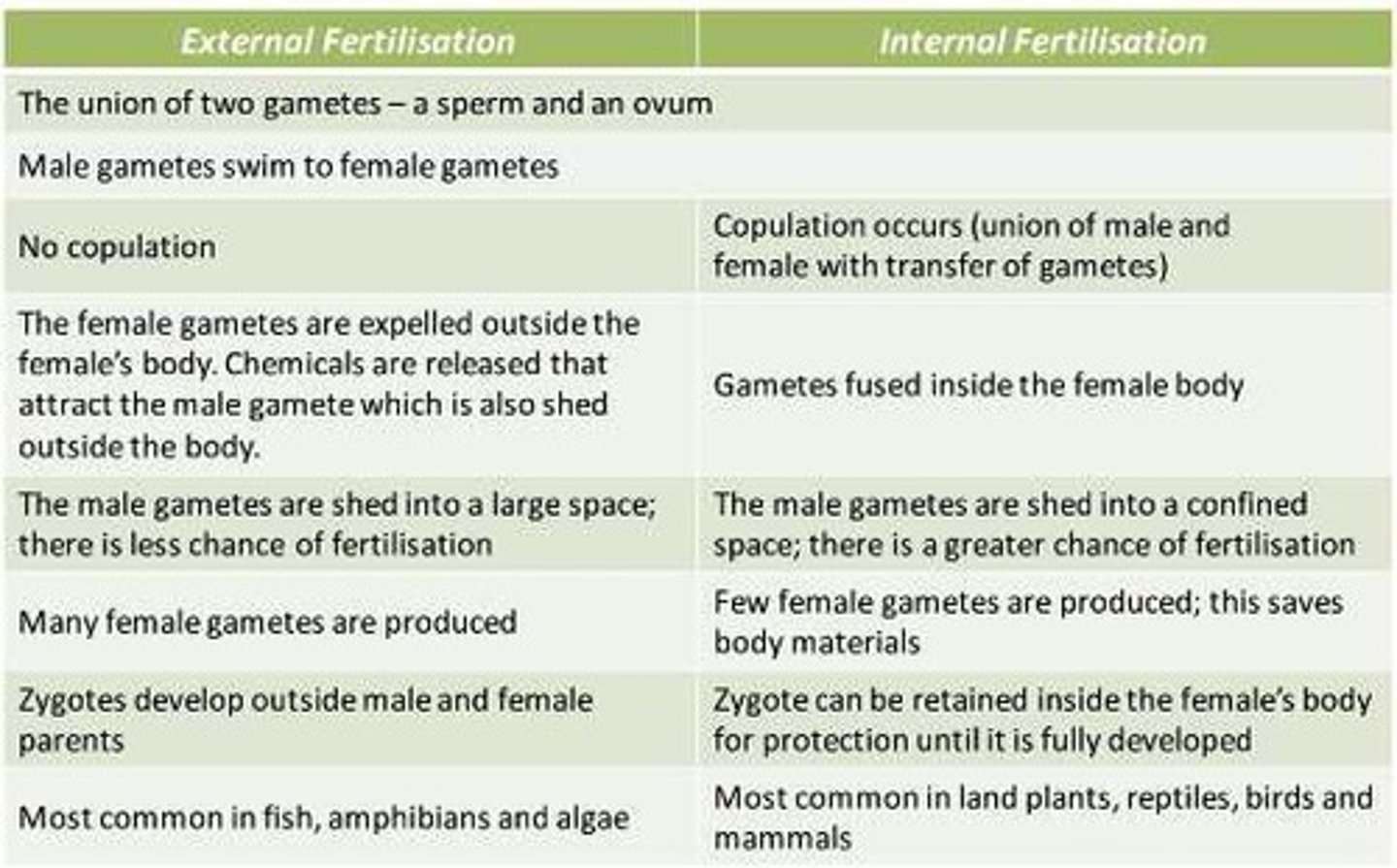
Internal Fertilisation Details
- Occurs in insects, reptiles, birds, and mammals
- Male inseminates female by placing sperm into the female's body - eggs are fertilised internally
- Achieved through copulation -penis into vagina (mammals) or cloaca (birds and reptiles)
- Reproductive behaviour is often seasonal - ensures young are born when conditions favour survival
- Advantages: gametes not exposed to drying out; not lost to predation; fertilisation more likely in a contained environment
- Fewer eggs produced - less energy on production; more on quality. Eggs may have a shell and yolk
-Cloaca: common reproductive and urinary opening in birds and reptiles
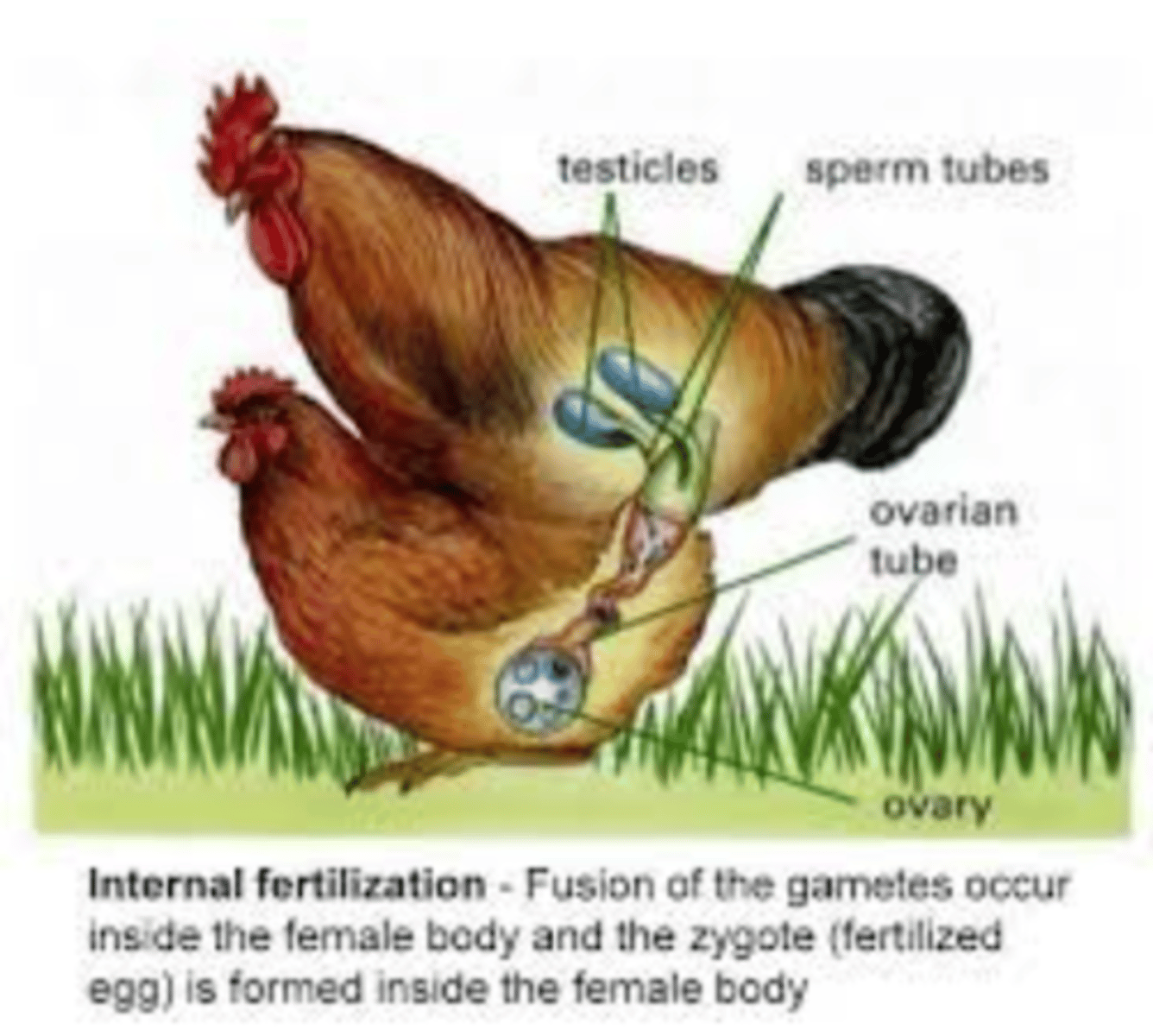
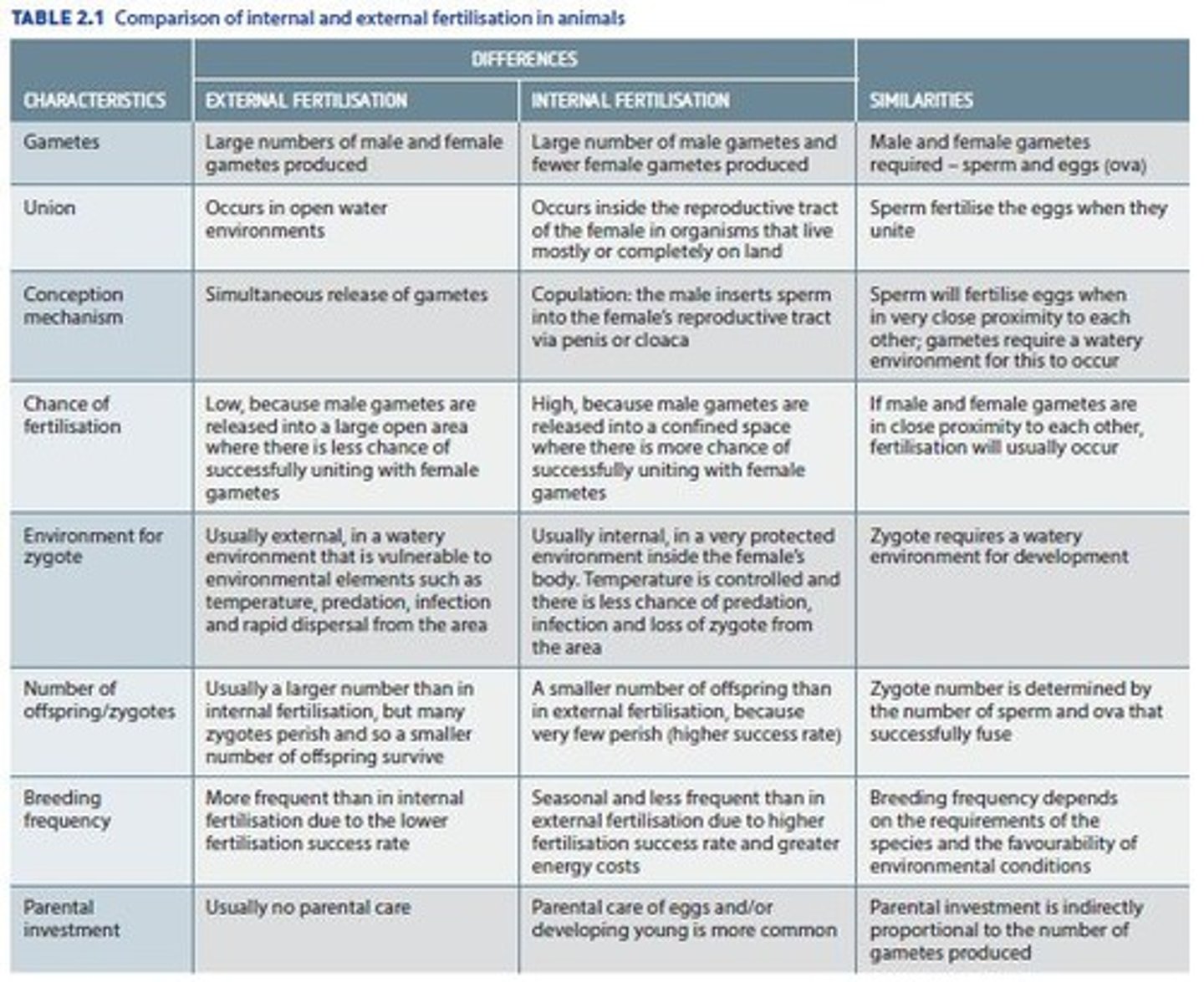
External vs. Internal Reproduction
DETAILS ON TABLE pg8 notebook
Oviparious Features (Egg Laying)
Many insects, reptiles, all birds, and monotremes (egg-laying mammals) are oviparous. The embryo develops inside the egg outside the parent.
- Egg protected by a shell formed after fertilisation (prevents desiccation)
- Embryo nourished by egg yolk
In aquatic organisms, the embryo is surrounded by jelly
- In land animals (birds, reptiles, monotremes): hard or leathery shell
- Reptiles/birds produce fewer eggs — energy saved goes into: (1) larger yolks
(2) protecting/incubating eggs
(3) parental care of young
- Most reptiles and insects show little parental care, but pythons coil around eggs to protect and regulate temperature; crocodilians protect nests and young
- Almost all birds protect eggs, incubate, and feed young, often with both parents involved
Ovoviviparious (Internal Eggs)
- Egg cells are fertilised internally; membranes form around the embryo
- Eggs are kept inside the mother's body (at constant temperature), but the embryo is nourished by yolk — not from the mother
- Mother provides gaseous exchange and protection, but not food
- Eggs hatch as being laid, or before they are laid; however, they are born live.
- Advantage: young can grow to a fairly large size before birth — better at avoiding predators
- Whale shark - ovoviviparous; gives birth in protected bays and river mouths to protect young and ensure food supplies
- Also: some snakes, cockroaches, Cape dwarf chameleon, Garter snakes
- Fewer eggs produced. The more energy is spent on yolk production
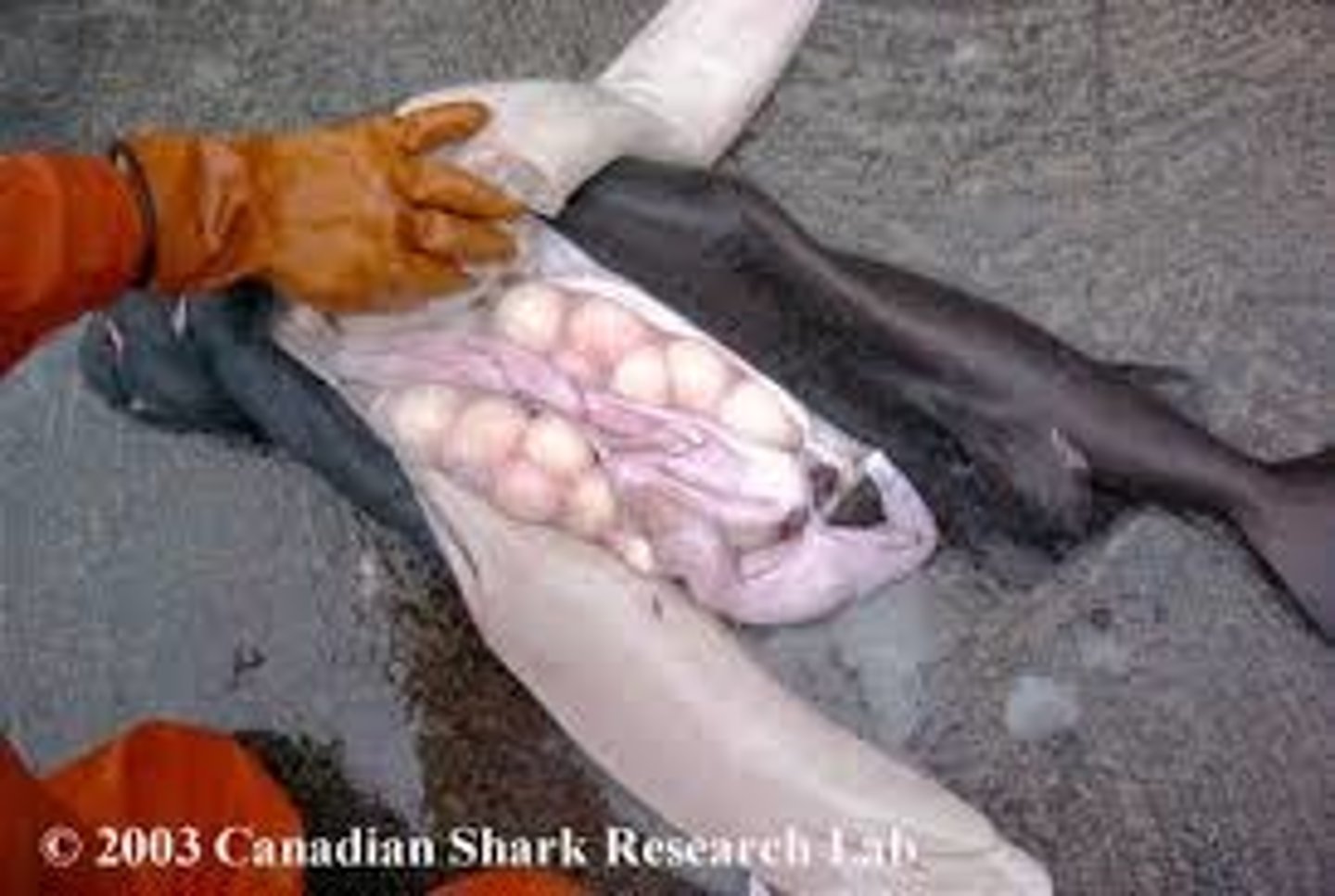
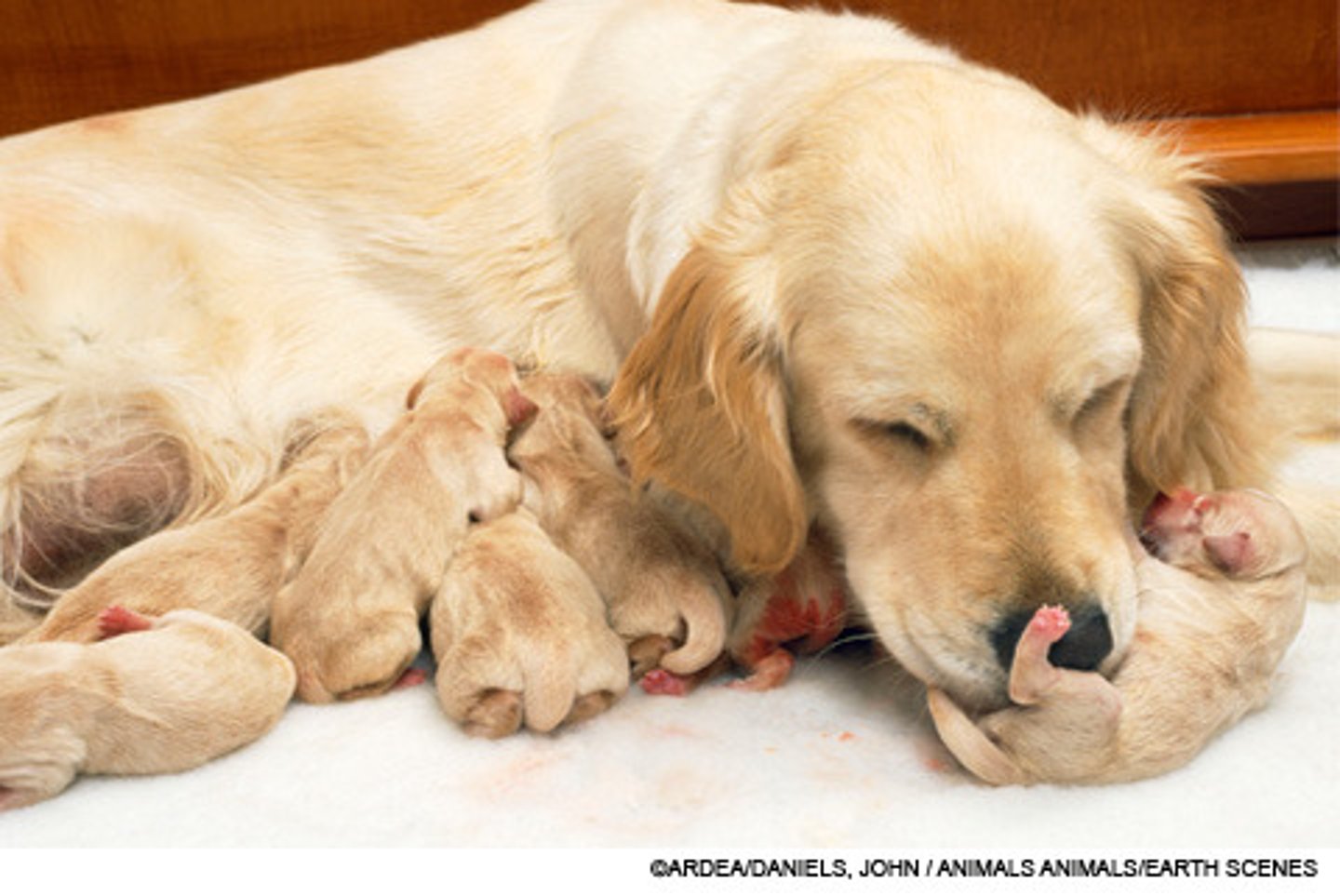
Viviparous Features (Live Birth/ Placental)
- Fertilisation is internal; eggs have no shell
- Embryo develops inside the female and is nourished by the female through a placenta
- Occurs in: placental mammals (NOT marsupials and monotremes), 55% of sharks and rays, some invertebrates (scorpions)
- Advantages: incubation temperature regulated by mother; embryo safe from predation; fitter offspring more likely to survive to adulthood
- Disadvantages: fewer young produced; energetically demanding on the mother
- Mortality rates are lower than in oviparous and ovoviviparous animals
Oviparity vs. Ovoviviparity vs. Viviparity
Table on pg 9
Pre-natal
Parents spend energy on guarding nests, incubating, and nourishing pre-infancy.
Post-natal
Parents spend energy on feeding, protecting, teaching offspring post infancy.
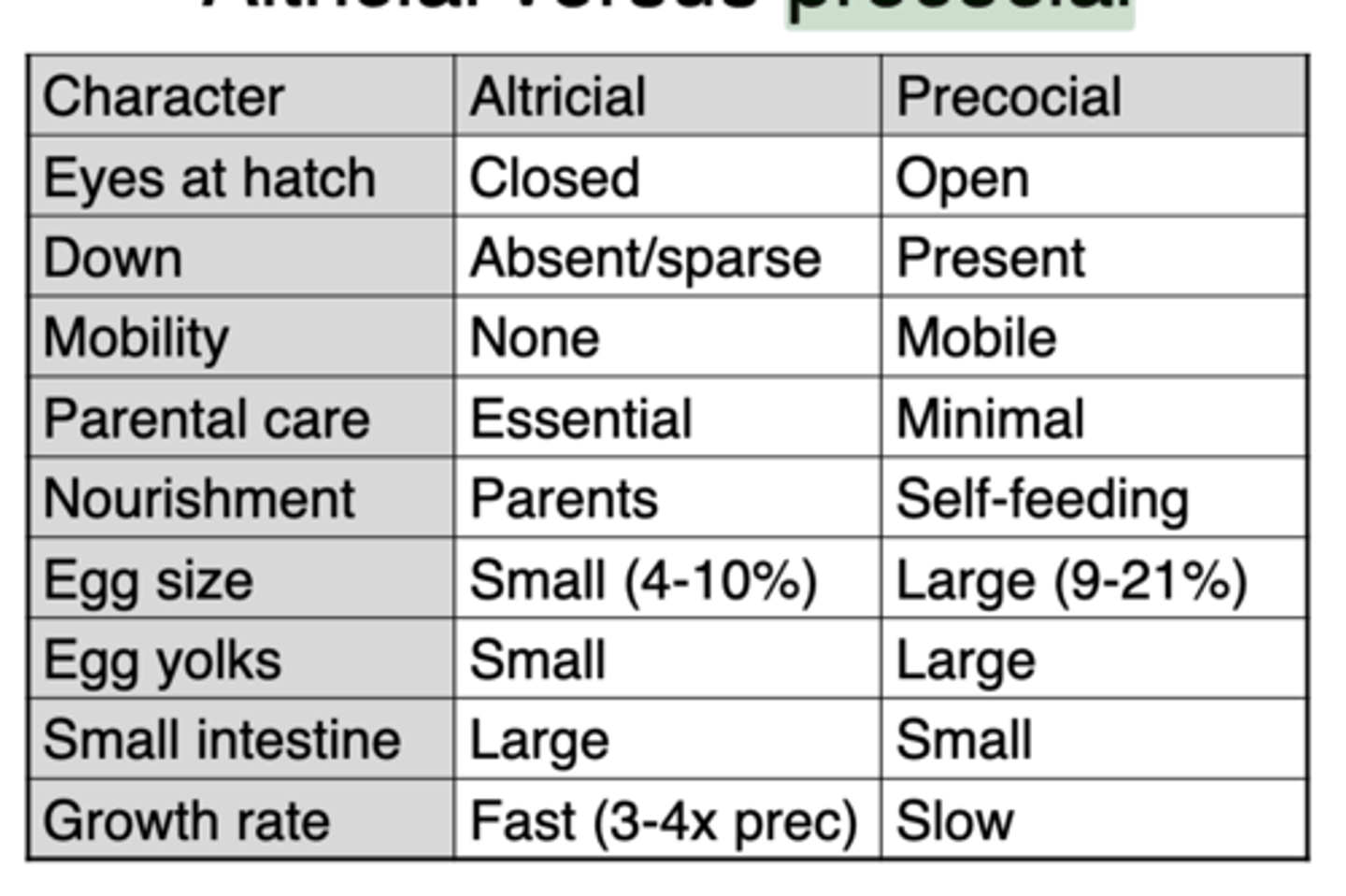
Precocial vs. Altricial
Precocial animals that are born at a higher state of development. (Birds are born in a nest on the ground.)
Altricial animals that are born at a less developed state.
(Birds born in nests in trees.)
TIP:
Pre- Prae- Before
cocial - coquere - to cook/ripen
Therefore, Precocial =
early ripening
SAGS AIM 1: KNOWING LIFE SCIENCES
The nervous system and hormones enable animals to respond to external changes and to control conditions inside their bodies
Candidates should know:
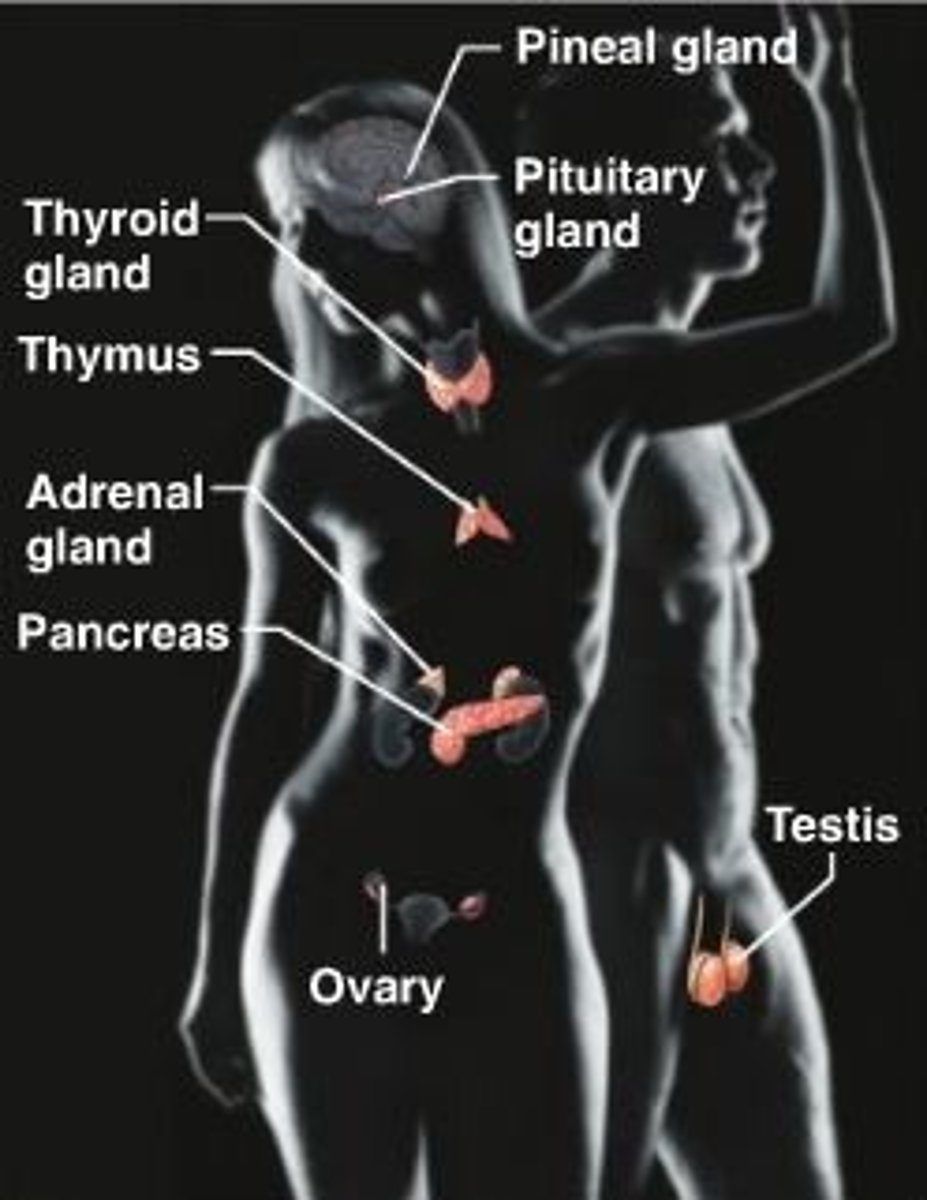
1. The location of the endocrine glands listed below and the role of the hormones in body functions. These should be learnt in their context in the FET phase.
• Hypothalamus (ADH), pituitary gland (TSH, FSH, LH, Growth hormone), thyroid gland (thyroxin), pancreas (insulin & glucagon), adrenal gland (adrenalin), gonads (testosterone & oestrogen, progesterone). Other reproductive hormones (oxytocin and prolactin)
2. The disorders of the endocrine system: diabetes, thyroid disorders, growth disorders, infertility.
3. The concept of homeostasis as a means of maintaining a stable internal environment. [Link to Grades 10 and 11]
4. The general role of negative feedback in homeostasis, drawing on glucose and reproductive hormones.
SAGS AIM 2: INVESTIGATING PHENOMENA IN LIFE SCIENCES
Interpretation of given data: Observation/Interpretation of graphs, tables, drawings, micrographs, microscope slides, bioviewers, etc.
Pancreatic tissue: Identify and label/draw (exocrine vs. endocrine cells/tissues)
Investigate: Cortisol/Adrenalin related to Sports Science; steroids; stress
SAGS AIM 3: APPRECIATING AND UNDERSTANDING THE HISTORY, IMPORTANCE AND APPLICATIONS OF LIFE SCIENCES IN SOCIETY
Debate current uses of hormones in, e.g. sports medicine, infertility and diabetes control.
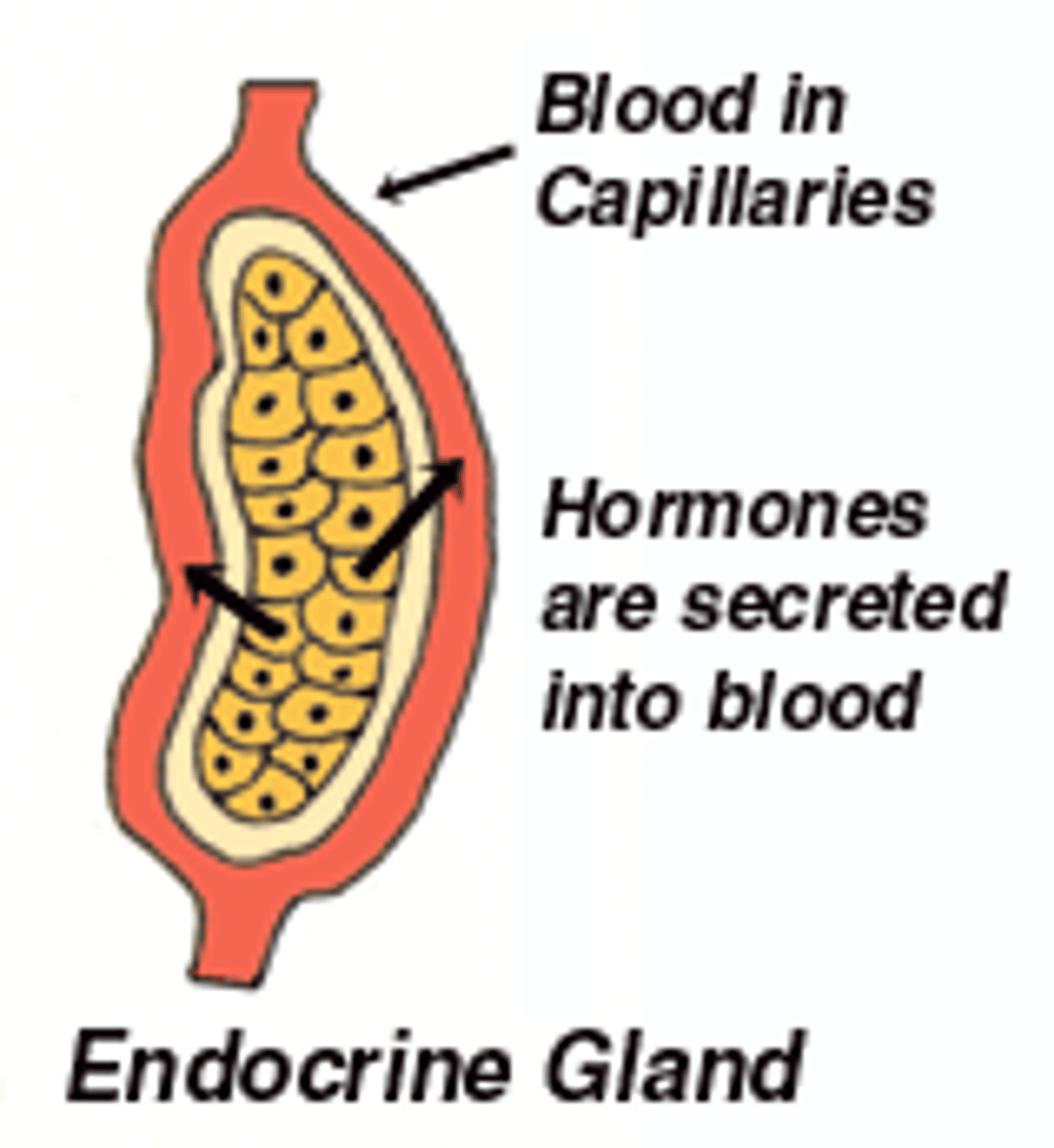
Endocrine Gland
A ductless gland that secretes hormones directly into the blood
Hormones
The proteinaceous messenger secretions that are produced in small quantities by endocrine glands.
Homeostasis
The process of maintaining a constant and balanced internal environment
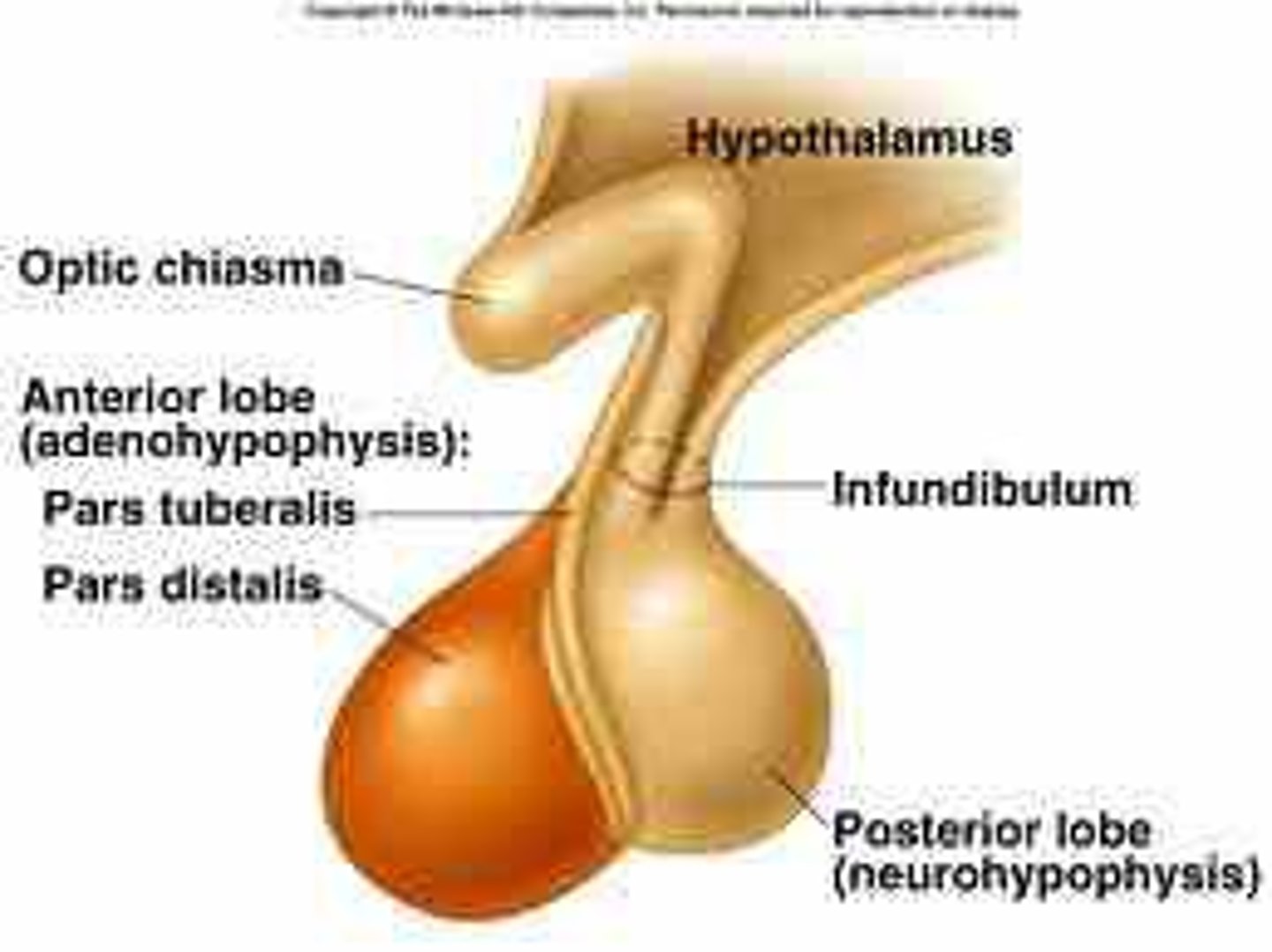
Pituitary gland
The endocrine gland that controls the hormonal secretions of most of the other endocrine glands
Thyroid Stimulating Hormone (TSH)
A hormone that stimulates the hormone of the thyroid gland.
Antidiuretic Hormone (ADH)
A hormone that helps conserve water by increasing the permeability of the collecting ducts of the nephrons
Prolactin (PRL)
The hormone secreted by the hypothalamus that stimulates the production of milk after childbirth
Luteinizing Hormone (LH)
The hormone that stimulates ovulation
Oxytocin
The hormone that stimulates uterine contractions during labour.
Human Growth Hormone (HGH)
The hormone that promotes muscle and skeletal growth
Gigantism
A condition that arises from the hypersecretion of growth hormone in children
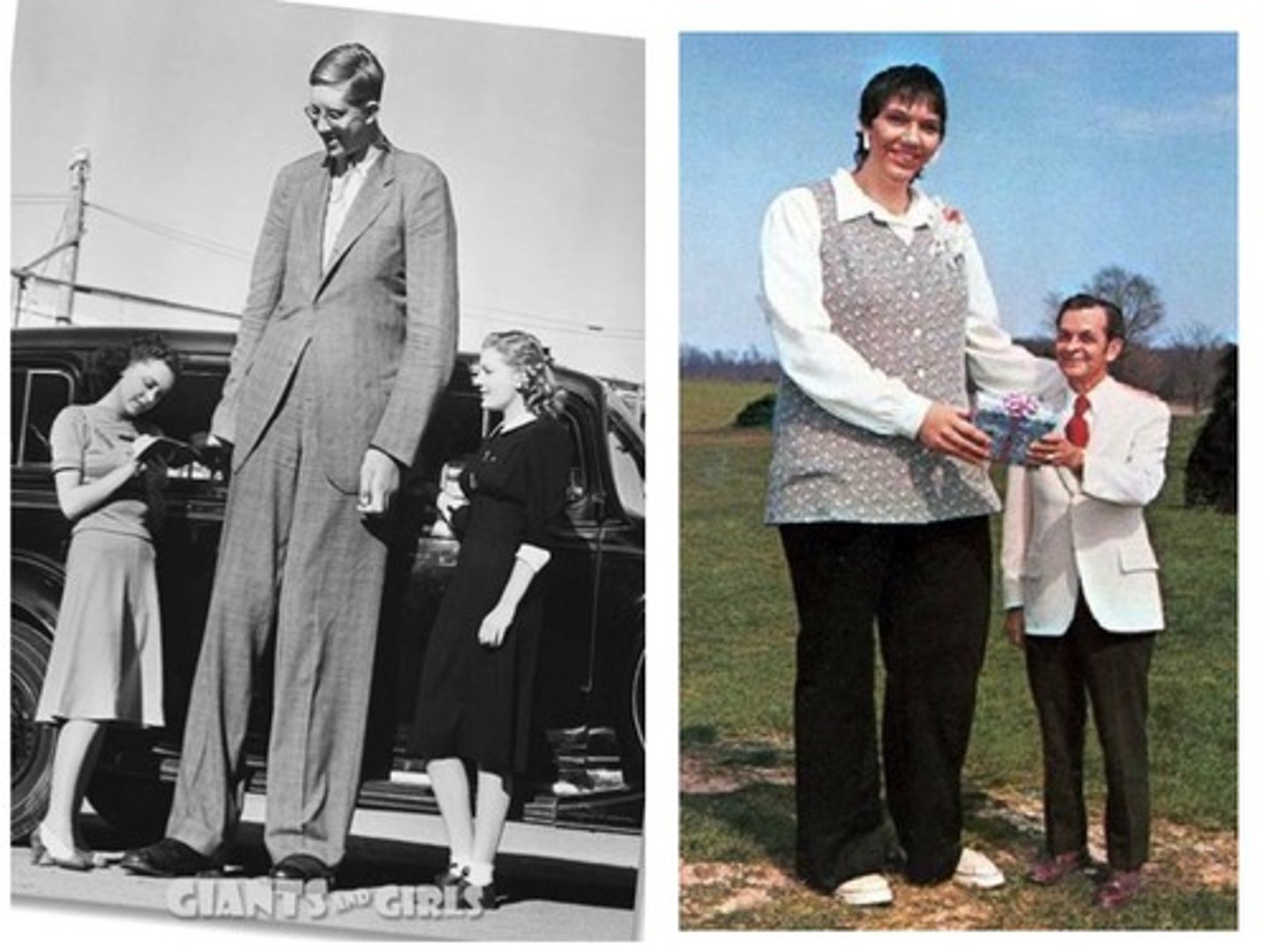
(Pituitary) Dwarfism
A condition that arises from the hyposecretion of growth hormone in children

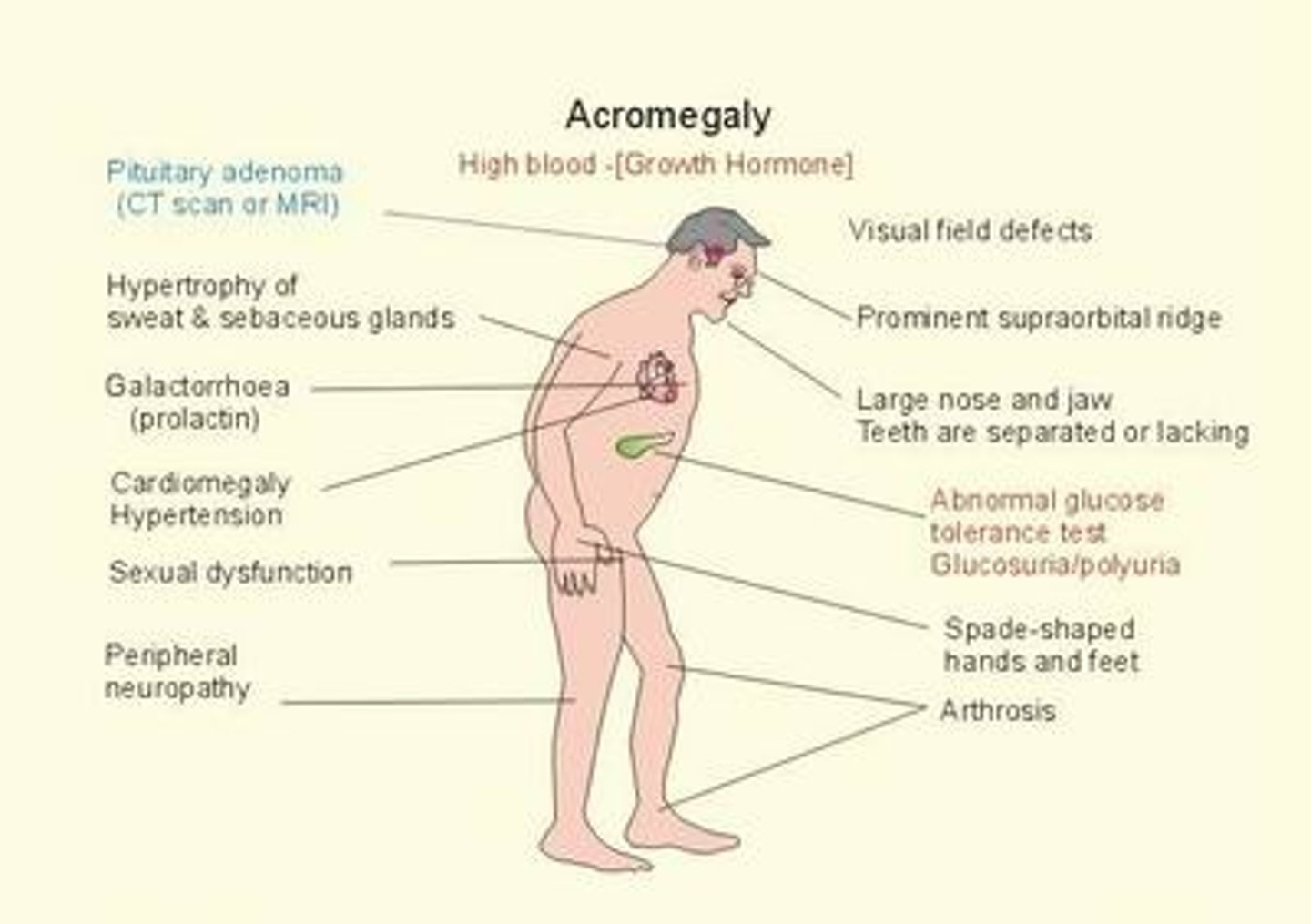
Acromegaly
The condition that results from the hypersecretion of growth hormone in adults
Follicle-Stimulating Hormone (FSH)
The hormone that stimulates meiosis in the gonads
Thyroxine (T4)
The hormone secreted by the thyroid gland that is responsible for increasing the basal metabolic rate
Basal Metabolic Rate (BMR)
/Resting Metabolic Rate (RMR)
The rate at which the body uses energy while at rest to maintain vital functions
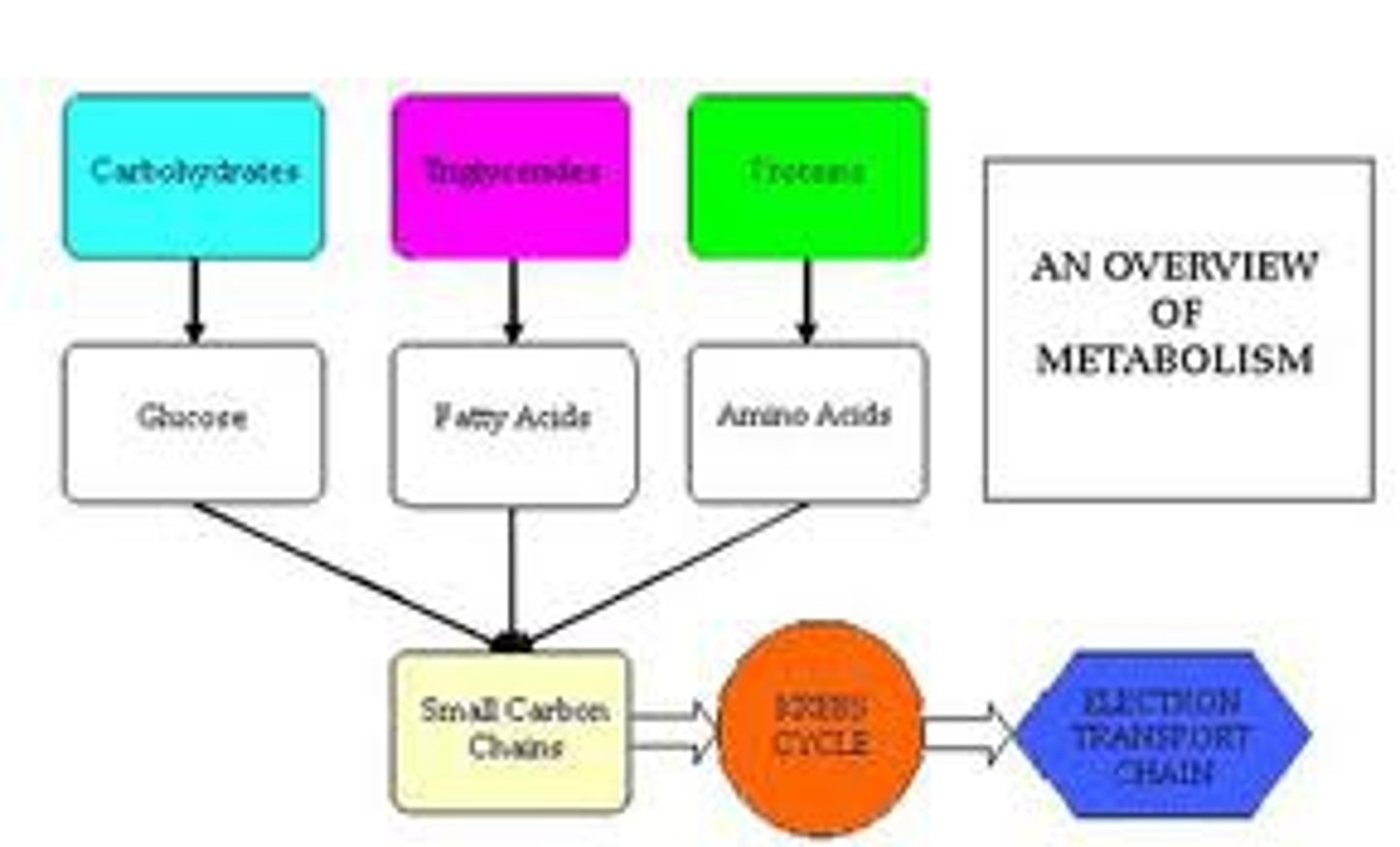
Metabolism
The set of life-sustaining chemical processes that convert food and drink into the energy required to power cellular activities, maintain homeostasis, and build new tissues
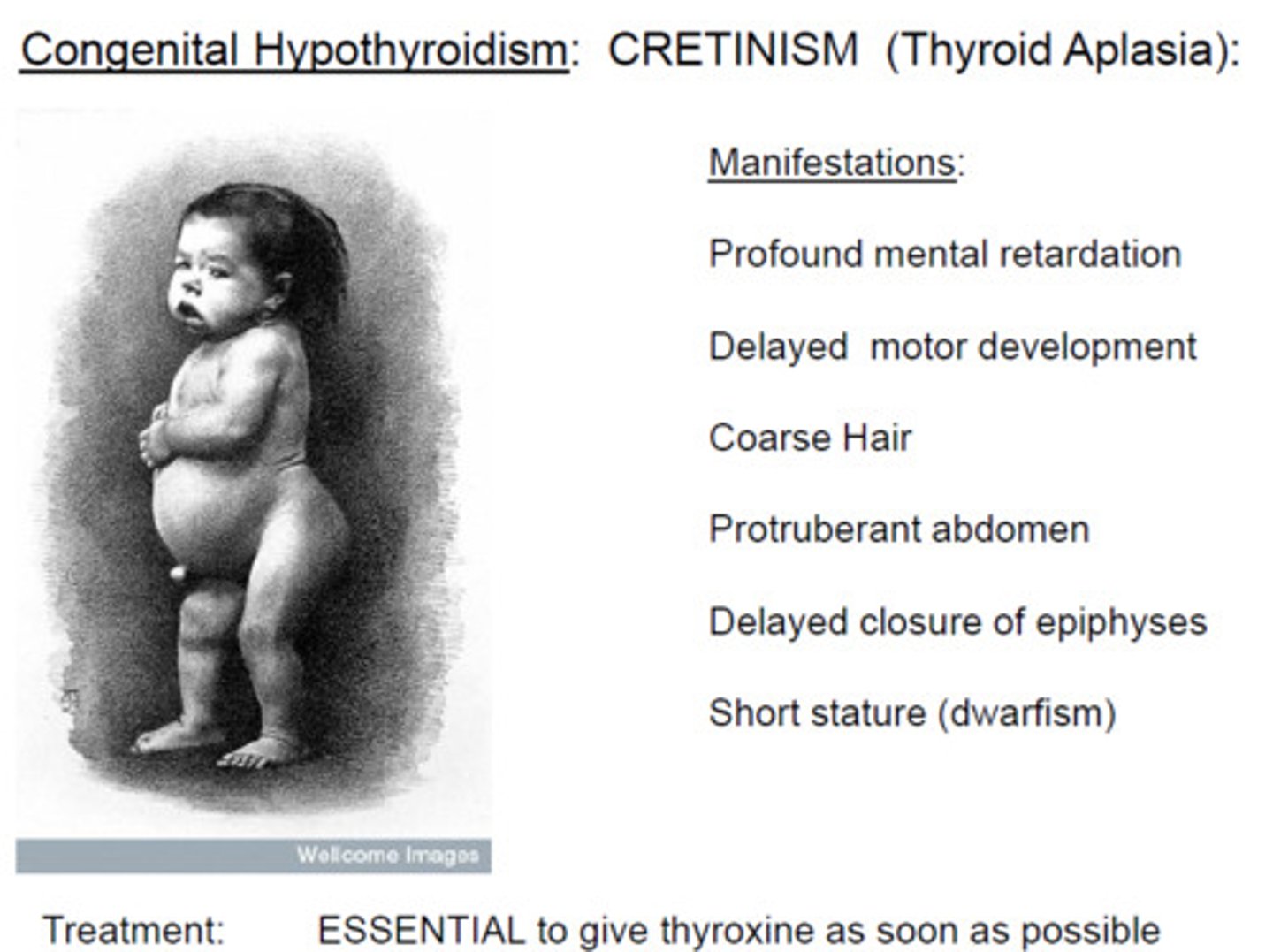
Cretinism
The condition that results from hypothyroidism in children
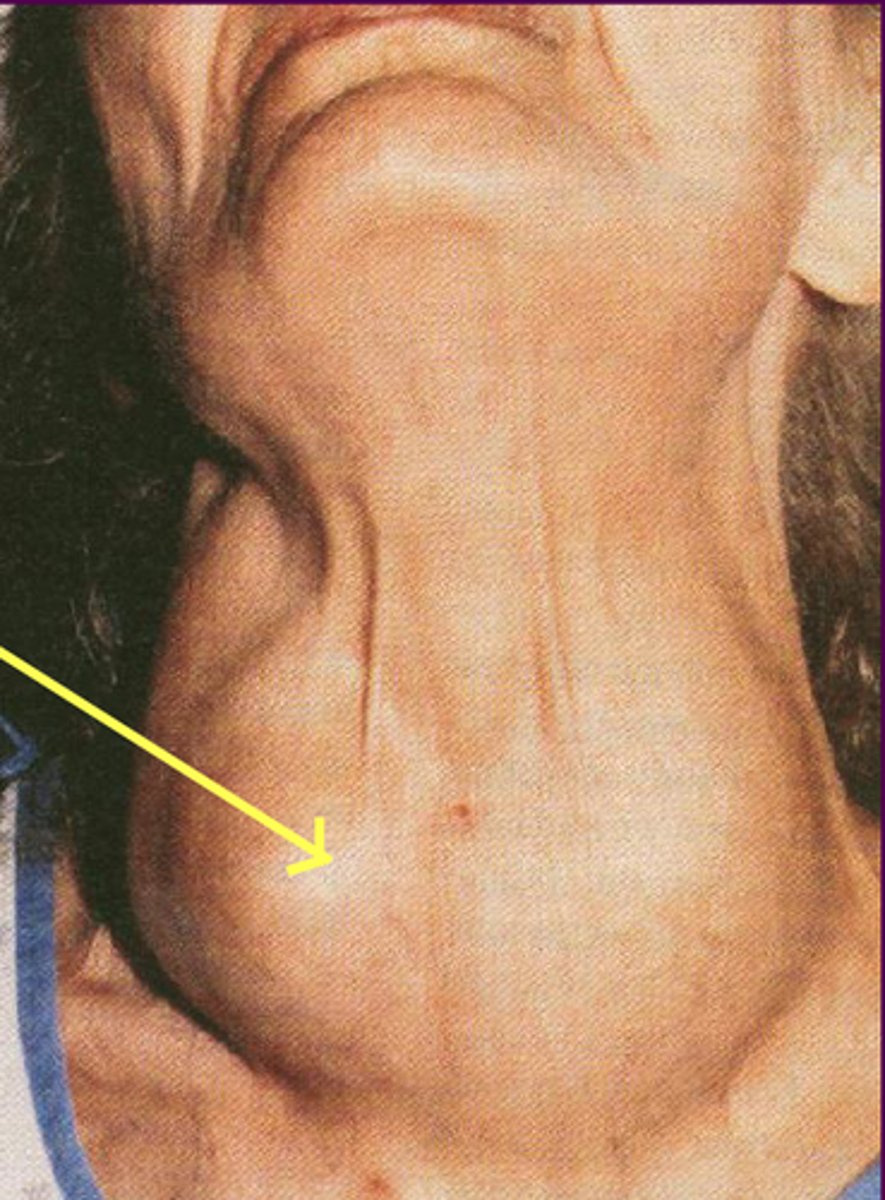
Goiter (Enlarged Thyroid)
An enlarged thyroid gland and an anti-allergic hormone that reduces stress.
Cortisol
An anti-inflammatory and anti-allergic hormone that reduces stress.
Adrenal Medulla
The part of the adrenal gland that secretes Adrenaline/Epinephrine
Adrenaline (Epinephrine)
The hormone that prepares the body for action in an emergency
Islets of Langerhans
The endocrine tissue of the pancreas
Insulin
The hormone secretions of the pancreas that lower the glucose level of the blood
Glycogen
Storage carbohydrates in the liver
Glucagon
The hormone secretions of the pancreas that increase blood glucose levels
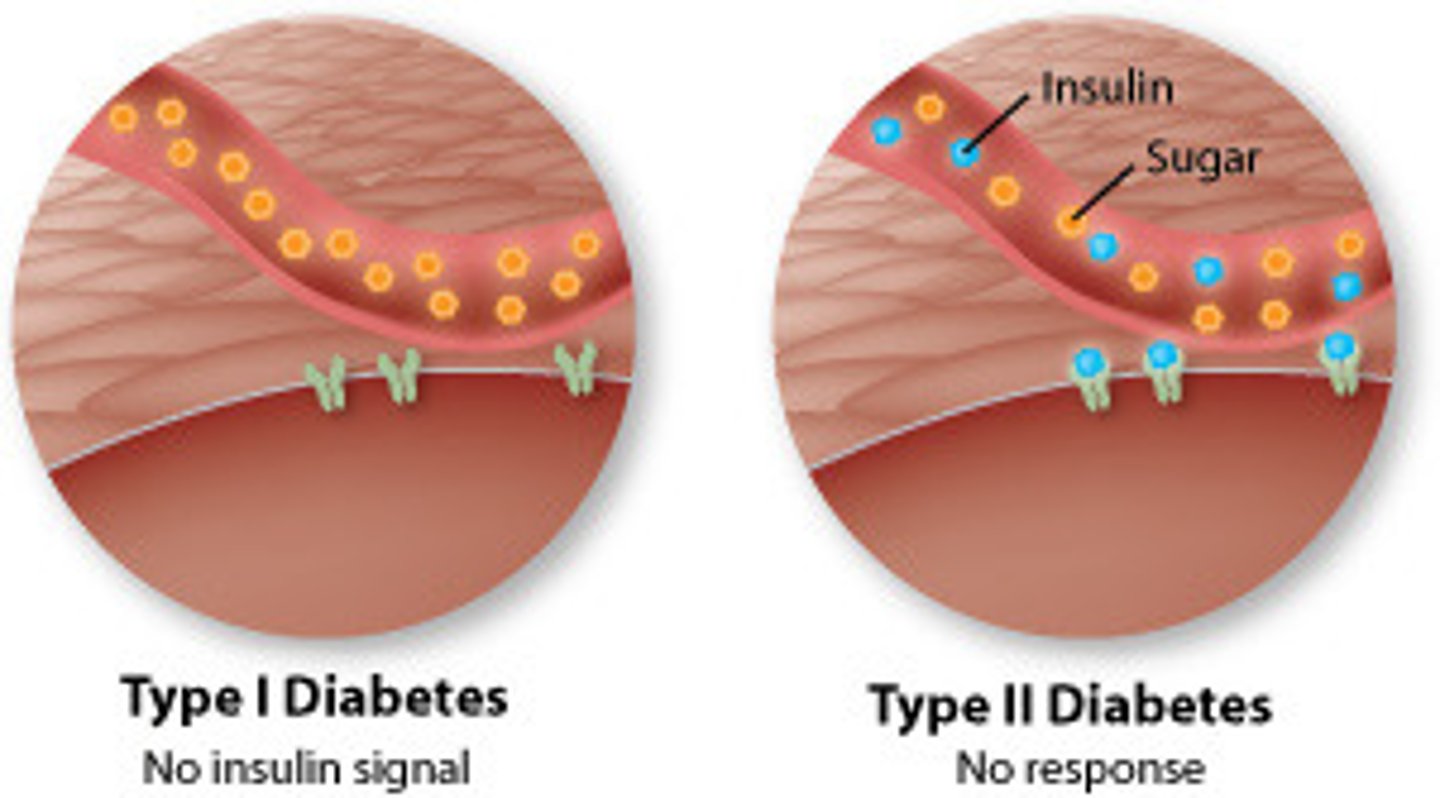
Diabetes Mellitus
A condition in which the hormonal control of blood glucose is defective
Progesterone
The hormone that prepares and maintains the endometrium during pregnancy
Oestrogen
The hormone that prepares the endometrium and is responsible for the secondary sexual characteristics in females.
Testosterone
The hormone that produces a rapid physical growth in males during puberty
Negative Feedback Loops
The control mechanism that keeps hormonal levels constant
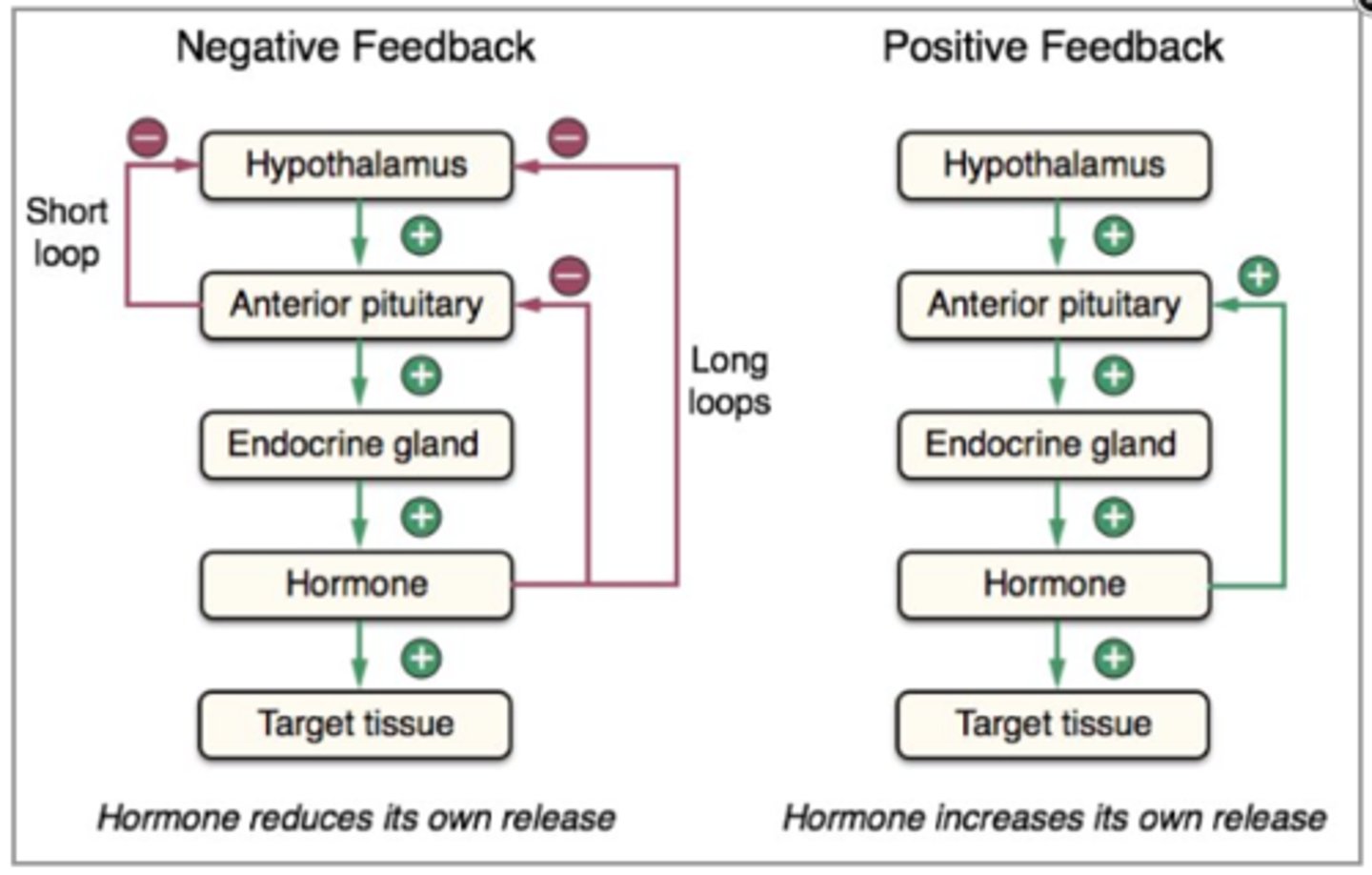
Hormonal Cascades
Biological communication chains where one hormone stimulates the release of another to regulate body functions
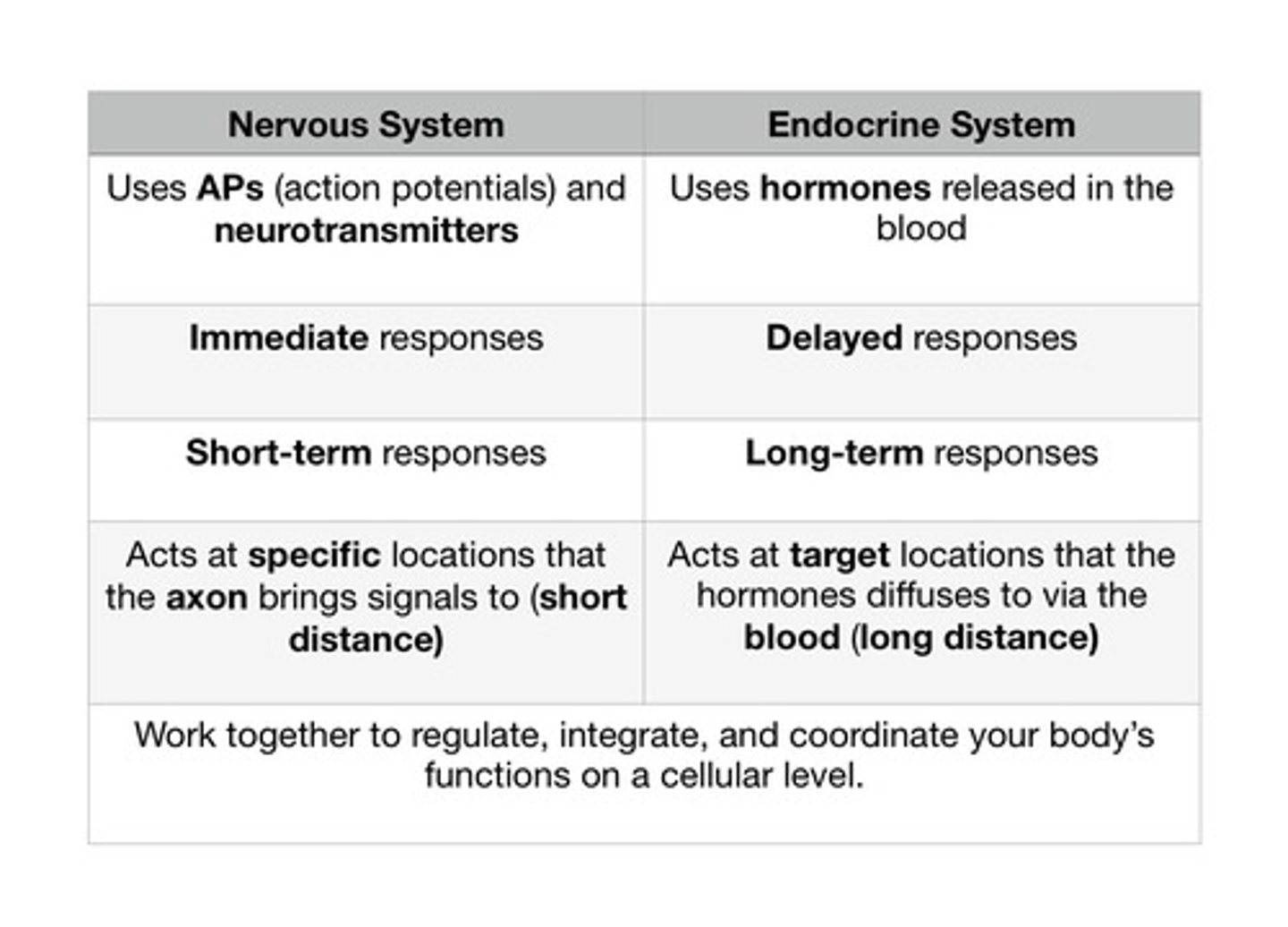
Types of coordinating systems in humans
The Nervous System
The Endocrine System
FUNCTION: (Together) Coordinate, integrate to regulate {acronym - CI2R}. Enable humans to respond to environmental changes and maintain the internal balance necessary for survival.
The Nervous System
The nervous system is made up of nerves and specialised cells (neurons). It transmits electrical impulses rapidly throughout the body.
FUNCTION: Produces fast, short-term responses such as reflex actions and muscle movements.
The Endocrine System
Hormones are secreted directly into the bloodstream.
They travel to target organs to cause a response.
Slow-acting but have long-lasting effects and regulate processes such as growth, development, metabolism and reproduction.
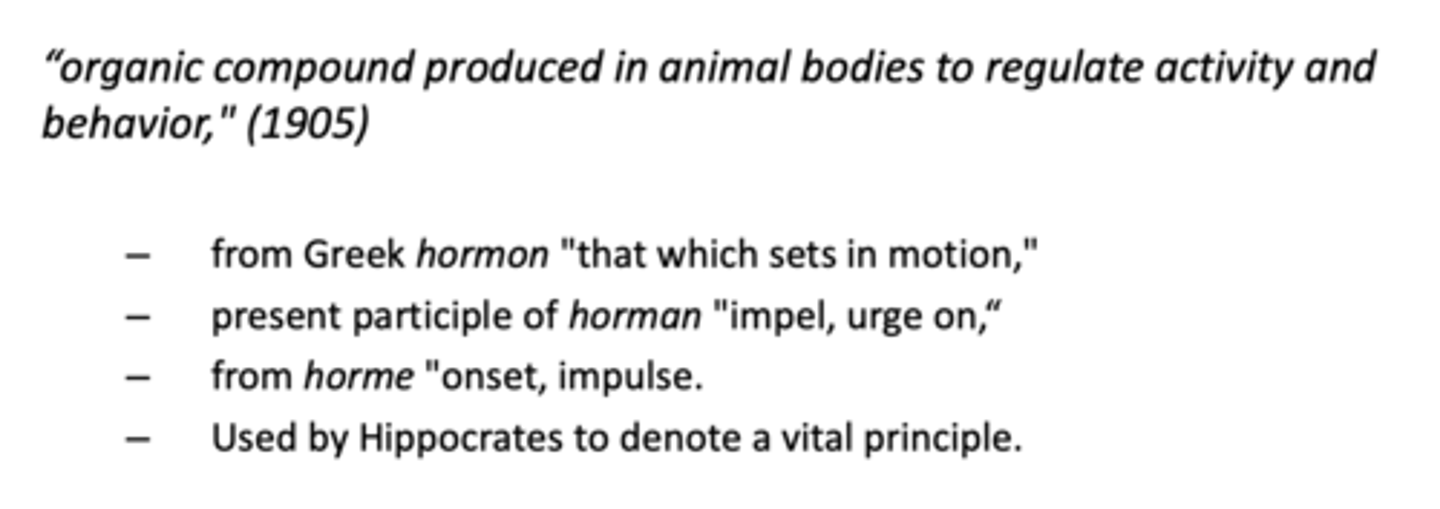
Hormone Definition
- A chemical messenger (protein)
- Produced by an endocrine gland and released directly into the bloodstream
- Transported to a specific organ
- To bring about a response
Internal Environment
The blood and tissue that surround a body of cells.
Negative Feedback Definition
- Operate in the human body to detect changes/ imbalances
- In the internal environment
- and to restore balance(homeostasis)
Types of Glands and their Function
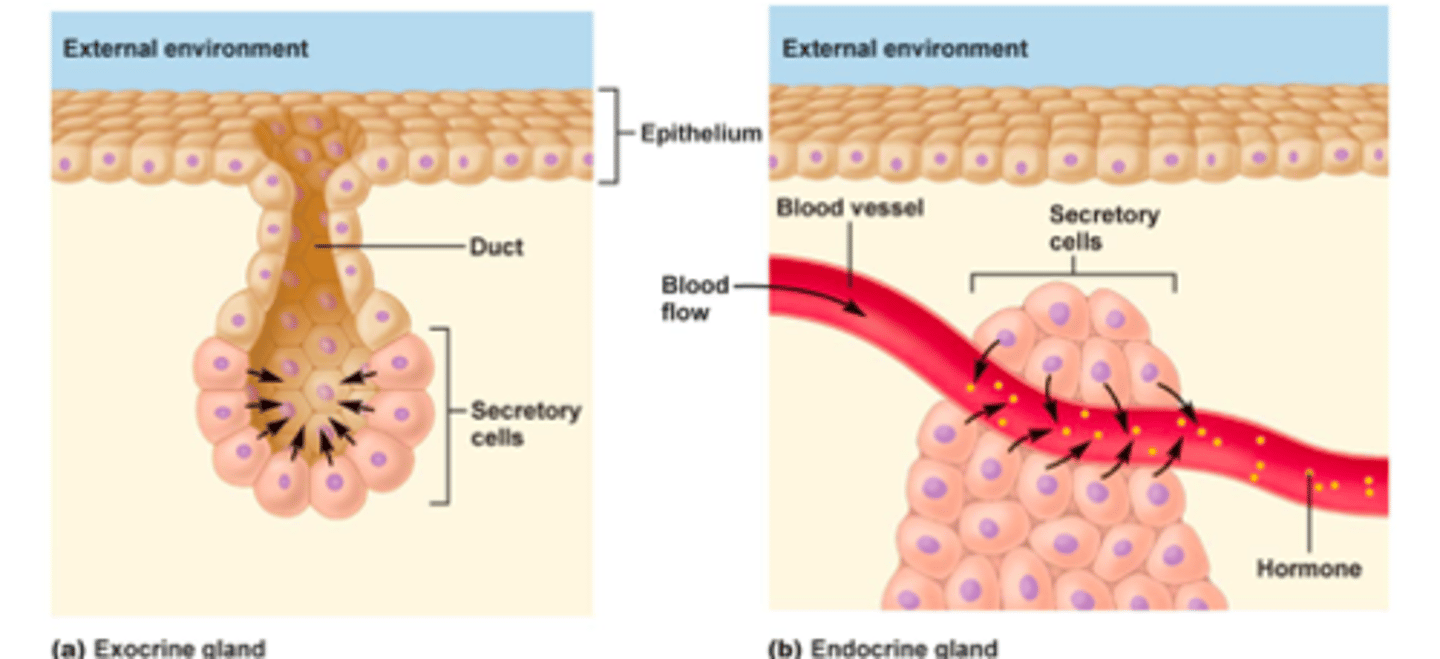
Endocrine: Ductless, hormones are released into the bloodstream (diffuse into capillaries)
Exocrine: Ducts, Secretions are released into a cavity/ on a surface
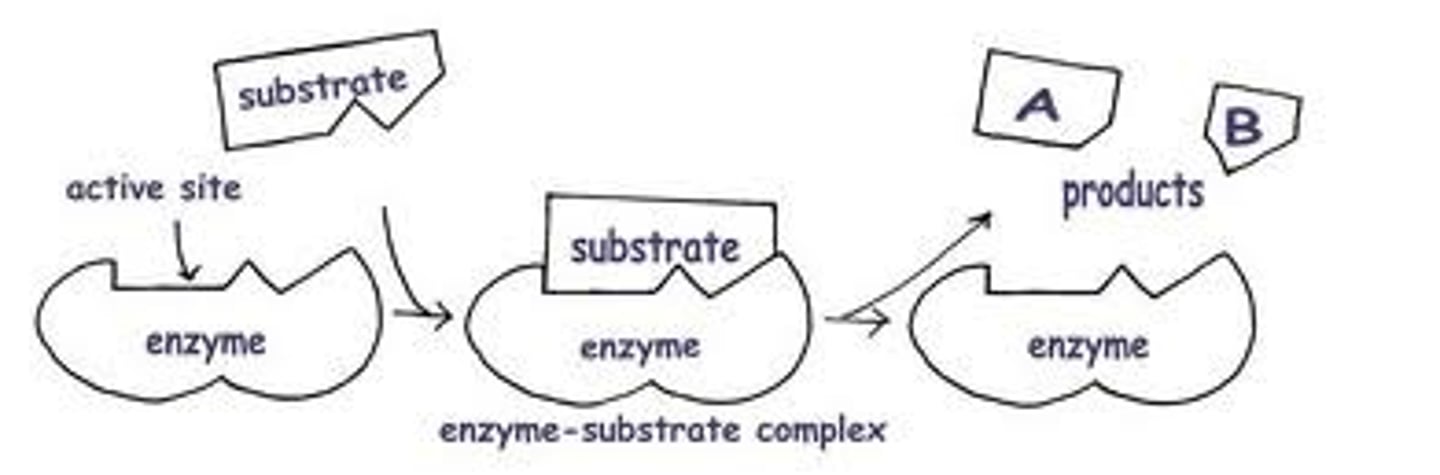
Lock and Key Model
1. Free Enzyme(Lock) + Substrate(Key). The enzyme has a cavity called the Active Site.
2. Enzyme-Substrate Complex. The substrate slots into the active site and forms a temporary structure called the Enzyme-Substrate Complex.
3. Chemical Reaction & Product Formation. In the active site, the enzyme facilitates the chemical reaction to form products.
4. Release & Reset. Newly formed products are released from the active site because they no longer have the specific key-shape required to stay locked. The enzyme is left completely unchanged
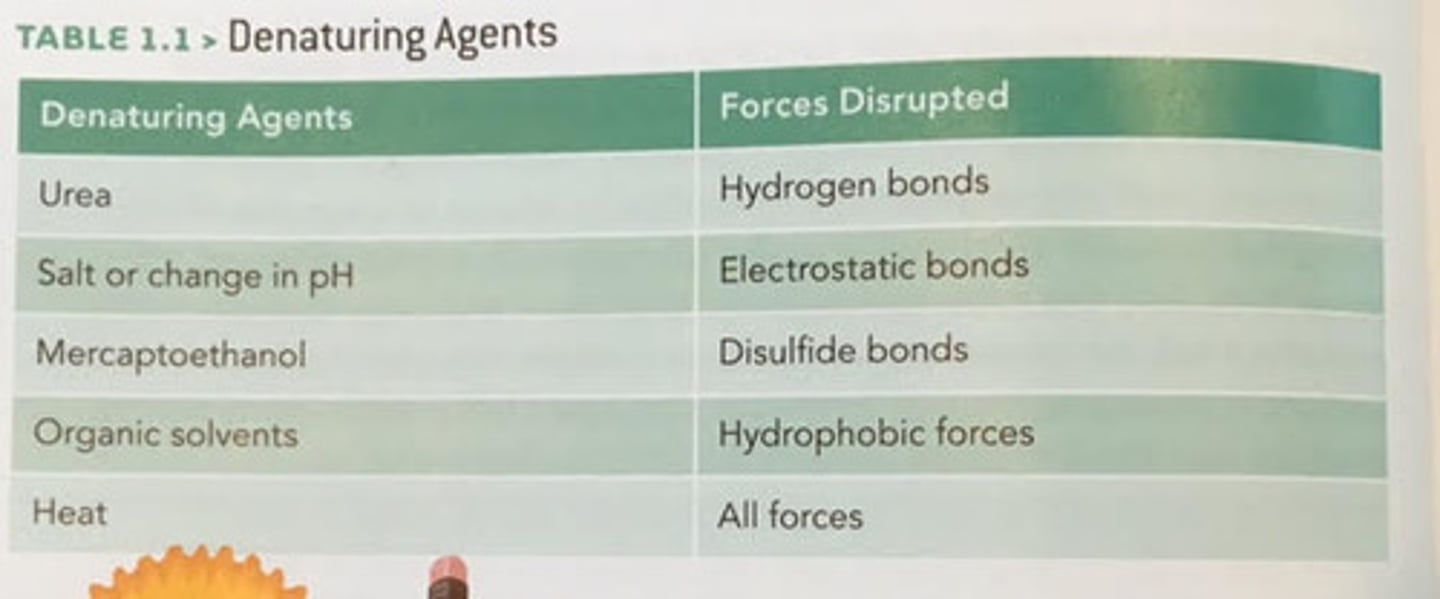
How can Temperature and pH affect Hormones
Denaturing (Protein) through alteration of the folded shape.
Hormones are mostly ___________ however some can be ______________
Proteins .... Lipids(Fatty Acids)
General principles of hormone activity (7)
1. Specific action due to receptor molecules on target cells/organs (located in the cell membrane/ cytoplasm/ nucleus)
2. Only cells with the correct receptor will respond. Cells without a receptor are unaffected. (Lock and Key Model)
3. The same hormone can cause different responses in different target cells.
4. Some hormones are present in the blood most of the time to maintain stable internal conditions(Insulin/Gucagon, etc.), while others are released only when needed (Adrenaline during stress)
5. Hormones are usually controlled by negative feedback mechanisms. (Decrease in hormone lvl = stimulates secretion) / [Increase in hormone lvl = inhibition of secretion]
6. A few hormones operate on a positive feedback (Oxytocin/Prolactin)
7. Once hormones bind to receptors, they are rapidly broken down/ removed. Allows target cells to remain sensitive to changing hormone lvls and enables precise regulation.
![<p>1. Specific action due to receptor molecules on target cells/organs (located in the cell membrane/ cytoplasm/ nucleus)</p><p>2. Only cells with the correct receptor will respond. Cells without a receptor are unaffected. (Lock and Key Model)</p><p>3. The same hormone can cause different responses in different target cells.</p><p>4. Some hormones are present in the blood most of the time to maintain stable internal conditions(Insulin/Gucagon, etc.), while others are released only when needed (Adrenaline during stress)</p><p>5. Hormones are usually controlled by negative feedback mechanisms. (Decrease in hormone lvl = stimulates secretion) / [Increase in hormone lvl = inhibition of secretion]</p><p>6. A few hormones operate on a positive feedback (Oxytocin/Prolactin)</p><p>7. Once hormones bind to receptors, they are rapidly broken down/ removed. Allows target cells to remain sensitive to changing hormone lvls and enables precise regulation.</p>](https://assets.knowt.com/user-attachments/811cf411-f1d5-4708-8f93-188e93231cb0.jpg)
Feedback Mechanisms and Types
Positive Feedback
Negative Feedback
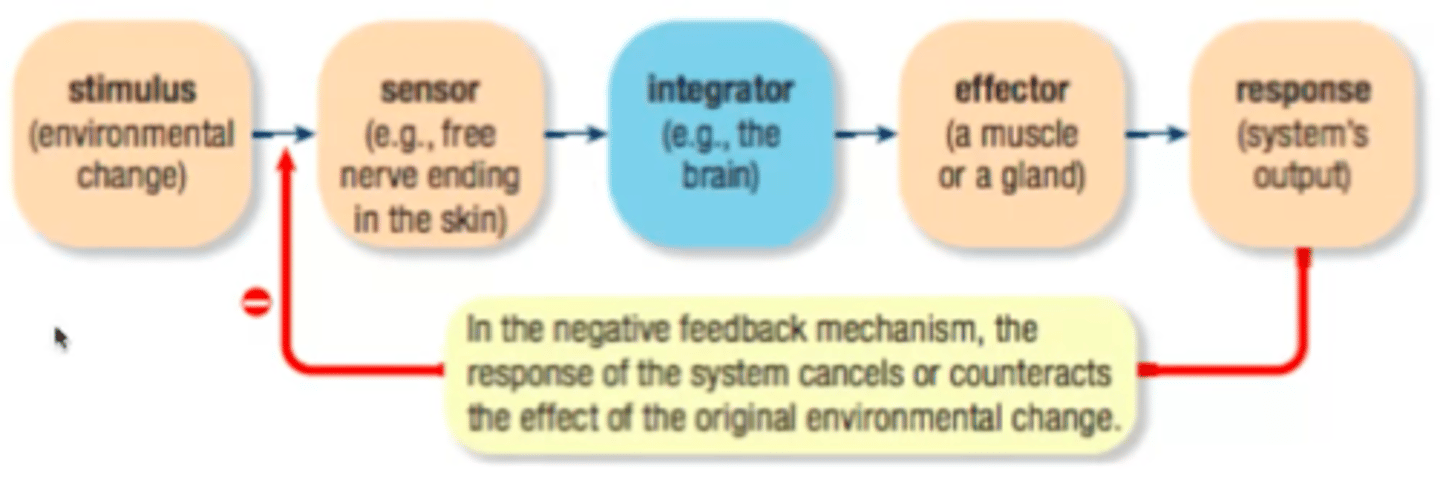
FUNCTION: The control system operates through a feedback mechanism. Receptors detect changes and send information to a control centre, which brings about adjustments via effectors.
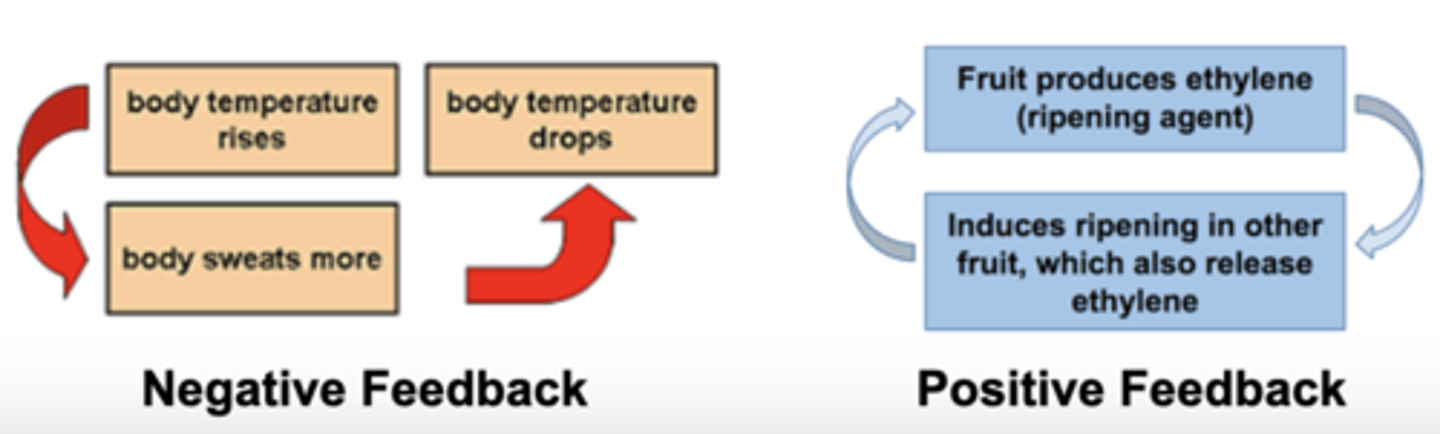
Process of Negative Feedback
1. A deviation from the normal level is detected BY RECEPTORS. (Send this information to the brain/endocrine gland via SENSORY NERVES or HORMONES IN THE BLOODSTREAM.
2. The control centre PROCESSES the information and SENDS a message to an effector organ.
3. The EFFECTOR ORGAN responds, reversing the change and RESTORING NORMAL LEVELS.
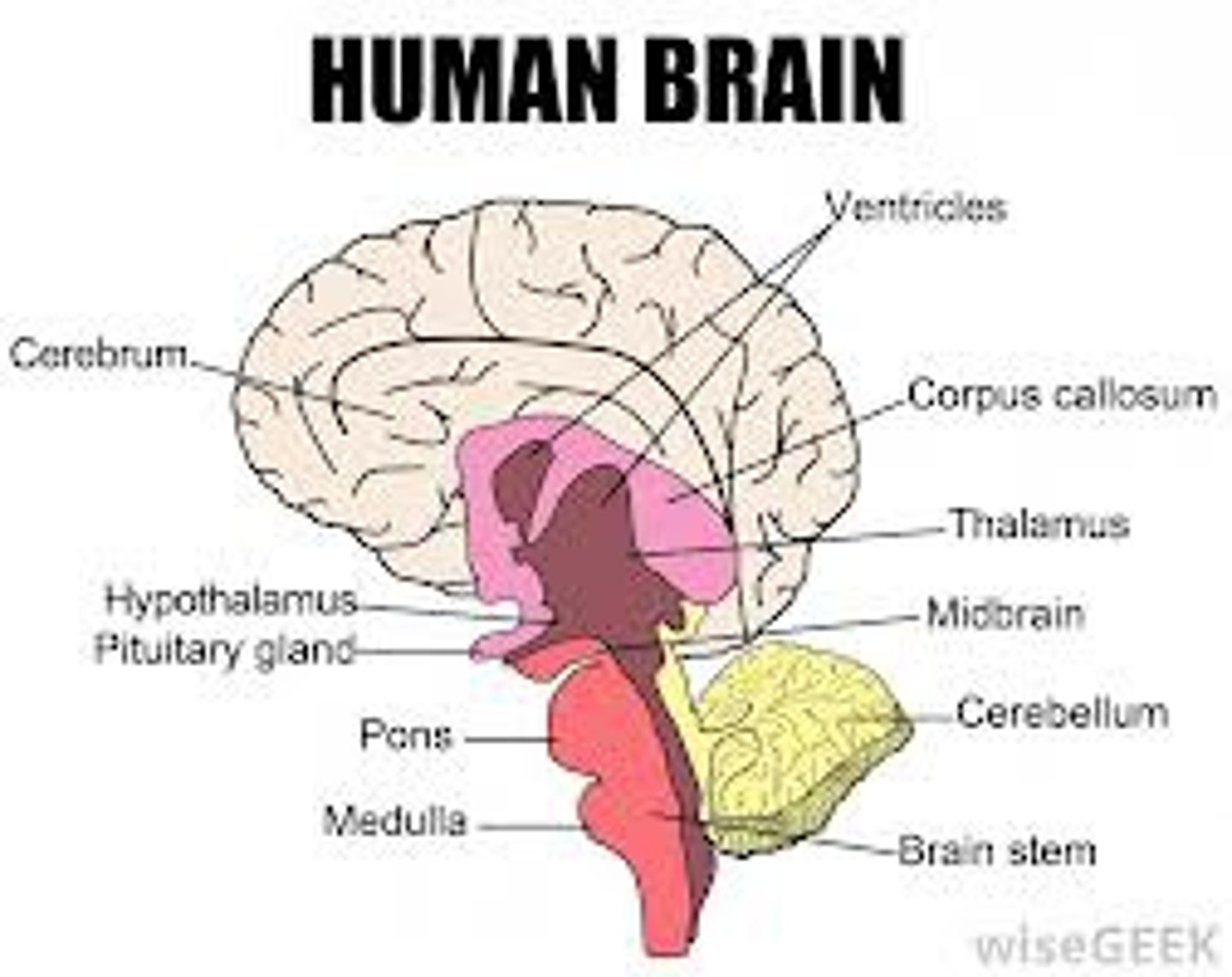
Hypothalamus
Links the nervous system to the endocrine system. Key role in maintaining Homeostasis by controlling the activity of the pituitary gland.
NB! ADH is made in the hypothalamus but stored and released in the anterior pituitary.
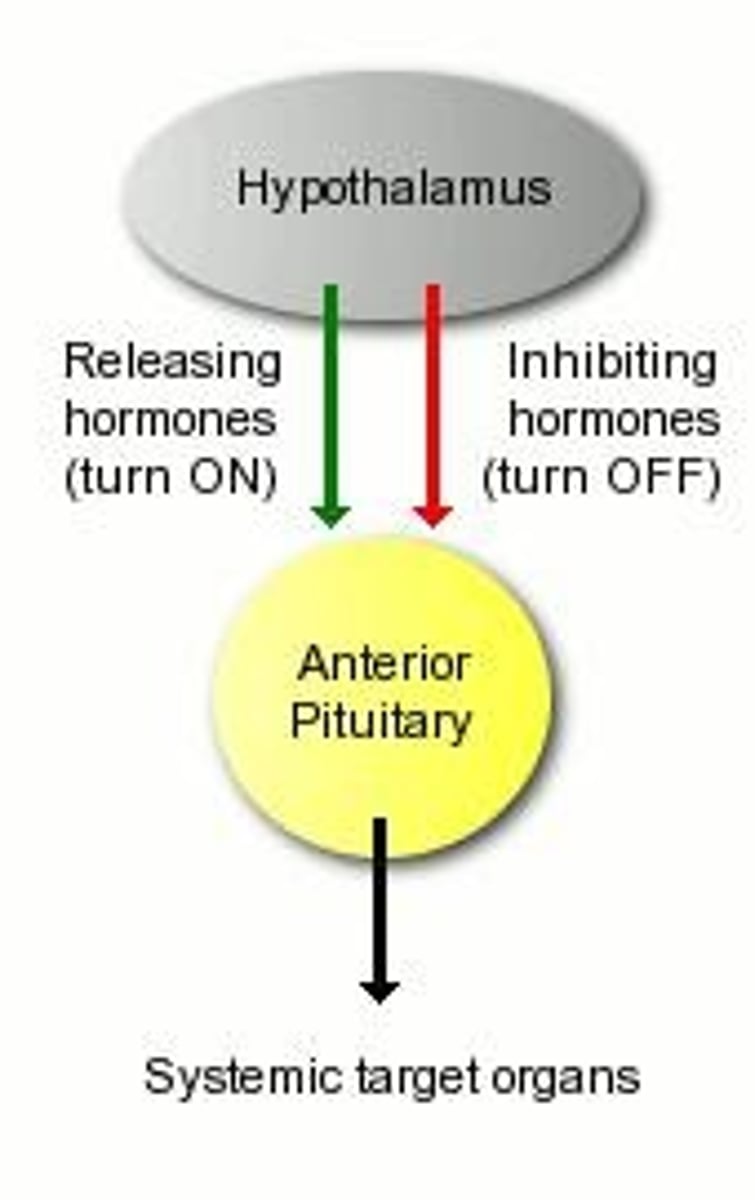
Role of the Hypothalamus
- Produces releasing and inhibiting hormones that regulate the anterior pituitary.
- Released into the hyposeal portal blood system to be directly transported to the pituitary.
- ADH is transported along nerve fibres to the pituitary for storage/ distrubuition.
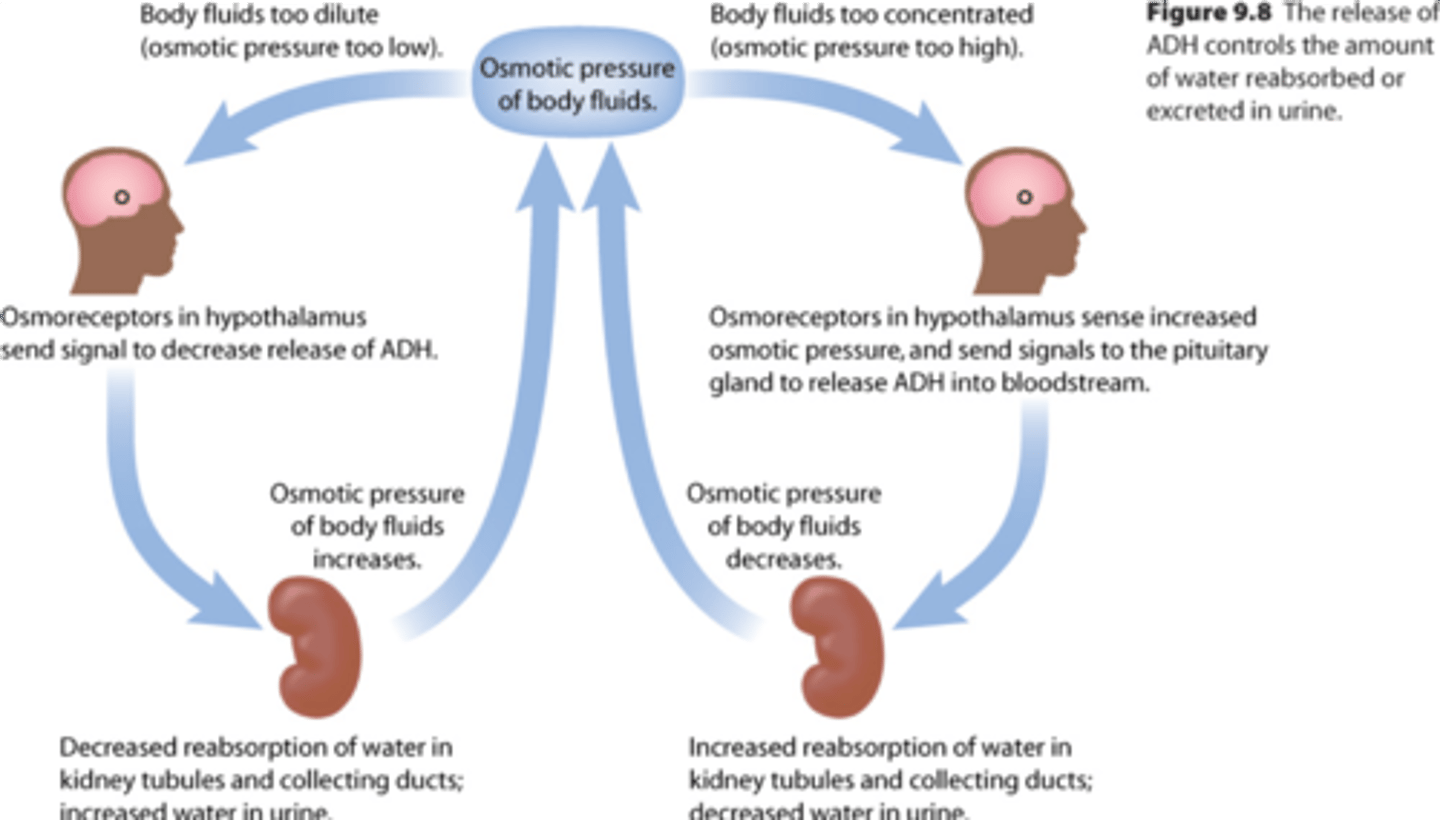
Hypothalamus and secretion of ADH
1. The hypothalamus contains osmoreceptors that are sensitive to changes in the blood plasma concentration
2. When plasma concentration changes, the receptors stimulate neurosecretory cells in the hypothalamus.
3. ADH is produced in the hypothalamus and transported to the posterior pituitary for storage.
4. Nerve impulses from the hypothalamus cause the posterior pituitary to release more/ less ADH into the bloodstream.
5. ADH acts on the kidneys to adjust water reabsorption and restore normal plasma concentration.