L10b: Pathogenesis and Lab Evaluation of the Adrenal Gland (Glucocorticoids)
 Studied by 0 people
 Call Kai
 Learn
Learn Practice Test
 Spaced Repetition
 Match
Match Flashcards
 Knowt Play
1/50

Earn XP
Description and Tags
Flashcards cover pathogenesis, lab evaluation, and common clinical features of HAC (glucocorticoids) across dogs, cats, and horses, derived from lecture notes.
Name | Mastery | Learn | Test | Matching | Spaced |
|---|
No study sessions yet.
51 Terms
What is the most common form of HAC in dogs and its usual cause?
Pituitary-dependent HAC (PDH), caused by excess ACTH from a pituitary tumor, accounting for about 80-85% of cases.
what hormone is produced by the hypothalamus in the HPA axis?
Corticotropin-releasing hormone (CRH)
what hormone is produced by the anterior pituitary in the HPA axis?
ACTH
what hormone is produced by the adrenal gland in the HPA axis?
cortisol
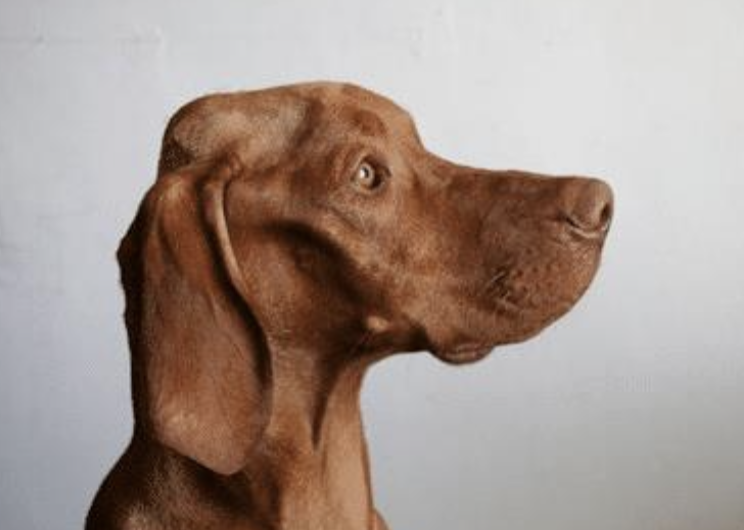
MCQ: what describes the change in muscling on this dogs head?
A decrease in size or amount of a cell, tissue, or organ after normal growth has been reached
what are the causes of Cushing’s disease?
pituitary tumor
adrenal tumor
steroid use
what happens to ACTH and cortisol production from a pituitary tumor?
excess ACTH leading to excess cortisol
what happens to ACTH and cortisol in an adrenal tumor?
excess cortisol without ACTH stimulation
what is the most common form of Cushing’s disease in dogs?
pituitary hyperplasia/tumor
pituitary hyperplasia
enlargement of pituitary gland
What is the less common form of HAC in dogs and its typical mechanism?
Adrenal-dependent HAC (ADH)
due to adrenal cortisol production from an adrenal tumor or bilateral adrenal hyperplasia
what percentage of dogs with Cushing’s will have pituitary hyperplasia/tumor as the cause?
80%
what percentage of dogs with Cushing’s will have adrenal hyperplasia/tumor as the cause?
15-20%
What is iatrogenic HAC?
HAC caused by long-term high-dose exogenous glucocorticoids leading to Cushing’s symptoms and adrenal atrophy.
how does iatrogenic stress influence hormones of the adrenal gland?
causes negative feedback release of CRH and ACTH
how will adrenal nodular hyperplasia appear?
bilateral enlargement of the adrenal glands
what type of tumors are cortical adenomas and how will they appear?
benign
unilateral
contralateral atrophy
atrophy in opposite gland
what organ is often involved in adrenal carcinomas?
kidneys
Name the sequence of hormones in the HPA axis from hypothalamus to adrenal cortex.
CRH → ACTH → cortisol.
What is the role of cortisol in the negative feedback loop?
Cortisol feedback inhibits CRH and ACTH production to regulate the axis.
what pathogenesis should you associate with dogs with HAC?
primary (adrenal-dependent)
pituitary dependent
while HAC is less common in cats than dogs, what is it often related to?
insulin resistance from prolonged hyperglycemia
what HAC should be thought of with horses?
PPID caused by pituitary tumor
PPID
pituitary pars intermedia dysfunction
what tests should be done prior to specialized endocrine testing?
baseline chem/ heme/ urinalysis
How does HAC typically affect thyroid hormone levels?
It can cause low T4 and T3 (euthyroid sick syndrome).
What metabolic condition may result from HAC due to insulin antagonism?
Diabetes mellitus
what else can hyperadrenocorticism cause in DM?
insulin resistance and hyperglycemia
Name several co-morbidities commonly seen with HAC in dogs and/or cats.
Recurrent UTIs (pyelonephritis)
proteinuria (about 50%)
hypertension (often >75% in untreated dogs).
what CBC do you expect to see with hyperadrenocorticism?
STRESS LEUKOGRAM
Describe a typical CBC pattern seen in HAC
mature neutrophilia
LYMPHOPENIA
eosinopenia
monocytosis
why do you see polycythemia in hyperadrenocorticism?
steroids stimulate bone marrow production of RBC
polycythemia
increased erythropoiesis
why do we see mature neutrophilia in hyperadrenocorticism?
cells cannot get to marginating pool meaning they cannot get to the site of infection
Which liver enzyme is most consistently elevated in dogs with HAC?
Alkaline phosphatase (ALP), elevated in about 95% of cases.
Is hyperglycemia common in HAC, and how often does it occur?
Yes, hyperglycemia occurs in about 51% of HAC cases.
What chemistry findings are associated with HAC?
Hyperlipidemia
elevated cholesterol and triglycerides
lipemia
lowered UN
What urinary finding is common in HAC due to PU/PD?
Dilute urine with low USG
UTIs (49%)
What is the UTIs frequency and presentation in HAC?
UTIs are common (about 49%), often without pyuria due to immunosuppression.
relying on diagnostic tests can lead to…
false positive
many assay testings are affected by…
stress and steroid administration
what does HAC diagnosis require?
demonstration of increased cortisol production OR
decreased HPAA sensitivity to glucocorticoid feedback
what are the indicators for performing diagnostic tests for HAC?
pituitary or adrenal tumor
diabetic dog that persistantly has poor response to high doses of insulin
persistent hypertension
Why is basal cortisol not reliable for HAC diagnosis?
Cortisol varies with stress and pulsatile ACTH; basal levels can be misleading.
What can basal cortisol help to rule out clinically?
Addison’s disease (adrenal insufficiency) when cortisol is very low.
What are the two main criteria for diagnosing HAC?
increased cortisol production
decreased HPAA sensitivity to glucocorticoid feedback
How do steroids interfere with cortisol assays?
cortisol is 100% affected by endogenous cortisol
prednisolone ~69%
dexamethasone ~0.1% cross-reactivity.
basal cortisol refers to
the level of cortisol in the blood under resting or non-stimulated conditions, without any external influences
what does basal cortisol represent?
the normal baseline production of cortisol by the adrenal gland.
Which synthetic glucocorticoid interferes least with cortisol assays?
Dexamethasone.