The Nervous System - 7.6
 Call Kai
 Learn
Learn Practice Test
 Spaced Repetition
 Match
Match Flashcards
 Knowt Play
1/51

There's no tags or description
Looks like no tags are added yet.
Name | Mastery | Learn | Test | Matching | Spaced | Call with Kai | Chat |
|---|
No analytics yet
Send a link to your students to track their progress
52 Terms
What is the Nervous System?
a highly organized system that coordinates all the activities of the body
Neuron
nerve cell, basic structural unit of the nervous system

Cell body
contains nucleus

Dendrites
carry impulses toward the cell body
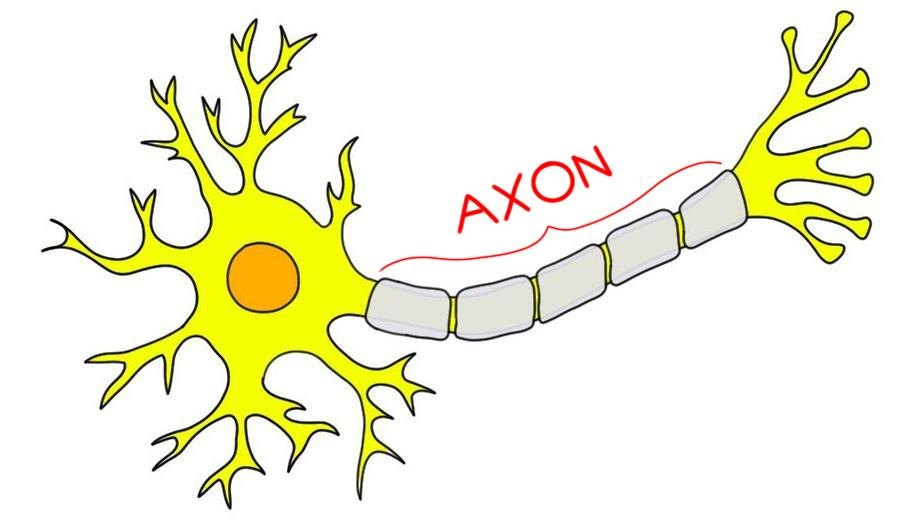
Axon
single nerve fiber that carries impulses away from the cell body

Myelin Sheath
fat covering which increases the rate of impulse transmission and insulates and maintains axon
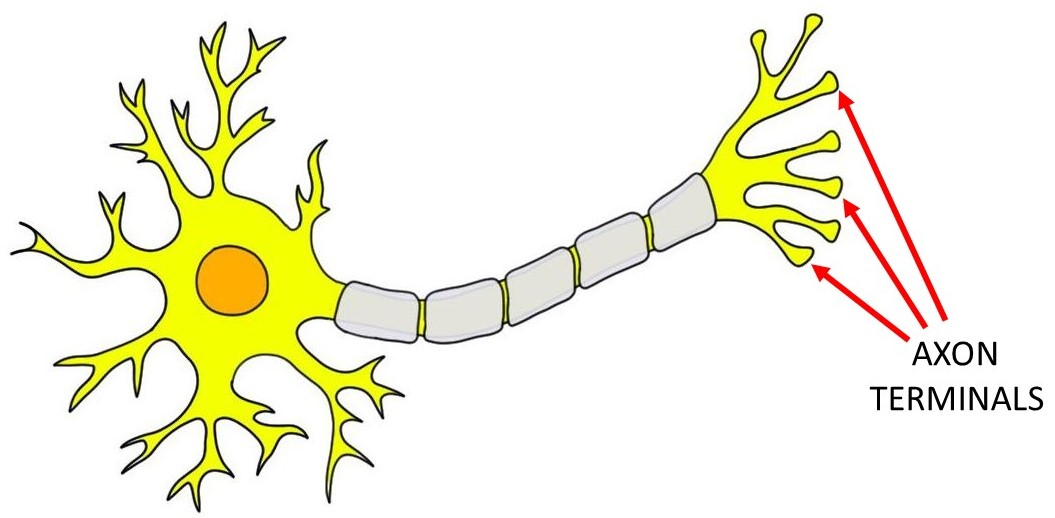
Axon Terminals
known as synaptic boutons, at the end of axon branches, releases neurotransmitters to transmit signals
Neurotransmitter
located at the end of each axon, allows the nerve impulses to pass from one neuron to another
Nerves
a combination of many nerve fibers located outside the brain and spinal cord
Afferent/Sensory
all parts of the body to the brain or spinal cord
Efferent/Motor
from the brain and spinal cord to the muscles and glands
How many divisions are in the Nervous System?
2
Central nervous system (CNS)
consist of the brain and spinal cord
Peripheral nervous system (PNS)
consists of nerves
Theres how many pairs of cranial nerves?
12
Theres how many pairs of spinal nerves?
31
Somatic nervous system
controls skeletal system
Autonomic nervous system
controls involuntary body functions
Sympatheic
fast breathing and heart rate, slow digestive tract
Parasympathetic
slow breathing and heart rate, fast digestive tract
Brain
a mass of nerve tissue well protected by membrane and the cranium/skull

Cerebrum
largest and highest section of the brain controls voluntary movements like reasoning or memory
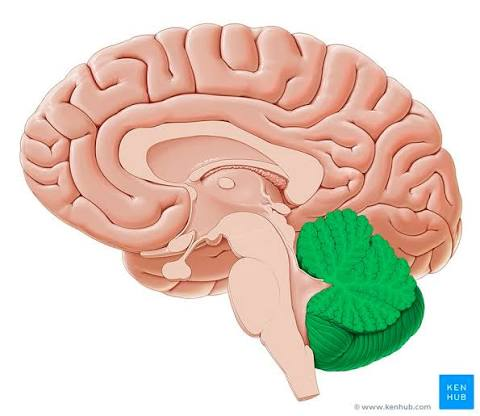
Cerebellum
section below the back of the cerebrum, responsible for muscle coordination, balance, posture, and muscle tone

Diencephalon
located between cerebrum and midbrain
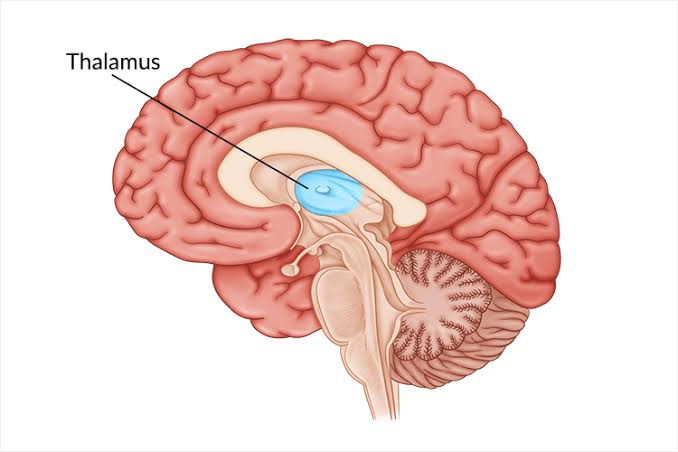
Thalamus
acts as a relay center and directs sensory impulses to the cerebrum (regulates temp and recognizes pain)
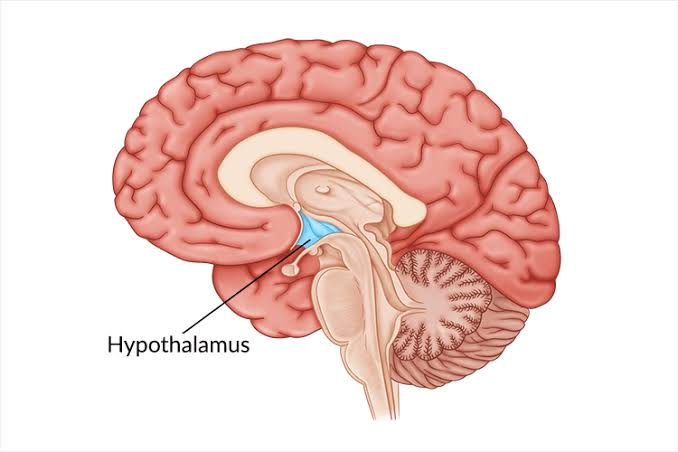
Hypothalamus
regulates and controls appetite, water balance, sleep, and blood vessel constriction and dilation. Involves emotions
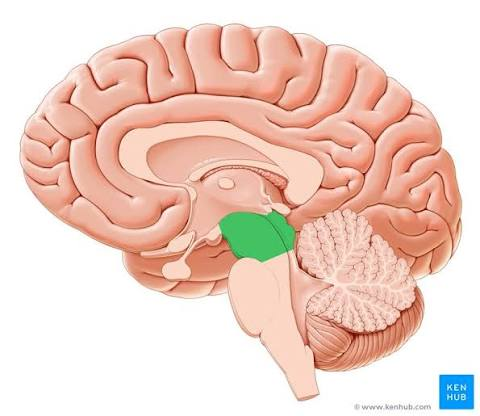
Midbrain
below cerebrum at top of the brainstem, conducts impulses for eyes and auditory reflexes

Pons
below midbrain in brainstem (chewing, tasting, salvia)
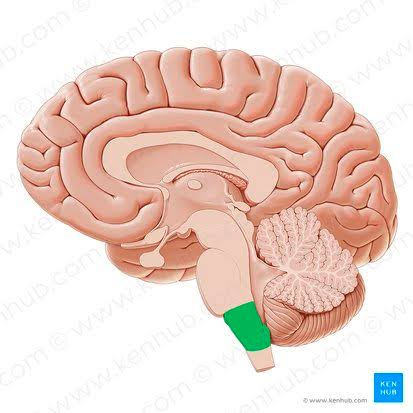
Medulla oblongata
lowest part of brainstem (regulates heartbeat, respiration, swallowing, coughing, and blood pressure)
Spinal cord
continues down from the medulla oblongata and ends at 1st/2nd lumbar vertebrae
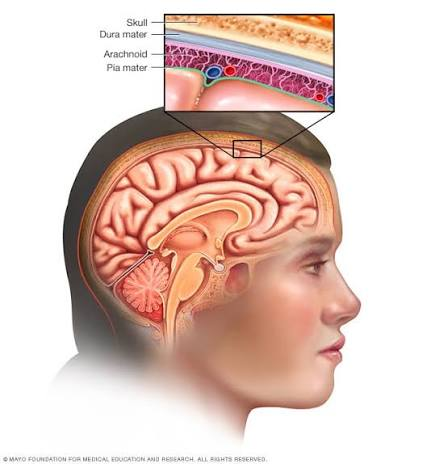
Meninges
three membranes that cover and protect and brain and spinal cord
Dura mater
thick, tough, outer layer
Arachnoid membrane
delicate middle layer, weblike
Pia mater
innermost layer, closely attached to the brain and spinal cord
Ventricles
4, filled with cerebrospinal fluid
Cerebrospinal fluid
clear fluid, continually circulates between ventricles
Amyotrophic Lateral Sclerosis (ALS)
also known as Lou Gehrig’s disease, a chronic degenerative neuromuscular disease, cause is unknown
Carpal Tunnel
a painful hand/arm condition, swelling of the wrist, occurs when medial nerves/tendons pass through a canal/tunnel are pinched
Cerebral Palsy
non-progressive, non-contagious disturbance in voluntary muscle action that is caused by brain damage
Cerebrovascular Accident (CVA) or Stroke
occurs when the blood flow to the brain is impaired
TIA - Transient Ischemic Attack
ministroke (first 3 hours can help prevent brain damage)
Concussion
a traumatic brain injury that affects brain function caused by a blow to the head
Encephalitis
inflammation of the brain that is caused by a virus, bacteria, or chemical agent frequently contracted by a mosquito bite
Epilesy
known as seizure, abnormal surges in electrical impulses in the brain, petit mal is mild and grand mal is severe
Hydrocephalus
excessive accumulation of cerebrospinal fluid in the ventricles, called “waterhead”
Meningitis
inflammation of the meninges of the brain and/or spinal cord, caused by bacteria
Multiple sclerosis (MS)
chronic, disabling condition resulting from degeneration of myelin sheath
Neuralgia
nerve pain that can be so serve you cannot eat or sleep, use of medical marijuana helps
Paralysis
loss of voluntary muscle movement and coordination in some pairs
Parkinson’s disease
a chronic, progressive condition involving degeneration of brain cells, loss of grey matter in brain
Shingles
an acute inflammation of nerve cells caused by the herpes virus
The folds and ridges in the brain are called…
convolutions