COE2001 Exam 2 Terms - Beams/ Cables
 Call Kai
 Learn
Learn Practice Test
 Spaced Repetition
 Match
Match Flashcards
 Knowt Play
1/24

There's no tags or description
Looks like no tags are added yet.
Name | Mastery | Learn | Test | Matching | Spaced | Call with Kai | Chat |
|---|
No analytics yet
Send a link to your students to track their progress
25 Terms
Beams
members with loads applied perpendicular to the longitudinal axis
Two Classifications of Beam
statically determinate and statically indeterminate
What types of beams are statically determinate?
simply supported, cantilever, combination
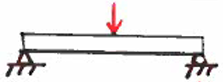
What is the type and classification of this beam?
simple supported; statically determinate
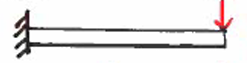
What is the type and classification of this beam?
cantilever; statically determinate
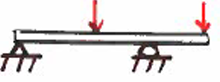
What is the type and classification of this beam?
combination; statically determinate
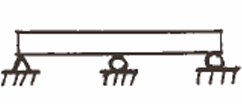
What is the type and classification of this beam?
continuous; statically indeterminate
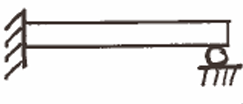
What is the type and classification of this beam?
propped cantilever; statically indeterminate
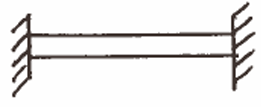
What is the type and classification of this beam?
fixed-fixed; statically indeterminate
Shear & Moment Diagrams
graphs which plot internal shear and moment along the length of the member
Conditions of Shear & Moment Diagrams
plot position on x-axis; plot shear and moment on the y-axis
Shear and Moment Tips
always start and end at zero; concentrated loads cause jumps in shear diagram; concentrated moment cause jumps in moment diagram (no change to v-diagram); at v=0, moment is a local min or max; always work V and M diagrams from left to right.
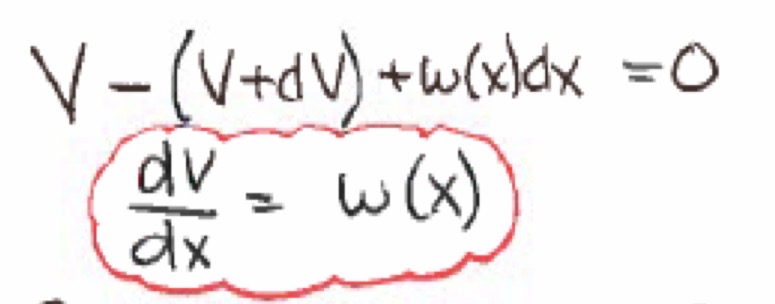
Describe the equation.
Slope of the shear curve equals the magnitude of the load curve at a point.
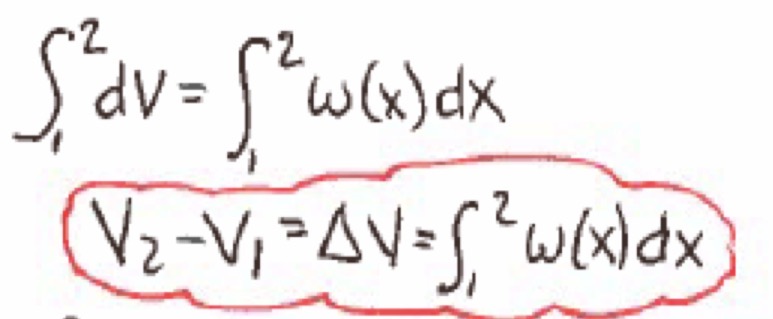
Describe the equation.
The change in the shear between two points equals the area under the load curve between two points
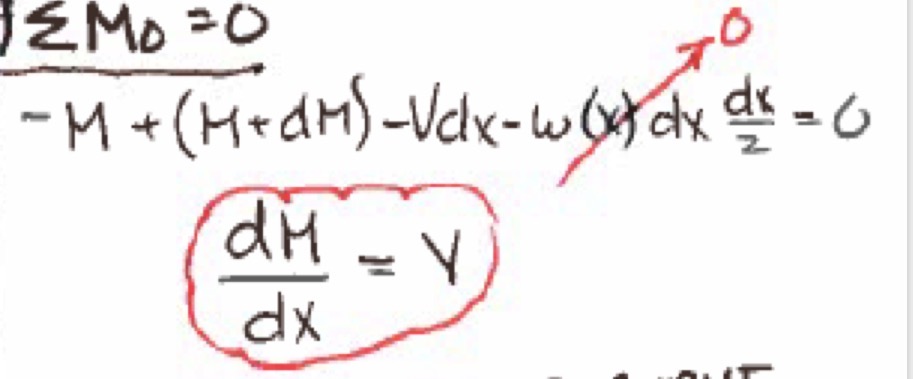
Describe the equation.
The slope of the moment curve equals the magnitude of the shear curve at a point.
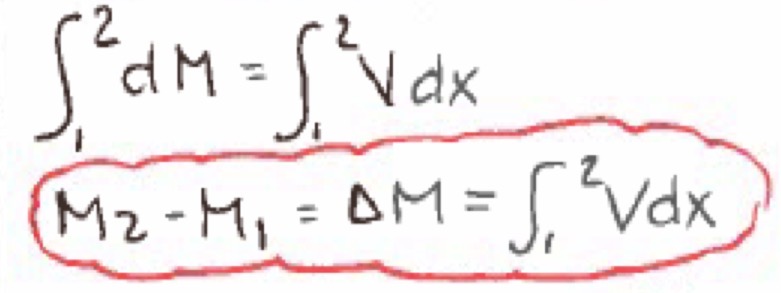
Describe the equation.
The change in the moment between two points equals the area under the shear curve between the two points
Uses of Cables
suspension bridges, power transmission lines, tension only members, strand in prestressed concrete
Benefits of Cables
flexible, light, efficient
Typical Configurations of Cables
parabolic, catenary, discrete
Parabolic Cable
load is per horizontal length, tension force in cable at base of sag, vertical distance is from the base of sag to desired height.
Catenary Cable
self-weight is the load, solved with computer analysis
Discrete Cables
neglect cable’s weight, apply equations of equilibrium, solve like a truss
What force is constant in cables?
horizontal forces
When span of cable increases?
horizontal force increases, end cable forces increase, vertical reactions stay the same.