PRAXIS Audio
 Call Kai
 Learn
Learn Practice Test
 Spaced Repetition
 Match
Match Flashcards
 Knowt Play
1/29

Earn XP
Description and Tags
Name | Mastery | Learn | Test | Matching | Spaced | Call with Kai | Chat |
|---|
No analytics yet
Send a link to your students to track their progress
30 Terms
MIDI
Musical Instrument Digital Interface
DAW
Digital Audio Workstation
EQ (equalization)
A big tone control; also known as a filter; used to adjust the tone of an individual sound or change the entire mix
Quantization
Precision of note, timing
TIFF
Tagged Image File Format
JPEG
A format for compressing image files.
WAV
(Waveform Audio File Format) an audio coding format standard for storing an audio bitstream of uncompressed audio data.
MP3
A standard format for music files sent over the Internet that compresses music.
Channels
Typically a MIDI has 16 channels
They allow you to hear each instrument individually, only 1 instrument per channel
Sampler
A synthesizer which records sounds from actual external sounds such as instruments or non-musical sounds so you can use those sounds as sound effects
AIFF
Audio Interchange File Format- high quality audio saved in an uncompressed, lossless format. Used often by Apple
Compressor
Reduces the dynamic range of an audio signal
ADC
Analog to digital converter
DAC
Digital to Analog Converter
Overtone Series
The fundamental pitch and a simultaneously sounding series of progressively higher overtones present in one tone. Harmonic series.
Partials
In music, partials are non-fundamental tones that are sine waves with stable frequencies and are multiplied by fractional amounts, not whole numbers. They are also known as partial tones or inharmonic overtones. Partials are components of a complex tone, such as a note played on a trumpet or a plucked guitar string.
Sound Reverberation
The persistence of a sound after its source has stopped
Sound Refraction
Another important case in which sound waves bend or spread out is called refraction. This phenomenon involves the bending of a sound wave owing to changes in the wave's speed. Refraction is the reason why ocean waves approach a shore parallel to the beach and why glass lenses can be used to focus light waves.
Sound Reflection
Sound reflection is that portion of the original sound wave that will stay contained to within your room. If the reflection is separated from the original sound signal by less than . 1 seconds, human ear will hear the sound as one prolonged signal known as reverberation.
Frequency
The frequency of music is measured in Hertz (Hz), where 1 Hz is equal to one cycle per second. The current standard for tuning musical instruments is A = 440 Hz.
Sound Amplication
ACOUSTIC: Non electronic or “acoustic” instruments amplify sounds by using the principle of resonance. Acoustic instruments usually have more than one element that vibrates to create sound. For example, a string instrument like a piano has a soundboard that is connected to strings.
ELECTRONIC: Amplifiers are the main electronic component used for sound amplification. Amplifiers take an input audio signal and increase its amplitude (loudness) before sending it to speakers. Different types of amplifiers include analog and digital.
Sound Reinforcement
A sound reinforcement system is the combination of microphones, signal processors, amplifiers, and loudspeakers in enclosures all controlled by a mixing console that makes live or pre-recorded sounds louder and may also distribute those sounds to a larger or more distant audience.
Audio Interface Program
An audio interface is a piece of hardware used to send audio signals to and from a computer or recording device. Audio interfaces convert analog audio signals from sources such as microphones and instruments into digital audio signals that can be interpreted by a computer and audio software.
By the same token, audio interfaces can also convert digital audio—such as computer system sounds or playback—into analog signals played from headphones or speakers. Most consumer audio interfaces include a level-control knob for their speaker outputs as well as for any headphone outputs
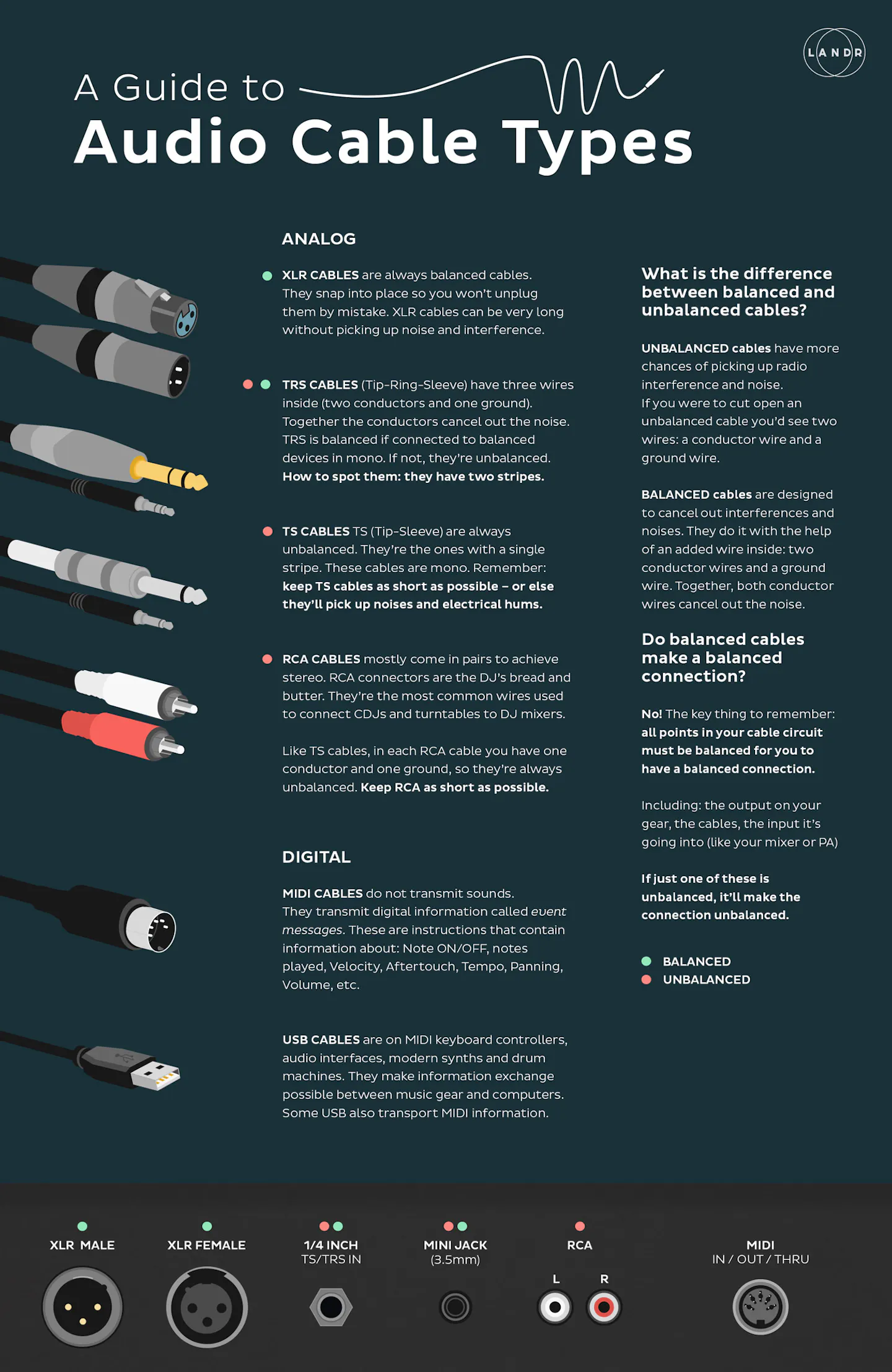
Types of Audio Cables
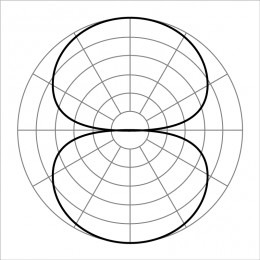
Bidirectional microphone
Microphone that picks up sound from two opposite directions
Omnidirectional microphone
Microphone that captures equally from all directions
Cardioid microphone
Microphone that will pick up sound in front of the subject and some to the sides of the microphone.
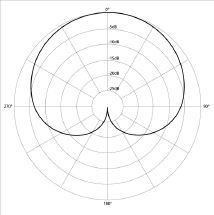
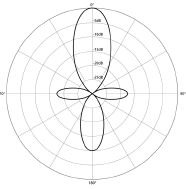
Supercardioid Microphone
A directional mic with a narrower pick-up pattern than a hypercardioid mic.
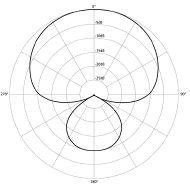
Hypercardioid Microphone
Similar to Cardioid but the response from the sides is less, which makes it more directional. Used when isolation of sound sources is important. They are less sensitive to off-axis sounds and will not pick up near-by sources as easily. Due to their more directional nature, they are less likely to pick up feedback.
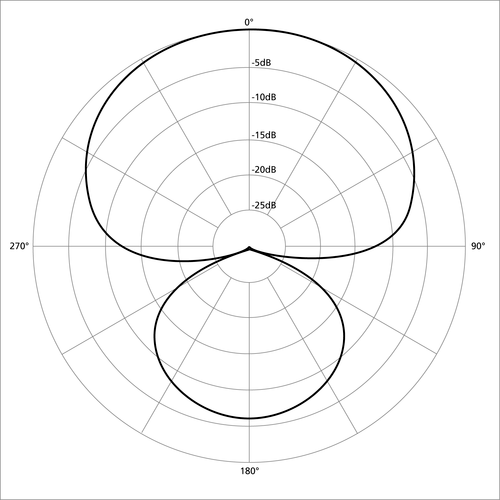
Shotgun Microphone
A directional mic with an extremely narrow pick-up pattern.