Herpatology Toads and Frogs
 Call Kai
 Learn
Learn Practice Test
 Spaced Repetition
 Match
Match Flashcards
 Knowt Play
1/27

Earn XP
Description and Tags
Name | Mastery | Learn | Test | Matching | Spaced | Call with Kai | Chat |
|---|
No analytics yet
Send a link to your students to track their progress
28 Terms

New Zealand Frogs and Tailed Frogs
Leiopelmatidae: 1 genus, 3 species
Ascaphidae: 1 genus, 2 species
New Zealand, Northwest US
voiceless, lack tympanum
extra vertebrae, residual tail muscles
copulatory organ (tail) amplexus → coplexus
clear, cold mountain streams
Family Leiopelmatidae and Ascaphidae

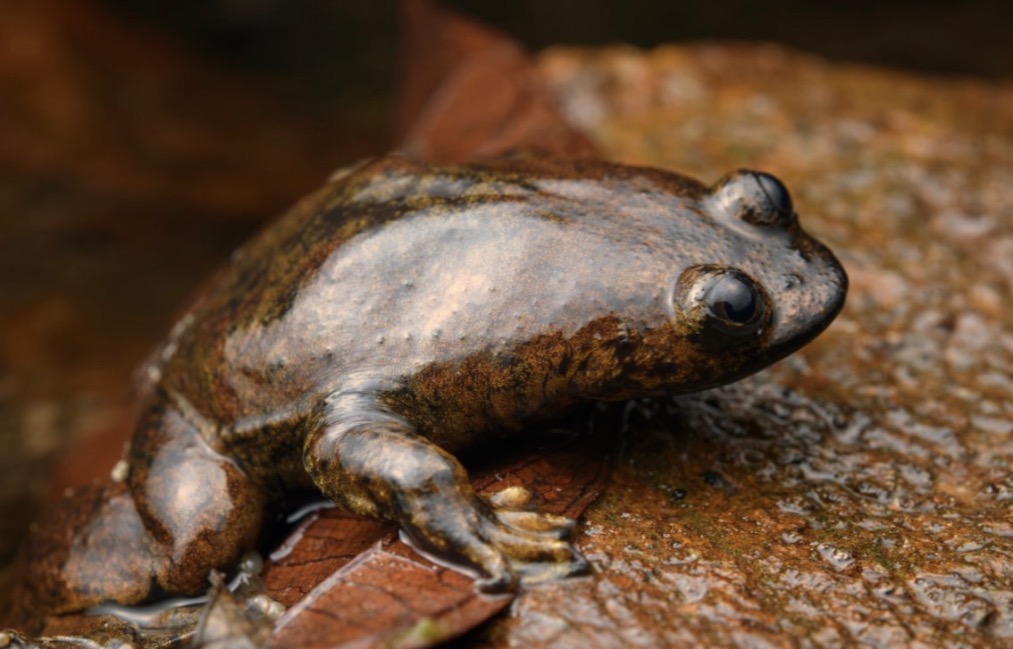
Fire-bellied Toads, Flat-headed frogs
9 species in 2 genera in Europe and Asia
Family Bombinatoridae

African Clawed Frogs, Suriname Toads
41 species and 4 genera
sub-Saharan Africa, tropical South America
tongueless; lack vocal cords
underwater calls produced by the larynx
highly aquatic (still or slow moving)
eggs are aquatic or embedded into the females dorsal skin
lateral line system
fully webbed hind feet
Family Pipidae

Nearctic Spadefoots
7 species in 2 genera
fossorial
vertical pupils
Family Scaphiopodidae
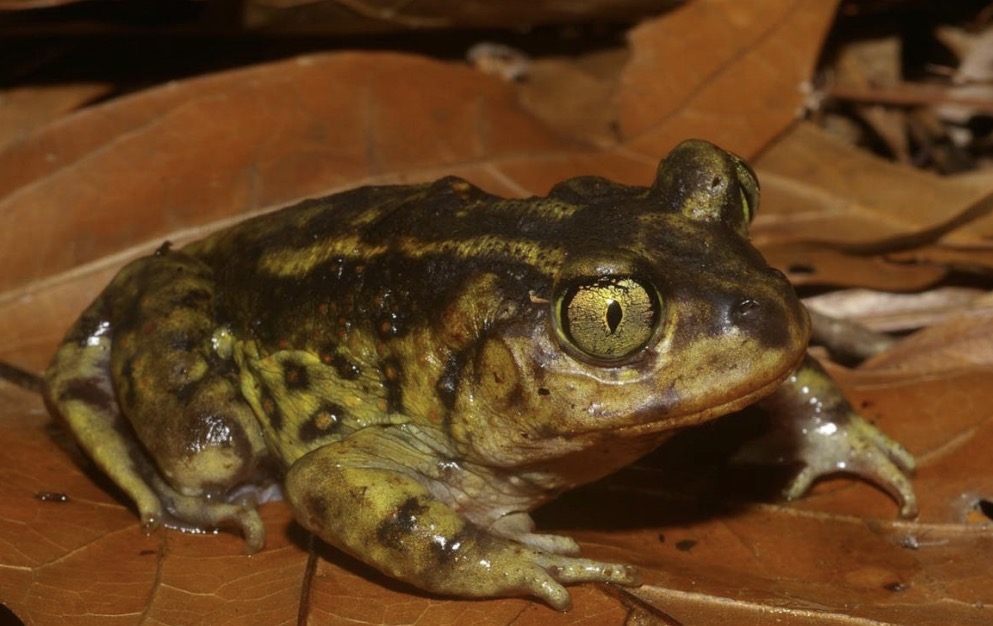
Eastern Spadefoot
golden eyes and vertical pupils
sickle-shaped dark ridge (spade) on the underside of each foot
no parotoid gland
well-drained,loose, sandy soil
breed explosively after heavy rainstorms
species of special concern in NYS
only in lost island and one small population upstate
Scaphiopus holbrookii
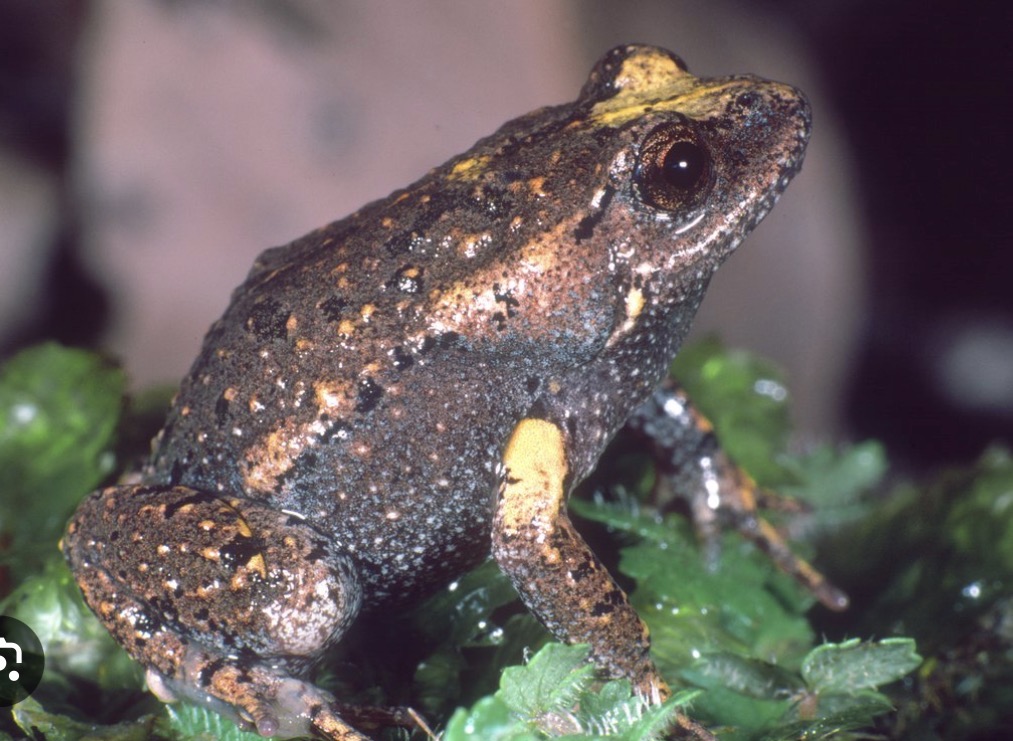
Australian Toadlets, Turtle Frogs
92 species in 15 genera in Australia, Tasmania, and New Guinea
Extinct Australian gastric-brooding frogs :(
R. silus was the focus of a study of cloning
Family Myobatrachidae

Glass Frogs
169 species
South and Central South America
transparent abdominal skin
adhesive toe disks
arboreal
Family Centrolenidae
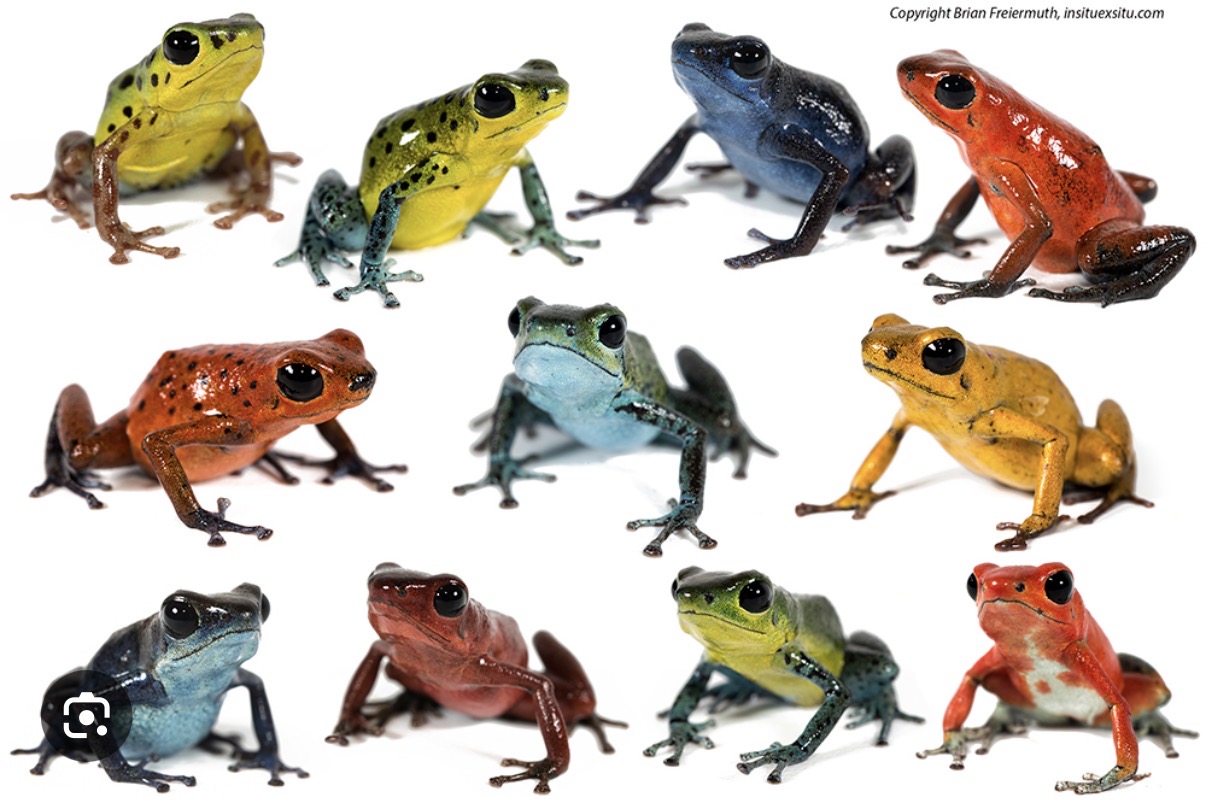
Poison Frogs
212 Species
Central and South America
highly evolved parental care
skin alkaloids from arthropod diet
aposematic
Family Dendrobatidae

True Toads, Harlequin Frogs, and others
666 species
native across most tropical and temperate regions (absent from australia, madagascar, and oceanic islands)
rough skin
parotiod glands
terrestrial to semi fossorial (some aquatic, some arboreal)
stringy egg masses
Family Bufonidae

stout, rough skin
reddish-brown to light brown
1-2 warts per black spot
SPOTS ON BELLY
parotoid glands don’t usually touch cranial crest
habitat generalists, spring breeders
all over NYS except LI
Anaxyrus (Bufo) americanus

Fowler’s toad
3-5 warts per dark spot
creamy, unspotted belly
parotoid gland usually touches cranial crest
sandy lowlands
breed later in season then America Toad
found more on LI, scattered throughout some other area in NYS
Anaxyrus (Bufo) fowleri

Treefrogs
768 species
Americas, West Indies, disjunct in Eurasia, Australia-Papuan region
high diversity in tropics
expanded toe pads
most arboreal, some ground dwelling
Family Hylidae

Northern Cricket Frog
smallest frog in NYS
dark triangle between eyes, light belly
make yellow throat in breeding season
highly webbed feet
habitat specialist (few distinct, vegetated wetlands)
breed in early summer
green stripe down back
only in southern NYS
Acris crepitans

Gray Tree Frog
green to gray with blotches
light spot with dark edge bellow eye
large toe discs
moist, deciduous woodlands
breed in late spring to early summer
all over NYS
Hyla versicolor
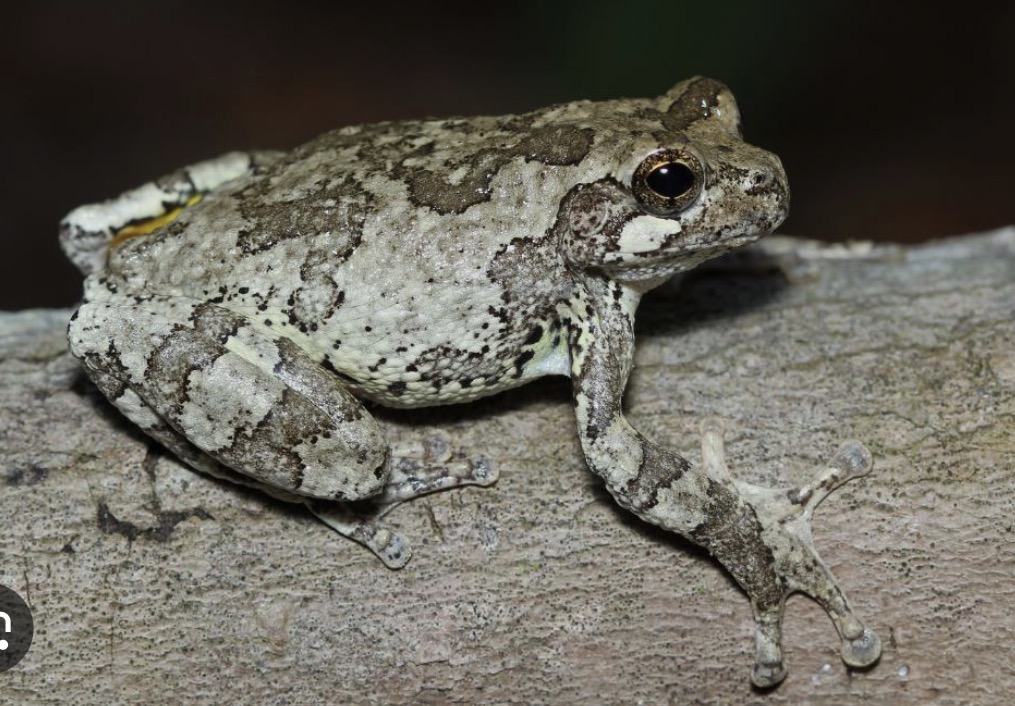
Cope’s Gray Tree Frog
identical to Gray Tree Frog
call slightly faster than the Gray Tree Frog (but call speed can depend on temperature)
moist, deciduous woodlands, mostly along Erie/Ontario
breed late spring to early summer
Hyla chrysoscelis

spring peeper
small with “X” on back
narrow waist, cream colored underside
dark patch by eye
habitat generalists
breeds in early spring
all over NYS
Pseudacris crucifer

western chorus frog
small and brown with 3 dark stripes down back
facial mask, white mustache, white belly, poorly developed toe discs
grasslands, forest edge
breeds in the spring
only in the more northern areas of NYS (by the buffalo area and the thousand islands area, but one spot on the edge of lake Ontario has no frogs??)
Pseudacris triseriata

Afroasian Tree Frogs
492 species
sub-saharan africa, madagascar, South Asia
have enlarged toe pads
some species have extensive webbing between toes, used to glide from canopy
Family Rhacophoridae

True Frogs
465 Species
worldwide distribution except for southern south america and most of australia
long legs and webbing between toes
variety of habitats, typically in ponds
Family Ranidae

bullfrog
largest frog in NYS
skin fold from eye to rear of tympanum (males have a larger one)
no dorsolateral fold
permanent pond/ lake residents
voracious habits (eat a lot)
breed in summer
small game in NYS
all over NYS
Lithobates (Rana) catesbeiana

green frog
highly variable in color
underbelly white
dorsal lateral ridge 2/3 way down back
toe webbing DOES NOT reach 5th digit
white underbelly
strips on legs when folded
permanent water bodies
most common frog in NYS
late spring to summer breeders
all over NYS
Lithobates (Rana) calmitans

pickerel frog
tan-colored back with rectangular spots
orange-yellow groin
light strip along jaw
slow, shallow moving waters with dense vegetation
terrestrial after breeding in spring
often last frog to enter hibernation
can be found through NYS, but not as common as bullfrogs and green frogs
Lithobates (Rana) palustris

Northern leopard Frog
brown, grey, or green with 2 or 3 rows of black roundish spots with light borders
underside white
light colored dorsolateral fold almost entire length of body
most common frog of grassland areas
breeds in spring
mostly in upstate/ central NYS
Lithobates (Rana) pipiens

mink frog
olive grey, heavily mottled
back leg markings messy
musky, mink like odor
webbing runs to last joint of toes
often lack dorsolateral fold
cold northern lakes, ponds, streams; like lily pads
frog of the north
breed in summer
in northern NYS
Lithobates (Rana) septentrionalis

southern leopard frog
similar to northern leopard frog in appearance
light dot in the middle of tympanum
head is pointed (more pointed than northern leopard frog)
vegetated permanent or semipermanent wetlands
breed in early spring and early summer
mostly on LI and a small population in the finger lakes
Lithobates (Rana) sphenocephalus

atlantic coast leopard frog
round spots, faint dot usually but not always present on tympanum
duller, less varied coloration than southern
open and vegetated wetlands
breed in the spring
only on LI and around NYC
Lithobates (Rana) kauffeldi

wood frog
tan-colored with dark eye mask
prominent dorsolateral folds
cream underside
mature, deciduous forests with vernal pools or fish-less pools
freeze tolerent
explosive breeders in early spring
all over NYS
Lithobates sylvaticus
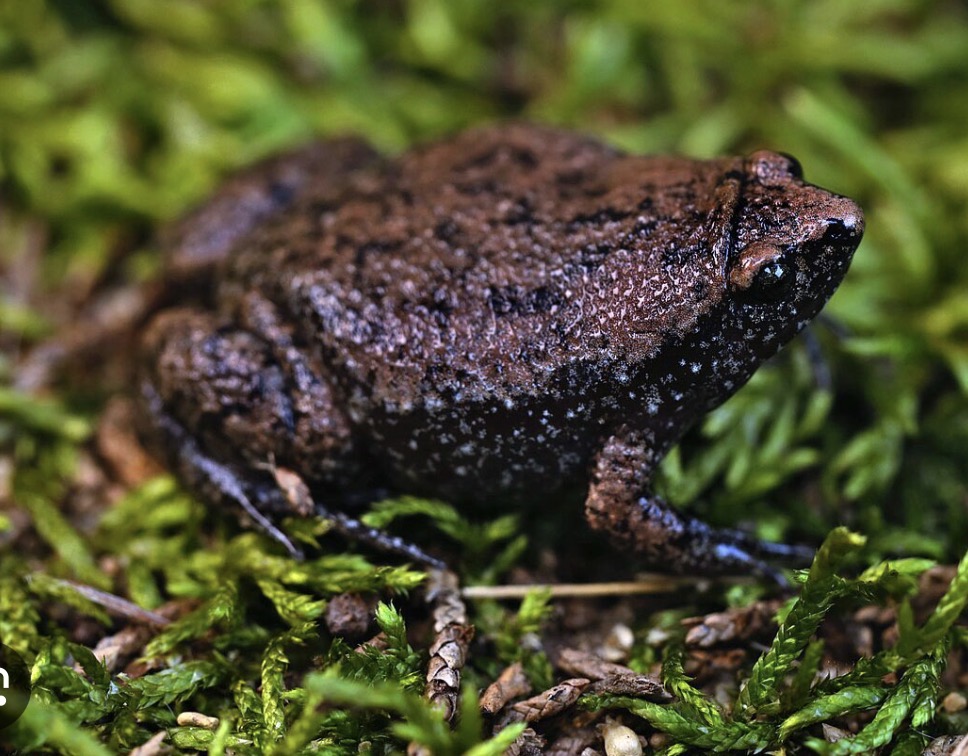
narrow-mouthed frogs
778 species
world wide except antarctica
range of body shapes
narrow mouth, wide bodies, “normal” legs
fossorial, arboreal, terrestrial
Family Microhylidae