1.4a-Hindbrain, Limbic system, cerebrum
 Call Kai
 Learn
Learn Practice Test
 Spaced Repetition
 Match
Match Flashcards
 Knowt Play
1/24

There's no tags or description
Looks like no tags are added yet.
Name | Mastery | Learn | Test | Matching | Spaced | Call with Kai | Chat |
|---|
No analytics yet
Send a link to your students to track their progress
25 Terms
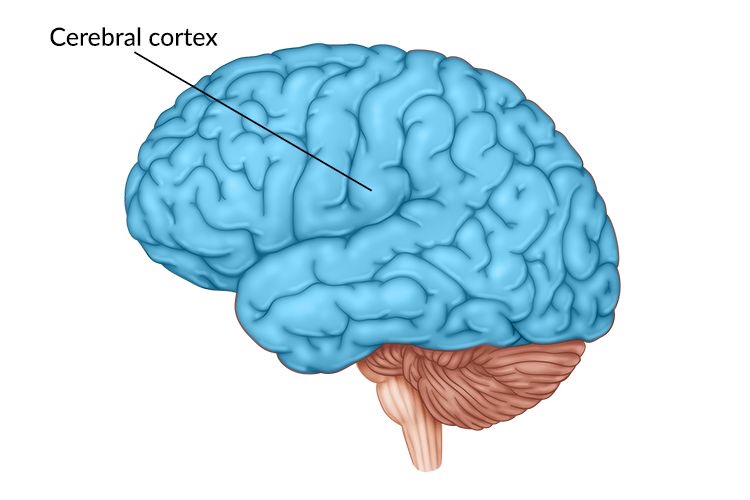
Cerebral cortex
Outer covering of the cerebrum involved in many complex brain functions
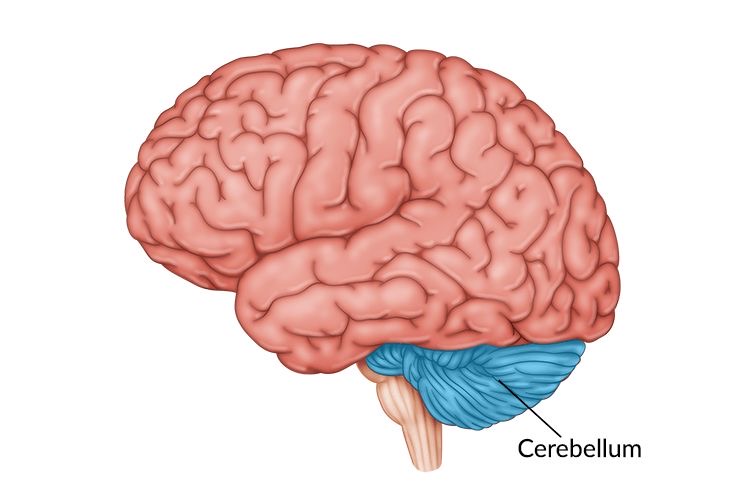
Cerebellum
Coordinate voluntary movement such as posture, balance, coordination, and speech, resulting in smooth and balanced muscular activity
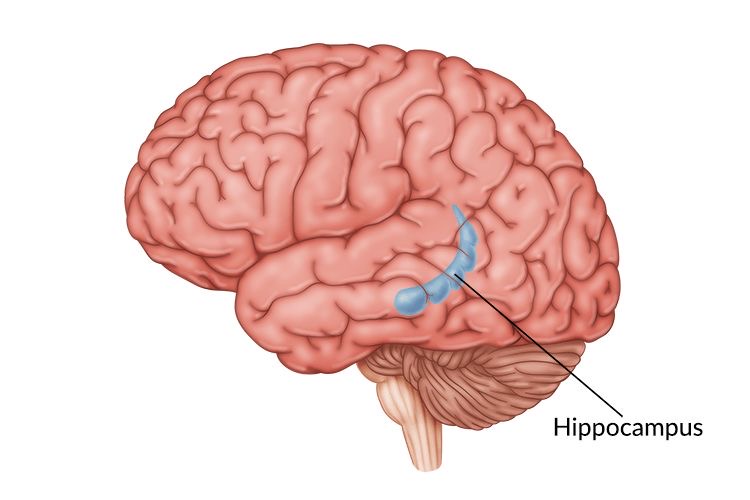
Hippocampus
Essential for memory storage
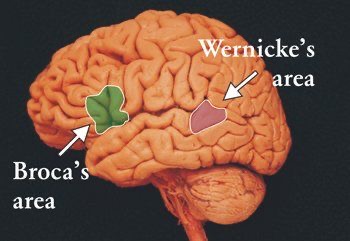
Wernicke’s area
Involved in language comprehension
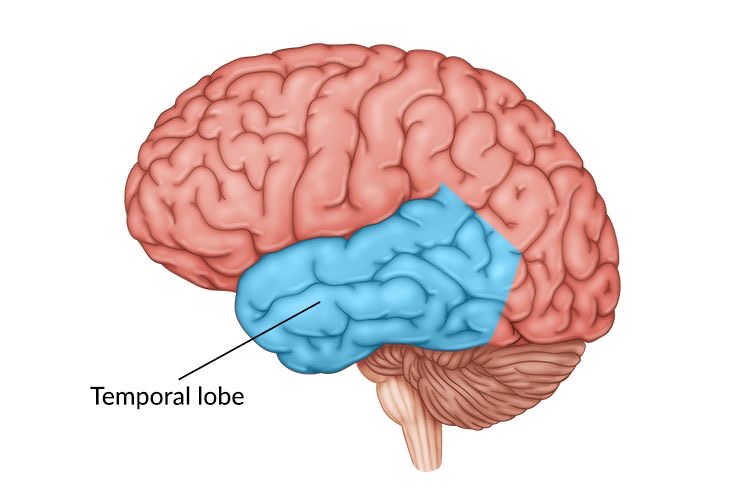
Temporal Lobes
Involved in processing sensory input into derived meanings for the appropriate retention of visual memory, language, comprehension, and emotion association
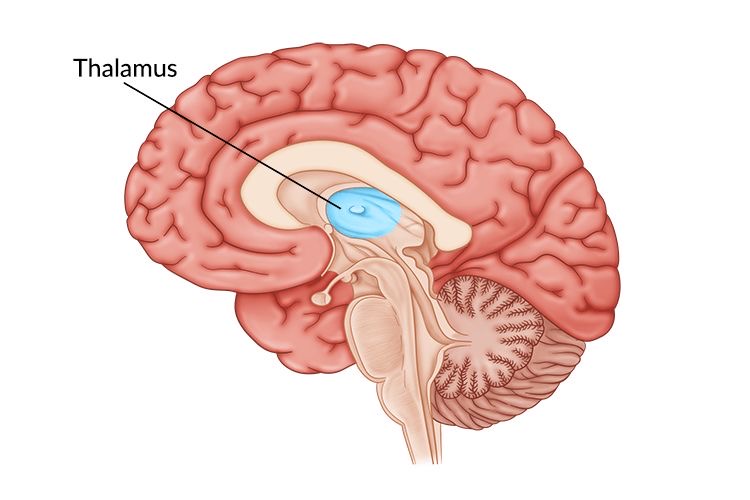
Thalamus
Serves as the relay station for nearly all information that comes and goes to the cortex
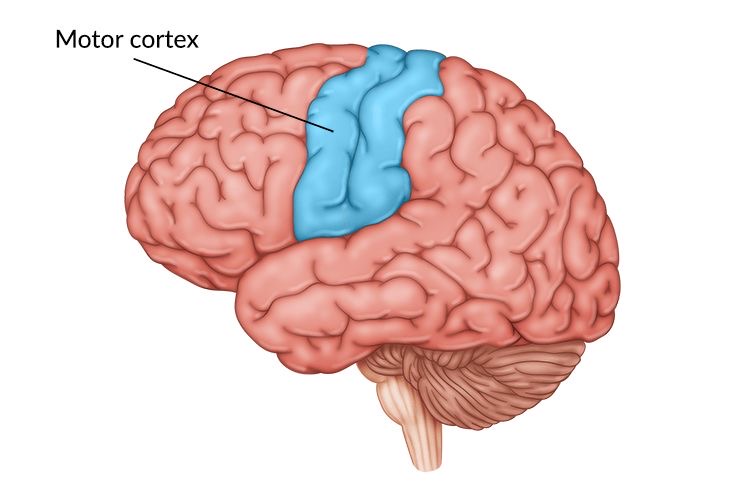
Motor cortex
Controls voluntary movements
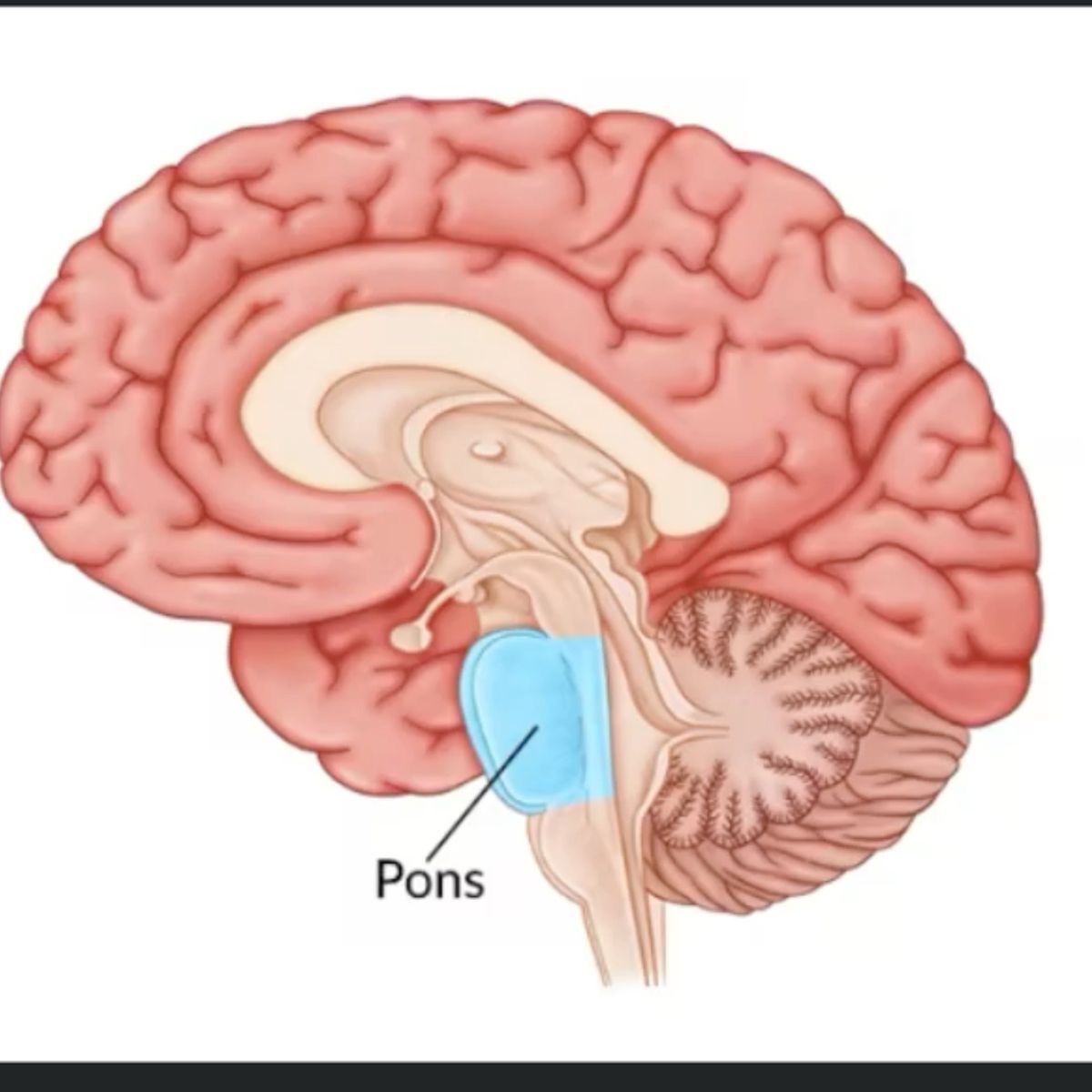
Pons
Connects upper and lower parts of the brain. It serves as a message station between different areas of the brain.
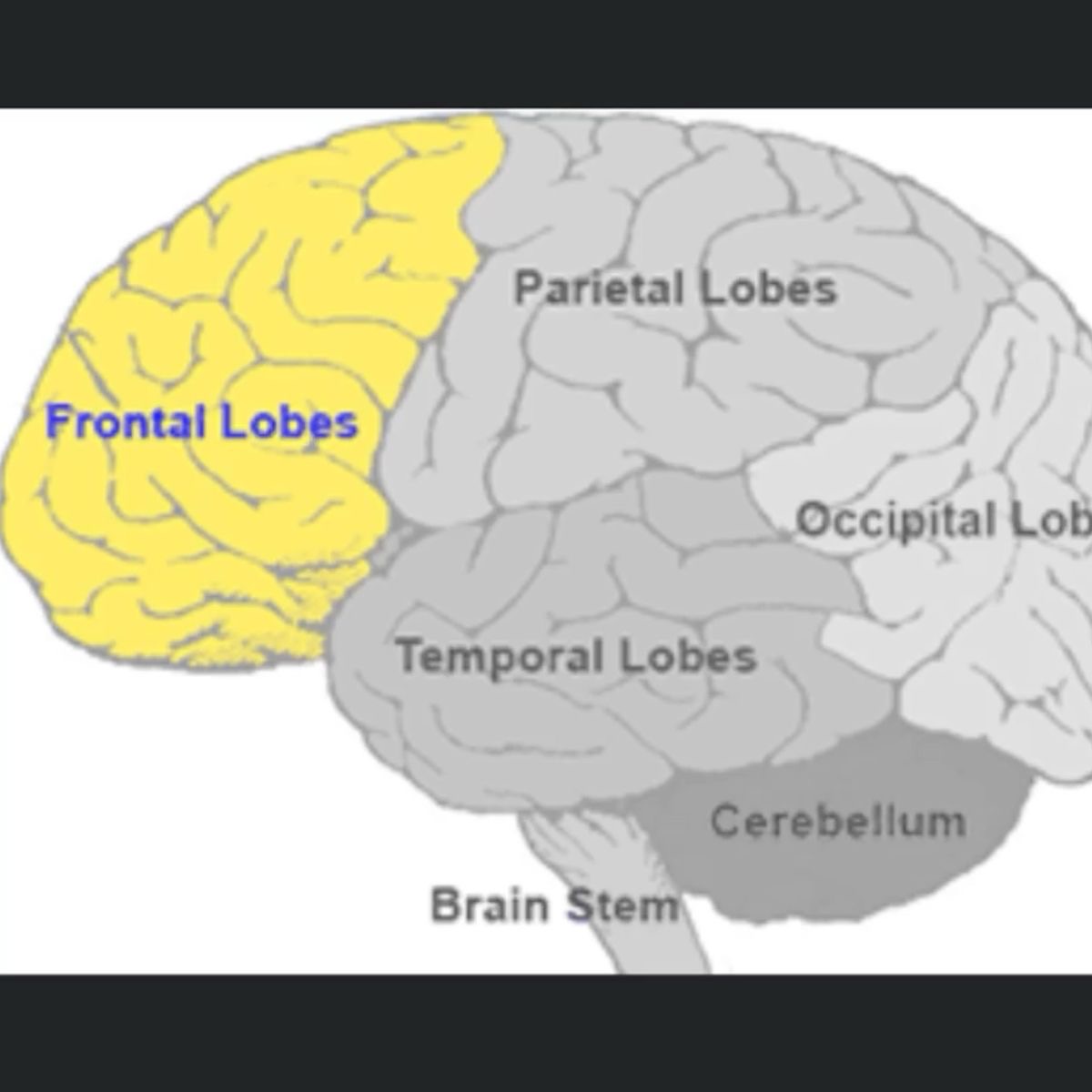
Frontal lobes
Involved in motor function, problem solving, spontaneity, memory, language, initiation, impulse control, and social behavior
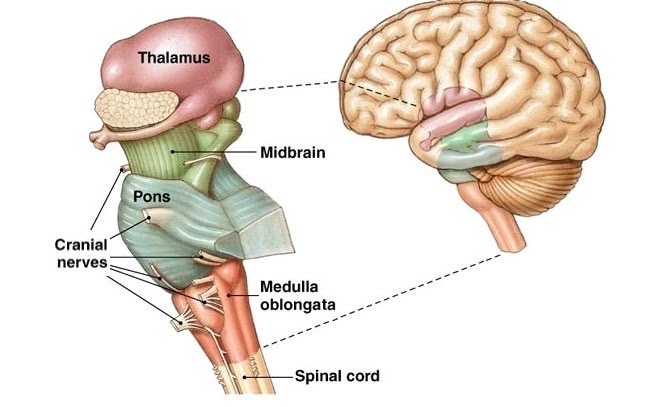
Medulla oblongata
Controls functions like the heart rate, breathing, blood pressure, and digestion
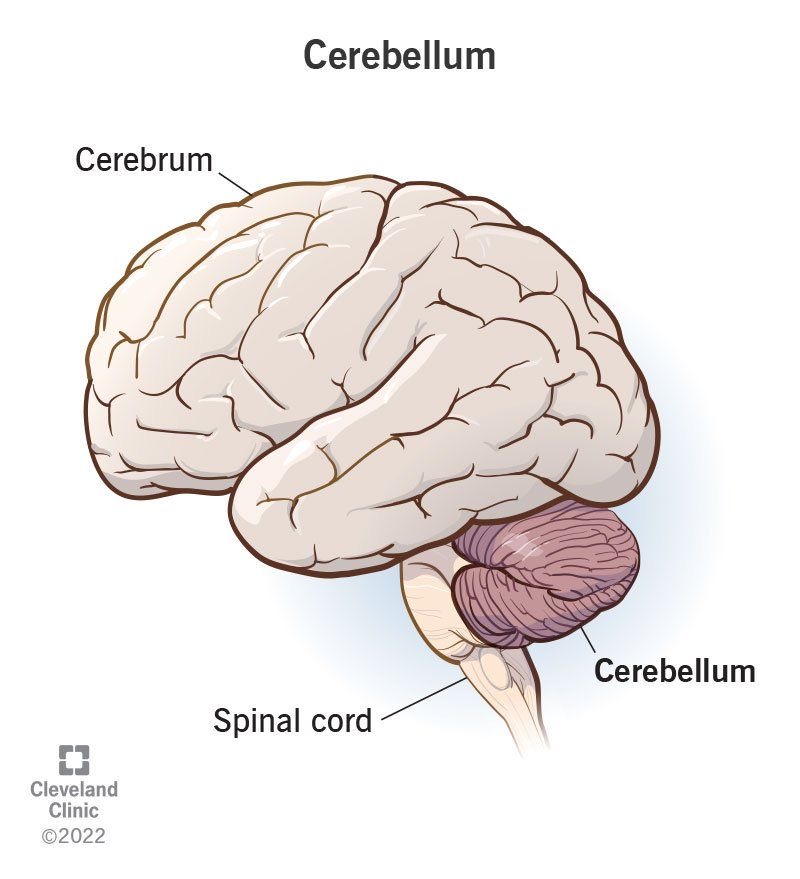
Cerebrum
Largest part of the brain, it is responsible for all voluntary actions (walking, speech, etc.)
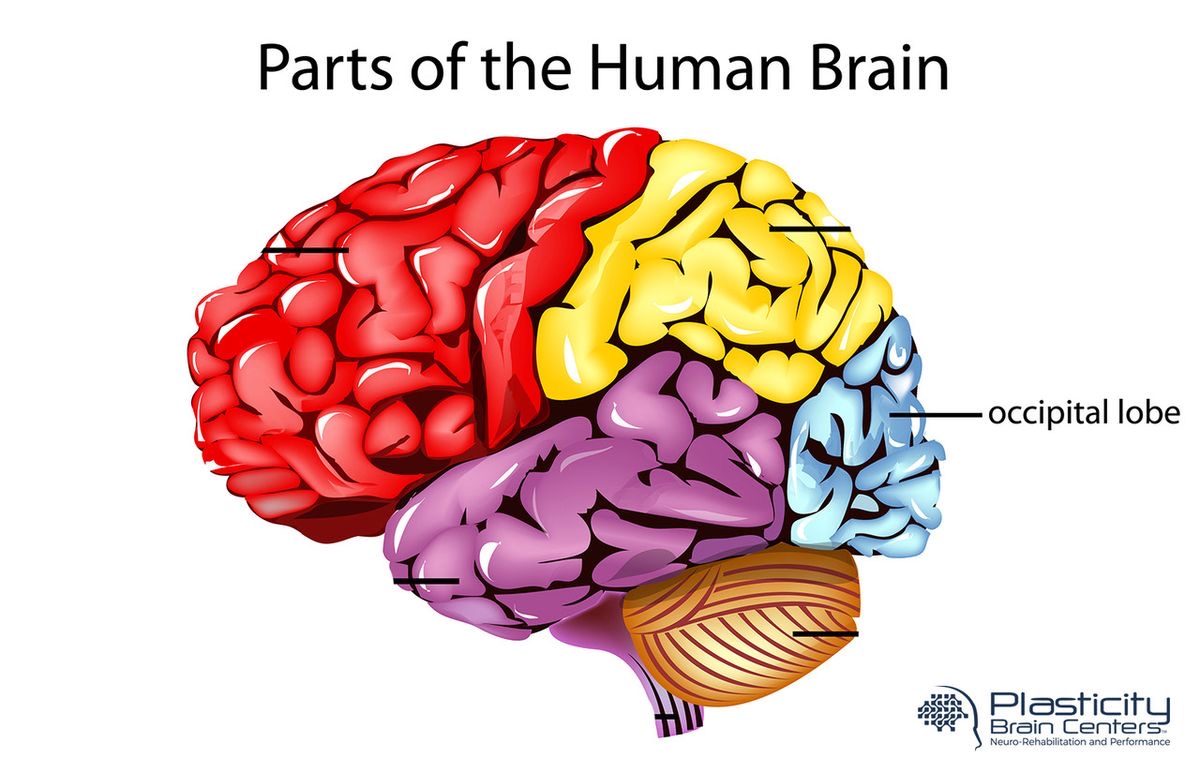
Occipital lobes
Responsible for Vision
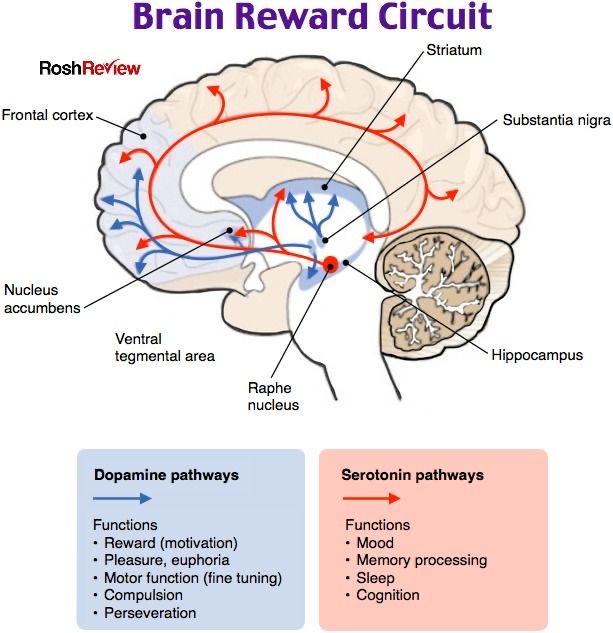
Reward center
A group of neural structures, responsible for incentive salience (i.e.motivation and wanting, desire, or craving for a reward.)
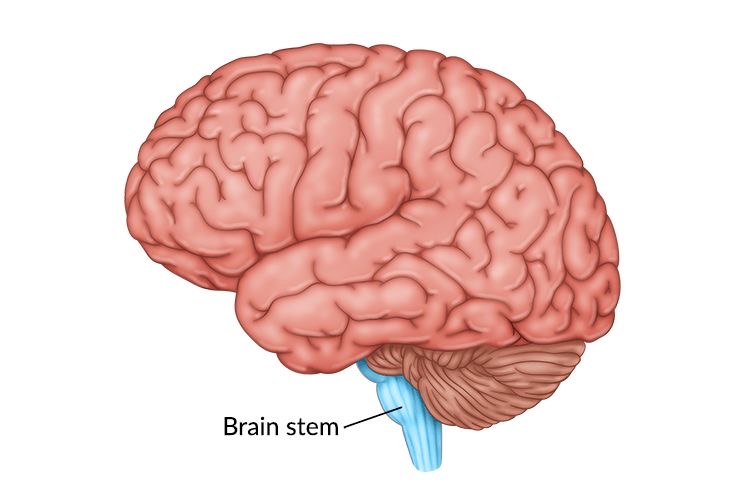
Brain stem
Responsible for basic vital life functions such as breathing, heartbeat, and blood pressure
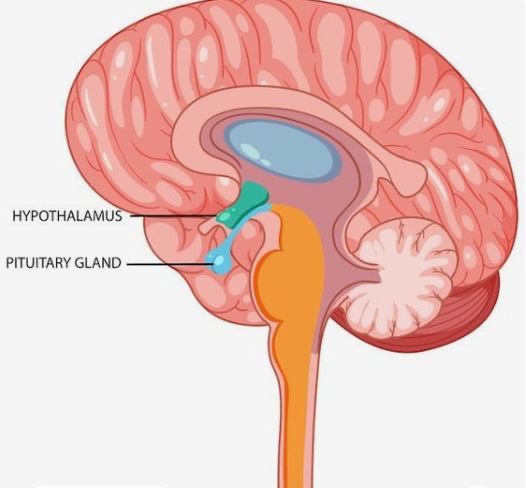
Pituitary gland
The “master gland” of the body, it produces hormones and regulates other hormonal glands
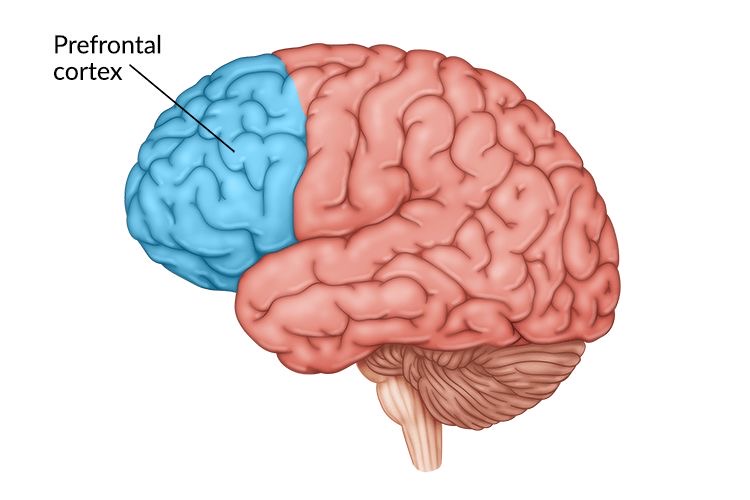
Prefrontal cortex
Involved in planning complex, cognitive behavior, personality expression, decision making, and moderating social behavior
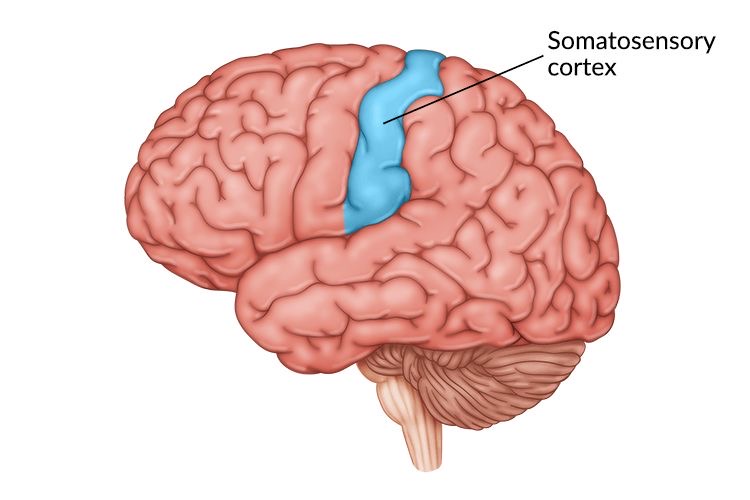
Somatosensory cortex
Processes sensory input from the skin, muscles, and joints
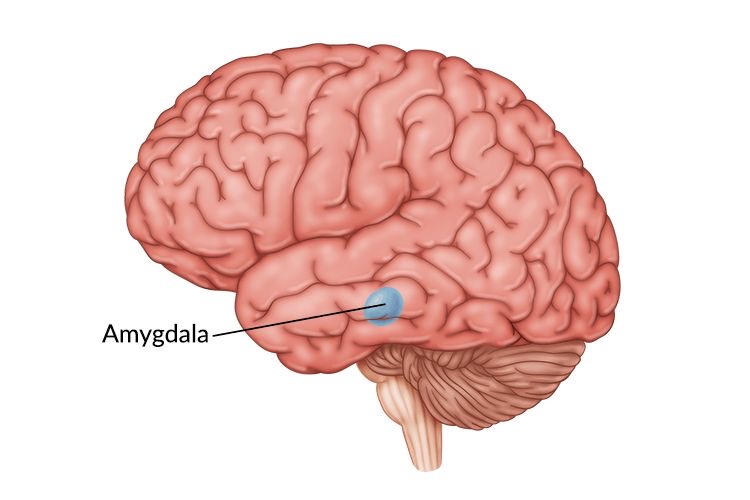
Amygdala
Involved in memory, emotion, and fear
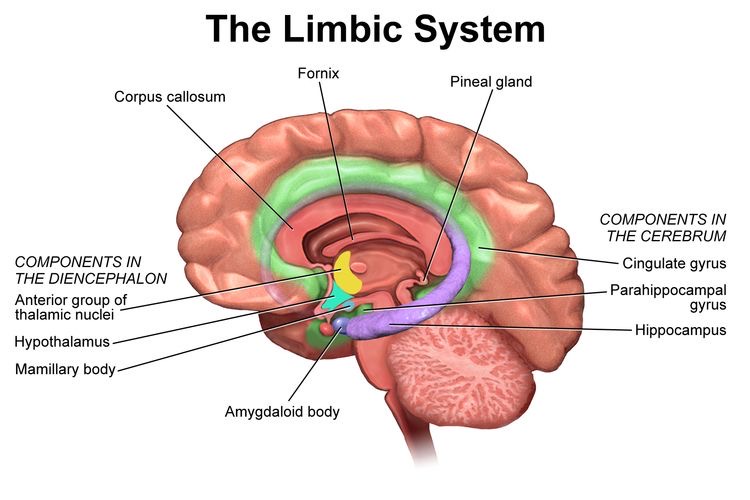
Limbic system
Compose your structures in the brain that manages emotions, memories, and arousal
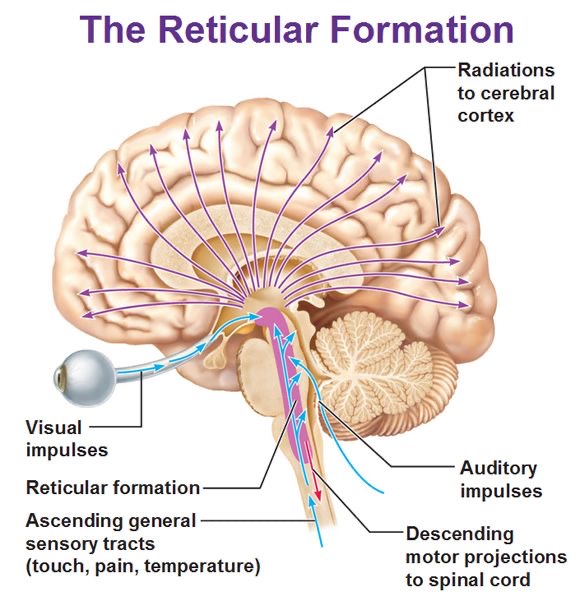
Reticular formation
Involved in regulating the sleep wake cycle and filtering incoming stimuli to discriminate, irrelevant background stimuli
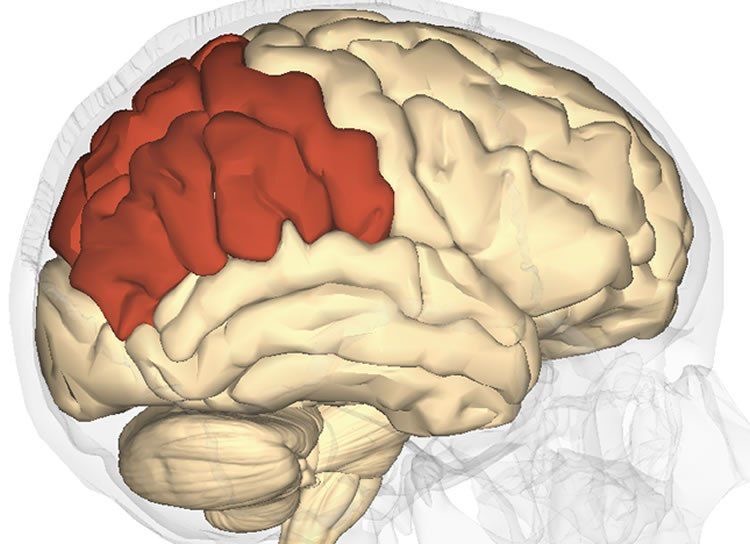
Partial lobes
Processes sensory information ever receives from the outside world, mainly related to touch, taste, and temperature
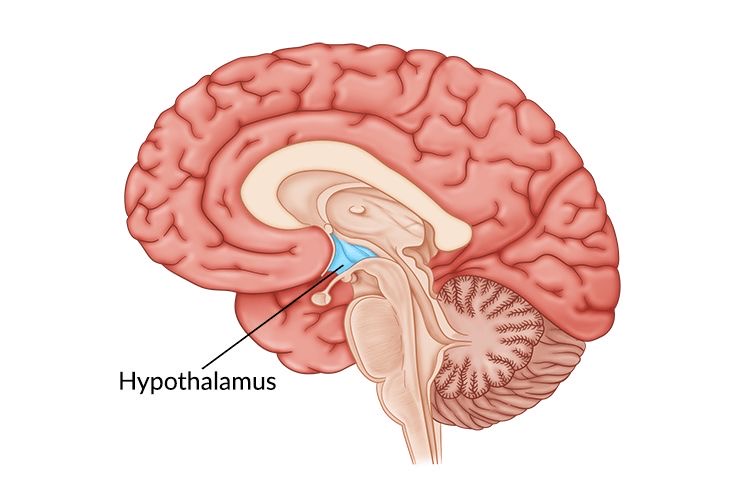
Hypothalamus
Regular’s body temperature, hunger, important aspects of parenting and attachment behaviors, thirst, fatigue, sleep, and circadian rhythms
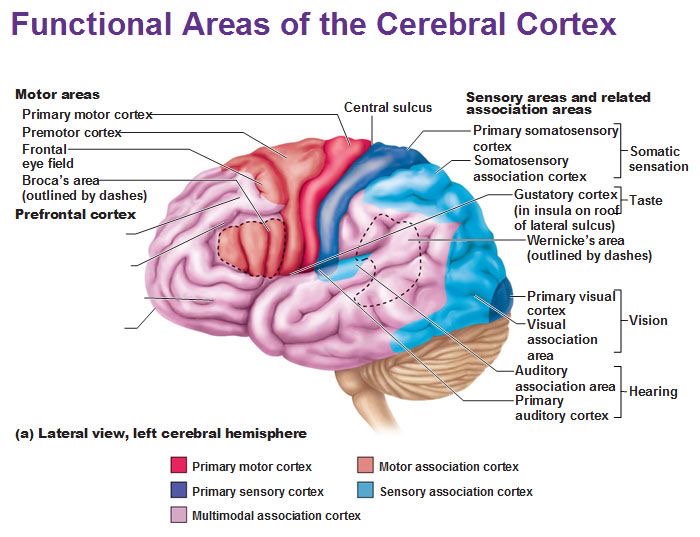
Association areas
Regions of the brain involved in integrating information from different cortical areas
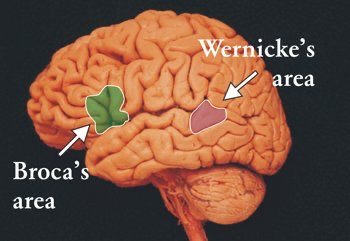
Broca’s area
Involved in speech production
Executive functioning
Carbonate processes, that regulate, control, and manage other cognitive processes, such as planning, working memory, attention, problem solving etc.