Physics - Circuits Test
 Call Kai
 Learn
Learn Practice Test
 Spaced Repetition
 Match
Match Flashcards
 Knowt Play
1/58

Earn XP
Description and Tags
Name | Mastery | Learn | Test | Matching | Spaced | Call with Kai |
|---|
No analytics yet
Send a link to your students to track their progress
59 Terms
Circuit Requiments
a power soure to move charges through the circuit. this serves as an electron pump, supplying energy, not electrons.
Circuit needs complete conductive loop from the negative terminal to the positive terminal of the power source
a resistive load in the circuit that uses the enrgy from the electrons
circuit diagram sysmols - power source
supplies energy to the electrons —-| │—
circuit diagram symbols wires
conductive connections ——-
circuit diagram symbols - switch
connect/disconnet wires

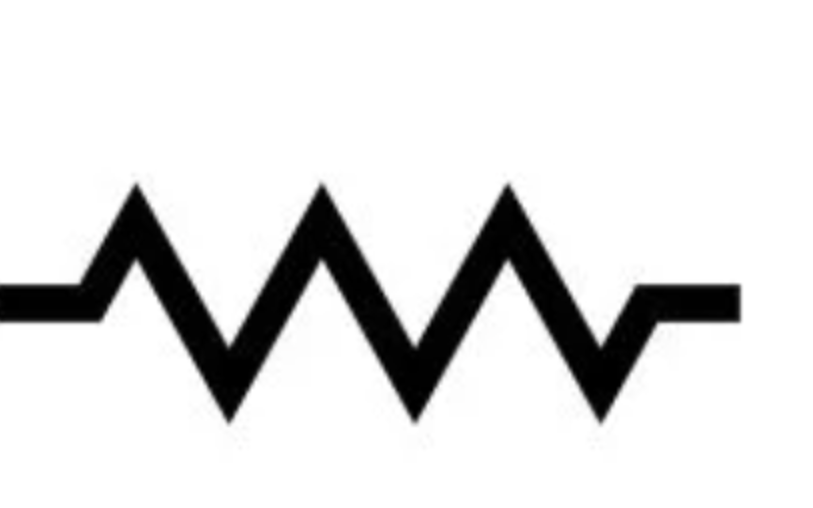
circuit diagram sysmobls - resistors
use the energy in the circuits
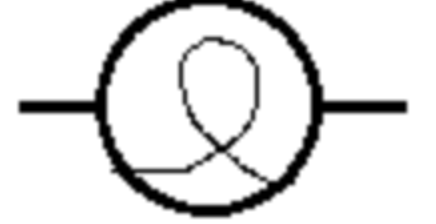
circuit diagram symbols - bulb
uses up energy and converts to light and heat
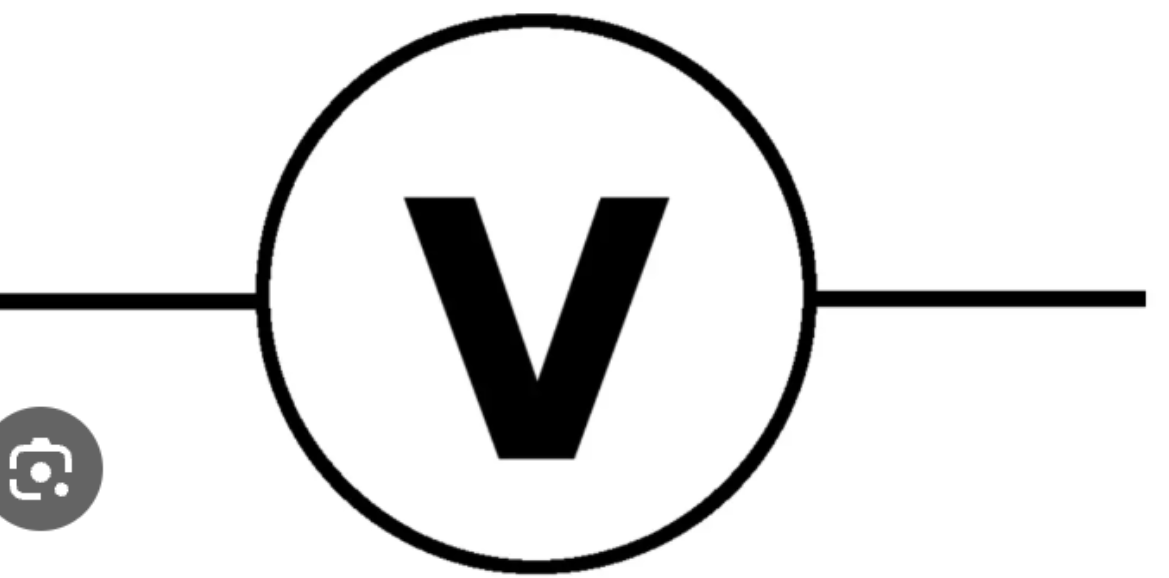
circuit diagram symbols - voltmeter
measures voltage drops and gains
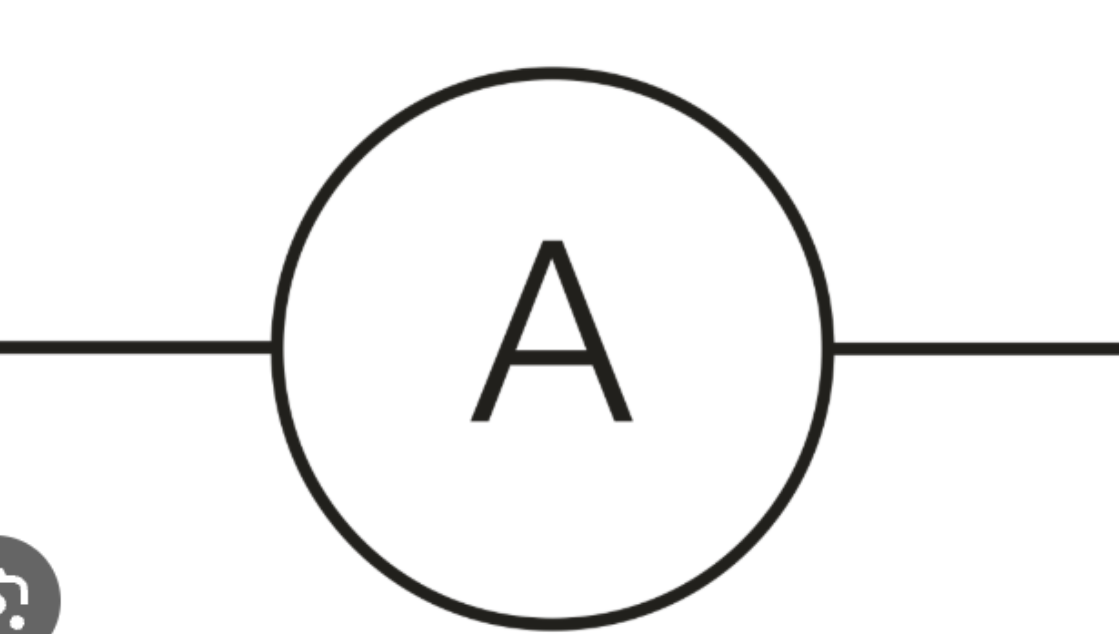
circuit diagram symbols - ammeter
measures current flow
current
flow of electrons
current path
a path that an electron could take starting from the power source going out through the circuit and back to the other side of the power source
series
two objects wired in SERIES are on the same current path
paralell
two objects wired in PARALLEL are on separte current paths
short circuit
a path of NO resistance (just a wire, no bulb) that will draw all the current away from other possible paths
dangerous: the unreisted electrons drastically increase current flow
current def
rate of flow of charge
symbol for current
symbol for current is I
unit for current
unit for current is “Amp” ampere (A)
what is an amp
amp=coulomb worth of electrons passing a point each second (C/s)
Ammeter
measures current flow, wired in series
junction rule (for current)
at any point in a circuit the total incoming and total outgoing current must be equal
voltage drops and gains (Elecrtic potential difference)
is the charge in amount of electric potential energy per coulomb of charge
voltage drop
electrons naturally lose energy where there is resistance
voltage gain
power source does work to increase energy
symbol for voltage
symbol for voltage is V
unit for voltage
unit for voltage is volt (v)
what is a volt
a volt is a joule of energy per coulomb of charge (J/C)
voltmeter
measures voltage drops or gains, wired in paralell
loop rule (for voltage)
going around a complete current path, all the voltage drops must add up to equal the voltage gains
how to calculate power output?
power tells us how quickly energy is converted out of the circuit (Watt=J/s)
to calclate the power output for a given reistance: P=IV
power
rate at which a resistor does work converting energy
symbol for power
symbol for power is P
unit for power
unit for power is watt (W)
what is a watt
watt= joule of electric potential energy converted into light, heat, or KE per sec (J/s)
resitance (where voltage drops occur)
the meausre of how much of an insultor something is
symbol for resistance
symbol for resistance is R
unit for resistance
unit for resistance is Ohm (Ω)
what is an ampere equivalent to
an ampere is equivalent to C/s
what is a watt equivalent to
a watt is equivalent to J/s
determining the resistance of an object
width: thin more, thick less. length: long more, short less. temp: hot more, cool less.
Ohm’s Law
V/R=I
using ohms law
ohms law works for both a single resitor AND the whole circuit
the total resistance of a circuit determins how much current is drawn from a power source of a given voltage so, Itotal=Vpower source/Rtotal
VIRP: rule for power (energy conservation)
the power input to the electrons by the power source must equal the total power output of the elctrons at all of the resistances in the circuit
equivalent resistance
replacing two or more resistors with an equivalent resistance does not change the voltage across or current through the power source
helpful equations
I=V/R and P=IV
current symbol and unit
current symbol is I and unit is A
current unit equvalent
current unit equivalent is C/s
current measured with/Equation
current measured with/Equation: ammeter (series), I=V/R, P=IV
current how it works within a circuit
current: rate of flow of charge, junction rule-at any point in the circuit, incomming and outgoing current is equal
voltage (potential difference) symbol and unit
voltage symbol is V and units is V
voltage unit equivalent
voltage unit equivalent is J/C
voltage measured with/Equation
voltage meausred with/Equation: voltmeter (parallel), V=IR, P=IV
how voltage works withing a circuit
voltage: change in electric potential energy per coulomb from one point to another, loop rule-on any current path the voltage drops are equal to the voltage gains
resistance symbol and units
resistnce symbol is R and units is Ohms
resistance unit equivalent
resistance unit equivalent is (V/A)
resistance measured with/Equation
resistance measured with/Equation: R=V/I
how resistance works within a circuit
resistance: measure of how much of an insultor something is, equivalent resistance-replacing 2 or more resistors with one equiavlent resiitor does not change the current through or voltage across the power source.
Req=R1+R2+R… (series)
1/Req= 1/R1+ 1/R2 + 1/R… (parallel)
power symbol and units
power symbol is P and units is W
power unit equivalent
power unit equivalent is J/s
power measured with/Equation
power measured with/equation: P=IV
how power works withng a circuit
power: rate of energy converted, total energy output of resistrors=total energy input by power source (energy conservation)