Eval
 Call Kai
 Learn
Learn Practice Test
 Spaced Repetition
 Match
Match Flashcards
 Knowt Play
1/116

There's no tags or description
Looks like no tags are added yet.
Name | Mastery | Learn | Test | Matching | Spaced | Call with Kai | Chat |
|---|
No analytics yet
Send a link to your students to track their progress
117 Terms
components of eval
subjective
medical history
social history
objective measures
assessment
What is a key difference between gen pop and peds evals
mother and patient history is taken
What are goals based off of
subjective/ parent concerns
Parts of subjective
why Dr referred them
caregiver concerns
parts of medical history
medical history during pregnancy, labor, and delivery
mother
patient
most common complications during pregnancy
high BP
gestational DM
pre-eclampsia
infections
mental health
high BP affect on pregnancy
at risk for pre-term labor
when does high BP in pregnancy typically occur
during 2nd half of pregnancy and resolves after delivery
describe gestational DM
occurs when a woman who did not have DM prior to pregnancy develops it during pregnancy
how is gestational DM managed
diet and medications
affects of gestational DM on pregnancy
if uncontrolled, increases risk of having a large infant → increased risk for c-section
describe preclampsia
high BP and protein in urine without a known cause
when does preclampsia typically develop
after 20th week
risk factors for preclampsia
first pregnancy
existing conditions
> 35 y/o
carrying multiples
obesity
How can infections affect pregnancy
may or may not pass to child during birth/pregnancy
preterm labor
low birth weight
birth defects
maternal health complications
how are infections typically treated
many treated with medications
prevalence of depression during pregnancy
15%
prevalence of anxiety in pregnancy
43%
affects of mental health during pregnancy
can lead to significant effects on both fetus and newborn baby
timeline for a full term pregnancy
39-40 weeks
timeline for a early term pregnancy
37-38 weeks
timeline for a late term pregnancy
41-42 weeks
age of viability
24 weeks
when does corrected age start
36 weeks
Why do we use corrected age
knowing when milestones are expected
When does corrected age stop being used
2 y/o
possible concerns during labor and delivery
labor that does not progress
umbilical cord issues
abnormal HR of baby
water breaking early
testing measures for patients in Utero
US
blood tests (genetic carrier screenings)
amniocentesis
chronic villus sampling (CVS)
When are USs performed
8-13 weeks, 18-21 weeks, and potentially at the end of term
purpose of US at 8-13 weeks
establish viability
due date
number of fetuses
assess pelvic anatomy
purpose of US at 18-21 weeks
anatomy scan
purpose of anatomy scans
measures baby’s weight and length
gender
assess organs
placenta health
what is an anatomy scan of the lips looking for
cleft lip
what is an anatomy scan of the brain looking for
anencephaly
ventricle size
etc
what is an anatomy scan of the spine looking for
neural tube closure/spina bifida
what is an anatomy scan of the heart looking for
4 chambers
HR between 120-160
what is an anatomy scan of the kidneyslooking for
2
normal size
what is an anatomy scan of the limbs looking for
normal development
types of blood testing
Pregnancy-associated plasma protein screening (PAPP-A)
Human chorionic gonadotropin (hCG)
Alpha-fetoprotein screening (AFP)
What is PAPP-A
protein produced by the placenta in early pregnancy
what does abnormal levels of PAPP-A indicate
higher risk of chromosome problems
What is hCG
hormone made by placenta in early pregnancy
what does abnormal levels of hCG indicate
higher risk for chromosome problems
What is AFP screening
mother’s blood test to indicate twins, ONTD, and chromosome problems
what is ONTD
open neural tube defect (spina bifida)
Describe an amniocentesis
small sample of amniotic fluid taken by putting a long, thin needle through abdomen into amniotic sac
When can an amniocentesis be done
16-22 weeks
what does abnormal findings on amniocentesis dx
chromosomal abnormalities
neural tube defects
other genetic dxs
How is it that amniocentesis can diagnose
can directly test the baby’s DNA
When is a CVS performed
10-13 weeks
purpose of CVS
prenatal genetic testing done to confirm or rule out genetic conditions
What diagnosis is not dx with CVS
ONTD
What is a CVS
sample of placental tissue by transcervical or transabdominal extraction
Why is CVS not always suggested
higher rate of miscarriage due to samples taken during early gestation
reasons to perform prenatal tests
age >35 at time of delivery
abnormal 1st trimester screening results
hx of genetic or chromosomal disorders
abnormal US results
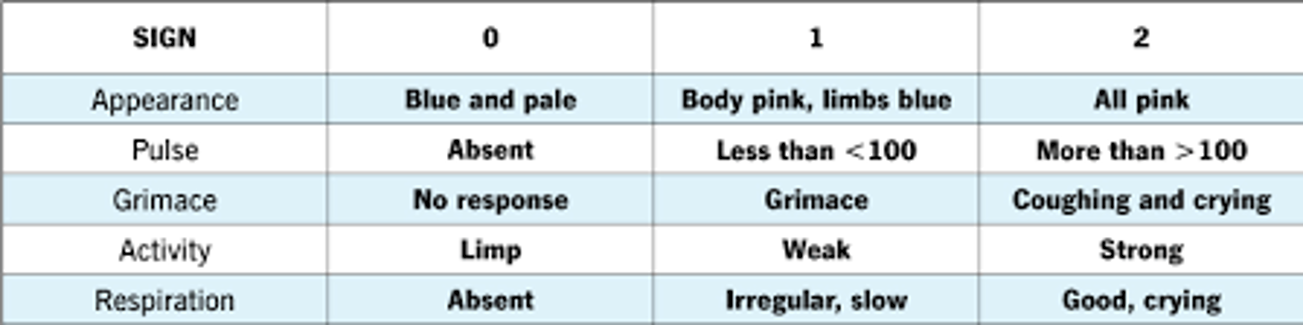
describe Apgar score
assessment of infants immediately after birth to estabilish needs for intervention
When is apgar taken
1 and 5 mins after birth
What is a normal score on apgar
>7
What does apgar assess
appearance (color)
pulse (HR)
grimace (reflexes)
activity (muscle tone)
respiration
scale for apgar
10 points
apgar chart
parts of social history
lives with…
siblings
school/daycare/daily routine
concerns/barriers in home environment
behaviors and interactions with peers
objective measures to be taken
pain
strength/ROM
tone
visual appearance
reflex integration
posture
gross motor skills
pain scales used for peds
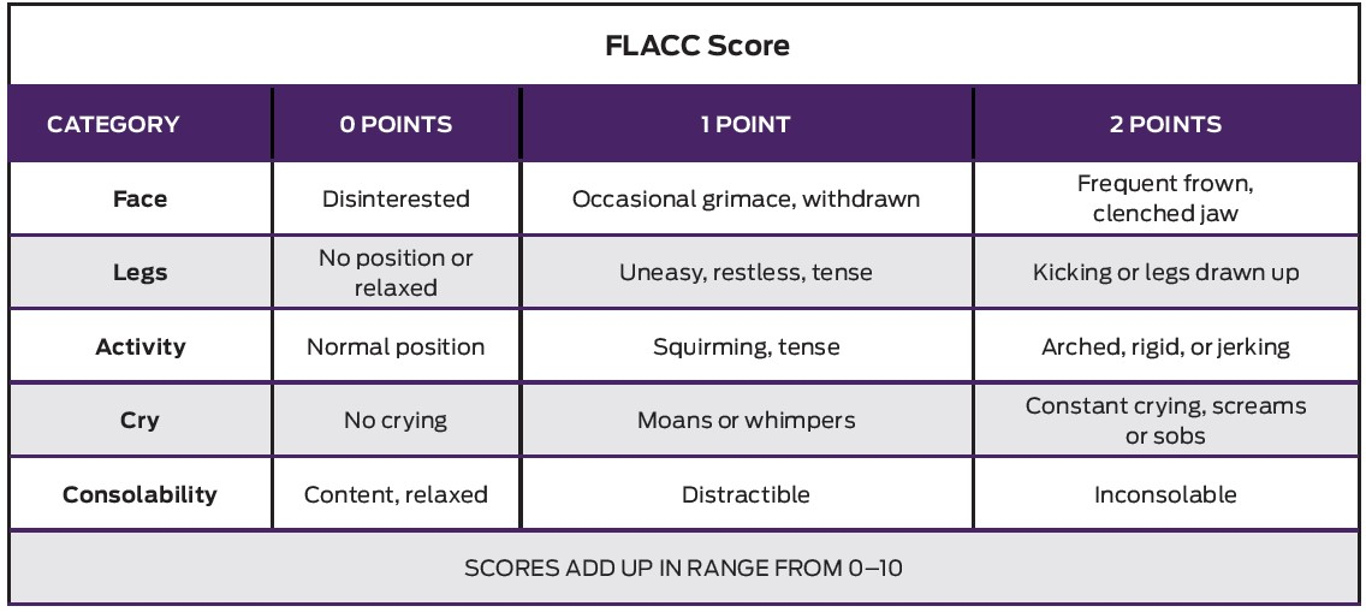
FLACC score
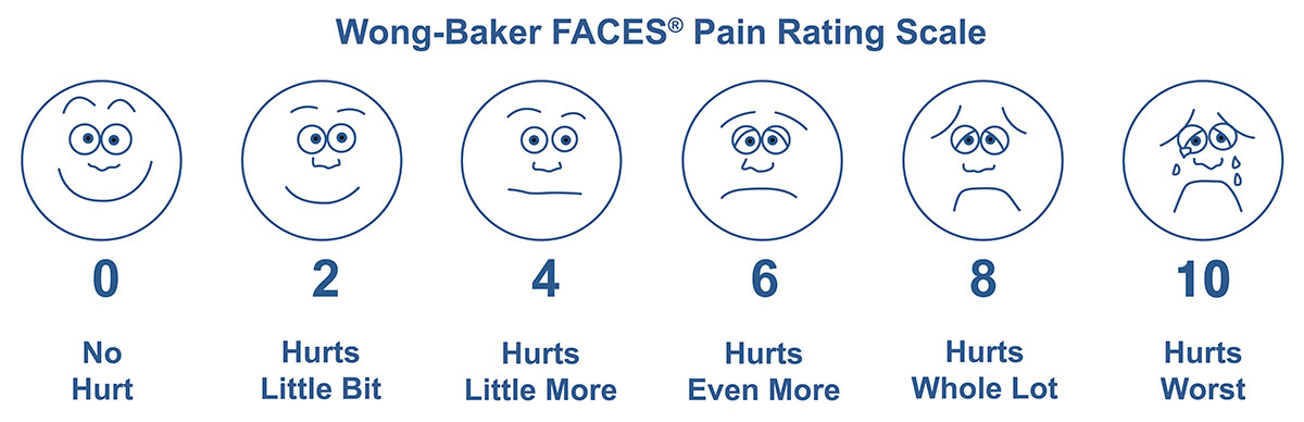
Wong Baker faces scale
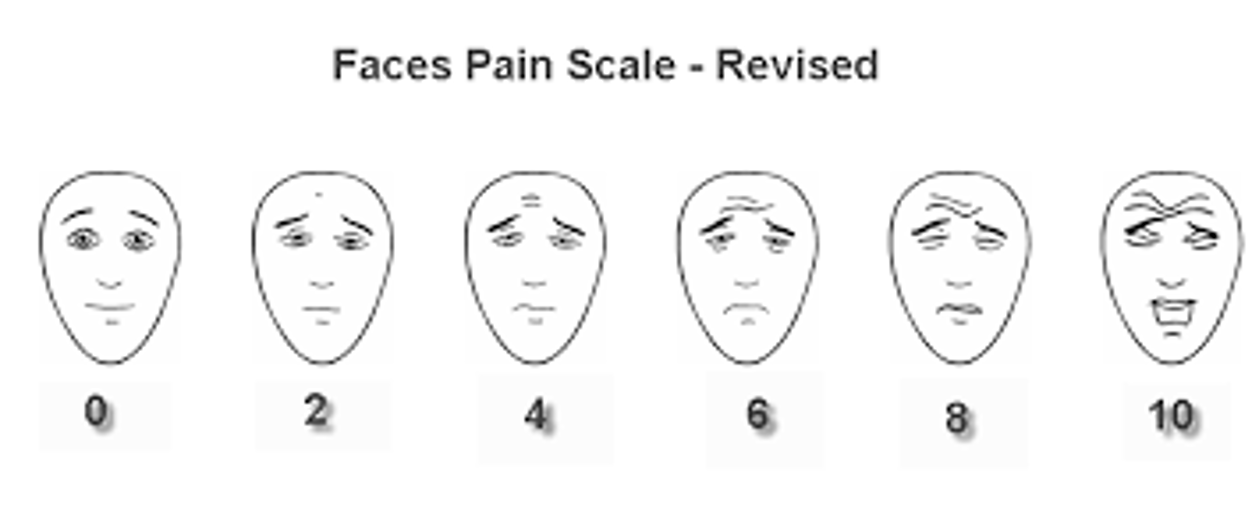
Faces pain scale- revised
numeric pain rating scale
Categories in a FLACC score
face, legs, activity, cry, consolability
age range for FLACC
2 mo - 3 years
scale for FLACC score
10
What patients is the FLACC useful for
non-verbal or pre-verbal patients
FLACC score chart
age range for Wong Baker faces scale
3 y/o and older
describe faces pain scale - reviseed
self report measure of pain intensity for children with more realistic faces
age range for faces pain scale- revides
4-16 y/o
WB faces pain scale
faces pain scale - revised
age range for numeric pain rating scale
>7 y/o
numeric pain rating scale

ways of taking ROM
goniometer
functional movement
When are specific ROM measurements helpful
surgical, traumatic, or paitent’s with ROM goals
types of strength assessments
MMT
observation/functional skill
when can MMT be used
3+ y/o (but not typically doable until 5)
When are MMT taken
yearly measurements
who is appropriate for observation strength measurements
those who cannot follow directions
how is observation used for strength assessments
asymmetries in functional movements, posture, etc
advanced strength measurements
sit ups
push ups
wall sits
V-ups
supine flexion and prone extension
how long is prone ext held for
60 sec
how long is supine flex held for
90 sec
how long is wall sit held for
60 sec
define tone
amount of resting tension or resistance to movement in a muscle
purpose of tone
assists in maintaining posture
how is tone affected after birth
usually does not change
What are exceptions to tone changes
CP and premies
when does tone normalize
12-15 mo
when does flexor tone develop
legs: 30-32 weeks
UE: 36 weeks
what disorders cause muscle tone irregs
dysfunction in brain, spinal cord, muscle spindles, or neural circuits
What are the tone classifications
hypotonia and hypertonia
define hypotonia
decreased ability to generate muscle force(diminished resting)
define hypertonia
abnormal increase in resistance to an external force (increased resting)
common causes of hypotonia
pre-term
prenatal drug exposure
neurological disorders
genetic
scale for tone
modified ashworth scale
mod ashworth chart
Grade | Description |
0 | No increase in muscle tone |
1 | Slight increase in muscle tone, with a catch and release or minimal resistance at the end of the range of motion when an affected part(s) is moved in flexion or extension |
1+ | 1+: Slight increase in muscle tone, manifested as a catch, followed by minimal resistance through the remainder (less than half) of the range of motion |
2 | A marked increase in muscle tone throughout most of the range of motion, but affected part(s) are still easily moved |
3 | Considerable increase in muscle tone, passive movement difficult |
4 | Affected part(s) rigid in flexion or extension |