IBD
 Call Kai
 Learn
Learn Practice Test
 Spaced Repetition
 Match
Match Flashcards
 Knowt Play
1/25

Earn XP
Description and Tags
It is chronic inflammation of the gastrointestinal (GI) tract
Name | Mastery | Learn | Test | Matching | Spaced | Call with Kai | Chat |
|---|
No analytics yet
Send a link to your students to track their progress
26 Terms
Pathophysiology and Etiology
Pathophysiology
Severity varies - asymptomatic remission to mild and manageable to severe where surgeries are needed
Two hypothesis:
Primary dysregulation of the mucosal immune system resulting in excessive immunologic responses to normal microflora
Changes in the composition of the gut microflora and/or deranged epithelial barriers function that causes pathologic responses (inflammation) from the normal mucosal immune system
Etiology poorly understood, but potential factors include
Genetics (first degree relatives have a 4- to 20-fold greater risk), predisposing immunological factors, infection, emotional stress, environment (eg. diet, smoking, etc)
Chronic inflammation of the GI tract leading to diarrhea
Exact cause of inflammation is unknown
Inflammation is considered secondary to an antigen driven response
Etiology
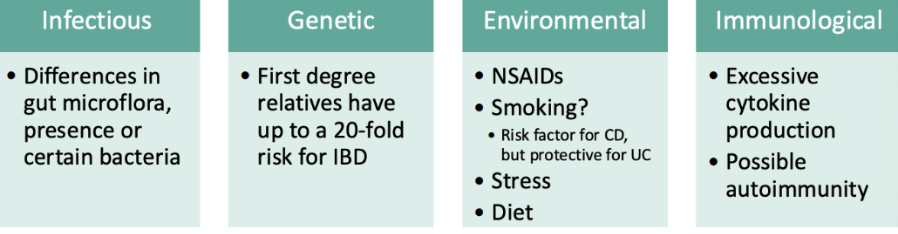
UC vs Crohns
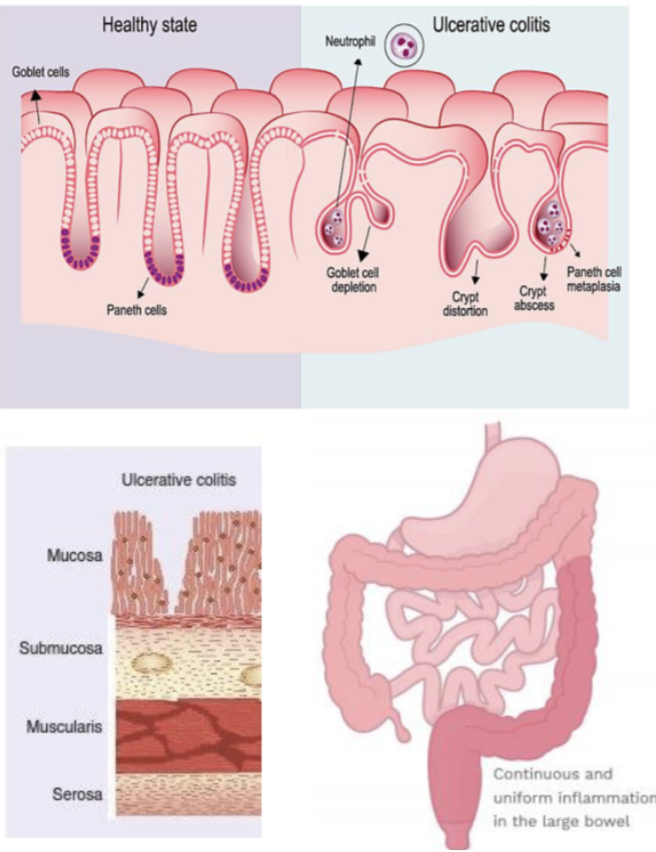
Ulcerative Colitis
Location
Colon, rectum
Backwash ileitis = rare involvement of the terminal ileum
Mucosal penetration
Superficial
Distribution
Continuous
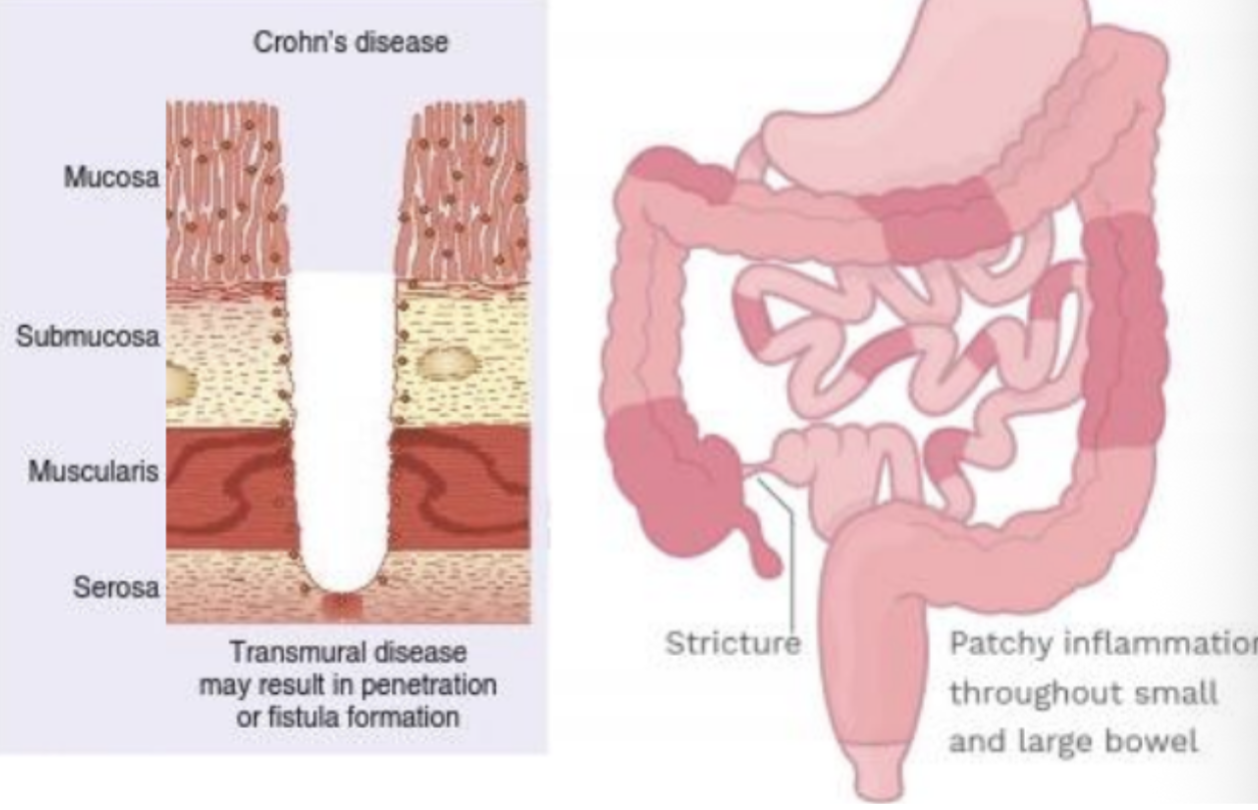
Crohn’s Disease
Location
Anywhere from mouth to anus
Terminal ileum (most common)
Mucosal penetration
Deep transmural lesions; affecting mucosa, submucosa, muscle, and serosa
Distribution
Discontinuous
Patchy “cobblestone” appearance
Signs and symptoms
Diarrhea and frequent bowel movements
Abdominal pain
Fatigue
Fever
Weight loss
Complications
UC complications
Hemorrhoids
Anal fissures
Perirectal abscess
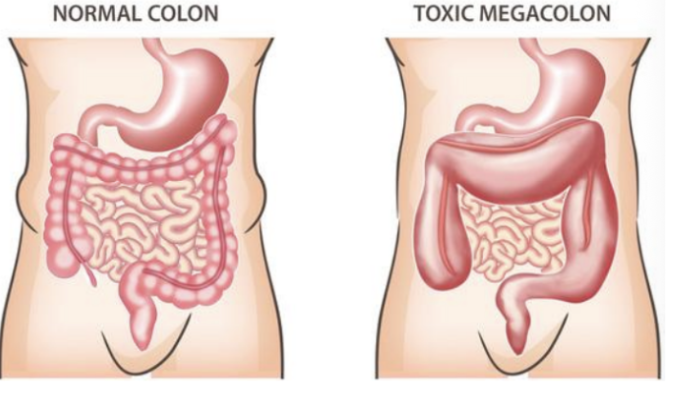
Toxic megacolon
colonic distension of > 6 cm plus acute colitis and systemic toxicity (fever, tachycardia, elevated WBC)
CD complication
Structure
Abscess
Fistula
Nutritional deficiencies
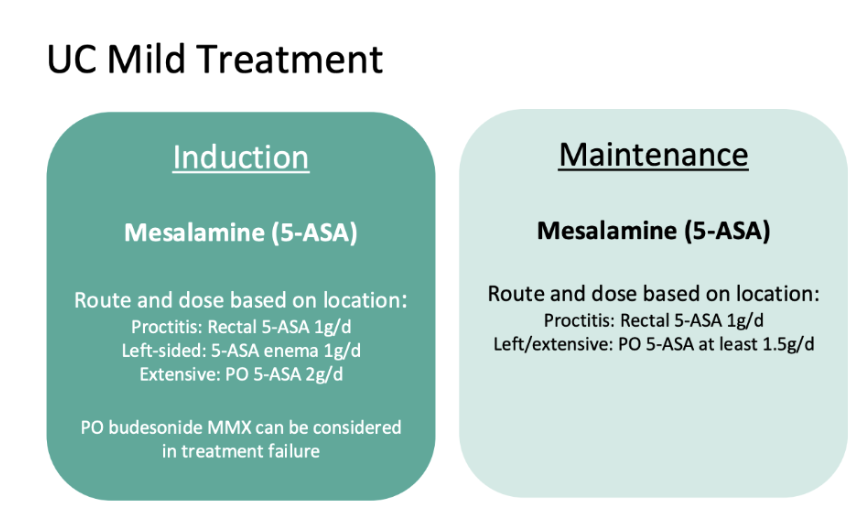
UC Mild treatment
Uc Moderate-Severe Induction
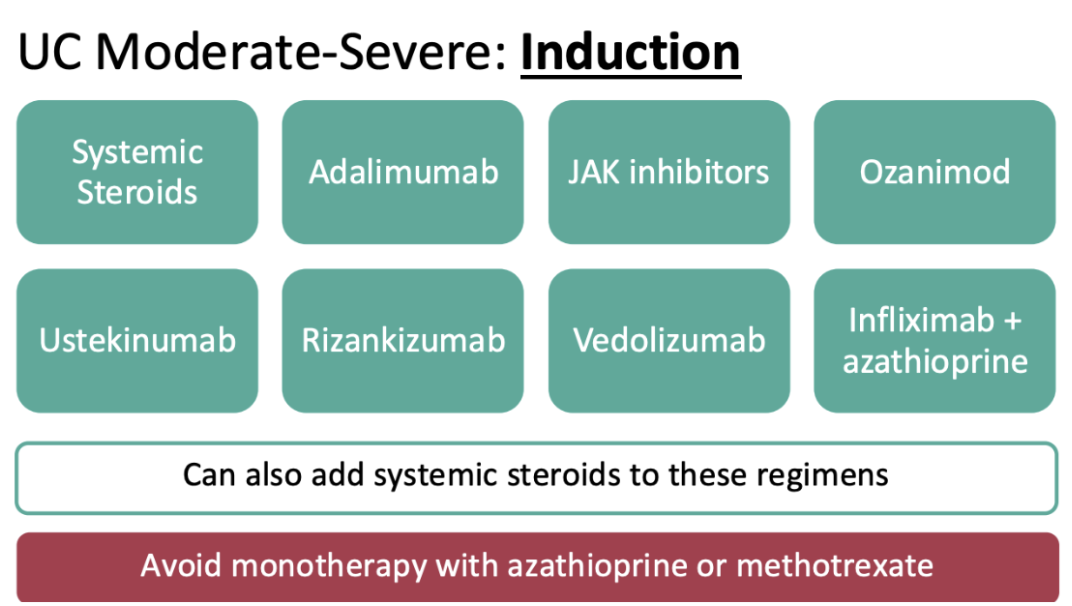
UC Moderate-Severe: Induction
Any option on the previous slide can work (all are strong recommendations)
Highest quality of evidence for: infliximab and JAK inhibitors
Systemic steroids are not ideal for induction as a different medication will need to be used for maintenance
Can still use steroids in combination with other medications
UC Moderate-Severe: Maintenance
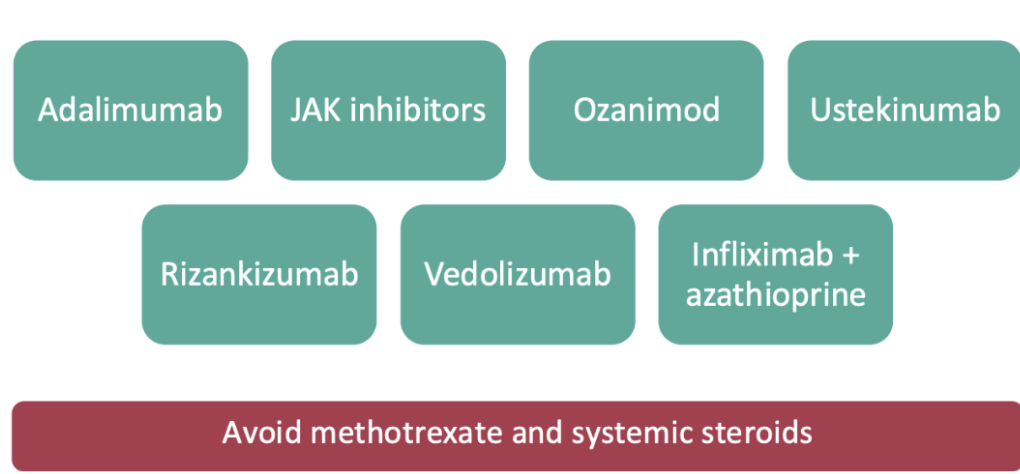
UC Moderate-Severe: Maintenance
If used for induction, use it for maintenance
The only caveat is systemic steroids; do not use for maintenance
If using a systemic steroid or immunomodulator, goal is to try to taper down over time
Steroid over a few weeks, immunomodulator over months
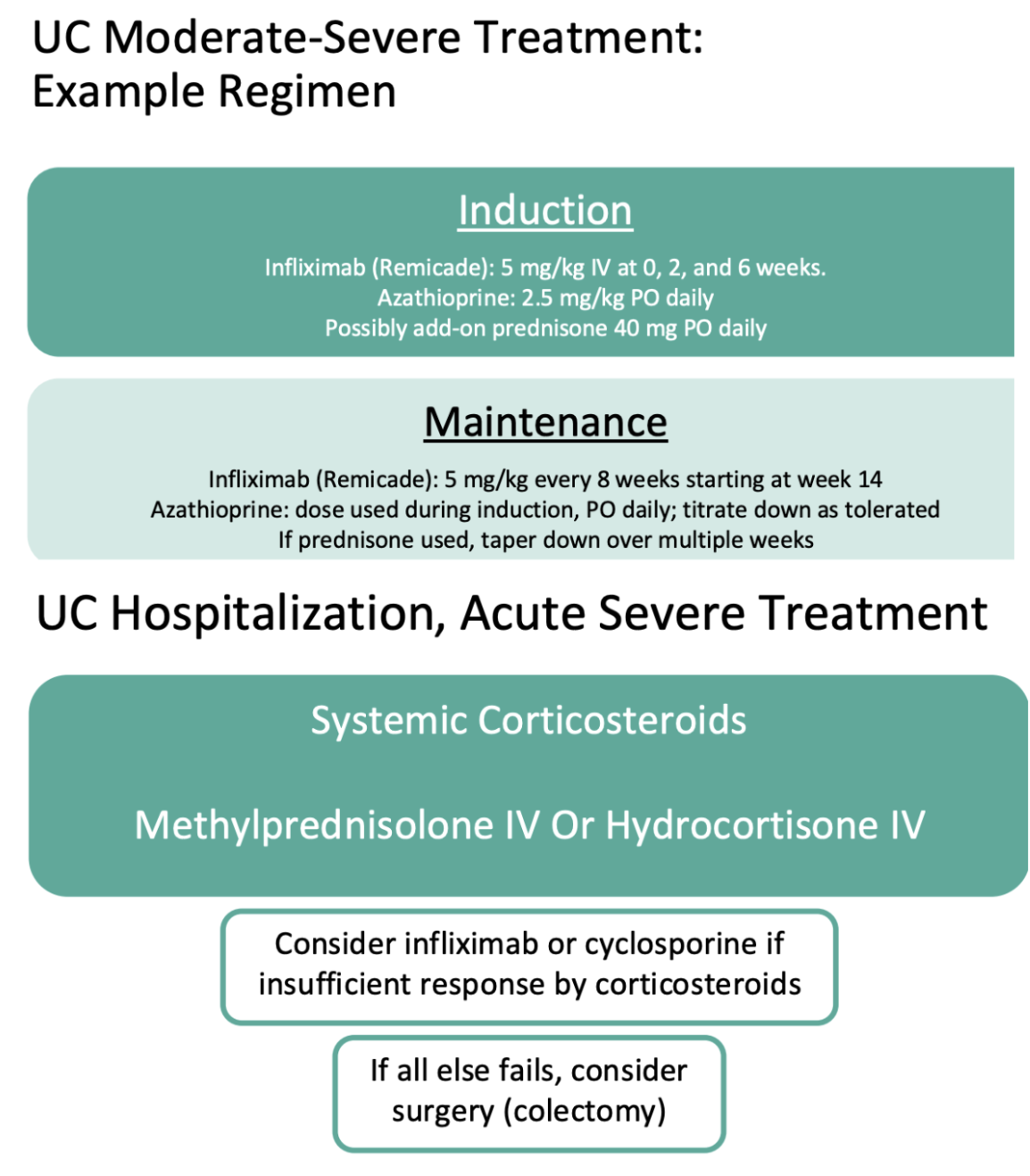
UC Hospitalization and Example Regimen
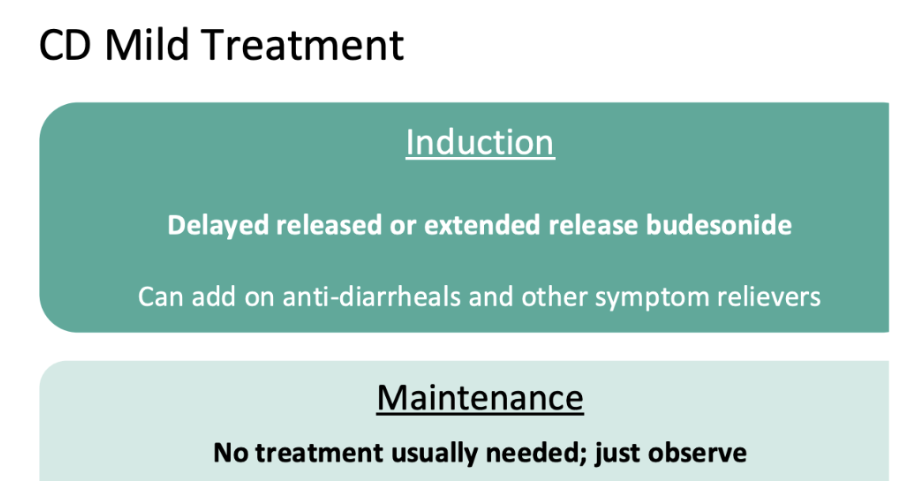
CD Mild Treatment
CD Moderate-Severe: Induction
CD Moderate-Severe: Induction
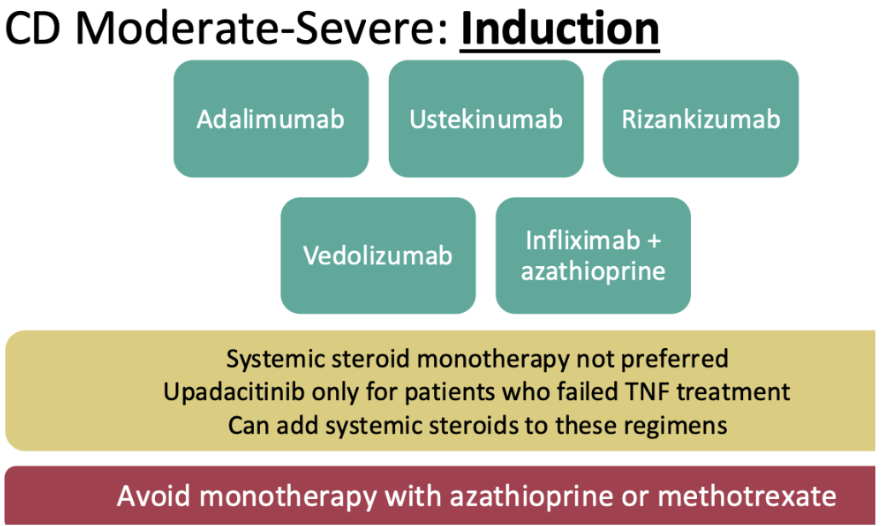
Start with more advanced therapy first (top-down)
TNFs, Vedolizumab, ustekinumab, risankizumab
Upadacitinib only for patients who failed TNF treatments
Systemic steroids monotherapy can be used are not preferred
Can add systemic steroids to these regimens
Infliximab + azathioprine is better than infliximab monotherapy
Azathioprine and methotrexate are not recommended for induction monotherapy
CD Moderate-Severe Maintenance
CD Moderate-Severe: maintenance
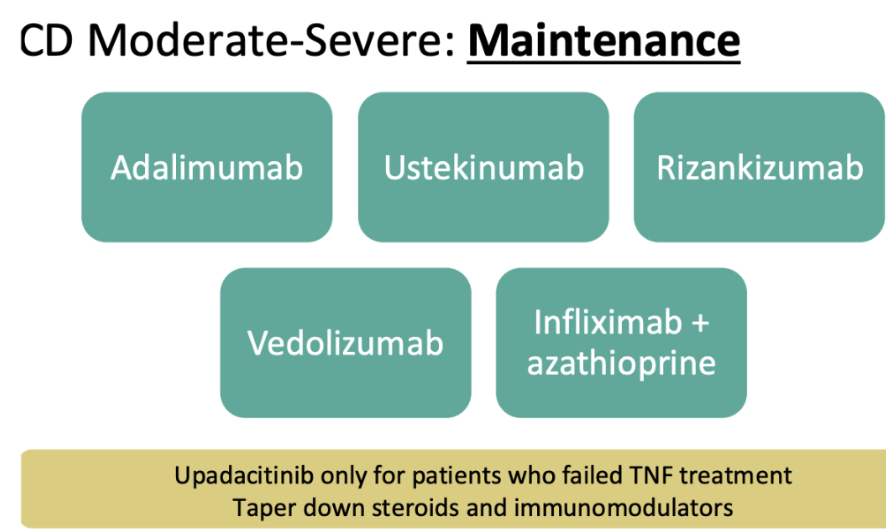
If used for induction, use it for maintenance
The only caveat is systemic steroids; do not use for maintenance
If using a systemic steroid or immunomodulator, goal is to try to taper down over time
Steroid over a few weeks, immunomodulator over months
CD hospitalization

Immunomodulator: Mesalamine/5-ASA
Dose: 1-4 g daily
Route (suppository, enema, oral) based on location of disease
Labs/screening: CMP, CBC, LFTs
SE:
Nausea, vomiting headache
Delayed hypersensitivity reaction
Nephrotoxicity (rare
Pearls
Intolerance syndrome (diarrhea, fever, abdominal pain); often mistaken as exacerbation of UC
Active component of sulfasalazine
Used instead of sulfasalazine due to lower risk of adverse effects
Corticosteroid: Budesonide
Dose: 9 mg once daily
Pears:
Use extended released or delayed release - limit systemic absorption
Antimetabolite: Methotrexate (Trexall)
Dose:
7.5-15 mg once weekly (PO, subq, IM)
Increase by 2.5-5 mg every 4-12 week
Usually range 7.5-20 mg once weekly
Given with folic acid 1-5 mg daily
Labs: SCr, CBC, LFTs, Tuberculosis screen, Hep B and C screen
BOXED WARNING: serious adverse effects involving bone marrow, GI tract, liver, lungs, skin, and kidneys
Other AEs:
N/V, elevated LFTs
Increased risk of infections
Contraindications:
Pregnancy (teratogenic)
hypersensitivity
Alcohol use disorder
Liver disease
Immunodeficiency syndromes
Anemia
Leukopenia
Thrombocytopenia
Give with Folic Acid
Do not give in pregnancy (teratogenic)
Antimetabolite: Azathioprine
Dose: 50 mg PO daily, titrated up to 2.5 mg/kg/day
Labs/screening:
TMPT genetic test
CBC, CMP, LFTs
Renal and hepatic function
Regular skin checks
BOXED WARNING: malignancy
SE:
N/V (often severe)
Diarrhea
Alopecia
Hematologic toxicities
Increased risk of infections
Liver dysfunction
Pancreatitis
Sun sensitivity
Pearls:
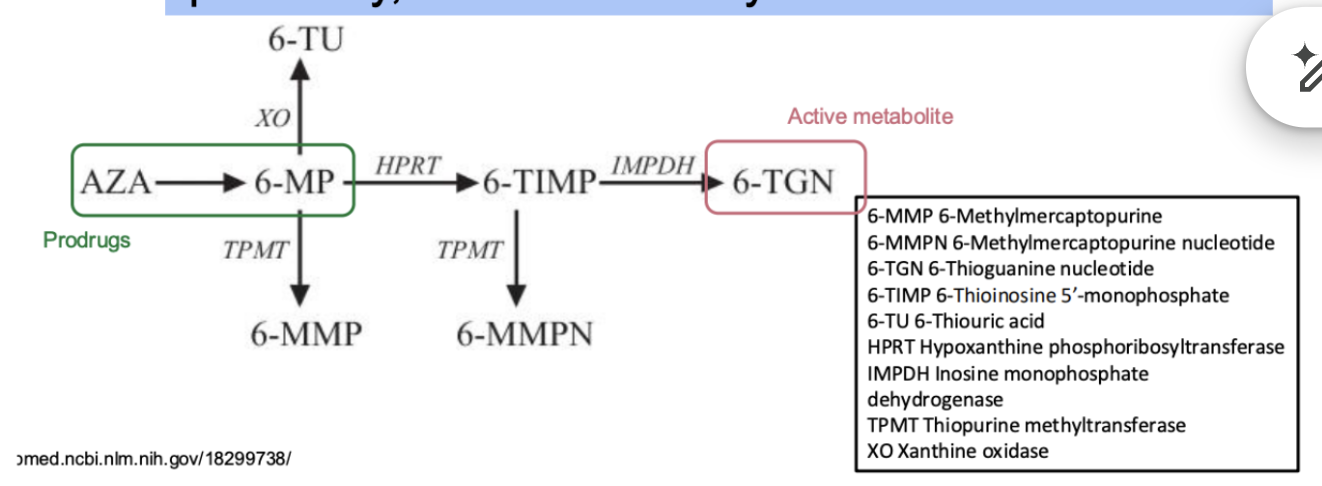
Interacts with xanthine oxidase inhibitors through inhibition of the breakdown of 6-MP to 6-TU (inactive product)
Increased risk of hematologic toxicity with TPMT or NUDT15 deficiency
Avoid live vaccines
safe in pregnancy
Wear sunscreen (increased risk of skin cancer)
Azathioprine (AZA)/6-mercaptopurine (6-MP) metabolism
TPMT polymorphism have been shown to influence patient responsiveness to therapy - specifically, TMPT deficiency increases risk for ADE
TNF inhibitors: Adalimumab (Humira), infliximab (Remicade)
Dose: all subq except infliximab (IV)
Labs/Screenings: Tuberculosis, Hep B and C, HIV, CBC with diff
BOXED WARNING: Serious infections and malignancy
SE:
Risk of infections (UTI, URTI) and malignancies
Demyelinating disorders
Rash
injection/infusion site reaction
GI intolerance
Worsening heart failure
Pearls:
Drug neutralizing antibodies can form against them → risk of ineffective treatment over time
Do not use in heart failure NYHA class III/IV
Avoid live vaccines
CAN use during pregnancy
Biologics: infections and Malignancies
Results of their powerful immunosuppression and impacts on cell function, biologics increase the risk for infection and malignancies (ie. cancer)
Many biologics (and other potential immunosuppressors contain BOXED WARNINGS or other warnings associated with this risk
Other things to consider: administration of live vaccines, screening for latent infections (TB, HIV, Hep B/C, etc)
IL-23 Inhibitor: Risankizumab (Skyrizi)
Dose: subq
Labs/Screening: CBC, LFTs, CMP, Tuberculosis, Hep B and C, and HIV screening
ADE:
Risk of serious infections (typically URTI)
Elevated LFTs
Pearls:
Drug neutralizing antibodies can form against them → risk of ineffective treatment over time
Avoid live vaccine
Do not use pregnancy (lack of data)
IL-23 and IL-12 inhibitor: Ustekinumab (Stelara)
Dose: subq
Labs/screening: CBC, LFTs, CMP, tuberculosis, Hep B and C, HIv
ADE:
risk of serious infection
Nasopharyngitis
Skin cancer risk
Pearls:
Drug neutralizing antibodies can form against them → risk of ineffective treatment over time
Avoid in live vaccines
Do not use in pregnancy (lack of data)
Biologics: antidrug antibodies
Cause some level of immune response against them (AKA immunogenicity)
As a result of that immunogenicity, our body sometimes produces antibodies against biologics
Antidrug antibodies
Leads to reduction of failure of response to biologics over time - key reason why patient may need to switch treatments
Most common anti-cytokine biologics (TND, IL)
JAK inhibitors: Tofacitinib (Xeljanz), upadacitinib (Rinvoq)
Oral agents
Labs/Screenings: CBC, LFTs, Tuberculosis, Hep B and C
BOXED WARNING:
Infection, malignancies, major adverse CV events, thrombosis, mortality ( in pt with CV risk factors)
Discontinue JAK-i in patients with MI or stroke
SE:
Hepatotoxicity
Gi perforation
Blood cell disorders
N/V/D, headache
Do not initiate therapy in patients with an absolute lymphocyte count <500 cells/mm3, ANC <1000 cells/mm3, or hemoglobin < 9g/dl
Do not use in combo with other immunosuppressants (csDMARDs and steroid ok)
Avoid live vaccines
Do not use in pregnancy (lack of data)
Integrin Inhibitor: Vedolizumab (Entyvio)
Dose: IV for induction, followed by either IV or subq maintenance
Labs: LFTs, Tuberculosis screen
SE:
Risk of infection
Nasopharyngitis
Elevated liver enzyme
Infusion-related reactions
Pearls:
Avoid in vaccines
Possibly safe in pregnancy?
S1P receptor Modulator: Ozanimod (Zeposia)
Dose: PO
Labs/screening: CBC, CMP, LFTs ophthalmic exam, ECG, HR/BP, varicella zoster serology
SE:
URTI
Varicella zoster infection
AV block, bradycardia
Increased BP
Hepatotoxicity
Lymphopenia
Macular edema
Neurotoxicity and PML
Decreased pulmonary function
CI: MI, unstable angina, stroke, TIA, HFrEF, heart block, severe untreated sleep apnea, use of MAOI
Pearls:
Avoid live vaccines
Do not use in pregnancy (lack of data)
Sphingosine 1-phosphate (S1P) Receptor Modulators ADE
S1P receptors affect multiple organ systems which is why they cause eye and CV adverse effects