Body Systems - Year 8
 Call Kai
 Learn
Learn Practice Test
 Spaced Repetition
 Match
Match Flashcards
 Knowt Play
1/64

Name | Mastery | Learn | Test | Matching | Spaced | Call with Kai | Chat |
|---|
No analytics yet
Send a link to your students to track their progress
65 Terms
cell
the basic building block of organisms
tissue
a group of similar cells working together form this
organ system
a group of organs function to perform a role form this
respiration
a chemical reaction in our cells that produces energy; breathing for humans
glucose and oxygen
what respiration uses to create energy
water and carbon dioxide
waste products of respiration
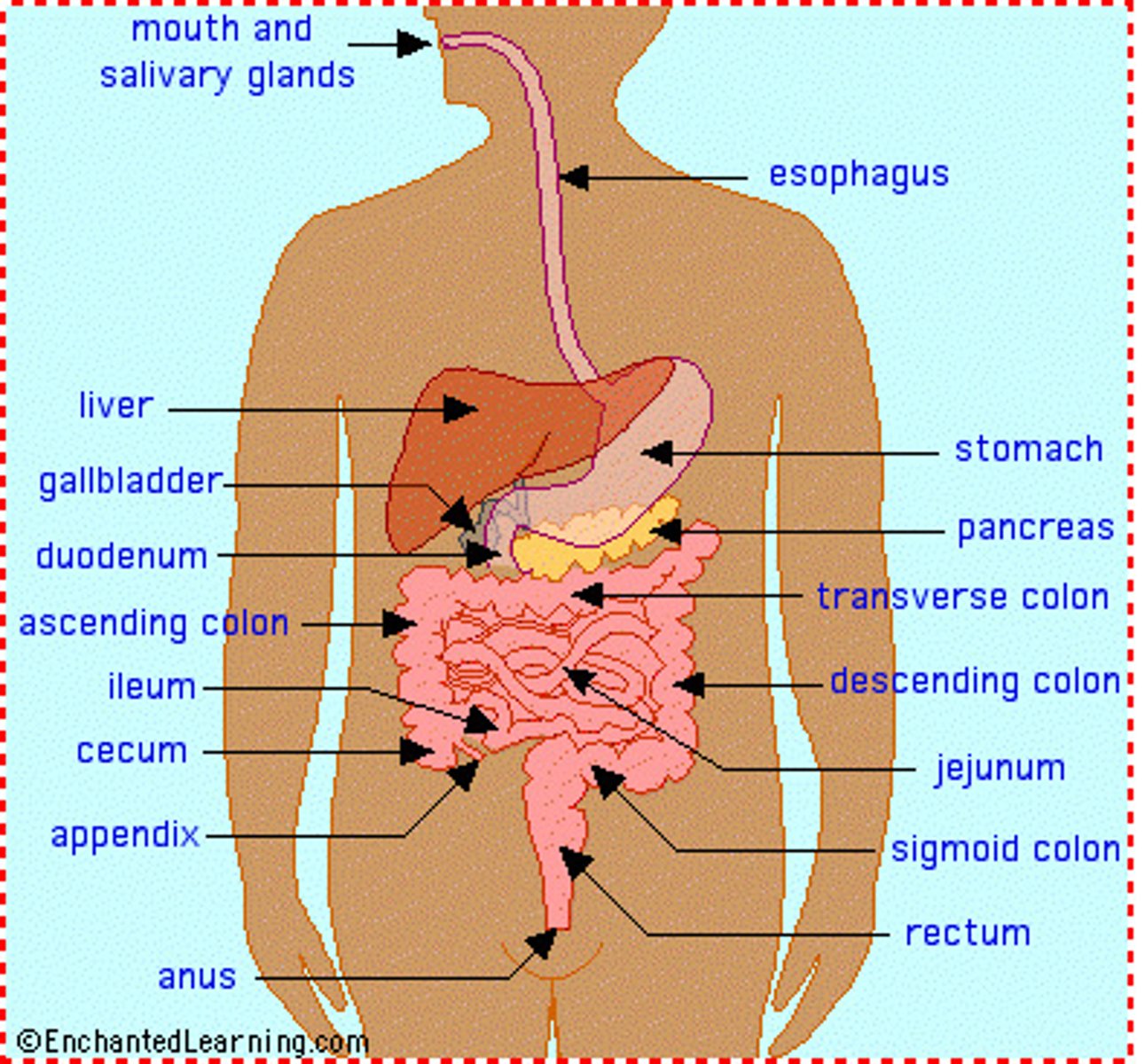
digestion
the process where nutrients and energy are extracted from the food we eat
mechanical digestion
occurs when food is physically broken down or mashed
into smaller pieces
chemical digestion
occurs when special chemicals
called enzymes chemically break down food.
canine
teeth with the role of biting, ripping and tearing food
incisors
teeth with the role of cutting food
molars
teeth with the role of grinding
mouth
where digestion begins. The tongue, saliva and teeth begin digestion
oesophagus
the tube connecting the mouth and stomach
stomach
a j-shaped organ in which muscles churn food, mixing it with gastric juices including enzymes and acid to form chime
pancreas
produces chemicals to break down food and neutralise stomach acid which are released into the small intestine. Also produces insulin.
liver
produces bile which neutralises stomach acid and breaks down fat, also clears the blood of waste products
gallbladder
stores bile from the liver to be released into the small intestine
small intestine
where most food is digested and nutrients are absorbed through its walls. Lined with villi
large intestine
absorbs excess water, salts and remaining minerals to make faeces
rectum
the part of the large intestine that stores faeces before they leave the body
villi
these line the walls of the small intestine to increase its surface area and allow for better absorption
anus
where stools from the rectum are expelled
blood
a liquid that carries water, oxygen and nutrients around the body
red blood cells
component of blood carrying oxygen
haemoglobin
a substance that attracts and carries oxygen - carried by red blood cells
white blood cells
part of blood responsible for fighting bacteria and viruses
platelets
part of blood responsible for helping blood clot
plasma
the clear yellow liquid in which platelets, red and white blood cells are suspended
heart
the organ responsible for pumping blood
blood vessels
these tubes carry blood around the body
oxygenated
blood rich in oxygen
deoxygenated
blood with most of its oxygen removed
arteries
carry blood away from the heart to organs
veins
carry blood back to the heart
capillaries
fine, one cell thick blood vessels allowing for exchange of gases, nutrients and waste products
valves
structures that prevent a flow of blood in the wrong direction
circulatory system
a system made up of the heart, arteries, veins and capillaries
respiratory system
a system mainly comprised of the lungs
trachea
the scientific term for the windpipe
nose
part of the respiratory system which warms, filters and moistens the inhaled air
pharynx
connects the nose and mouth to the oesophagus
epiglottis
a flap of tissue that stops food entering the trachea
larynx
the scientific term for the voice box, also helps stop food entering the trachea
bronchi
the two main branches of the trachea (a left and right bronchus)
broncioles
the finer tubes that bronchi branch into
alveoli
sacs which are one cell thick allowing for gas exchange takes place in the lungs
diaphragm
a sheet of muscle separating the chest from the abdomen allowing us to breathe
excretion
the process in which waste is removed from the body
kidneys
the organs responsible for filtering your blood
nephrons
the tiny filtration units inside kidneys
urine
the waste liquid produced by the kidneys
ureters
tubes connecting kidneys to the bladder
bladder
a muscular storage bag which holds urine
urethra
a passage which allows urine to exit the body
right atrium
the first chamber where deoxygenated blood flows into the heart
vena cava
deoxygenated blood flows into the heart through this
aorta
oxygenated blood leaves the heart through this
pulmonary vein
oxygenated blood enters the heart from the lungs through this
left atrium
the first chamber of the heart oxygenated blood flows into
right ventricle
where blood flows into after the right atrium
left ventricle
where blood flows into after the left atrium
pulmonary artery
deoxygenated blood flows out of the heart, to the lungs through this
septum
separates the left and right sides of the heart
left
muscle on this side of the heart is thicker