World History 2: Sophomore Year 2026
 View linked note
 Call Kai
 Learn
Learn Practice Test
 Spaced Repetition
 Match
Match Flashcards
 Knowt Play
1/94

There's no tags or description
Looks like no tags are added yet.
Name | Mastery | Learn | Test | Matching | Spaced | Call with Kai | Chat |
|---|
No analytics yet
Send a link to your students to track their progress
95 Terms
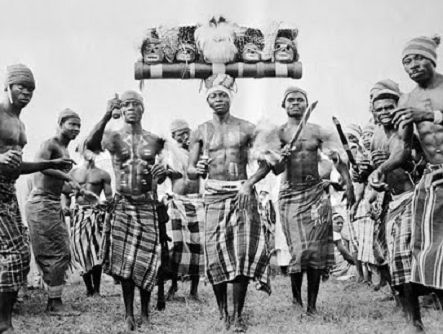
What was the Igbo society known for?
Being largely agricultural, stateless, and rejecting kingship.
Imperialism
A policy or practice in which a powerful country extends its control, authority, or influence over other territories or weaker nations.
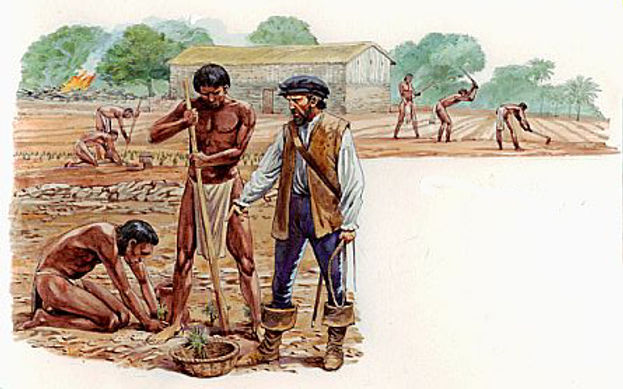
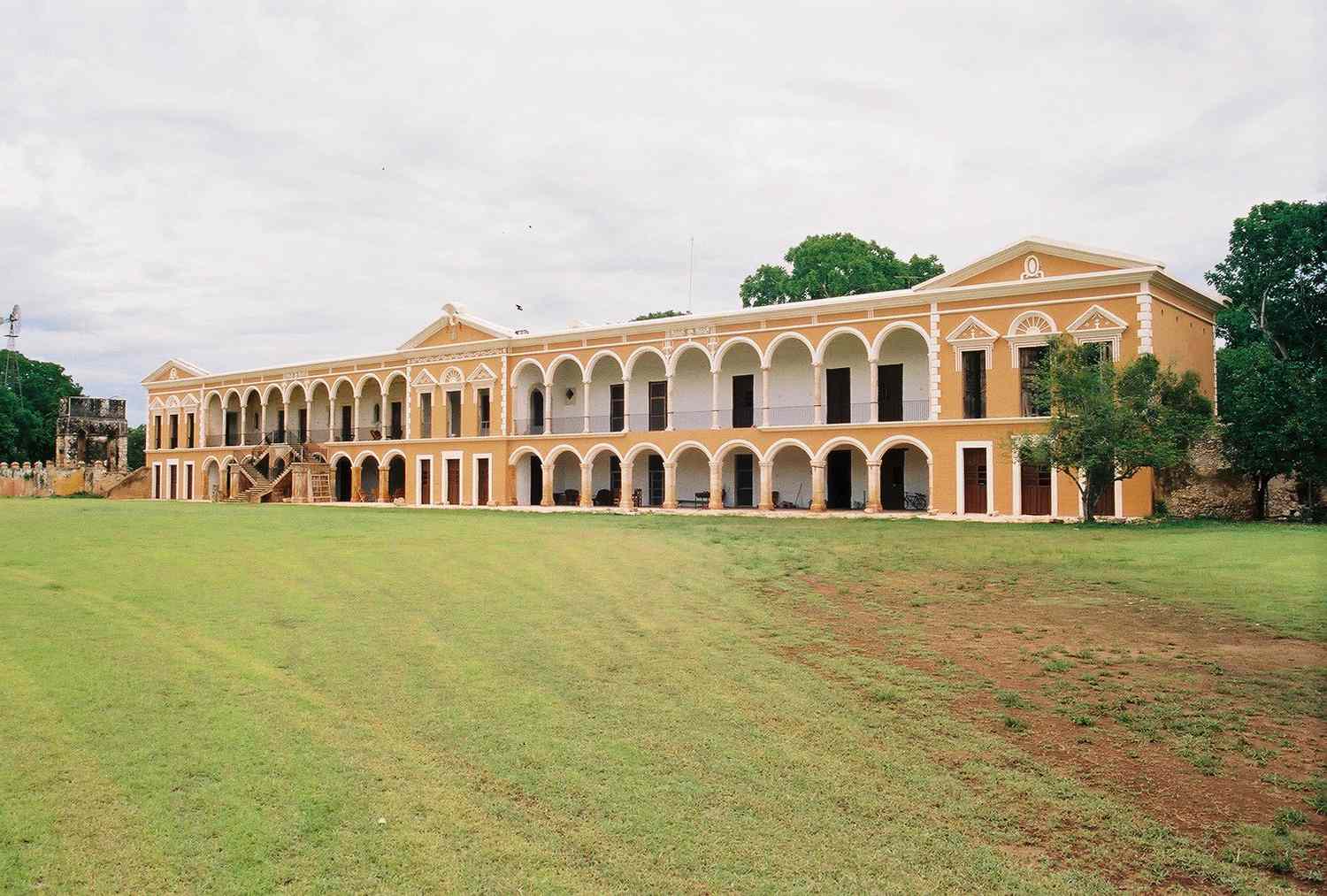
Hacienda
A labor system in New Spain that tied indigenous people to the lands and its owners through debt peonage
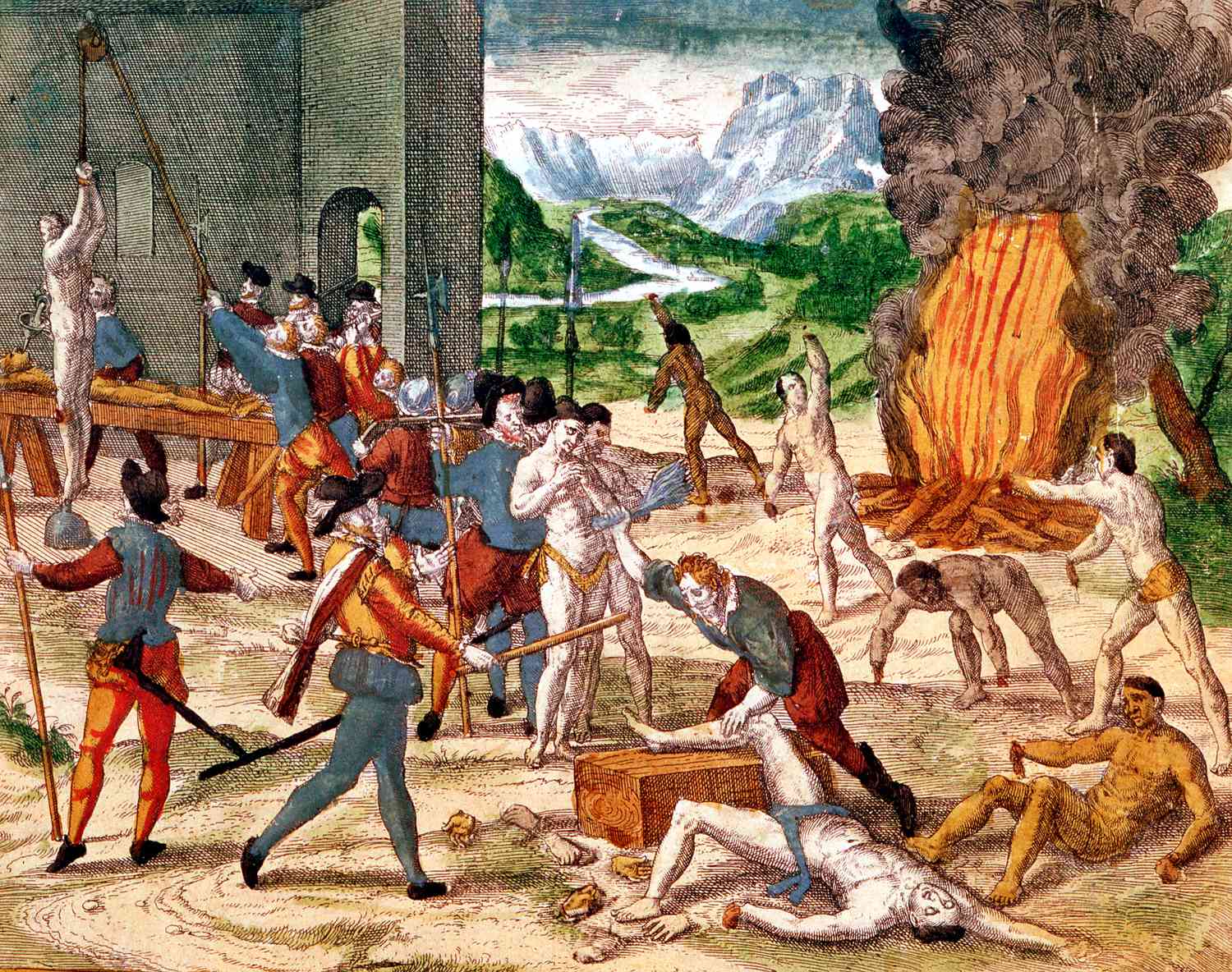
Encomienda
A labor system in New Spain that allowed colonial land owners to coerce labor out the indigenous people
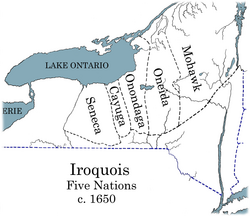
Where were the Iroquois located?
North America.
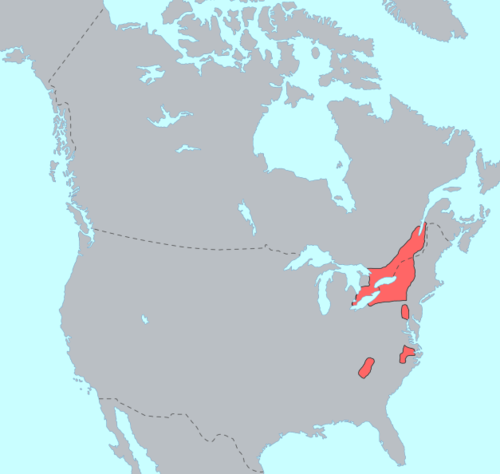
What was the purpose of the Iroquois League Five Nations?
To reduce violence and unify tribes.
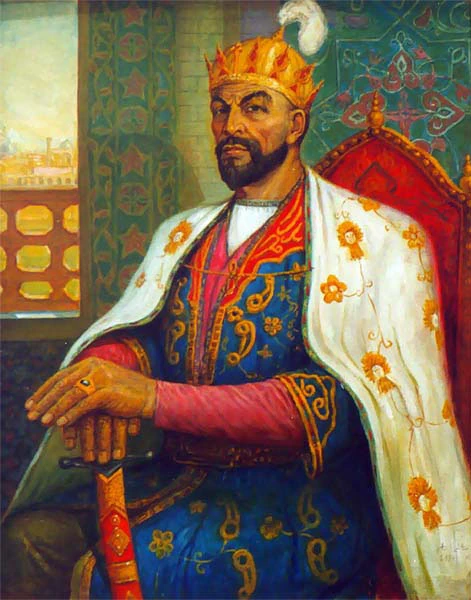
Who was Timur?
A Central Asian Turkish warrior who restored pastoral traditions through conquest.
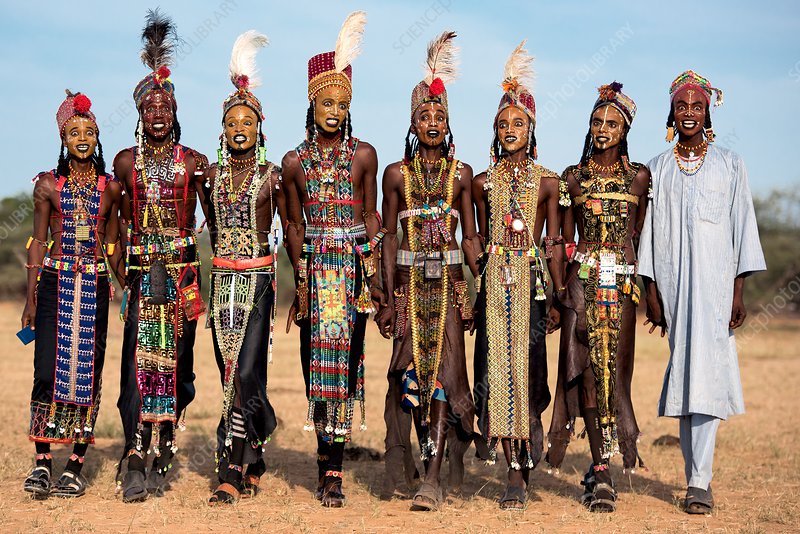
Who were the Fulbe?
A major West African pastoral society.
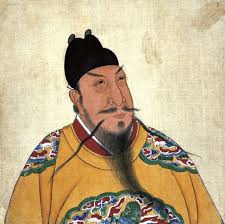
Who was Zheng He?
A Ming admiral who led voyages across the Indian Ocean.
What was the Aztec Empire known for?
Human sacrifice, military power, and large cities.
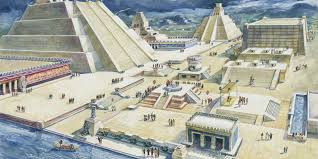
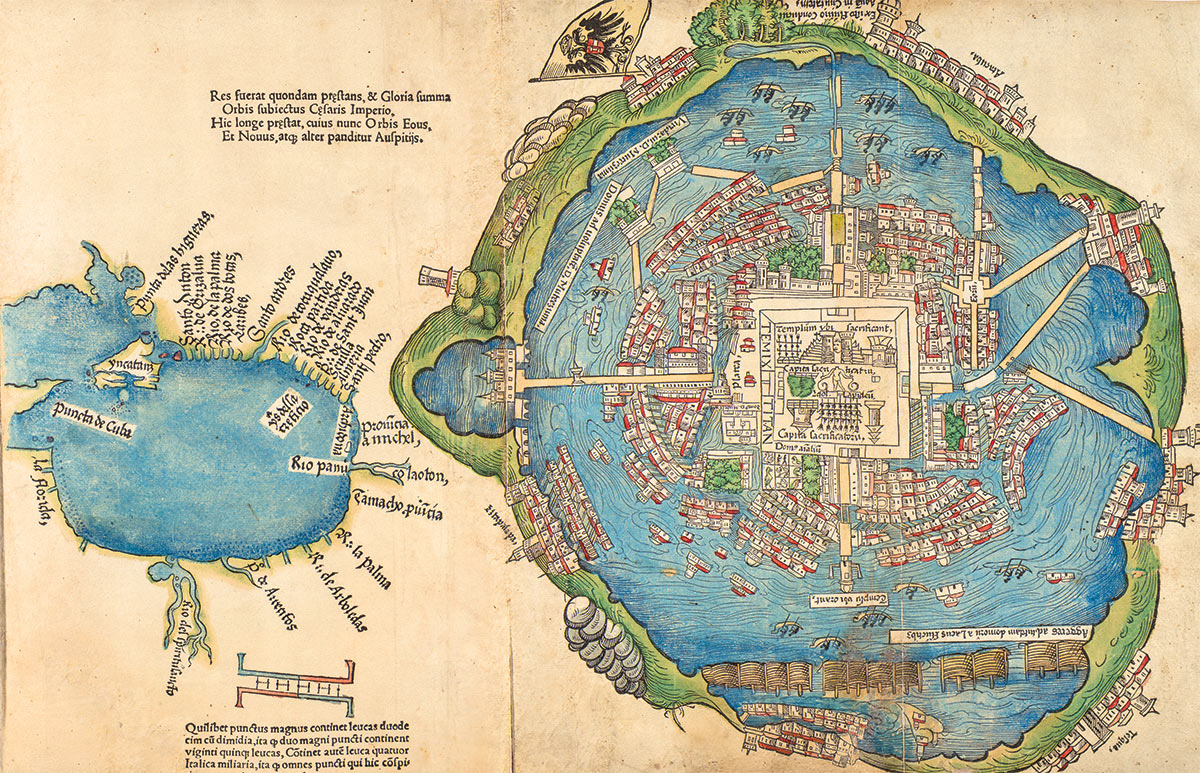
What was Tenochtitlán?
The capital of the Aztec Empire.
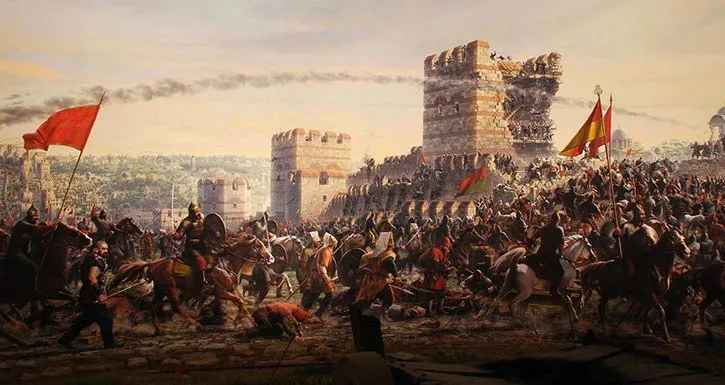
What happened in the Ottoman seizure of Constantinople in 1453?
The Ottomans conquered Constantinople under Mehmed II.
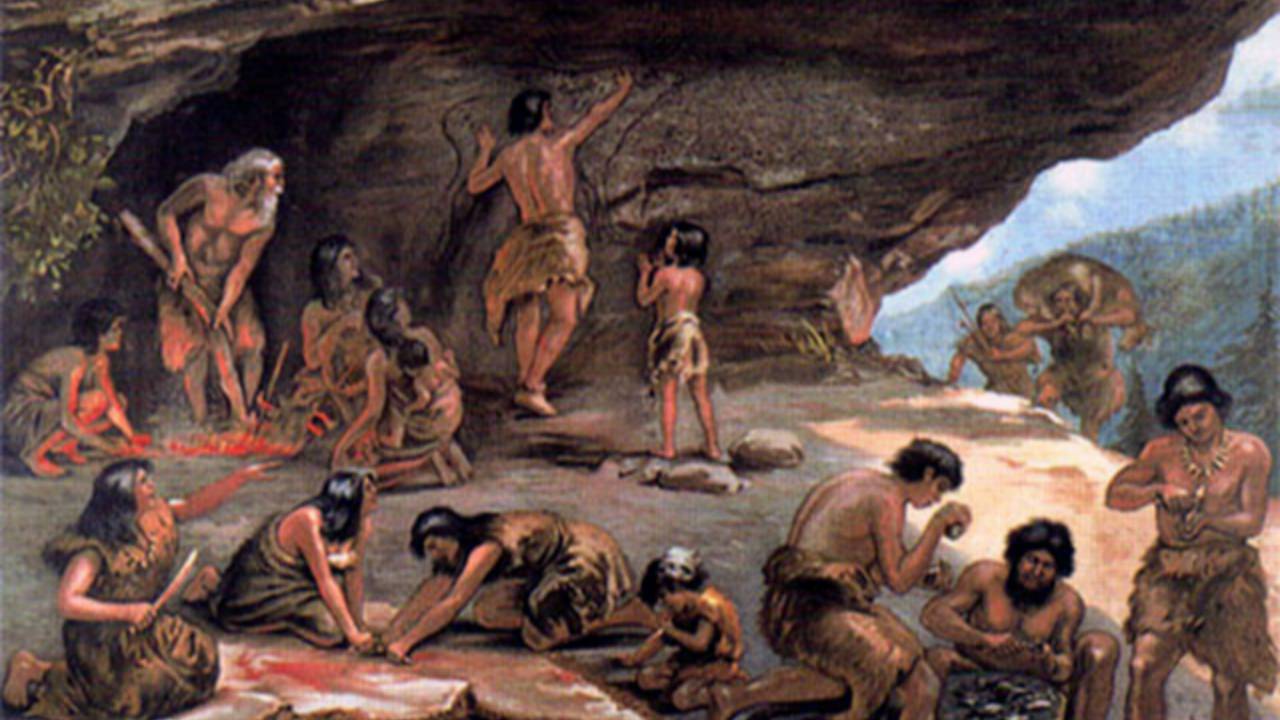
What does Paleolithic mean?
“Old Stone Age.”
Bartolome De Las Casas
Chronicled the actions of the conquistadors for the Spanish government in the hopes to inspire reform
What is a stateless society?
A society without a central government.
Deshrime
Siphoning off of many thousands of young boys from Christian families into the service of the Ottoman states; these boys usually converted to Islam and trained for either civil administration or military service
Language of Aztecs
Nahuatl
What is a confederation?
A union of groups for a common purpose.
What did Confucian teachings emphasize?
Morality, respect, and compassion.
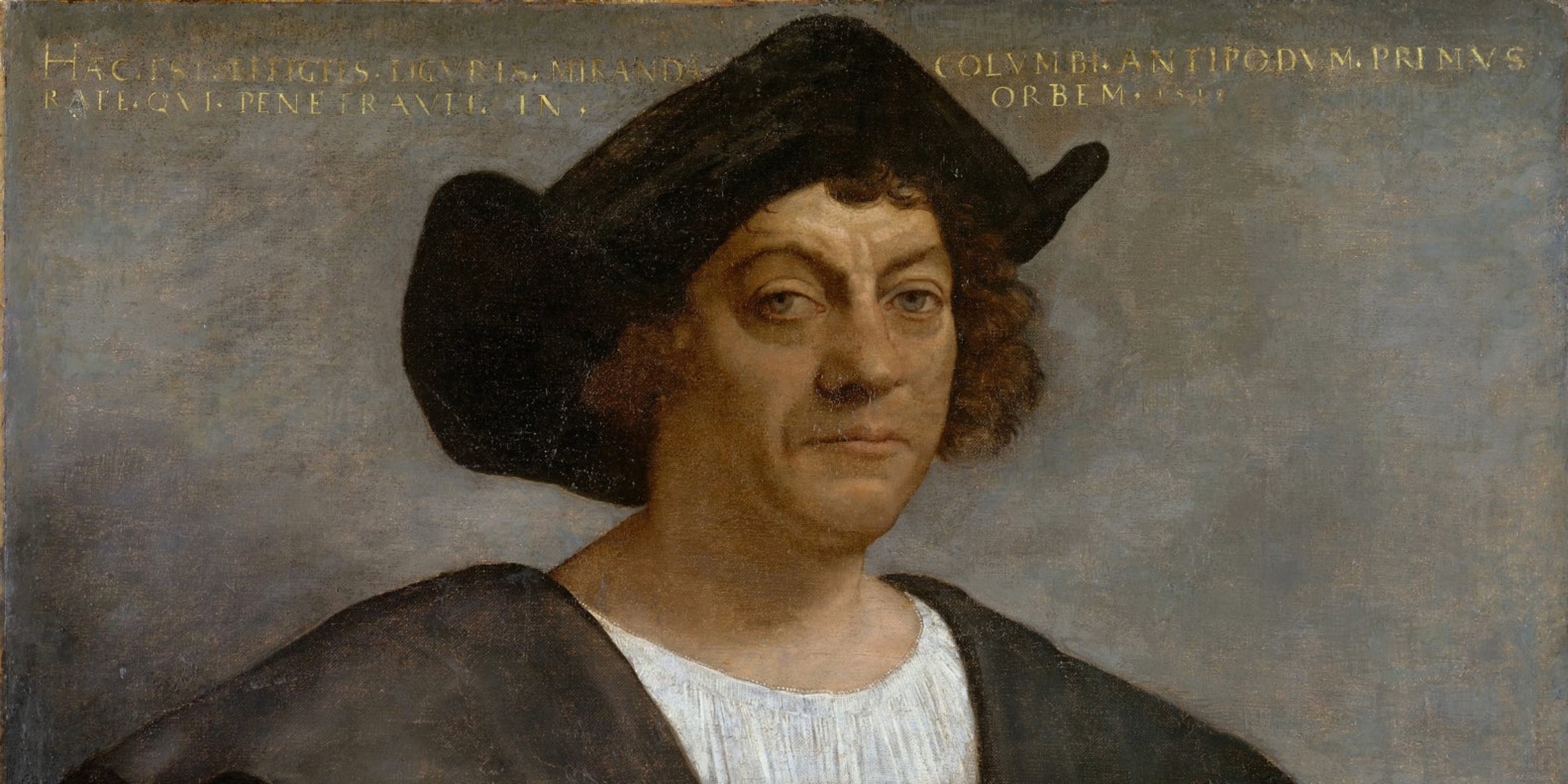
Who was Christopher Columbus?
The explorer who reached the Americas in 1492.
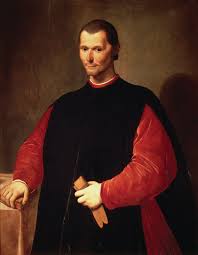
Who wrote The Prince?
Niccolò Machiavelli.
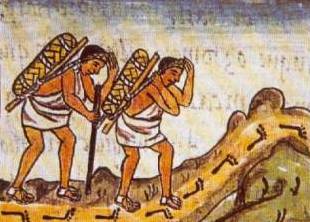
Who were the pochteca?
Professional Aztec merchants.
What was a quipu?
Incan knotted cords used for record keeping.

What is tribute?
Payment made as a sign of loyalty or respect.
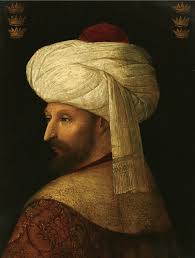
Who was Mehmed II?
The Ottoman ruler who conquered Constantinople.
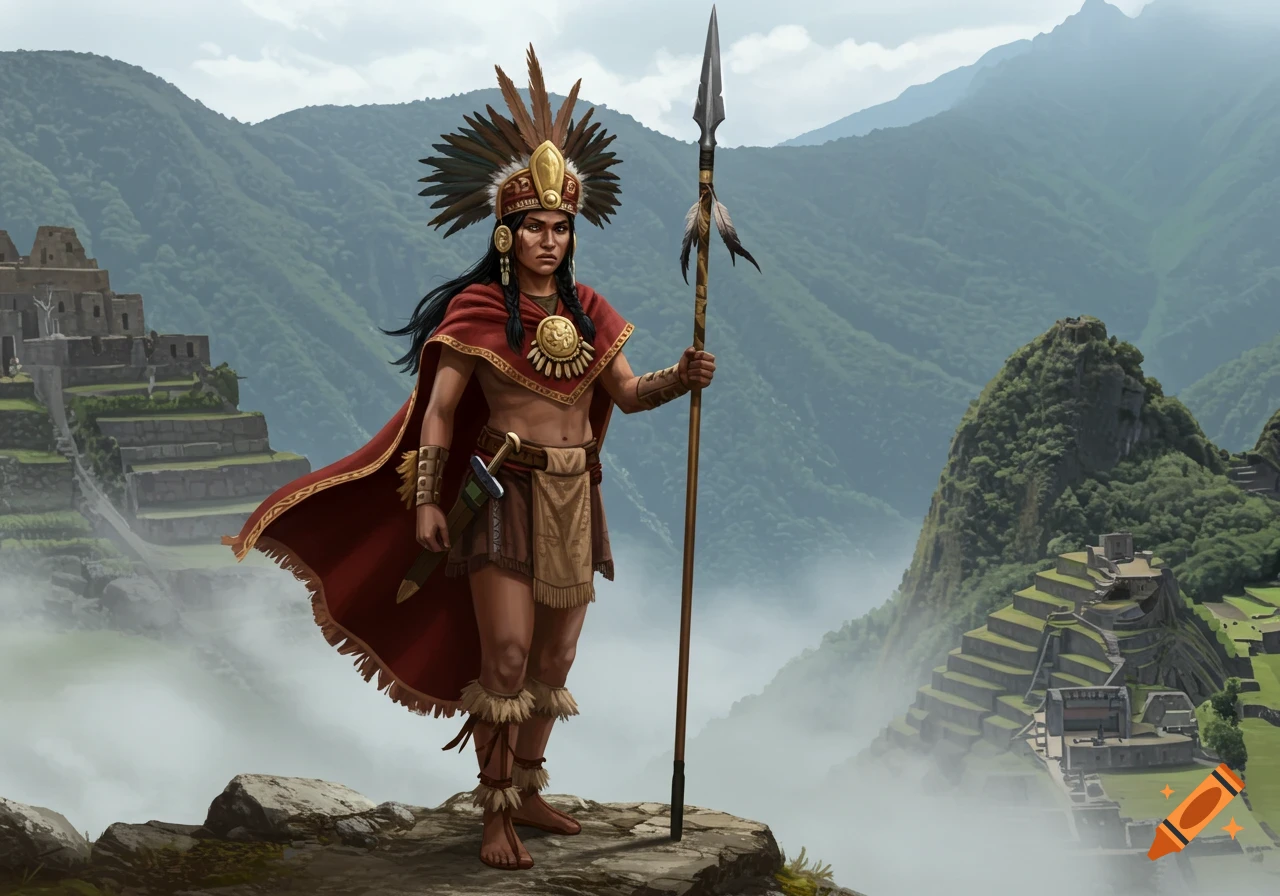
Who was the Sapa Inca?
The emperor of the Inca Empire.
What made the Safavid Empire significant?
It made Shia Islam the official religion.
Why was the Songhay Empire important?
It controlled trans-Saharan trade.
What was the Ming Dynasty known for?
Recovery after Mongol rule and naval expansion.
What was the Mughal Empire?
A major Islamic empire in India.
What was the European Renaissance?
A revival of Greco-Roman culture and learning.
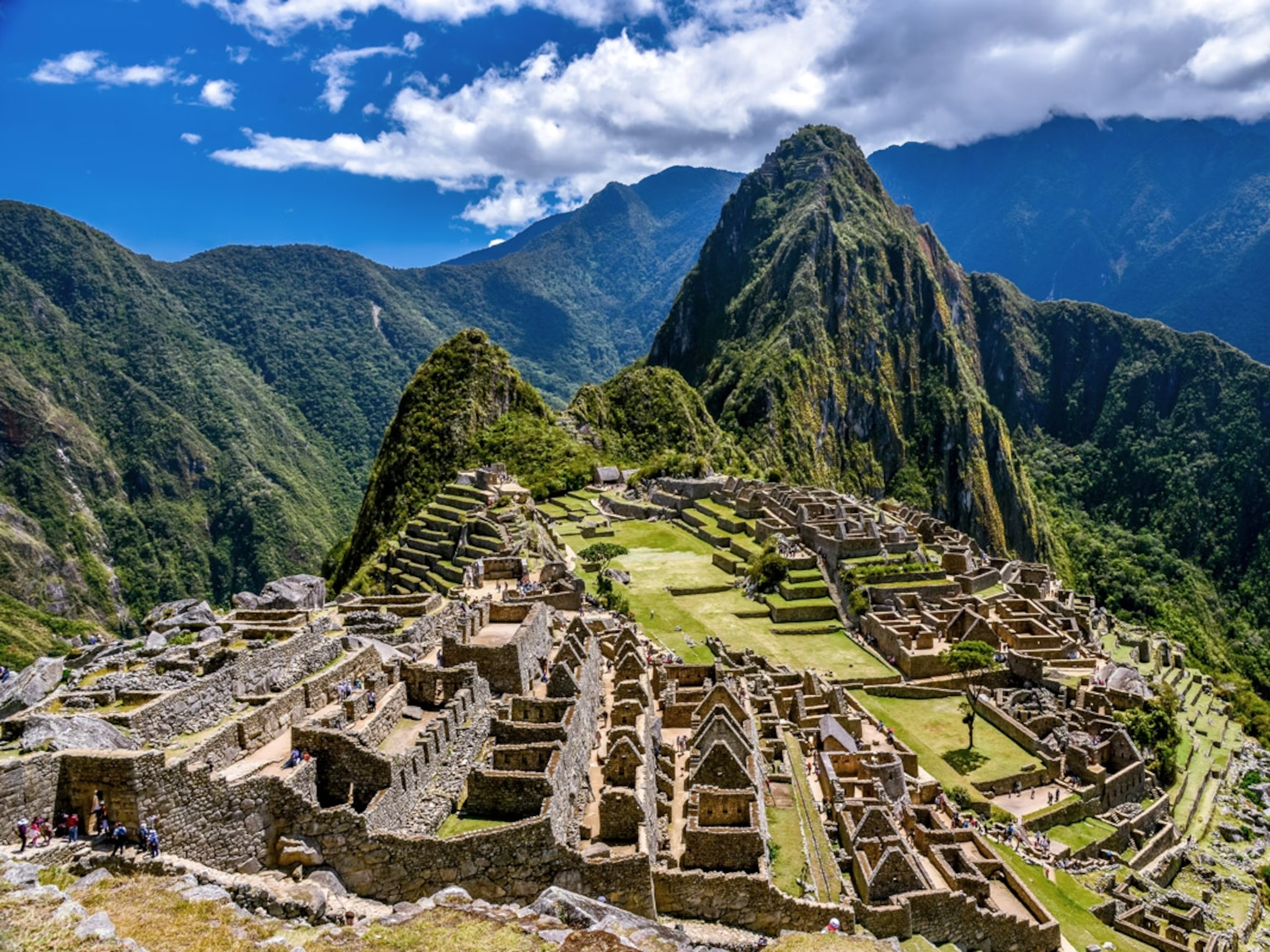
What was the Inca Empire known for?
Bureaucracy, labor systems, and road networks.
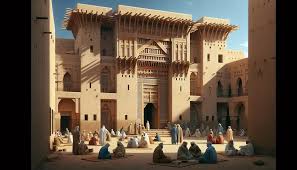
Why was Timbuktu important?
It was a center of trade and Islamic learning.
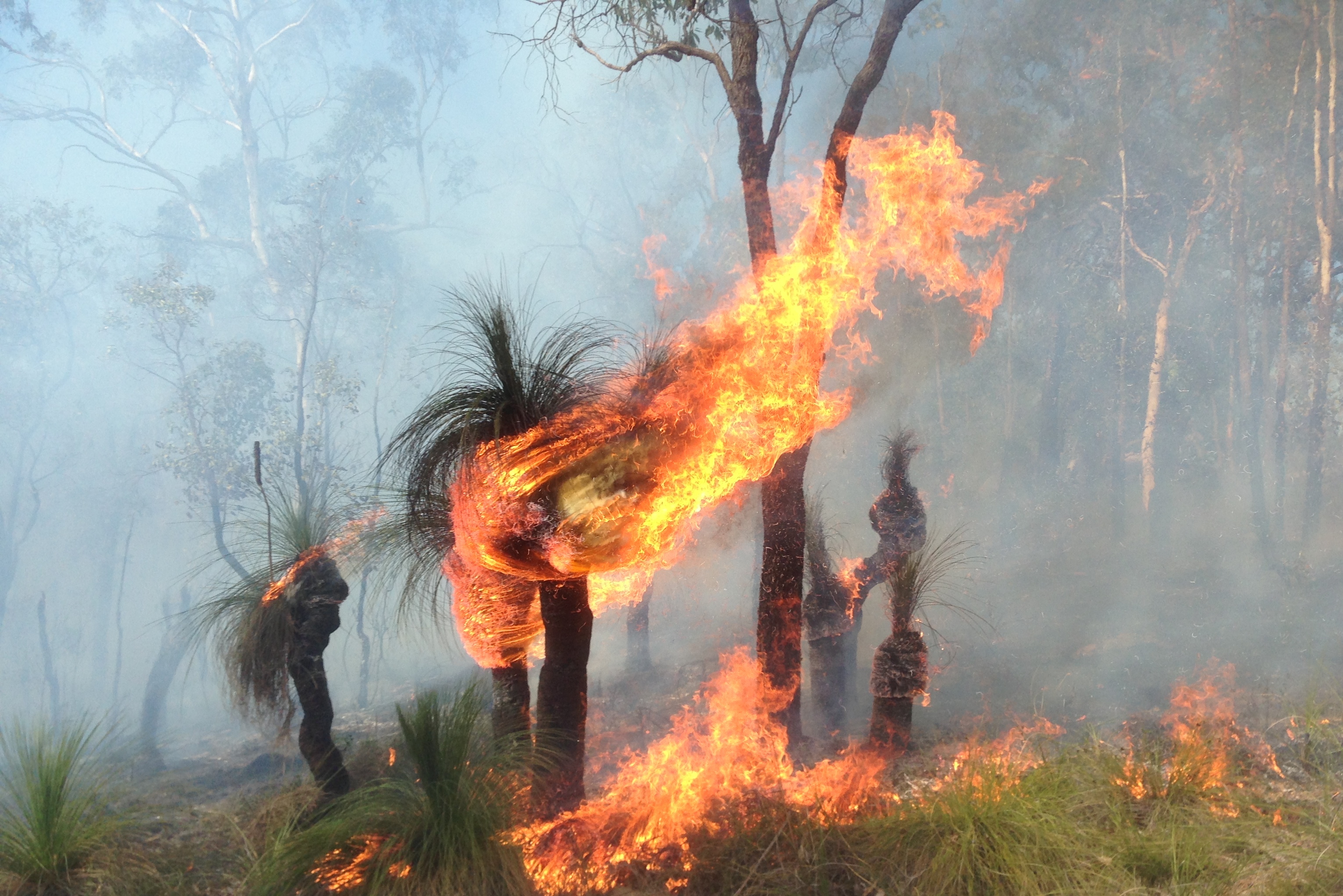
What was firestick farming?
Controlled burning used by Indigenous Australians.
What is bureaucracy?
Government run by appointed officials.
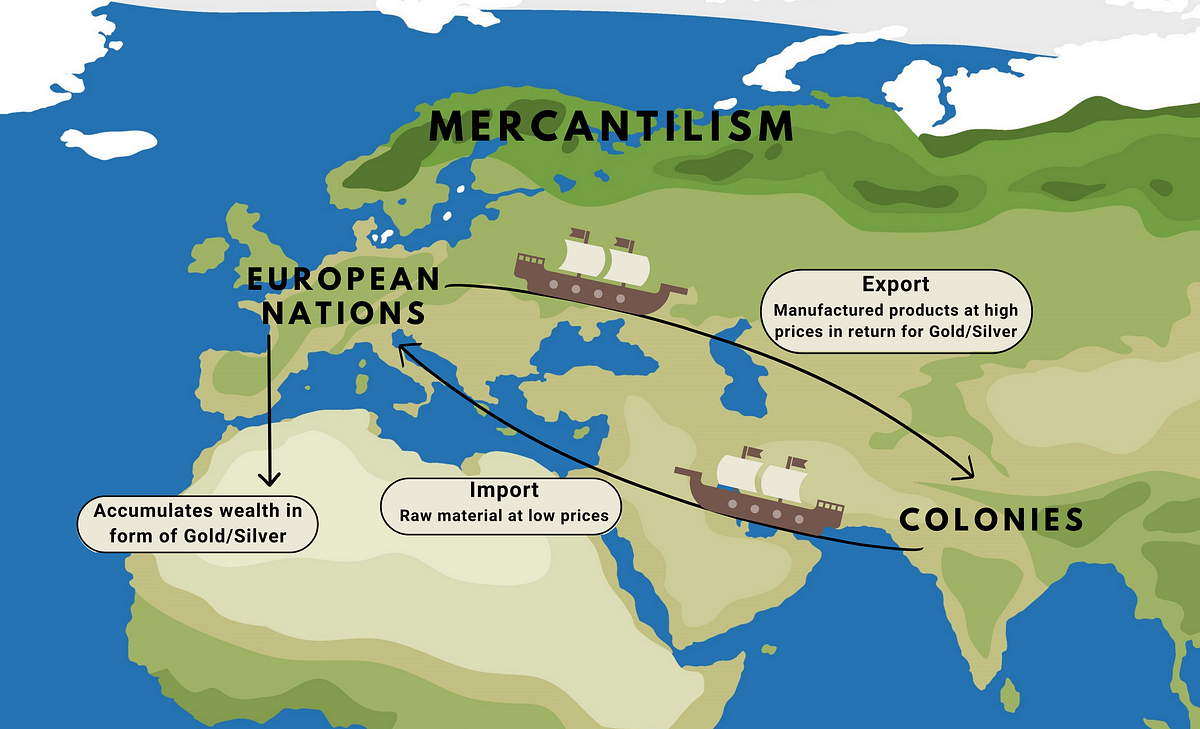
What was mercantilism?
An economic system focused on exports and accumulating wealth.
What was the encomienda system?
Forced Indigenous labor under Spanish colonists.
What was a hacienda?
A large estate using peon labor.
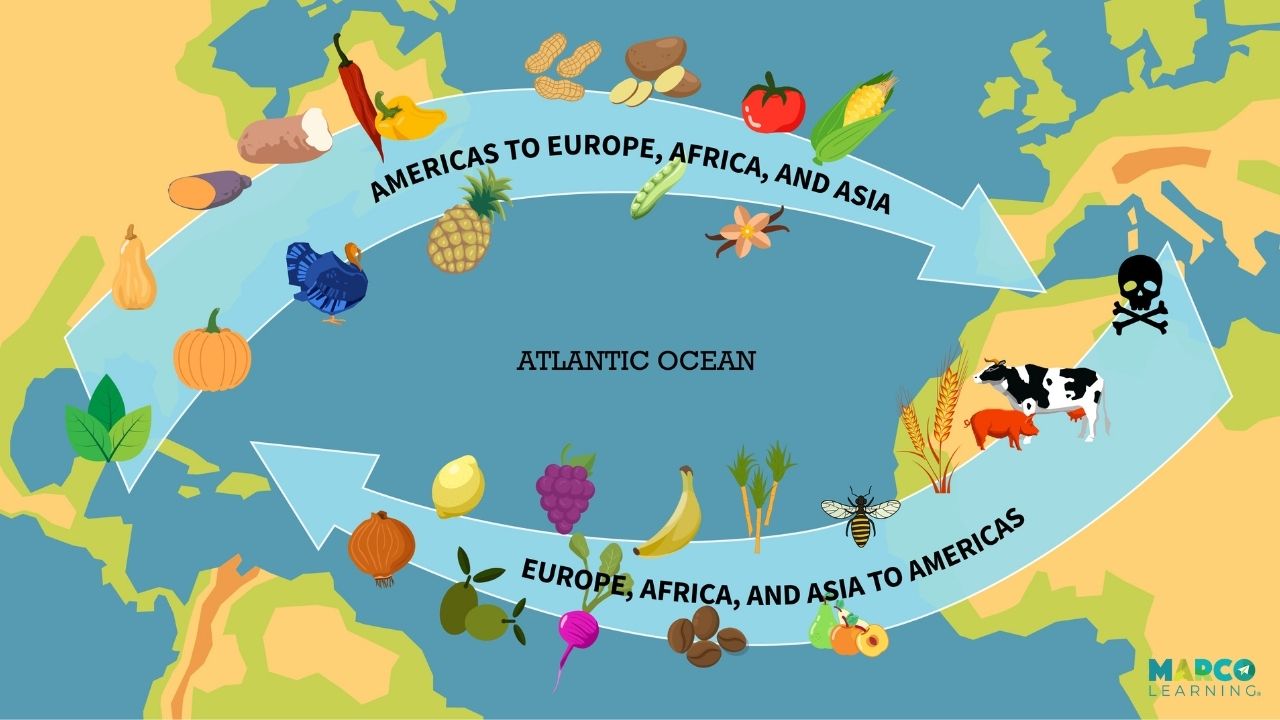
What was the Columbian Exchange?
The transfer of goods, people, diseases, and animals between hemispheres.
What was the Little Ice Age?
A period of global cooling from the 1300s–1800s.
What was the Great Dying?
Massive Native American deaths from disease.
What were casta paintings?
Paintings showing racial hierarchy in colonial Latin America.
Who was Akbar?
A Mughal ruler known for religious tolerance.
What was the jizya?
A tax on non-Muslims.
Who were the Janissaries?
Elite Ottoman soldiers.

What was the devshirme system?
Recruiting Christian boys for Ottoman service.
What was colonialism?
Establishing control over foreign territories.
What were joint-stock companies?
Businesses funded by multiple investors.
What was the British East India Company?
A company dominating British trade in India.
What was the Dutch East India Company?
A Dutch company controlling spice trade routes.
What were the “Three Gs” of exploration?
God, Gold, and Glory.
What was the transatlantic slave trade?
Forced transportation of enslaved Africans to the Americas.
What was a caravel?
A maneuverable Portuguese sailing ship.
What was the Tokugawa Shogunate?
Japan’s isolated feudal government.
What is crop rotation?
Rotating crops to maintain soil fertility.
What event began the French Revolution?
The Storming of the Bastille.
What was the Declaration of the Rights of Man and Citizen?
A document declaring equality and rights.
Who were the Jacobins?
Radical French revolutionaries.
What was the Reign of Terror?
A period of mass executions during the French Revolution.
Who was Toussaint Louverture?
Leader of the Haitian Revolution.
What did the 1801 Constitution do?
Abolished slavery and made Louverture governor for life.
Who was Jean-Jacques Dessalines?
Haiti’s first ruler after independence.
What was the Haitian Declaration of Independence?
Haiti’s declaration of freedom from France in 1804.
What was the Battle of Vertières?
The final major battle securing Haitian independence.
Why did France invade Saint-Domingue?
To restore slavery and regain control.
Who were the Luddites?
Workers who destroyed machines threatening jobs.
What was the Sphere of Domesticity?
The belief women belonged in the home.
What were the Enclosure Acts?
Privatization of common farmland.
What is capitalism?
An economic system based on private ownership and profit.
What is socialism?
A system favoring collective ownership and equality.
Who wrote The Communist Manifesto?
Karl Marx and Friedrich Engels.
What is the proletariat?
The working class.
What is the bourgeoisie?
The capitalist class that owns production.
What did James Watt improve?
The steam engine.
What was the seed drill?
A machine that planted seeds efficiently.
What was selective breeding?
Breeding plants and animals for desired traits.
What was Romanticism?
A movement emphasizing emotion and nature.
What was liberalism?
A philosophy supporting freedoms and limited government.
What was scientific racism?
Using science to justify racial superiority.
What was the civilizing mission?
The belief Europeans should “civilize” others.
What was the Scramble for Africa?
European division and colonization of Africa.
What was the Congo Free State?
King Leopold II’s brutally exploited African territory.
Who was King Leopold II?
The ruler responsible for abuses in the Congo.
What is Pan-Africanism?
A movement to unite Africans and end colonialism.
What was indirect rule?
Governing colonies through local leaders.
What was direct rule?
Colonies governed directly by Europeans.
What was paternalism in imperialism?
Controlling colonies while treating natives as inferior.
What were the Opium Wars?
Wars fought after China tried stopping Britain’s opium trade.
What was the Treaty of Nanking?
The first unequal treaty between Britain and China.
What was the Boxer Uprising?
An anti-foreign rebellion in China.
What was the Meiji Restoration?
Japan’s modernization beginning in 1868.
What was the Russo-Japanese War?
A war Japan won against Russia in 1905.
What was the Taiping Uprising?
A massive rebellion against the Qing Dynasty.
What was the Canton System?
China’s restriction of foreign trade to Canton.
What was self-strengthening in China?
Attempts to modernize after foreign defeats.