4.1 blood supply
 Note
Note Call Kai
 Learn
Learn Practice Test
 Spaced Repetition
 Match
Match Flashcards
 Knowt Play
1/24

There's no tags or description
Looks like no tags are added yet.
Name | Mastery | Learn | Test | Matching | Spaced | Call with Kai | Chat |
|---|
No analytics yet
Send a link to your students to track their progress
25 Terms
From the aorta, what main arteries supply posterior brain circulation?
Subclavian arteries into vertebral arteries.
Where do the vertebral arteries join?
Basilar artery.
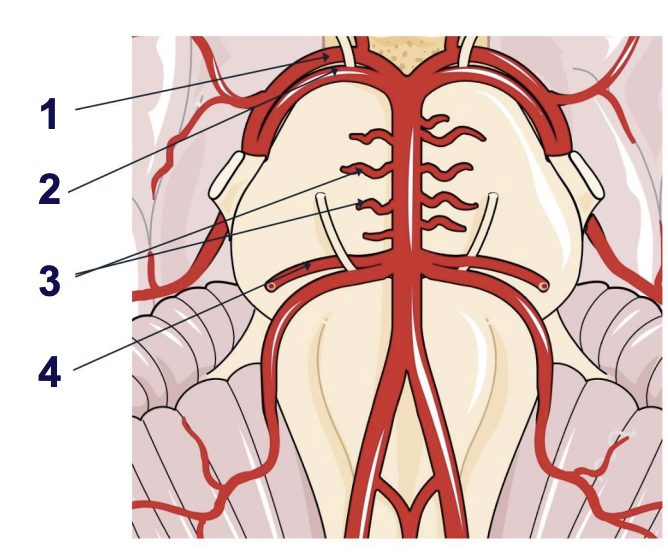
What four arteries extend from the basilar?
Posterior cerebral arteries, superior cerebellar arteries, pontine arteries and anterior inferior cerebellar arteries.
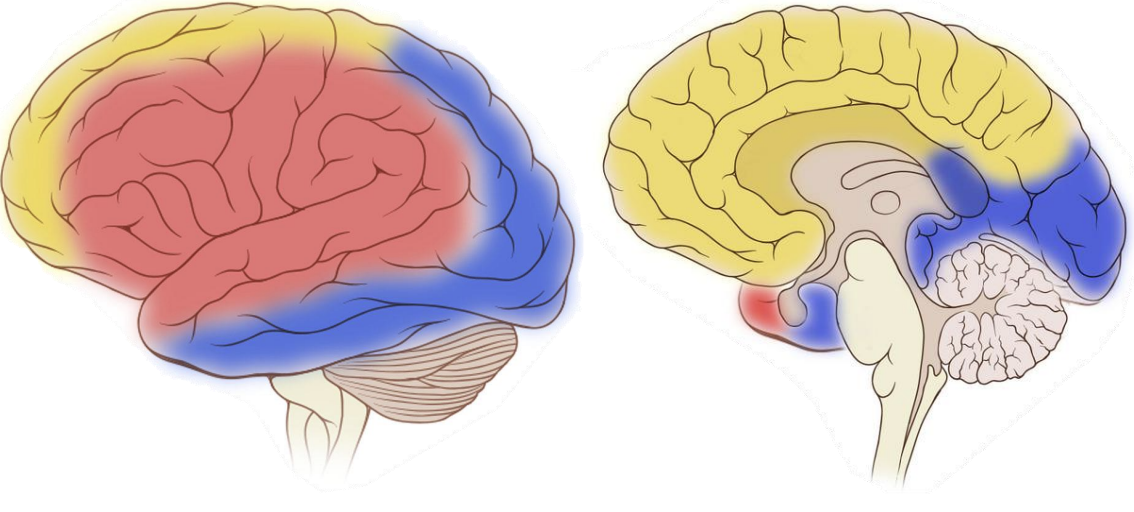
What area of the brain do the posterior cerebral arteries supply blood?
Inferomedial part of temporal lobe, occipital lobe (visual cortex), posterior part of corpus callosum, midbrain and thalamus and most commonly hippocampus.
What area of the brain do the superior cerebellar arteries supply blood?
Midbrain and cerebellum.
What area of the brain do the pontine arteries supply blood?
Pons.
What area of the brain do the anterior inferior cerebral arteries supply blood?
Pons and cerebellum.
What is the circle of willis?
A circular structure where the anterior and posterior arteries of the brain communicate.
What does the circle of willis do?
Provide collateral circulation, ensuring blood flow to the brain even if one artery is blocked.
What is the circle of willis comprised of?
Anterior communicating artery, anterior cerebral artery, internal carotid artery, posterior communicating artery, posterior cerebral artery.
From the aorta, what main arteries supply anterior brain circulation?
Common carotid arteries into internal carotid arteries and external carotid arteries.
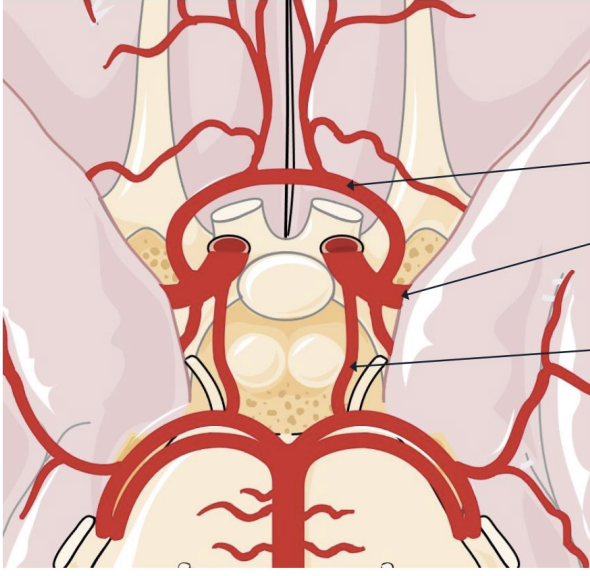
What three arteries extend from the internal carotid arteries?
Anterior cerebral artery, middle cerebral artery and posterior communicating artery.
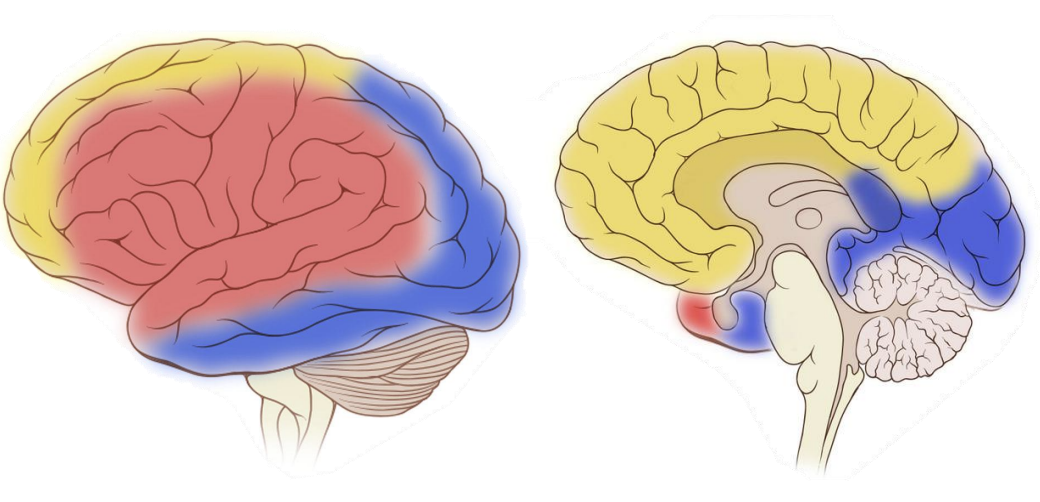
What area of the brain do the anterior cerebral arteries supply blood?
Medial portions of frontal lobe, superior medial part of parietal lobe, parts of motor and somatosensory corticies, anterior of corpus callosum and parts of caudate and internal capsule.
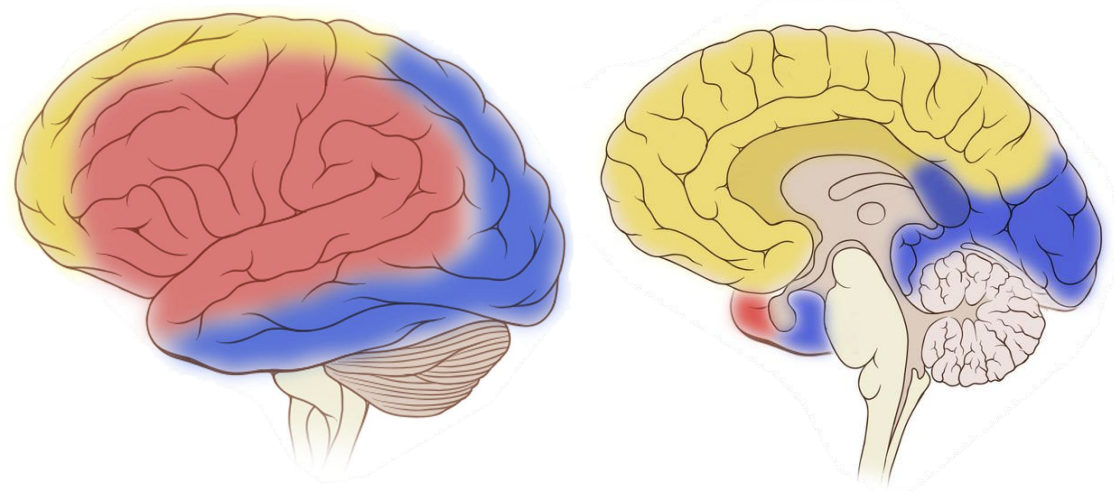
What area of the brain do the middle cerebral arteries supply blood?
Runs along sylvian fissure, supplies lateral surface of temporal, frontal and parietal lobes, and branches (lenticulostraite branches) penetrate lentiform nucleus and internal capsule.
What can impairment of the middle cerebral artery cause?
Contralateral hemisensory loss, aphasia, hemineglect, and hemianopia.
What is aphasia?
Difficultly expressing and comprehending language.
What is hemineglect?
Reduced ability to notice, respond to, or orient toward stimulus on one side of the body.
What is hemianopia?
Visual field loss.
What can impairment of the anterior cerebral artery cause?
Dysarthria aphasia, limb apraxia, contralateral motor weakness, sensory changes.
What is dysarthria aphasia?
Motor speech disorder.
What is limb apraxia?
Loss of ability to carry out skilled movement.
What can impairment of the posterior cerebral artery cause?
Contralateral visual field loss, hemisensory loss, hemi-body pain.
What can impairment of the vertebral and basilar arteries cause?
Ataxia (loss of coordination), double or loss of vision, vertigo. Blood loss to brain stem effects heart rate, breathing and blood pressure.
What are the major dural venous sinuses of the brain?
Superior sagittal, inferior sagittal, transverse and internal jugular.
What is the flow of blood away from the brain?
Veins drain into sinuses, sinuses drain into internal jugular vein, jugular vein drains into superior vena cava, blood is transported via heart to lung for reoxygenation.