Fetal Skeleton
 Call Kai
 Learn
Learn Practice Test
 Spaced Repetition
 Match
Match Flashcards
 Knowt Play
1/38

There's no tags or description
Looks like no tags are added yet.
Name | Mastery | Learn | Test | Matching | Spaced | Call with Kai | Chat |
|---|
No analytics yet
Send a link to your students to track their progress
39 Terms
“-melia” definition
limb or extremity
amelia definition
absence of limbs
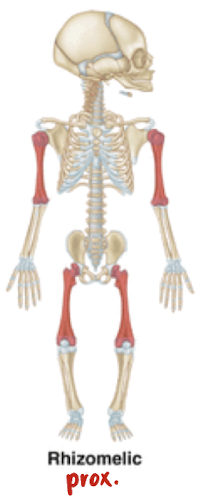
rhizomelia definition
shortening of proximal segment (humerus and femur)
**proximal=close to core of body
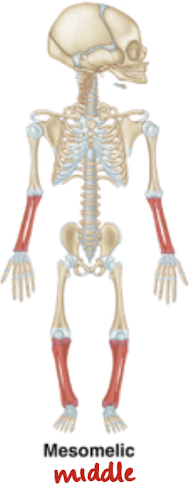
mesomelia definition
shortening of middle segment (rad/uln and tib/fib)
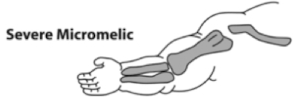
micromelia definition
shortening of entire limb
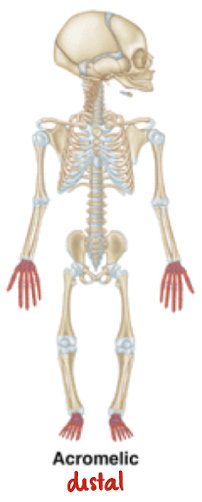
acromelia
shortening of distal segment (hands/feet)
campomelia
bowed legs
skeletal dysplasia
abnormal growth and density of bone and cartilage
over 450 different dysplasias
rare
many incompatible with life
lethal forms characteristically are extremely severe in their prenatal appearance
ex. you can easily see severe micromelia
thanatophoric dysplasia
severe skeletal disorder characterized by extremely short limbs and folds of extra skin on arms and legs
MC lethal skeletal dysplasia
lethal prognosis
subdivided into 2 types
type I: short, curved femurs and flat vertebral bodies
type II: straight, but short femurs, flat vertebral bodies, and a cloverleaf skull (AKA Kleeblattschädel skull)
**”thanatos” means death, so remember that thanatophoric dysplasia is LETHAL
SONO: thanatophoric dysplasia
severe micromelia
cloverleaf deformity
narrow thorax with shortened ribs (bell-shaped)
rhizomelia
protuberant abdomen
frontal bossing
hypertelorism
flat vertebral bodies
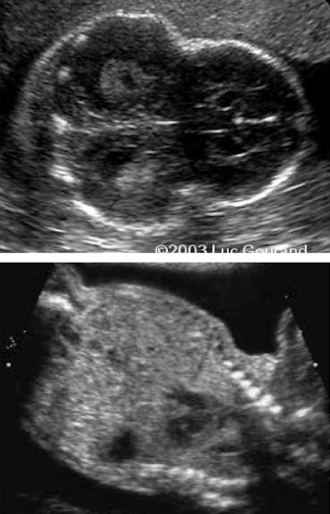
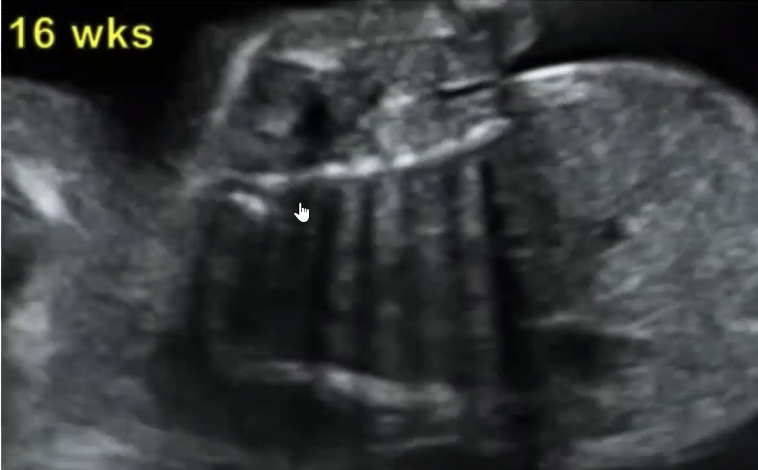
what do you see?
very narrow chest
achondroplasia
defect in formation of cartilage and converting it to bone through ossification
produces short, squat bones
MC nonlethal skeletal disorder
2 types:
heterozygous: gene inherited from one parent; good prognosis
homozygous: gene inherited from both parents; lethal prognosis
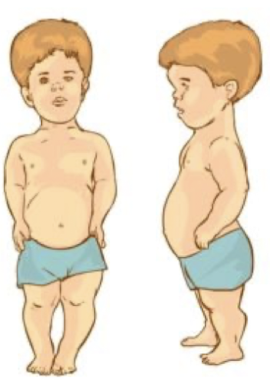
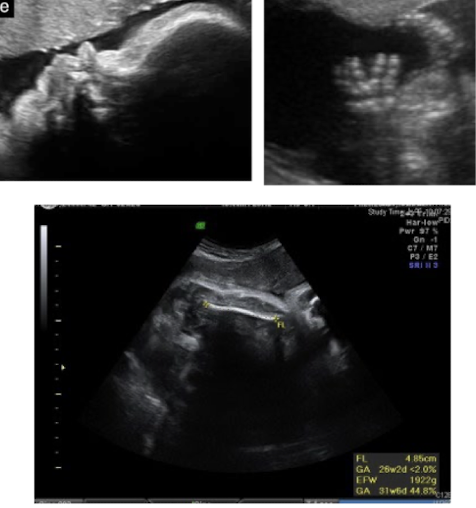
achondroplasia
rhizomelia
microcephaly
trident hands
depressed nasal bridge
frontal bossing
mild ventriculomegaly (sometimes)
long bone shortening after 22 weeks (best diagnostic clue)
achondrogenesis
rare lethal disorder resulting in absent mineralization of skeletal bones
affects cartilage and bone development
characterized by a small body, short limbs, and other skeletal abnormalities
poor prognosis
2 forms:
type I: autosomal recessive; more severe
type II: spontaneous mutation; less severe; more common
SONO: achondrogenesis
severe micromelia
small thorax and ribs
protuberant abdomen
hypomineralization (spine)
macrocephaly
micrognathia
polyhydramnios
hydrops (possibly)
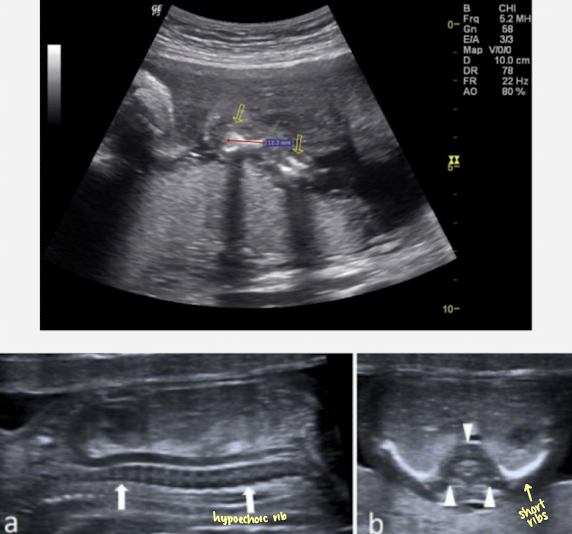
osteogenesis imperfecta
rare bone disorder characterized by abnormal collagen production leading to brittle bones
highly variable prognosis; can be lethal
4 types:
I: no prenatal deformities; mild
II: most severe form; lethal
III: severe; fractures at birth are common
IV: mildest form
SONO: osteogenesis imperfecta
hypomineralization
especially in cranium
compressible skull
multiple fractures of long bones, ribs, and spine
narrow thorax (bell-shaped)
micromelia
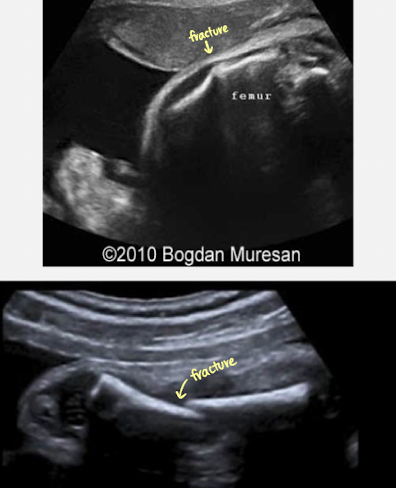
congenital hypophosphatasia
condition that presents with diffuse hypomineralization of bone caused by alkaline phosphatase deficiency
SONO features similar to osteogenesis imperfecta and achondrogenesis
diagnosis can be confirmed with alkaline phosphatase assay
through fetal blood sampling or chorionic villus sampling, or through DNA analysis
lethal-respiratory complications
campomelic dysplasia
aka bent bone (bowed)
rare lethal skeletal disorder characterized by bowing of the long bone (bent bones)
normal ossification without fractures
curvature of long bones
most spontaneous but could be inherited
associated with:
renal, cardiac, and CNS anomalies
ambiguous genitalia
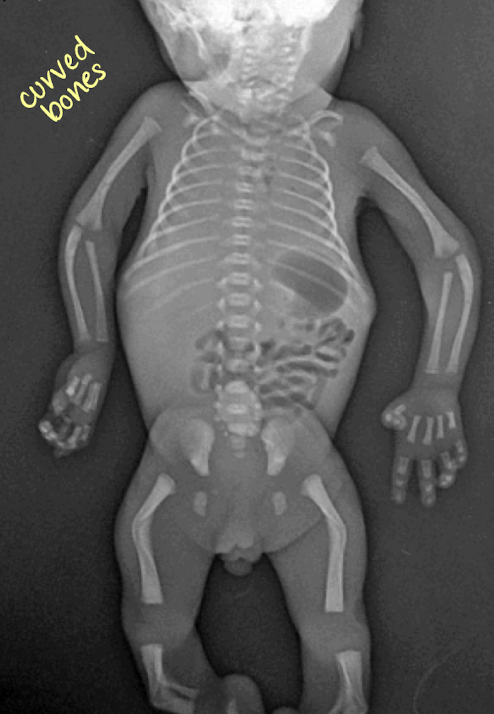
SONO: camptomelic dysplasia
bowing of long bones
low extremities severely affected
small, narrow thorax (bell-shaped)
hypertelorism
hypoplastic fibulas, scapulae
cleft palate
micrognathia
talipes
abnormal genitalia
hydrocephalus, hydronephrosis, and polyhydramnios
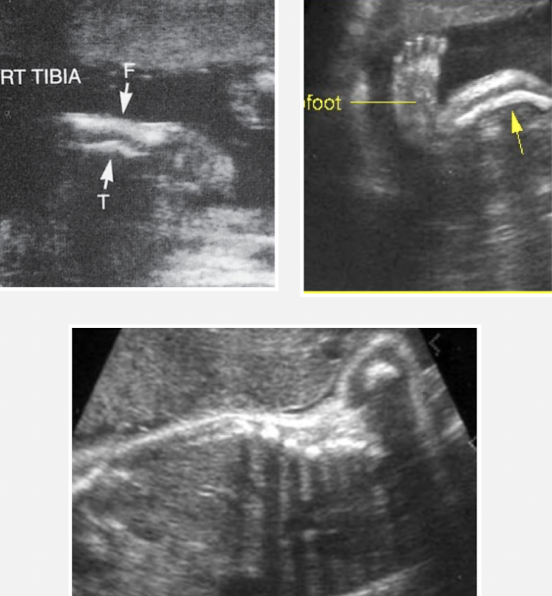
Roberts’ syndrome
rare condition characterized by phocomelia and facial anomalies
caused by mild to severe disruption of cell division
leads to malformed bones of the skull, face, arms, and lags
characterized by:
symmetrical limb reduction
craniofacial anomalies
slow growth
associated with…
cardiac, renal, and genital abnormalities
poor prognosis
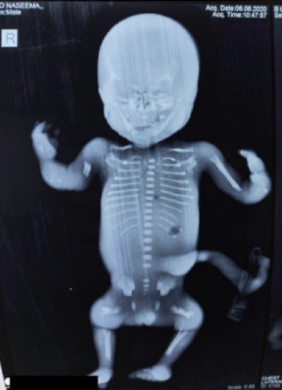
SONO: Roberts’ syndrome
phocomelia
absent or severely shortened limbs
MC in upper extremities
bilateral cleft lip and palate
hypertelorism
microcephaly
cardiac, renal, and GI anomalies (possibly)
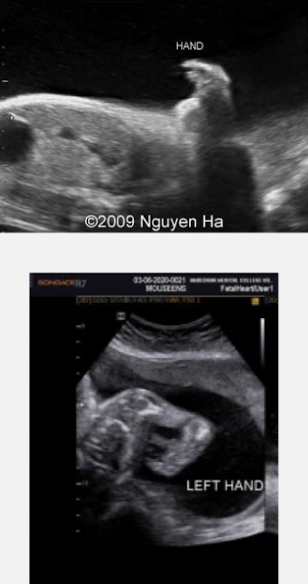
short-rib polydactyly syndrome
lethal skeletal dysplasia
pulmonary hypoplasia
characterized by short ribs, short limbs, and polydactyly
inherited in autosomal-recessive manner
SONO: short-rib polydactyly syndrome
narrow thorax with short ribs
polydactyly
micromelia
midline facial cleft
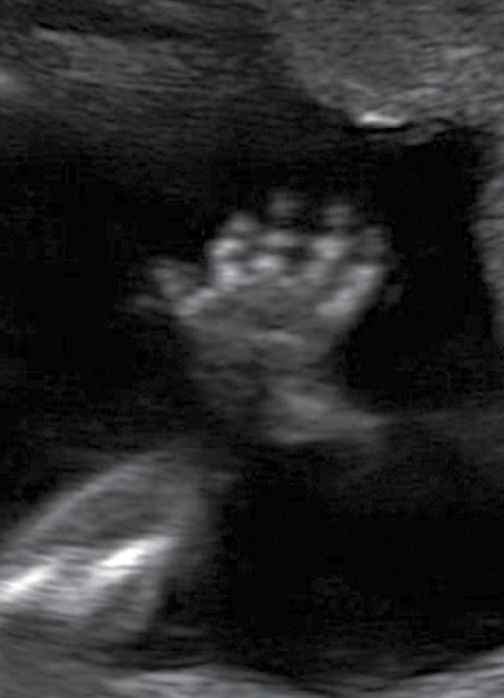
Ellis-Van Creveld syndrome
increased frequency in Amish community
characteristics:
narrow thorax → pulmonary hypoplasia
heart defects—MC is atrial septal defect (ASD)
half will die during infancy from cardiorespiratory complications
SONO: Ellis-Van Creveld syndrome
limb shortening
narrow thorax
polydactyly
heart defects
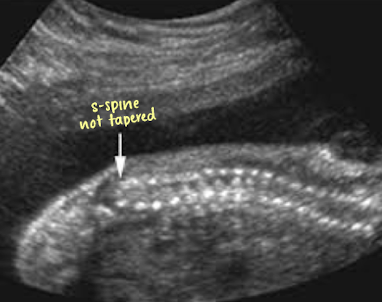
caudal regression
rare disorder that represents a range of malformations of caudal end of neural tube
complete or partial agenesis of the sacrum and coccyx
associated with
VACTERL
GI, GU, CNS, and cardiac anomalies
poor prognosis
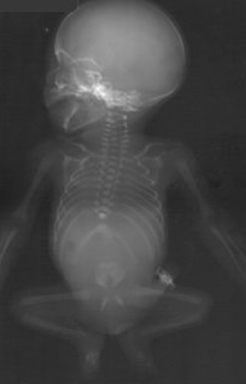
SONO: caudal regression
sacral agenesis
talipes
abnormal lumbar vertebrae
abrupt termination of the spine
lower extremity contractures
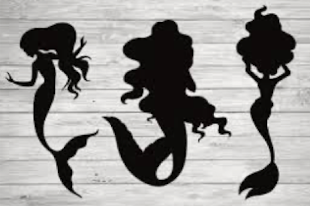
sirenomelia
most severe form of causal regression syndrome
affected infants are born with a single lower extremity or with two legs that are fused together
“mermaid” syndrome
associated with:
maternal diabetes
renal agenesis
lethal prognosis
SONO: sirenomelia
variable fusion of the lower extremities
bilateral renal agenesis
oligohydramnios
single umbilical artery
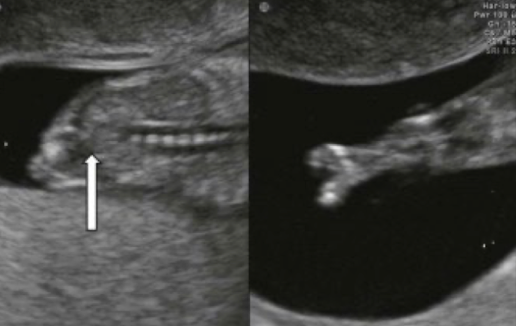
radial ray abnormalities
hypoplasia or aplasia of the radius and ulna
extreme angulation of the hand to the forearm
associated with chromosomal anomalies
T13, T18, VACTERL
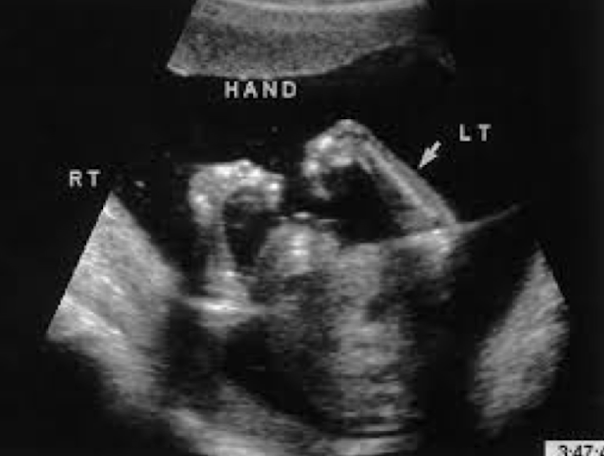
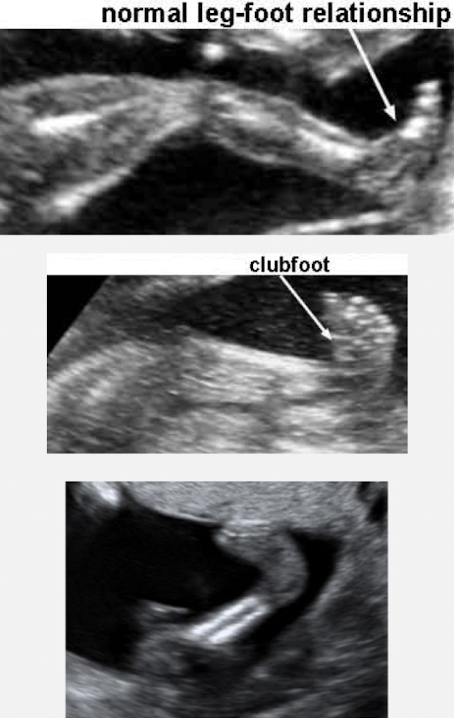
club foot
malformation and/or malposition of the foot and ankle bones
aka talipes
male>female
usually unilateral
associated with a variety of chromosomal anomalies
SONO:
persistent abnormal inversion of the foot perpendicular to lower leg
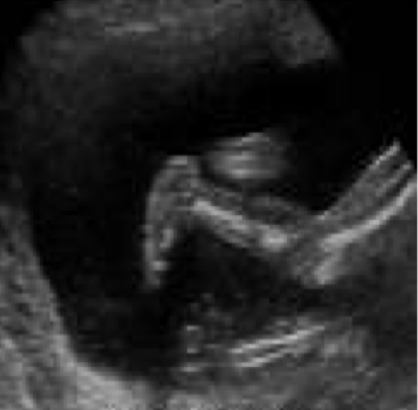
rocker-bottom foot
characterized by prominent heel bone and convex rounded bottom of foot
70% bilateral; 30% unilateral
associated with:
chromosomal anomalies
T18
surgical interventions needed
SONO:
sole of foot is convex/rounded
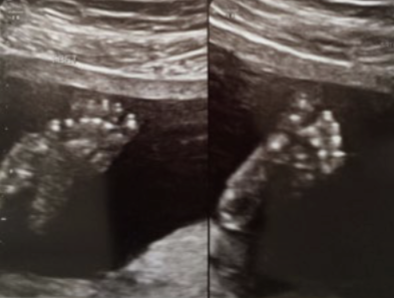
sandal gap foot
big toe angled medially
large gap between 1st and 2nd toe
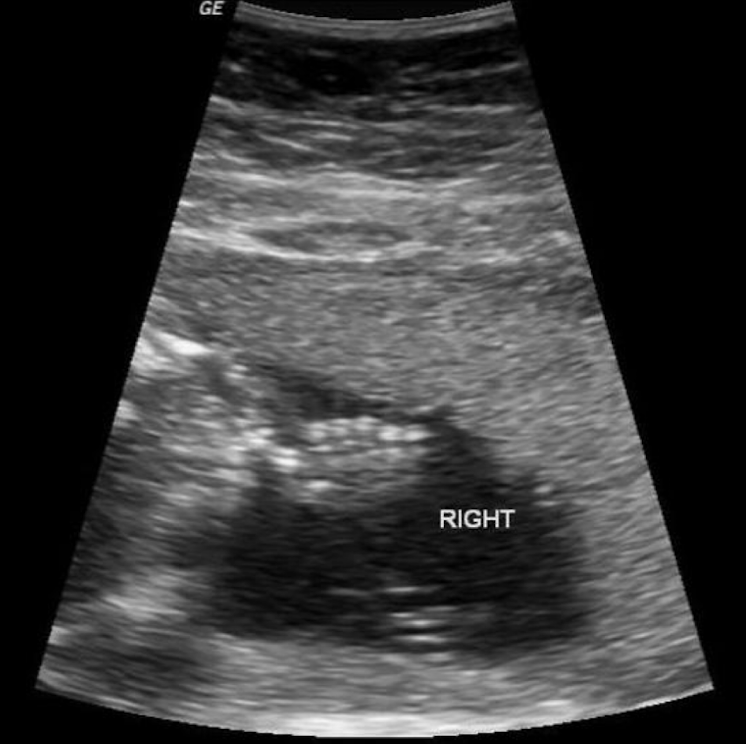
polydactyly
one or more extra digits
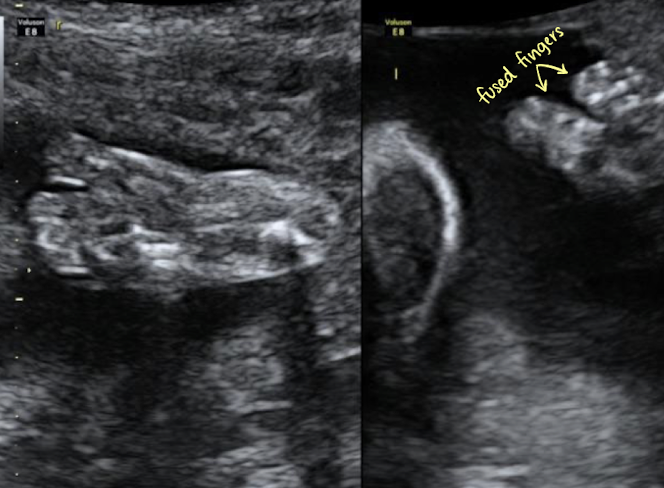
syndactyly
partial or complete fusion of digits
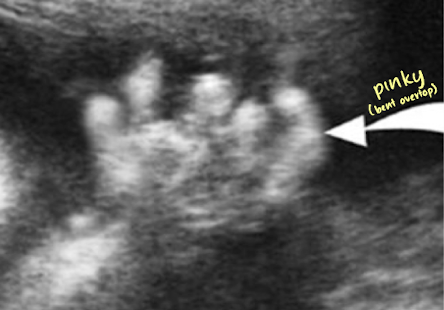
clinodactyly
tip of the 5th finger (pinky) turns in open hand; overlapping digits
strong association with T21
spalding’s sign
overlapping of fetal skull caused by collapse of the brain
appears usually a week or more after fetal death in utero
indicated fetal demise
what are “lethal” pathologies usually associated with?
;pulmonary hypoplasia (because if lungs can’t develop, baby cannot survive)