Immune System and the Body Defense Unit
 Call Kai
 Learn
Learn Practice Test
 Spaced Repetition
 Match
Match Flashcards
 Knowt Play
1/24

There's no tags or description
Looks like no tags are added yet.
Name | Mastery | Learn | Test | Matching | Spaced | Call with Kai | Chat |
|---|
No analytics yet
Send a link to your students to track their progress
25 Terms
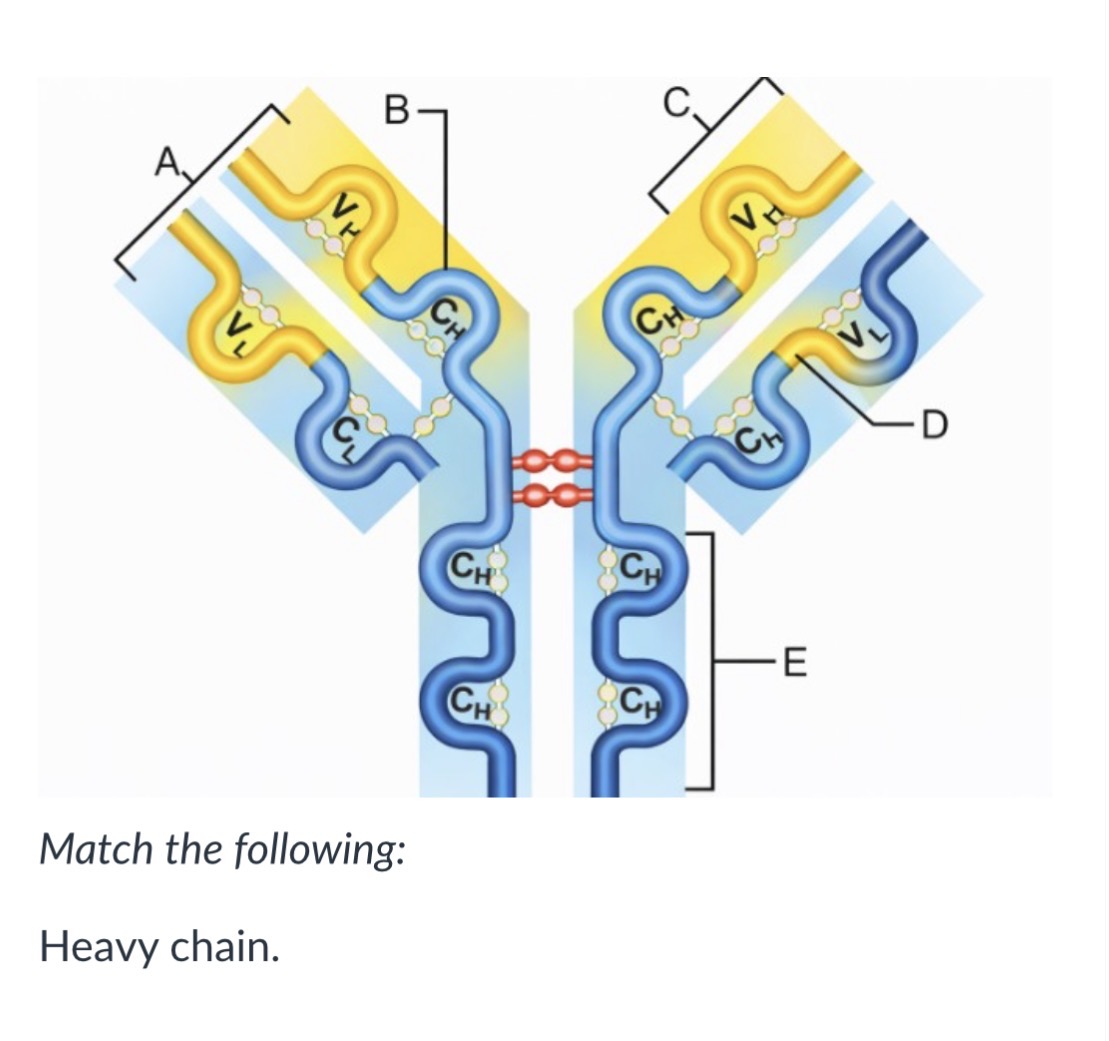
B
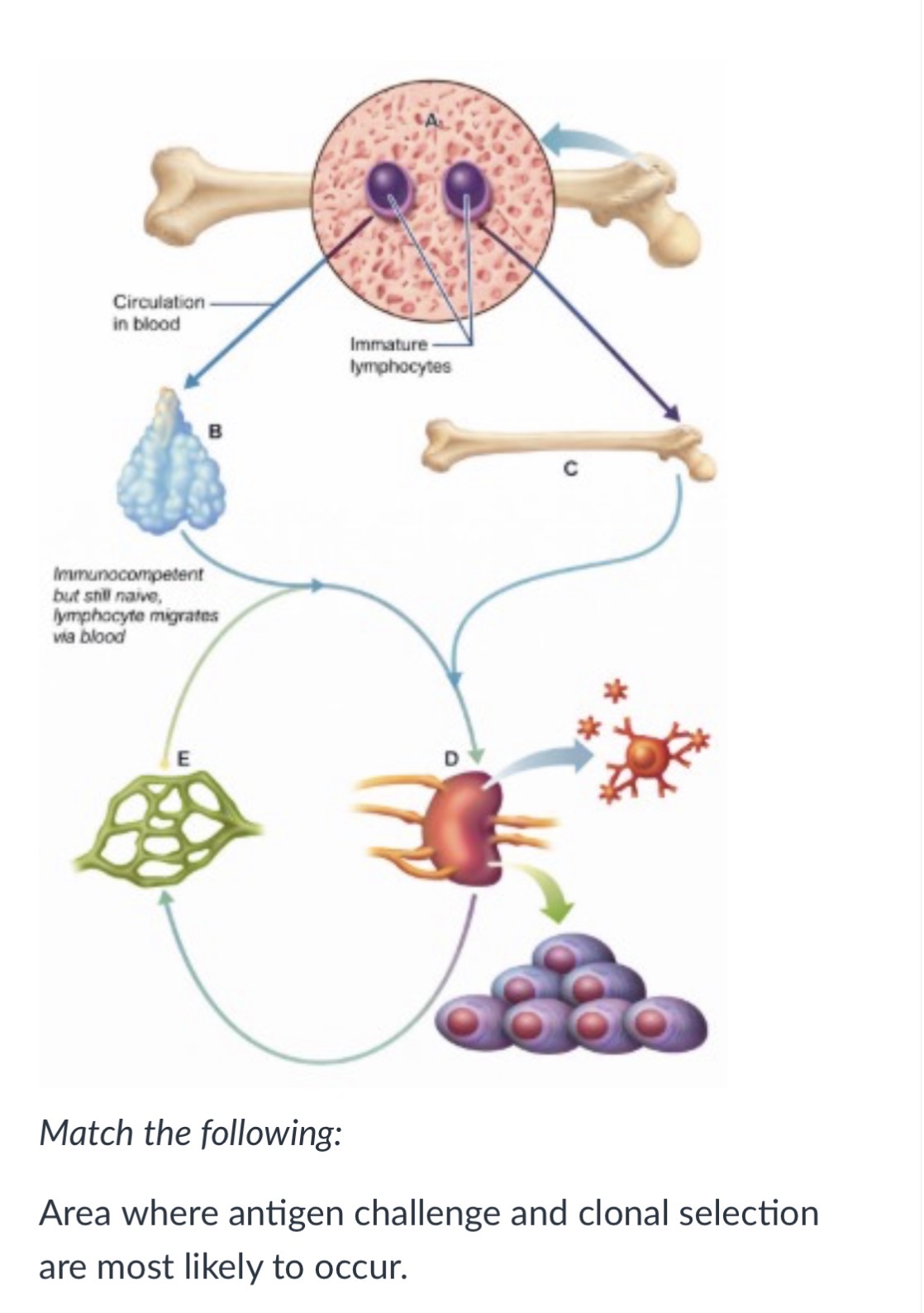
D
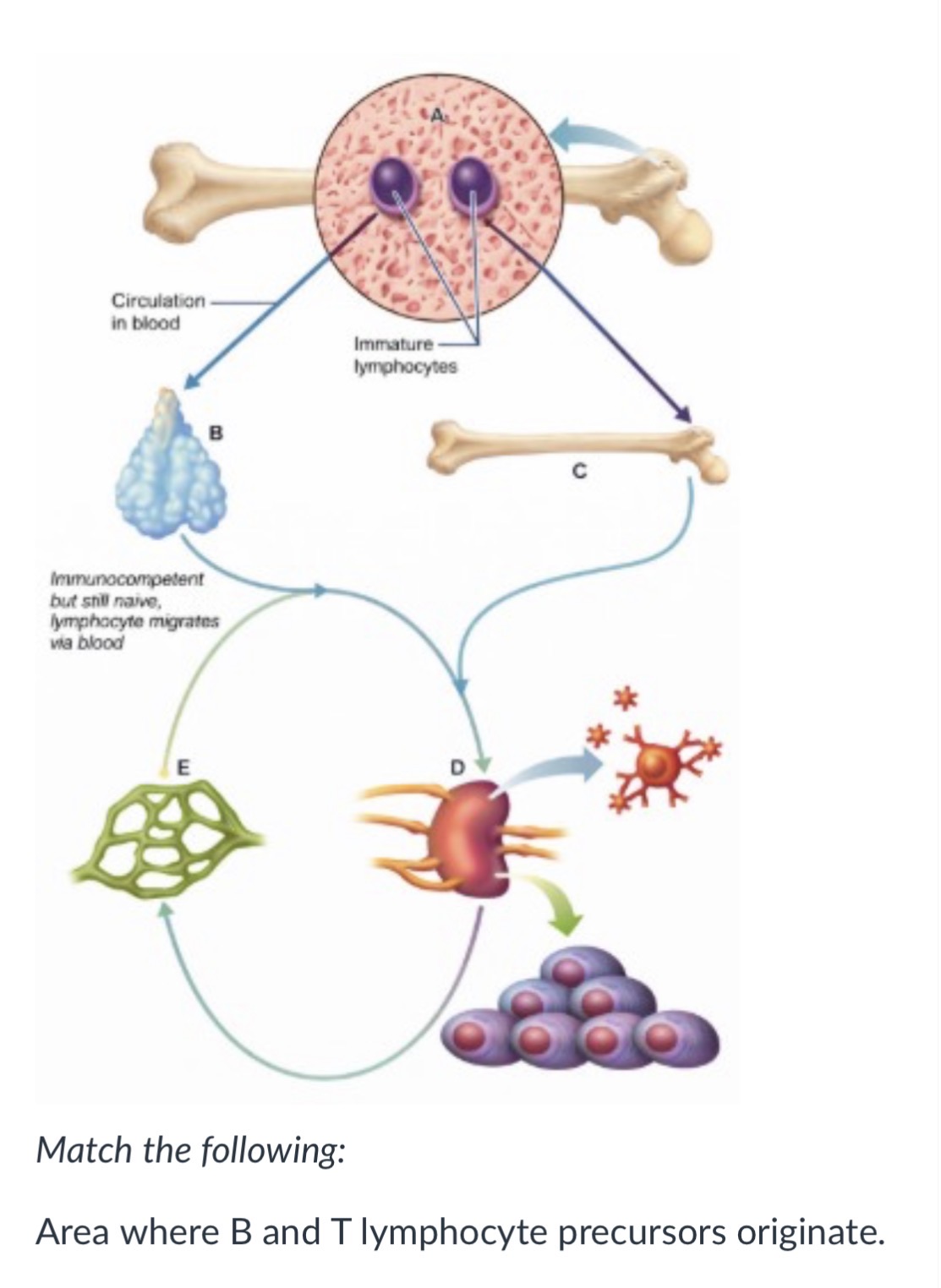
A
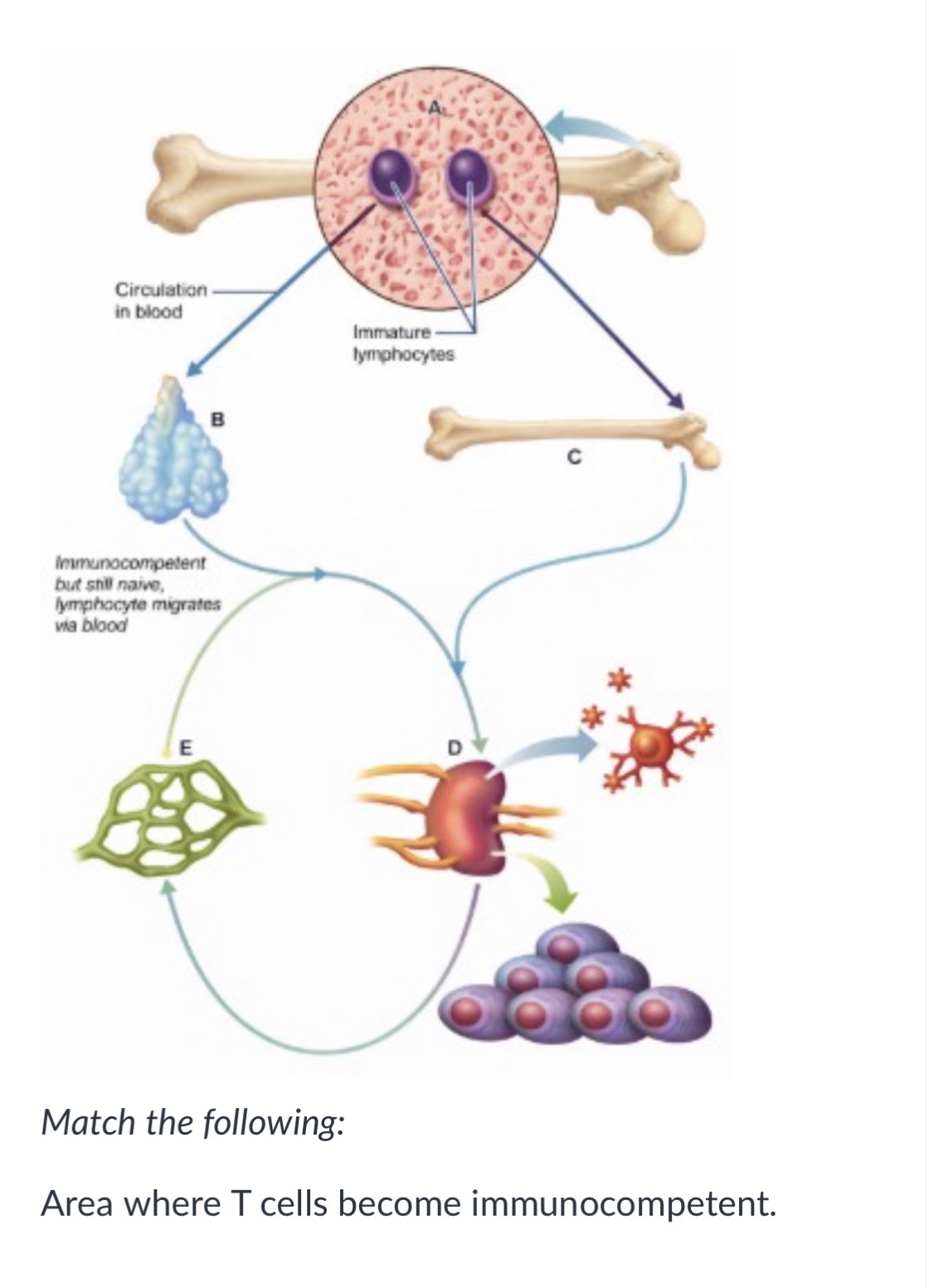
B
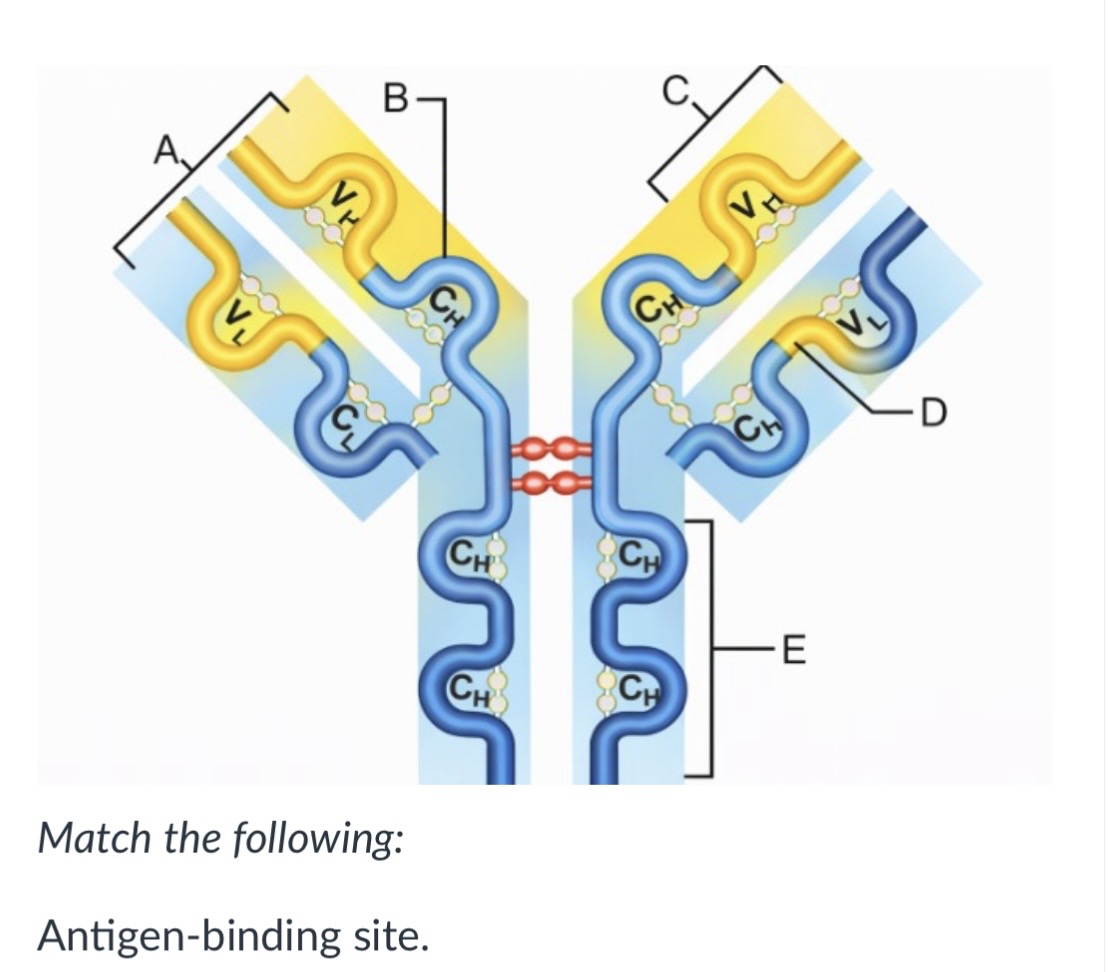
A
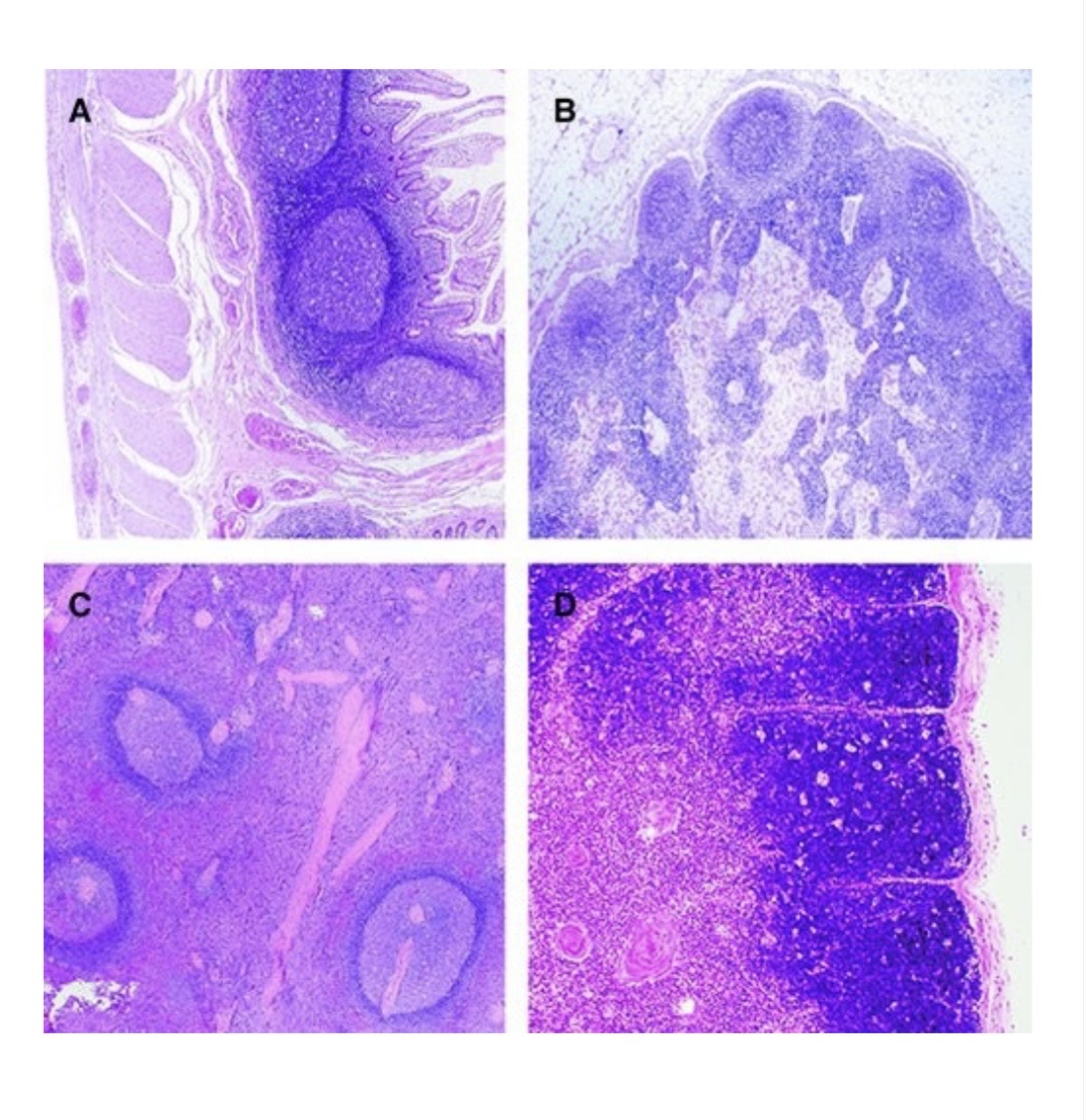
What lymphatic organ/structure is identified by letter A?
Thymus
Spleen
Lymph node
Peyer's patches
Peyer's patches
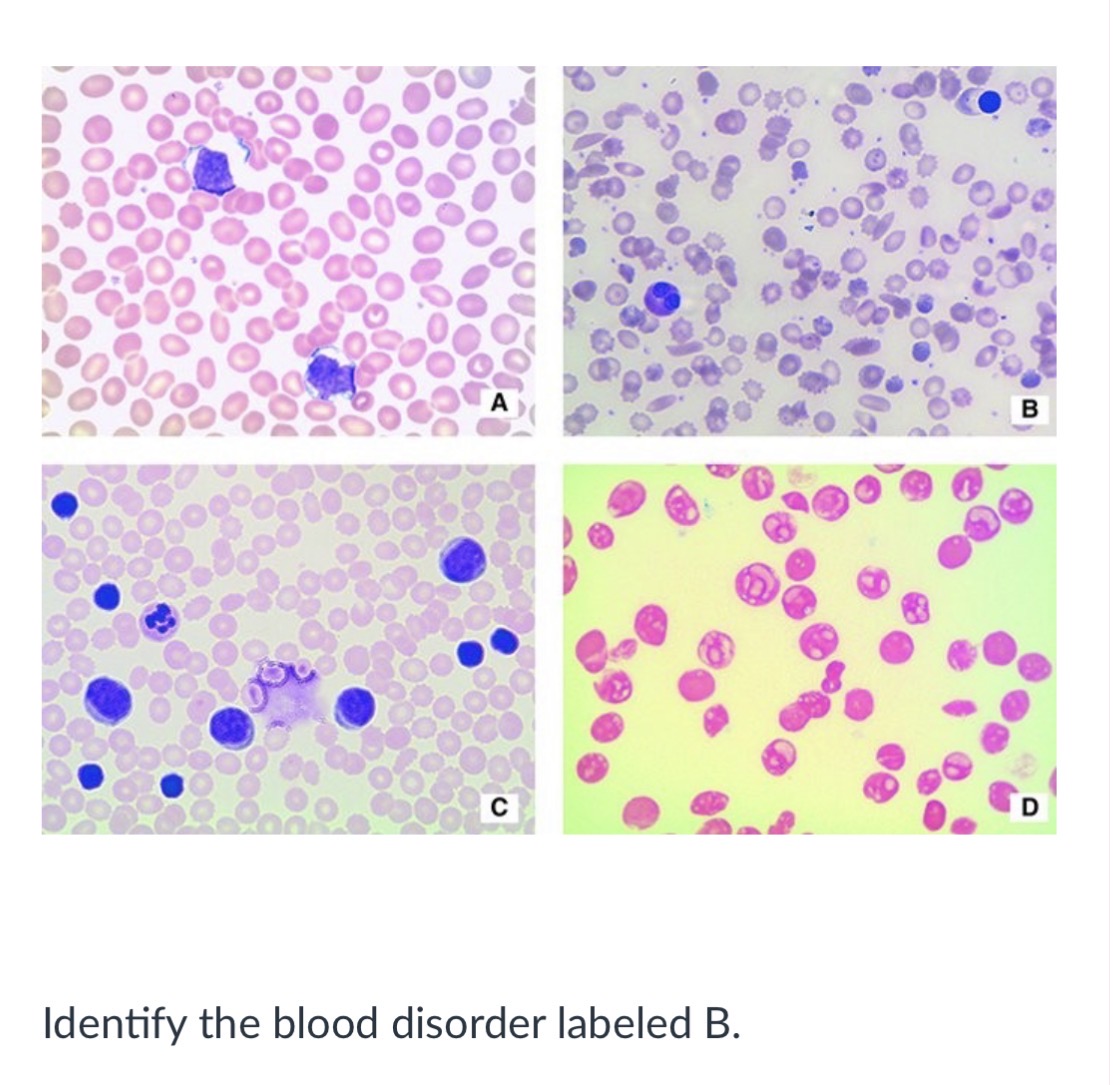
Acute lymphoblastic leukemia
Mononucleosis
Iron-deficiency anemia
Sickle-cell anemia
Sickle-cell anemia
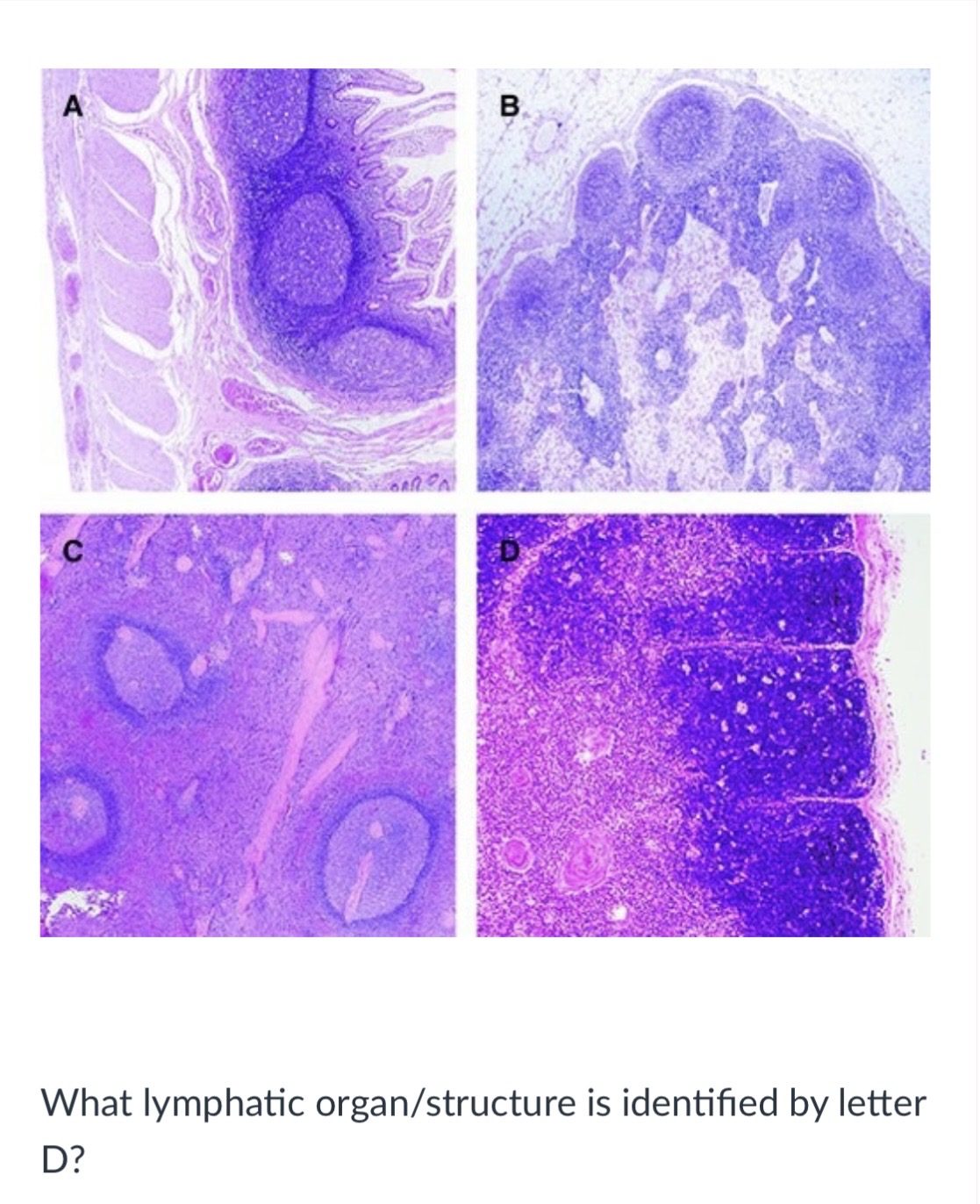
Lymph node
Thymus
Peyer's patches
Spleen
Thymus
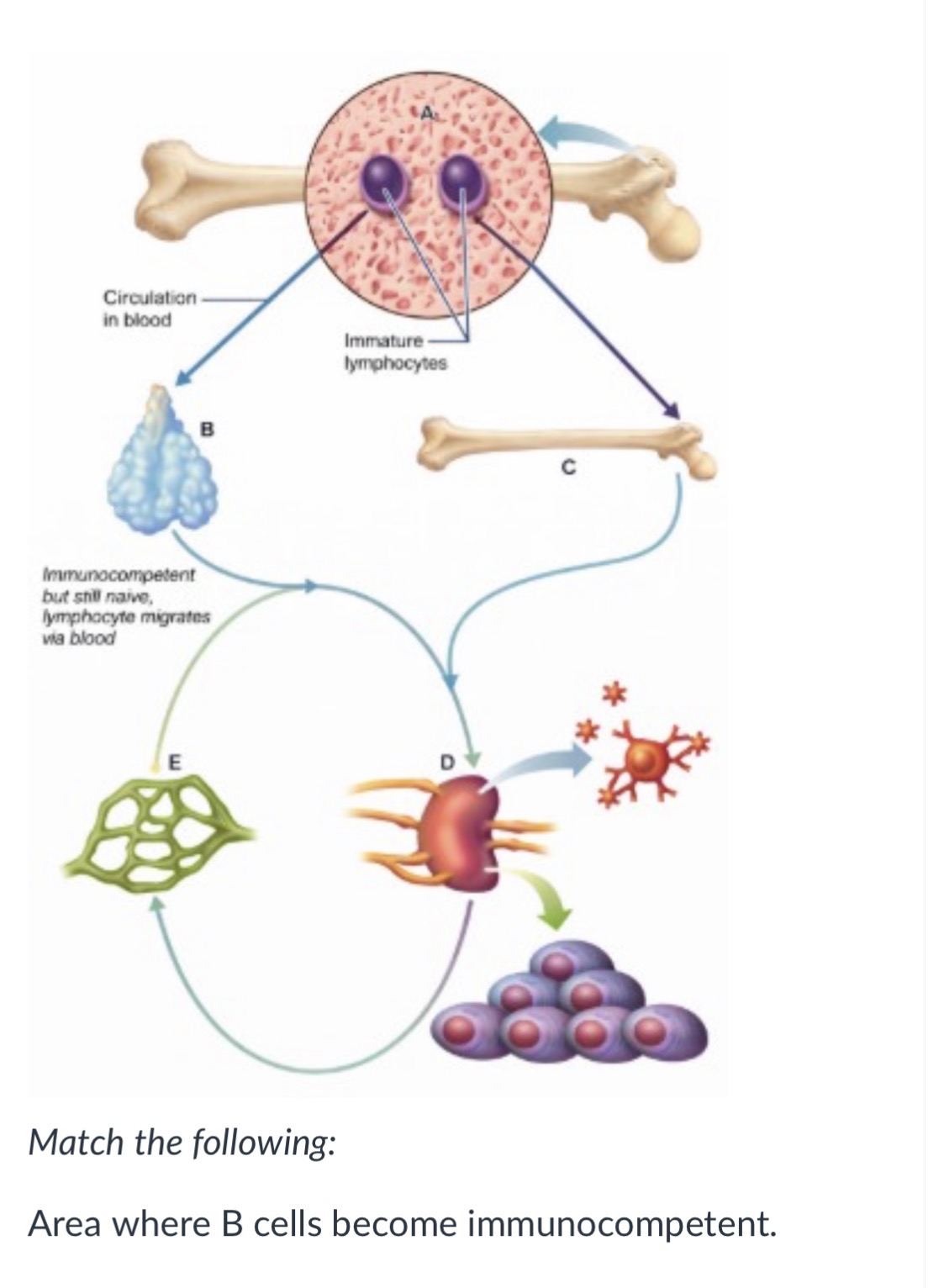
C
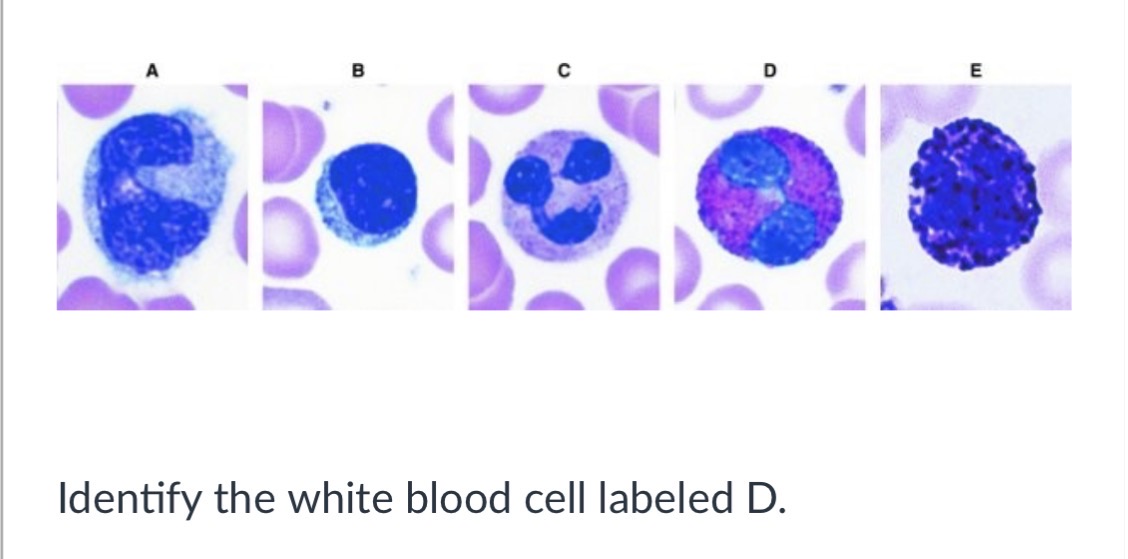
Eosinophil
Lymphocyte
Monocyte
Basophi
Eosinophil
Vaccines are effective because they
immediately stimulate cellular immunity to eliminate all of the pathogen in the body.
inhibit antibodies from having secondary responses.
increase the number of natural killer cells while decreasing the numbers of T and B cells.
stimulate the development of immunologic memory.
stimulate the development of immunologic memory.
Nonspecific immunity is another name for
acquired immunity.
adaptive immunity.
innate immunity.
cell-mediated immunity.
innate immunity.
The primary goal of the immune response is
stimulation of mitotic activity in order to replace cells damaged by infection.
destruction or inactivation of pathogens and foreign material.
maintenance of the proper ionic balance between lymph and blood.
reduction of the number of circulating memory lymphocytes.
destruction or inactivation of pathogens and foreign material.
The clumping of foreign cells that occurs when antibodies cross-link their antigens is known as
opsonization.
precipitation.
neutralization.
agglutination.
agglutination.
Which of the following lists the body's first, second, and third lines of defense in order?
External innate immunity, internal innate immunity, adaptive immunity
External innate immunity, adaptive immunity, internal innate immunity
Innate immunity, internal adaptive immunity, internal innate immunity
External adaptive immunity, internal adaptive immunity, innate immunity
External innate immunity, internal innate immunity, adaptive immunity
An immunoglobulin is a(n)
antigen, which is a cell receptor.
antibody, which is a protein molecule.
antibody, which is a white blood cell.
lymphocyte, which is a protein molecule.
antibody, which is a protein molecule.
Passive immunity lasts
from days to weeks, and involves development of memory cells.
from days to weeks, and does not involve development of memory cells.
from years to a lifetime, and does not involve development of memory cells.
from years to a lifetime, and involves the development of memory cells.
from days to weeks, and does not involve development of memory cells.
A fever ________ reproduction of bacteria and ________ CAMs on the endothelium of capillaries of lymph nodes.
stimulates; decreases
inhibits; increases
stimulates; increases
inhibits; decreases
inhibits; increases
Fungi are
eukaryotic cells with a cell wall.
protozoans lacking a cell wall.
multicellular parasites that reside within a host.
viruses that are fragments of infectious proteins.
eukaryotic cells with a cell wall.
A virus is ______ than a bacterial cell, and a virus is composed of ________.
larger; nucleic acid within a protein capsid.
larger; a eukaryotic cell with a cell wall.
smaller; nucleic acid within a protein capsid.
smaller; a eukaryotic cell with a cell wall.
smaller; nucleic acid within a protein capsid.
Which cell type is targeted by the human immunodeficiency virus (HIV)?
Helper T-lymphocyte
Memory B-lymphocyte
Natural killer cell
Plasma cell
Helper T-lymphocyte
Antigens are
disorders involving overactive immune systems.
membrane receptors on B-lymphocytes.
something made by a white blood cell to destroy a pathogen.
something that an antibody or T-lymphocyte binds to.
something that an antibody or T-lymphocyte binds to.
Which type of cell is the most effective to attack multicellular parasites such as tapeworms?
Macrophages
Eosinophils
Basophils
Neutrophils
Eosinophils
Which type of cell attacks a variety of unwanted cells and causes those cells to undergo apoptosis?
Macrophages
Neutrophils
Eosinophils
Natural killer cells
Natural killer cells
Active immunity requires
that an active virus be used in a vaccine.
direct encounter with the antigen.
that all immune responses to the pathogen result in symptoms of illness.
the transfer of antibodies from another individual.
direct encounter with the antigen.