Ap Bio Unit 1
 Call Kai
 Learn
Learn Practice Test
 Spaced Repetition
 Match
Match Flashcards
 Knowt Play
1/30

There's no tags or description
Looks like no tags are added yet.
Name | Mastery | Learn | Test | Matching | Spaced | Call with Kai | Chat |
|---|
No analytics yet
Send a link to your students to track their progress
31 Terms

Hydroxyl, -OH, polar, increases waters solubility, in carbohydrates
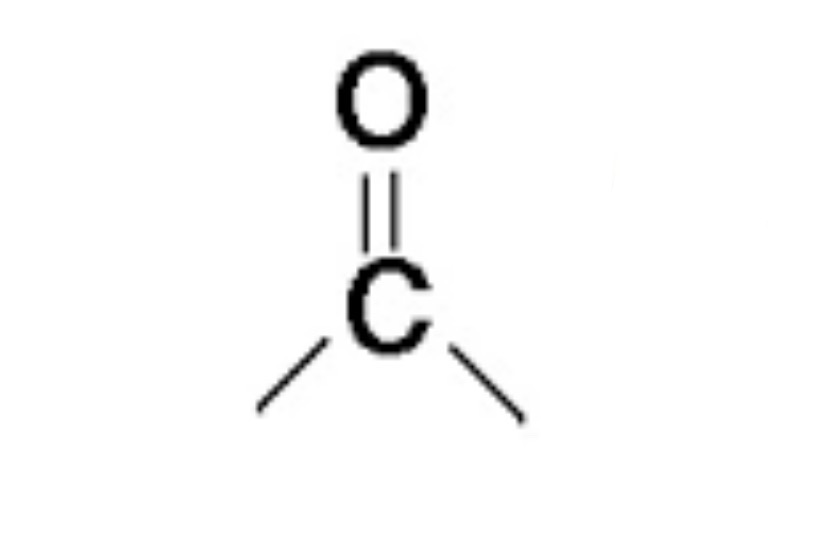
carbonyl, c=o, polar, in carbohydrates

ketone, type of carbonyl, carbonyl is within the carbon chain

aldehyde, type of carbonyl, carbonyl at the end of the carbon chain
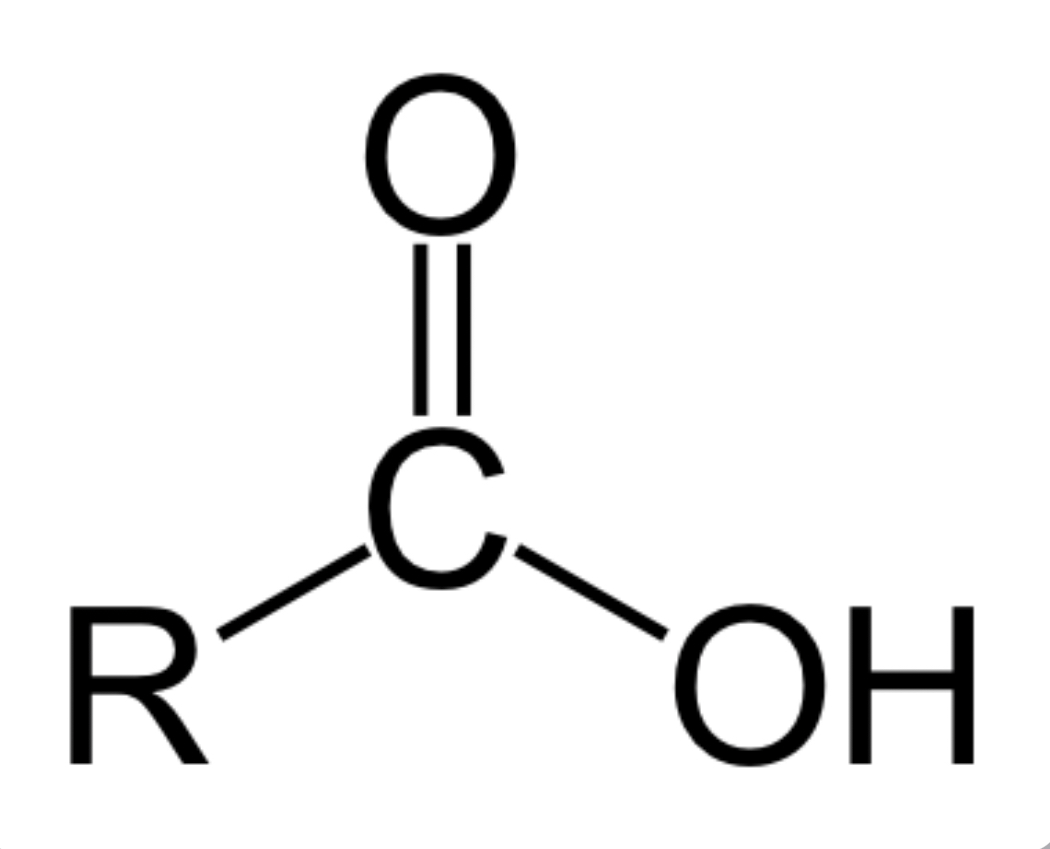
carboxyl, COOH, sometimes donates H+ to become COO-, acidic, hydrophilic, found in amino and fatty acids
acid
molecule that donates H+ ion,
acidic
property that describes
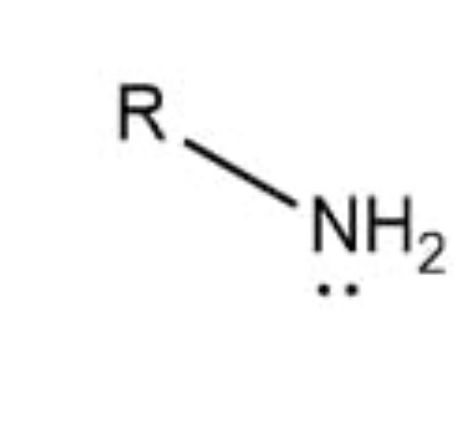
amino, NH2, polar, basic and accepts H+ to be NH3, found in proteins
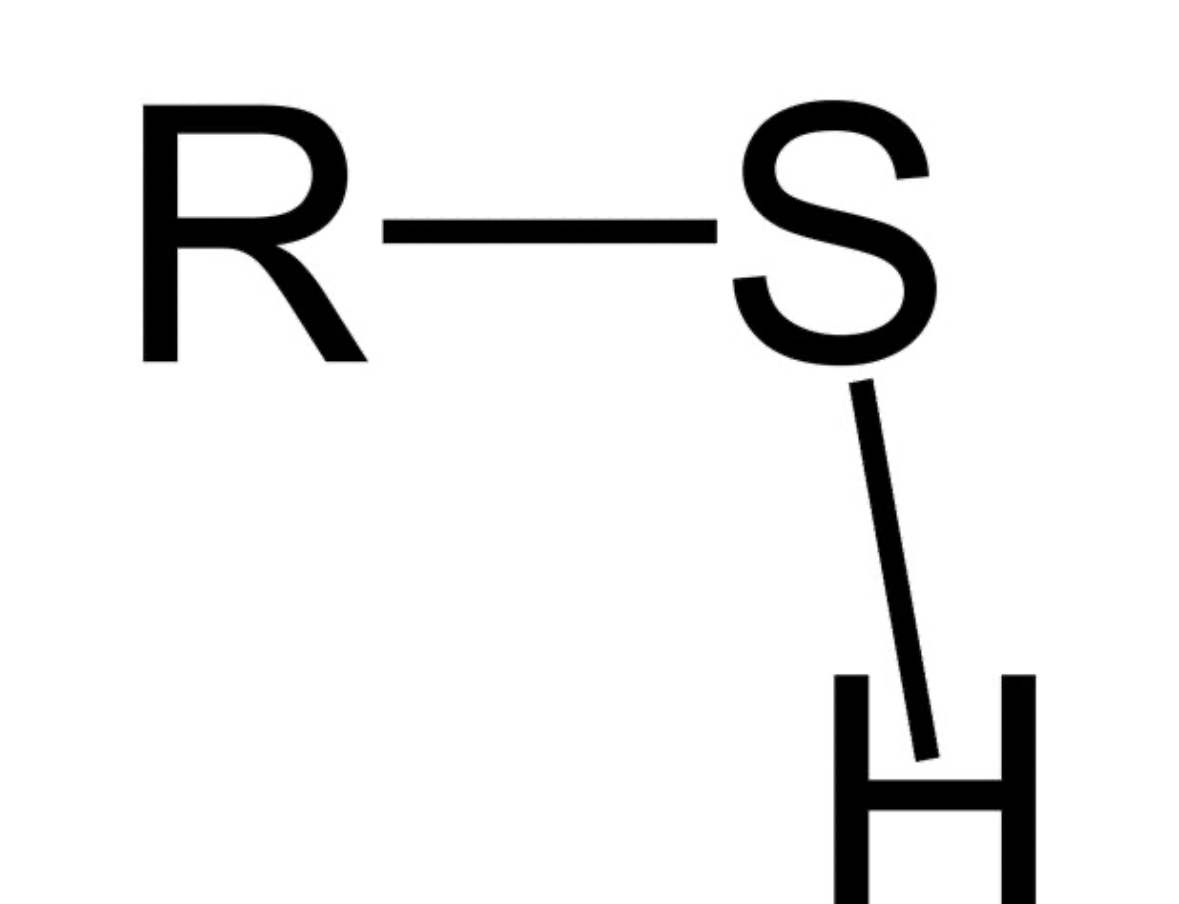
sulfhydryl, -SH, slightly polar, forms disulfide bonds that stabilize the 3D structure of proteins
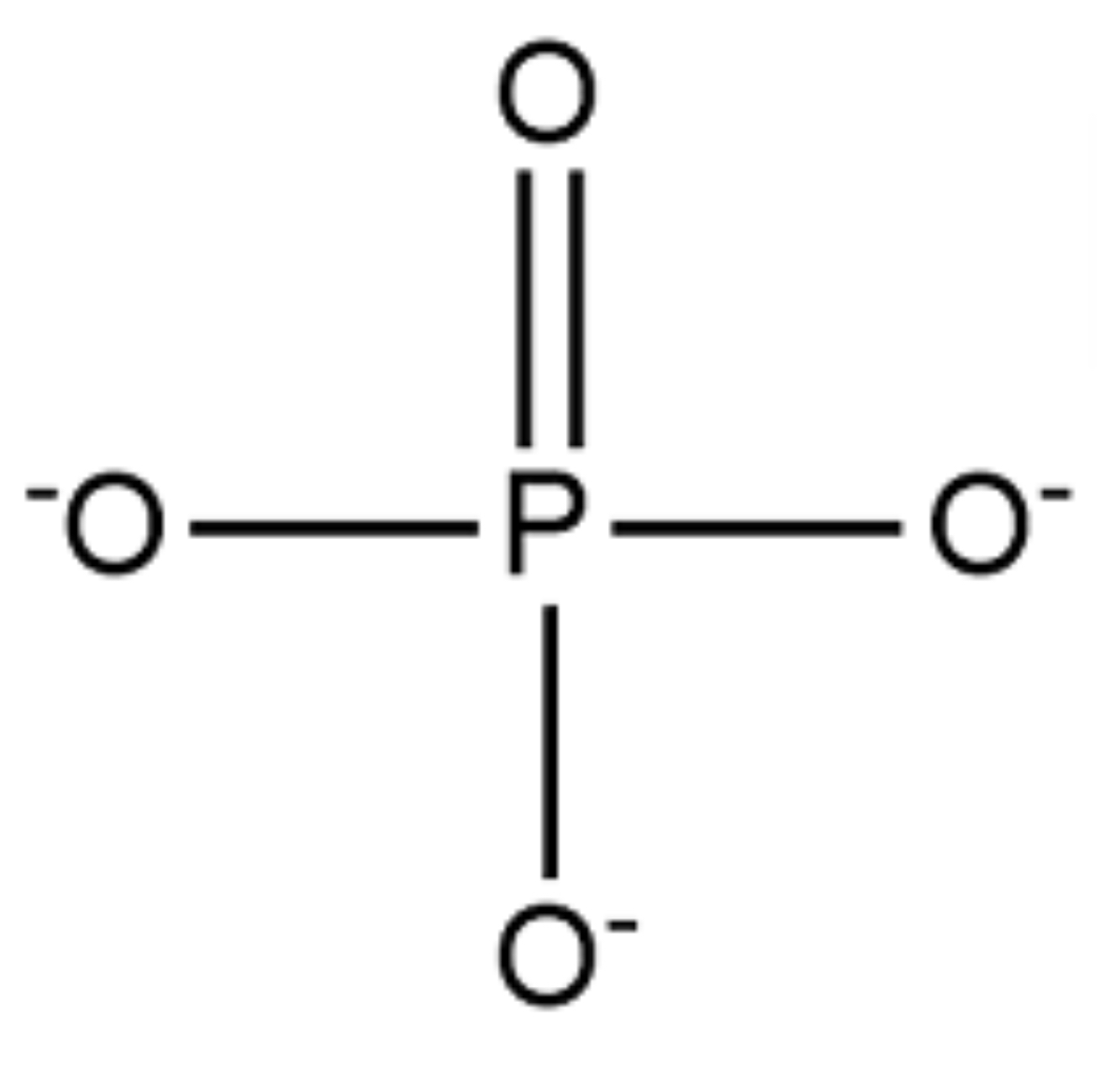
phosphate, very polar, negative charge, found in ATP, DNA backbone, phospholipids,
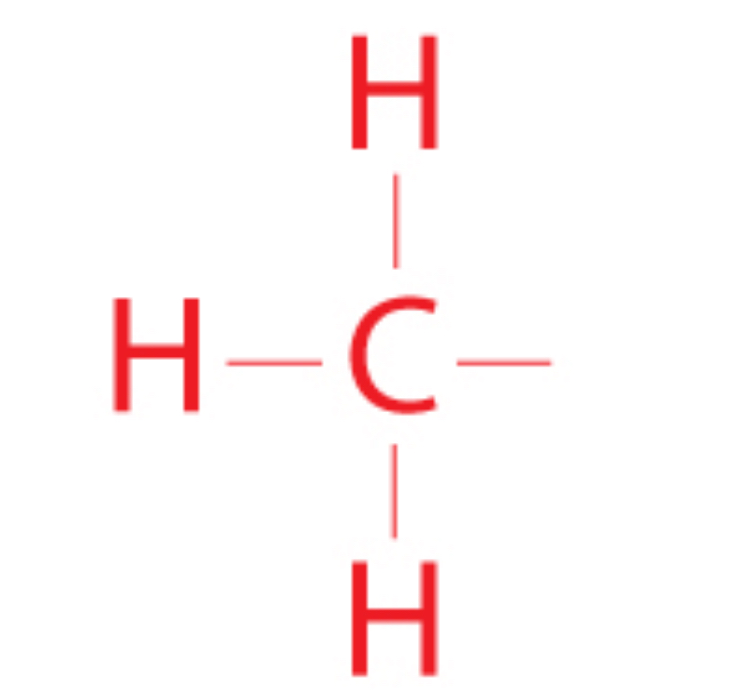
methyl, nonpolar
base
removed H+ ions from solutions and gives a higher Ph
dehydration synthesis
when a chemical reaction releases a water molecule
hydrolysis
covalent bonds between atoms broken by water
isomer
same chemical formula, atoms arranged differently to give it a different structure
why are carbohydrates hydrophilic
the c chain (middle) is bonded to hydroxyl (polar) and carbonyl (polar)
glycosidic bonds
bond between monosaccharides to make complex carbs
why type of reaction joins glucose molecules together
dehydration synthesis
monomer of lipids
there isnt one, the only thing all lipids have in common is theyre hydrophobic
lipids
energy storage, form cell membrane, hydrophobic
triglycerol
glycerol + 3 fatty acids attached, make up saturated fat
glycerol
long chain of carbon with a carboxyl (COOH) group at its end
why are fatty acids (lipids) sometimes partially charged and what does this cause
electrons are constantly moving around so every now and again this creates a temporary charge on the molecule, causes van der waals interactions
van der waals interaction
weak interaction between temporarily charged molecules when they are very close
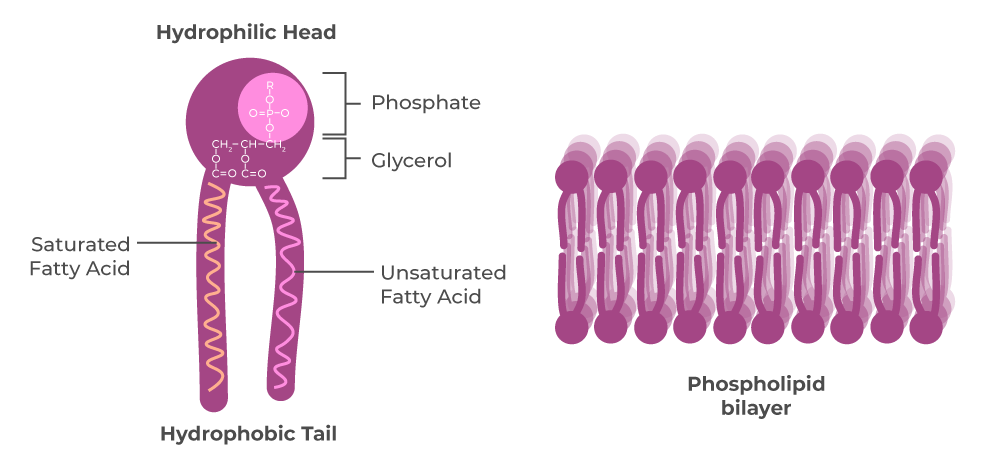
phospholipid
fat molecule with a hydrophilic head and 2 fatty acids tails
nucleotide
building block of DNA
what are the 4 nitrogen bases found in DNA
adenine, thymine, guanine, cytosine
purine (name the 2)
2 ring nitrogen bases (guanine, adenine)
pyrimidines
single ring nitrogen base (cytosine, thymine)
what do all nucleic acids have
nitrogenous base, 5 carbon sugar, phosphate group