TCP Week 7 (Extremity Trauma)
 Call Kai
 Learn
Learn Practice Test
 Spaced Repetition
 Match
Match Flashcards
 Knowt Play
1/79

There's no tags or description
Looks like no tags are added yet.
Name | Mastery | Learn | Test | Matching | Spaced | Call with Kai | Chat |
|---|
No analytics yet
Send a link to your students to track their progress
80 Terms
fracture definition
a disruption in the integrity of living bone, involving injury to bone marrow, the periosteum, and adjacent soft tissues
closed fracture
bone breaks without creating a wound in the skin
open fracture
bone breaks through skin (types I - III)
type 1 open fracture
clean,
type 2 open fracture
>1 cm
clean wound
no major soft tissue damage
type 3 open fracture
>1 cm
significant soft tissue disruption
unstable fracture, fragmentation, high impact injury
intra-articular fracture
fracture extends into the joint space
extra articular fracture
a fracture that does not involve a joint surface but is adjacent to the joint
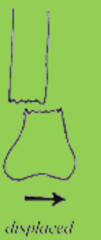
displaced fracture
bone breaks in 2 or more parts, ends move so they do not line up
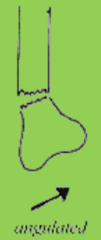
angulated fracture
fracture fragments at angles to each other
transverse fracture
fracture line at right angle to long axis of bone

oblique fracture
fracture line with angle other than right angle

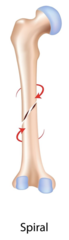
spiral fracture
fracture line encircles bone
comminuted fracture
fracture in more than 2 pieces

non-displaced fracture
bone cracks partly or all the way through, does not move, maintains its alignment
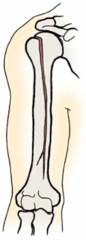
linear fracture
fracture runs parallel to long axis of bone
impacted fracture
collapse of one fragment of bone into another
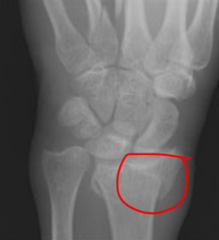
avulsion fracture
occurs when a ligament or tendon pulls fragment of bone away
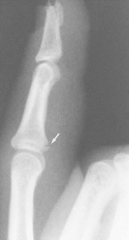
dislocation
complete disruption in normal relationship of articular surfaces of bones comprising a joint
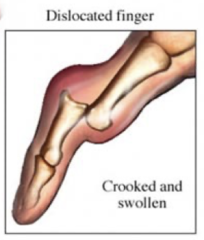
subluxation
incomplete dislocation
segmental fracture
fracture in 2 parts of the same bone
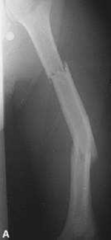
torus/buckle fracture
fracture ends are driven into each other
often seen in kids
*differs from impacted fx: m/c in kids, not a complete break in the bone
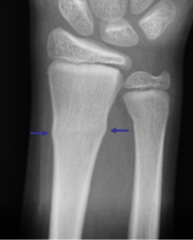
greenstick fracture
incomplete fracture; bone bent
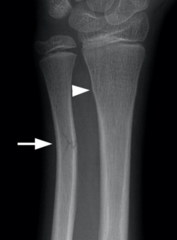
stress fractures occur most commonly occur in
in lower extremity
stress fractures are typically due to? and they are?
repetitive trauma; subtle
stress fracture diagnosis
bone scan or MRI
epiphysis
distal end of bone
physis
growth plate
metaphysis
bone shaft
salter-harris fractures are
growth plate injuries in children
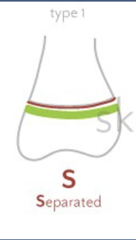
type I salter harris fracture
epiphysis separated from metaphysis
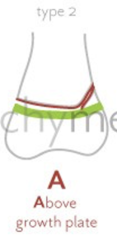
type II salter harris fracture
fracture through physis, oblique fracture of metaphysis
type III salter harris fracture
vertical fracture of epiphysis perpendicular to physis, extending into growth plate
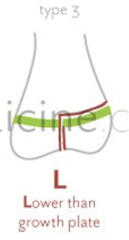
type IV salter harris fracture
vertical splitting of epiphysis, extending through physis and metaphysis
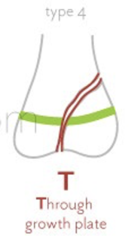
type V salter harris fracture
crush to epiphysis at physis
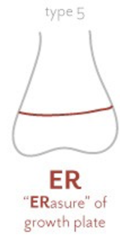
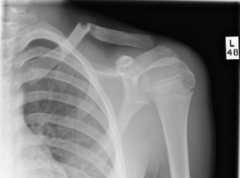
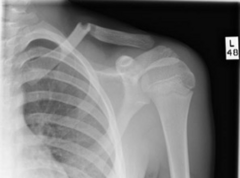
s/sx clavicle fracture
clavicle:
- deformity
- swelling
- tenderness
- crepitus
Tx of clavicle fracture
if open: abx
if closed: sling
orthopedic referral
what is the most commonly dislocated joint?
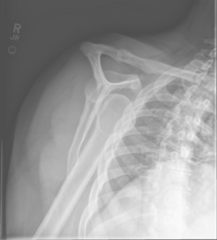
shoulder (anterior dislocation 90% of the time)
PE and diagnosis of shoulder dislocation
PE:
- AC step-off
- ROM
- neurovascular status
Imaging:
- Y-view XR
shoulder dislocation treatment
reduction and immobilization
with ortho f/u
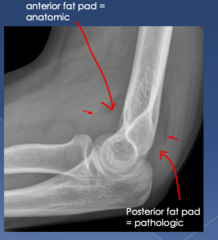
s/sx of radial head fracture
- limited ROM
- pain with pronation and supination
- posterior fat pad (occult fx)
radial head fracture treatment
splint, sling
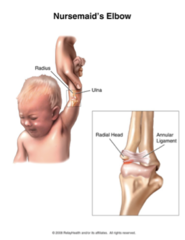
what occurs during nursemaid elbow?
subluxation of the radial head
nursemaids elbow typically effects what ages?
s/sx?
1-3
child will not move arm
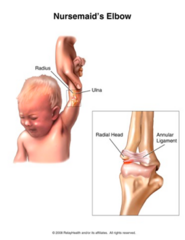
nursemaid elbow treatment
reduction
mechanism of colles' fracture
FOOSH
colles' fracture
transverse fracture of distal radius with dorsal angulation
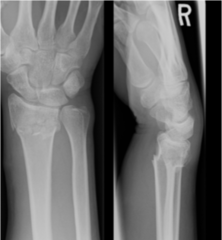
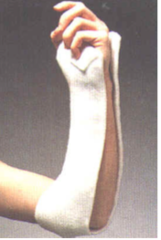
colles' fracture treatment
sugar tong splint
sling
scaphoid fractures are often?
scaphoid fractures carry a high risk for?
missed
avascular necrosis due to poor blood supply
s/sx of scaphoid fracture
snuffbox tenderness
if tender, ask for specific XR of this area
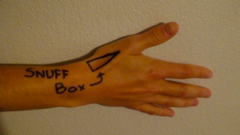
treatment for scaphoid fracture
thumb spica splint, sling
boxer's fracture definition
fracture of the neck of the 5th metacarpal
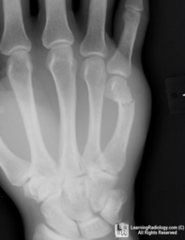
boxer's fracture s/sx and mechanism
hand swelling, tenderness, open wounds
typically after punching
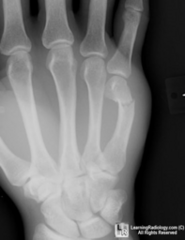
boxer's fracture treatment
- ulnar gutter splint, sling
- antibiotics
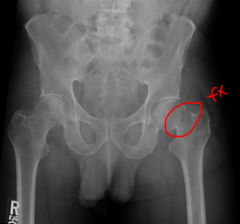
s/sx of hip fracture
- groin pain
- shortening and external rotation
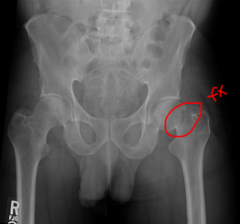
hip fracture treatment
- immobilization
- orthopedic consult
knee sprain: causes and s/sx
- ligament injuries or meniscal tears
- tenderness, joint effusion
diagnosis and treatment for knee sprain
diagnosis: XR to r/o fracture
treatment: immobilization, crutches
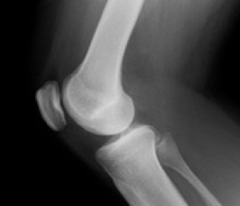
malleolar fractures s/sx
- point tenderness at malleolus
- swelling
- pain with walking
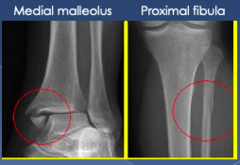
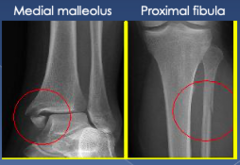
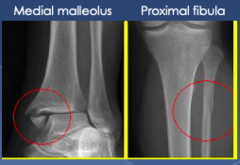
Maisonneuve fracture
proximal fibular fx (near head) as a result of torsional stress
diagnosis and treatment of malleolar fracture
diagnosis
- XR: also EXCLUDE MAISONNEUVE fracture!
- Ottawa ankle rules
treatment:
- posterior splint with stirrup
- crutches
- ortho referral
what is the most commonly affected ligament in ankle sprains
anterior talofibular ligament
mechanism and s/sx of ankle sprains
falling & twisting
s/sx:
- swelling
- ecchymosis
- point tenderness
diagnosis and treatment of ankle sprains
diagnosis: anterior drawer test
treatment: RICE, crutches
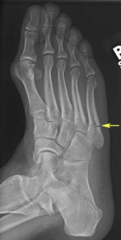
jones fracture
fractured base of 5th metatarsal
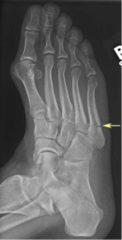
mechanism and s/sx of jones fracture
mechanism: crush or twist
tenderness and swelling
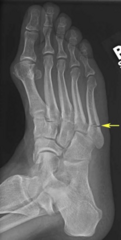
treatment for jones fracture
posterior splint, crutches
history to obtain in evaluating extremity trauma
- MOI
- associated events
- hx of previous fractures
- PMHx, PSHx, social history, occupation, medications, allergies
outline the PE pertinent to the eval of the upper and lower extremity trauma
- Trauma: primary and secondary surveys
- ROM of all joints
- Assess joints above and below injury
- Neurovascular status
- Associated injuries
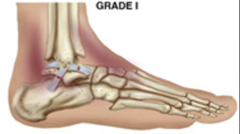
grade I sprain and treatment
- Incomplete tear
- Swelling, ecchymosis
treatment: immobilization
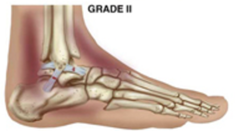
grade II sprain and treatment
- Significant incomplete tear
- Swelling, ecchymosis, LAXITY IN JOINT
treatment: immobilization, orthopedic follow-up
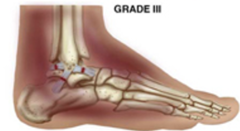
grade III sprain and treatment
- Complete disruption
- Joint unstable
treatment: orthopedic consult for surgical repair
MOI of compartment syndrome
- fractures
- crush injury
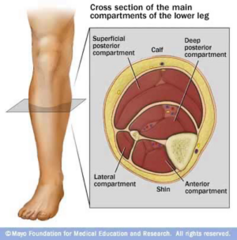
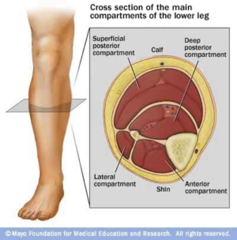
compartment syndrome is m/c where? causes?
lower extremity, 4 compartments. causing:
- swelling
- vascular compression
- neurologic compromise
what are the 6 Ps of compartment syndrome
Pallor: pale, shiny skin
Paralysis: inability to move
Pulselessness: late finding
Pain: out of proportion to exam
Paresthesias: pins and needles
Poikilothermia: different limb temperatures
all distal to the area of injury
diagnosis of compartment syndrome
measure intracompartmental pressure
Level >30 mmHg ABNORMAL
complications of compartment syndrome
loss of function of limb
loss of limb
treatment of compression syndrome
- Immobilize
- Elevate
- Cool
- Remove bandages
- Fasciotomy
ED treatment for sprains and fractures (procedural sedation)
- For reduction, need muscle relaxation and pain control
- IM or IV sedation: meds with rapid onset and short-acting medicines
ED treatment for sprains and fractures (splinting and disposition)
splinting while patient is still sedated
disposition:
- hospital admission for surgery
- discharge with outpatient orthopedic referral