terrestrial biome
 Call Kai
 Learn
Learn Practice Test
 Spaced Repetition
 Match
Match Flashcards
 Knowt Play
1/13

There's no tags or description
Looks like no tags are added yet.
Name | Mastery | Learn | Test | Matching | Spaced | Call with Kai | Chat |
|---|
No analytics yet
Send a link to your students to track their progress
14 Terms
biomes
large scale terrestrial communities, shaped by physical environment, categorized by dominant plant growth forms and characteristics
plants occupy sites for a long time, good indicator of climatic conditions and disturbance
how do plants help describe climatic conditions
taken many forms n response to selection pressures such as aridity, extreme temperatures, intense solar radiation, grazing, crowding
biomes are delineated by growth form, not relatedness
convergence evolution of similar growth forms among distantly related species in response to similar selection pressures
How many biomes are there?
9 biomes divided by annual precipitation and temperature climatic zones
similar assenblages on distant continents, similar responses to climate conditions/ change
complexity arises:
seasonality, extremes
salinity
soil properties/ chemistry
species interactions
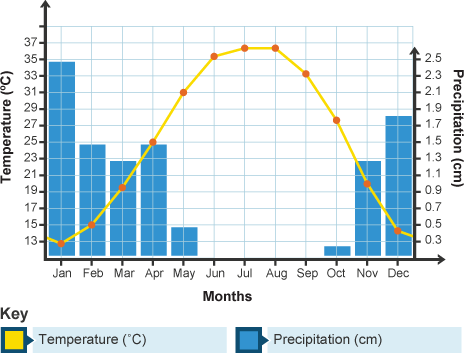
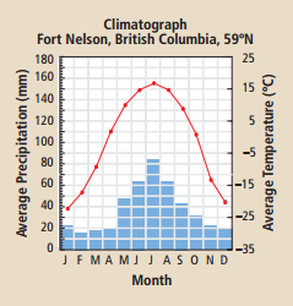
climate diagrams
climate diagrams: graphs of average monthly temperature and precipitation at a location
every 1C corresponds to 2mm of precipitation
more water loss occurs at higher temps so you need more precipitation
also show below 0C


tropical biomes
temperature is warm and constant
precipitation exceed 2000mm/ yr
may have wet/ dry seasonality
biotic interactions important
50% of earths species, 37% of earth’s carbon. 11% of terrestrial surface
nutrient poor soils
diverse plant life forms: emergent trees, canopy trees, lianas, epiphytes, understory
adaptations: butresses, waxy leaves with drip tip


tropical seasonal forests and savannas
annual temps warm and constant
precip seasonal
shorter fewer trees more grasses/ shrubs
tropical dry forests, thorn woodlands, tropical savannas
recurrent fires, large herbivores africa), floodplains inluence grass dominance
deforestation
adaptations: drought decidious, ant acacia mutualism
desserts
high temperatures, low water availability
correspond wth high pressure zones of hadley cells
can be fairly diverse
humans have used deserts for grazing desertification and salinization
adaptations:
succulence
drought decidious
short annual life history

temperate grass lands
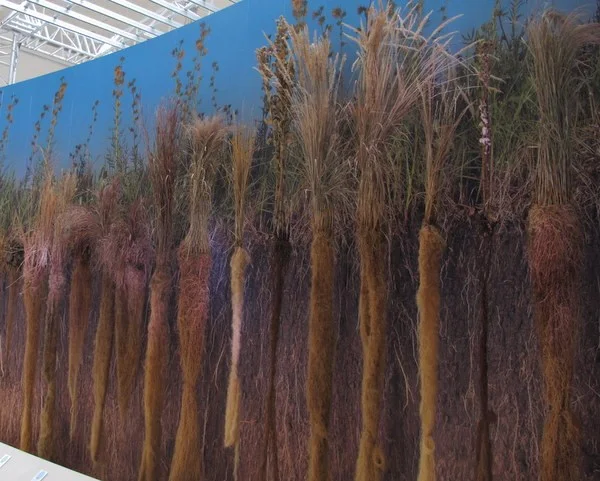
grass dominated landscapes
seasonal temp variation and periods of subfreezing
similar climate as deciduous forest, but less rainfall
fire and grazing maintain grassland
rich organic soil
many converted to agricultural land
tall grass prairie 5% remaining
desertification, salinization
adaptation
high rot:shoot ratio
basal meristems

temperate shrublands and woodlands
open canopy, short trees
hot/ dry summers/ cool wet winters
medditerranean climate or rain shadow effects
nutrient poor soils
fire (30-40 year interval)
adaptations evergreen leaves, sclerophyllous leaves
cheatgrass problem especially for fires


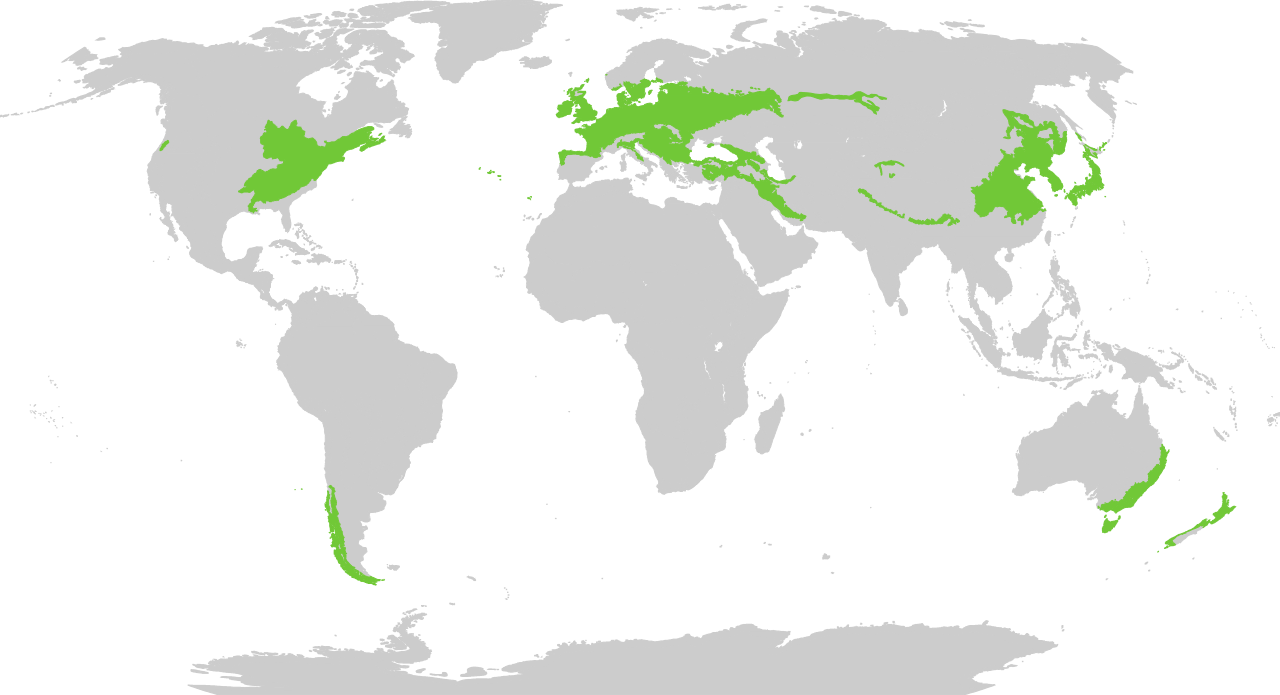
temperate deciduous forests
moist fertile, freeze in winter
oaks, maples, beech
verticle structure
agriculture, very little old growth remains
adaptations
deciduous leaves, deal with freezing
northern hardwoods
southern hardwoods
bottomland hardwood
bald cypress swamps
southern mixed mesophytic
temperate evergreen forest
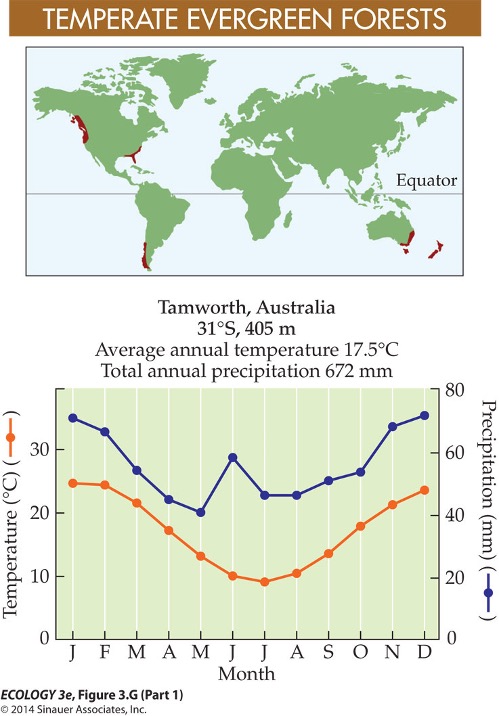
high range of precipitation (50-400 cm)
includes the temperate rainforests (OR, WA), coastal forests (CA), fire maintained pine flatwoods (LA)
leaves acidic and nutrient poor
douglas fir, pines, junipers, eucalyptus, podocarpus, monkey puzzle tree
important fro wood paper production extensively cleared little oldgrowth remains
adaptations
needle-leaved trees (year long growing season, low nutrients)

boreal forest (taiga)
continuous subfreezing temperature for many months
only in N hemisphere, 1/3 of earth’s forested land
permafrost: subsurface soil layer that impedes water drainage
cold and wet soil, slow decomposition, large carbon stores
fire
spruces, pines, larches, birches
adaptations
conifers have vascular tissu better for thawing and freezing,

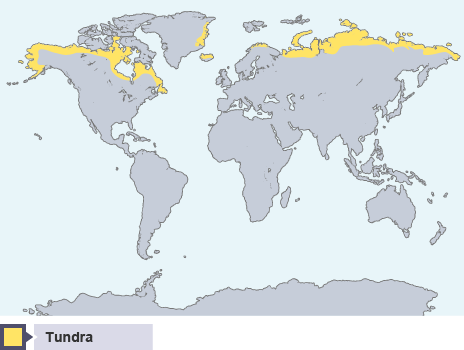
tundra
very low growing season temps, low precipitation, short growing season
wet soils, permafrost
sedes, forbs, grasses, low growing shrubs, lichen, moss
adaptations
low growing, out of wind microclimate
rough leaves
what happens with biological communites on mountains?
resemble the biomes that form along latitudinal gradient
alpine zone, subalpine zone, montane zone, lower montane zone
