BIOS242 Exam 2 Review Flashcards
 Call Kai
 Learn
Learn Practice Test
 Spaced Repetition
 Match
Match Flashcards
 Knowt Play
1/110

There's no tags or description
Looks like no tags are added yet.
Name | Mastery | Learn | Test | Matching | Spaced | Call with Kai | Chat |
|---|
No analytics yet
Send a link to your students to track their progress
111 Terms
Heterotrophs
Obtain carbon from organic molecules (protein, nucleic acids, carbohydrates, lipids)
Autotrophs
Obtain carbon from inorganic molecules (CO2)
Photoautotroph
Organisms that obtain energy from sunlight and carbon from carbon dioxide, converting light energy into chemical energy through photosynthesis.
Chemoautotroph
Organisms that obtain energy by oxidizing inorganic substances and use carbon dioxide as their carbon source.
Photoheterotroph
Organisms that obtain energy from light and carbon from organic compounds, combining photosynthesis with heterotrophic nutrition.
Chemoheterotroph
Organisms that obtain energy and carbon by consuming organic compounds, relying on organic sources for both energy and carbon.
Photo Autotroph Energy Source and Example
Energy Source: Sunlight
Example: Photosynthetic organisms, such as algae, plants, and most cyanobacteria
Chemoautotroph: Chemoorganic Autotroph Energy Source and Example
Energy Source: Organic compounds
Example: Methanogens, sulfur bacteria, and nitrifying bacteria
Chemoautotroph: Chemolithoautotrophs Energy Source and Example
Energy Source: Inorganic compounds (minerals)
Example: Thiobacillus (rock-eating bacteria), hydrogen, sulfur, and iron-oxidizing bacteria.
Photoheterotroph Energy Source and Example
Energy Source: Sunlight
Example: Non-sulfur purple bacteria and green non-sulfur bacteria
Chemoheterotroph: Saprobe Energy Source and Example
Energy Source: Organic matter
Example: Fungi and decomposing bacteria.
Chemoheterotroph: Parasite Energy Source and Example
Energy Source: Organic matter from a host
Example: Various parasites and pathogens, can be bacteria, fungi, protozoa, and animals
Saprobes
Organisms that obtain nutrients by absorbing organic matter from dead or decaying material. Examples include fungi and certain bacteria.
Parasites
Organisms that live on or in a host organism, deriving nutrients at the host's expense. They can cause diseases in the host.
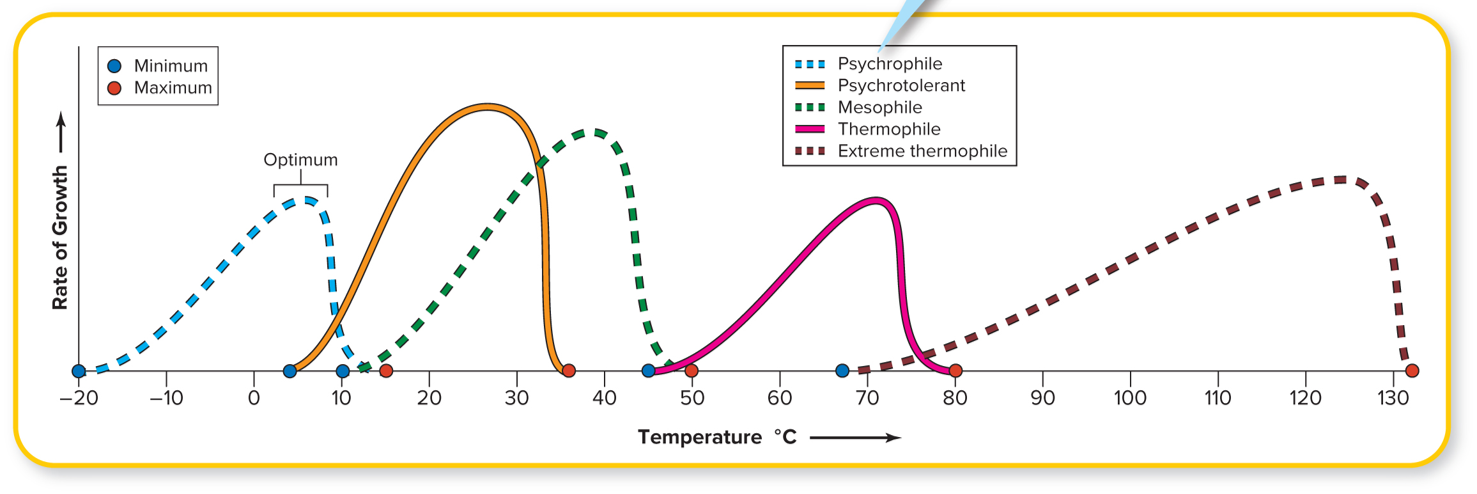
Psychrophile
Microorganisms that thrive at low temperatures, typically between 0°C and 20°C. They are often found in polar regions and deep ocean environments.
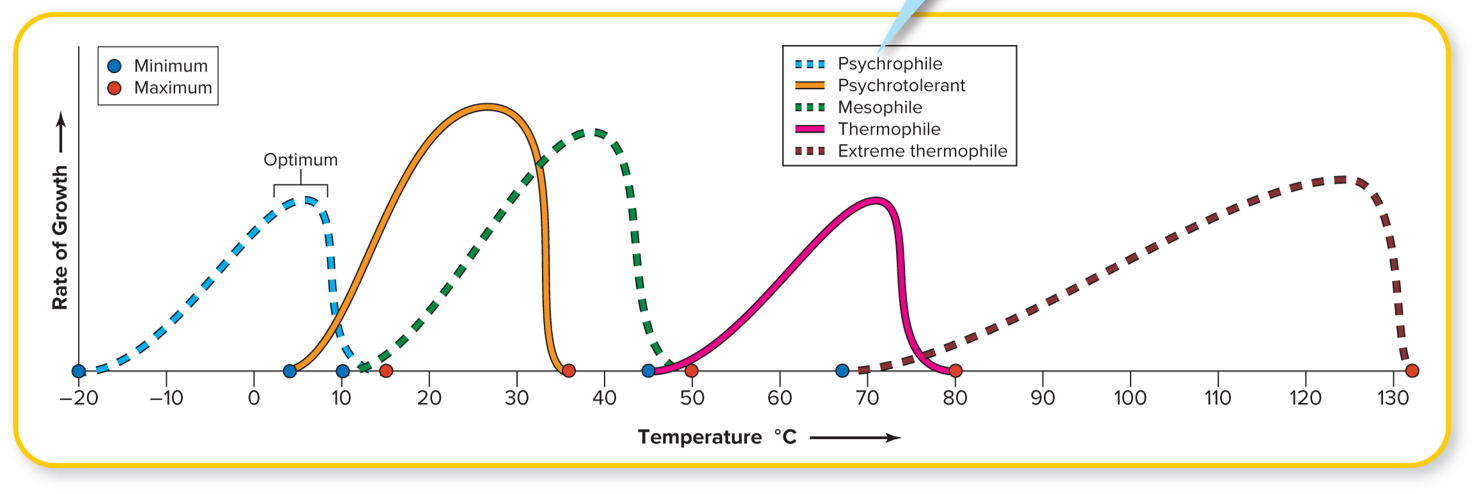
Psychrotolerant
Microorganisms that can grow at low temperatures but have optimal growth at higher temperatures, typically between 20°C and 35°C. They can be found in various environments, including soil and refrigerated foods.
Mesophile
Microorganisms that thrive at moderate temperatures, typically between 20°C and 45°C. They are commonly found in soil, human body, and many natural environments.

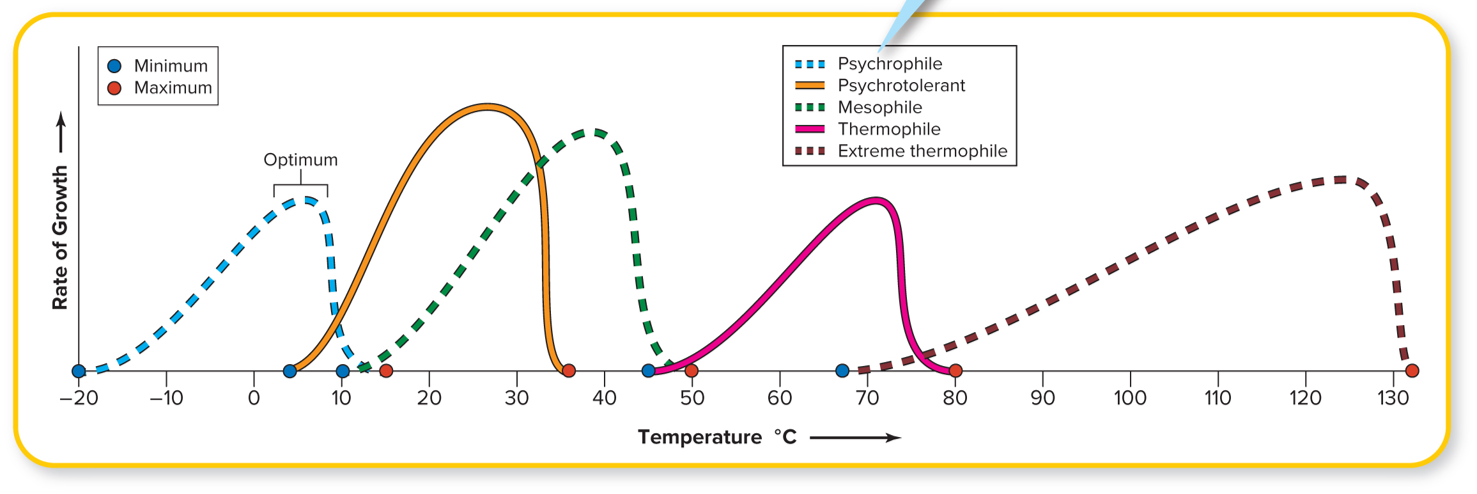
Thermophile
Microorganisms that thrive at high temperatures, typically between 45°C and 80°C. They are often found in hot springs, compost heaps, and hydrothermal vents.
Extreme Thermophile
Microorganisms that thrive at very high temperatures, typically above 80°C, often found in extreme environments like geothermal vents and hot springs.

Obligate Aerobe
Microorganisms that require oxygen for survival, as they rely on aerobic respiration to produce energy. They are often found in environments with adequate oxygen, such as soil and water.
Facultative anaerobe
Microorganisms that can survive with or without oxygen, utilizing aerobic respiration when oxygen is available and switching to anaerobic processes when it is not. They are often found in diverse environments, such as the intestines of animals and in soil.
Aerotolerant Anaerobe
Microorganisms that do not require oxygen for growth but can tolerate its presence. They primarily carry out fermentation to produce energy, regardless of oxygen availability.
Obligate Anaerobe
Microorganisms that cannot survive in the presence of oxygen, relying solely on anaerobic processes for energy production. They are often found in environments devoid of oxygen, such as deep sediments and the intestines of certain animals.
Microaerophile
Microorganisms that require low levels of oxygen for growth and are inhibited by higher concentrations. They typically thrive in environments such as the human stomach or other specific niches.
Acidophiles
Microorganisms that thrive in highly acidic environments, with optimal growth at pH levels below 3. They can be found in places like acid mine drainage and sulfuric hot springs.
Alkalinophiles
Microorganisms that thrive in highly alkaline environments with optimal growth at pH levels above 9. They can be found in soda lakes and alkaline soils.
Neutrophile
Microorganisms that thrive at neutral pH levels, typically around 6 to 8. They are commonly found in a variety of environments, including soil and the human body.
Halophiles
Microorganisms that thrive in highly saline environments, such as salt lakes and salt mines, with optimal growth in conditions of high salt concentration.
Barophiles
Microorganisms that thrive under extreme pressure conditions, typically found in deep-sea environments. They have adapted to survive in high-pressure habitats, often deep in the ocean.
Lag Phase
The initial phase of bacterial growth where cells adapt to their environment, resulting in little to no increase in population size as they prepare for subsequent growth stages.
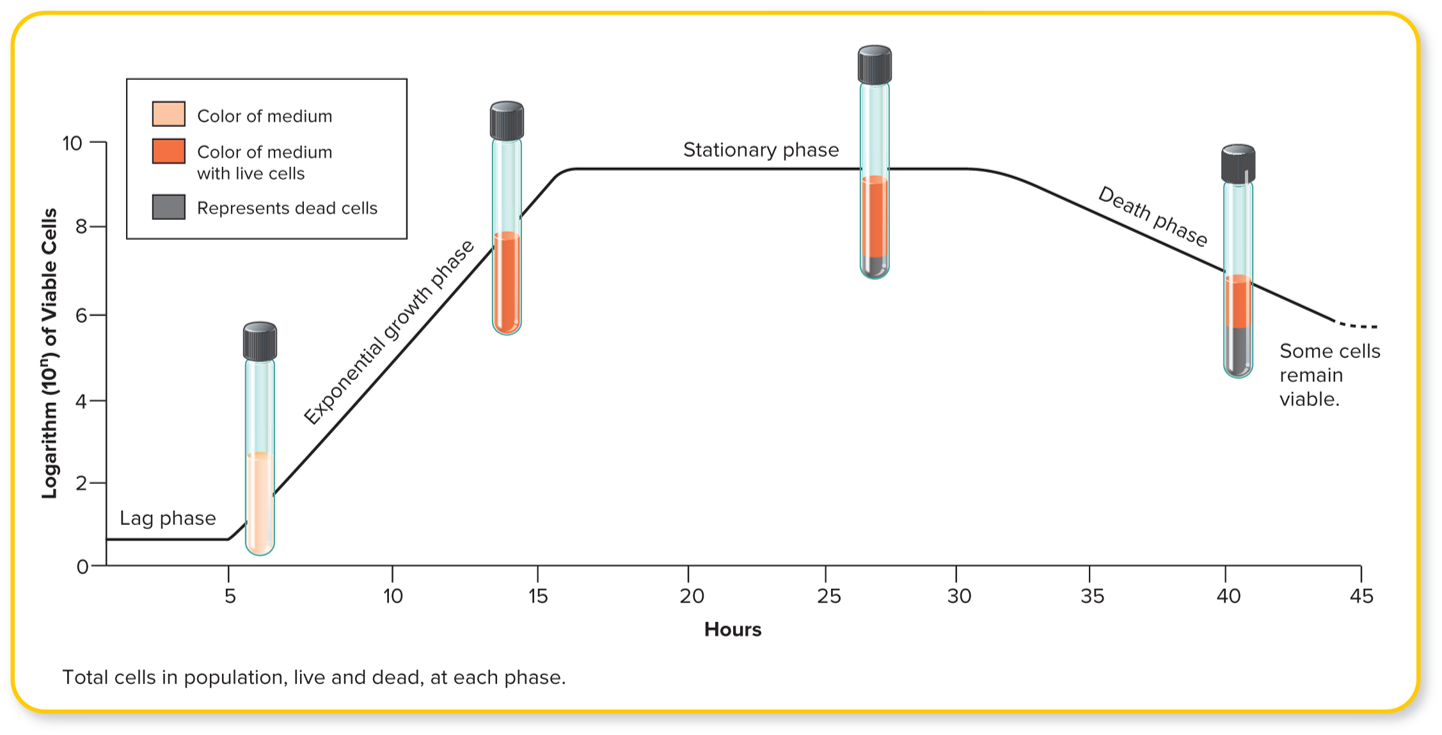
Exponential Growth Phase
The phase of bacterial growth characterized by rapid cell division and population increase, typically following the lag phase. During this stage, cells multiply at an exponential rate, leading to a significant rise in population size.

Stationary Phase
The stage of bacterial growth where the rate of cell division equals the rate of cell death, resulting in a plateau in population size. This often occurs when nutrients become limited or waste products accumulate.
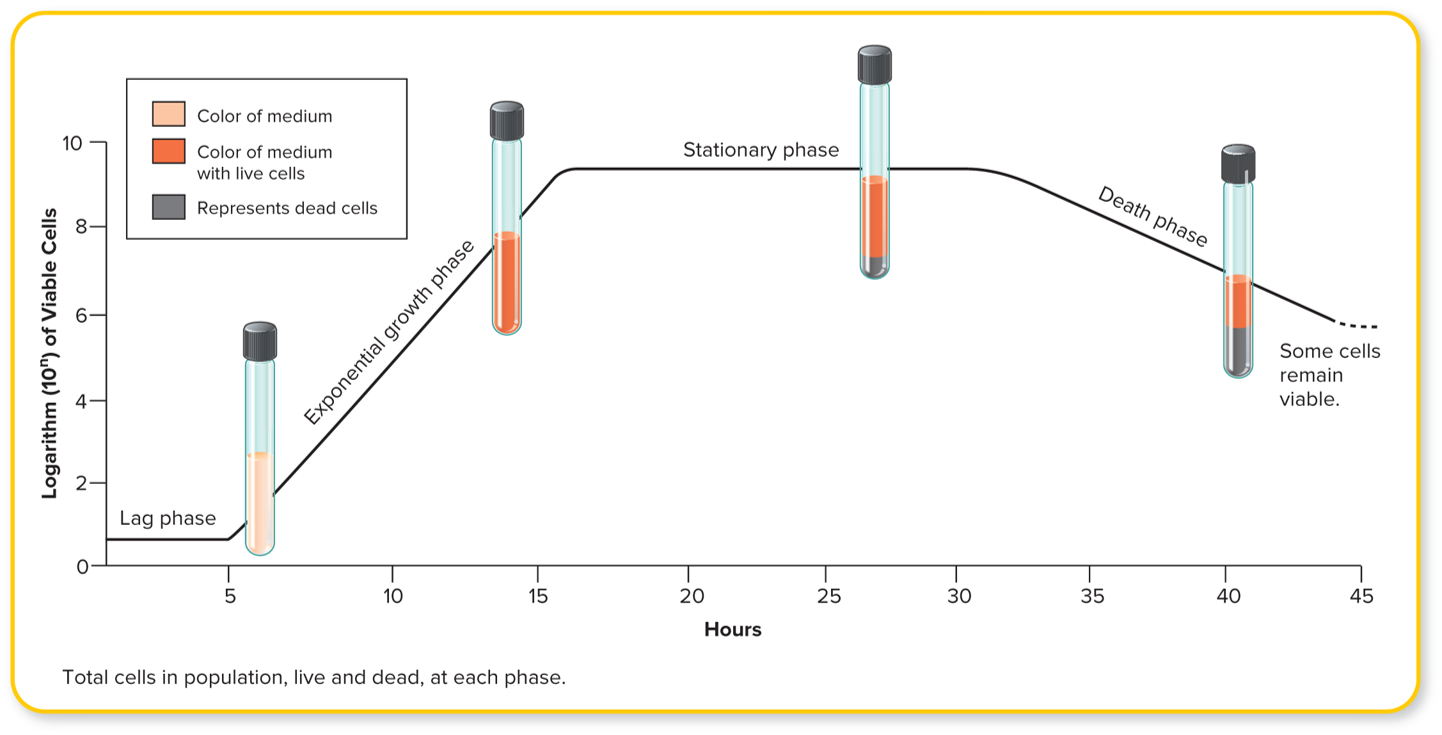
Death Phase
The final stage of bacterial growth where the rate of cell death exceeds the rate of cell division, leading to a decline in population size. This phase typically occurs due to nutrient depletion and accumulation of toxic waste products.

Metabolism
The set of life-sustaining chemical reactions in organisms that convert food into energy and building blocks for growth, involving catabolic and anabolic processes.
Anabolism
The process in metabolism that involves the synthesis of complex molecules from simpler ones, which requires energy. Crucial for growth, repair, and maintenance of cells.
THINK: Anabolic Steroids
Catabolism
The metabolic process that breaks down complex molecules into simpler ones, releasing energy in the form of ATP. This process is essential for fueling cellular activities and maintaining energy balance.
THINK: Cat ripping up a toy
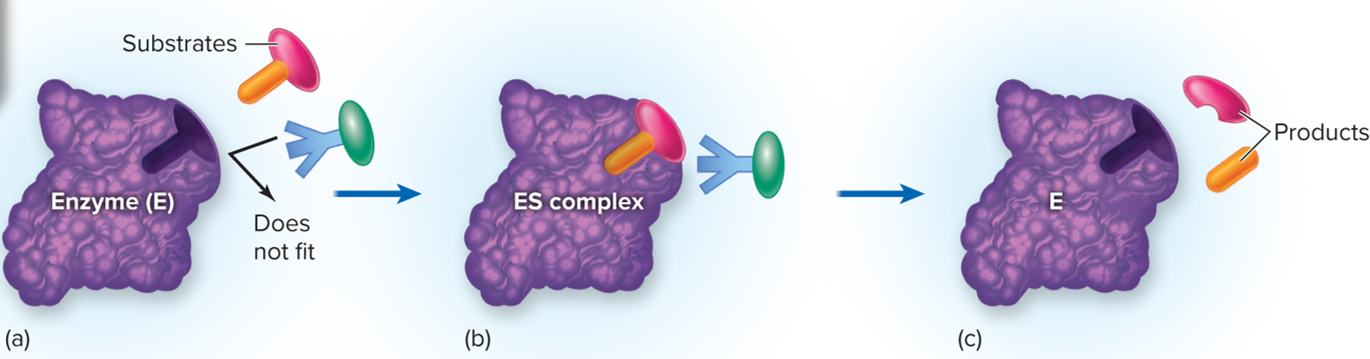
Substrates
The specific reactants that enzymes act upon during biochemical reactions, playing a key role in metabolic processes.
Active Sites
Regions on enzymes where substrates bind and undergo a chemical reaction, facilitating catalysis.
Enzyme-Substrate Interactions
The specific binding and reaction processes that occur between an enzyme and its substrate, allowing for the conversion of substrates into products during biochemical reactions.
Exoenzymes
Enzymes that are secreted by cells to catalyze reactions outside the cell, often involved in the breakdown of large molecules.

Endoenzymes
Enzymes that function within a cell and are involved in metabolic processes and catalyze reactions inside the cellular environment.

Competitive Inhibition
A form of enzyme inhibition where a substance competes with the substrate for binding to the active site of the enzyme, thereby preventing the reaction from occurring.

Noncompetitive Inhibition
A form of enzyme inhibition where a substance binds to an enzyme at a site other than the active site, changing the enzyme's shape and reducing its activity regardless of substrate concentration.

Glycolysis
The metabolic pathway that converts glucose into pyruvate, producing ATP and NADH in the process. It occurs in the cytoplasm and is the first step of cellular respiration.

Aerobic Respiration
A biological process that uses oxygen to convert glucose into ATP, carbon dioxide, and water. It involves glycolysis, the Krebs cycle, and the electron transport chain.

Anaerobic Respiration
A metabolic process that generates ATP without the use of oxygen, typically resulting in the production of lactic acid or ethanol and carbon dioxide. It occurs in environments where oxygen is limited.

Fermentation
A metabolic process that allows cells to produce ATP in the absence of oxygen. It converts sugars into acids, gases, or alcohol and is typically seen in yeast and some bacteria.

Kreb’s Cycle
A series of reactions in cellular respiration that takes place in the mitochondria. It produces energy carriers, such as NADH and FADH2, and generates carbon dioxide as a byproduct.
Catabolism of glucose, proteins, and fatty acids produce substrates for the Krebs cycle

Catabolism of Glucose Location in Eukaryotes
Glycolysis: Cytosol
Krebs Cycle: Mitochondrial Matrix
Electron Transport: Mitochondrial Inner Membrane
Catabolism of Glucose Location in Prokaryotes
Glycolysis: Cytoplasm/Cytosol
Krebs Cycle: Cytoplasm/Cytosol
Electron Transport: Cytoplasmic/Plasma Membrane
Amphibolism
The metabolic process that enables the interconversion of anabolic and catabolic pathways, allowing for the synthesis and breakdown of organic molecules depending on the cell's needs.
A given molecule can serve multiple purposes to derive maximum benefit from all nutrients and metabolites
Catabolic and anabolic pathways are integrated to improve cell efficiency

Pyruvate as a precursor
Provides intermediates for amino acids

Acetyl CoA as a precursor
Involve in synthesis and break down of fatty acids

Decontamination
The process of removing, reducing, or neutralizing harmful substances from an area or object, ensuring safety and hygiene. It involves cleaning and disinfecting surfaces to prevent contamination.
Sterilization
A process that eliminates or destroys all forms of microbial life, including spores, typically achieved through methods such as autoclaving, chemical sterilants, or radiation.
Antisepsis
The process of applying antiseptic agents to living tissues to reduce the possibility of infection, sepsis, or decay. It prevents the growth of pathogenic microorganisms on the skin and mucous membranes.
Disinfection
The process of eliminating or reducing harmful microorganisms from surfaces or objects, typically through the use of chemicals, heat, or other methods, to prevent infection or contamination.
Microbial Control Methods: Physical agents
Include heat, radiation, and filtration that are used to eliminate or reduce microbial populations, ensuring safety in various environments.

Microbial Control Methods: Chemical agents
These include a variety of chemicals used to kill or inhibit the growth of microorganisms on surfaces, skin, and in other environments, helping to prevent infection and contamination.

Microbial Control Methods: Mechanical removal methods
Methods that physically remove microorganisms from surfaces and environments, commonly including cleaning and washing techniques to disrupt biofilms and reduce contamination.

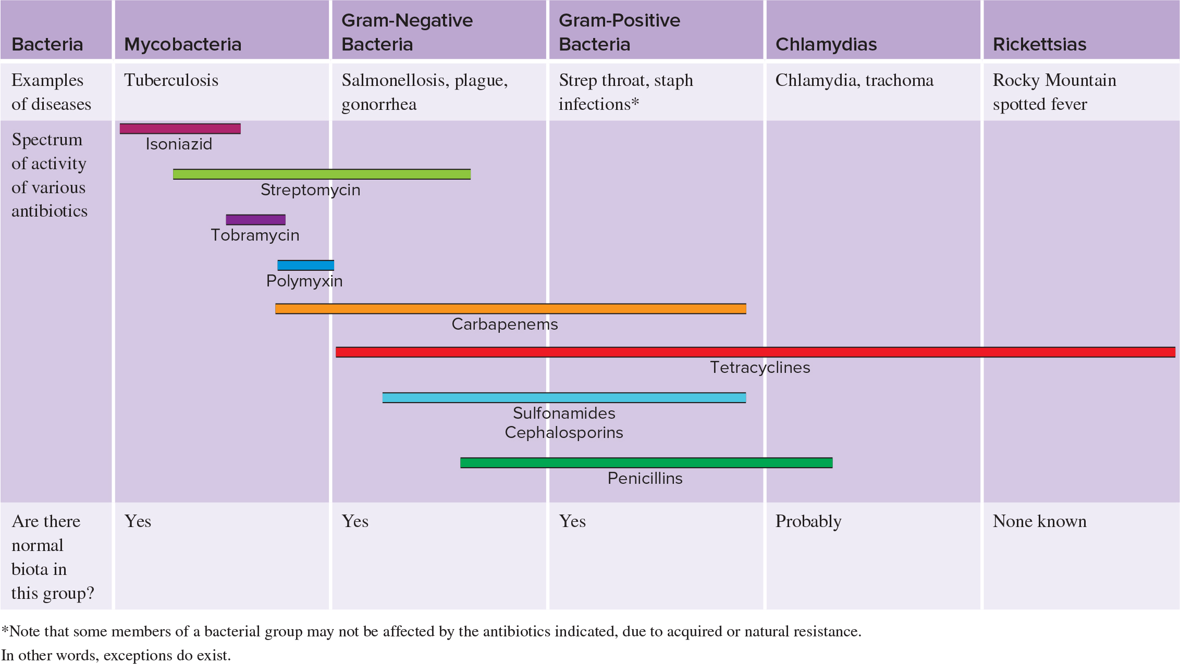
Narrow-spectrum antibiotics and examples
Medications that specifically target a limited range of bacteria, minimizing effects on normal flora. Examples include penicillin and azithromycin.

Broad-spectrum antibiotics and examples
Medications that can affect a wide variety of bacteria, including both Gram-positive and Gram-negative types. Examples include tetracycline and chloramphenicol.
Protein Synthesis Inhibitors
A class of antibiotics that interfere with the process of translating messenger RNA into proteins, thereby preventing the bacteria from producing essential proteins. Examples include streptomycin and erythromycin.
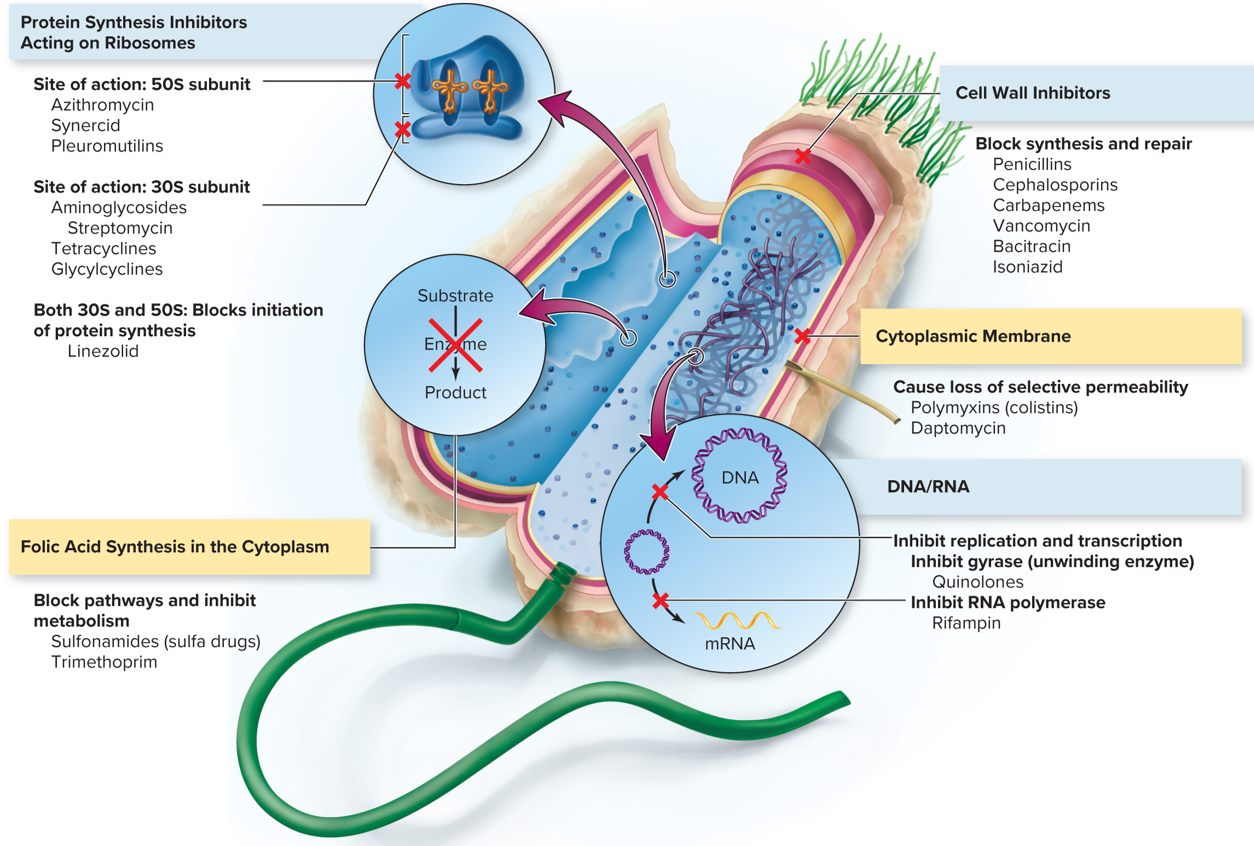
Folic Acid Synthesis Inhibitors
A class of antibiotics that disrupt the bacterial synthesis of folic acid, which is crucial for DNA and RNA synthesis. Examples include sulfonamides and trimethoprim.
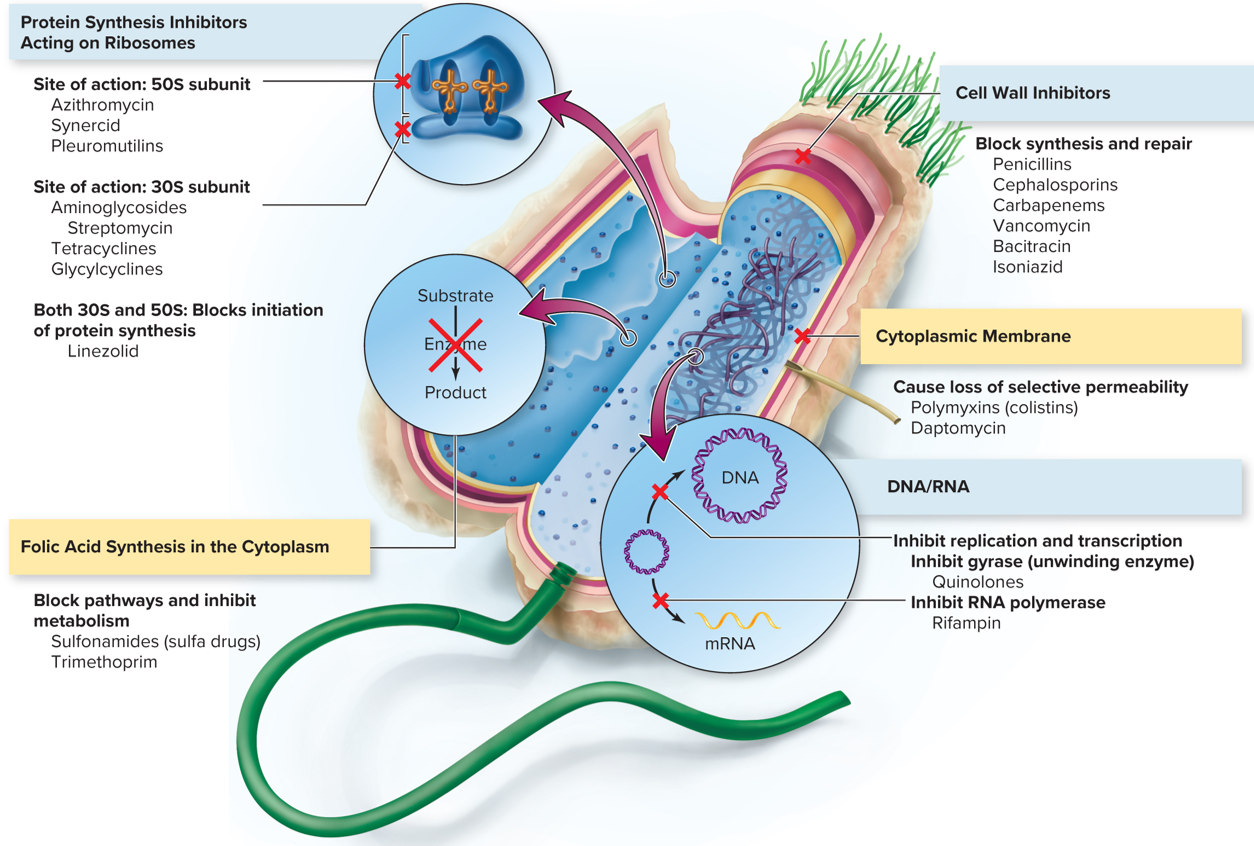
Cell Wall Inhibitors
A class of antibiotics that block the synthesis of bacterial cell walls, leading to cell lysis and death. Examples include penicillin and cephalosporins.
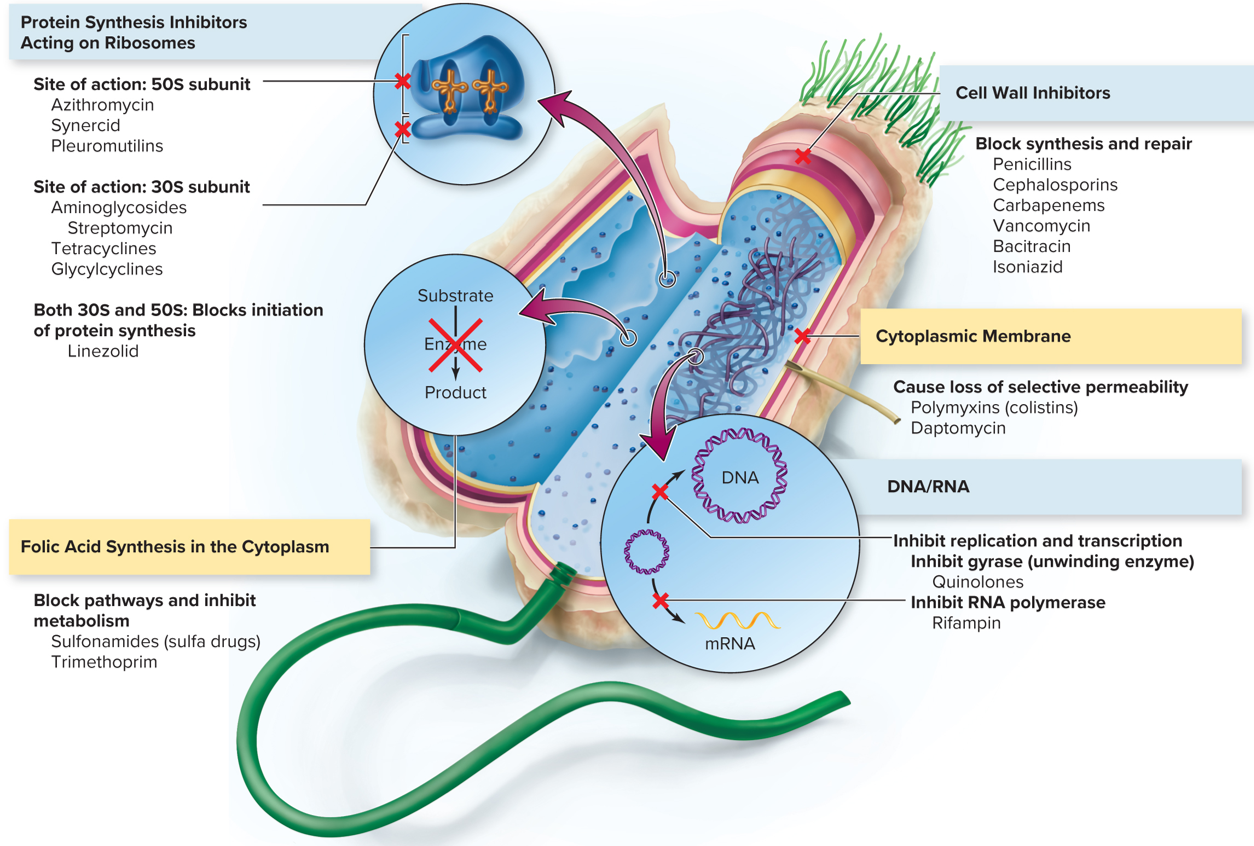
Cytoplasmic Membrane Inhibitors
A class of antibiotics that disrupt the integrity and function of the bacterial cytoplasmic membrane, leading to loss of essential cellular contents and eventual cell death. Examples include polymyxins and daptomycin.
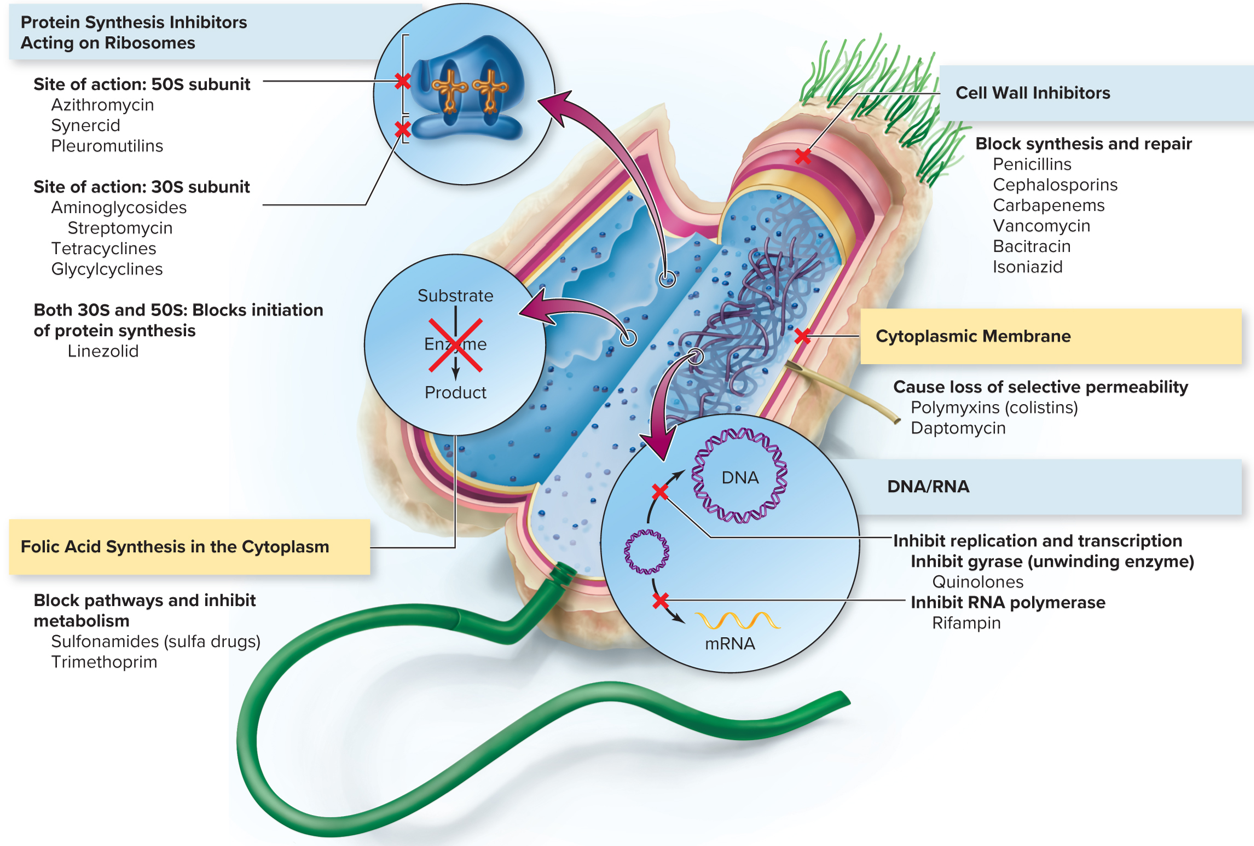
DNA/RNA Inhibitors
A class of antibiotics that inhibit the synthesis of bacterial DNA and RNA, disrupting replication and transcription processes. Examples include quinolones and rifamycin.
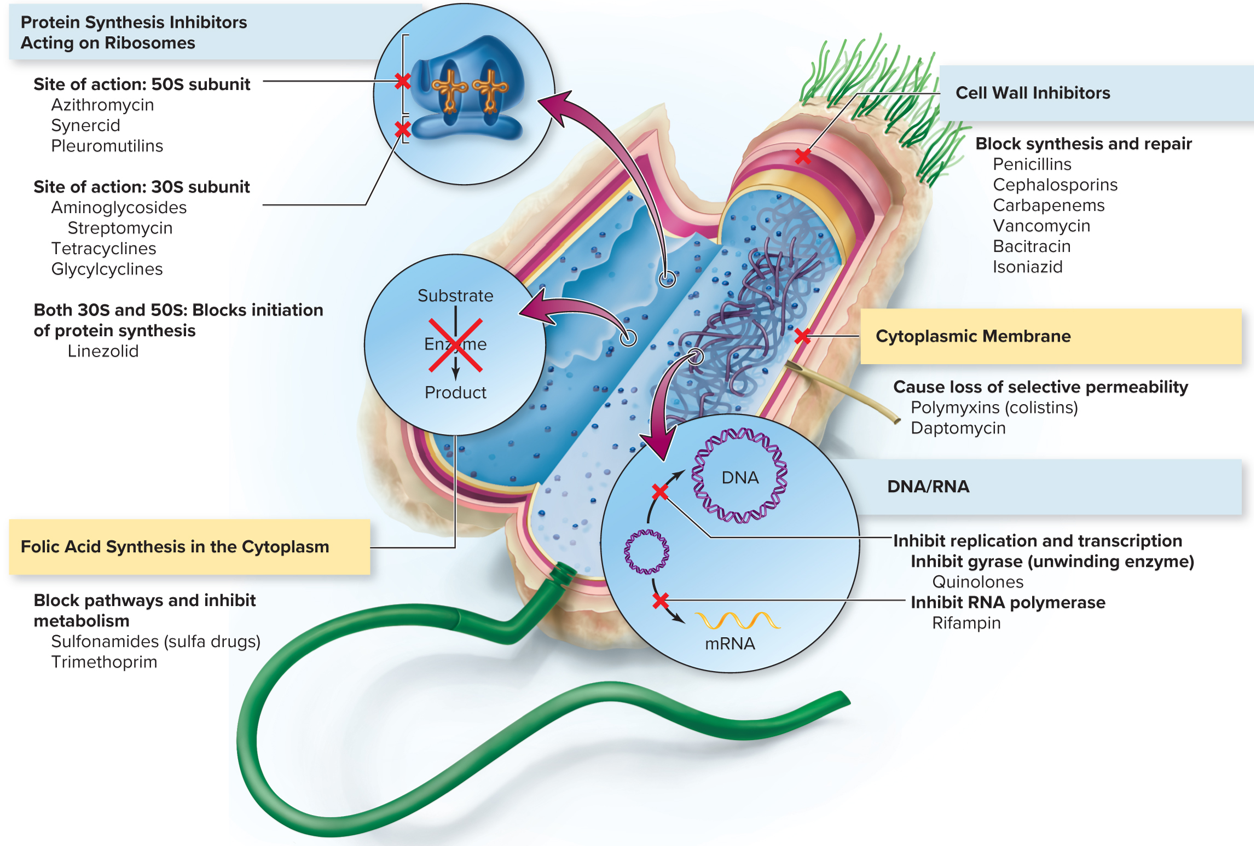
Spontaneous Mutations
Sudden changes in the DNA sequence that occur without any external influence. These mutations can arise from errors in DNA replication or repair.
Minimal chance that the mutation will be advantageous
Smaller chance that the mutation will confer drug resistance
Large microbial populations and constant rate of mutation ensures that such mutations do occur
Horizontal Gene Transfer
The process by which bacteria exchange genetic material with one another, allowing for the rapid spread of traits such as antibiotic resistance. This can occur via transformation, transduction, or conjugation.
Resistance (R) Factors
Plasmids transferred through conjugation, transformation, or transduction
Transposable Drug Resistance Sequences (Transposons)
Duplicated and inserted from one plasmid to another or from the plasmid to the chromosome
Penicillin
A type of antibiotic derived from the Penicillium mold, effective against certain bacterial infections by inhibiting cell wall synthesis.
Can be obtained naturally or synthesized in the laboratory
Consist of three parts:
Thiazolidine ring
β-Lactam ring
Variable side chain
The enzyme β-Lactamase produced by some bacteria can break the β-Lactam ring and inactivate the drug
How Antibiotic Resistance Happens
Occurs when bacteria evolve mechanisms to resist the effects of drugs that once killed them or inhibited their growth. This can happen through mutations, acquiring resistance genes from other bacteria, or through selective pressure from the overuse or misuse of antibiotics.

How Humans Contribute to Antimicrobial Resistance
Humans contribute to antimicrobial resistance through practices such as overprescribing antibiotics, failing to complete prescribed courses, and the use of antibiotics in livestock for growth promotion. These actions increase the selective pressure on bacteria to develop resistance.
Use of antibiotics in healthy livestock
Not finishing antibiotic courses
Treating viruses with antibiotics have all led to increased antibiotic resistance
Using broad-spectrum instead of narrow-spectrum antibiotics
Excess antimicrobial drugs are exported to countries with fewer drug regulations
Symbiotic
A relationship between two species where both benefit, or at least one benefits while the other is not significantly harmed.

Mutualism
A type of symbiotic relationship where both species involved gain benefits from the interaction, enhancing their survival or reproduction.

Commensalism
A symbiotic relationship where one species benefits while the other is neither helped nor harmed.

Parasitism
A type of symbiotic relationship where one organism benefits at the expense of another, often harming the host.

Nonsymbiotic
Relationship where organisms live independently of one another, without mutual benefits or harm.

Antagonism
A relationship where one organism negatively affects another, often leading to harm or competitive disadvantage.
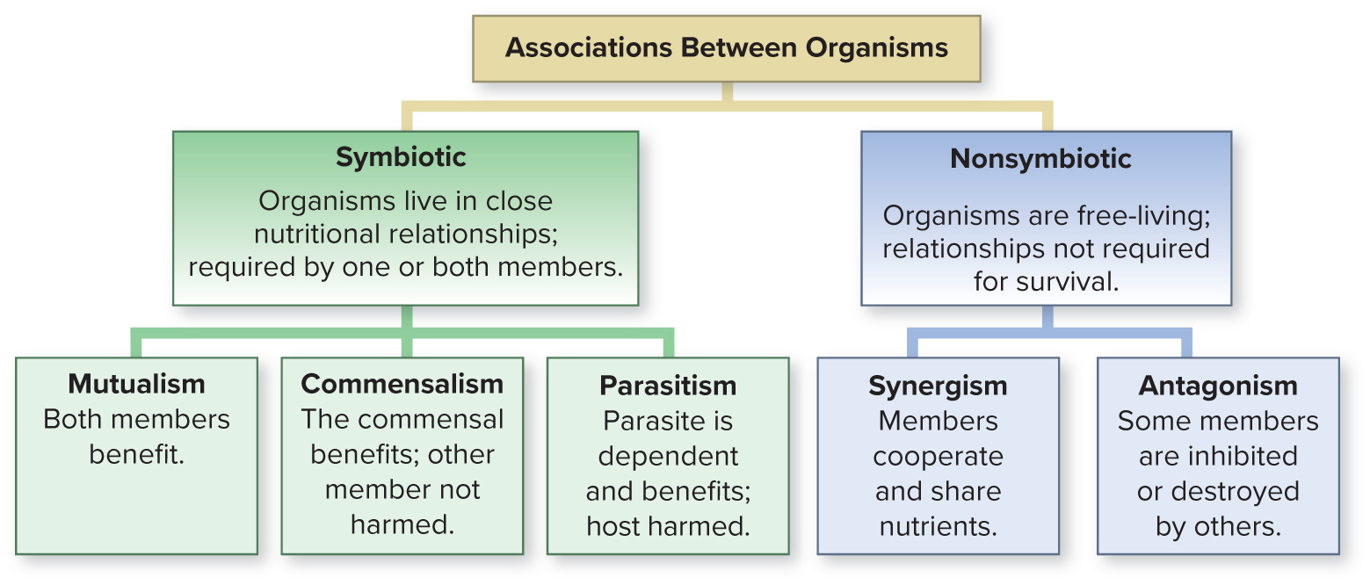
Microbial Antagonism
The competitive exclusion of harmful microbes by non-pathogenic microorganisms, which can help maintain a healthy balance in a community.
The general antagonistic effect “good” microbes have against intruder microorganisms
Microbes in a steady, established relationship are unlikely to be displaced by incoming microbes
Lactobacilli in the vagina prevent overgrowth of yeast
Opportunistic Pathogens
Microorganisms that normally do not cause disease but can become pathogenic under certain conditions, such as a weakened immune system or disruption of normal flora.
Can cause disease when:
The host’s defenses are compromised
When they become established in a part of the body that is not natural to them
When normal biota is introduced to a site that was previously sterile or the patient is immunocompromised
Streptococcus pneumoniae, often carried as normal biota, causes pneumococcal pneumonia in AIDS patients
Biosafety Level 1
The lowest level of biosafety, suitable for work with well-characterized agents that are not known to consistently cause disease in healthy adults. Laboratory precautions are minimal and often include general safety practices.

Biosafety Level 2
A level of biosafety appropriate for handling moderate-risk agents that can cause disease in humans, requiring more stringent safety measures than Biosafety Level 1.

Biosafety Level 3
A biosafety level designed for working with pathogens that can cause serious or potentially lethal diseases through inhalation. This level requires specific containment facilities and practices to protect laboratory personnel and the environment.

Biosafety Level 4
The highest biosafety level, designated for agents that pose a high risk of life-threatening disease through aerosol transmission and for which no available vaccines or treatments exist. Facilities must have specialized designs to prevent escape of pathogens.

Biosafety Level 1 Example
Lactobacillus found in your morning yogurt
Biosafety Level 2 Example
E. coli that is normally found in your gut and Staphylococcus aureus
Biosafety Level 3 Example
HIV
Biosafety Level 4 Example
Ebola
Exotoxin
A toxic protein secreted by bacteria into the surrounding environment, often causing damage to host cells. It can provoke strong immune responses and is typically produced by Gram-positive bacteria.
Secreted by a living bacterial cell to the infected tissues
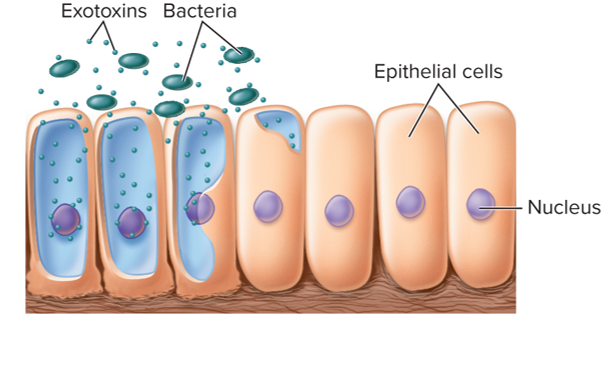
Many types (Botulism toxin, Tetanus toxin, Diptheria toxin)
Endotoxin
A component of the outer membrane of Gram-negative bacteria, released when the bacteria die or undergo cell division. These are lipopolysaccharides that can trigger strong immune responses and lead to fever and inflammation.
Not actively secreted
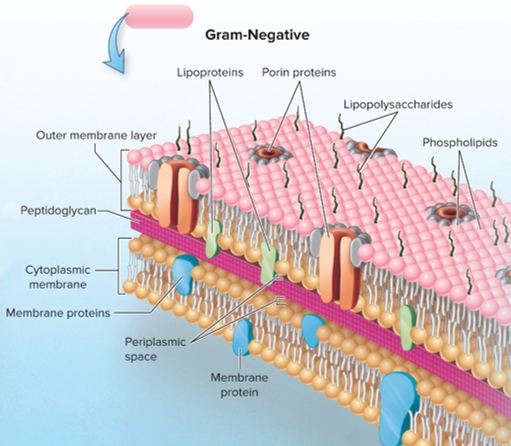
Lipopolysaccharide (LPS) sheds from the outer membrane of gram-negative bacteria (exclusively)
Incubation Period
The time interval between exposure to an infectious agent and the appearance of symptoms. It varies depending on the pathogen and can range from a few days to several weeks.
Time from initial contact with the infectious agent to the appearance of first symptoms

Prodromal Period
The phase following the incubation period characterized by the onset of non-specific symptoms such as malaise or fatigue, preceding the appearance of more specific symptoms of the disease.
Earliest symptoms of infection appear

Acute Phase
The stage of a disease where symptoms are at their most severe and pronounced. It follows the prodromal period and is associated with rapid changes in the patient's condition.
Infectious agent multiplies at high levels, exhibits greatest virulence, and establishes in target tissue

Convalescent Stage
The period of recovery following a disease, where symptoms gradually subside and the patient returns to health. This stage may last for days to weeks, depending on the severity of the illness.
Patient responds to infection and symptoms decline

Living Reservoirs and Examples
Living organisms that harbor infectious agents, providing a natural environment for them to grow and multiply. Examples include humans, animals, and insects that can transmit infections to other hosts.
Nonliving Reservoirs and Examples
Nonliving entities that harbor infectious agents, allowing them to survive and potentially spread. Examples include soil, water, and surfaces contaminated with pathogens.
Vertical Transmission
The transmission of infectious agents from parent to offspring, which can occur during pregnancy, childbirth, or breastfeeding.
Infectious agents are passed from parent to child
Horizontal Transmission
The transmission of infectious agents between individuals who are not in a parent-offspring relationship. This can occur through direct contact, droplets, or contaminated surfaces.
Disease spread through a population from one infected individual to another