GN 301 Module 5: Basics of Mendelian Genetics and Pedigrees
0.0(0)
Studied by 2 people View linked note
 Call Kai
 Learn
Learn Practice Test
 Spaced Repetition
 Match
Match Flashcards
 Knowt Play
Card Sorting
1/27

Earn XP
Description and Tags
Last updated 5:22 PM on 2/21/23
Name | Mastery | Learn | Test | Matching | Spaced | Call with Kai |
|---|
No analytics yet
Send a link to your students to track their progress
28 Terms
1
New cards
gene
segment of DNA
2
New cards
allele
form of a gene
3
New cards
locus/loci
where on the chromosome the gene is located
4
New cards
Phenotype
appearance of an individual regarding a specific traits
5
New cards
genotype
alleles present in an individual for a trait
6
New cards
homozygous
same alleles for the same trait
7
New cards
heterozygous
different alleles for the same trait
8
New cards
dominant
only one allele is required for the trait to be expressed
9
New cards
recessive
two of the same alleles are required for the trait to be expressed
10
New cards
Mendel’s Law of Random Segregation
alleles segregate randomly into gametes; when the gametes are formed, each allele of one parent segregates randomly into the gametes, so that half of the parent’s gametes carry each allele
11
New cards
AA x AA results in
AA
12
New cards
aa x aa results in
aa
13
New cards
Aa x aa results in
Aa or aa
14
New cards
Aa x Aa results in
AA, aa, or Aa
15
New cards
◻️
male
16
New cards
⚪
female
17
New cards
🔶
sex unknown
18
New cards
Individuals with a specific trait are shaded:
◼️⚫, etc
19
New cards

shape with a question mark in it
phenotype unknown
20
New cards

shape crossed out
deceased
21
New cards

two shapes connected by a bar
marriage bar
22
New cards
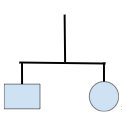
a bar connected overhead of two shapes
sibling bar
23
New cards
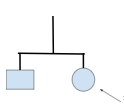
an arrow pointing to a shape
progeny (the individual the pedigree was made for)
24
New cards
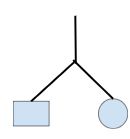
two shapes connected by slanted bars
fraternal twins
25
New cards
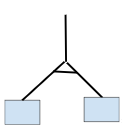
two shapes connected by slanted bars with a line in the middle
identical twins
26
New cards

double bars between shapes
consanguineous union (related individuals marry)
27
New cards
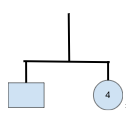
shape with a number inside of it
\# of siblings with the same phenotype and gender
28
New cards
Looking at a pedigree, how do you know if a trait is dominant or recessive?
IF DOMINANT:
* you might see two people with a trait have a kid without the trait, indicating they are heterozygous dominant
* you might see two people with a trait have kids and grandkids always have the trait until it is “wiped out” by double recessives in one marriage
IF RECESSIVE:
* you might see a trait skip generations
* you might see two people with a trait have a kid without the trait, indicating they are heterozygous dominant
* you might see two people with a trait have kids and grandkids always have the trait until it is “wiped out” by double recessives in one marriage
IF RECESSIVE:
* you might see a trait skip generations