BIOL201 Lecture Exam 1 CH 1-5, 7 and 15 (REMEMBER CHEAT SHEET)

0.0(0)
Studied by 0 people
call kaiCall Kai
learnLearn
examPractice Test
spaced repetitionSpaced Repetition
heart puzzleMatch
flashcardsFlashcards
GameKnowt Play
Card Sorting

1/23

flashcard set

Earn XP

Description and Tags

Area 1. Historical scientists and their contributions Area 2. Koch's Postulates and their use Area 3. Represent an atom using the Bohr model Area 4. Levels of protein structure Area 5. Fimbriae and their role in infection Area 6. Phospholipid bilayer as a barrier Area 7. Function of the electron transport chain Area 8. Enzymes and steps of DNA replication Area 9. Types of DNA mutations Area 10. Steps of phagocytosis Area 11. Hallmarks of inflammation Area 12. types of leukocytes and their function

Last updated 3:49 AM on 6/27/26
Name
Mastery
Learn
Test
Matching
Spaced
Call with Kai

No analytics yet

Send a link to your students to track their progress

24 Terms

1
New cards

Antoni van Leeuwenhoek

  • Made microscopes completely by himself in order to view a single specimen

  • Examined water and visualized tiny animals, fungi, algae, and single-celled protozoa; “animalcules

  • By end of 19th century, these organisms were known as microorganisms 

  • His designs let us see protozoans in rainwater
2
New cards
<p>Carolus Linnaeus</p>

Carolus Linnaeus

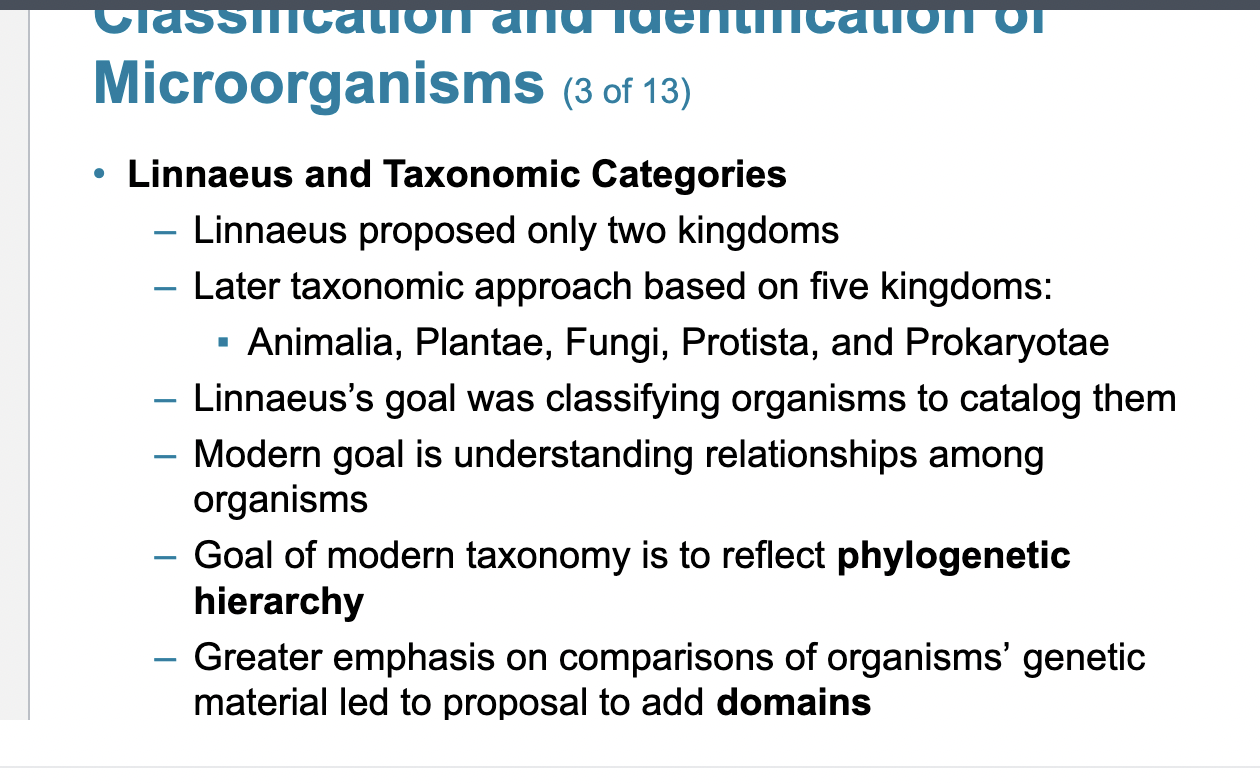
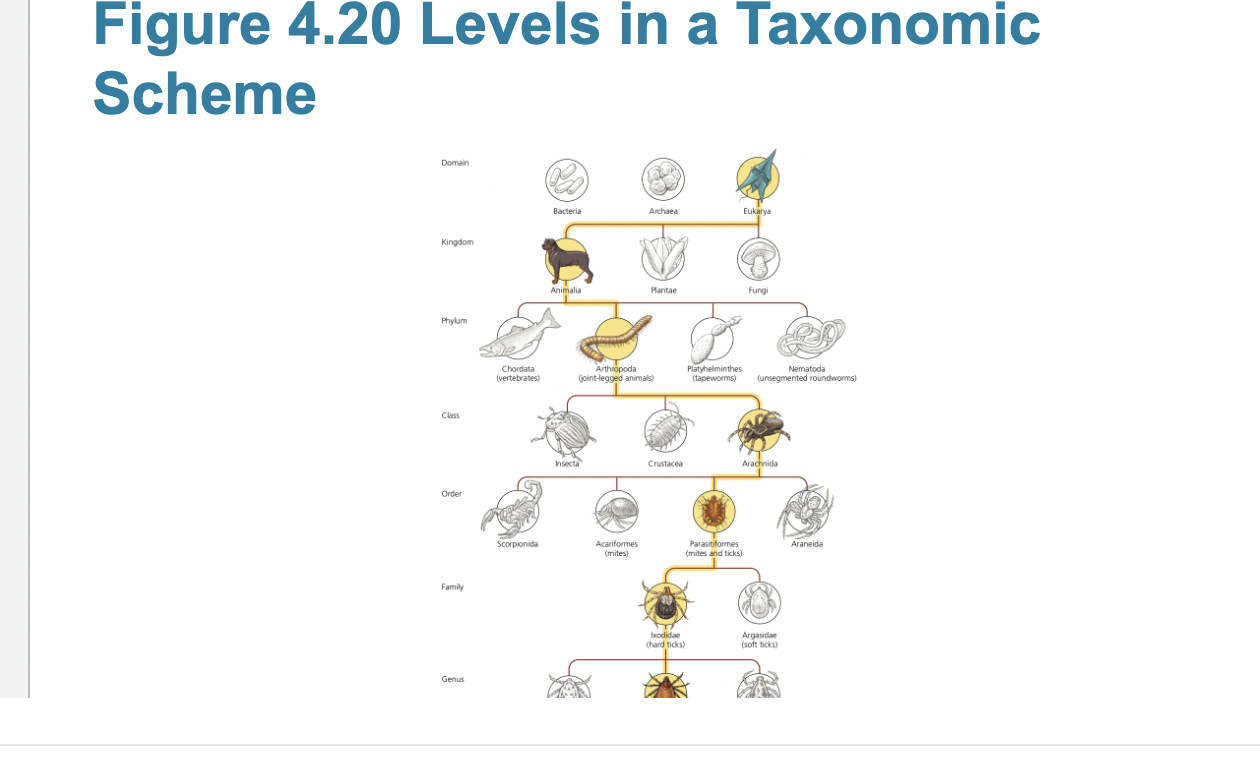
How Can Microbes Be Classified?

– Carolus Linnaeus developed a taxonomic system for

naming plants and animals and grouping similar organisms

together.

– Leeuwenhoek’s microorganisms can be grouped into six

categories:

Bacteria

Archaea

Fungi

Protozoa

Algae

Small multicellular animals

<p>How Can Microbes Be Classified?</p><p>– Carolus Linnaeus developed a taxonomic system for</p><p>naming plants and animals and grouping similar organisms</p><p>together.</p><p>– Leeuwenhoek’s microorganisms can be grouped into six</p><p>categories:</p><p><span data-name="black_small_square" data-type="emoji">▪</span> Bacteria</p><p><span data-name="black_small_square" data-type="emoji">▪</span> Archaea</p><p><span data-name="black_small_square" data-type="emoji">▪</span> Fungi</p><p><span data-name="black_small_square" data-type="emoji">▪</span> Protozoa</p><p><span data-name="black_small_square" data-type="emoji">▪</span> Algae</p><p><span data-name="black_small_square" data-type="emoji">▪</span> Small multicellular animals</p><p></p>
3
New cards
<p>Francesco Redi, John Needham, Lazzaro Spallanzani’s </p>

Francesco Redi, John Needham, Lazzaro Spallanzani’s

Does Microbial Life Spontaneously Generate?

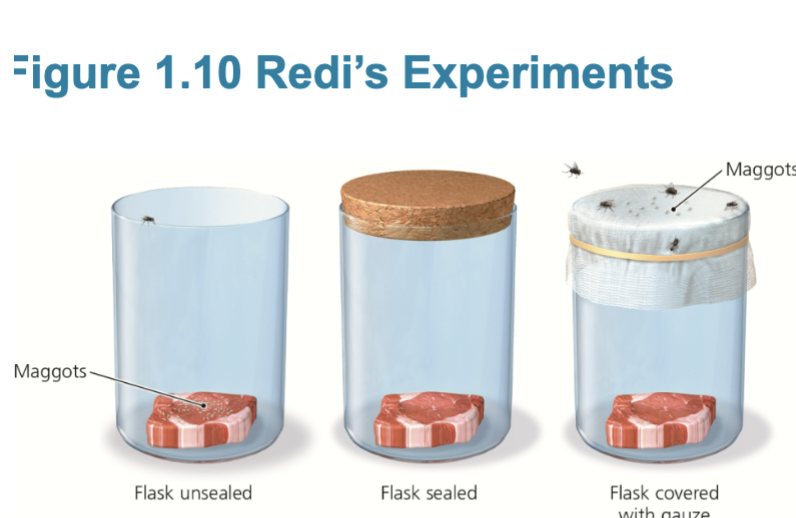
– Redi’s experiments

When decaying meat was kept isolated from flies,

maggots never developed.

Meat exposed to flies was soon infested.

As a result, scientists began to doubt Aristotle’s

view.

Does Microbial Life Spontaneously Generate?

– Needham’s experiments

Scientists agreed that large animals could not arise

spontaneously, but believed microbes could.

Needham’s experiments with beef gravy and

infusions of plant material reinforced this idea.

Does Microbial Life Spontaneously Generate?

– Spallanzani’s experiments

His experiments contradicted Needham’s findings.

Concluded that:

– Needham failed to heat vials sufficiently to kill all

microbes or had not sealed them tightly enough.

– Microorganisms exist in air and can contaminate

experiments.

– Spontaneous generation of microorganisms does not

occur; all living things arise from other living things.

Critics said sealed vials did not allow enough air for

organisms to survive and that prolonged heating destroyed

the “life force.”
4
New cards
<p>Louis Pasteur</p>

Louis Pasteur

Does Microbial Life Spontaneously Generate?

– Pasteur’s experiments

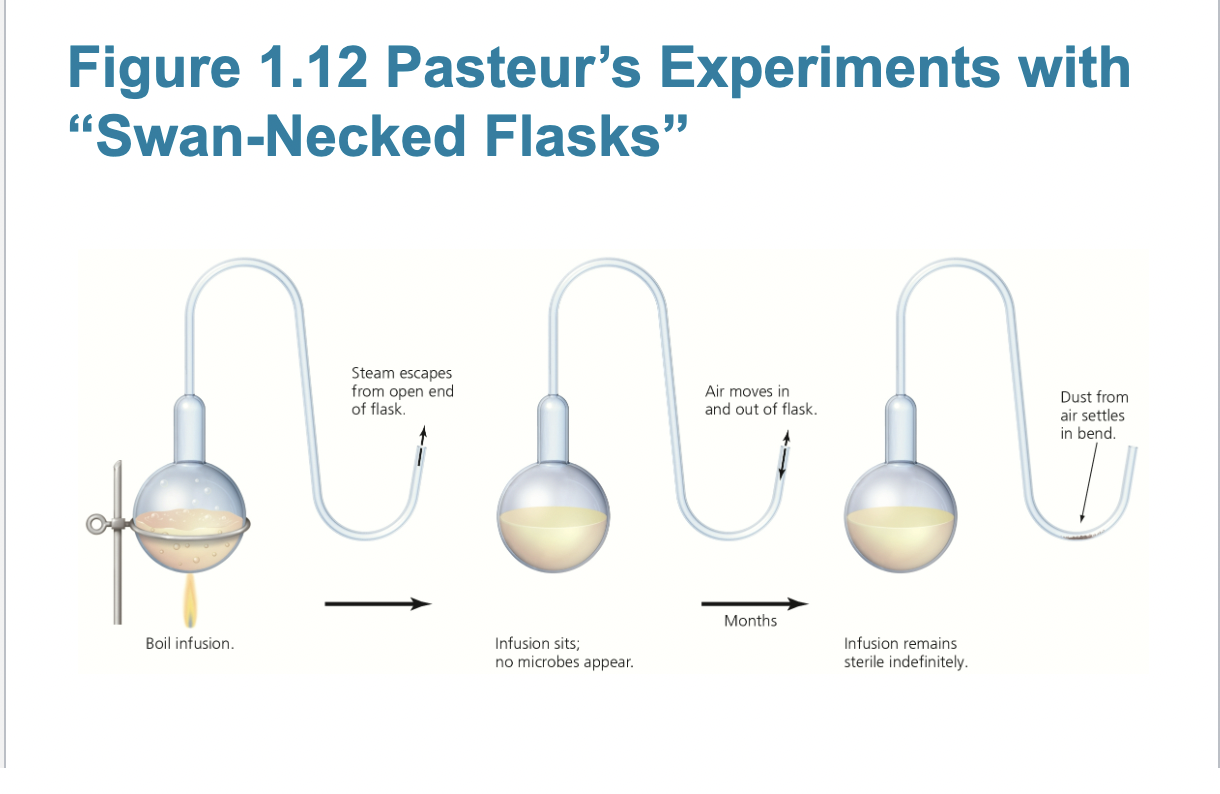
Performed experiments with “swan-necked” flasks

When the flasks remained upright, no microbial

growth appeared.

When the flask was tilted, dust from the bend in the

neck seeped back into the flask and made the

infusion cloudy with microbes within a day.

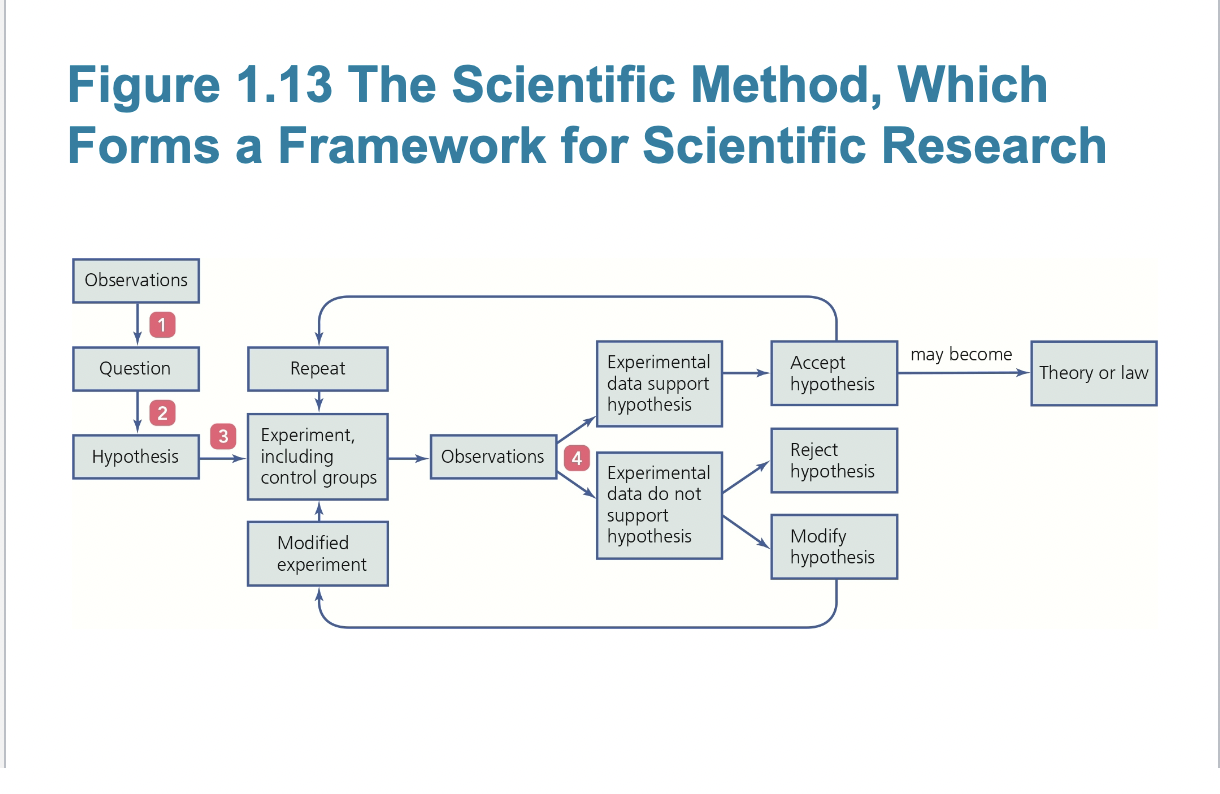
The scientific method

Debate over spontaneous generation led in part to

development of scientific method.

– Observation leads to question

– Question generates hypothesis

– Hypothesis is tested through experiment(s)

– Results prove or disprove hypothesis

• Accepted hypothesis leads to theory/law

• Disproved hypothesis is rejected or modified

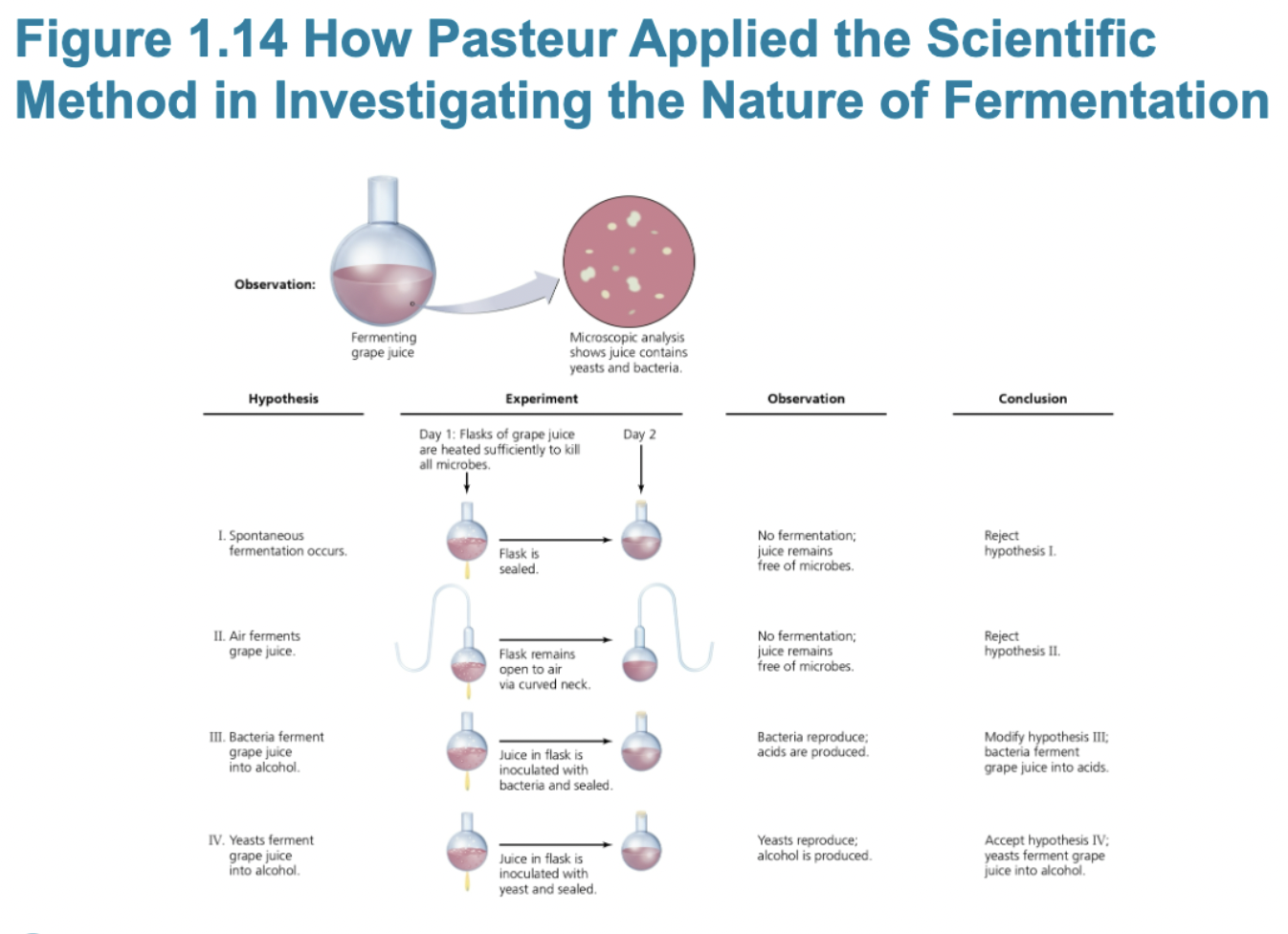
Some scientists believed air caused fermentation;

others insisted that living organisms caused

fermentation.

Pasteur conducted a series of experiments that

addressed the cause of fermentation and led to the idea of pasteurization.
<p>Does Microbial Life Spontaneously Generate?</p><p>– Pasteur’s experiments</p><p><span data-name="black_small_square" data-type="emoji">▪</span> Performed experiments with “swan-necked” flasks</p><p><span data-name="black_small_square" data-type="emoji">▪</span> When the flasks remained upright, no microbial</p><p>growth appeared.</p><p><span data-name="black_small_square" data-type="emoji">▪</span> When the flask was tilted, dust from the bend in the</p><p>neck seeped back into the flask and made the</p><p>infusion cloudy with microbes within a day.</p><p></p><p>The scientific method</p><p><span data-name="black_small_square" data-type="emoji">▪</span> Debate over spontaneous generation led in part to</p><p>development of scientific method.</p><p>– Observation leads to question</p><p>– Question generates hypothesis</p><p>– Hypothesis is tested through experiment(s)</p><p>– Results prove or disprove hypothesis</p><p>• Accepted hypothesis leads to theory/law</p><p>• Disproved hypothesis is rejected or modified</p><p></p><p>Some scientists believed air caused fermentation;</p><p>others insisted that living organisms caused</p><p>fermentation.</p><p><span data-name="black_small_square" data-type="emoji">▪</span> Pasteur conducted a series of experiments that</p><p>addressed the cause of fermentation and led to the idea of pasteurization.</p><img src="https://assets.knowt.com/user-attachments/18a8cadb-e608-45a5-ac42-f4e56693efe0.png" data-width="100%" data-align="center"><p></p>
5
New cards
<p>Robert Kochs Postulates </p>

Robert Kochs Postulates

– Koch’s experiments

Simple staining techniques

First photomicrograph of bacteria

First photograph of bacteria in diseased tissue

Techniques for estimating bacterial number in a

solution

Use of steam to sterilize growth media

Use of Petri dishes

Laboratory techniques to transfer bacteria

Bacteria as distinct species

What Causes Disease?

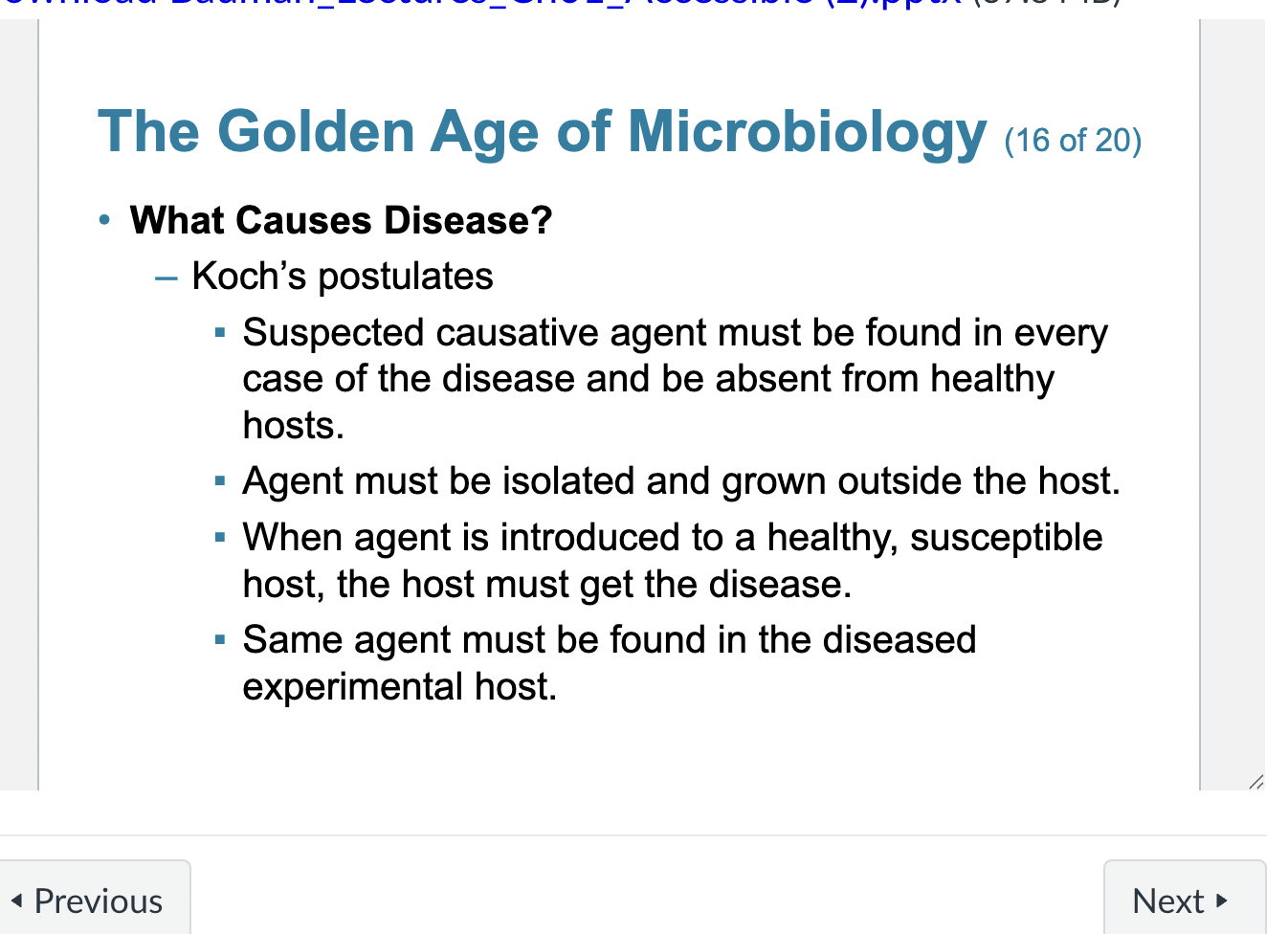
– Koch’s postulates

Suspected causative agent must be found in every

case of the disease and be absent from healthy

hosts.

Agent must be isolated and grown outside the host.

When agent is introduced to a healthy, susceptible

host, the host must get the disease.

Same agent must be found in the diseased

experimental host.
6
New cards
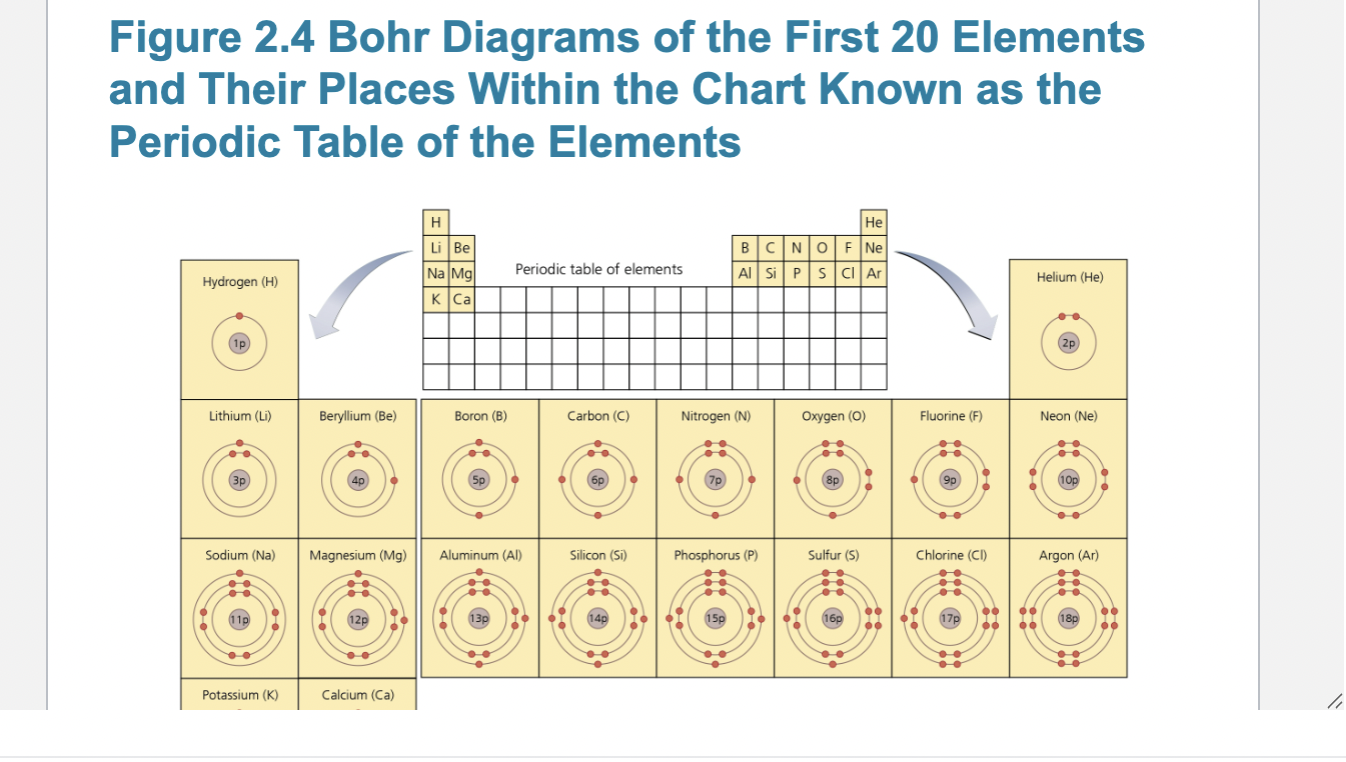
<p>represent an atom using the bohr model</p>

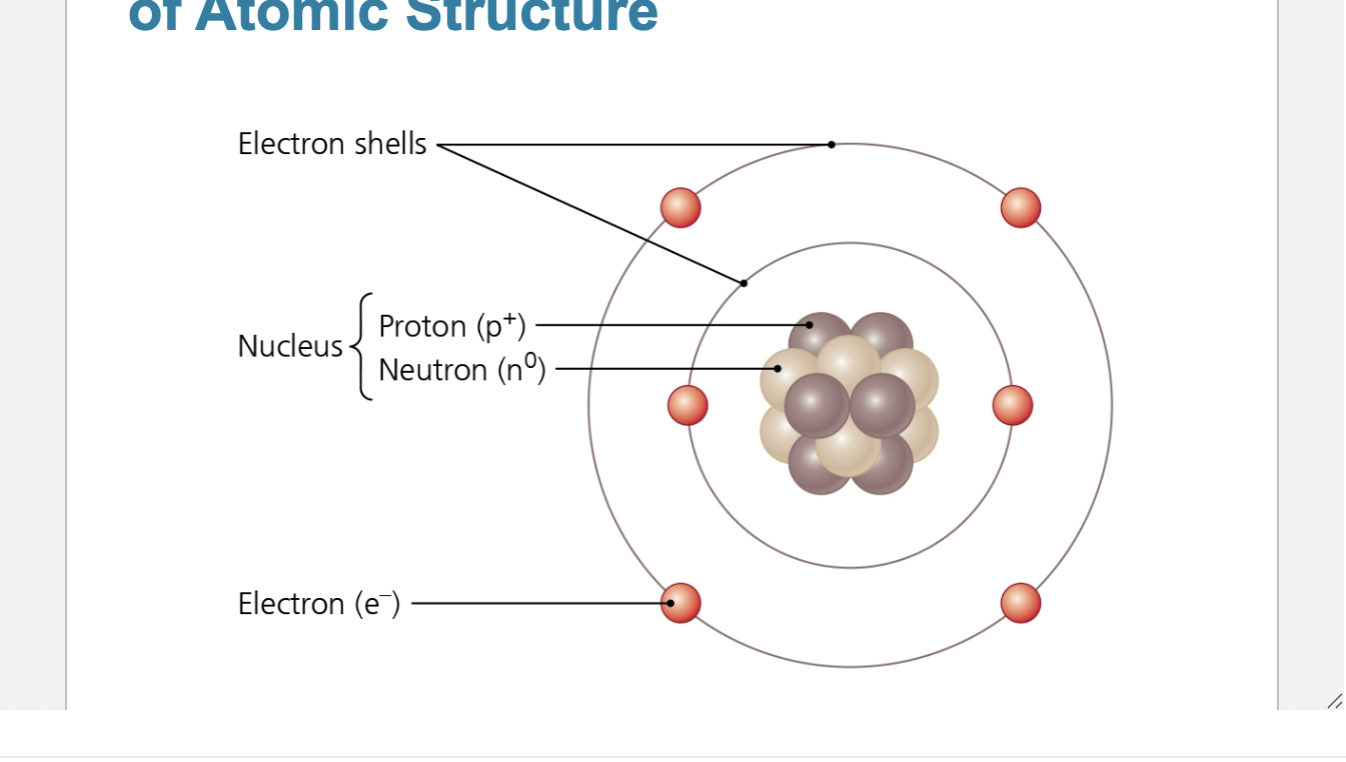
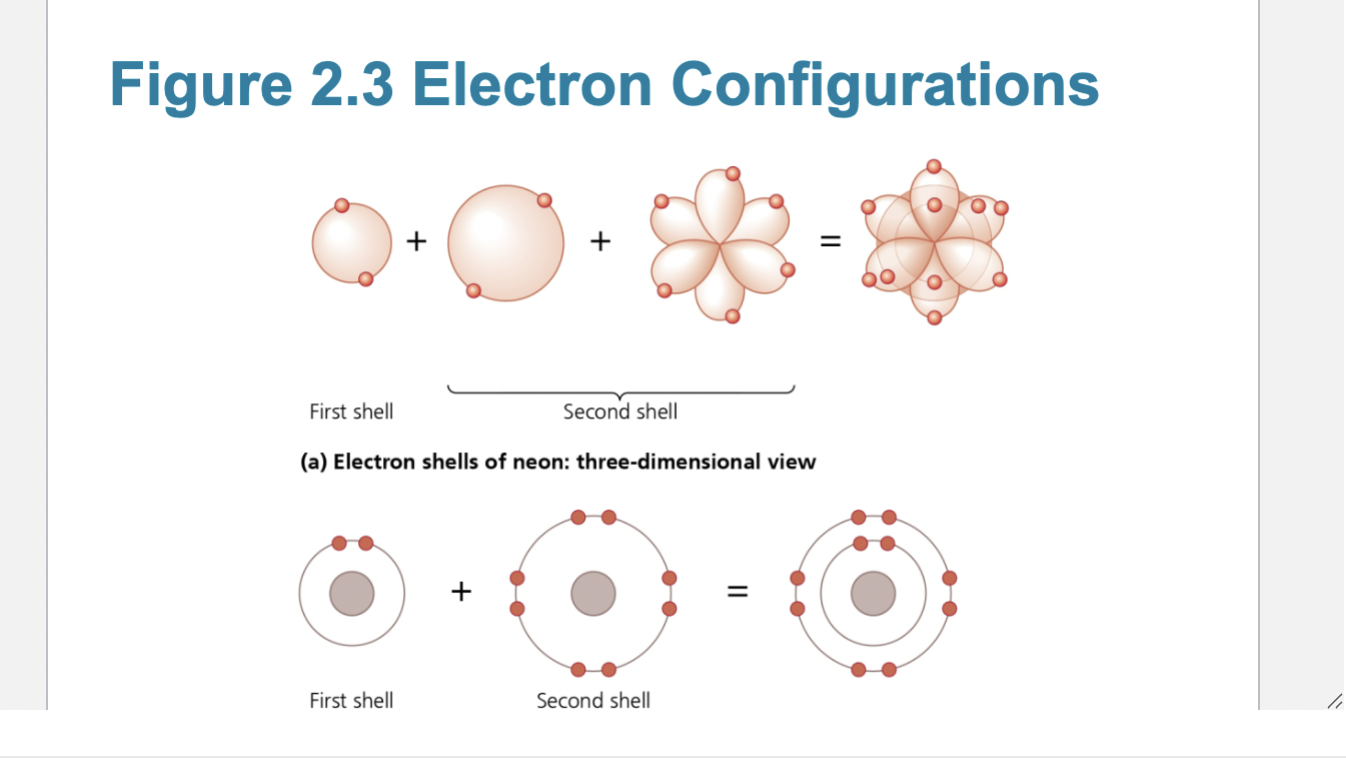
represent an atom using the bohr model

Atomic Structure

– Electrons—negatively charged subatomic particles

circling a nucleus

– Nucleus—structure containing neutrons and protons

– Neutrons—uncharged particles

– Protons—positively charged particles

Atomic Structure

– Element—composed of a single type of atom

– Atomic number—equal to the number of protons in

the nucleus

– Atomic mass (atomic weight)—sum of masses of

protons, neutrons, and electrons
<p>Atomic Structure</p><p>– Electrons—negatively charged subatomic particles</p><p>circling a nucleus</p><p>– Nucleus—structure containing neutrons and protons</p><p>– Neutrons—uncharged particles</p><p>– Protons—positively charged particles</p><p></p><p> Atomic Structure</p><p>– Element—composed of a single type of atom</p><p>– Atomic number—equal to the number of protons in</p><p>the nucleus</p><p>– Atomic mass (atomic weight)—sum of masses of</p><p>protons, neutrons, and electrons</p><p></p><img src="https://assets.knowt.com/user-attachments/e7010ce1-07e3-4d75-a05a-5901ce535eab.png" data-width="100%" data-align="center"><p></p>
7
New cards
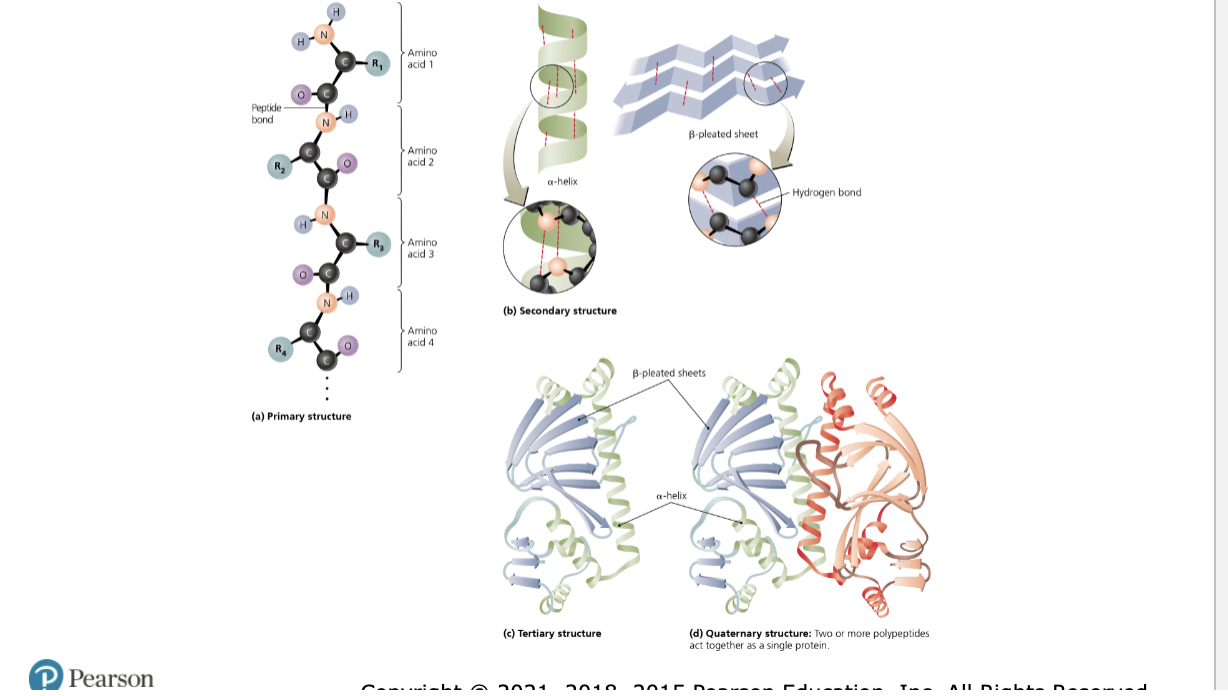
<p>Levels of protein structure </p>

Levels of protein structure

  • Primary Structure: The linear sequence of amino acids linked by peptide bonds within a polypeptide chain. This level dictates all higher levels of folding.

  • Secondary Structure: Localized, repeating folding and coiling of the polypeptide backbone, stabilized by hydrogen bonds. The most common motifs are the α-helix and the β-pleated sheet.

  • Tertiary Structure: The overall three-dimensional shape of a single polypeptide chain. It is stabilized by various chemical interactions, including disulfide bridges, ionic bonds, and hydrophobic interactions between the amino acid side chains

  • Quaternary Structure: The three-dimensional structure formed by the assembly and aggregation of two or more separate polypeptide chains (subunits) into a single functional protein complex
8
New cards
<p>Fimbriae and their role in infection </p>

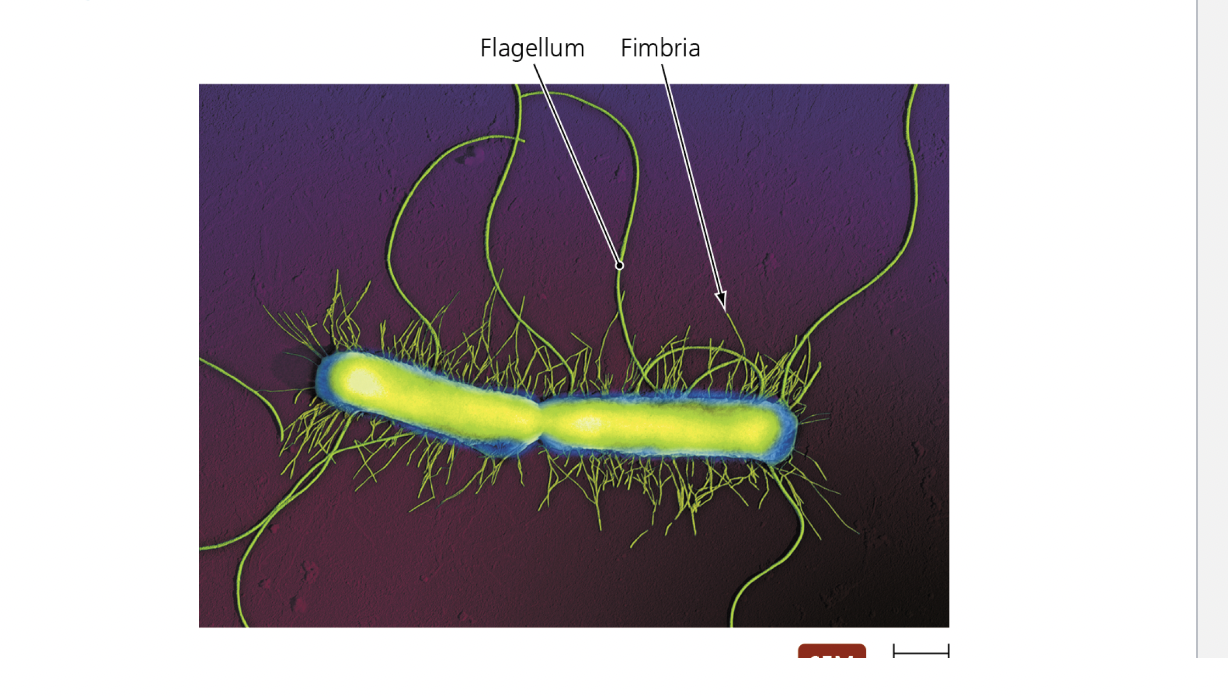
Fimbriae and their role in infection

Fimbriae and Pili

– Fimbriae

Sticky, bristlelike projections

Used by bacteria to adhere to one another and to

substances in environment

Shorter than flagella

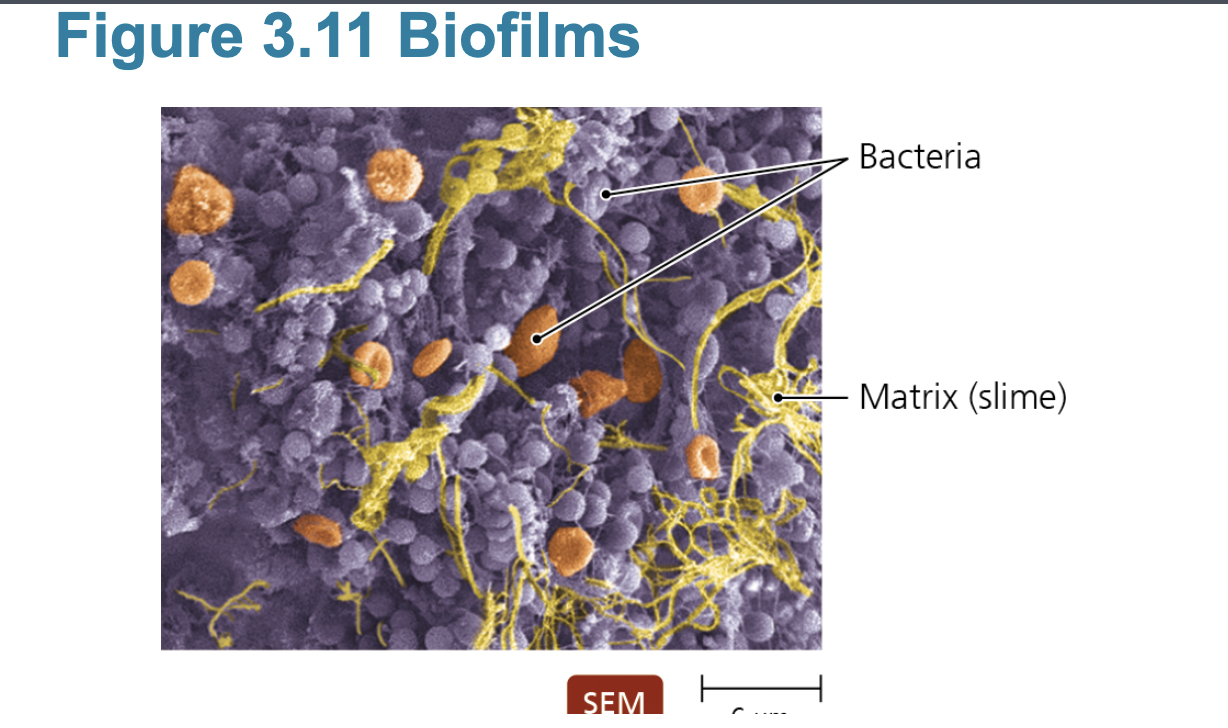
Serve an important function in biofilms: Fimbriae are hair-like appendages found on the surface of bacteria used primarily for adhesion. By locking onto specific host cells and tissues, they allow pathogens to colonize, evade immune defenses, and form biofilms, making them critical virulence factors in initiating and maintaining infections.

Fimbriae and Pili

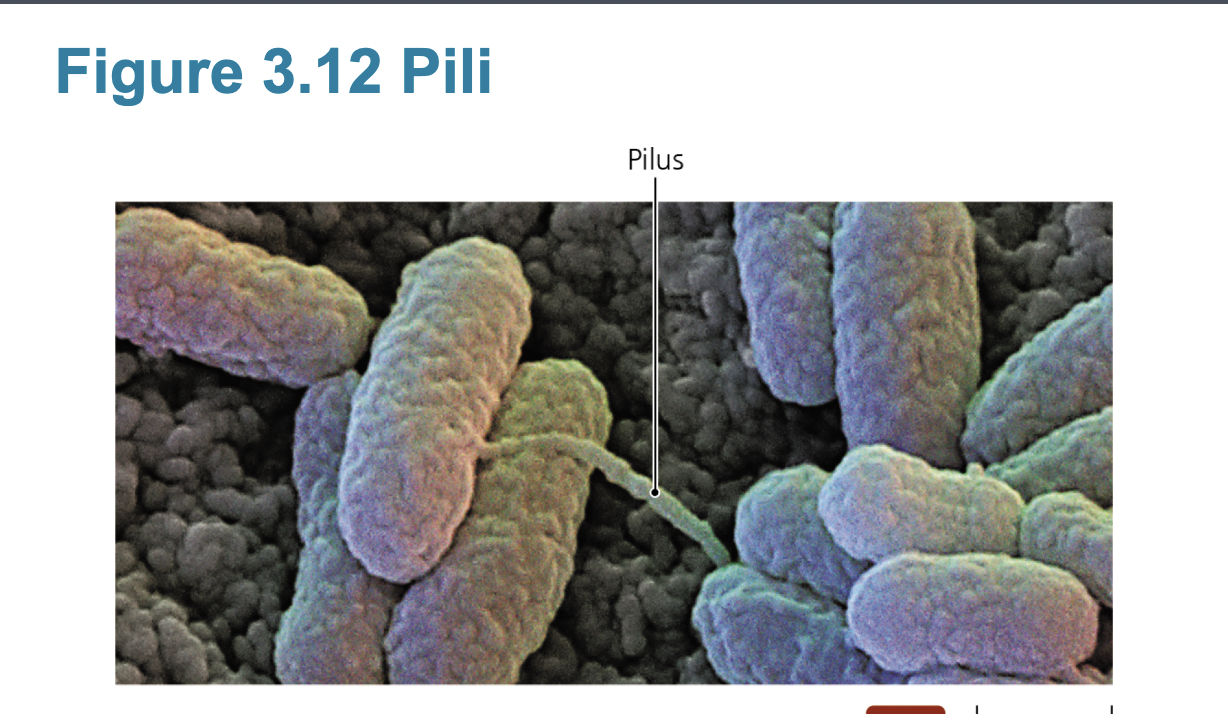
– Pili

Special type of fimbriae

Also known as conjugation pili

Longer than fimbriae but shorter than flagella

Bacteria typically have only one or two per cell.

Transfer DNA from one cell to another (conjugation)
<p>Fimbriae and Pili</p><p>– Fimbriae</p><p><span data-name="black_small_square" data-type="emoji">▪</span> Sticky, bristlelike projections</p><p><span data-name="black_small_square" data-type="emoji">▪</span> Used by bacteria to adhere to one another and to</p><p>substances in environment</p><p><span data-name="black_small_square" data-type="emoji">▪</span> Shorter than flagella</p><p><span data-name="black_small_square" data-type="emoji">▪</span> Serve an important function in biofilms: Fimbriae are hair-like appendages found on the surface of bacteria used primarily for <strong>adhesion</strong>. By locking onto specific host cells and tissues, they <mark data-color="#0c0a0a" style="background-color: rgb(12, 10, 10); color: inherit;">allow pathogens to colonize, evade immune defenses, and form </mark><strong><mark data-color="#0c0a0a" style="background-color: rgb(12, 10, 10); color: inherit;">biofilms</mark></strong><mark data-color="#0c0a0a" style="background-color: rgb(12, 10, 10); color: inherit;">, making them critical virulence factors in initiating and maintaining infections.</mark></p><p></p><p> Fimbriae and Pili</p><p>– Pili</p><p><span data-name="black_small_square" data-type="emoji">▪</span> Special type of fimbriae</p><p><span data-name="black_small_square" data-type="emoji">▪</span> Also known as conjugation pili</p><p><span data-name="black_small_square" data-type="emoji">▪</span> Longer than fimbriae but shorter than flagella</p><p><span data-name="black_small_square" data-type="emoji">▪</span> Bacteria typically have only one or two per cell.</p><p><span data-name="black_small_square" data-type="emoji">▪</span> Transfer DNA from one cell to another (conjugation)</p><img src="https://assets.knowt.com/user-attachments/280091cd-e971-4663-99ed-ec2b5bd7e4a8.png" data-width="100%" data-align="center"><p></p>
9
New cards
<p>Phospholipid bilayer as a barrier</p>

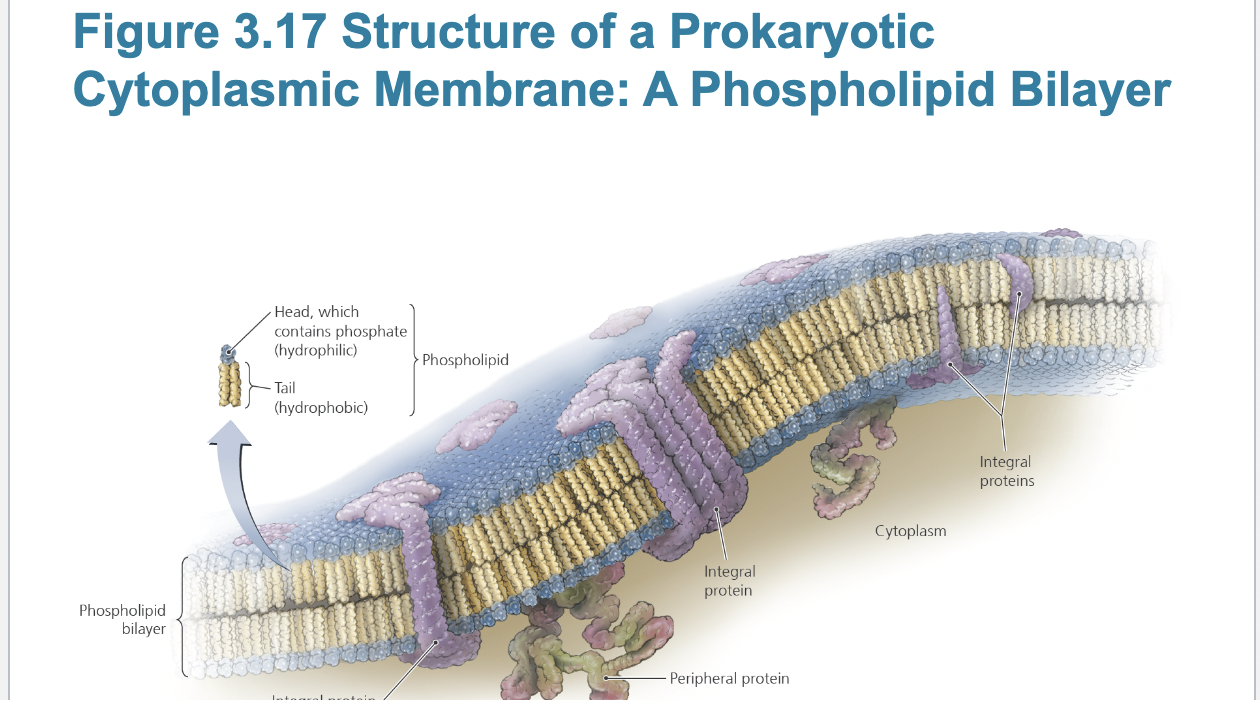
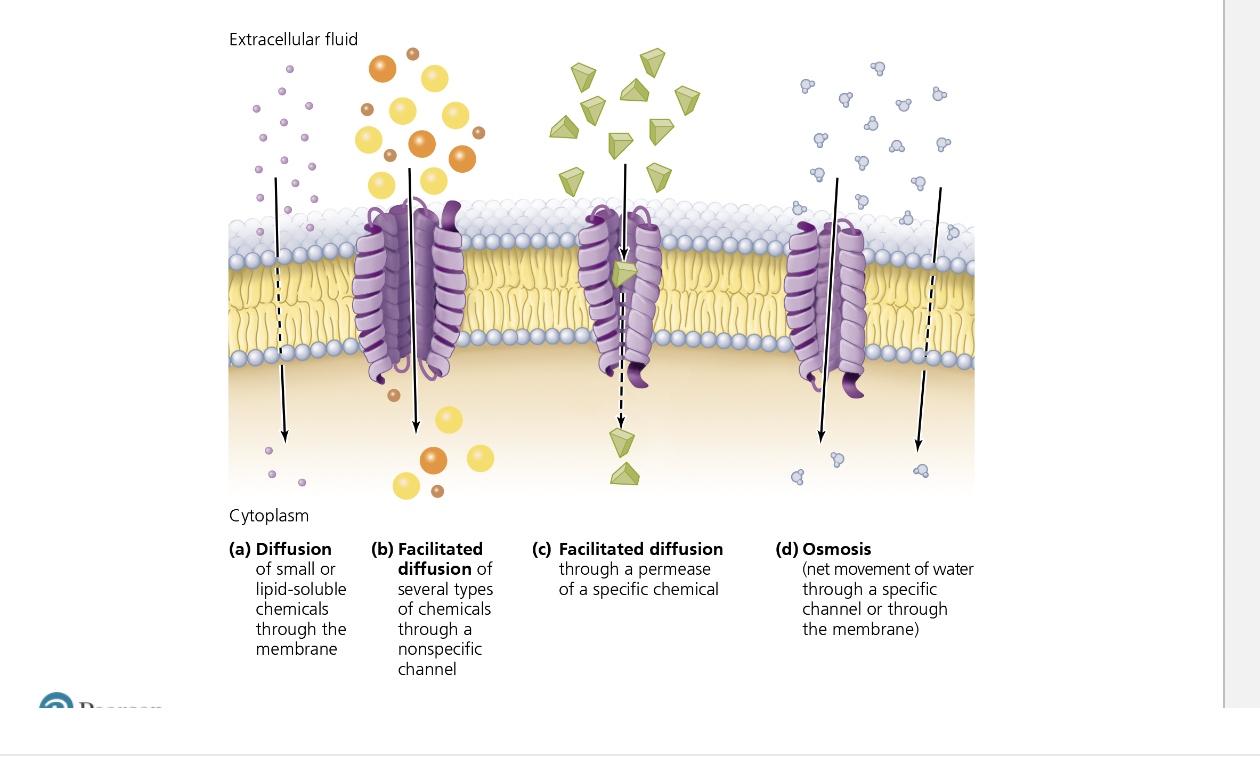
Phospholipid bilayer as a barrier

bacterial cytoplasmic membranes

Function

– Controls passage of substances into and out of the

cell

– Harvest light energy in photosynthetic bacteria

– Selectively permeable

– Naturally impermeable to most substances

– Proteins allow substances to cross membrane

– Maintain concentration and electrical gradient

-- passive processes: diffusion, facilitated diffusion, osmosis

—active processes: active transport, group translocation (substance is chemically modified during transpoirt)
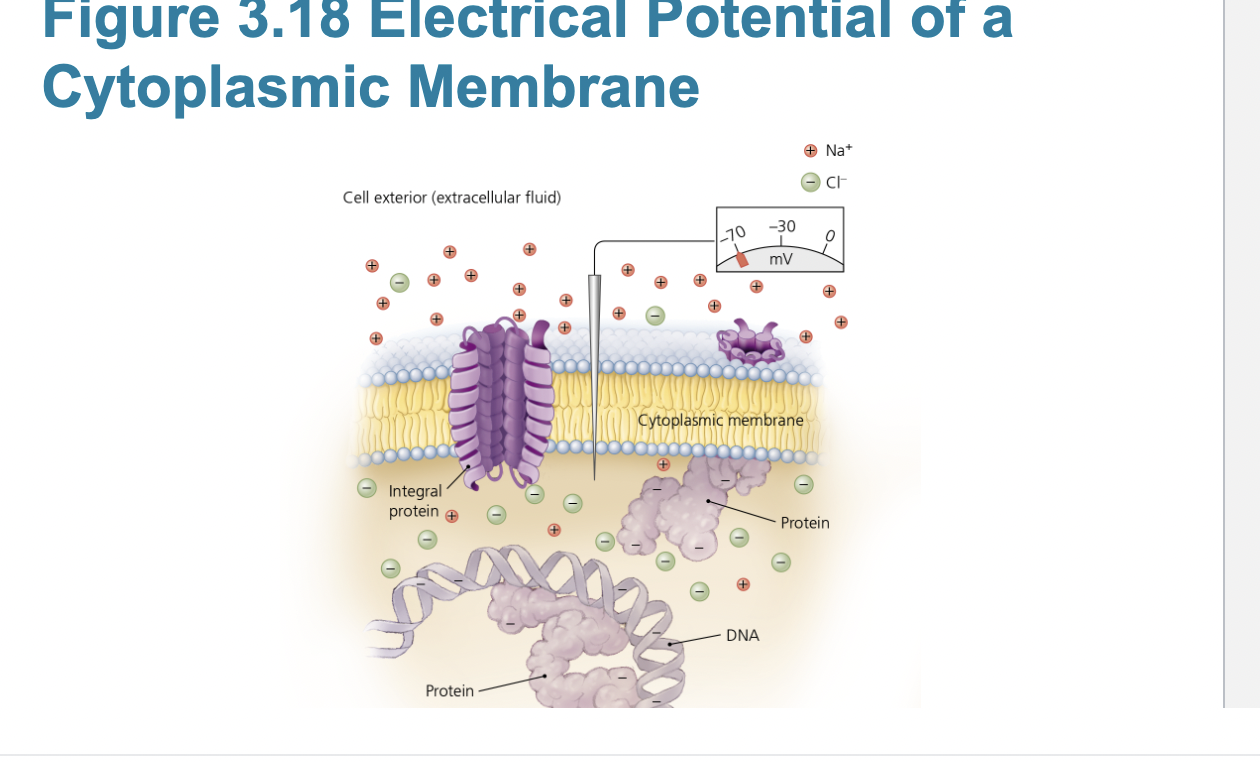
<p>bacterial cytoplasmic membranes</p><p>Function</p><p>– Controls passage of substances into and out of the</p><p>cell</p><p>– Harvest light energy in photosynthetic bacteria</p><p>– Selectively permeable</p><p>– Naturally impermeable to most substances</p><p>– Proteins allow substances to cross membrane</p><p>– Maintain concentration and electrical gradient</p><p>-- passive processes: diffusion, facilitated diffusion, osmosis</p><p>—active processes: active transport, group translocation (substance is chemically modified during transpoirt)</p><img src="https://assets.knowt.com/user-attachments/aa2f9fdc-f6c5-4d14-9162-99a20da73d1d.png" data-width="100%" data-align="center"><p></p>
10
New cards
<p>Function of the electron transport chain </p>

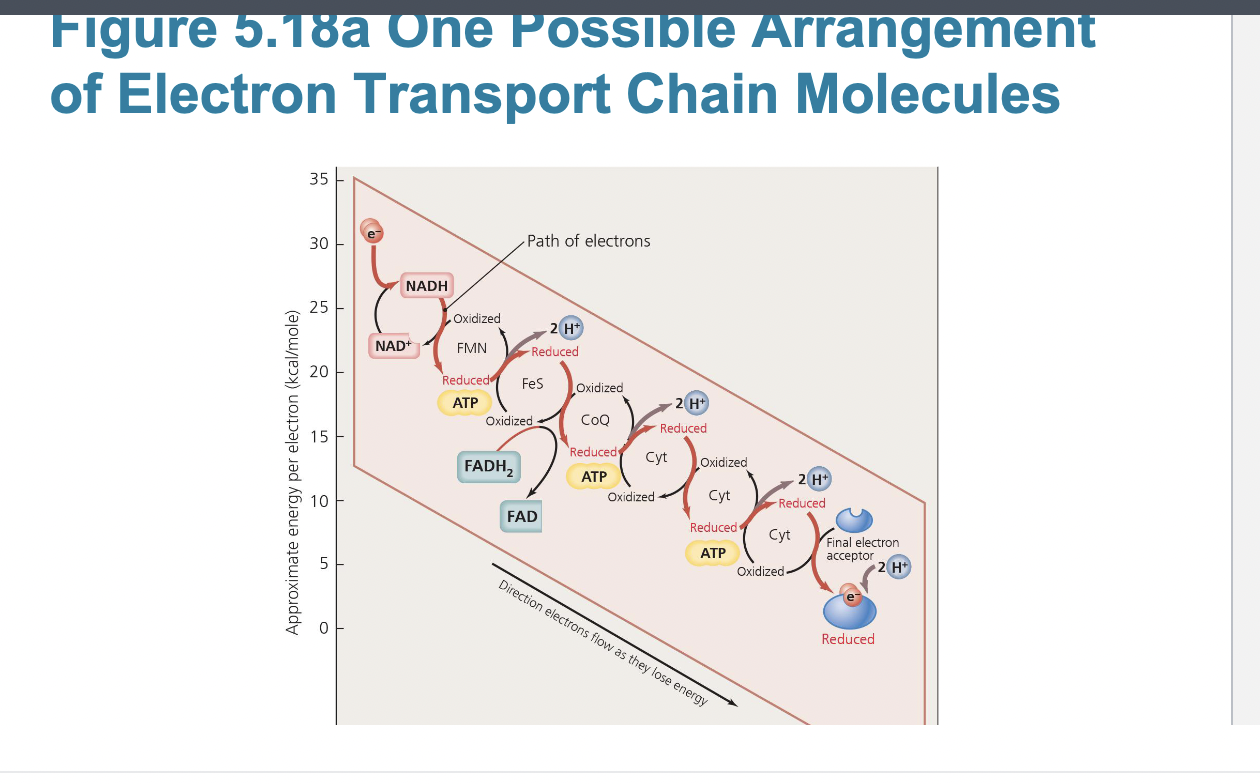
Function of the electron transport chain

Cellular Respiration

– Electron transport

Most significant production of ATP occurs from series

of redox reactions known as an electron transport chain

(ETC)

Series of carrier molecules that pass electrons from

one to another to final electron acceptor

Energy from electrons used to pump protons (H+)

across the membrane, establishing a proton gradient

Located in inner mitochondrial membrane of eukaryotes

and in cytoplasmic membrane of prokaryotes

Four categories of carrier molecules:

– Flavoproteins

– Ubiquinones

– Metal-containing proteins

– Cytochromes

Aerobic respiration: oxygen serves as final electron

acceptor.

Anaerobic respiration: molecule other than oxygen

serves as final electron acceptor.

  • factors affecting ATP yield: remove oxygen, add cyanide, add uncoupling protein
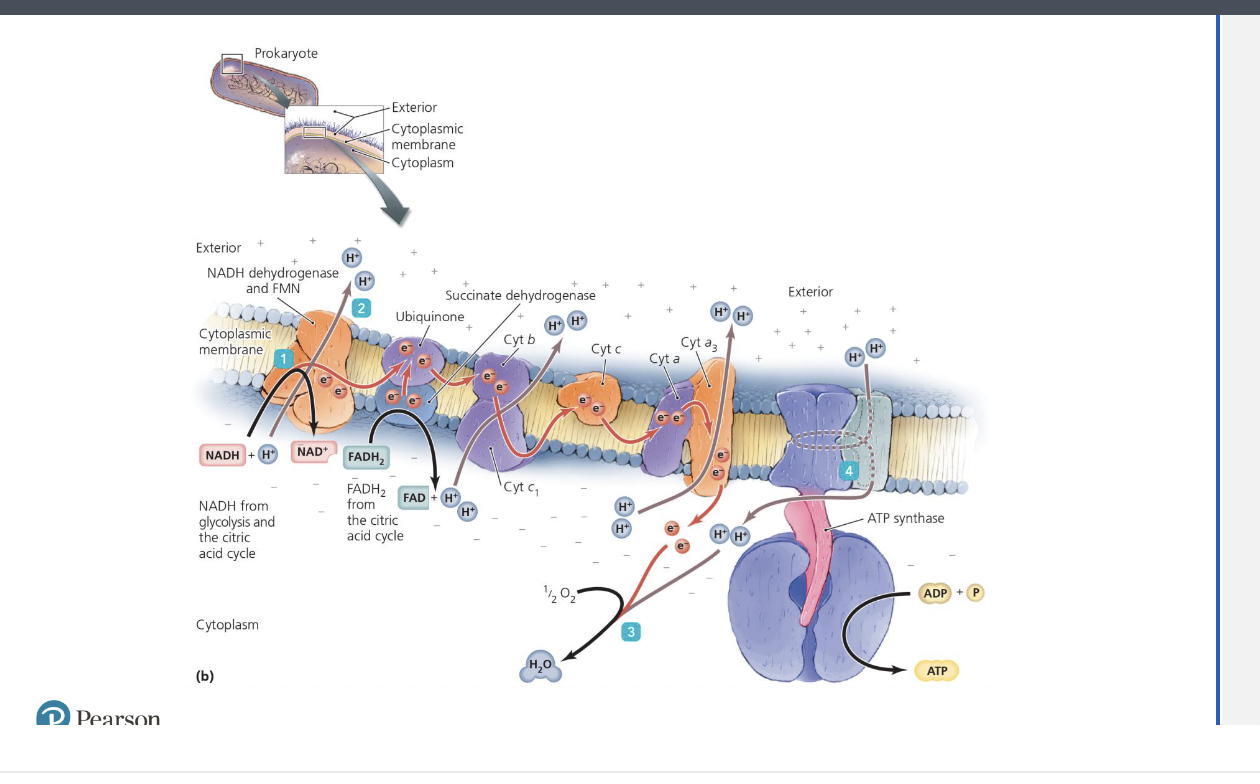
<p>Cellular Respiration</p><p>– Electron transport</p><p><span data-name="black_small_square" data-type="emoji">▪</span> Most significant production of ATP occurs from series</p><p>of redox reactions known as an electron transport chain</p><p>(ETC)</p><p><span data-name="black_small_square" data-type="emoji">▪</span> Series of carrier molecules that pass electrons from</p><p>one to another to final electron acceptor</p><p><span data-name="black_small_square" data-type="emoji">▪</span> Energy from electrons used to pump protons (H+)</p><p>across the membrane, establishing a proton gradient</p><p><span data-name="black_small_square" data-type="emoji">▪</span> Located in inner mitochondrial membrane of eukaryotes</p><p>and in cytoplasmic membrane of prokaryotes</p><p>Four categories of carrier molecules:</p><p>– Flavoproteins</p><p>– Ubiquinones</p><p>– Metal-containing proteins</p><p>– Cytochromes</p><p><span data-name="black_small_square" data-type="emoji">▪</span> Aerobic respiration: oxygen serves as final electron</p><p>acceptor.</p><p><span data-name="black_small_square" data-type="emoji">▪</span> Anaerobic respiration: molecule other than oxygen</p><p>serves as final electron acceptor.</p><ul><li><p>factors affecting ATP yield: remove oxygen, add cyanide, add uncoupling protein</p></li></ul><p></p>
11
New cards
<p>Enzymes and DNA replication</p>

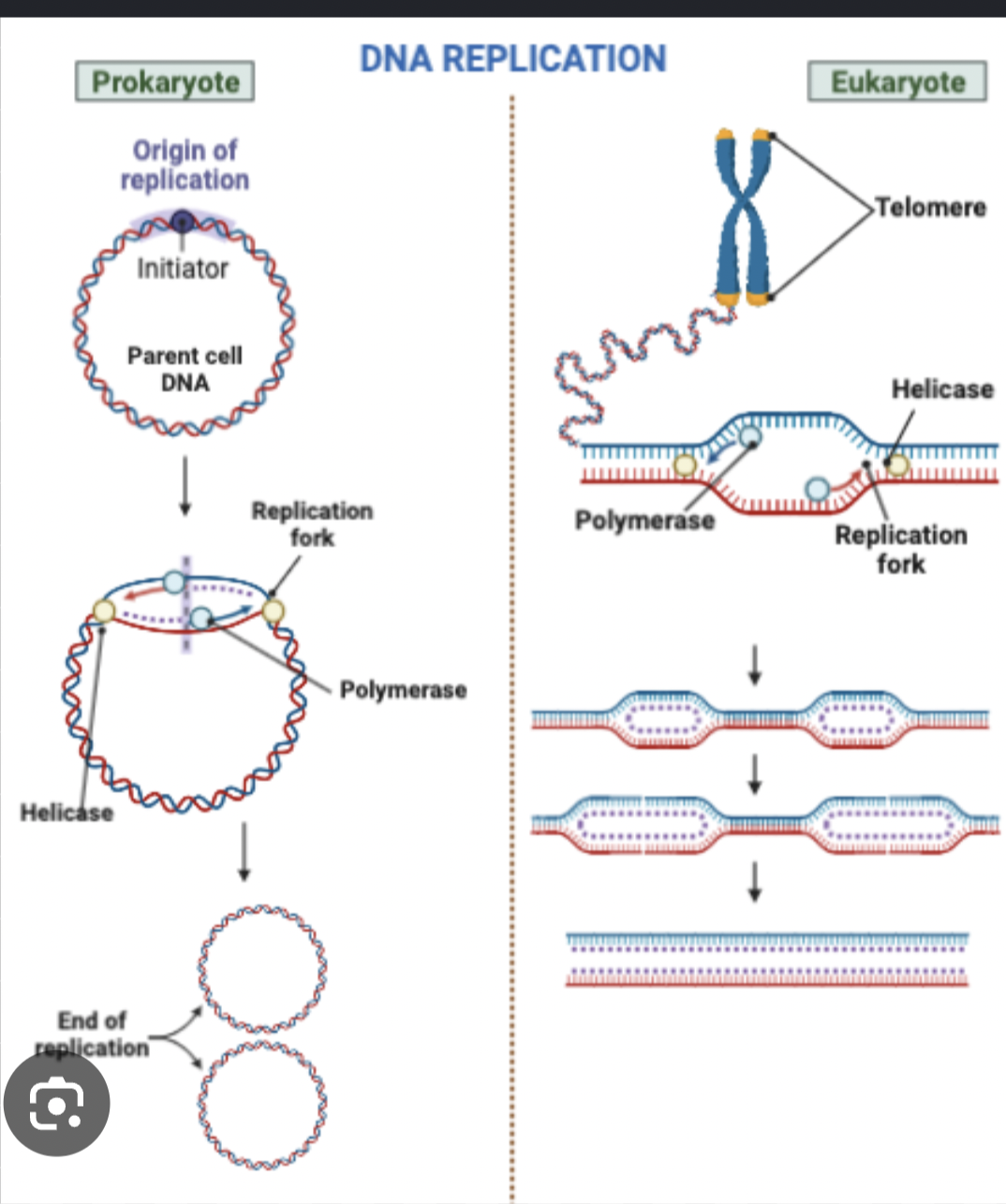
Enzymes and DNA replication

DNA Replication

– Key to replication is the complementary structure of

the two strands

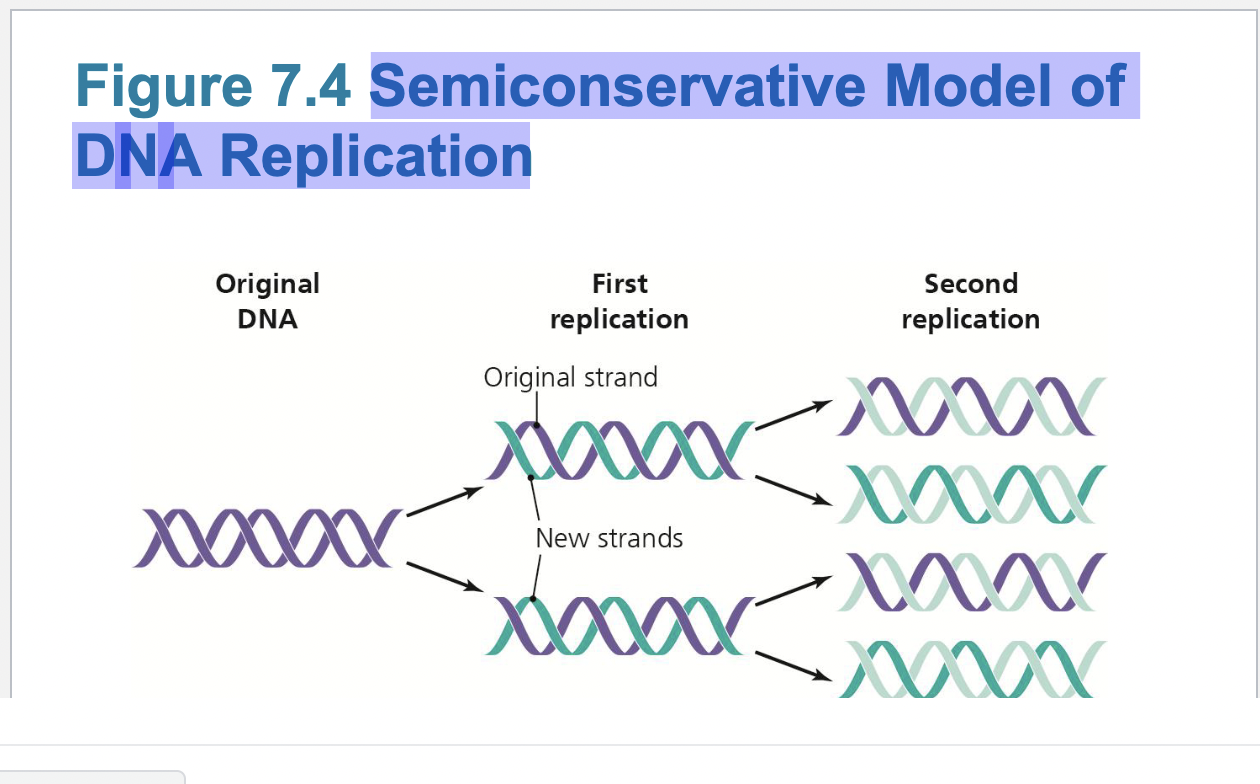
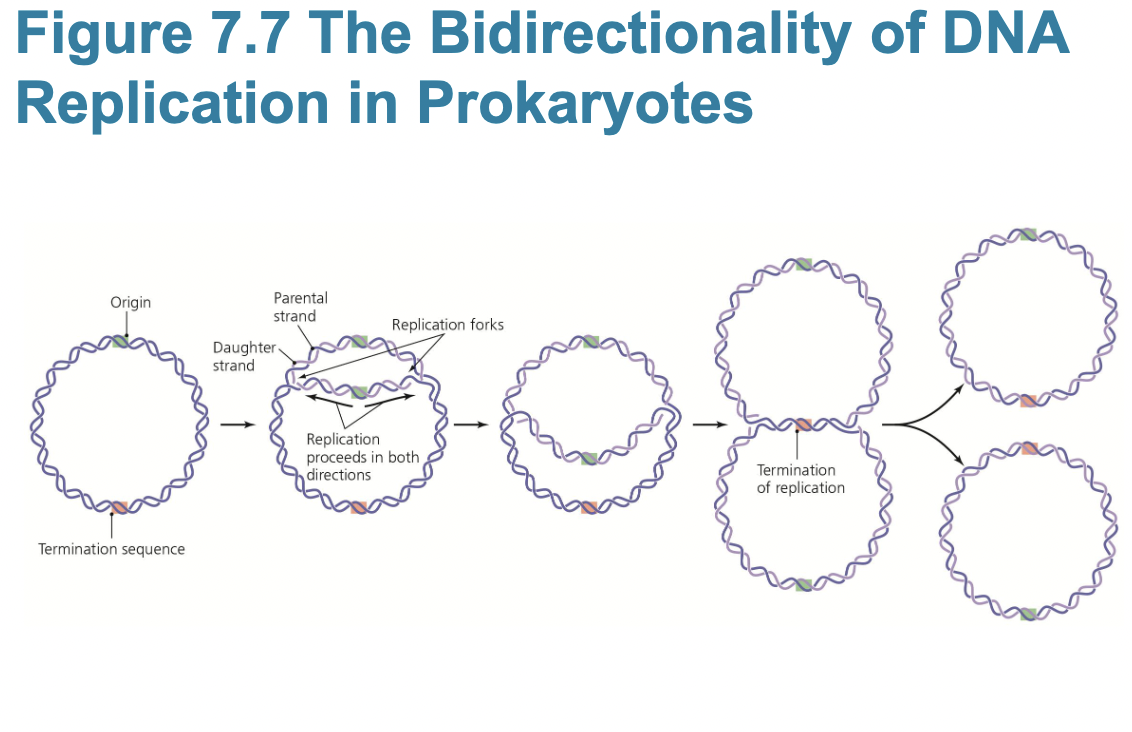
– Replication is semiconservative and bidirectional

New DNA composed of one original and one

daughter strand

  • gyrases and topoisomerases remove supercoils in DNA

– Anabolic polymerization processes require monomers

and energy

Triphosphate deoxyribonucleotides serve both

functions

– Initial processes in bacterial DNA replication

Bacterial DNA replication begins at the origin

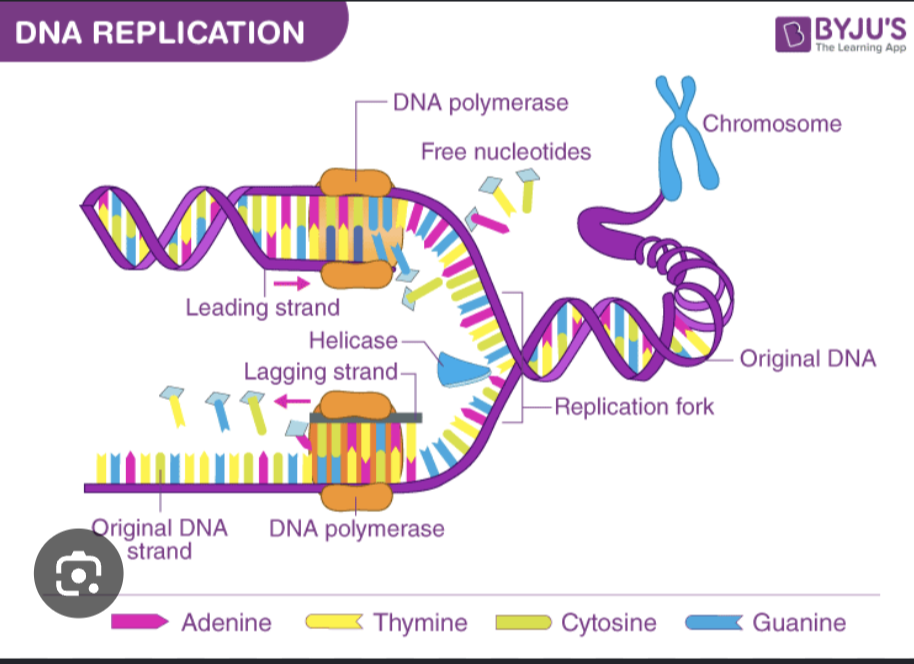
DNA polymerase replicates DNA only 5′ to 3′

Because strands are antiparallel, new strands are

synthesized differently:

– Leading strand synthesized continuously

– Lagging strand synthesized discontinuously
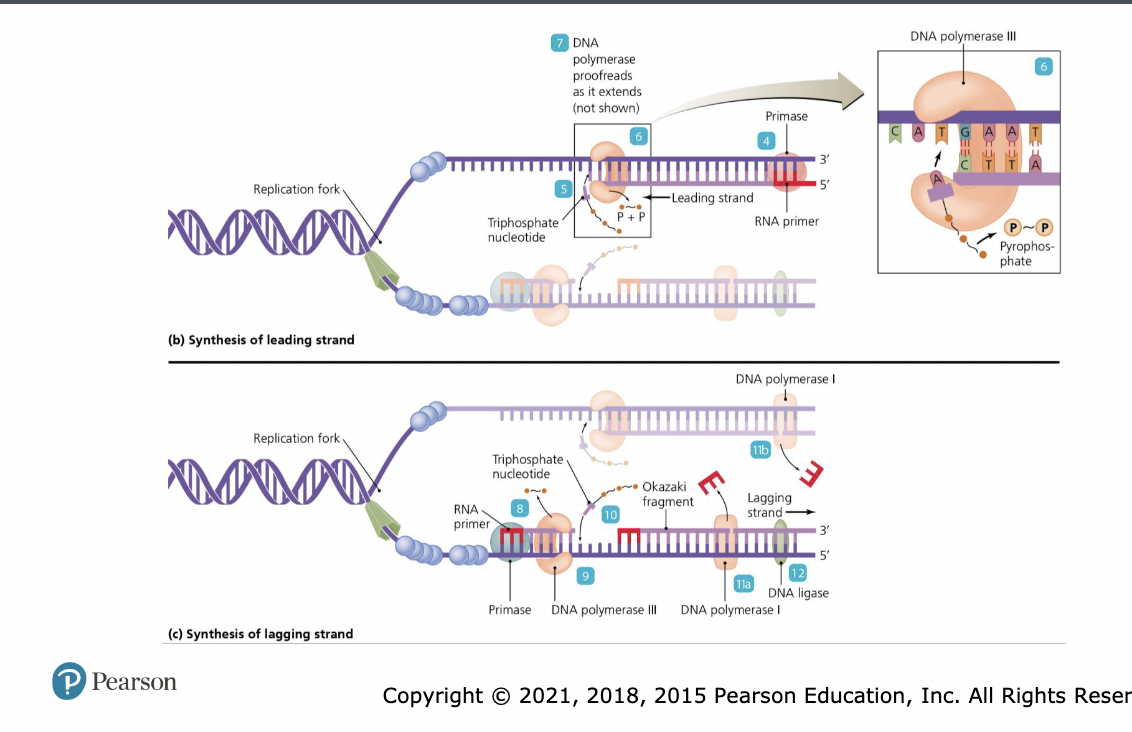
<p>DNA Replication</p><p>– Key to replication is the complementary structure of</p><p>the two strands</p><p>– Replication is semiconservative and bidirectional</p><p>    <span data-name="black_small_square" data-type="emoji">▪</span> New DNA composed of one original and one</p><p>daughter strand</p><ul><li><p>gyrases and topoisomerases remove supercoils in DNA</p></li></ul><p>– Anabolic polymerization processes require monomers</p><p>and energy</p><p><span data-name="black_small_square" data-type="emoji">▪</span> Triphosphate deoxyribonucleotides serve both</p><p>functions</p><p>– Initial processes in bacterial DNA replication</p><p>    <span data-name="black_small_square" data-type="emoji">▪</span> Bacterial DNA replication begins at the origin</p><p>    <span data-name="black_small_square" data-type="emoji">▪</span> DNA polymerase replicates DNA only 5′ to 3′</p><p>     <span data-name="black_small_square" data-type="emoji">▪</span> Because strands are antiparallel, new strands are</p><p>synthesized differently:</p><p>    – Leading strand synthesized continuously</p><p>    – Lagging strand synthesized discontinuously</p><img src="https://assets.knowt.com/user-attachments/66293c99-66f0-4e87-8424-335e18e2d8f3.png" data-width="100%" data-align="center"><p></p>
12
New cards
<p>!!Enzymes and DNA replication pt. 2</p>

!!Enzymes and DNA replication pt. 2

DNA Replication

– Replication of eukaryotic DNA

Similar to bacterial replication

Some differences:

– Uses four DNA polymerases

– Thousands of replication origins

– Shorter Okazaki fragments

– Plant and animal cells methylate only cytosine

bases

  • !!!what are the enzymes needed for DNA replication and what do they do?

    • Helicase: Binds to the DNA origin and breaks the hydrogen bonds between complementary bases. This unwinds the double helix and creates a Y-shaped structure known as the replication fork.

    • DNA gyrase or topoisomerase: Travels just ahead of the replication fork to relieve the physical strain and supercoiling (over-winding) that builds up in the rest of the DNA strand as it is unwound

    • RNA primer: Synthesizes a short RNA primer. Because the main builder (DNA polymerase) cannot start a completely new strand from scratch, it requires this primer to provide a starting 3' hydroxyl group

    • DNA pol 1: The primary enzyme responsible for synthesizing the new DNA strand. It adds complementary free-floating nucleotides in a \(5^{\prime }\) to \(3^{\prime }\) direction. Involved in proofreading and building the leading and lagging strand

    • Ligase: links Okazaki fragments, ligase seals these sugar-phosphate backbones to form a continous seamless strand of DNA
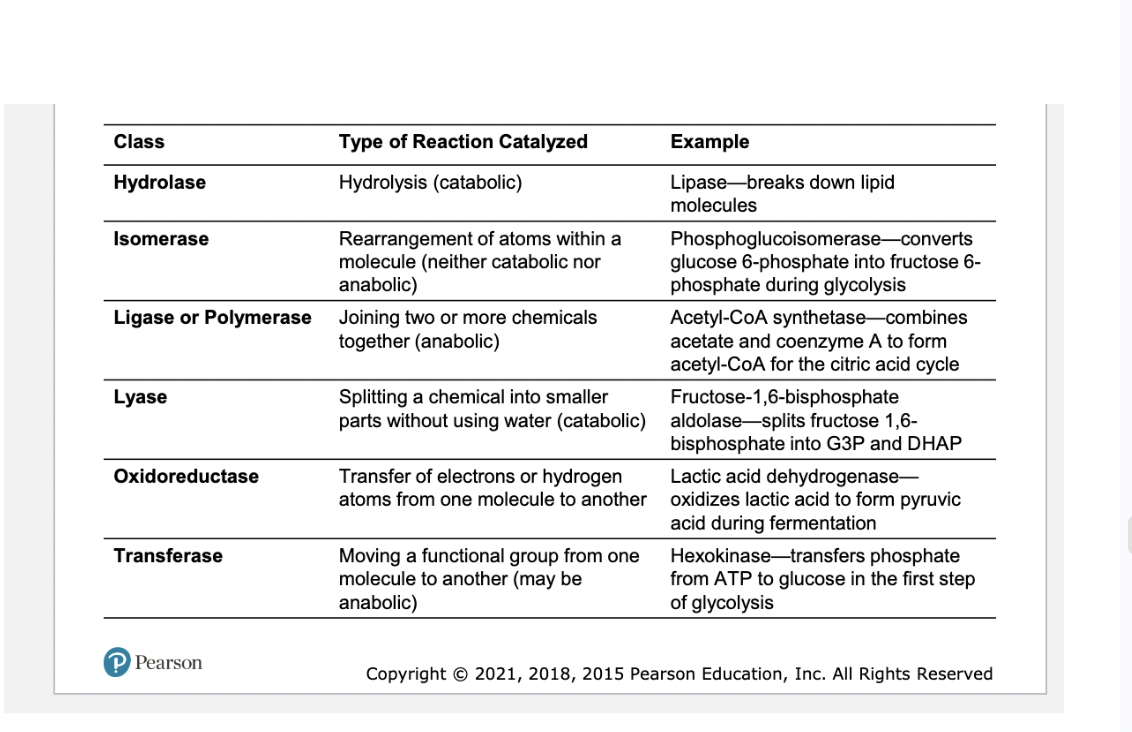
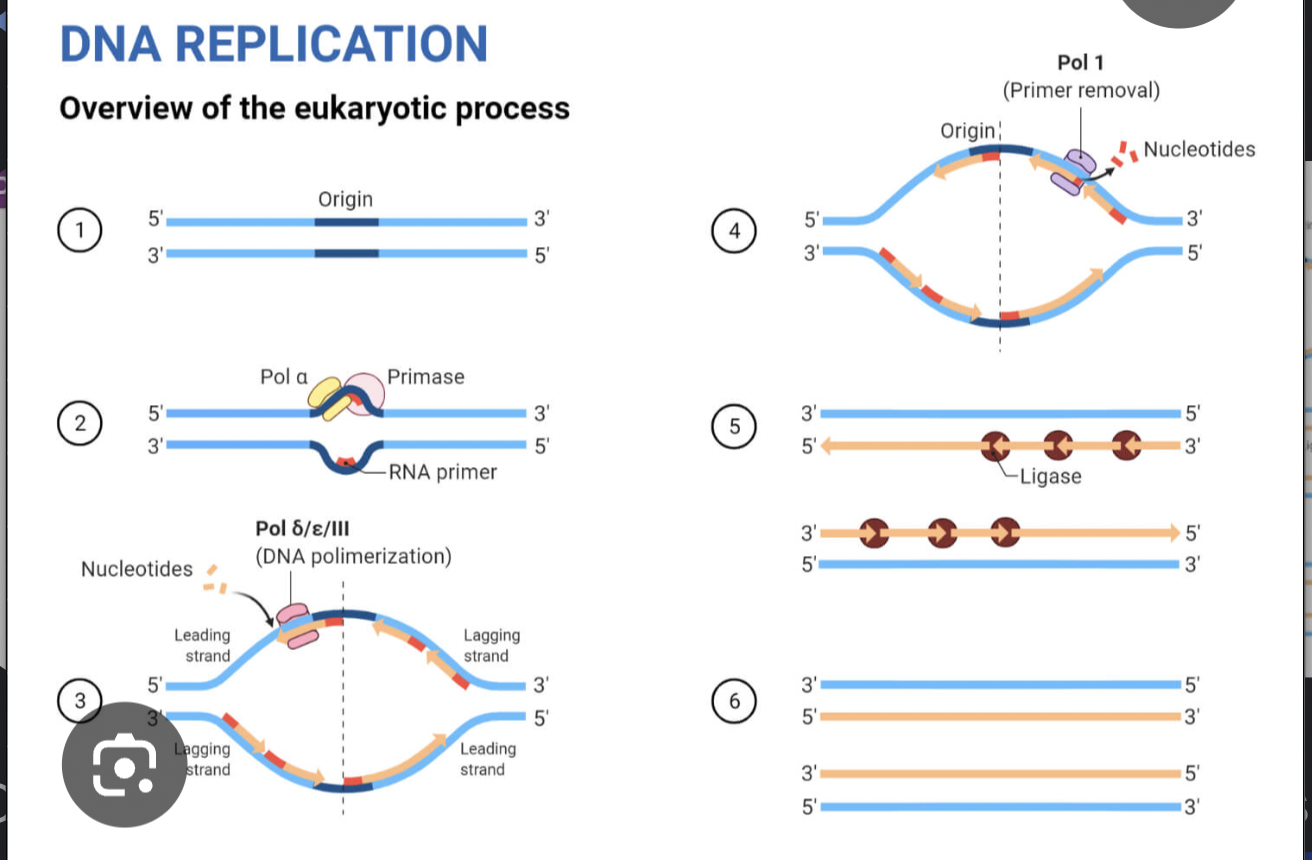
<p>DNA Replication</p><p>– Replication of eukaryotic DNA</p><p><span data-name="black_small_square" data-type="emoji">▪</span> Similar to bacterial replication</p><p><span data-name="black_small_square" data-type="emoji">▪</span> Some differences:</p><p>– Uses four DNA polymerases</p><p>– Thousands of replication origins</p><p>– Shorter Okazaki fragments</p><p>– Plant and animal cells methylate only cytosine</p><p>bases</p><ul><li><p><span style="background-color: transparent;">!!!what are the enzymes needed for DNA replication and what do they do?</span></p><ul><li><p><span style="background-color: transparent;">Helicase: </span>Binds to the DNA origin and breaks the hydrogen bonds between complementary bases. This unwinds the double helix and creates a Y-shaped structure known as the replication fork.</p></li><li><p><span style="background-color: transparent;">DNA gyrase or topoisomerase: </span>Travels just ahead of the replication fork to relieve the physical strain and supercoiling (over-winding) that builds up in the rest of the DNA strand as it is unwound</p></li><li><p><span style="background-color: transparent;">RNA primer: </span>Synthesizes a short RNA primer. Because the main builder (DNA polymerase) cannot start a completely new strand from scratch, it requires this primer to provide a starting 3' hydroxyl group</p></li><li><p><span style="background-color: transparent;">DNA pol 1: </span>The primary enzyme responsible for synthesizing the new DNA strand. It adds complementary free-floating nucleotides in a \(5^{\prime }\) to \(3^{\prime }\) direction. Involved in proofreading and building the leading and lagging strand</p></li><li><p><span style="background-color: transparent;">Ligase: links Okazaki fragments, ligase seals these sugar-phosphate backbones to form a continous seamless strand of DNA </span></p></li></ul></li></ul><p></p>
13
New cards
<p>Steps of DNA replication</p>

Steps of DNA replication

Initiation

  1. DNA unwinds – The enzyme helicase breaks the hydrogen bonds between base pairs, unzipping the DNA double helix.

  2. DNA is stabilizedSingle-strand binding proteins keep the separated DNA strands from rejoining.

  3. Topoisomerase prevents DNA from over-winding and supercoiling ahead of the replication fork

Elongation

  1. RNA primers are addedPrimase lays down short RNA primers to provide a starting point for DNA synthesis.

  2. New DNA strands are builtDNA polymerase adds complementary nucleotides in the 5′ → 3′ direction.

    • Leading strand: synthesized continuously.

    • Lagging strand: synthesized in short Okazaki fragments.

Termination

  1. RNA primers are replaced – DNA polymerase 1 removes the RNA primers and replaces them with DNA nucleotides.

  2. Fragments are joinedDNA ligase seals the gaps between Okazaki fragments, creating one continuous strand.

  3. Replication is complete – Two identical DNA molecules are produced, each containing one original (parental) strand and one newly synthesized strand (called semiconservative replication).

Easy memory trick:
H → P → P → L

  • Helicase unzips

  • Primase primes

  • Polymerase builds DNA

  • Ligase links fragments

<p>Initiation</p><ol><li><p><strong>DNA unwinds</strong> – The enzyme <strong>helicase</strong> breaks the hydrogen bonds between base pairs, unzipping the DNA double helix.</p></li><li><p><strong>DNA is stabilized</strong> – <strong>Single-strand binding proteins</strong> keep the separated DNA strands from rejoining.</p></li><li><p>Topoisomerase prevents DNA from over-winding and supercoiling ahead of the replication fork</p></li></ol><p>Elongation</p><ol><li><p><strong>RNA primers are added</strong> – <strong>Primase</strong> lays down short RNA primers to provide a starting point for DNA synthesis.</p></li><li><p><strong>New DNA strands are built</strong> – <strong>DNA polymerase</strong> adds complementary nucleotides in the <strong>5′ → 3′ direction</strong>.</p><ul><li><p><strong>Leading strand:</strong> synthesized continuously.</p></li><li><p><strong>Lagging strand:</strong> synthesized in short <strong>Okazaki fragments</strong>.</p></li></ul></li></ol><p>Termination</p><ol><li><p><strong>RNA primers are replaced</strong> – DNA polymerase 1 removes the RNA primers and replaces them with DNA nucleotides.</p></li><li><p><strong>Fragments are joined</strong> – <strong>DNA ligase</strong> seals the gaps between Okazaki fragments, creating one continuous strand.</p></li><li><p><strong>Replication is complete</strong> – Two <strong>identical DNA molecules</strong> are produced, each containing <strong>one original (parental) strand and one newly synthesized strand</strong> (called <strong>semiconservative replication</strong>).</p></li></ol><p><strong>Easy memory trick:</strong><br><strong>H → P → P → L</strong></p><ul><li><p><strong>H</strong>elicase unzips</p></li><li><p><strong>P</strong>rimase primes</p></li><li><p><strong>P</strong>olymerase builds DNA</p></li><li><p><strong>L</strong>igase links fragments</p></li></ul><p></p>
14
New cards
<p>Types of DNA mutations</p>

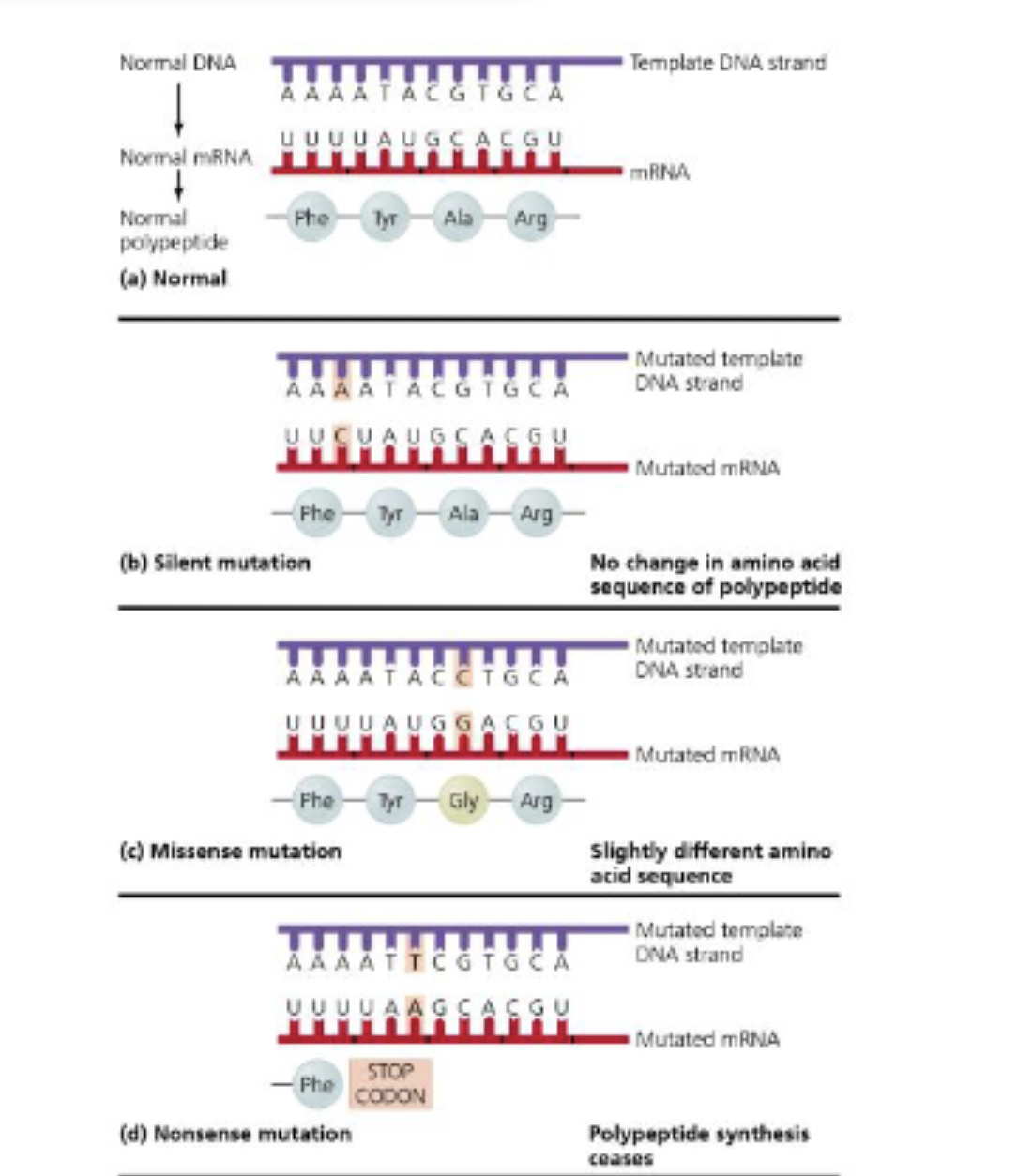
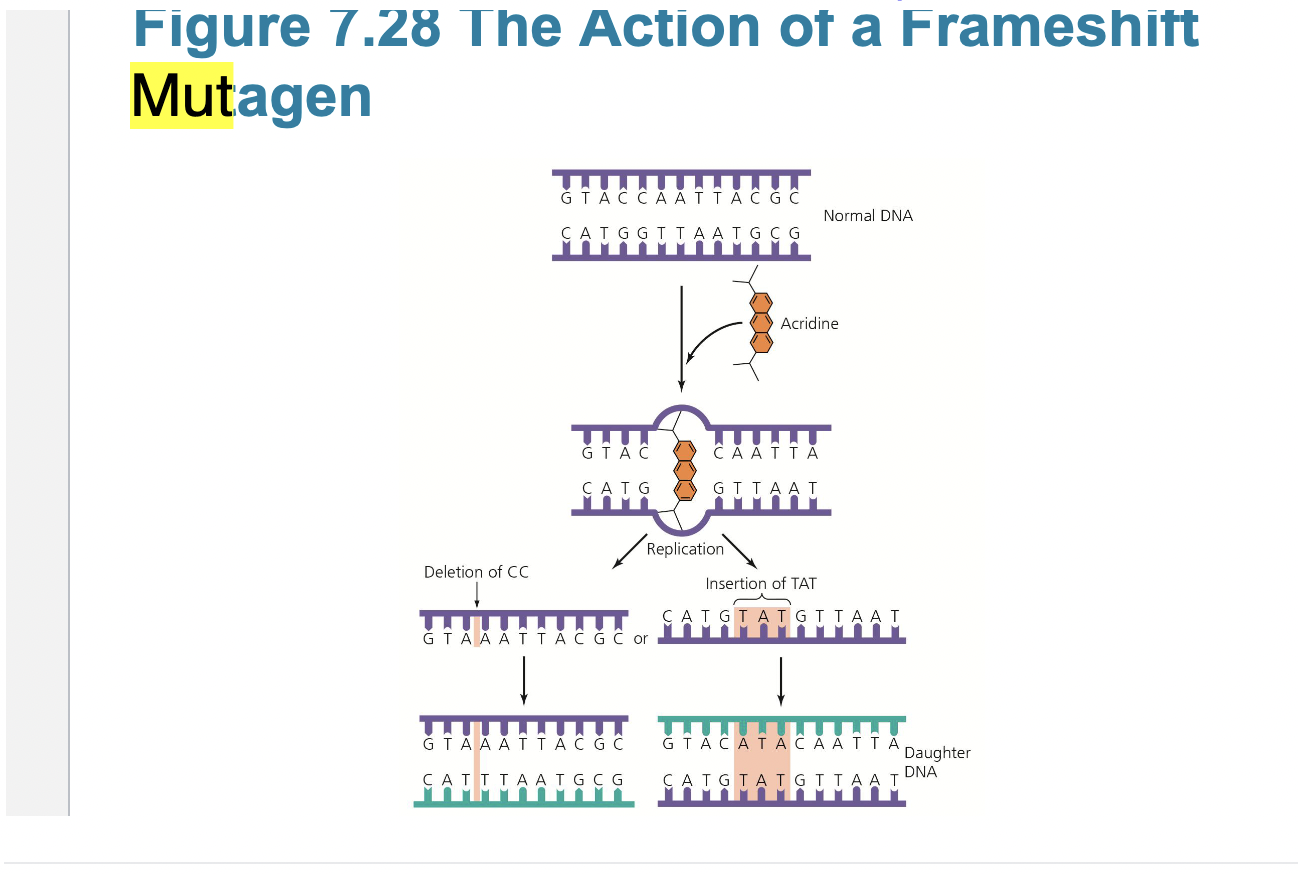
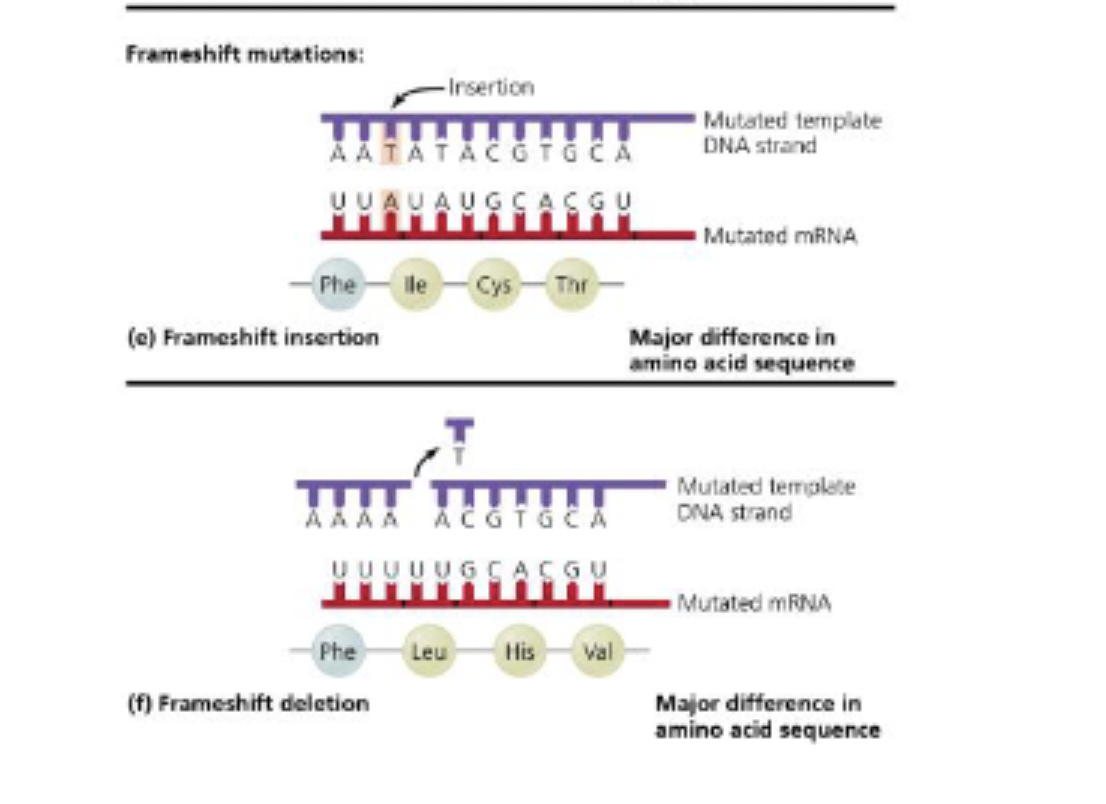
Types of DNA mutations

Types of Mutations

– Point mutations

One base pair is affected

ex: Substitutions and frameshift (insertion and deletion) mutations

– Gross mutations

Include inversions, duplications, and transpositions

Mutagens increase the mutation rate by a factor of 10

to 1000 times.
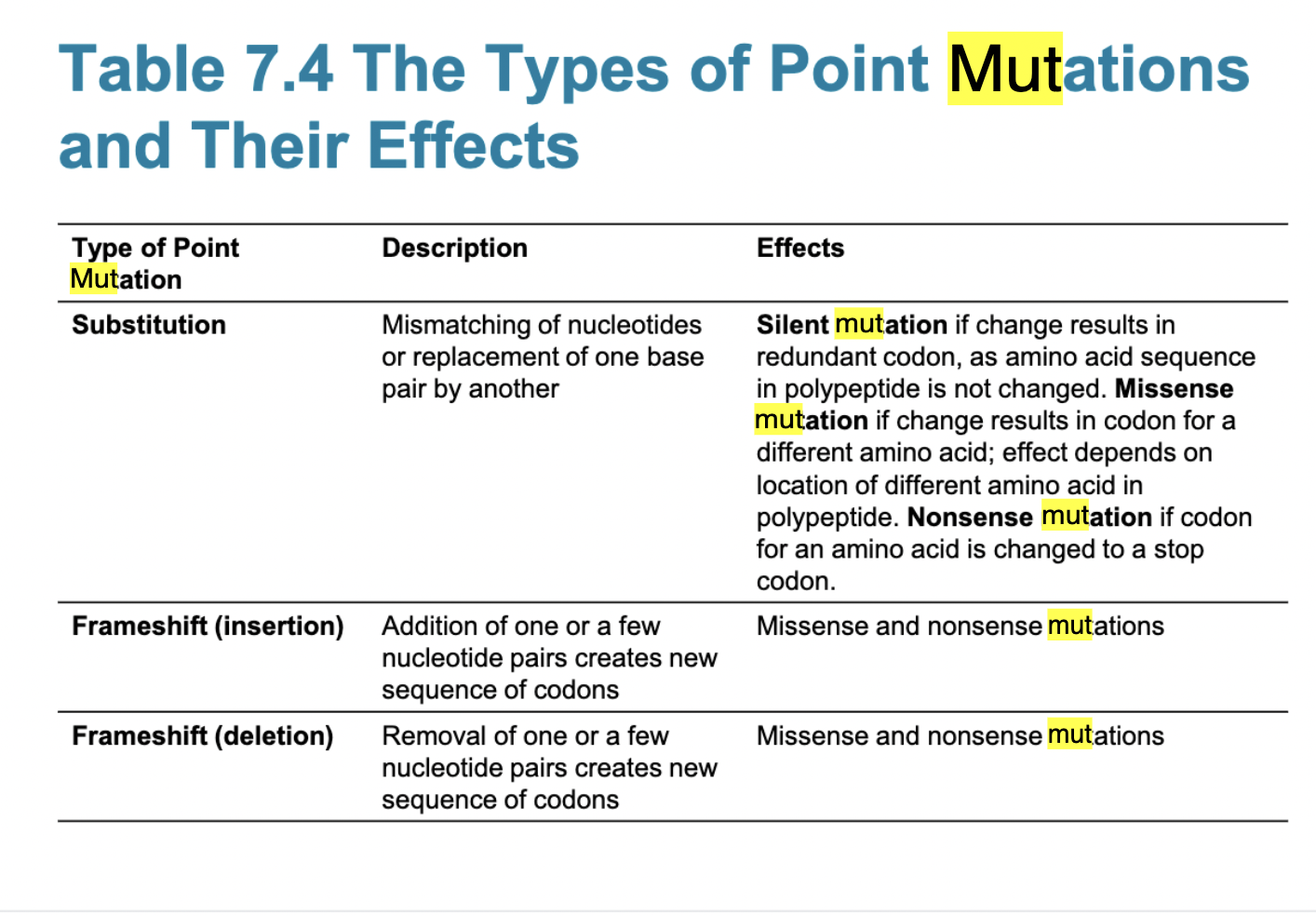
<p>Types of Mutations</p><p>– Point mutations</p><p>    <span data-name="black_small_square" data-type="emoji">▪</span> One base pair is affected</p><p>     <span data-name="black_small_square" data-type="emoji">▪</span> ex: Substitutions and frameshift (insertion and deletion) mutations</p><p>– Gross mutations</p><p>    <span data-name="black_small_square" data-type="emoji">▪</span> Include inversions, duplications, and transpositions</p><p>Mutagens increase the mutation rate by a factor of 10</p><p>to 1000 times.</p><p></p><img src="https://assets.knowt.com/user-attachments/a8a12a88-42fe-4561-9752-3a09dda08bdf.png" data-width="100%" data-align="center"><p></p><img src="https://assets.knowt.com/user-attachments/0a076f31-f25a-45f8-84b3-8b61ce8106d6.png" data-width="100%" data-align="center"><p></p>
15
New cards
<p> Steps of phagocytosis </p>

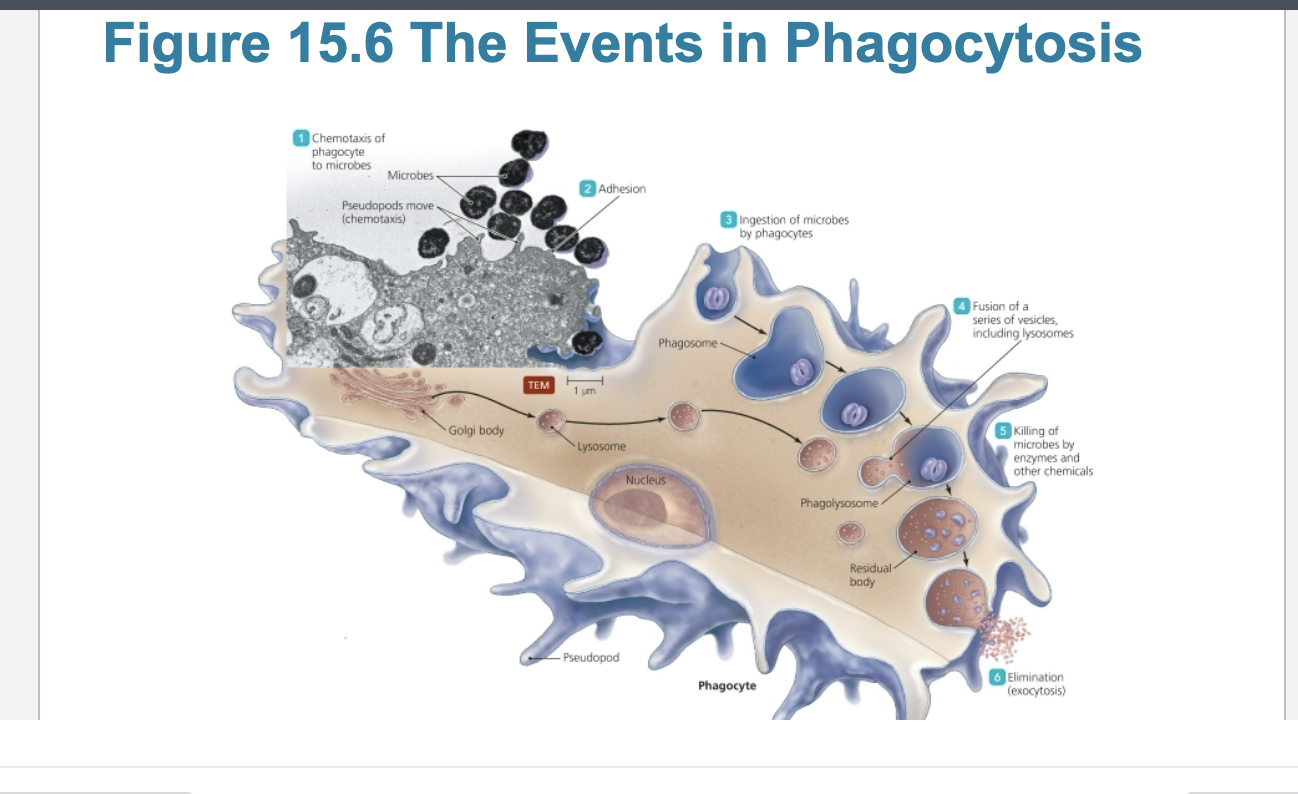
Steps of phagocytosis

  • 1. Chemotaxis & Activation: The phagocyte detects chemical signals (e.g., cytokines, microbial components) and migrates to the site of infection or tissue damage. [1, 2, 3]

  • 2. Recognition & Attachment: Receptors on the phagocyte's surface bind to the target. This process is highly enhanced by opsonization, where the target is coated with proteins like antibodies or complement factors. [1, 2, 3, 4]

  • 3. Engulfment: The phagocyte extends parts of its cell membrane, known as pseudopods, around the target particle. These extensions eventually meet and fuse, enclosing the particle within a pouch. [1, 2, 3]

  • 4. Phagosome Formation: The fused membrane pinches off inside the cell to form a specialized, membrane-bound vesicle called a phagosome. [1, 2]

  • 5. Phagolysosome Formation: The phagosome travels into the cytoplasm and fuses with a lysosome, forming a phagolysosome. Lysosomes contain destructive enzymes and reactive oxygen species. [1, 2, 3, 4]

  • 6. Destruction: The enzymes within the phagolysosome activate in an acidic environment, actively degrading and destroying the engulfed microbe or debris. [1, 2]

  • 7. Elimination: The remaining indigestible waste is converted into a residual body, which is subsequently expelled from the cell through exocytosis. [1, 2, 3]

<ul><li><p><span><strong>1. Chemotaxis &amp; Activation:</strong> The phagocyte detects chemical signals (e.g., cytokines, microbial components) and migrates to the site of infection or tissue damage. [1, 2, 3]</span></p></li><li><p><span><strong>2. Recognition &amp; Attachment:</strong> Receptors on the phagocyte's surface bind to the target. This process is highly enhanced by <strong>opsonization</strong>, where the target is coated with proteins like antibodies or complement factors. [1, 2, 3, 4]</span></p></li><li><p><span><strong>3. Engulfment:</strong> The phagocyte extends parts of its cell membrane, known as pseudopods, around the target particle. These extensions eventually meet and fuse, enclosing the particle within a pouch. [1, 2, 3]</span></p></li><li><p><span><strong>4. Phagosome Formation:</strong> The fused membrane pinches off inside the cell to form a specialized, membrane-bound vesicle called a <strong>phagosome</strong>. [1, 2]</span></p></li><li><p><span><strong>5. Phagolysosome Formation:</strong> The phagosome travels into the cytoplasm and fuses with a lysosome, forming a <strong>phagolysosome</strong>. Lysosomes contain destructive enzymes and reactive oxygen species. [1, 2, 3, 4]</span></p></li><li><p><span><strong>6. Destruction:</strong> The enzymes within the phagolysosome activate in an acidic environment, actively degrading and destroying the engulfed microbe or debris. [1, 2]</span></p></li><li><p><span><strong>7. Elimination:</strong> The remaining indigestible waste is converted into a residual body, which is subsequently expelled from the cell through exocytosis. [1, 2, 3]</span></p></li></ul><p></p>
16
New cards
<p>Hallmarks of inflammation</p>

Hallmarks of inflammation

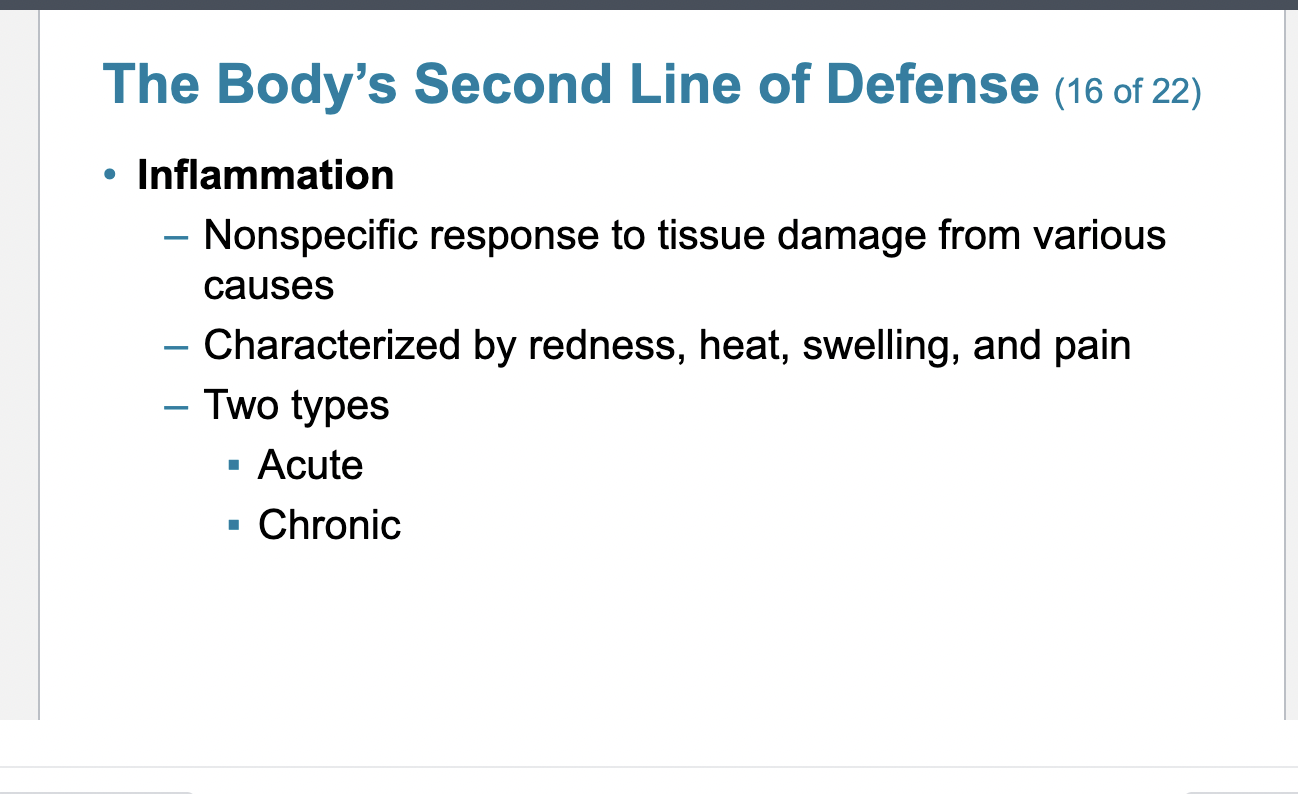
!!!redness, heat, swelling, and pain are hallmarks of inflammation

Inflammation

– Acute inflammation

Develops quickly and is short lived

Is typically beneficial

Is important in the second line of defense

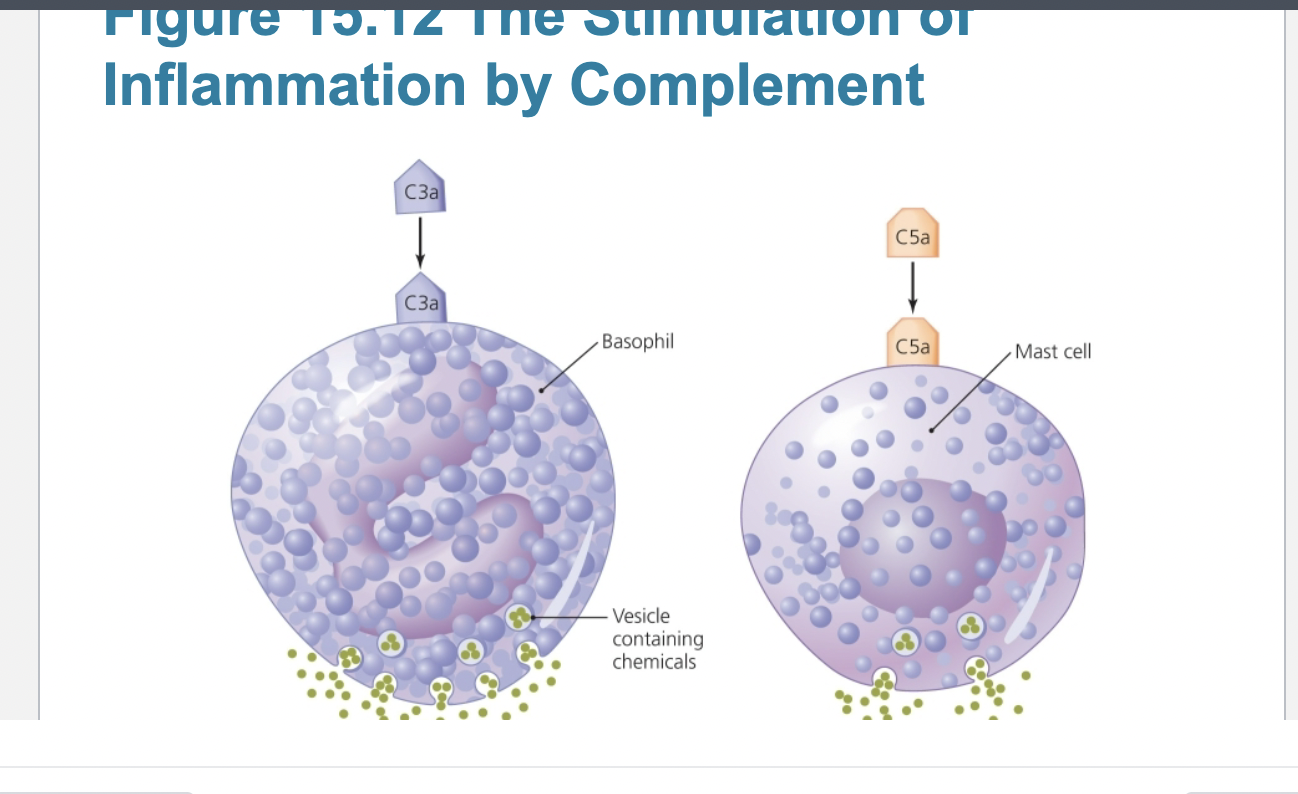
– Dilation and increased permeability of the blood vessels

– Migration of phagocytes

– Tissue repair

– Chronic inflammation

Long-lasting

Damage to tissues can cause disease

– Migration of phagocytes

Neutrophils and monocytes delivered to site of infection

– Recruited by chemotactic factors

Attach to receptors on blood vessels

Squeeze between cells of vessel wall and enter site of

infection

– Tissue repair

Delivery of nutrients and oxygen to site facilitates repair

Some tissues cannot be repaired

<p><span style="background-color: transparent; font-family: &quot;Times New Roman&quot;, serif;">!!!redness, heat, swelling, and pain are hallmarks of inflammation</span></p><p></p><p>Inflammation</p><p>– Acute inflammation</p><p><span data-name="black_small_square" data-type="emoji">▪</span> Develops quickly and is short lived</p><p><span data-name="black_small_square" data-type="emoji">▪</span> Is typically beneficial</p><p><span data-name="black_small_square" data-type="emoji">▪</span> Is important in the second line of defense</p><p>– Dilation and increased permeability of the blood vessels</p><p>– Migration of phagocytes</p><p>– Tissue repair</p><p>– Chronic inflammation</p><p><span data-name="black_small_square" data-type="emoji">▪</span> Long-lasting</p><p><span data-name="black_small_square" data-type="emoji">▪</span> Damage to tissues can cause disease</p><p></p><p>– Migration of phagocytes</p><p><span data-name="black_small_square" data-type="emoji">▪</span> Neutrophils and monocytes delivered to site of infection</p><p>– Recruited by chemotactic factors</p><p><span data-name="black_small_square" data-type="emoji">▪</span> Attach to receptors on blood vessels</p><p><span data-name="black_small_square" data-type="emoji">▪</span> Squeeze between cells of vessel wall and enter site of</p><p>infection</p><p>– Tissue repair</p><p><span data-name="black_small_square" data-type="emoji">▪</span> Delivery of nutrients and oxygen to site facilitates repair</p><p><span data-name="black_small_square" data-type="emoji">▪</span> Some tissues cannot be repaired</p><p></p>
17
New cards
<p>types of leukocytes and their function</p>

types of leukocytes and their function

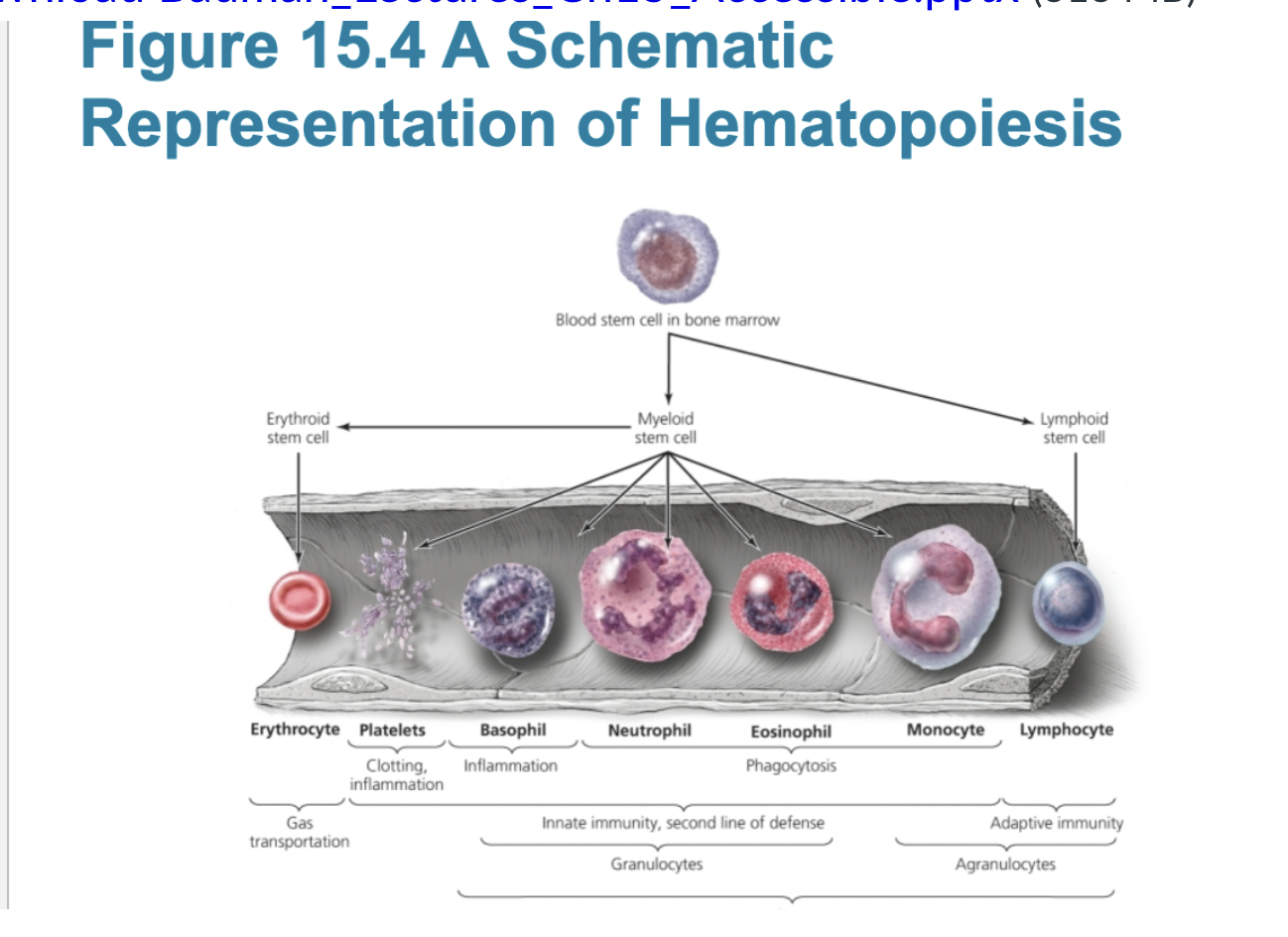
Defensive blood cells: Leukocytes

Granulocytes

– Contain large granules that stain different colors

– Three types

• Basophils—stain blue with basic dye methylene blue, release inflammatory chemicals, do not phagocytize

• Eosinophils—stain red/orange with acidic dye

eosin, phagocytize pathogens, capable of diapedesis, allergies or parasites

• Neutrophils—stain lilac with mix of acidic and

basic dyes, phagocytize pathogens, capable of diapedesis

Agranulocytes

– Cytoplasm appears uniform under a light microscope

– Two types

• Lymphocytes

• Most involved in adaptive immunity

• Natural killer lymphocytes

• Monocytes

• Leave the blood and mature into macrophages

• Phagocytic cells that devour foreign objects

Differential white blood cell count can signal

disease

• Increased eosinophils indicate allergies or

parasitic worm infection

• Bacterial diseases often show increase in

leukocytes and neutrophils

• Viral infections show increase in

lymphocytes
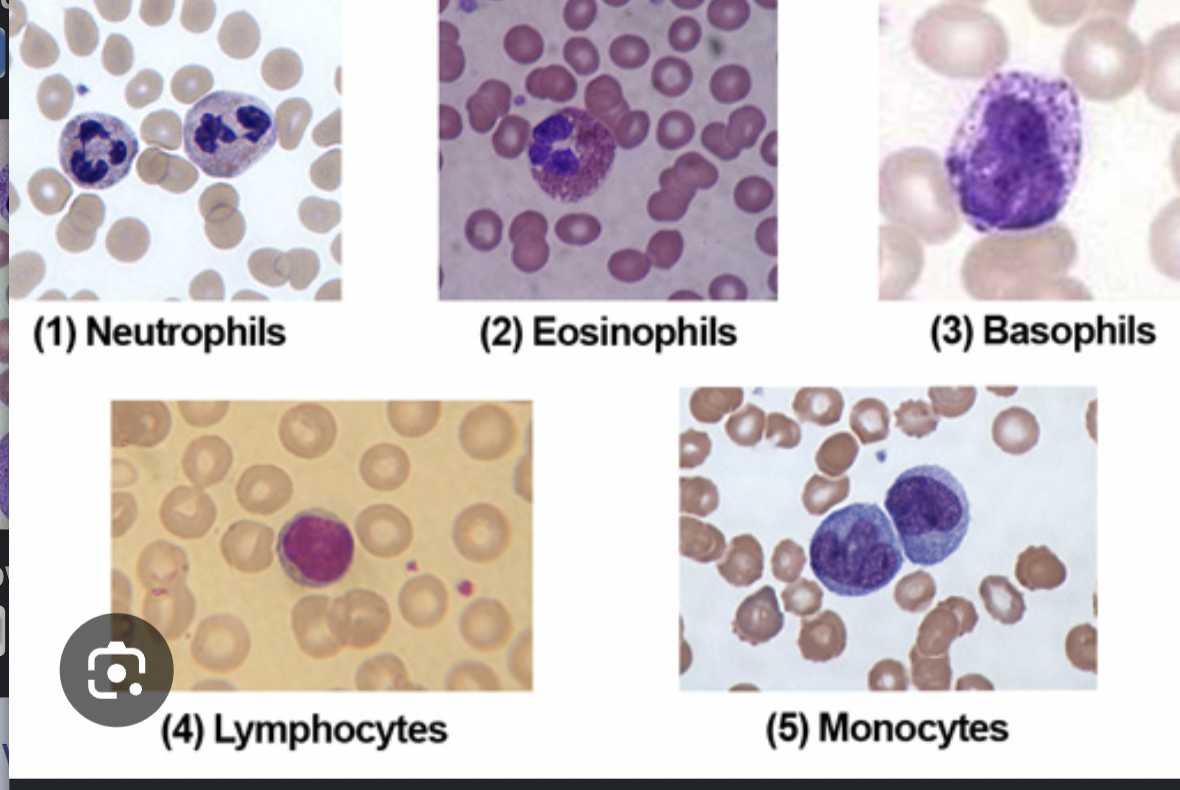
<p>Defensive blood cells: Leukocytes</p><p><span data-name="black_small_square" data-type="emoji">▪</span> Granulocytes</p><p>– Contain large granules that stain different colors</p><p>– Three types</p><p>• Basophils—stain blue with basic dye methylene blue, release inflammatory chemicals, do not phagocytize</p><p>• Eosinophils—stain red/orange with acidic dye</p><p>eosin, phagocytize pathogens, capable of diapedesis, allergies or parasites</p><p>• Neutrophils—stain lilac with mix of acidic and</p><p>basic dyes,  phagocytize pathogens, capable of diapedesis</p><p></p><p><span data-name="black_small_square" data-type="emoji">▪</span> Agranulocytes</p><p>– Cytoplasm appears uniform under a light microscope</p><p>– Two types</p><p>• Lymphocytes</p><p>• Most involved in adaptive immunity</p><p>• Natural killer lymphocytes</p><p>• Monocytes</p><p>• Leave the blood and mature into macrophages</p><p>• Phagocytic cells that devour foreign objects</p><p></p><p>Differential white blood cell count can signal</p><p>disease</p><p>• Increased eosinophils indicate allergies or</p><p>parasitic worm infection</p><p>• Bacterial diseases often show increase in</p><p>leukocytes and neutrophils</p><p>• Viral infections show increase in</p><p>lymphocytes</p>
18
New cards
19
New cards
20
New cards
21
New cards
22
New cards
23
New cards
24
New cards