Biochem 1 chapter 1
 Call Kai
 Learn
Learn Practice Test
 Spaced Repetition
 Match
Match Flashcards
 Knowt Play
1/106

Earn XP
Description and Tags
lots of bio information not much chem, hang on for dear life and memorize lol
Name | Mastery | Learn | Test | Matching | Spaced | Call with Kai | Chat |
|---|
No analytics yet
Send a link to your students to track their progress
107 Terms
living matter is characterized by (1.)
a high degree of complexity and organization
living matter is characterized by (2.)
the extraction, transformation, and systematic use of energy to create and maintain structures and do work
living matter is characterized by (3.)
the interactions of individual conponents being dynamic and coordinated
living matter is characterized by (4.)
the ability to sense and respond to changes in surroundings
living matter is characterized by (5.)
the capacity for fairly precise self replication while allowing enough change for evolution
sexual reproduction
sperm cell and egg cell form a zygote
asexual reproduction
only one parent contributes genetic material
Three domains of life
bacteria, archaea, eukarya
prokaryotes
bacteria, archaea
eukaryotes
eukarya
six kingdoms (1.)
archaea (unicellular prokaryote)
six kingdoms (2.)
bacteria (unicellular prokaryote)
six kingdoms (3.)
protista (unicellular eukaryote, energy and carbon)
six kingdoms (4.)
fungi (uni or multicellular eukaryote, energy and carbon)
six kingdoms (5.)
plantae (multicellular eukaryote, energy and carbon)
six kingdoms (6.)
animalia (multicellular eukaryote, energy and carbon)
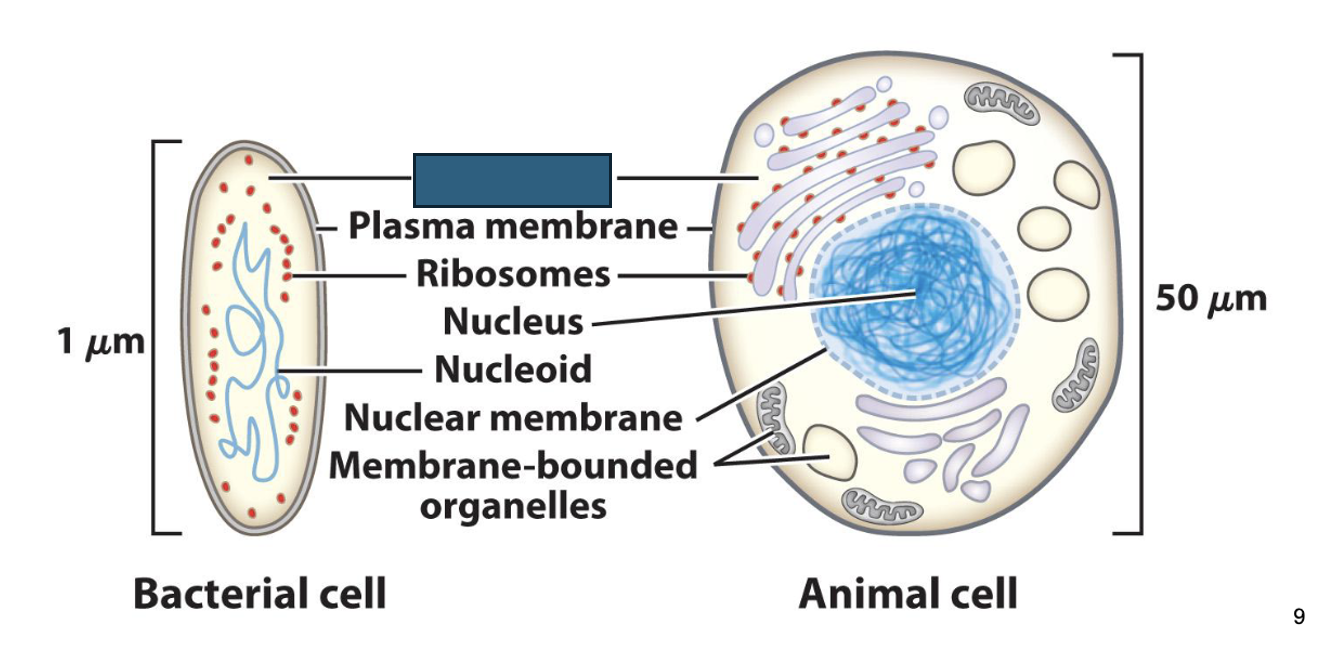
cytoplasm
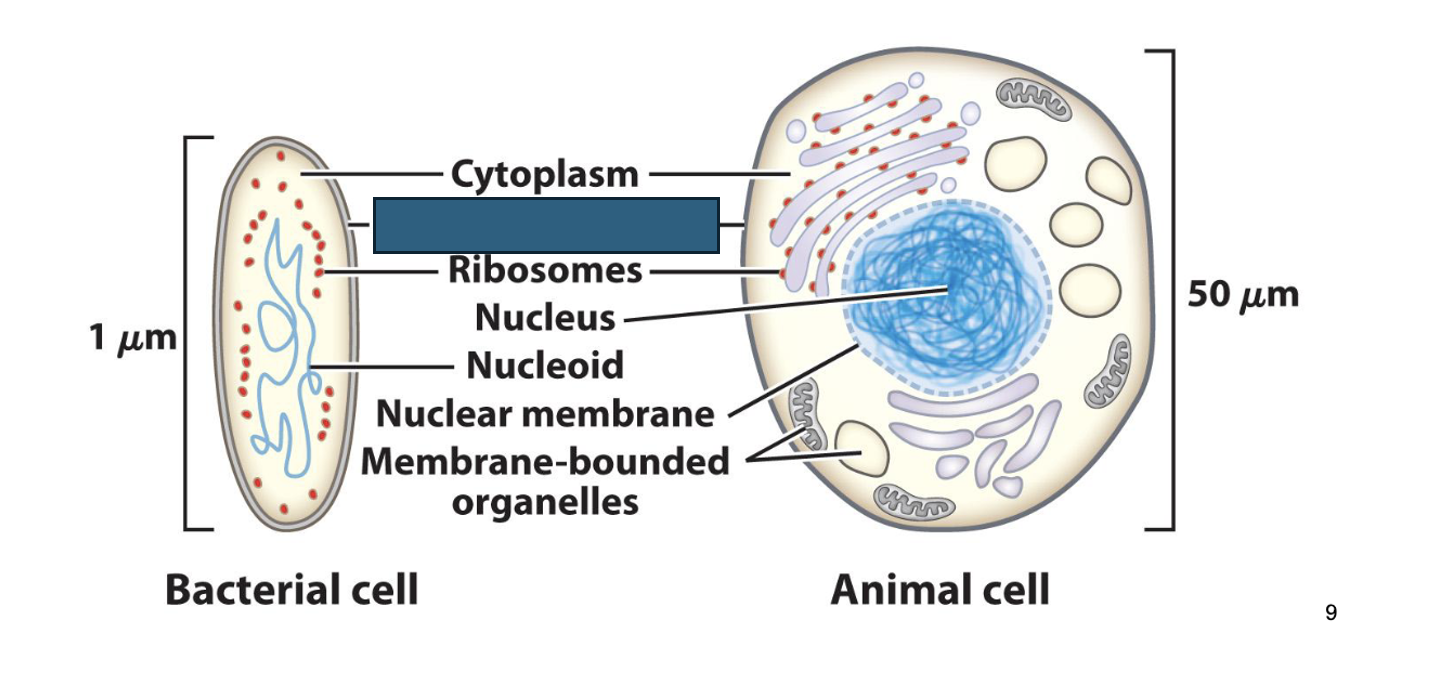
plasma membrane
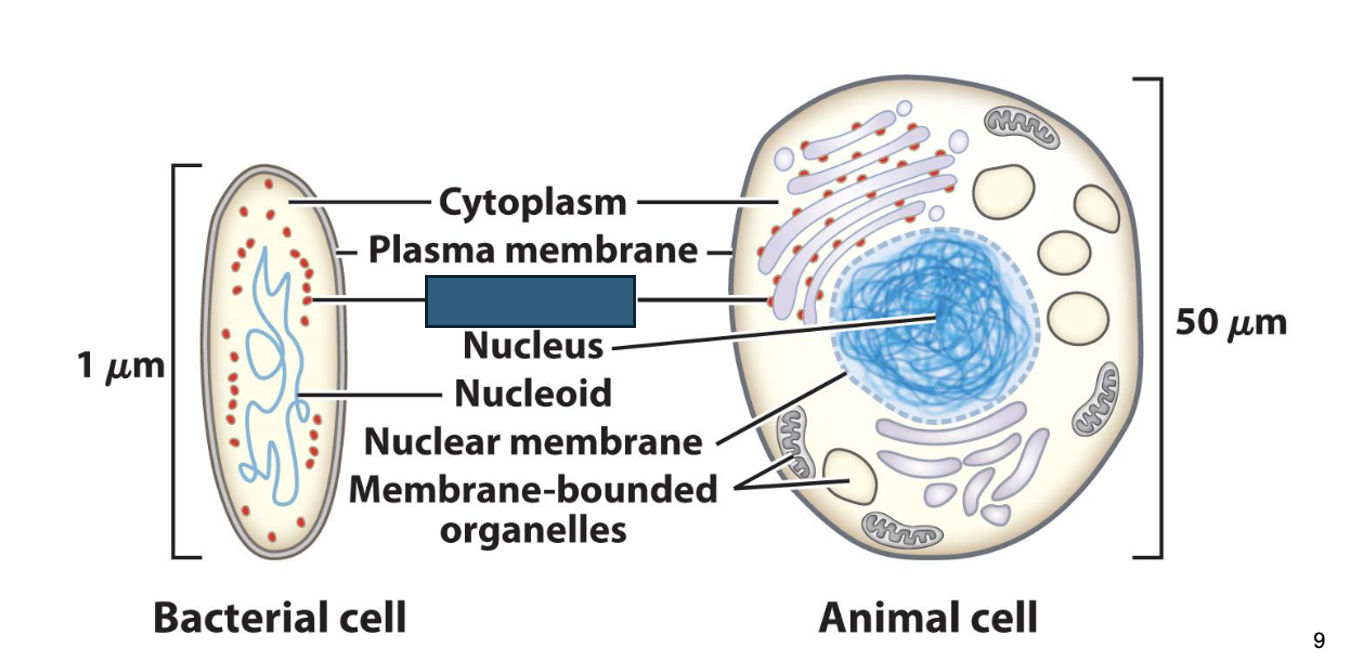
ribosomes
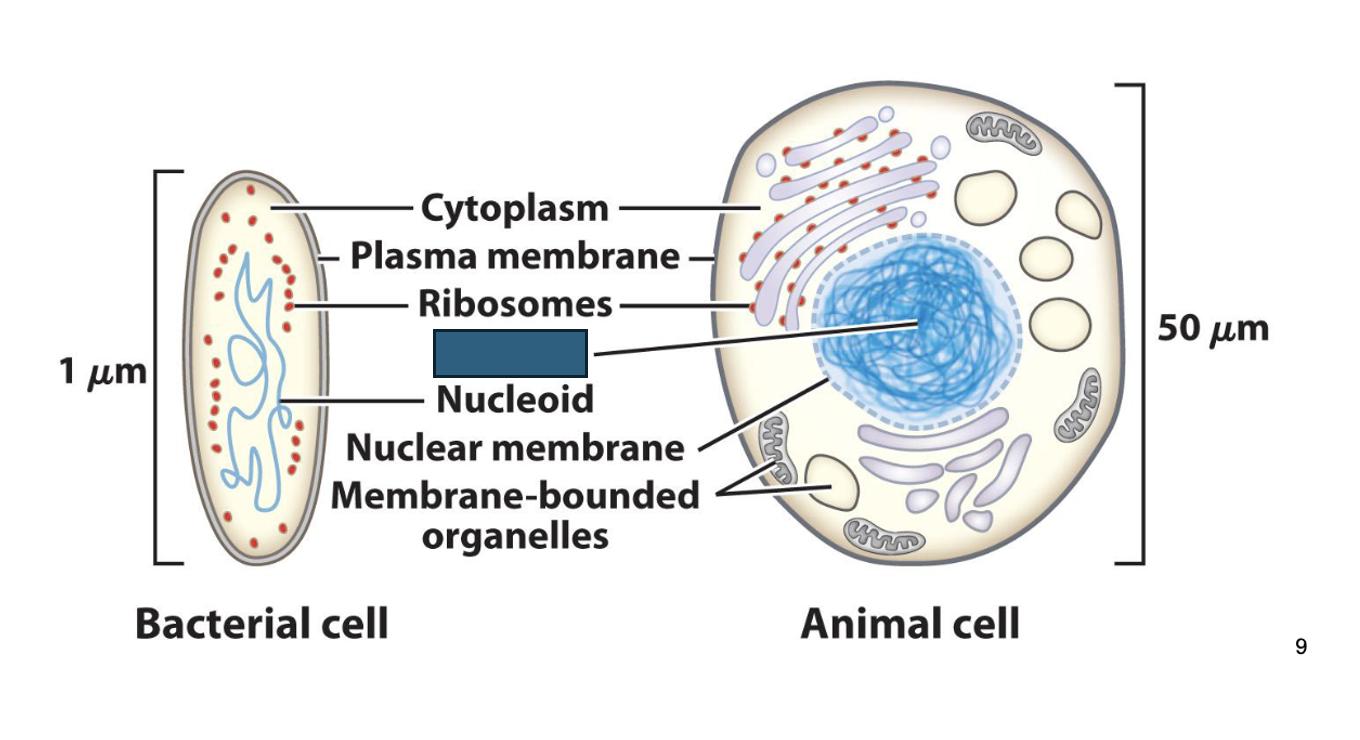
nucleus

nucleoid
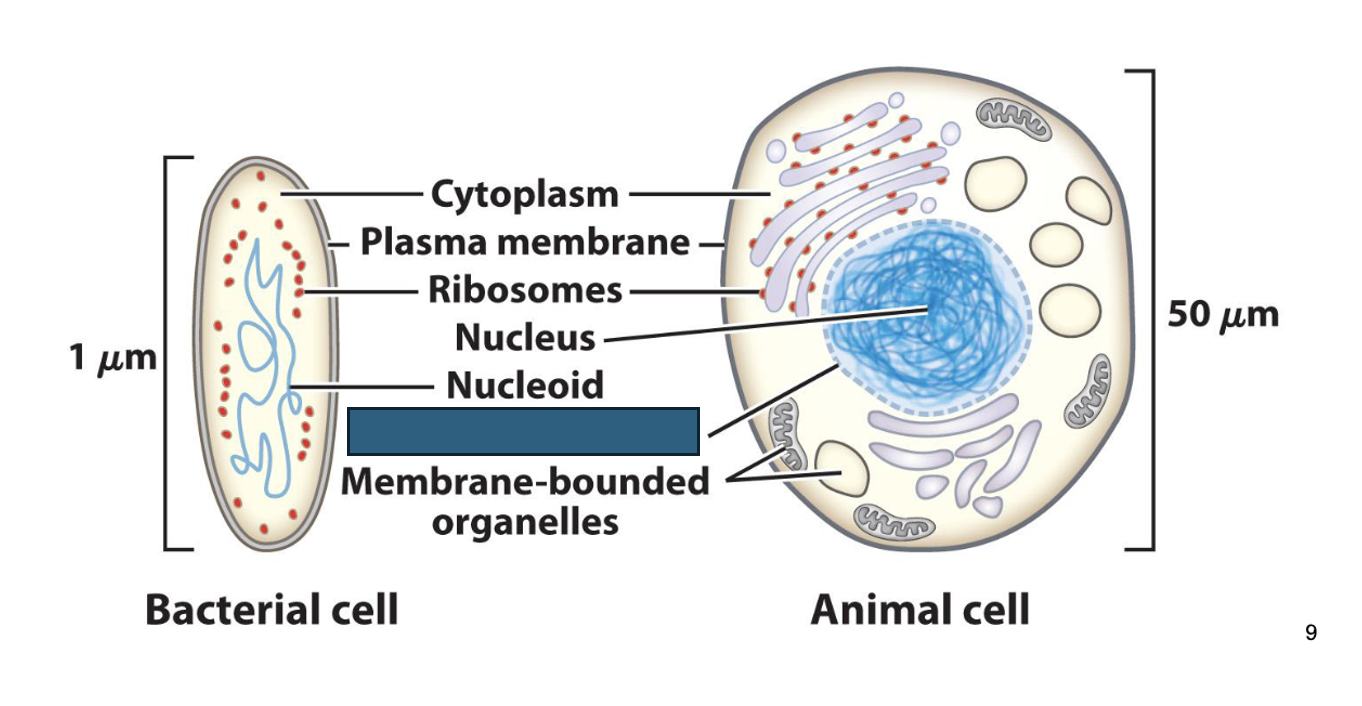
nuclear membrane
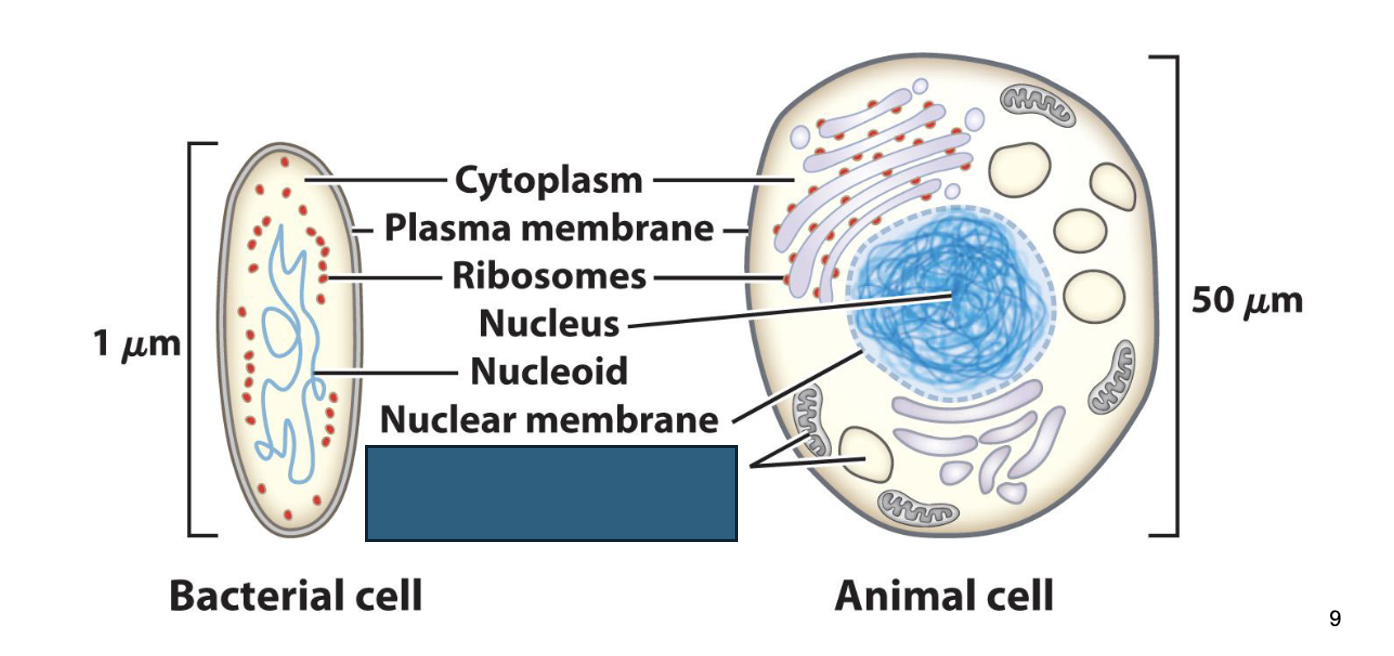
membrane bound organelles
Ribosomes
protein synthesis from an RNA message (bacterial and archaeal are smaller than eukaryotic)
Nucleoid
contains one or several long, circular DNA molecules
Pili
provide points of adhesion to surface of other cells
Flagella
propell cell through its surroundings

gram negative (contains lipopolysaccharide)

gram positive (has exposed peptidoglycan), crystal violet stain
peptidoglycan
glycan strands cross linked by short peptides
Cell wall (sf)
carbohydrate + protein, mechanical support
Cell membrane (sf)
lipid + protein, permeability barrier
nucleoid (sf)
DNA + protein, genetic information
ribosomes (sf)
RNA + protein, protein synthesis
pili (sf)
protein, adhesion and conjugation
flagella (sf)
protein, motility
cytoplasm (sf)
aqueous solution, site of metabolism
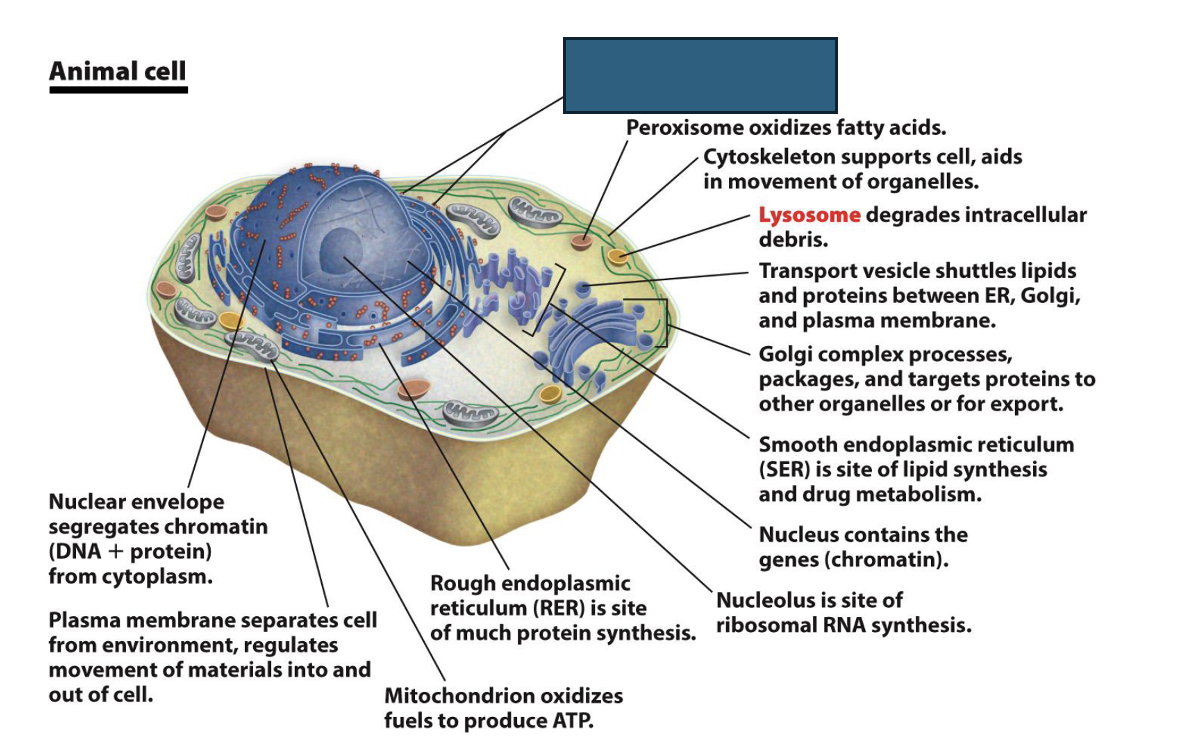
ribosomes are synthesizing machines
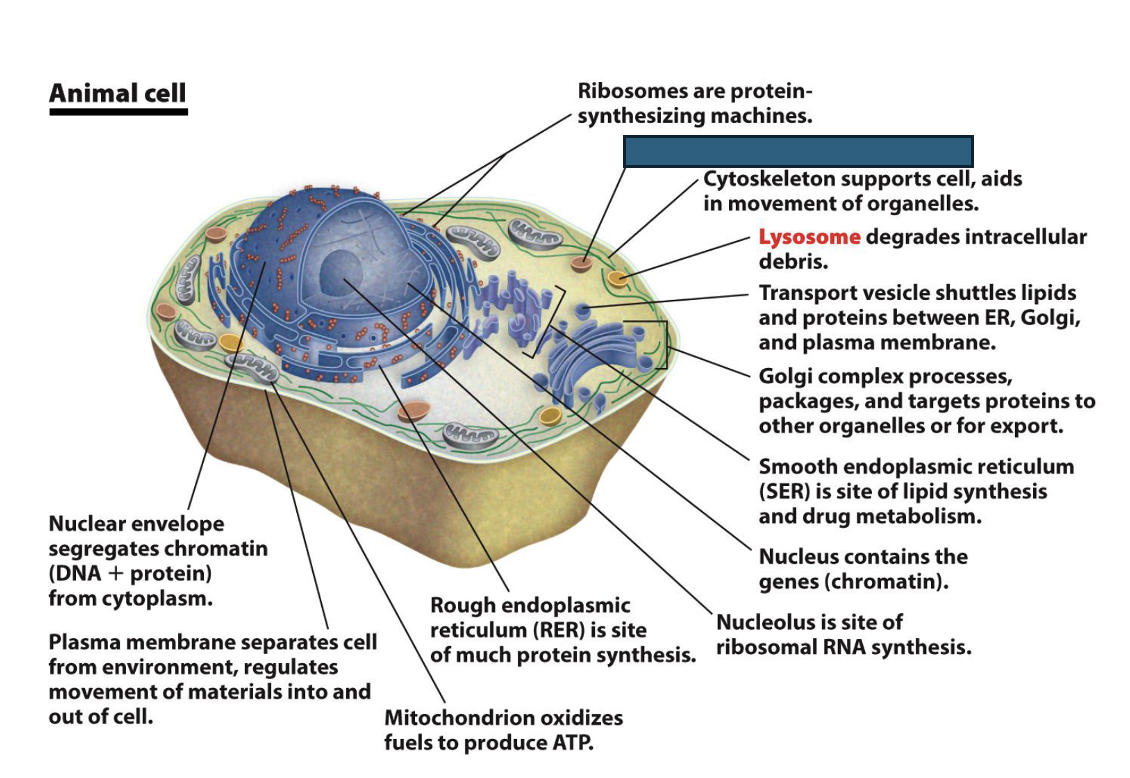
peroxizome oxidizes fatty acids
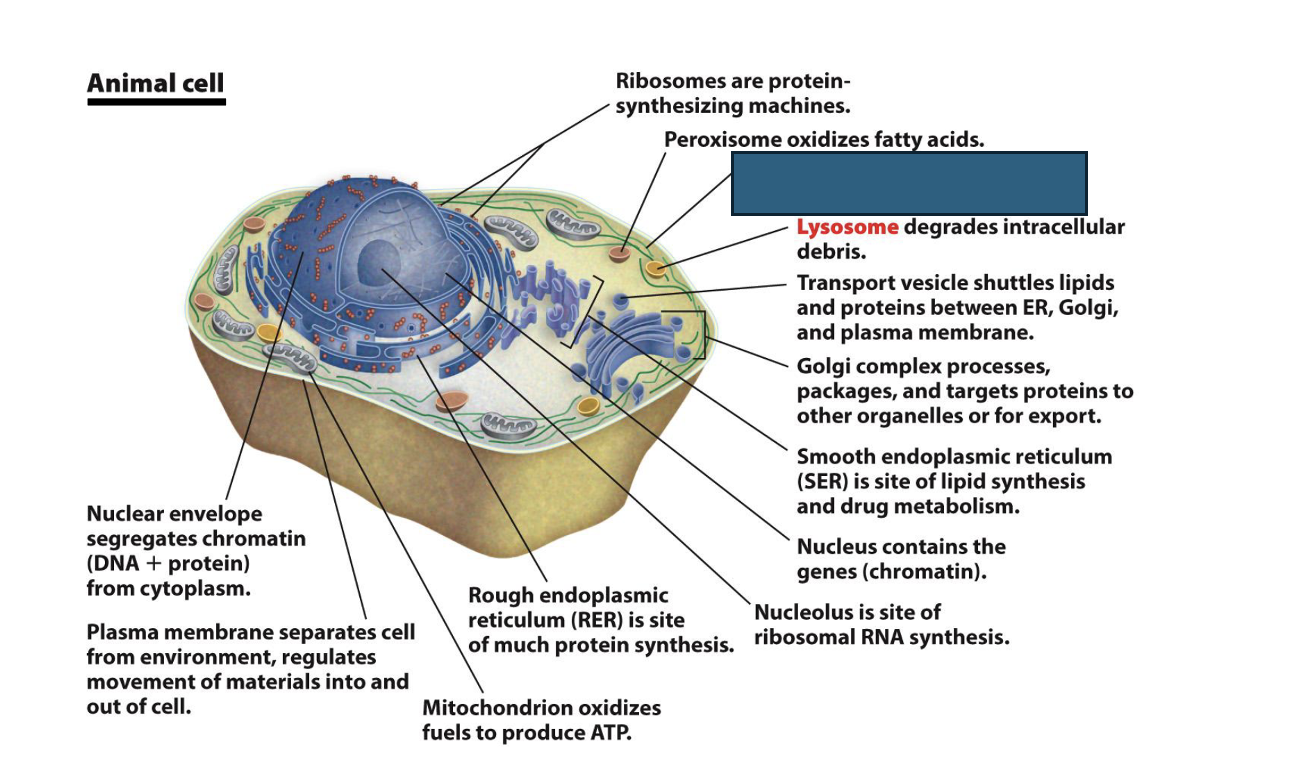
cytoskeleton supports cell, aids in movement of organelles
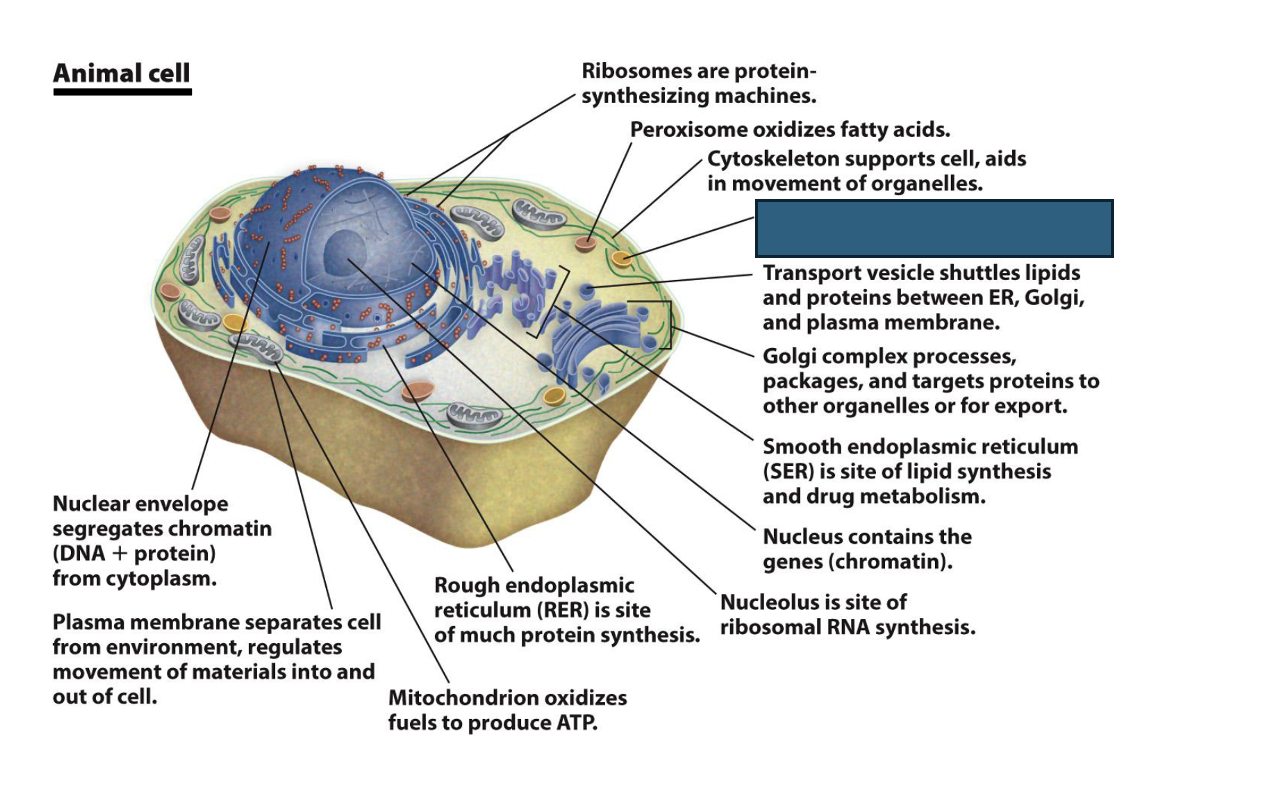
lysosome degrades intracellular debris
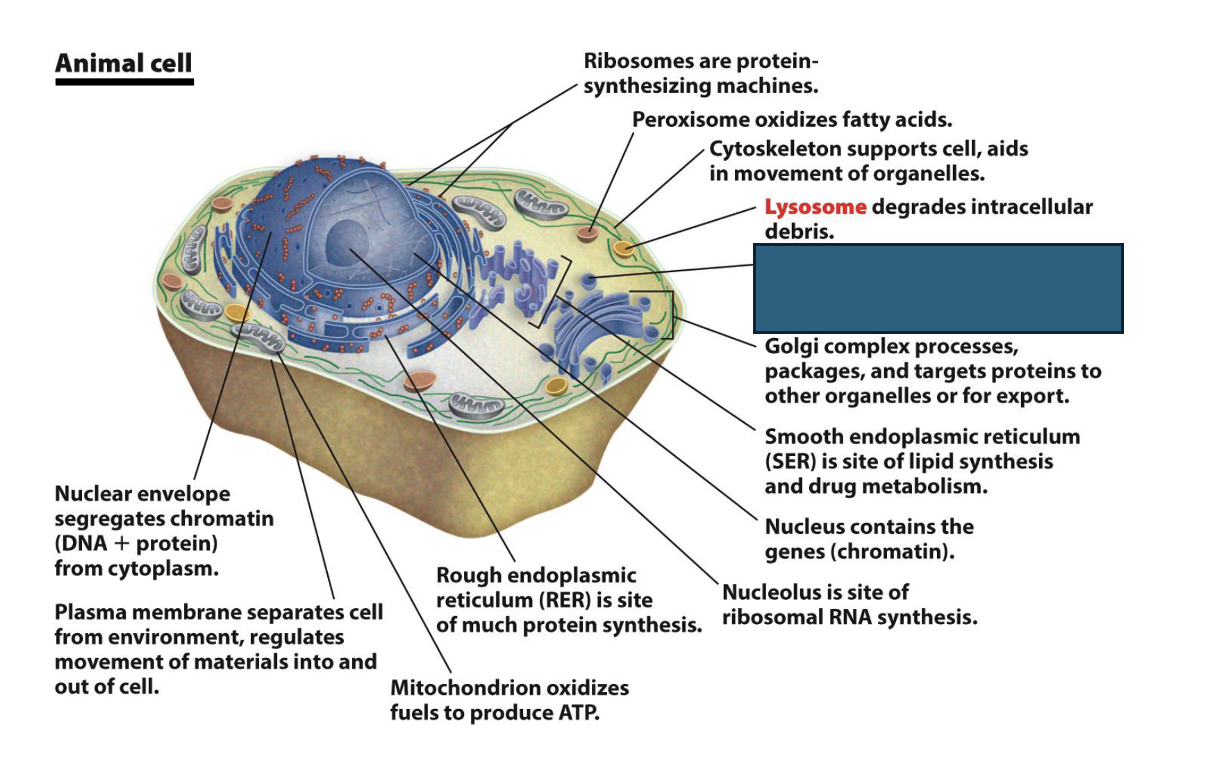
transport vesicle shuttles lipids and proteins between ER, Golgi, and plasma membrane
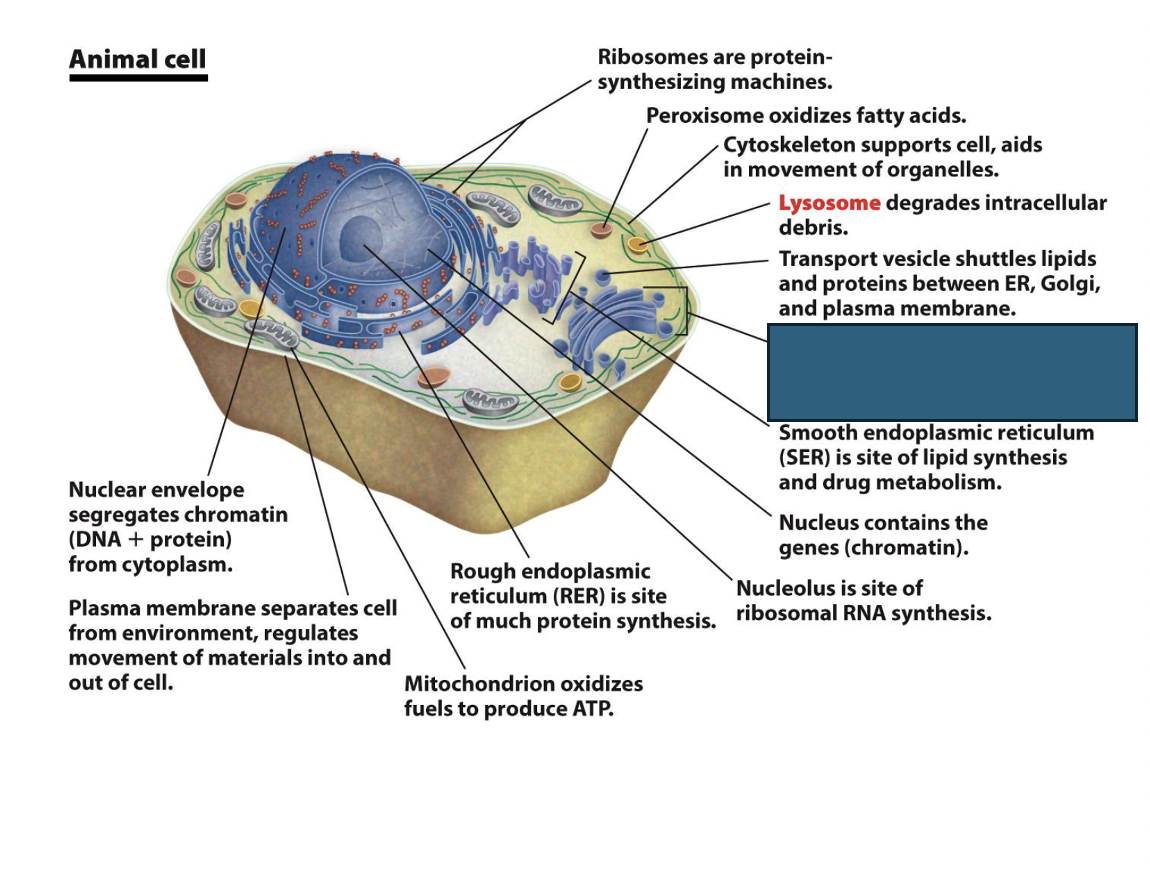
golgi complex processes, packages, and targets proteins to other organelles or for export
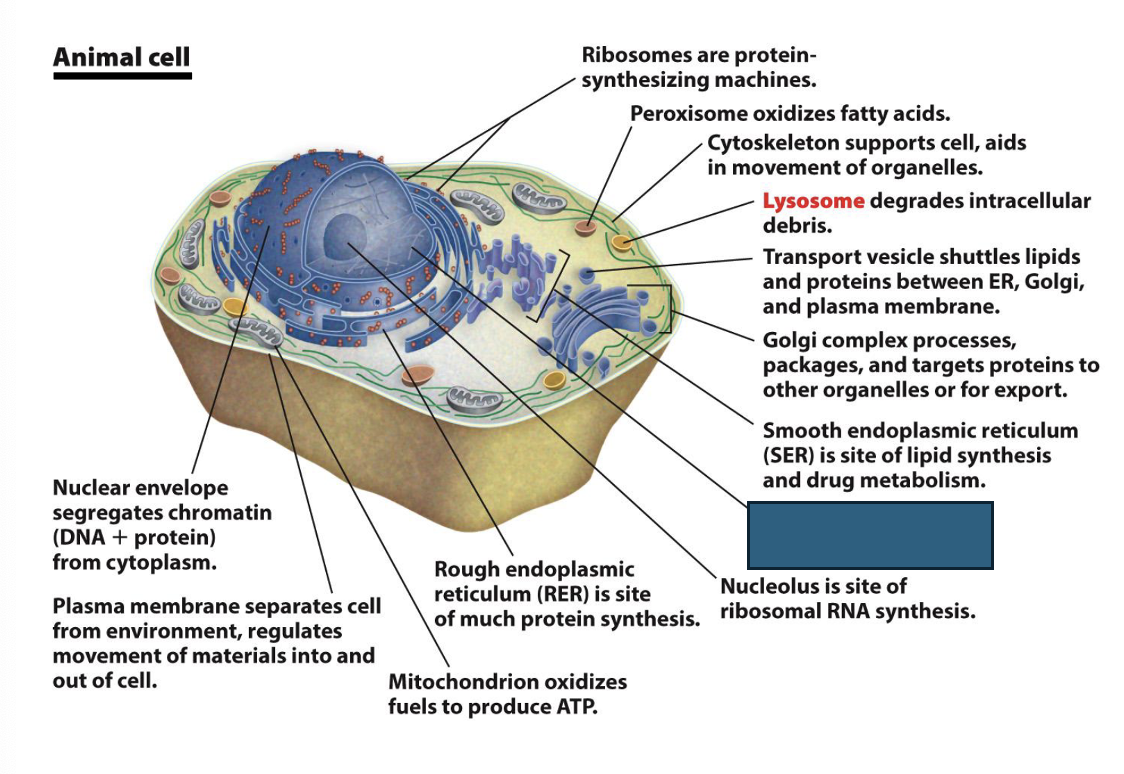
nucleus contains the genes (chromatin)
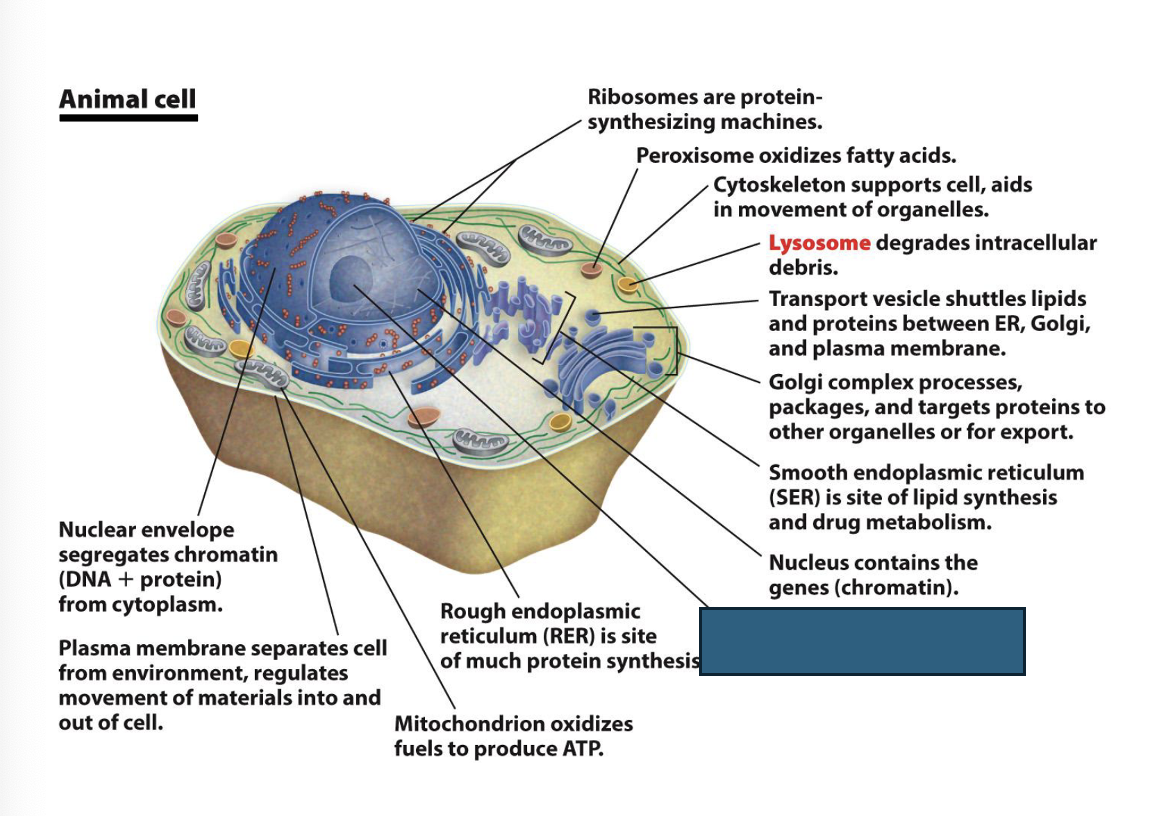
nucleolus is site of ribosomal RNA synthesis
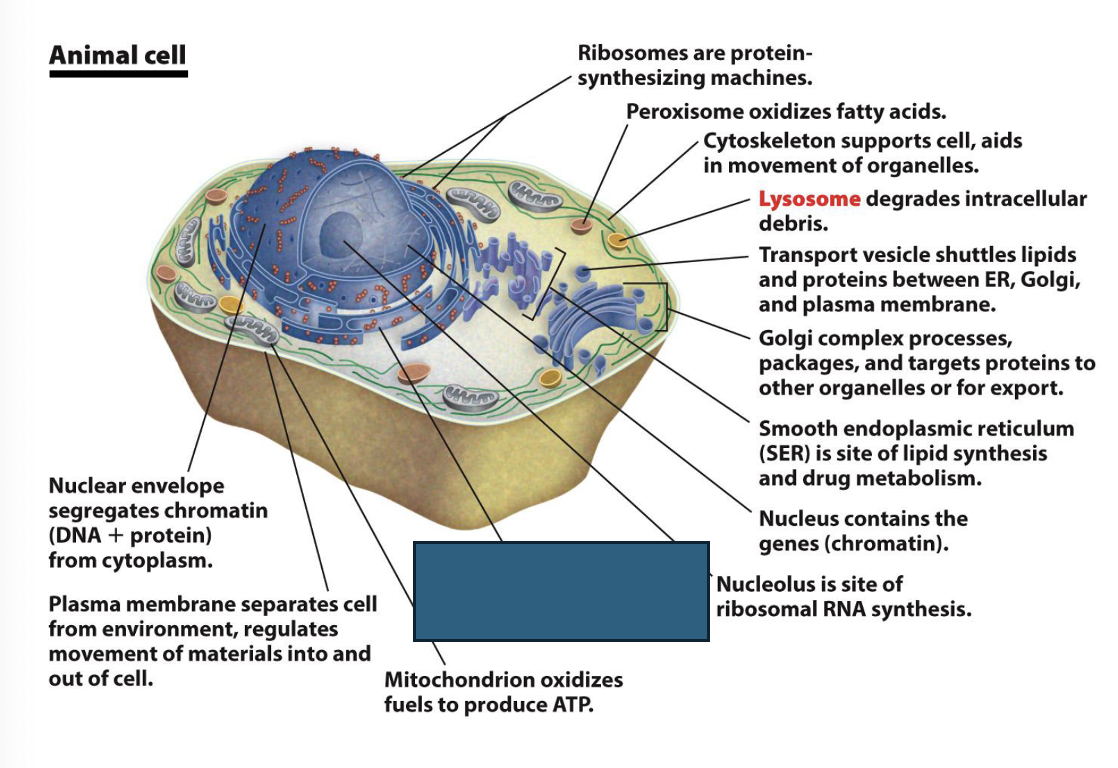
rough ER is site of much protein synthesis (animal)
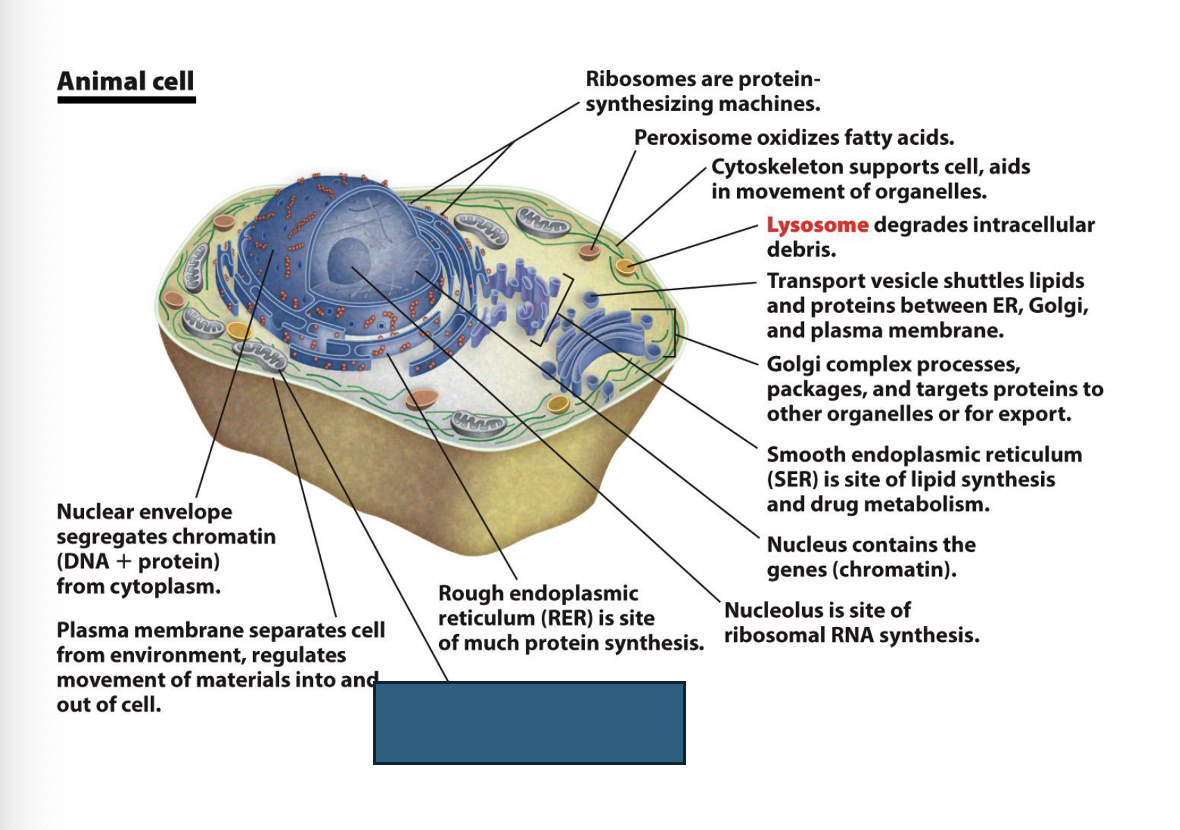
mitochondria oxidizes fuels to produce ATP

plasma membrane separates cell from environment, regulates movement of materials into out of cell
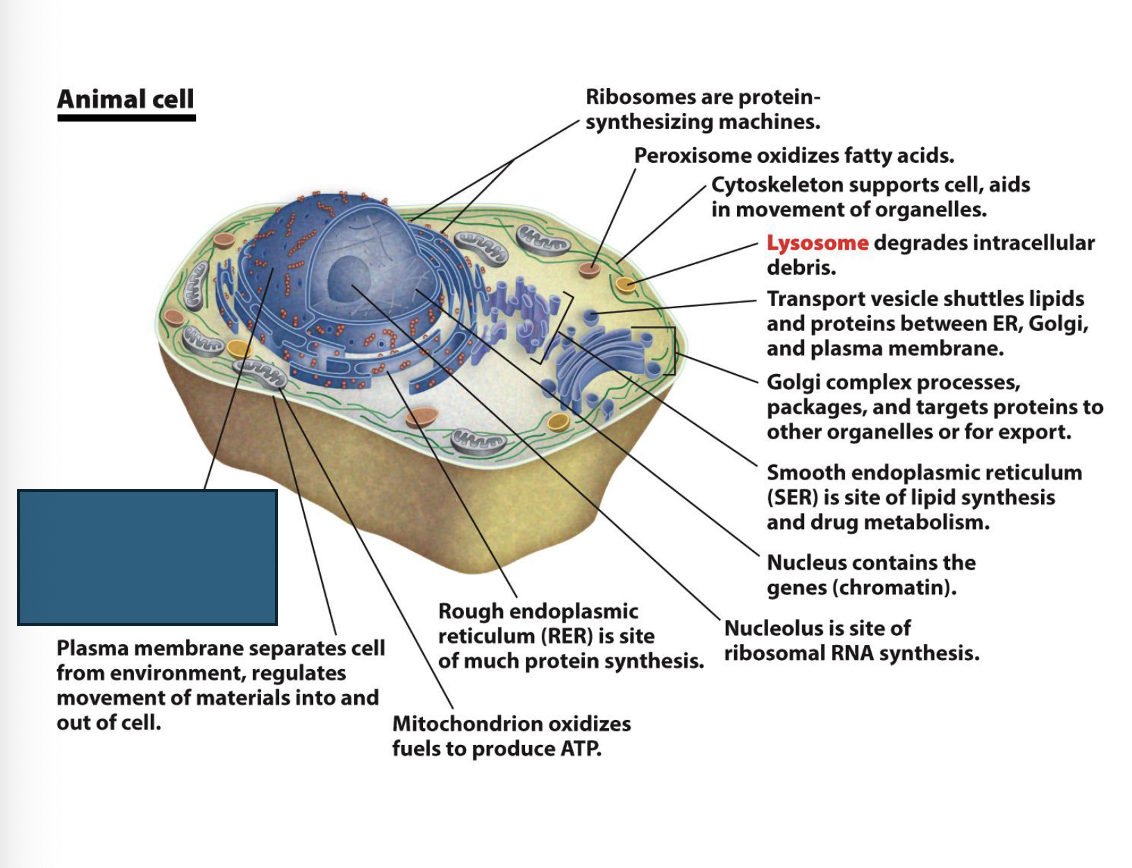
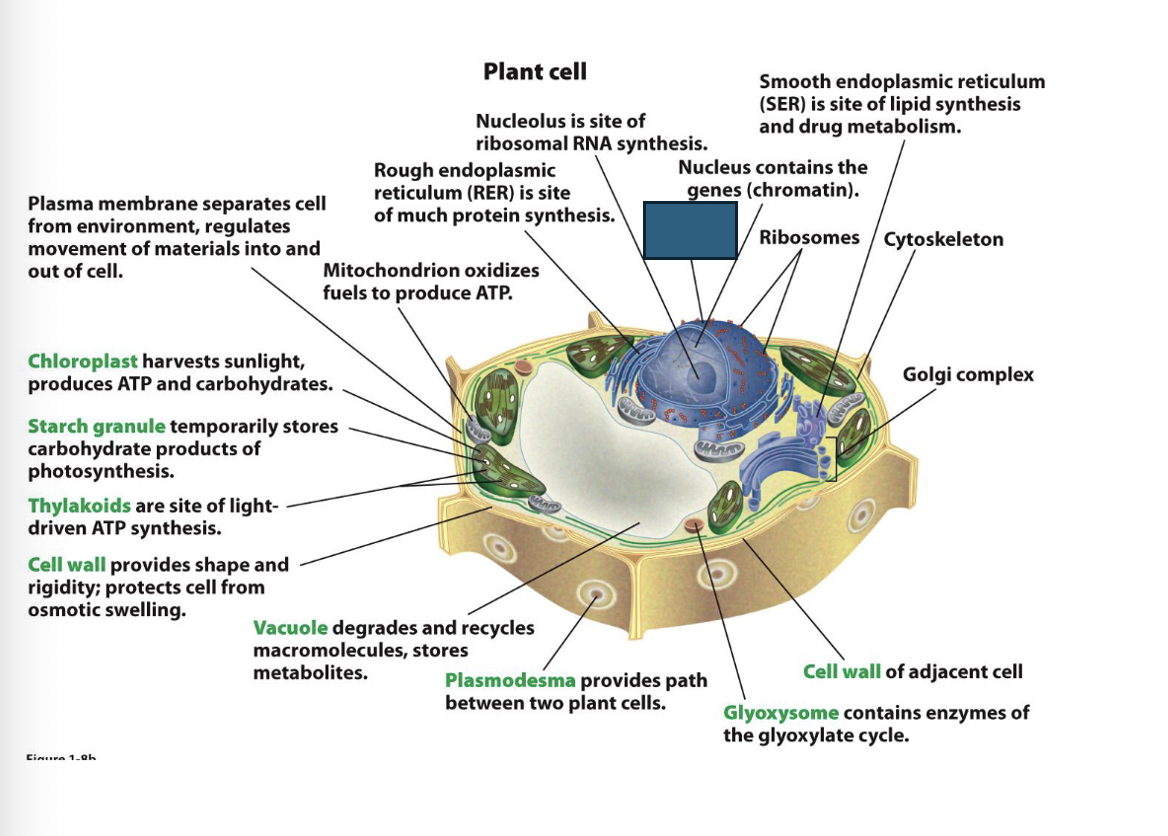
nuclear envelope segregates chromatin (DNA + protein) from cytoplasm

nucleolus is site of ribosomal RNA synthesis
nuclear envelope
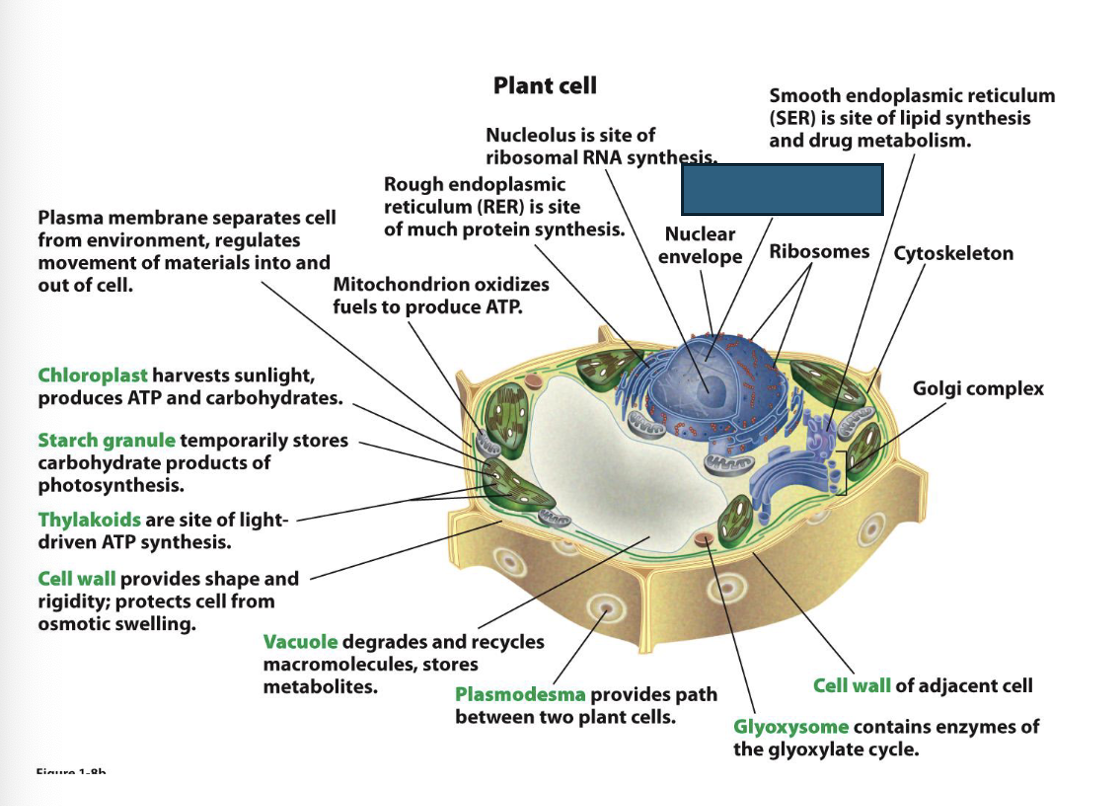
nucleus contains the genes (chromatin)
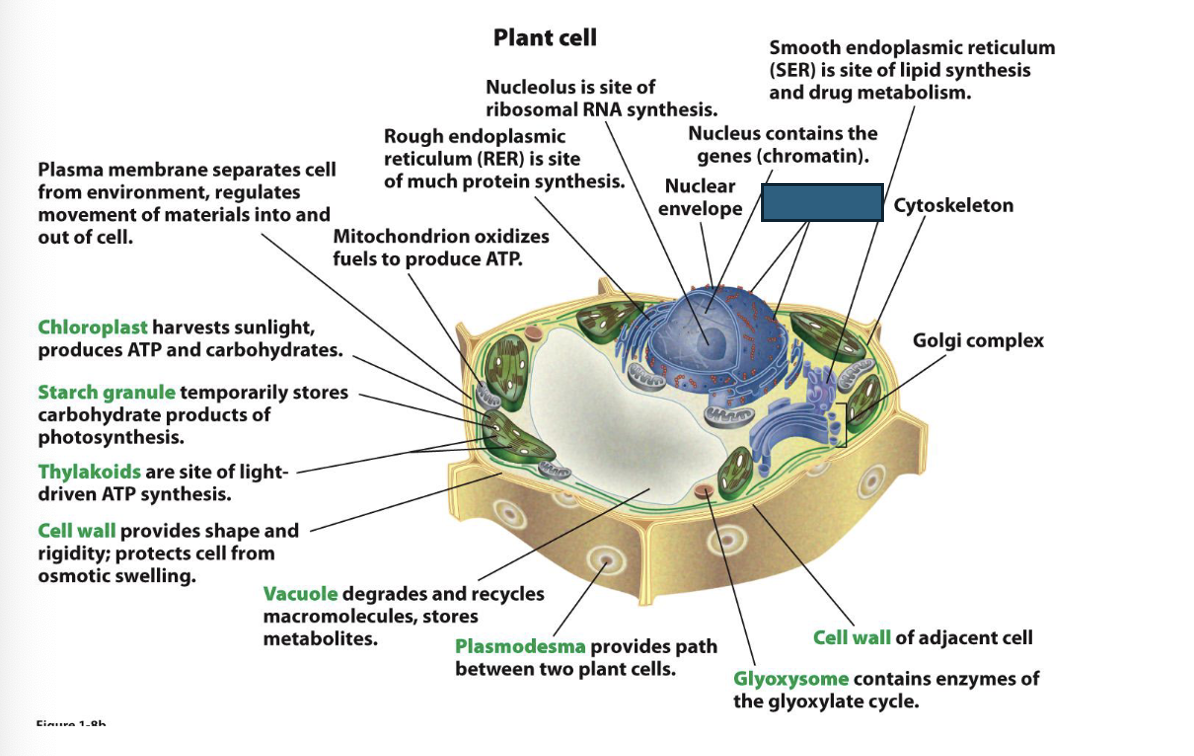
ribosomes

smooth ER is site of lipid synthesis and drug metabolism

cytoskeleton
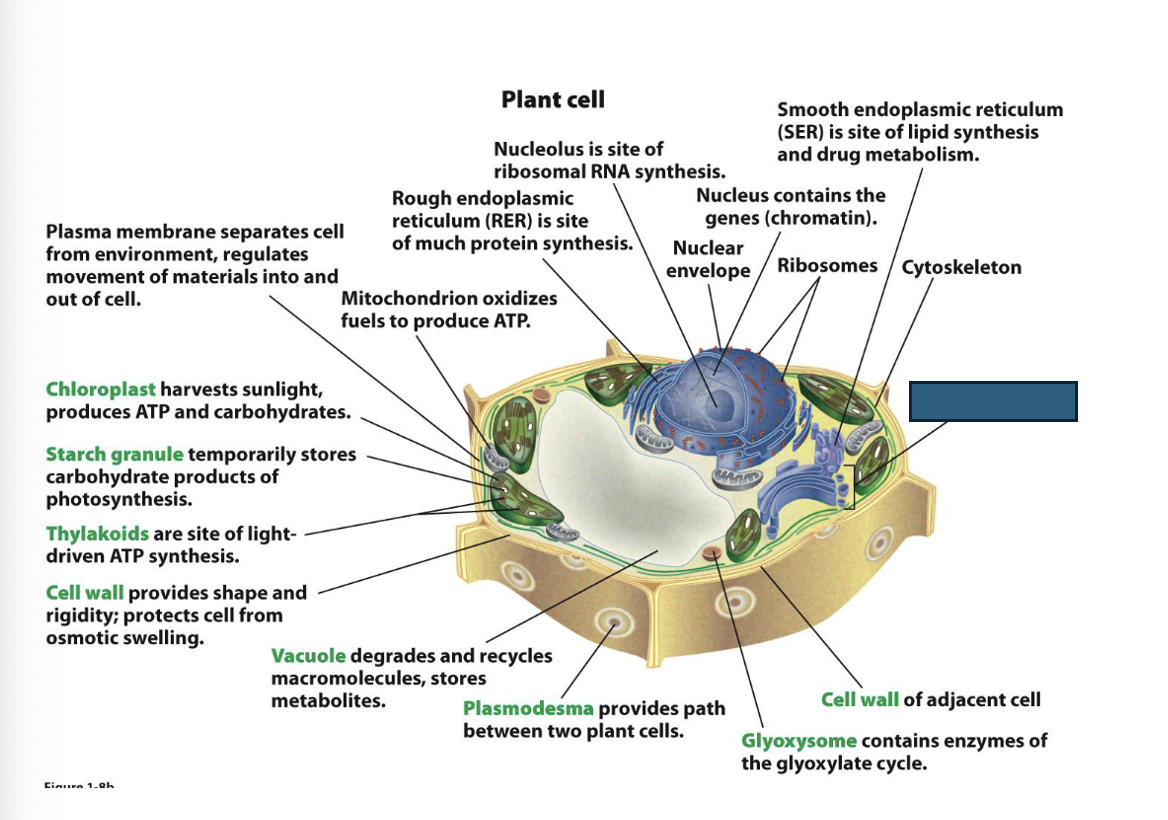
golgi complex

cell wall of adjacent cell
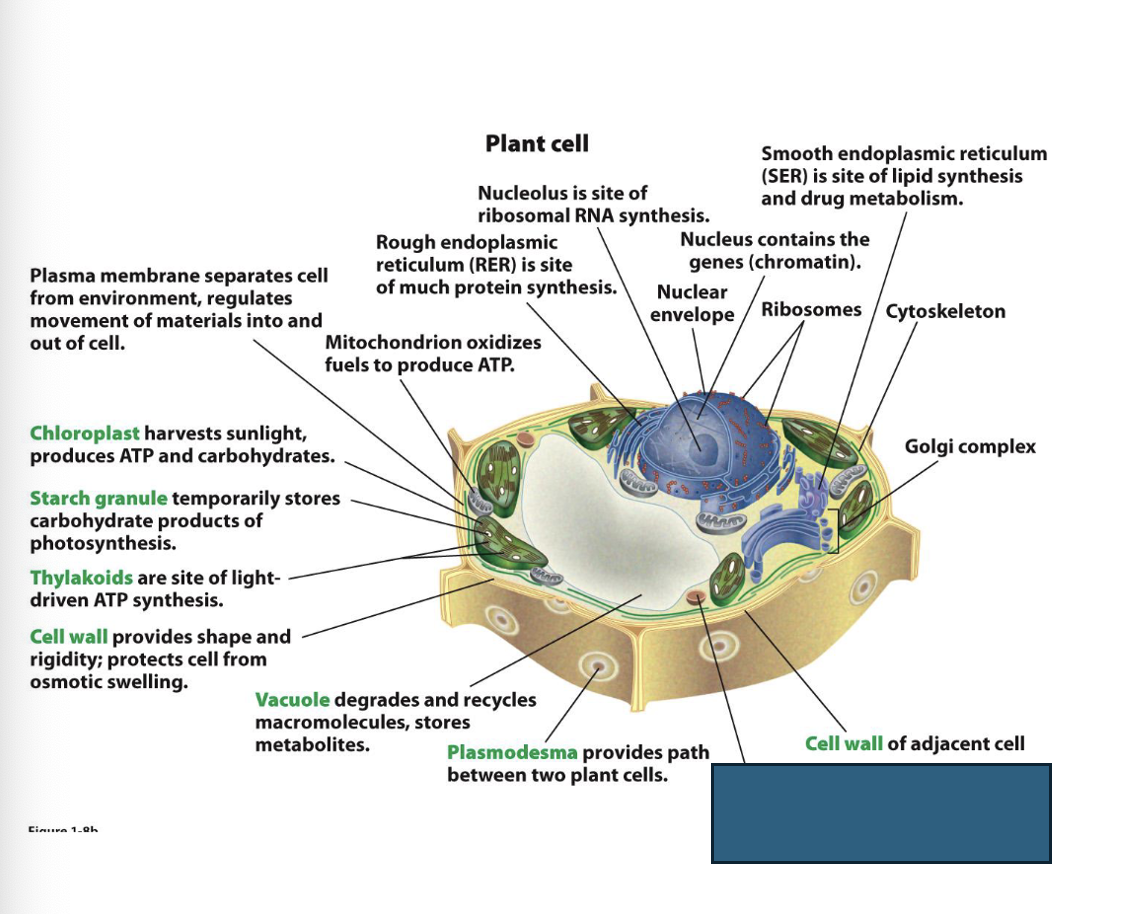
glyoxysome contains enzymes of glyoxylate cycle
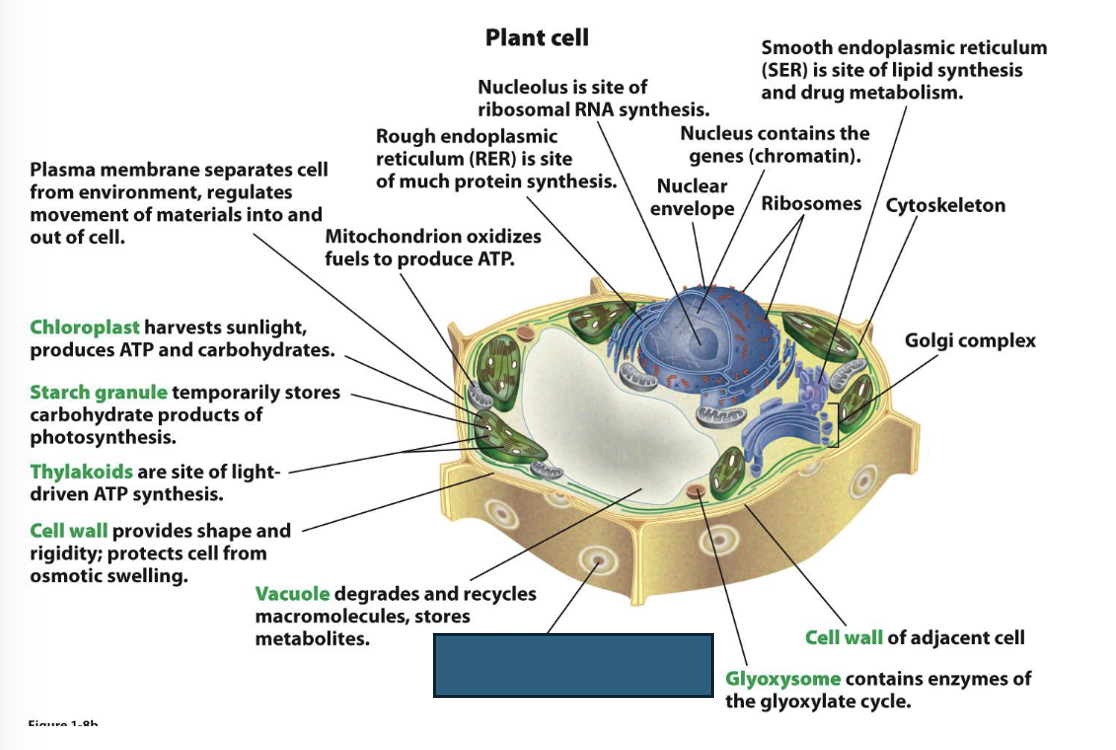
plasmodesma provides path between two plant cells
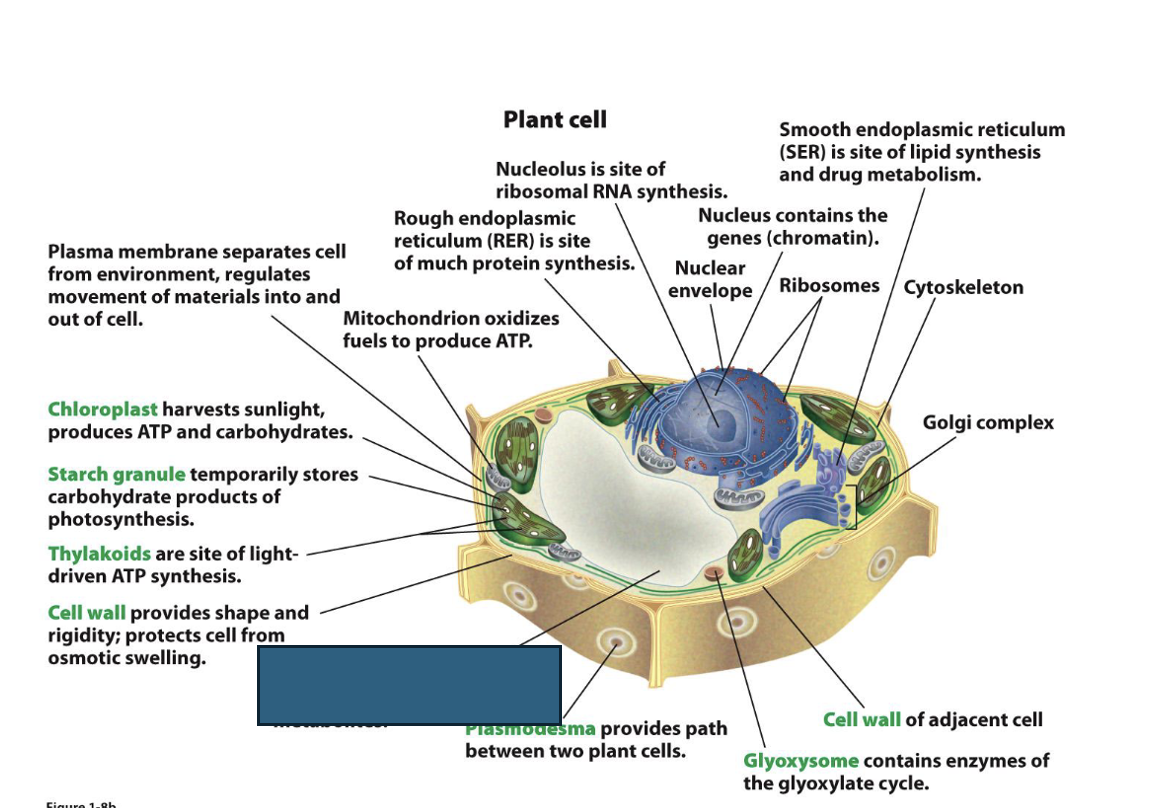
vacuole degrades and recycles macromolecules, stores metabolites

cell wall provides shape and rigidity; protects cell from osmotic swelling

thylakoids are site of light driven ATP synthesis

starch granule temporarlily stores carbohydrate products of photosynthesis
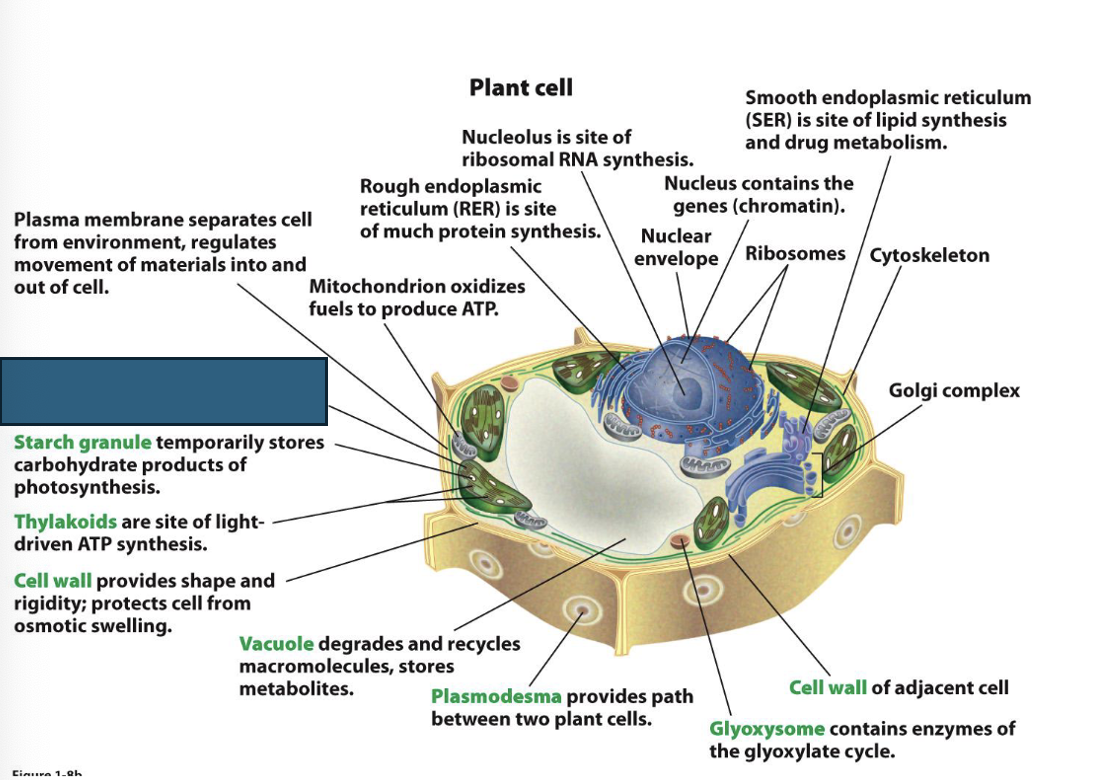
chloroplast harvests sunlight, produces ATP and carbohydrates
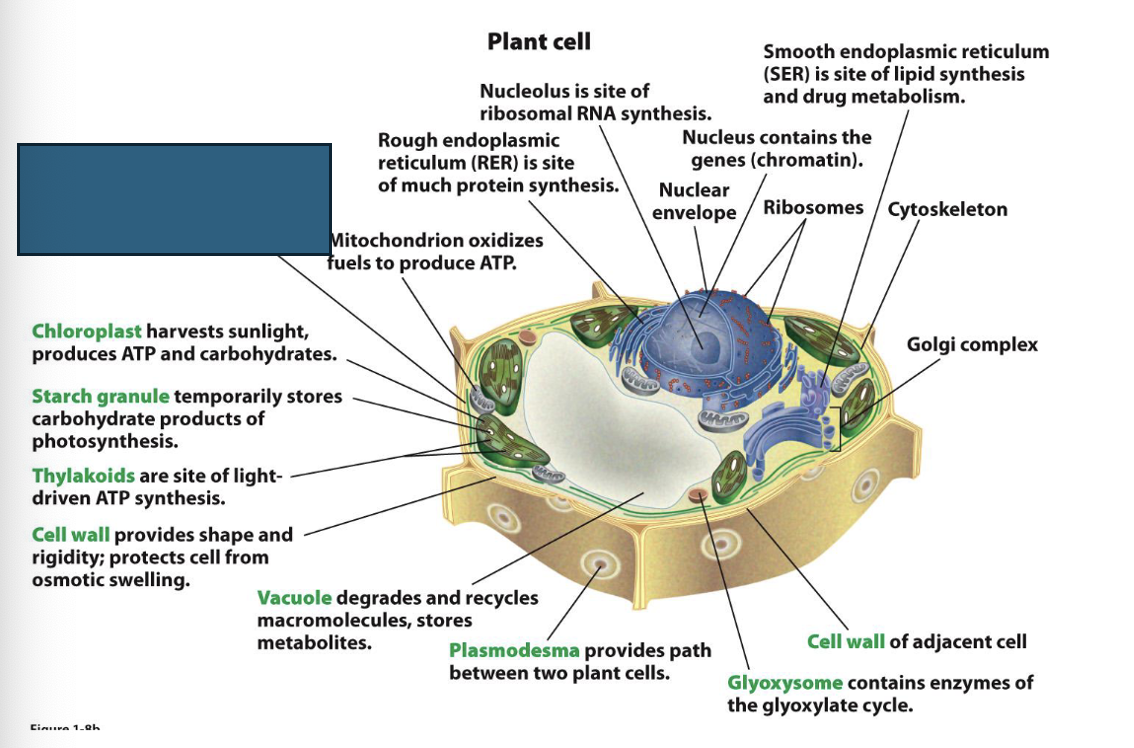
plasma membrane separates cell from environment, regulates movement of materials into and out of cell
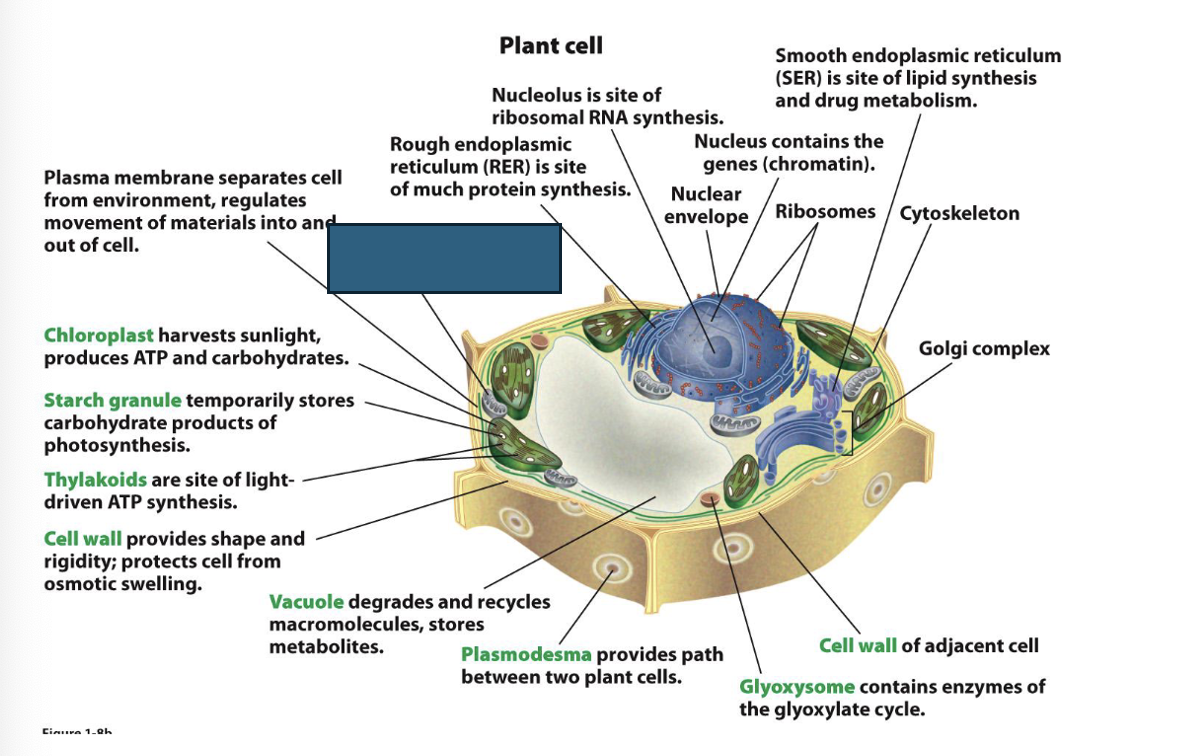
mitochondrion oxidizes fuels to produce ATP
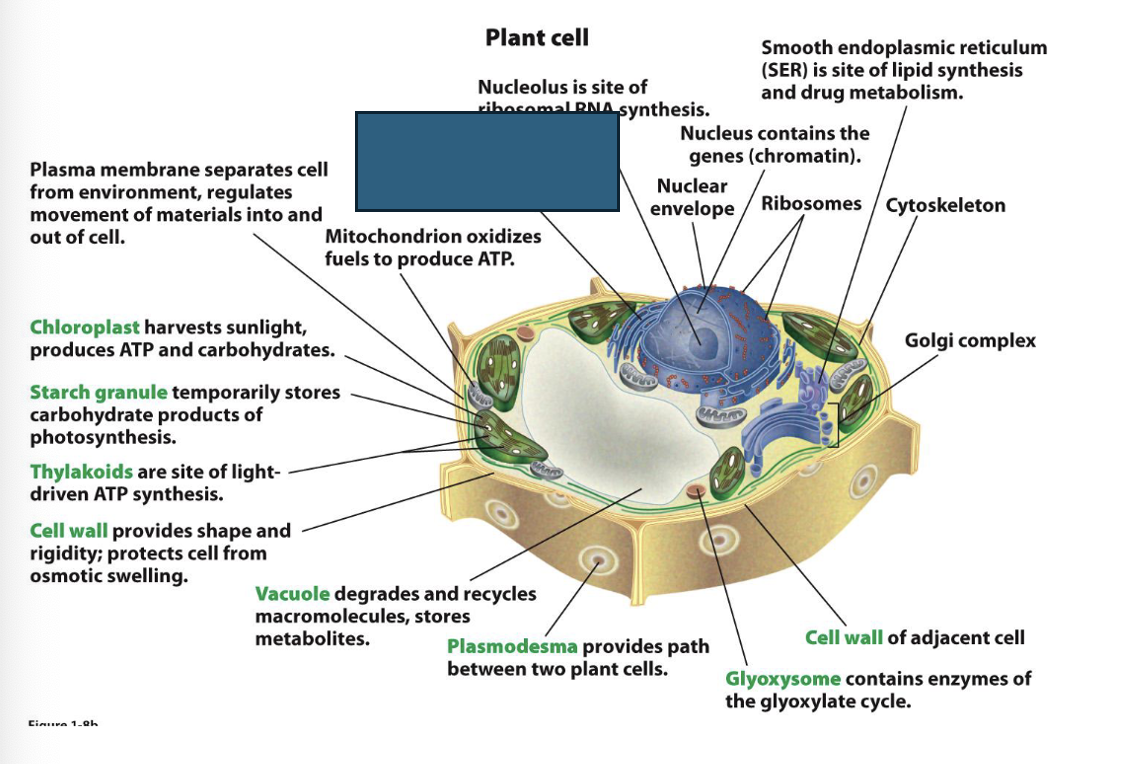
rought ER is site of much protein synthesis
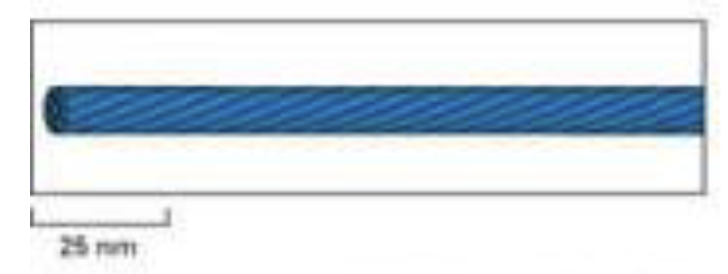
intermediate filaments

microtubules

actin filaments
chemical energy source, CO2 carbon source,
chemoautotrophs
chemical energy source, organic compounds carbon source
chemoheterotrophs
light energy source, CO2 carbon source
photoautotrophs
light energy source, organic compound carbon source
photoheterotrophs
chemical energy source, inorganic chemicals
chemolithotrophs
light energy source, inorganic chemicals
photolithotrophs
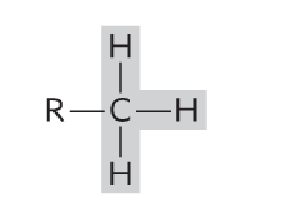
methyl
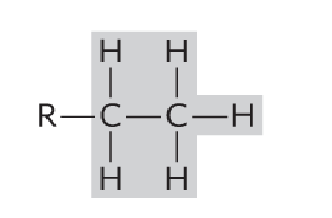
ethyl

phenyl

carbonyl (aldehyde)
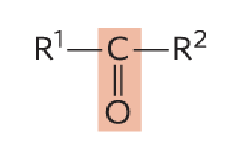
carbonyl (ketone)
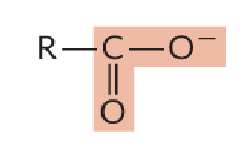
carboxyl
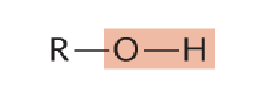
hydroxyl (alcohol)
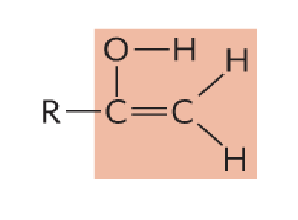
enol
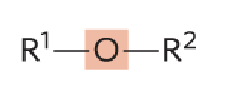
ether
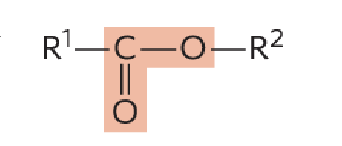
ester

acetyl
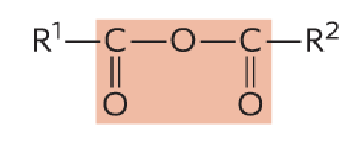
anhydride
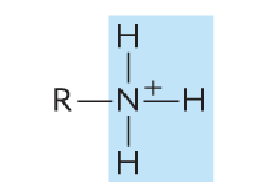
amino (protonated)
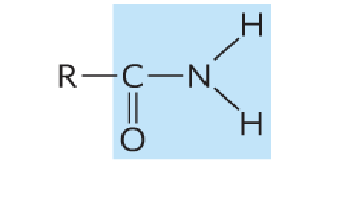
amido
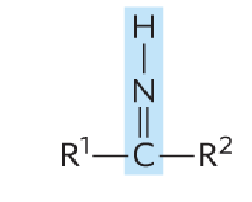
imine
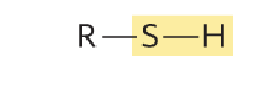
sulfhydryl
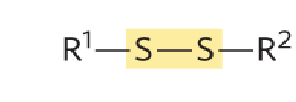
disulfide
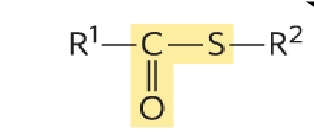
thioester
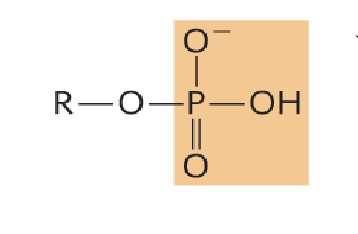
phosphoryl
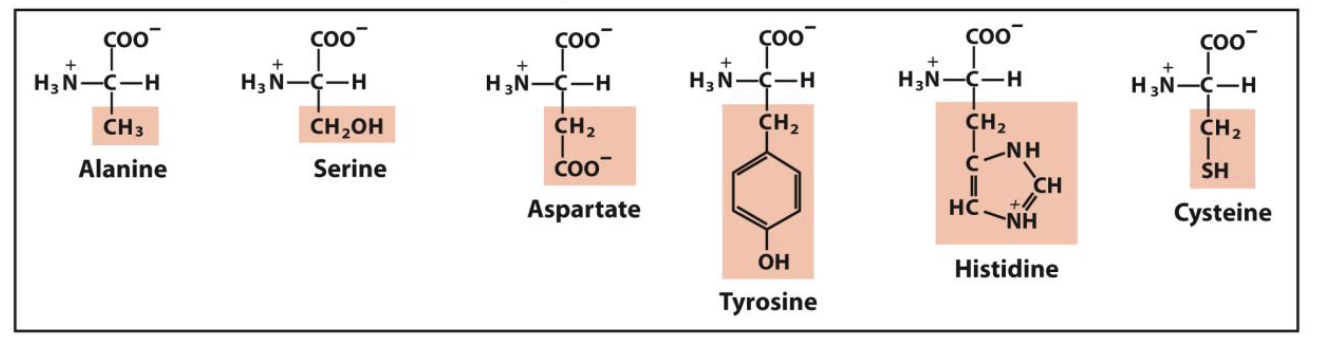
proteins are made of amino acids
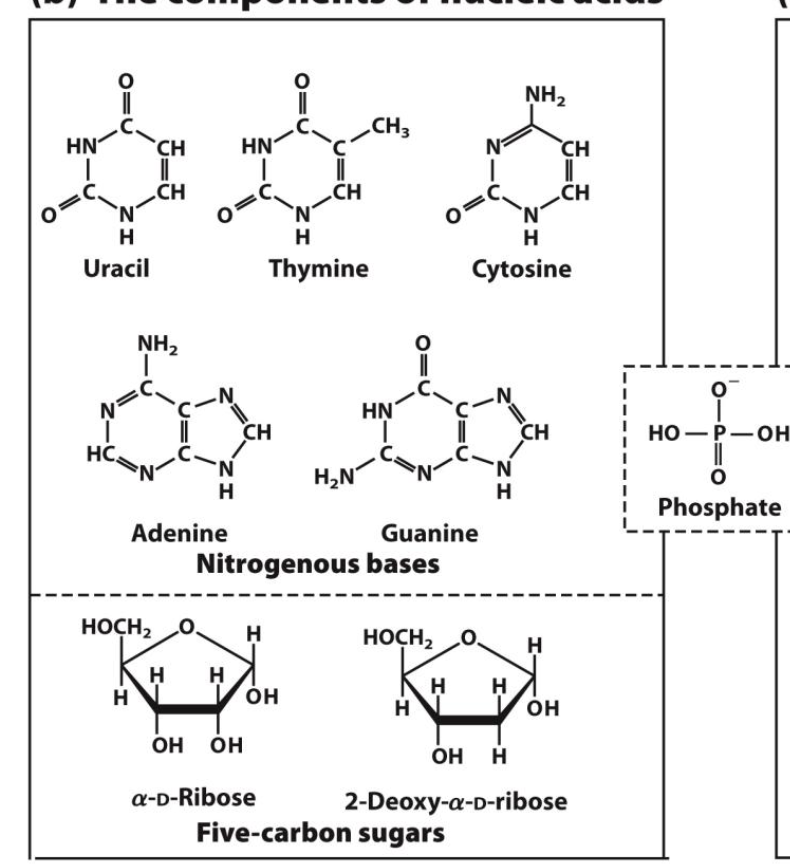
nucleic acids are made of nitrogenous base, five carbon sugars, and phosphate
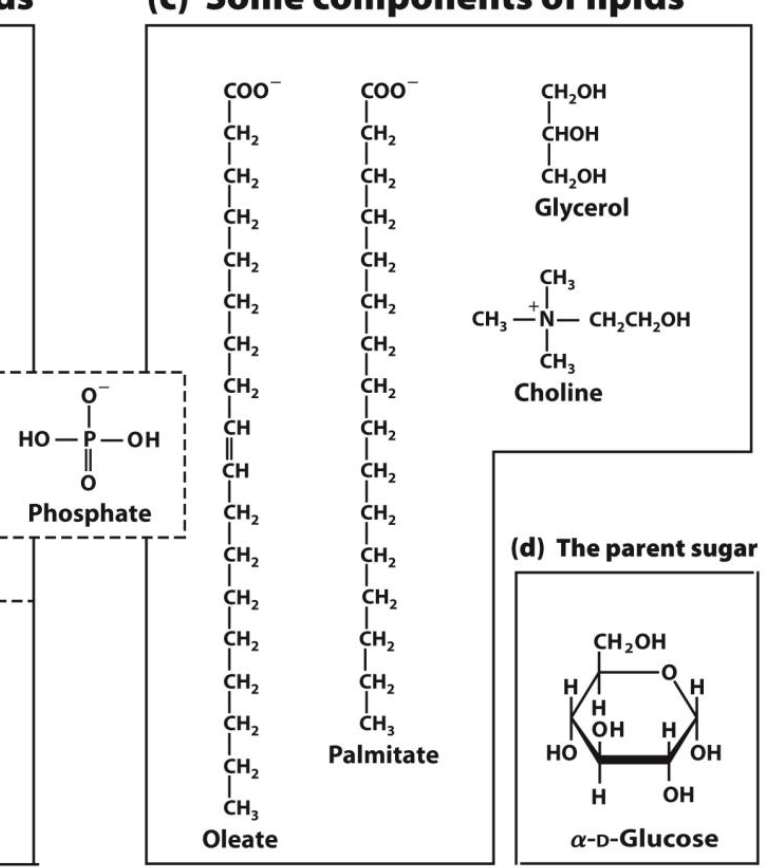
lipids are made of phosphate, hydrocarbon region, and a parent sugar
isomer
any two chemicals with the same chemical formula