Micro Lecture #3
 Call Kai
 Learn
Learn Practice Test
 Spaced Repetition
 Match
Match Flashcards
 Knowt Play
1/165

Earn XP
Description and Tags
Micro test 1
Name | Mastery | Learn | Test | Matching | Spaced | Call with Kai | Chat |
|---|
No analytics yet
Send a link to your students to track their progress
166 Terms
similarities and differences
Archaea and baceria have…
Membrane-bound nuclei (no nucleus)
Cytoskeleton (rotein fibers inside a cell that helps the cell keep its shape and organize/move things inside the cell.)
Membrane-bound organelles (no mitochondria, lysosomes, etc)
Internal membranous structures (e.g. Golgi apparatus)
what do archaea and bacteria both lack?
phylogenetically distinct taxa, meaning they have different evolutionary histories
Scientists have abandoned the term prokaryote becuase they have shown than Bacteria and Archaea are…
Shape
bacteria are diverse in ___
Cocci (round/spherical)
Bacilli (rod shaped)

what are the 2 most common bacterial shapes?
Vibrio, Spirilla, Spirochetes, Stalks, Filaments, Aggregates
what are the less common types of bacterial shapes
Cocci
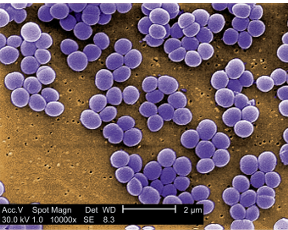
what type of bacterial shape is this
Bacilli (rod)
what type of bacterial shape is this

Vibrio

what type of bacterial shape is this
Spirilla (Rigid, spiral)
Many contain tufts of flagella on one or both ends
what type of bacterial shape is this
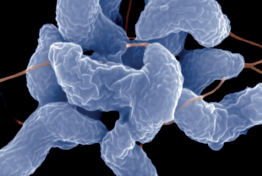
Spirochetes
Have a unique, internal flagellar arrangement
what type of bacterial shape is this

Stalks
what type of bacterial shape is this

Filaments
what type of bacterial shape is this
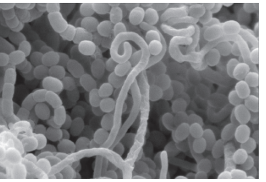
Aggregates
what type of bacterial shape is this

filaments and aggregates
The bacteria that form ___ and ___ can be considered multicellular. These structures allow for specialization of function within cells
shape, aggangement, and size
bacteria are morphologically diverse in (3 things)
Cocci, bacillus
When bacteria divide to reproduce, they can remain attached to one another.
___ divide across more planes than ___ and therefore have more arrangements.

*when cocci divdie to reproduce, they can divide across multiple planes*
Diplococci
Streptococci
Tetrads
Sarcinae
Staphylococci
There are different planes of cocci cell division that can occur (5)
Diplococci pairs of cocci

whats this showing
Streptococci chains of cocci

whats this showing
Tetrads = groups of 4

whats this showing
Sarcinae = cubical packets/groups of cocci
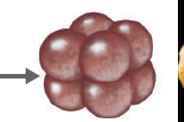
whats this showing
Staphylococci

whats this showing
bacillus, Cocci (Cocci blue, bacillus purple)
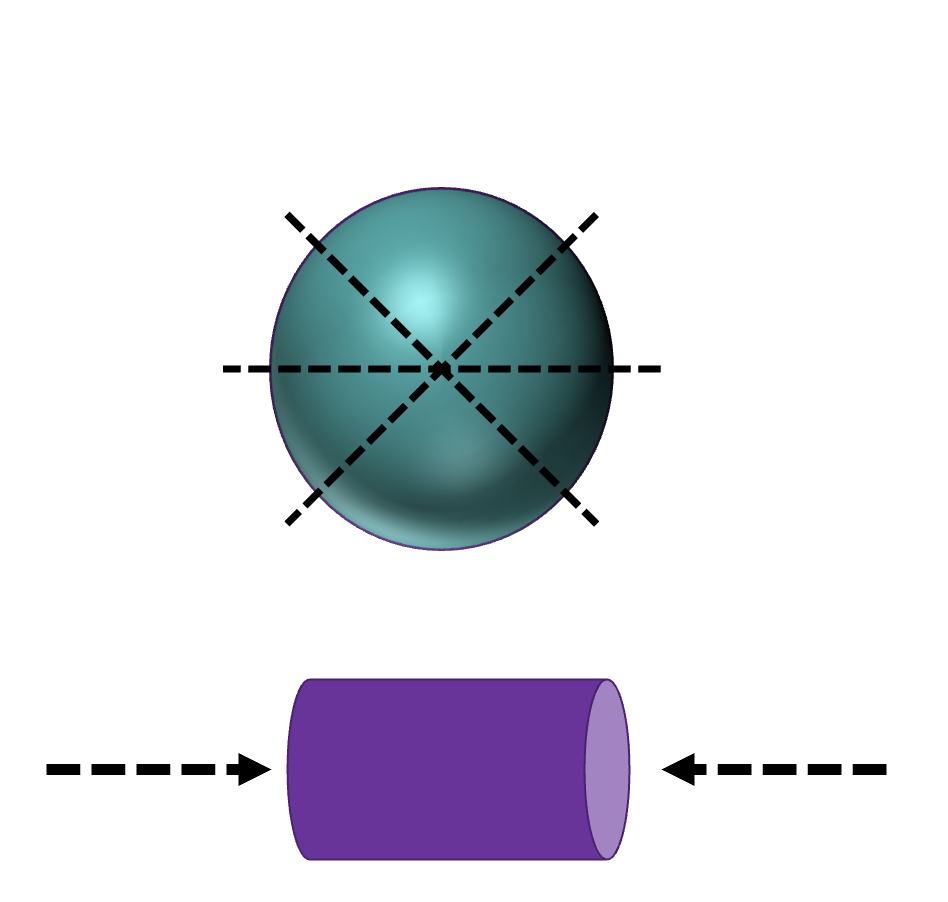
___ have less arrangements than ___
Single bacillus = one rod by itself
Diplobacilli = two rods together in pairs
Streptobacilli = rods in chains
Coccobacillus = very short/oval rod, kind of between a coccus (round) and a bacillus (rod)
There are different planes of bacillus cell division that can occur (4)
Single bacillus = one rod by itself
whats this showing

Diplobacilli = two rods together in pairs

what is this showing
Streptobacilli = rods in chains
whats this showing

Coccobacillus = very short/oval rod, kind of between a coccus (round) and a bacillus (rod)
whats this showing

Diplo -cocci or -bacilli


When cells remain in pairs they are known as …
Strepto -cocci or -bacilli


When cells form chains they are known as…
tetrads

When cells divide across two planes and remain in a group of four, they form
sarcinae
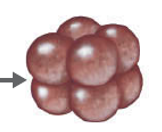
When cells divide across three planes and remain in a group of eight, they are called
staphylococci
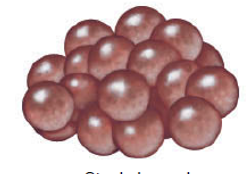
Dividing across multiple planes and forming grape like clusters or sheets is called
coccobacilli

Bacillus will divide in a way that makes them look similar to cocci when this occurs, they are called
0.3 to 300µm diameter
However, bacteria can be as small as __µm in diameter to as large as a 300µm diameter
The cell envelope is a Complex multilayered structure, the layers that surround a bacterial cell and help protect it
The cell envelope is the outer boundary of the bacterial cell that surrounds/contains the cytoplasm.
what is the cell enevelope?
Gram positive and gram negative
what are the two major groups of cell enevelope?
cell wall and plasma membrane
The cell enevelope consists of both the __ and __
mainly made of peptidoglycan
what is the cell wall made out of
Has ONE membrane → the plasma membrane
Has a THICK cell wall made of peptidoglycan
features of Gram-Positive cell enevelope?
Has TWO membranes:
Inner membrane → plasma membrane
Outer membrane → made of LPS
Has a THIN peptidoglycan cell wall between the two membranes.
The outer membrane contains lipopolysaccharide (LPS).
The sugar portions of LPS extend outward from the outer membrane.
features of Gram-negative cell enevelope?
positive
this is showing a gram __ cell enevelope

negative

this is showing a gram __ cell enevelope
maintains cell shape
protects against lysis (prevents the cell from bursting when too much water enters) and toxic substnaces (provides a protective barrier against certain harmful substances)
can contribnute to pathogenicity (some parts of the cell wall can help bacteria cause disease or avoid the body's defenses)
what are the functions of the cell wall
positive
This single layer is between 20- to 80-nm thick
•The cell wall is composed of a single layer of peptidoglycan, this is a gram __ cell enevelope and this single layer is between 20- to 80-nm thick
negative
•The cell wall is composted of two distinct layers, this is known as a gram __ cell enevelope
Layer 1: 7- to 8-nm outer layer
Layer 2: 2- to 7-nm layer of peptidoglycan
gram negative
the enevelop has a thinner cell wall, made out of peptiodoglycan
and also the gram neg enevelope has 2 membranes
the plasma membrane (inner membrane) BUT Also has the OUTER membrane (the outer membrane is directly outside the cell wall in Gram-negative bacteria, but it is not part of the cell wall.)
Periplasmic space

This is showing what type of cell enevelop and explain parts
gram positive
the gram pos enevelope is thicker, made out of peptidoglycan
also only has ONE membrane
the plasma membrane

This is showing what type of cell enevelop and explain parts
periplasmic space
In gram negative bacteria, the space between the plasma membrane and the outer membrane is known as the __ __
Within the periplasmic space, there is the periplasm
the periplasm contains a high concentration of degradative enzymes and transport proteins.
what is the periplasmic space?
of degradative enzymes and transport proteins.
degradative enezymes break down substances into smaller pieces the bacterium can use.
Transport proteins → help move substances into the cell.
the periplasm contains a high concentration of __ and __
Non-proteobacteria and Proteobacteria
two categorises for gram-negative
*KNOW*
*both gram neg and gram pos have enzymes and transport proteins, but For Gram-positive bacteria, the enzymes and transport proteins are mainly associated with the plasma membrane and the area around the thick cell wall*
but gram negative has a distinct periplasmic space between the plasma membrane and outer membrane, and that space contains lots of enzymes and transport proteins.
•Nutrient acquisition
•Energy Conservation (helps the bacteria capture/store energy that it can use)
•Peptidoglycan synthesis (helps build and repair the cell wall (the peptidoglycan layer).
•Modification of toxic compounds (helps change harmful substances into less harmful forms so they don't damage the bacteria)
Functions of proteins in the periplasmic space:
get nutrients + make energy + build cell wall + deal with toxins
an easier way to think Periplasmic proteins help to
peptidoglycan sacculus.
Peptidoglycan molecules link together to form a strong, mesh-like structure, called the ___ __
short peptide (amino acid) chains and sugars
•Peptiodoglycan is the cell wall – its made of both __ and __
NAG = N-acetylglucosamine
NAM = N-acetylmuramic acid
Peptiodoglycan is made of sugars + short peptide (amino acid) chains.
The two sugars are:
NAG and NAM sugars link together → forming long sugar strands/chains.
Each NAM has a stem peptide attached to it.
The stem peptides cross-link with peptides on neighboring sugar strands.
These cross-links create a strong mesh-like structure called the peptidoglycan sacculus.
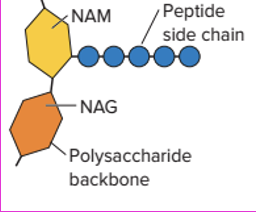
How peptidoglycan is built
1). Rigid backbone of disaccharides → makes it strong
2). Flexible cross-links between stem peptides → makes it elastic/flexible
The peptidoglycan sacculus is strong but elastic, This happens because it has two different components:
direct and indirect
The sugar strands (long chains of NAG + NAM) can be connected to each other in two different ways in peptidoglycan
allows it to stretch and contract in response to osmotic pressure
which protects the cell from damage. It also allows for a porous structure.
This porous structure allows large globular proteins to pass through.
The strong elastic nature of the peptidoglycan sacculus
complex
The cell wall of gram-negative bacteria is more ____
more cross-linking
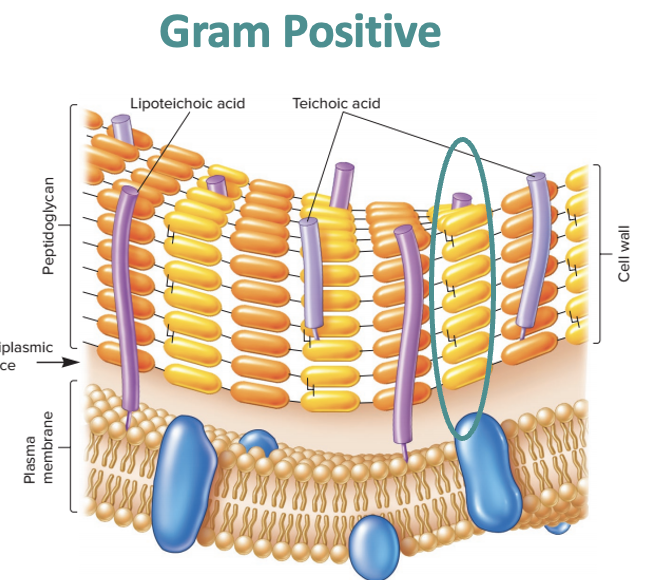

Gram-positive bacteria have ___ ___ among strands of the peptidoglycan sacculus.
teichoic acid
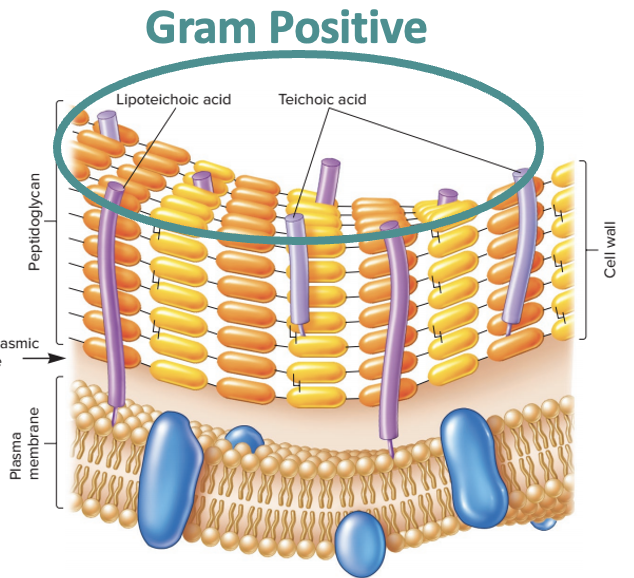
difference between Gram positive and gram negative, gram positive contain the polymer __ __ where gram negative do not
•Maintain structure of the cell envelop.
•Are involved in cell division.
•Protect the cell from harmful substances.
•Ion uptake
•Binding to host tissues
teichoic acid helps to
thinner, fewer

in Gram-positive bacteria have a ___ periplasmic space and Gram-positive have ___ proteins in their periplasmic space.
thicker, more

The periplasmic space is ___ in gram-negative bacteria and Gram-negative bacteria have a proteins in their periplasmic space.
gram negative
Gram ___ have LPS (lipopolysaccharides)
•Contribute to negative charge on the bacterial surface.
•Stabilize outer membrane structure
•Create a permeability barrier (making it harder for certain harmful substances to enter)
•Protects pathogens against host defenses (helps disease-causing bacteria protect themselves from the host's immune defenses)
•Act as an endotoxin in pathogens (triggers the immune system, it can cause inflammation, fever, and other symptoms)
Lipopolysaccharides (LPS) function to
narrow water-filled channels which allow the passage of nutrients and hydrophilic molecules, due to the low permeability of the wall (from the LPSs)
Gram-negative bacteria have porins, they are
porins

these are
exotoxins, endotoxins
Both gram-positive and gram-negative bacteria produce ___. However, only gram-negative bacteria produce, which are produced by lipopolysaccharides.
lipopolysaccharides (LPS)
endotoxins in gram-negative are produced by
exotoxins: makes a specifc toxin protein and releases it both gram gram pos and neg
endotoxins: LPS makes endotoxins, found in gram neg and trigges imflamation
differnce between exotoxins and endotoxins?
plasma membrane
The third and most inner layer of the bacterial cell envelope is the __ __…
controls what comes in/out
helps the cell get nutrients,
remove waste, and make energy.
semi permiable — they allow particular ions and molecules to pass either into or out of the cell
•In bacteria it is the location of
the plasma membrane
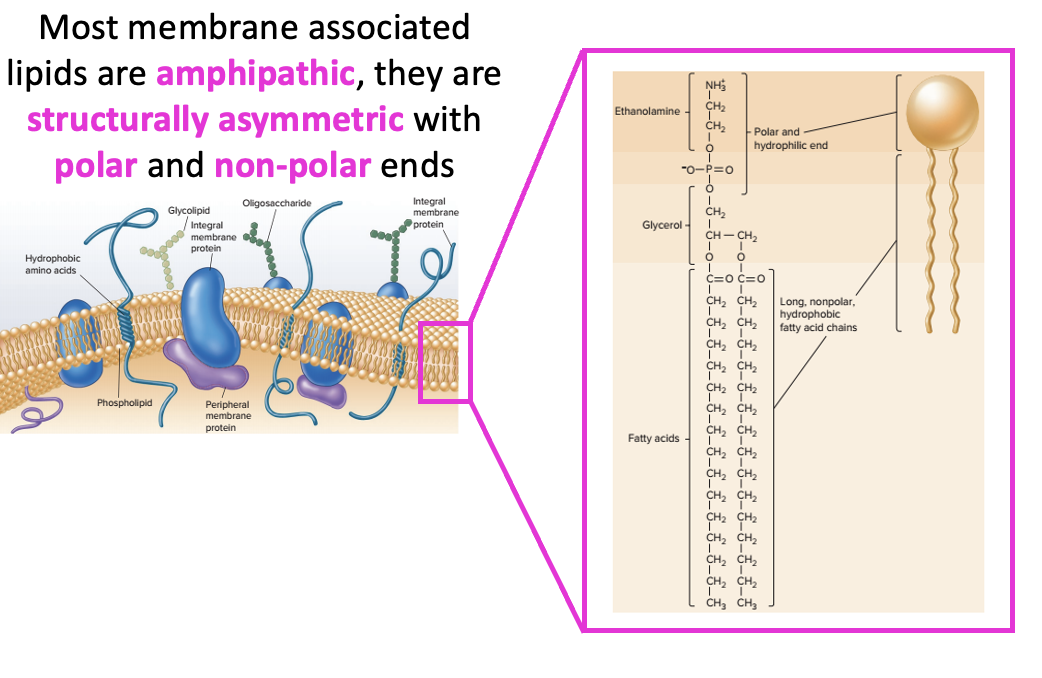
The plasma membrane is made up of a lipid bilayer
means a molecule has two different sides
hydrophilic polar head, and hydrophobic nonpolar tail
most membrances that are associated with lipids are Amphipathic, which means ___ and are structurally asymmetric, which means the two ends are different, they have a __ head and a ___ tail
of a bilayer
In aqueous environments this asymmetric structure promotes the formation ___ Where the outer surface is hydrophilic, and the inner surface is hydrophobic.
Fluid mosaic model
the plasma membrane is a flexible phospholipid bilayer containing proteins that can move within the membrane - what is this describing?
***KNOW***
*The fluid mosaic model says that in both Gram-positive and Gram-negative bacteria, their phospholipid membranes contain proteins that can move within the membrane*
glycocalyx
capsule or slime layer
Many bacteria have an additional layer outside their cell wall, called a ___, and that layer can be organized as a ___ or ___ ___.
polysaccharides (long chains of sugars)
what is a capsule composed of?
highly organized and not easily washed off
The capsule is strongly attached to the cell, so water or washing doesn't easily remove it.
what is the organization of a capsule?
resist phagocytosis (an immune cell tries to engulf/eat the bacterium)
protect agains desiccation (drying out)
excludes viruses and detergents (The capsule can act as an outer barrier that makes it harder for certain viruses and detergents to reach the bacterial cell)
what is the function of a capsule?
often composed of polysaccharides (long chains of sugars)
what is the composition of a slime layer?
Diffuse and organized
diffuse means the slime layer is spread loosely around the outside of the cell, rather than having a sharp, defined boundary
loosely spread outside the cell, but the material is still organized around the cell.
would be more easily washed off then compared to capsule
what is the organization of a slime layer?
facilitates motility
help the bacterium move across surfaces more easily
what is the function of a slime layer?
true
Yes! A bacterium can have both a glycocalyx and an S-layer at the same time (True or false)
both protect the bacterium, but they're made of different materials and aren't the same layer
the s-layer and glycocalyx layer both…
Composted of proteins (made of amino acids) and/or glycoproteins (a protein with sugar molecules attached to it)
what is the composition of the s-layer?
highly organized
arranged in a very regular, orderly pattern around the outside of the cell.

what is the organization of the s-layer?
maintain shape and rigidity
protection against stresses and predation (protection from environmental stresses and from organisms that try to attack/eat the bacterium)
increase virulence (how effectively a pathogen can cause disease)
what is the function of the s-layer?
gram negative because the bacteria are stained red/pink
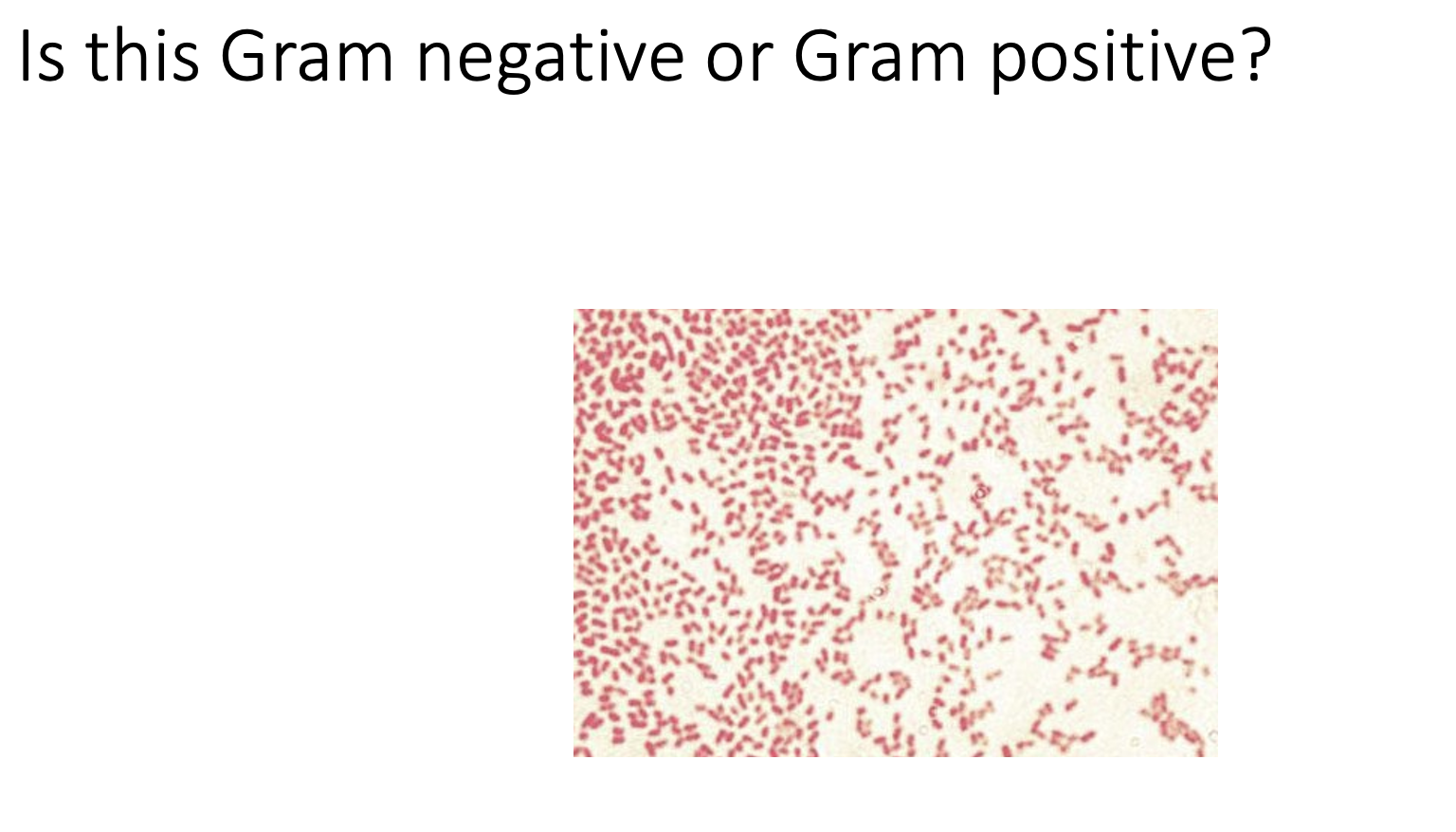
gram postive becuase the bacteria are stained purple
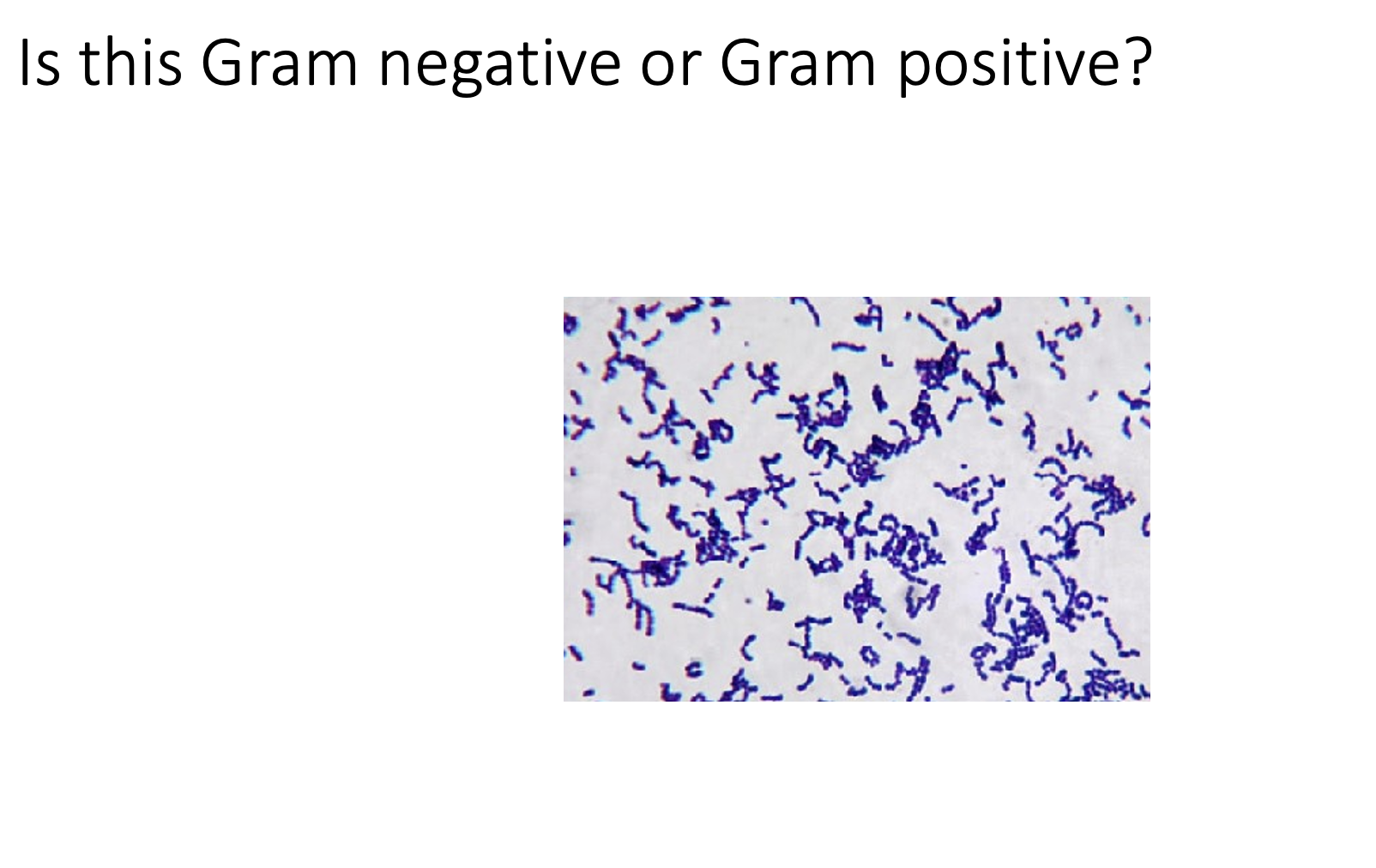
Gram negative
Outer membrane (gram pos dont have outer)
LPS (lipopolysaccharide) ← very important!
Porins
Thin peptidoglycan layer between two membranes
Inner/plasma membrane

Gram positive
Thick peptidoglycan
one membrane
no outer membrane
