4_Single Gene Inheritance Bio025
 Call Kai
 Learn
Learn Practice Test
 Spaced Repetition
 Match
Match Flashcards
1/28

Earn XP
Description and Tags
Ch. 4 Human Genetics Lewis; Some terms are from previous chapters--we are still using them.
Name | Mastery | Learn | Test | Matching | Spaced | Call with Kai | Chat |
|---|

29 Terms
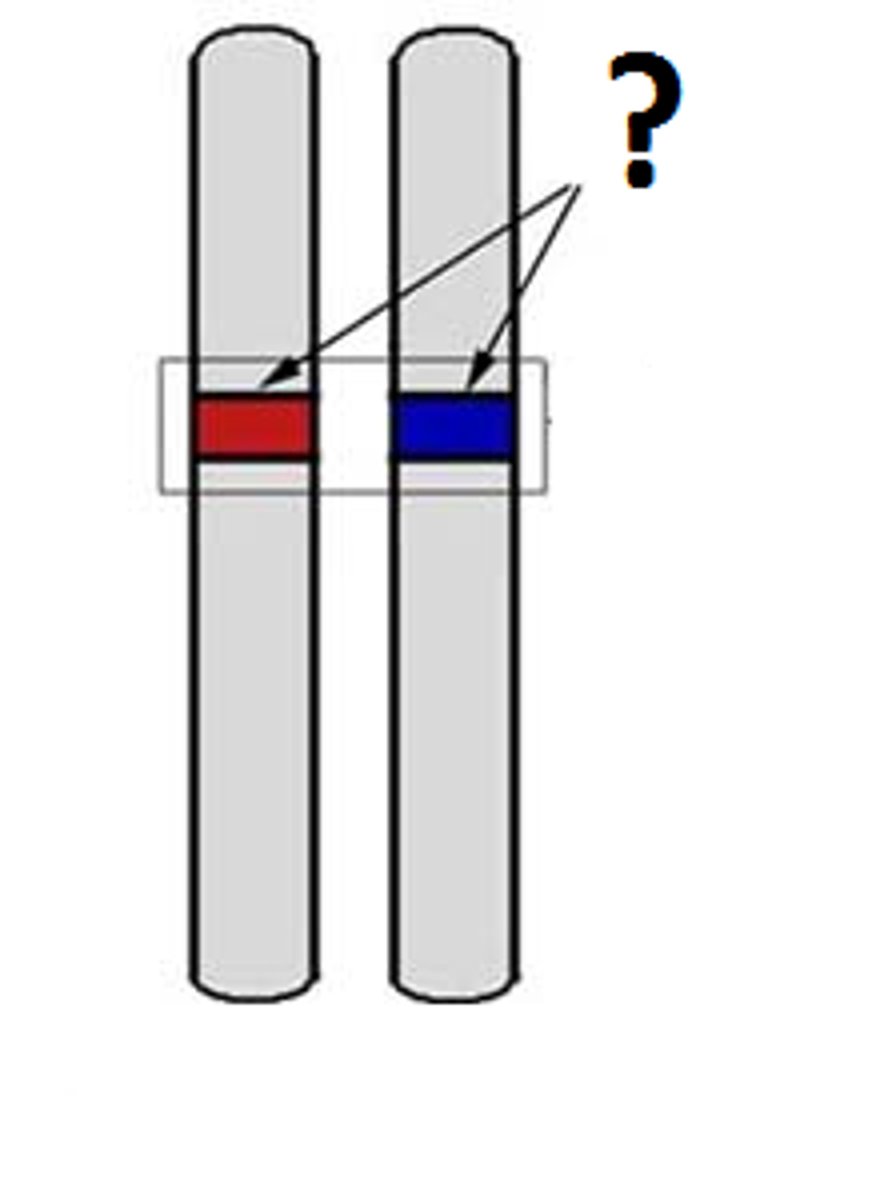
allele
Alternative form of a gene;
one of a pair of genes that
occupies the same position
on homologous chromosomes
autosomal dominant
inheritance pattern where only one copy of a dominant allele is necessary for the expression of a trait, affecting both sexes equally.
autosomal recessive
inheritance pattern where two copies of a recessive allele are necessary for the expression of a trait, affecting both sexes equally but may skip generations.
carrier
An individual who has one copy of a recessive allele for a trait but does not express the trait, often able to pass the allele to offspring.
compound heterozygote
an individual with two different recessive alleles in the same gene. This condition can lead to recessive disorders if both alleles are defective.
consanguinity
blood relatives having children together (increases the risk of recessive genetic disorders due to shared alleles).
dominant allele
version of a gene that can mask expression
of recessive version--only one copy required to produce the trait. Written with a capital letter (A).
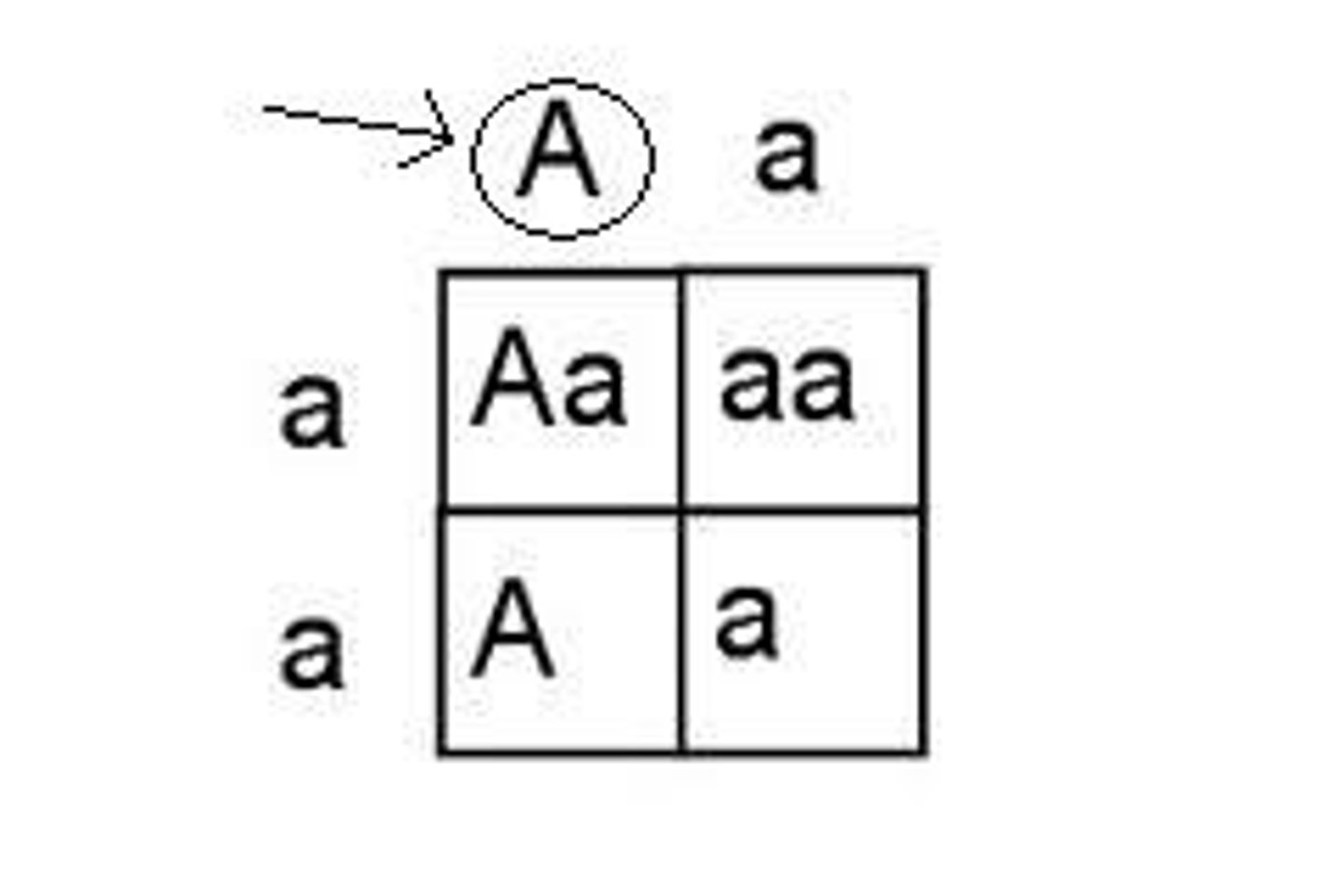
genotype
genes of an individual for a particular trait
ex: BB or Aa
heterozygous
Possessing two different alleles of a gene.
ex: Aa
homozygous dominant
Possessing two copies of the dominant allele
ex: AA
homozygous recessive
Possessing two identical alleles for a particular trait that are only expressed in this situation
ex: aa
mode of inheritance
pattern in which a gene variant passes to offspring such as dominant, recessive, autosomal, X-linked or Y-linked.
monogenic
Trait or disorder caused by mutation of a single gene (Ex. Tay Sach's, Sickle Cell Disease, Cystic Fibrosis)
monohybrid cross
A cross of two individuals who are heterozygous for a single gene.

mutant
an allele that differs from the most common allele in a population and alters the phenotype.
pedigree
A diagram that shows the genetic relationships and inheritance patterns within a family across generations.

phenotype
visible expression of a genotype
Punnett square
a diagram used to follow and combine parental gene contributions to offspring (and to calculate the probability of certain outcomes).

recessive
version of a gene that causes a phenotype only when two copies are present; its expression is
masked by the dominant version of the gene. Written with a lowercase letter (a)
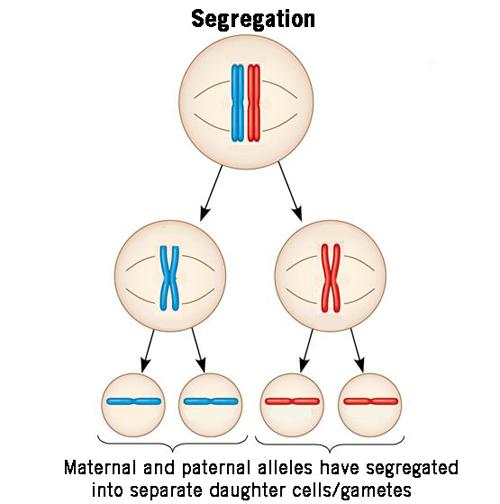
segregation
Mendel’s first law: the alleles of a gene are distributed into separate gametes during meiosis.
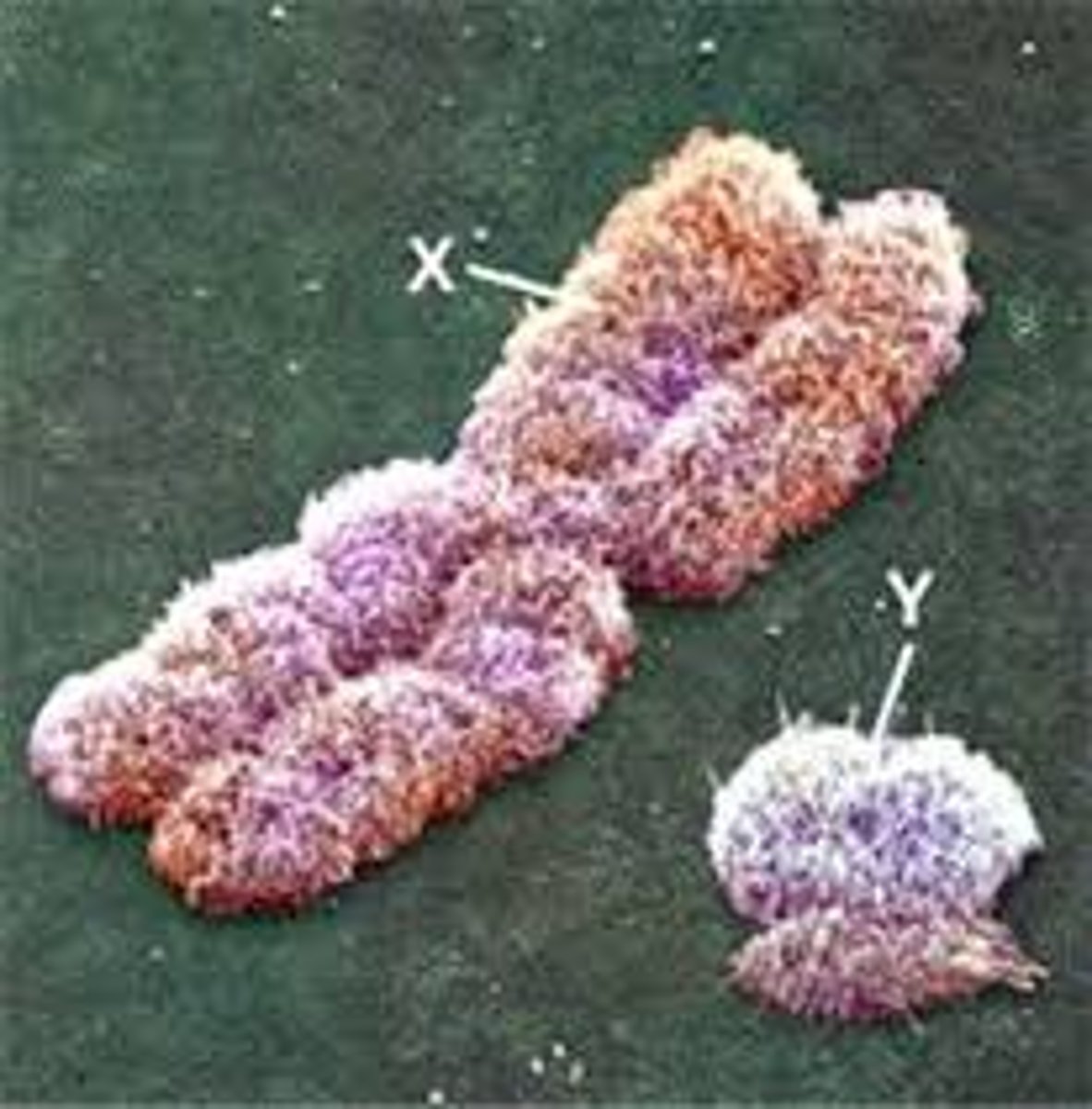
sex chromosome
one of the pair of chromosomes that determine the sex of an individual
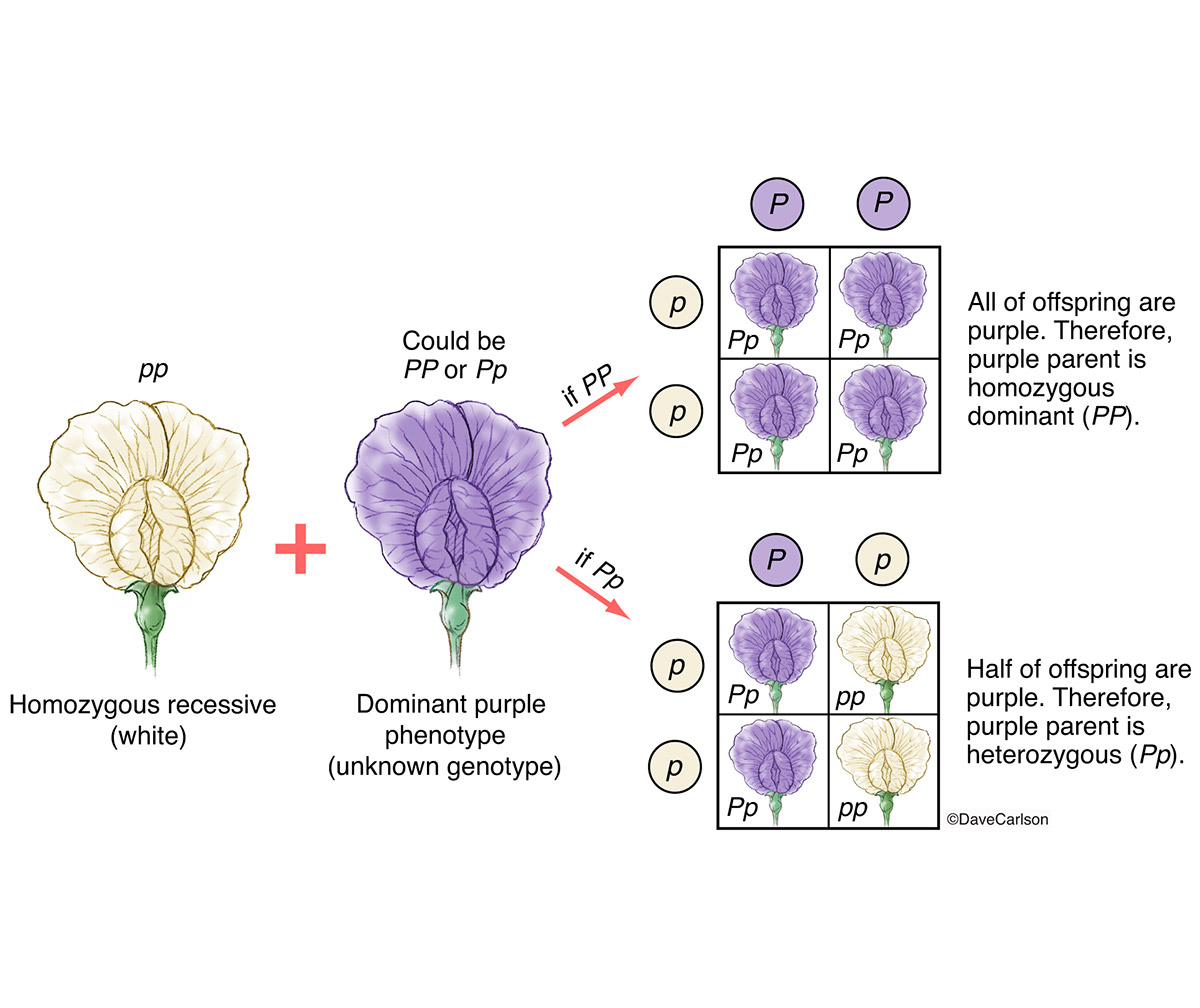
test cross
a breeding experiment used to determine the genotype of an individual with a dominant phenotype by crossing it with a homozygous recessive individual.
wild type
the most common phenotype or allele in a population for a particular gene. Often considered the standard or typical form.
Cystic Fibrosis
autosomal recessive disease that results in thick, mucous secretions that do not drain normally affecting many body systems
Huntington Disease
Autosomal dominant disease that causes progressive degeneration of brain cells
autosome (autosomal, adjective)
Chromosome that is not a sex chromosome (on a non-sex chromosome).
sex chromosome
one of the pair of chromosomes that determine the sex of an individual
genetic disorder
A disease caused by abnormalities in an individual's DNA, which can be inherited or arise spontaneously, often leading to specific health issues.
genetic trait
a characteristic that can be inherited from parents to offspring.