Civ Arts exam 1
 Call Kai
 Learn
Learn Practice Test
 Spaced Repetition
 Match
Match Flashcards
 Knowt Play
1/65

There's no tags or description
Looks like no tags are added yet.
Name | Mastery | Learn | Test | Matching | Spaced | Call with Kai | Chat |
|---|
No analytics yet
Send a link to your students to track their progress
66 Terms

Dipylon Amphora 8th century BC
A large vase used for funerary purposes, often decorated with intricate geometric designs and scenes related to the funeral rites.
A two tone objectcommonly associated with the Geometric period in ancient Greece.
The seven elements of art
line, shape, color, texture, value, form, and space
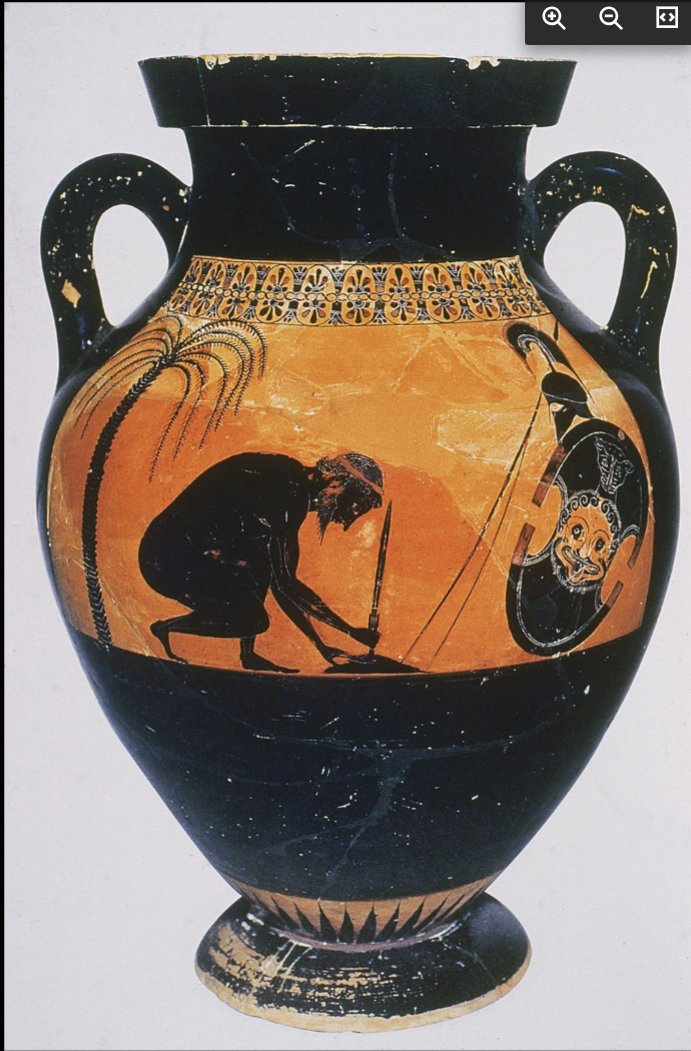
Exekias, Suicide of Ajax, c. 5th-6th Century BC
Ajax the great takes his own life with his sword after not winning Achillies armor.
Odysseus wins the armor

Tenea Kouros, c. 6th century BC
Characterized by a rigid posture with the left foot forward and the distinctive Archaic smile
the ancient Greeks got Inspiration from the Egyptians
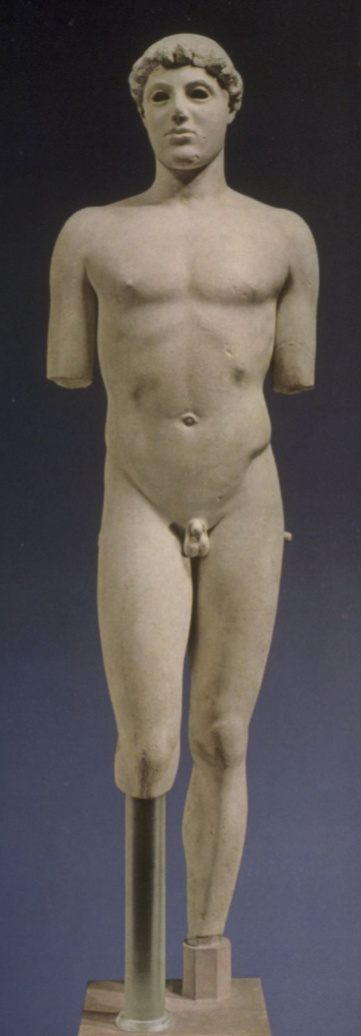
Kritios Boy, c. 5th century BC
Greek marble statue which is one of the earliest to exhibit contrapposto
marks the shift from a rigid, or stylized posture
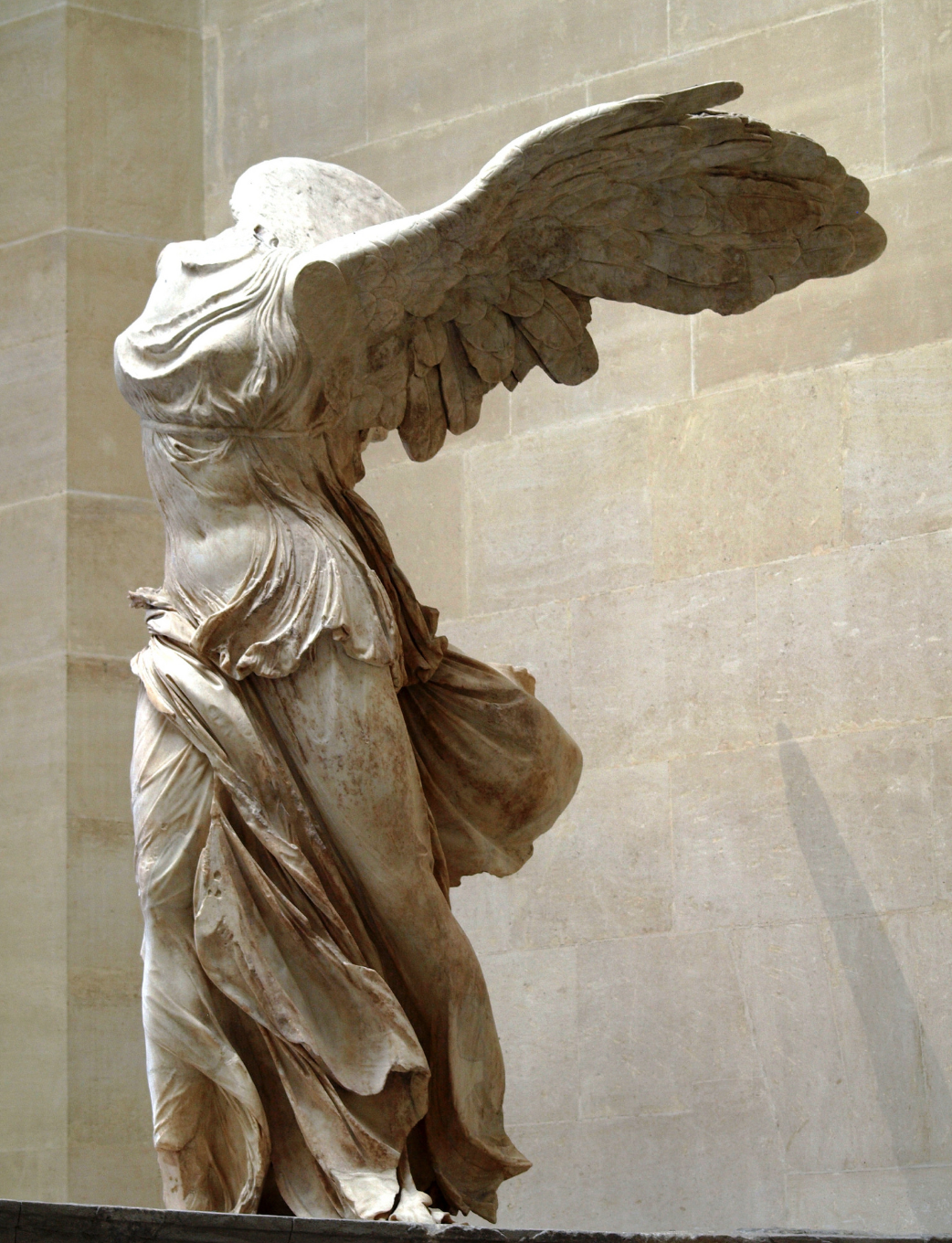
Winged Victory, c. 2nd century BC
Depicts goddess Nike the goddess of victory landing on the prow of a warship to celebrate a naval triumph
very dramatic, and not balanced or orderly
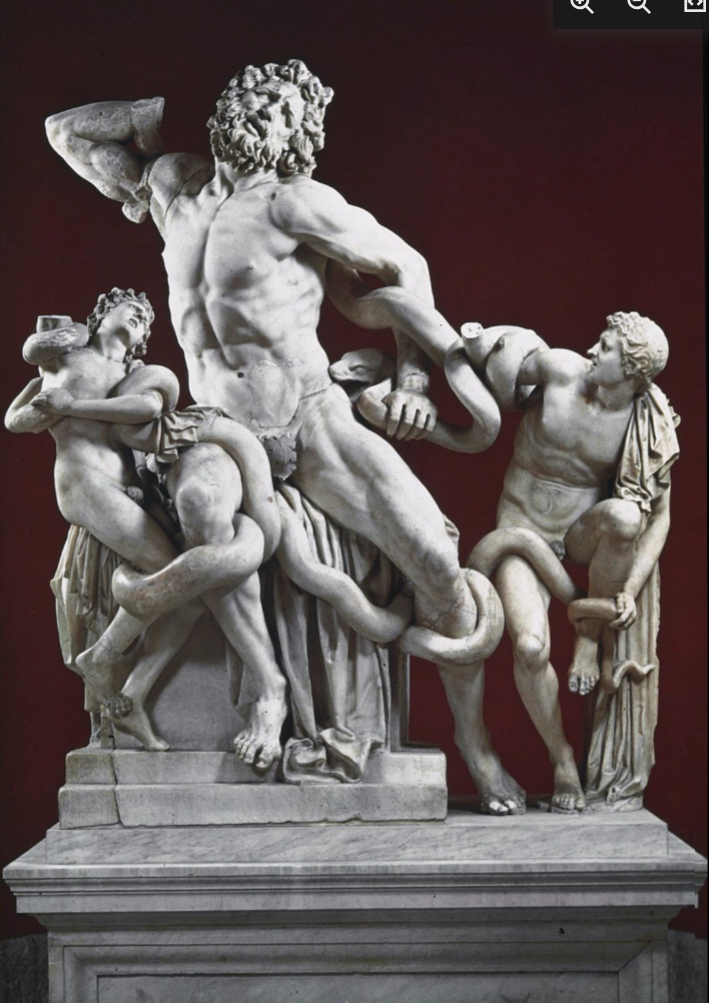
Laocoön Group, c. 40–30 BC
Laocoön attempted to warn the citizens of Troy not to bring the Trojan Horse into the city ("Beware of Greeks bearing gifts"). In response, the gods who favored the Greeks (such as Athena or Poseidon) sent sea serpents to destroy Laocoön and his sons to keep the trick hidden by attacking and strangling them by giant sea serpents.

The Eleventh Labor of Heracles, c. 5th century BC
Athena’s body faces us to show us she is always involved. she effortless holds up the earth
Heracles ventures for apples and Ajax offers to switch spots so he can get apples for him as long as he holds up the sky for him while he is gone. He comes back with apples but refuses to step back under the earth so Heracles tricks him to go back under the earth
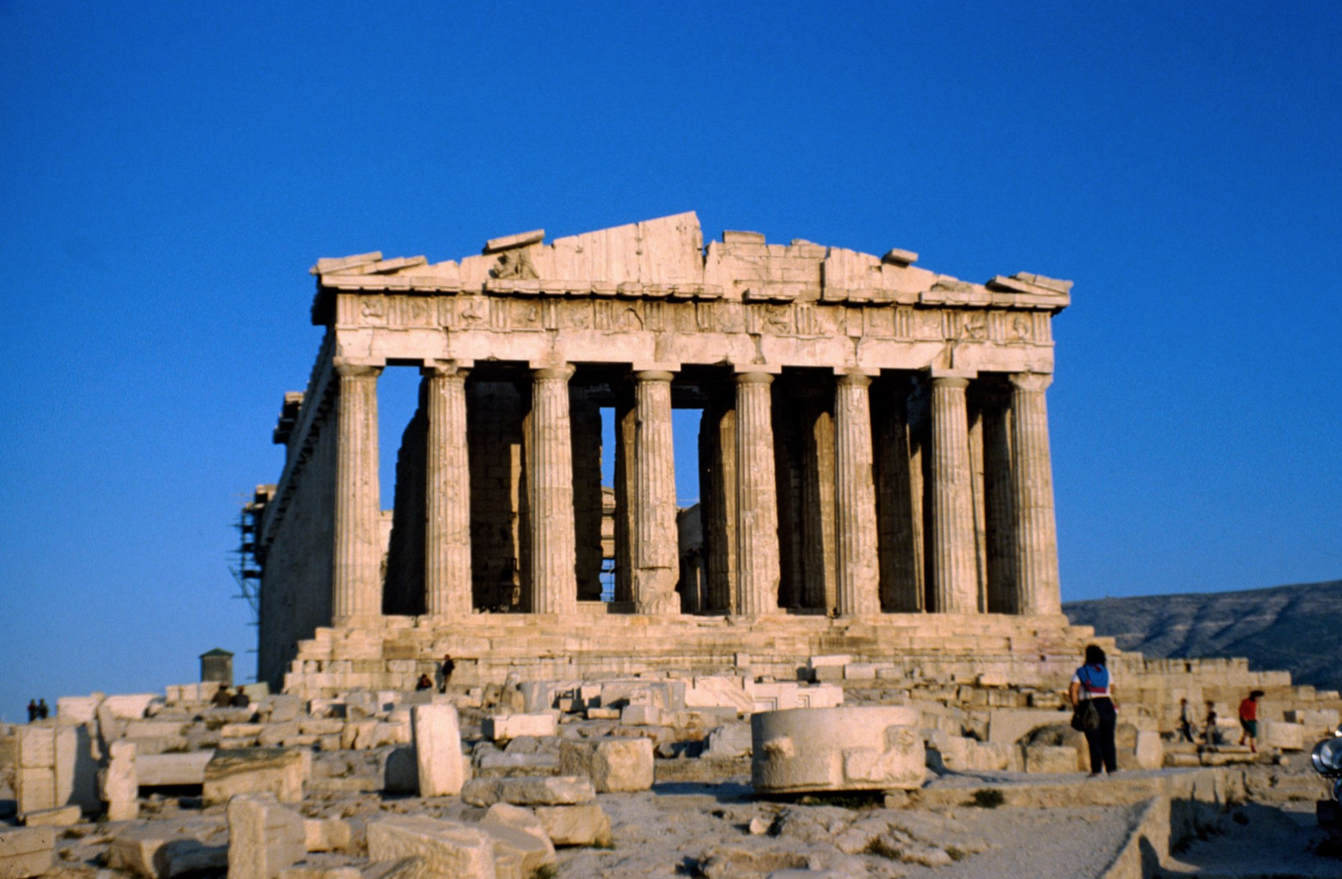
Parthenon, 5th century BC
8+8=16+1=17 on the long side

Temple of Athena Nike, 5th century BC
no Metopes

Augustus of Prima Porta, c. 20 BC-15 AD
Large scale sculpture
the armor relates to the Roman Gods
this is propaganda since he is trying to send a political message
he has a powerful stance. he points up and leans forward as if giving a speech

Ara Pacis Augustae, 13–9 BC
upper-class people of all ages
meander at the bottom


Pont du Gard, 1st century AD
Roman architecture was their very own innovation
this was an aqueduct
they were able to build enormous structures

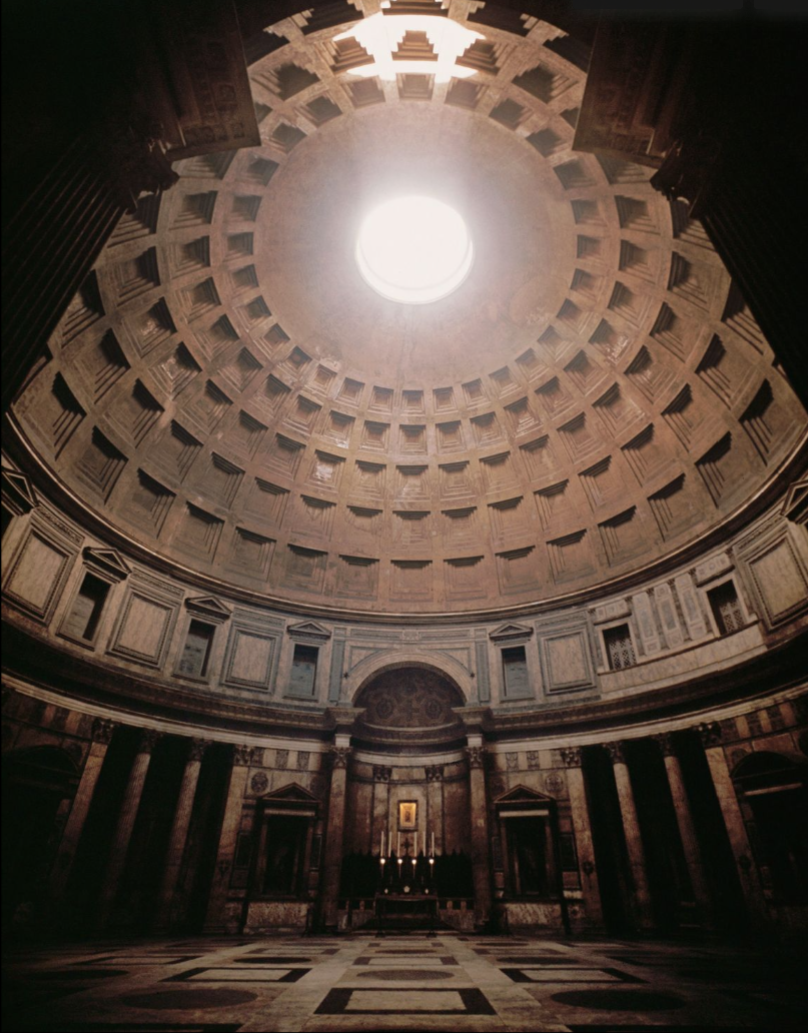
Pantheon, c. 2nd century AD
Rotunda

Sarcophagus of Junius Bassus, c. 4th century AD
stone coffin
not Ba relief but high relief
scenes from old and new testament

Christ on His Throne with Angels, c. 5th century AD
a procession of male figures towards Jesus
A procession of female figures towards Mary

Isidorus & Anthemius, Hagia Sophia, 6th century AD
the last dome for 1,000 years

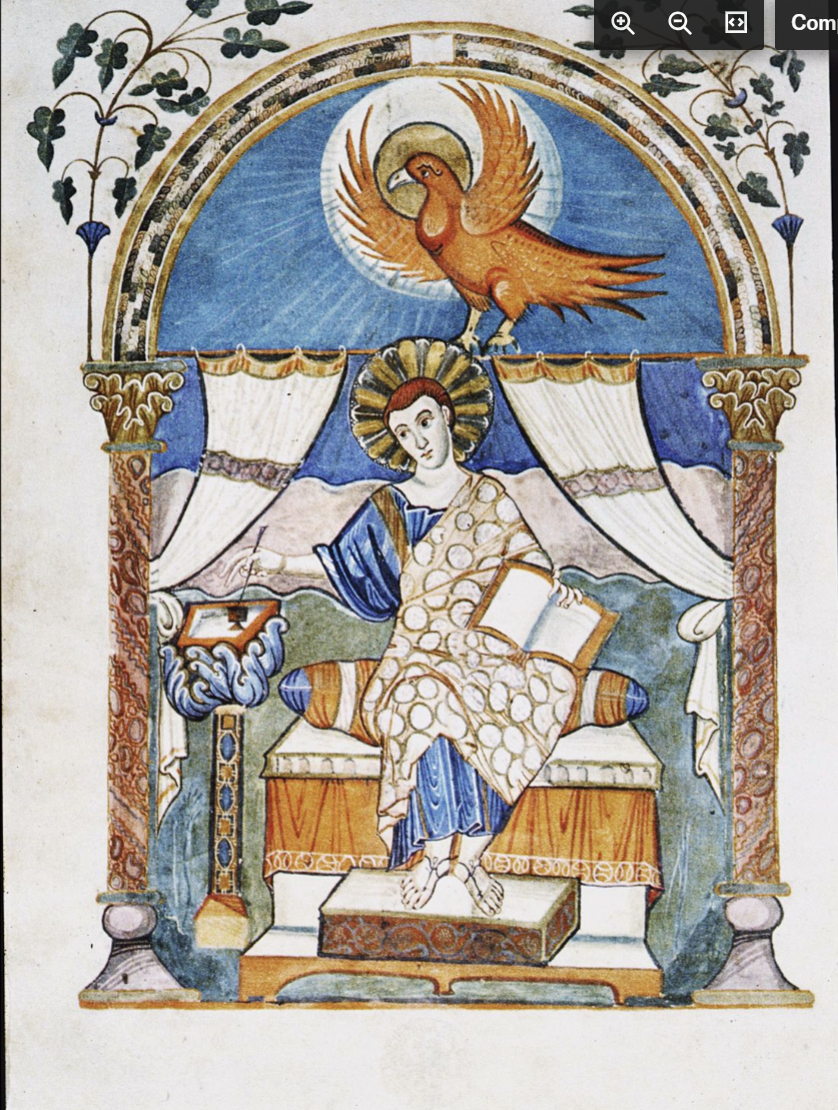
St. John, 8th-9th century AD
gold plated for light affect
bird characterizes John
He writes similarly to how monks wrote
medium
a term used to describe both the various methods and materials used by artists
e.g. pottery, sculpture, mosaic painting, and printmaking
pottery
clay fired in a kiln
can be hand molded or turned on a wheel
can be glazed or left unglazed
amphora
an ancient Greek jar, two handled form, with flared neck, used for storage of oil or wine

geometric design
named for Greek pottery in the 8th and 9th century
vases were painted with horizontal bands and filled with geometric designs, gradually developing into stylized humans and animals
meander
A decorative pattern consisting of lines turning at right angles to one another forming a continuous border

line
A moving point
can be straight, zig-zag, or curved
black figure pottery
Style of Greek pottery of the 7th and 6th centuries BC, in which black decoration appears silhouetted on a red background
sculpture
a work of art carried out in three dimensions
4 basic processes: carving, modeling in clay, modelling in clay or wax and then casting in bronze, then constructing
kouros
applies to the standing male statues typical of the archaic period
Doric order
earliest of the ancient architectural orders
columns sit directly on the floor of the temple
plain capitals
Fluted

Metope
carved or painted decorative panel found on the facade of Greek Doric Order temples above the columns

ionic order
decorative scrolls as the main indicator
wider bases to help support the structure
metopes were removed

capitol
sits at the head of a column or pillar
fluting

shape
A two-dimensional enclosed area defines by a line (geometric or organic)
form
A three-dimensional object that encloses volume (geometric or organic)
contrapasso
Relaxed, asymmetrical pose in sculpture where one knee is bent and the body’s weight is mainly put on the other leg, so that the hip of the leg rises relative to the other
bas-relief
carving that protrudes only moderately from the background plane

rotunda
roofed building with a circular floor plan, often covered by a dome
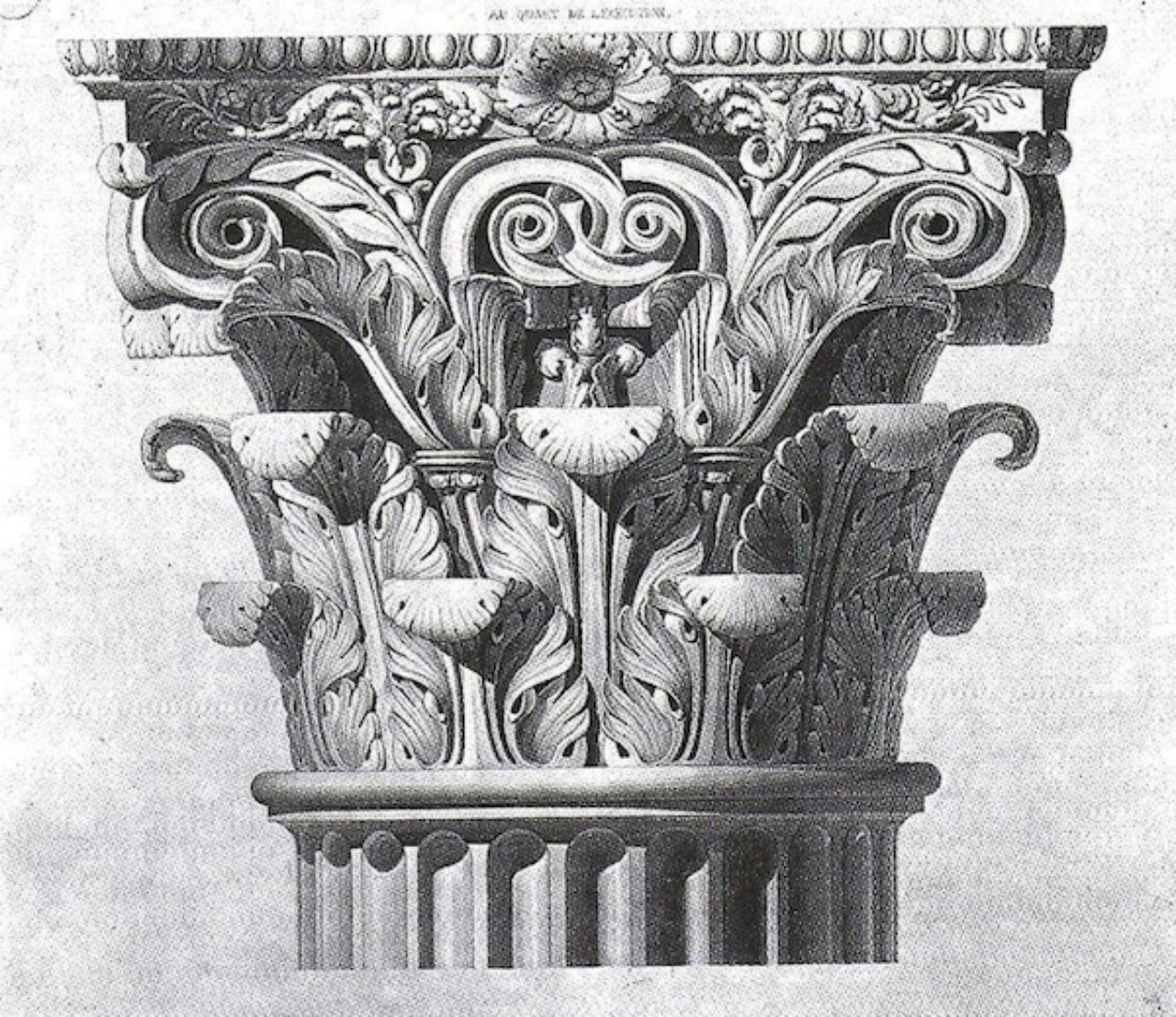
Corinthian order
High-relief
sculpture which projects almost fully, or at least half of its natural circumference, from its background
Mosaic
The technique of making pictures or patterns from small pieces of colored stone or glass set into cement or plaster
Byzantine art
Associates with the Eastern Roman Empire
combination of the western classical art and the art of the Near East
Religious and hieratic: centered on the divine and less on earth-bound things
two-dimensional and front facing
gold backgrounds represent heavenly light
served to educate those who could not read and to inspire wonder and awe
Illuminated Manuscript
a handwritten book in which gold, silver, and bright colors are used in the illustrations to give the appearance of light
Pointed arch
more support than Roman arch but less than ribbed vault

Romanesque Architecture
10th-12 century
First Pan-European architectural style since the fall of Rome
Many cathedrals, abbeys built during this period
“in the Roman style”: use of the Roman rounded arch
Flat, heavy stone walls
followed by Gothic style
Gothic Architecture
1220-1400 in central Italy, continuing until the early 16th century in Northern Europe (Germany, Northern France, and England)
Lightness and verticality
Pointed arches
Flying buttresses
Stained glass windows
Flying Buttress
used to support a building, specifically the Notre Dame

Roman/ Rounded arch
supports well because of the arch but not as well as a pointed arch or ribbed vault

Ribbed Vault
very strong
can hold up tons of stone
hold up incredibly high ceilings
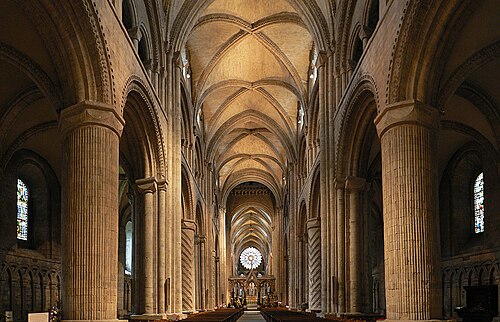
Melisma
a group of notes sung to one syllable of text
Articulation
Refers to the nature of the starts and ends of notes in music, particularly the degree to which each of a succession of notes is separated in performance
Dynamics
The aspect of musical expression concerned with the variation in the volume of sound
Form
The shape or structure of a musical work
Mass Ordinary
The texts of the Roman Catholic mass that remain constant from day to day
Kyrie
Gloria
Credo
Sanctus
Agnus Dei

Saint-Georges de Boscherville Abbey, c. 1113
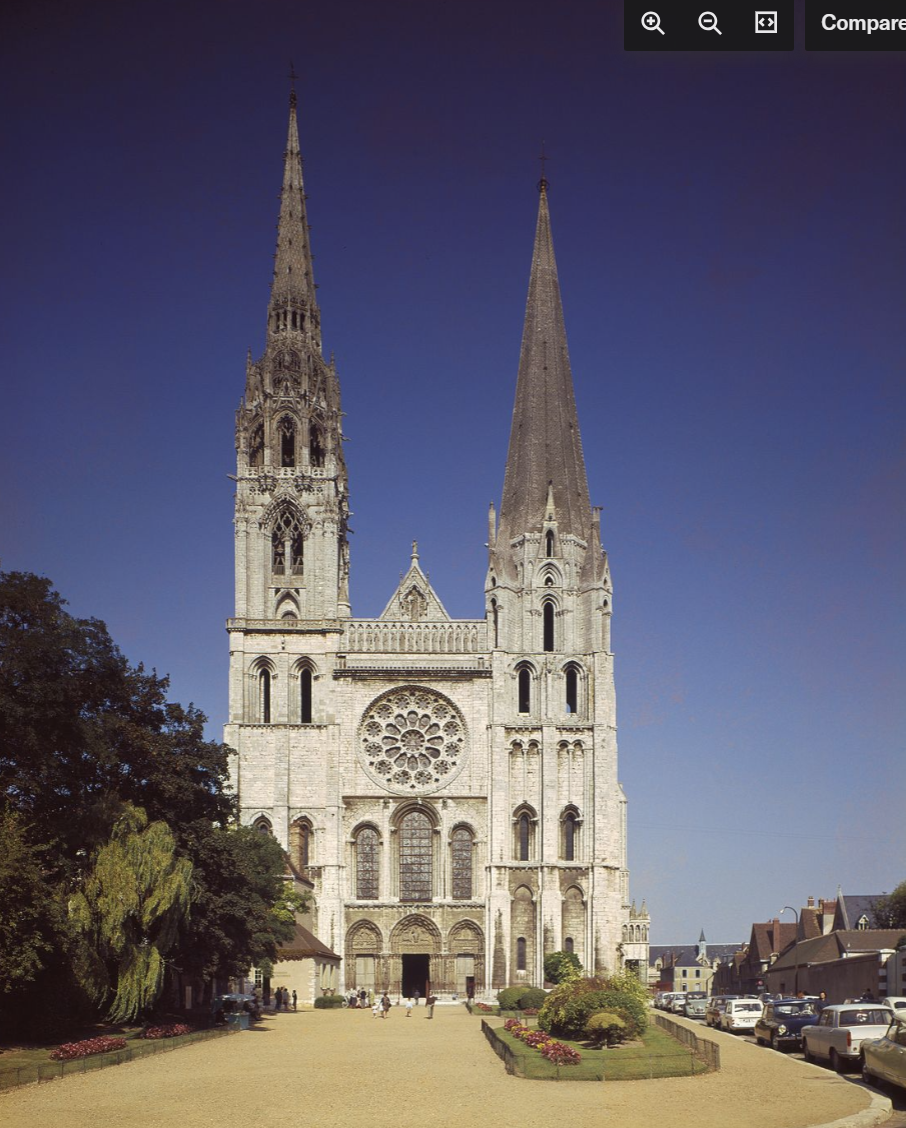
Chartres Cathedral: West Facade, c. 12th-13th century

Chartres Cathedral: North Rose Window, c. 12th-13th century
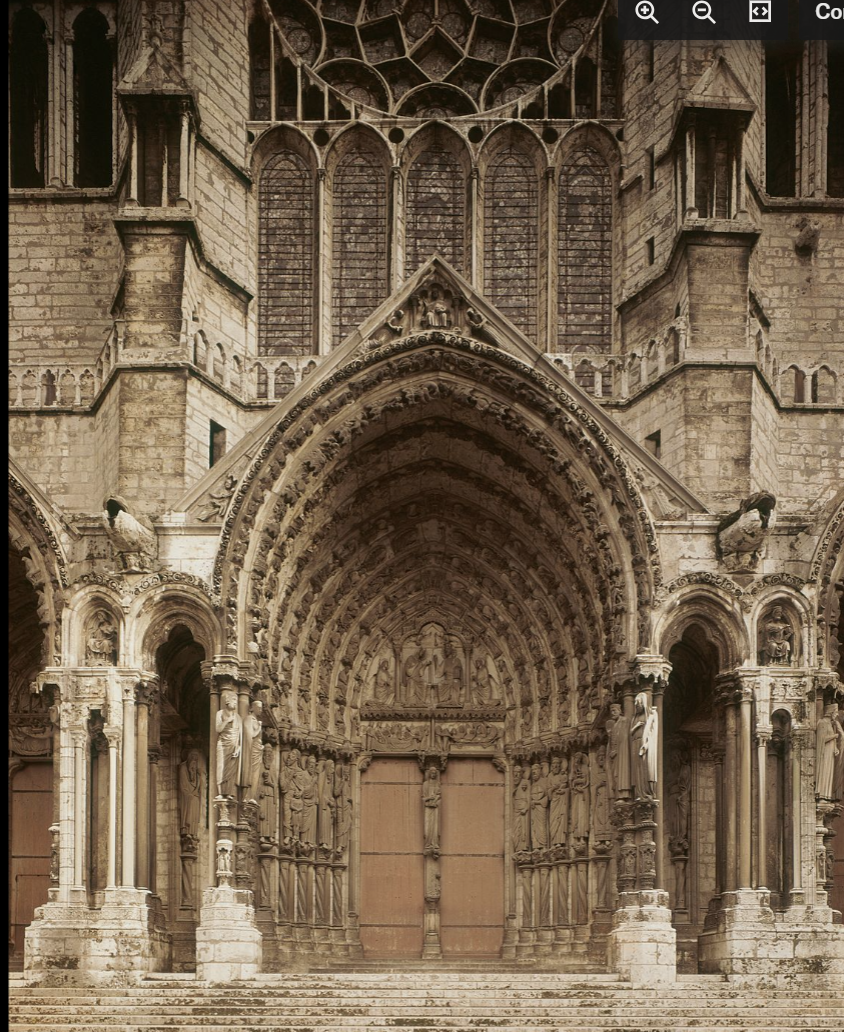
Chartres Cathedral: North Facade, c. 12th-13th century

The one and only song this exam
Machaut, Messe de Nostre Dame: Kyrie, c 14th century
what are the lyrics to the Machaut?
Kyrie eleison → Lord, have mercy
Christe eleison → Christ, have mercy
Kyrie eleison → Lord, have mercy
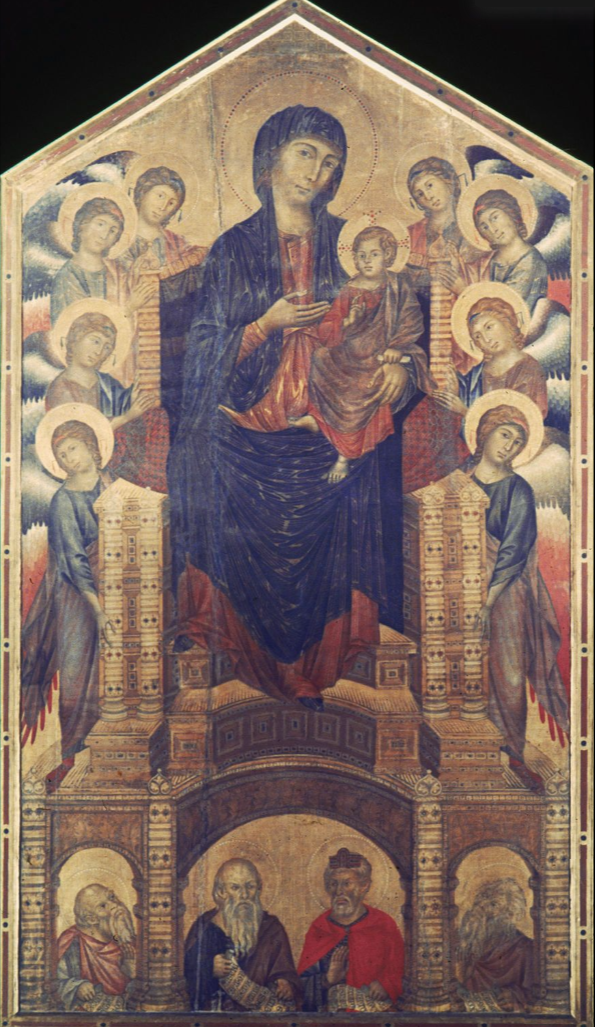
Cimabue, Madonna and Child Enthroned, c. 13th century

Giotto, Kiss of Judas, c. 14th century
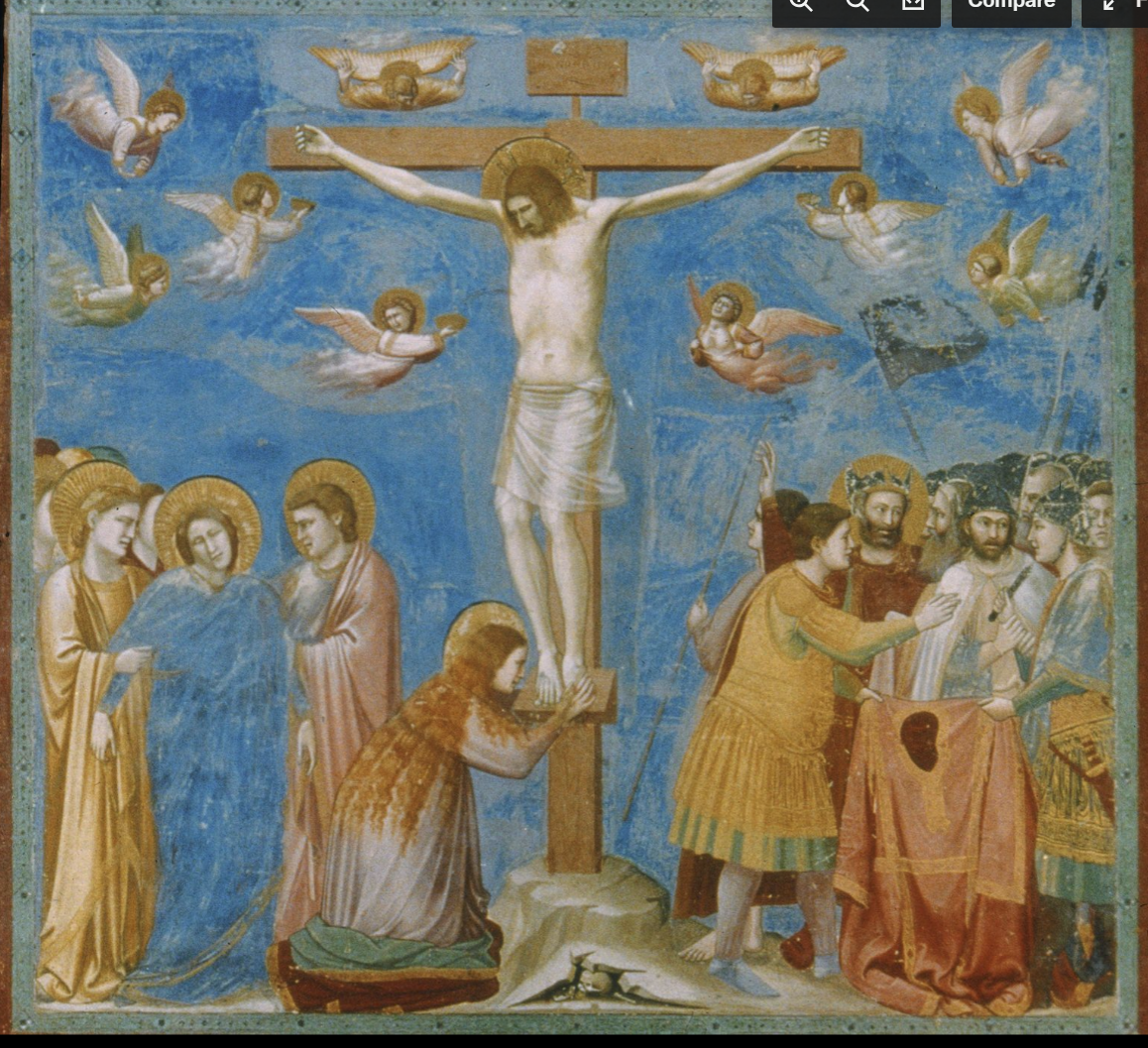
Giotto, Crucifixion, c. 14th century
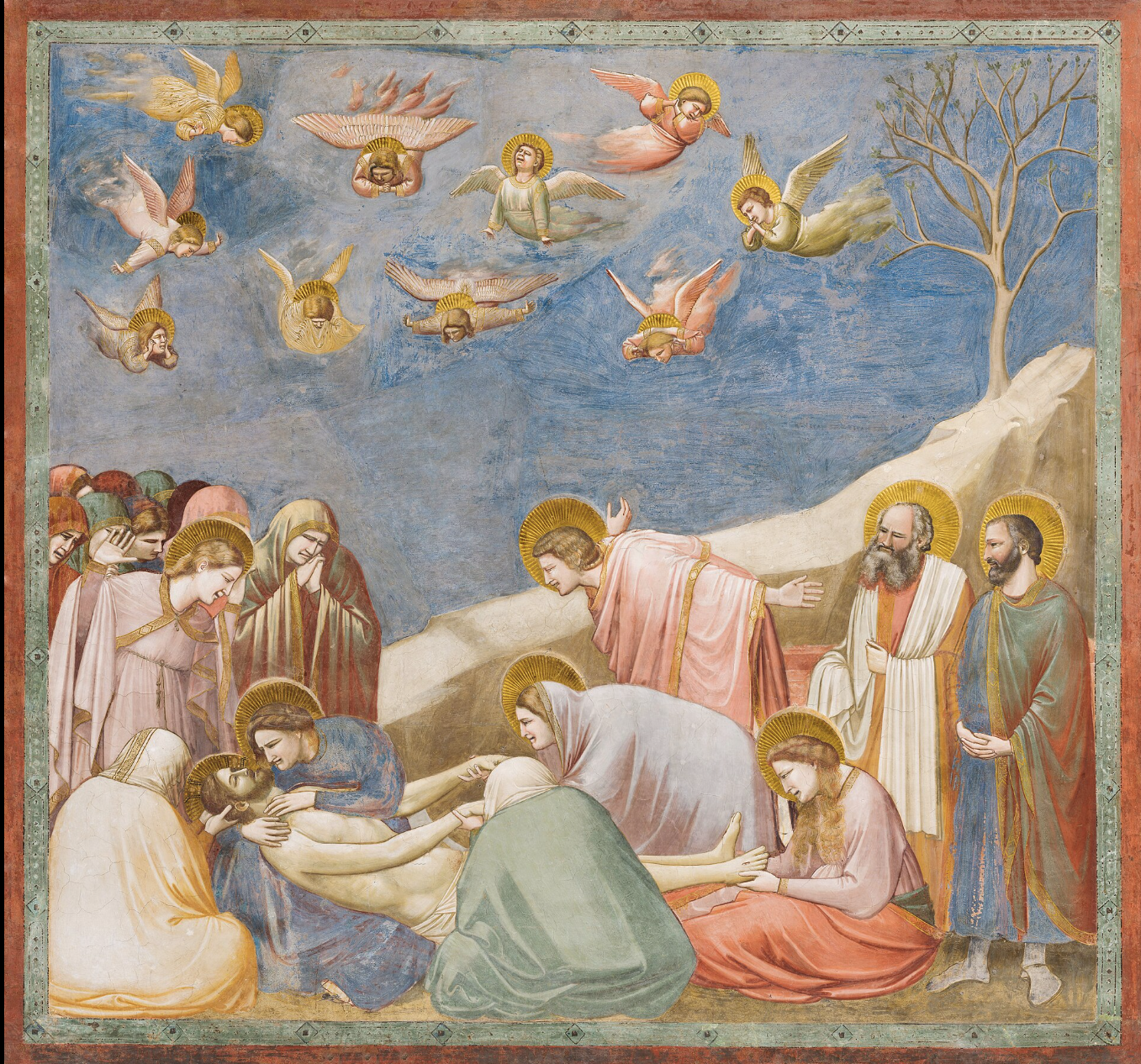
Giotto, Lamentation, c. 14th century

Giotto, Resurrection, c. 14th century
fresco
A type of wall painting in which pigments are applied to wet plaster
naturalism
representation of objects as they are, rather than in a stylized or abstract manner