Chem Unit 1
 Call Kai
 Learn
Learn Practice Test
 Spaced Repetition
 Match
Match Flashcards
 Knowt Play
1/44

Earn XP
Description and Tags
Name | Mastery | Learn | Test | Matching | Spaced | Call with Kai | Chat |
|---|
No analytics yet
Send a link to your students to track their progress
45 Terms
Chemistry
The study of the composition, properties, and interactions of matter

Hypothesis
A tentative explanation of observations that acts as a crude for gathering/checking information

The Laws of Science
Summarize a wast number of experimental observations and describe/predict some facet of the natural world

Scientific Theories
Well sustained, comprehensive, testable explanations of particular aspects of nature
Are accepted because they provide satisfactory explanations, but can change if new data becomes available

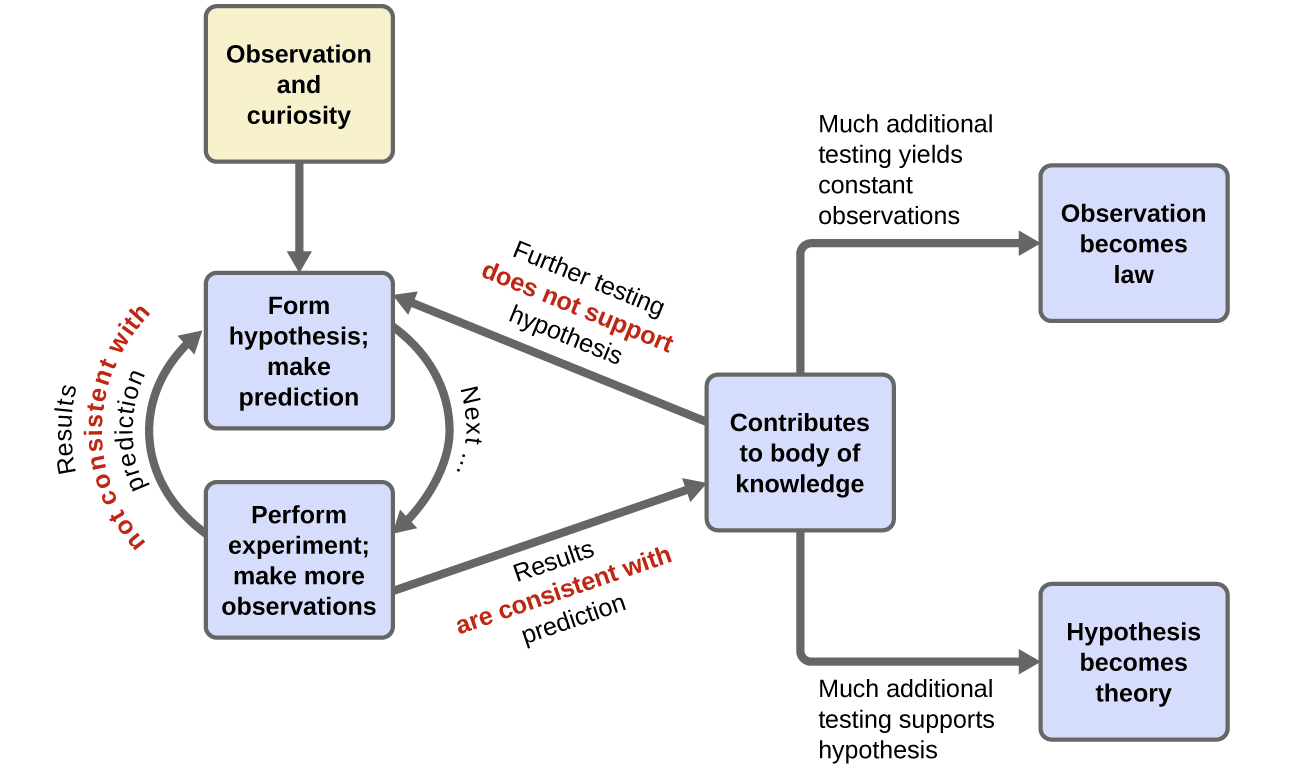
The Scientific Method
Includes:
An observation/curiosity
Forming of a hypothesis
Preform an experiment and make observations
Experiment contributes to body of knowlodge
If more testing supports hypothesis; hypothesis becomes theory
If more testing yields content observations; observations become law
If results are inconsistent with prediction; form a new hypothesis (back to the drawing board)
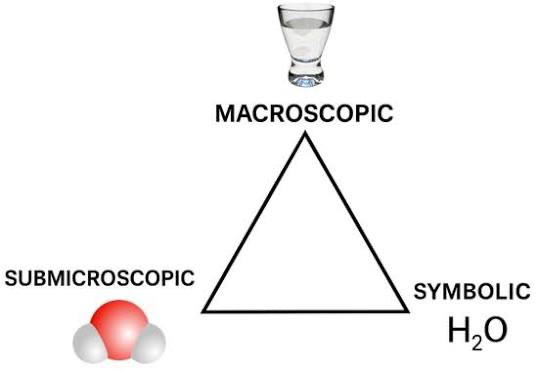
Macroscopic domain
The realm of everyday things that are large enough to be sense directly by human touch/sight
Includes things we observe/measure physically and chemically

Microscopic domain
The realms of objects and events that can’t be seen by the naked eye and require a microscope
Includes biological cells, molecules, and atoms

Symbolic domain
Specialized language used to represent components of the Macro. and Micro. domain
Help interpret behavior of Macro. domain in terms of the components of the Micro. domain
Includes periodic table symbols, chemical formulas, chemical equations, graphs, drawings, calculation, etc.
Matter
Anything that occupies space and has mass; Includes solids, liquids, gases, and plasma

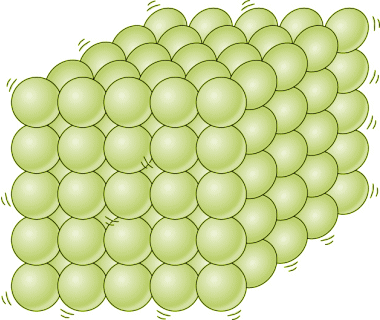
Solid
A form of matter that is rigid and possesses a definite shape
Liquid
A from of matter that flows and takes the shape of its container, except when it forms a flat/slightly curved upper surface

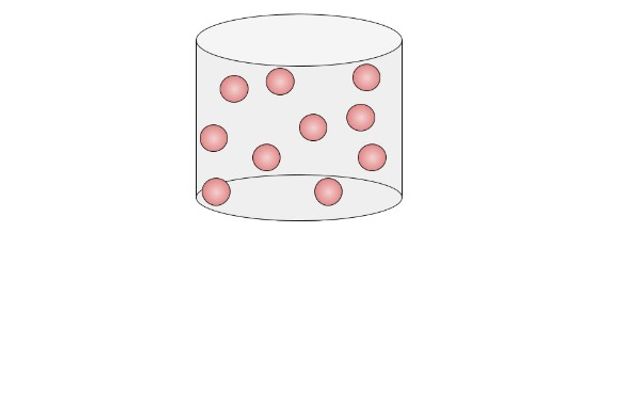
Gas
A form of matter that takes both the shape and volume of its container
Plasma
A gaseous state of matter that contains appreciable numbers of electrically charged particles
Occurs naturally in stars; most common matter in the universe

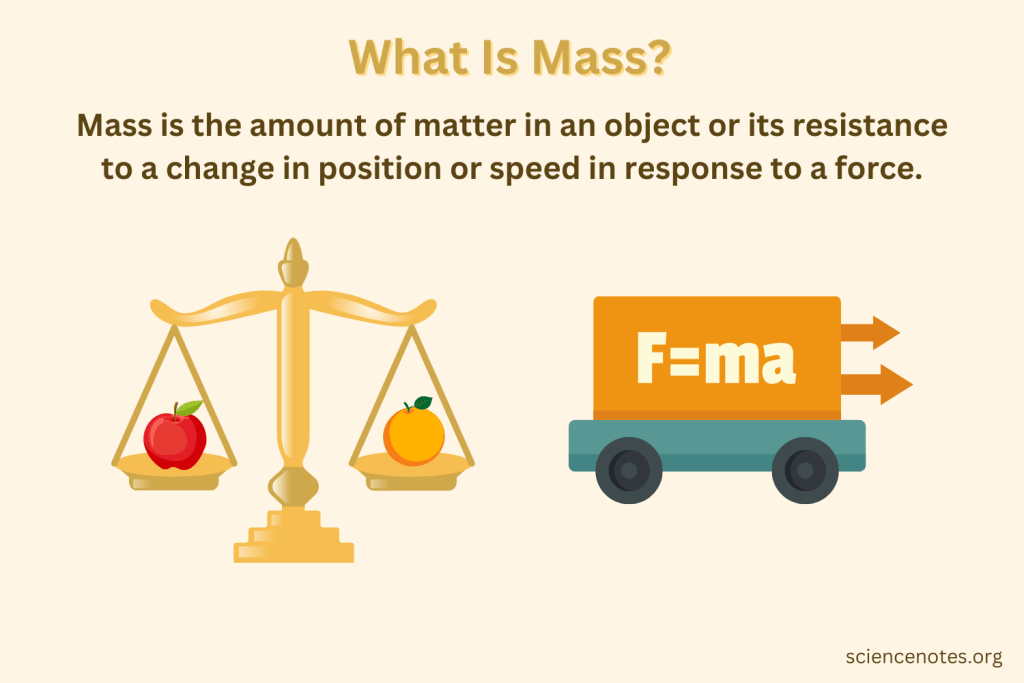
Mass
The measure of the amount of matter in an object; can be measure by amount of force used to move an object
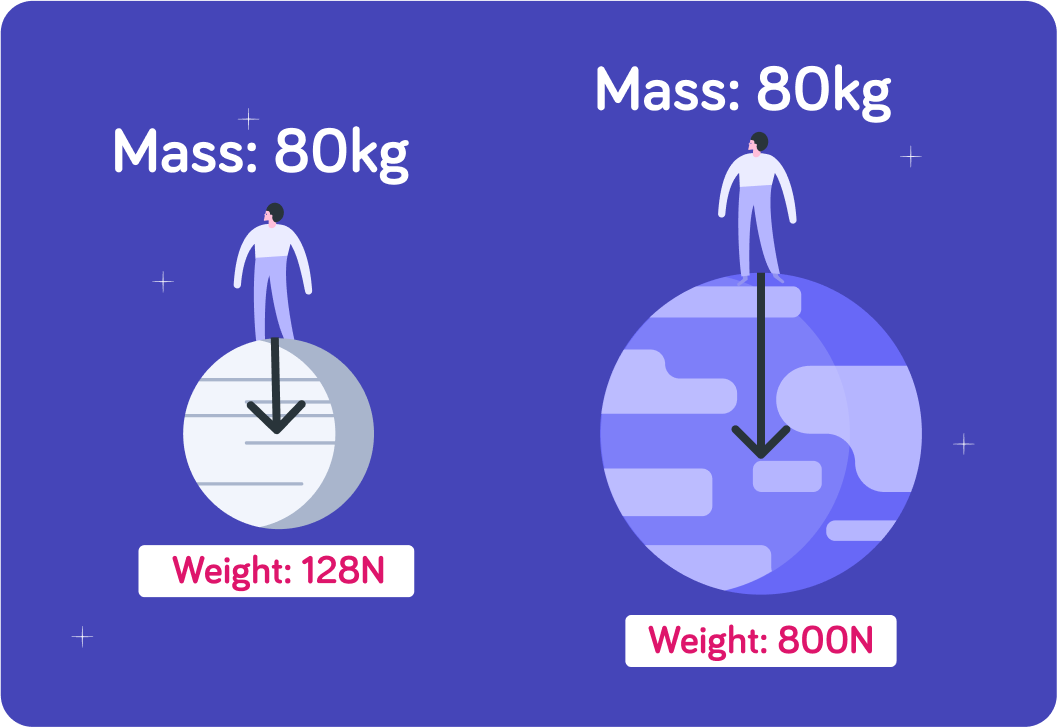
Weight
The force gravity exerts on an object; weight changes when gravity changes, mass doesn’t
The Law of Conversion of Matter
“There is no detectable change in the total quantity of matter present when matter covers from one type to another (a chemical change) or changes around solid, liquid, or gaseous states (a physical change)

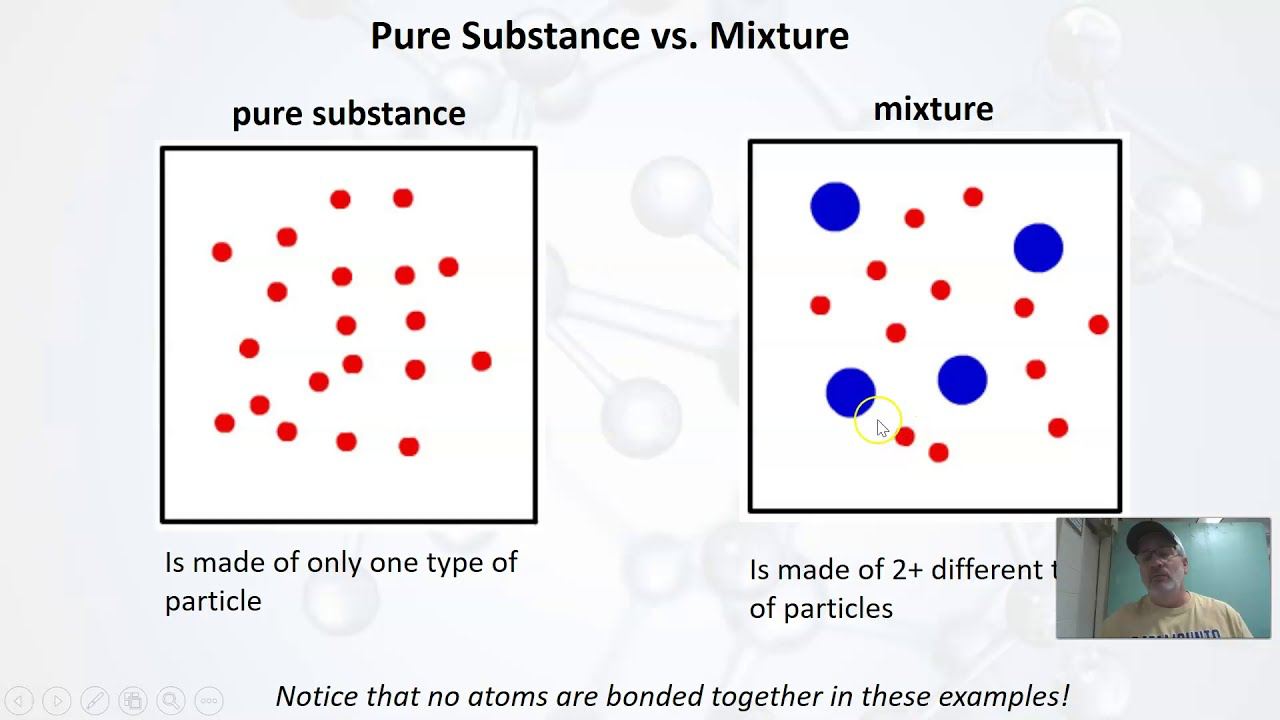
Pure substance
Has constant composition; all specimens of a pure substance have exactly the same makeup and properties
Divided into elements and compounds
Elements
Pure substances that can’t be broken down into simpler substances by chemical change

Compounds
Pure substances that consist of 2 or more elements

Mixture
Composed of 2 or more types of matter, can be present in varying amounts and can be separated by physical changes (ex: vaporation, etc.)
Divided into heterogenous and homogenous mixtures

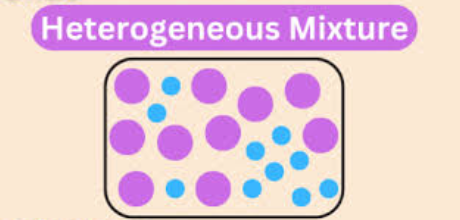
Heterogenous mixture
A mixture with a composition that varies point to point
Homogenous mixture (solution)
A mixture that has a uniform composition and appears visually the same throughout

Atom
The smallest particle of an element that has the properties of that element and can enter into a chemical combination; stems from Greek word atoms, meaning indivisible

Molecule
2 or more atoms connected by chemical bonds

Physical property
Characteristic of matter that isn’t associate with a change in it’s chemical composition (density, color, etc.)

Physical change
A change in the state/properties of matter without Anya accompanying change in the chemical identities of the substances contained in the matter (wax melting, sugar dissolving in liquids, etc.)

Chemical property
The ability/inability to change from one matter to another (flammability, toxicity, acidity, other react ability)

Chemical change
Always produces one or more types of matter that differ from the matter present before the change

Extensive property
Depends on the amount of matter present (mass, volume, etc.)
Intensive property
Doesn’t depend on amount of matter present (temperature, etc.)
Scientific/Exponential notation
Simplified large numbers (298,000=10^5)
Units
Standards of comparison for measurements (lbs., cm., mL., etc.)
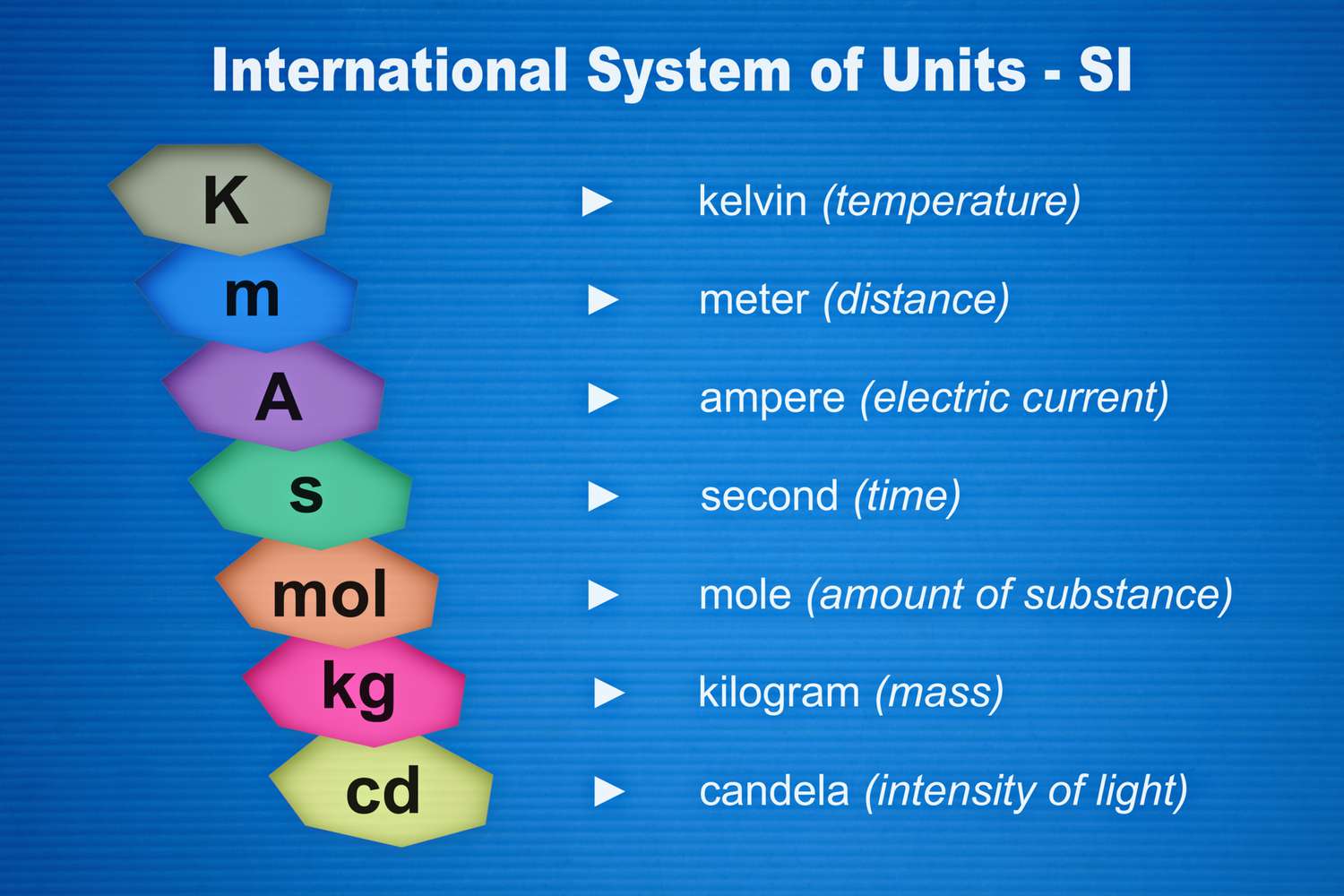
International system of units/SI units
Units that are fixed by international agreement, established during the French Revolution
Includes:
Length (meters m)
Mass (kilogram kg)
Time (second s)
Temperature (kelvin K)
Exact number
A value known with complete certainty and zero uncertainty (1 ft. - 12 in., there are 12 people in the room, etc.)
Uncertainty
The estimated range of values around a (lab) measurment