Basic Ecology + Population Biology Concepts
 Call Kai
 Learn
Learn Practice Test
 Spaced Repetition
 Match
Match Flashcards
 Knowt Play
1/12

Earn XP
Description and Tags
Breakdown for Studying
Name | Mastery | Learn | Test | Matching | Spaced | Call with Kai | Chat |
|---|
No analytics yet
Send a link to your students to track their progress
13 Terms
Carrying capacity
The maximum population size of a species that an environment can sustain indefinitely without degrading the habitat. It is influenced by resources such as food, space, and mates.

Survivorship curves
Graphical representations that show the number or proportion of individuals surviving at each age for a given species, reflecting mortality rates and lifespan.

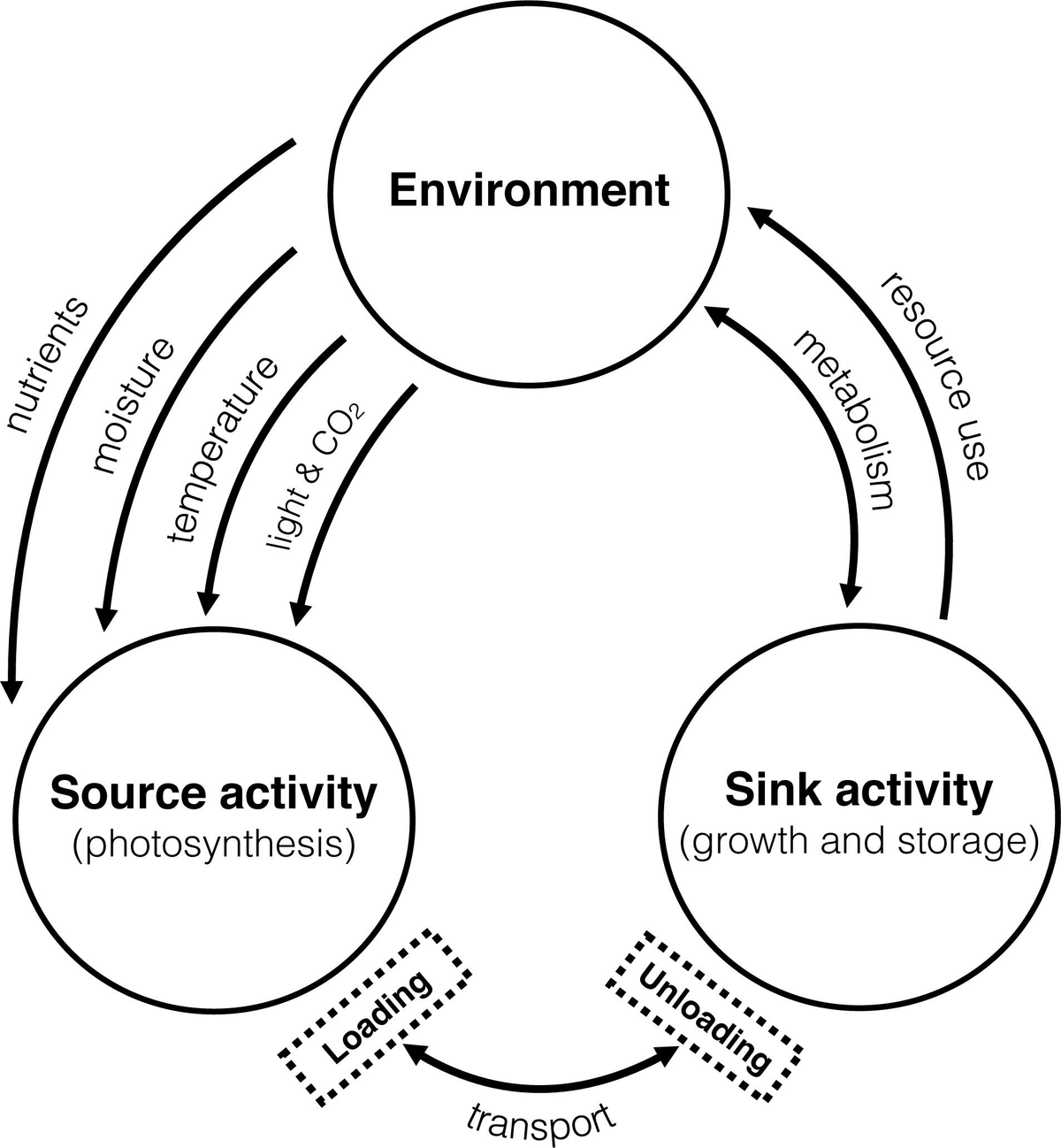
Source-sink
concepts in ecology describing populations that rely on sources (areas with high reproduction rates) to sustain sink populations (areas that do not produce enough individuals to maintain themselves).
Keystone species
A species that has a disproportionately large effect on its environment relative to its abundance, playing a critical role in maintaining the structure of an ecological community.

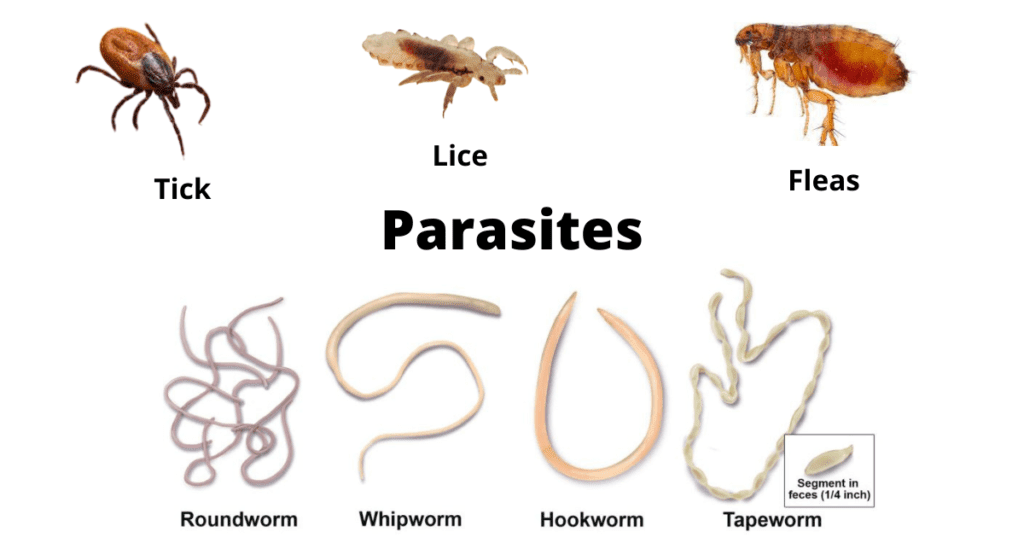
Parasitism
A type of symbiotic relationship where one organism, the parasite, benefits at the expense of another organism, the host, often harming it in the process.
Mutualism
A type of symbiotic relationship where both organisms benefit from the interaction, often enhancing each other's survival and reproduction.

Trophic Levels
Levels in a food chain or food web, representing the different positions organisms occupy based on their feeding relationships, including producers, consumers, and decomposers.

Fundamental vs. Realized niches
The fundamental niche refers to the full range of environmental conditions and resources an organism can potentially occupy and utilize, while the realized niche is the actual conditions and resources it does occupy due to biotic interactions like competition.

Edge effects
phenomena that occur at the boundaries between different ecosystem types, where species interactions and environmental conditions may differ significantly from interior areas.

Fragmentation
A process that breaks up habitats into smaller, isolated patches, often leading to loss of biodiversity and changes in species interactions.

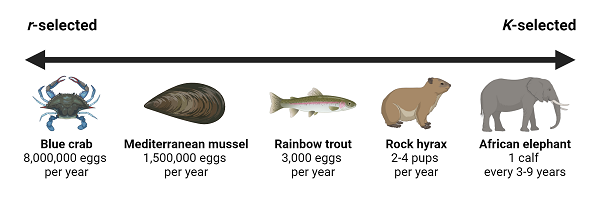
R vs. K-selection
While r-selected species emphasize quantity, K-selected species prioritize quality, investing significant resources into fewer, larger offspring.
Ecological Succession
Ecological succession is the gradual, directional change in the species composition of an ecosystem over time, driven by interactions among organisms and between organisms and their environment

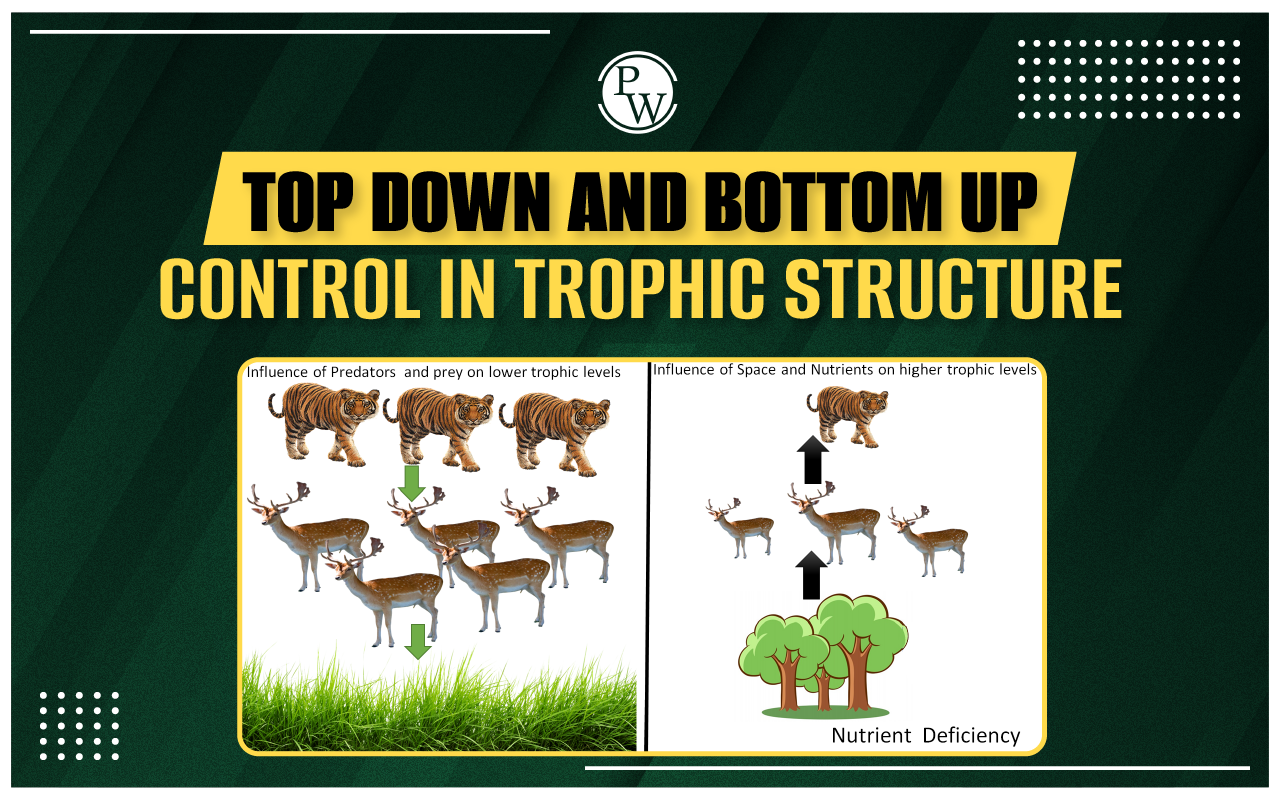
Top-down vs. bottom-up
Bottom-up control: Ecosystem structure is limited by resources at the base; energy and nutrients dictate population sizes.
Top-down control: Predators regulate populations below them, creating trophic cascades.
Real ecosystems: Both mechanisms operate together, with context-dependent dominance influenced by productivity, species traits, and environmental conditions.
Understanding these dynamics is crucial for ecosystem management, conservation, and predicting responses to changes such as nutrient enrichment or predator removal