Lab 1: The Scientific Method, Laboratory Equipment, and Measurements
 Call Kai
 Learn
Learn Practice Test
 Spaced Repetition
 Match
Match Flashcards
1/26

There's no tags or description
Looks like no tags are added yet.
Name | Mastery | Learn | Test | Matching | Spaced | Call with Kai | Chat |
|---|

27 Terms
Science
A way of knowing about the natural world.
Scientific Method
A way of learning facts about the natural world, carried out under logical, systematic steps.
Observation
The first step of the scientific method, in which natural structures and processes are described. No interpretation of the information is included.
Question
The second step of the scientific method which works to reveal a pattern from previous observations.
Hypothesis
The third step of the scientific method, a testable explanation for an observed phenomenon or pattern. Interpretation is included in this step. Must provide more than one hypothesis to eliminate bias.
Prediction
Step four of the scientific method, which is a statement of what would happen if your hypothesis is true. Can assists in creating the experimental design.
Experimentation and Data Collection
The fifth step of the scientific method, in which objectives and methodology of the test are determined and data are gathered, analyzed, and interpreted.
Variable
Any item, factor, or condition in an experiment, which can be changed or controlled.
Independent variable
What is changed during the experiment; 'the cause' .
Dependent variable
It should change due to changes from the independent variable; what is being measured in your experiment; 'the effect'
Standardized variables
Conditions that are kept constant within a treatment and/or between groups/treatments
Control group
Expresses conditions that exist prior to the introduction of any variables in the experiment and are kept constant; used for comparison.
Experimental group
Has the independent variable applied in a different way than in the control group. Measurements of dependent variable are expected to be different between control and experimental groups.
Conclusion
Step six of the scientific method, which summarizes the process and determines if the experiment supported or falsified the hypothesis.
Theory
An explanatory framework that accounts for an enormous amount of data and is supported by evidence (facts).
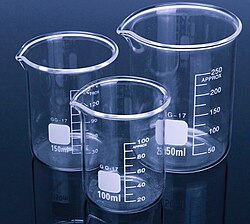
Beaker
A cylindrical container used in laboratories for mixing, heating, and storing liquids, typically made of glass or plastic.
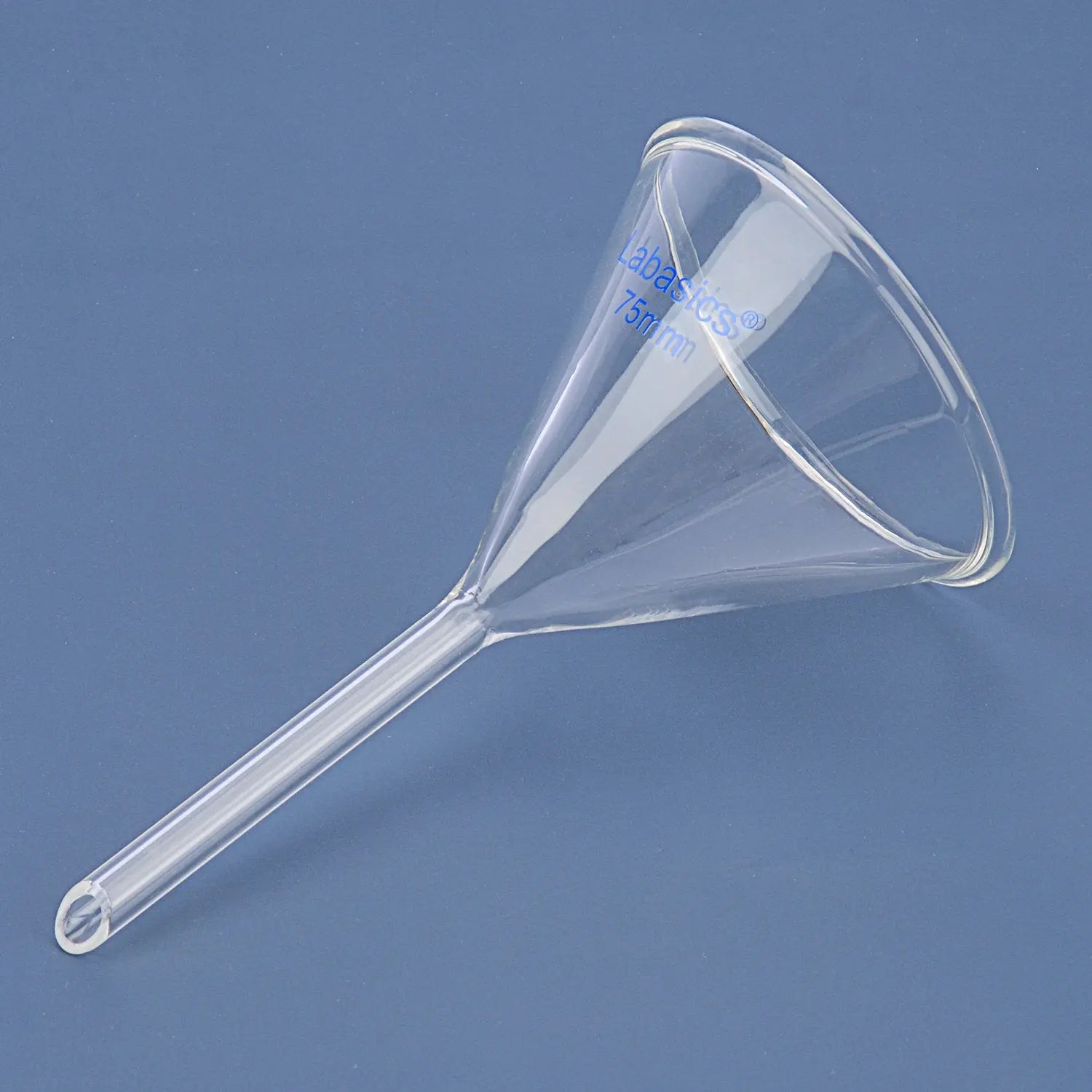
Glass funnel
A conical-shaped glass device used to channel liquids or fine-grained substances into a container, often featuring a wide mouth for easy pouring.
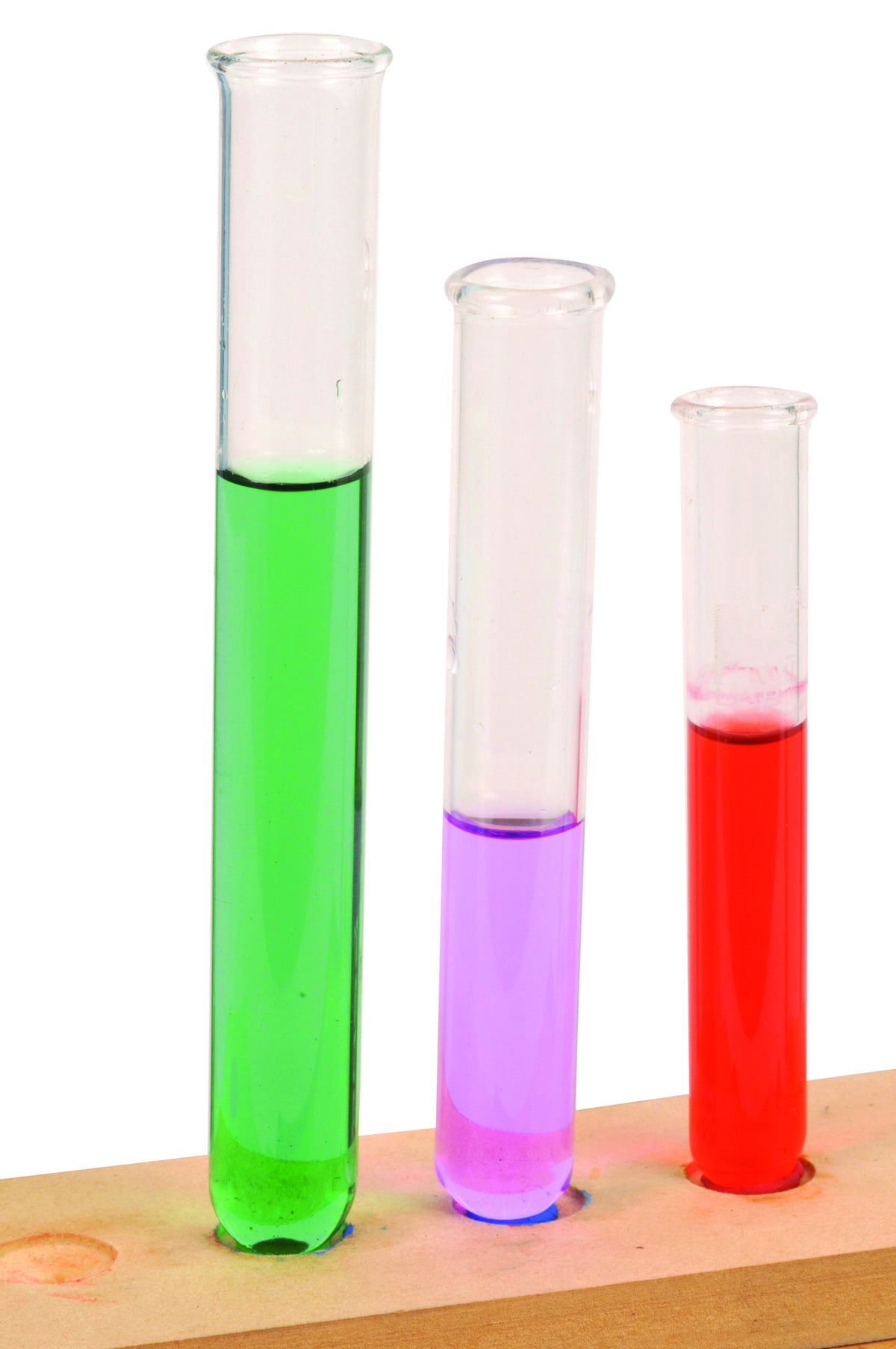
Test tube
A test tube is a cylindrical glass or plastic container used to hold, mix, or heat small amounts of liquids or solids.
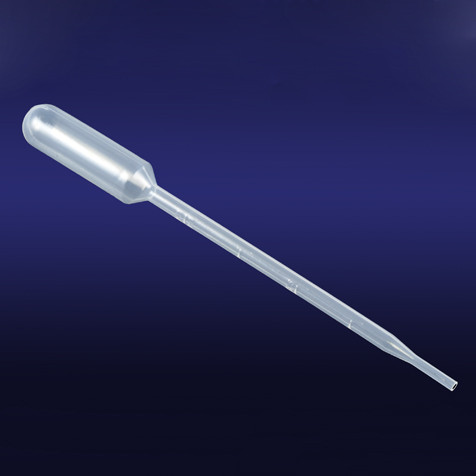
Transfer pipette
A disposable tool used to transfer small volumes of liquid, often made of plastic, allowing for precise measurement and delivery.
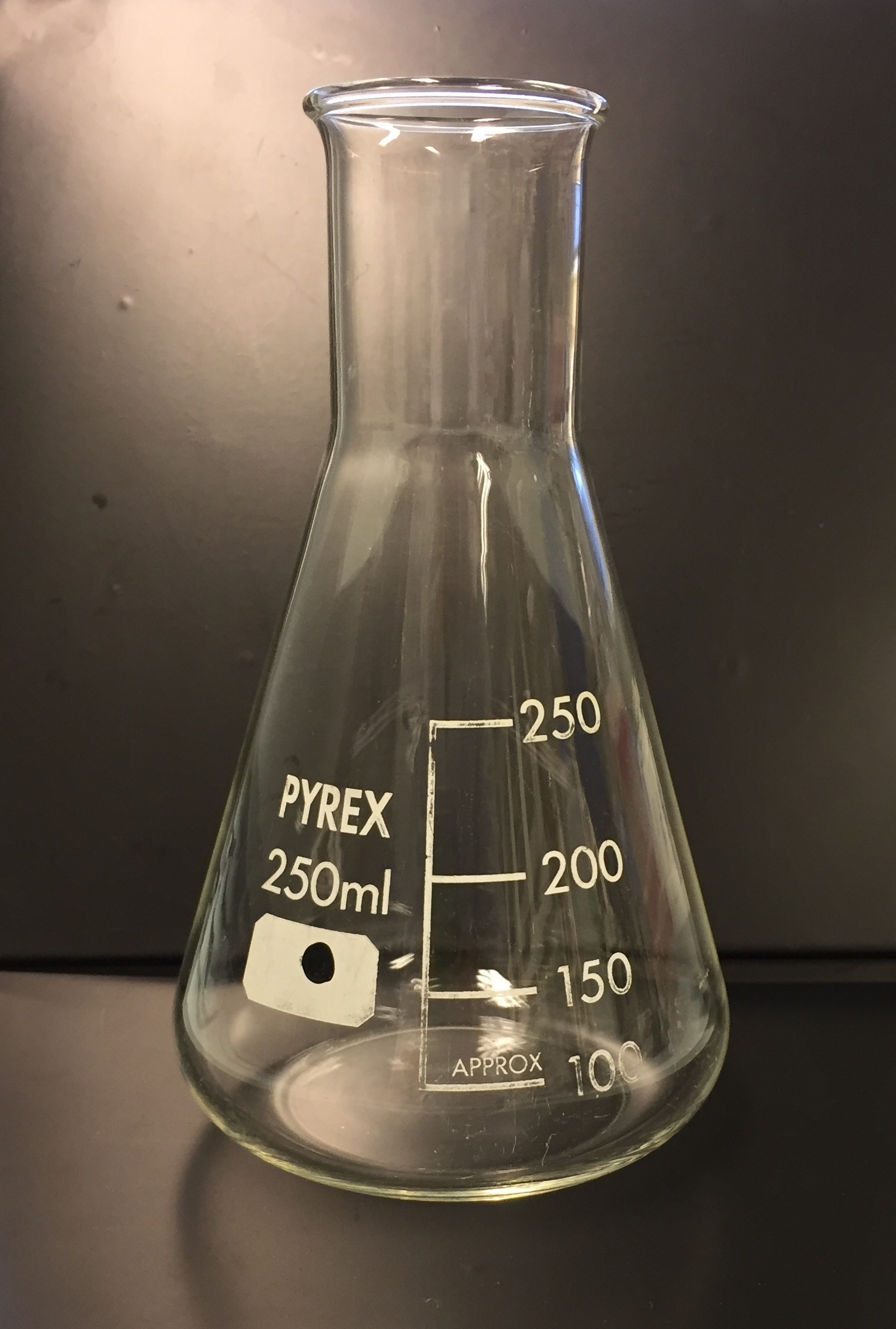
Erlenmeyer flask
A type of laboratory flask with a narrow neck and a wide bottom, used to mix or heat liquids while reducing the risk of spillage.
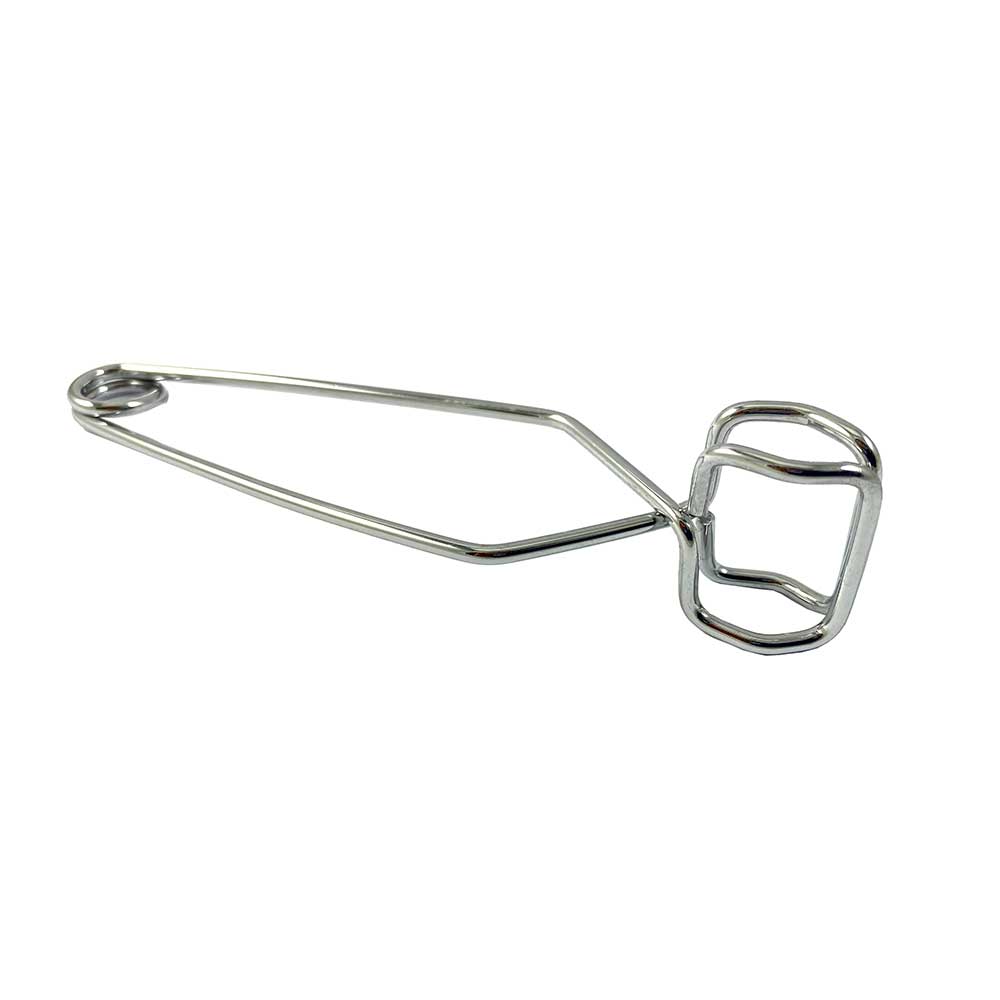
Test tube tongs
A tool used to safely handle hot test tubes or secure glassware, preventing burns or spills.
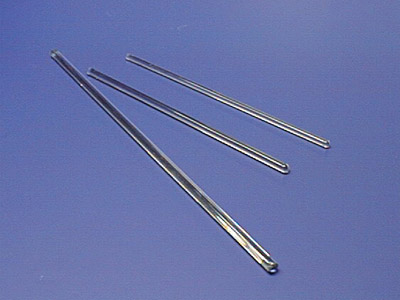
Glass stirring rod
A thin rod made of glass, used for mixing or stirring liquids in laboratory settings.
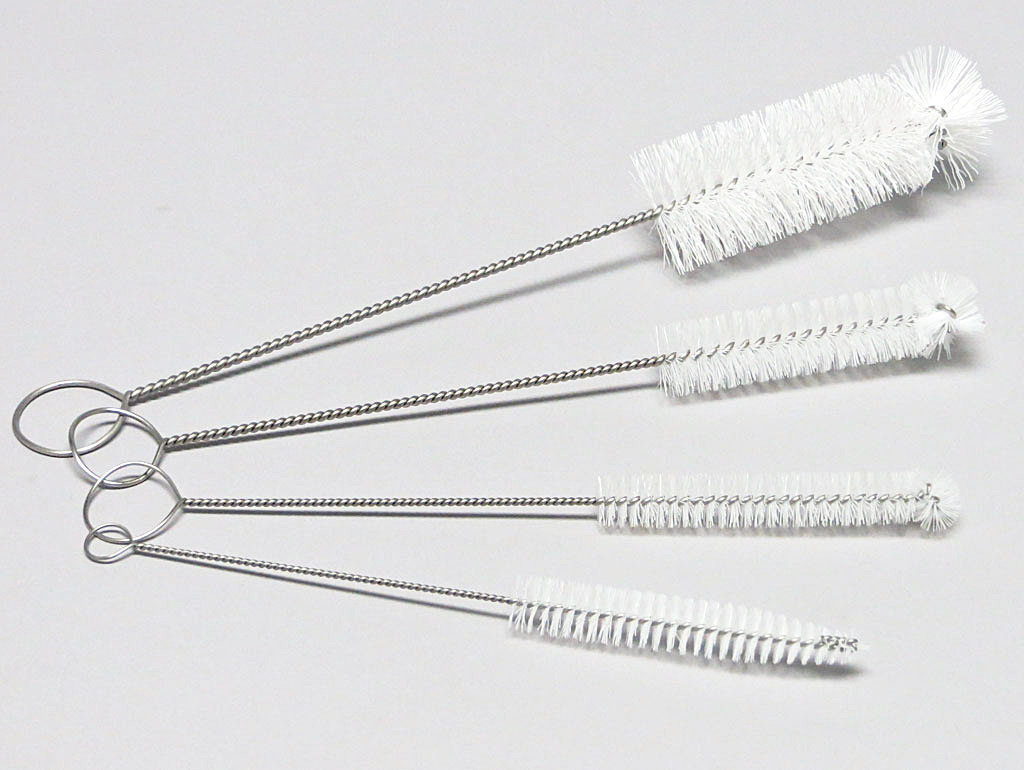
Test tube brush
A cleaning tool used to scrub the interior surfaces of test tubes and other laboratory glassware, typically featuring bristles and a handle.
The metric system
A measurement system of physical quantity that uses prefixes that are multiples of or divisible by 10 (from the base unit) to increase or decrease quantities.
Unit
A standard quantity used to express a physical quantity, such as length, mass, or volume. Units provide a basis for measuring and comparing different quantities in science.
Equality
The state of being equal in quantity, value, or status. In measurements, it refers to the equivalence of two different units that describe the same quantity.
Conversion factor
A ratio that expresses how many of one unit are equal to another unit, used to convert between different measurement units.