Ambulatory Exam 2
 Studied by 0 people
 Call Kai
 Learn
Learn Practice Test
 Spaced Repetition
 Match
Match Flashcards
 Knowt Play
1/138

There's no tags or description
Looks like no tags are added yet.
Name | Mastery | Learn | Test | Matching | Spaced |
|---|
No study sessions yet.
139 Terms
Name the 5 SDOH
Education Access/Quality
Economic Stability
Healthcare Access/Quality
Social + Community Context
Neighborhood + Build Environment
Education Access/Quality Assessment Aspects
education background and learning preferences
Health literacy
Identify language, audio, visual barriers
Check digital literacy and access to tech
Economic Stability Assessment Aspects
financial concerts, employment, access to food, ability to pay for food
Healthcare Access/Quality Assessment Aspects
insurance, coverage, location of clinical, points of care, care than meets cultural needs, transportation to clinics
Remember that having insurance isn't the whole picture
Social + Community Context Assessment Aspects
Looking for community cohesion and engagement and civic participation
Cultural practices of community; do they experience discrimination and racism
What do social support networks look like? For adults and adolescents alike.
Neighborhood + Build Environment Assessment Aspects
Housing quality and safety (homicide rate)
Environmental exposures from air and water
Space space of physical activity
Check for issues related to crime and violence
intersectionality
the interconnected nature of social categorizations such as race, class, and gender as they apply to a given individual or group, regarded as creating overlapping and interdependent systems of discrimination or disadvantage.
Higher SES predicts ____ health and lower SES predicts _____ health
Higher SES predicts better health and lower SES predicts poorer health
From the Healthy People 2030 “Leading Health Indicators”, indicate the 5 that have gotten worse.
Drug overdose Deaths
Homicides
House food insecurity and hunger
4th Grade students who reading skills are ≥ proficient achievement for grade level
Tobacco use among adolescents
interventions related to health information to improve health literacy
You can test reading level in Word, best to have non-med person review
Use: teach-back method
Include not just language, but cultural photos, food recs
Consider visual aids, spacing & large font
assessment related to health information to improve health literacy
The language, is it simplified, at a 5/6th grade reading level, without medical jargon?
Does the patient understand the teaching?
Culture and language of target population
Overall look of written info
High Food Security
no reported indications of food-access problems or limitations
Marginal Food Security:
one or two reported indications—typically of anxiety over food sufficiency or shortage of food in the house. Little or no indication of changes in diets or food intake
Low Food Security:
reports of reduced quality, variety, or desirability of diet. Little or no indication of reduced food intake.
Very Low Food Security
reports of multiple indications of disrupted eating patterns and reduced food intake.
Food Desert
An area in a developed country where healthy food is difficult to obtain
Urban: >1 mile from stores
Rural: >10 miles from stores
Medicare Eligibility
65yo or certain conditions
Medicare Part A is
hospital insurance
Medicare Part B is
medical insurance, you do pay a monthly premium
Medicaid
A federal and state assistance program that pays for health care services for people who cannot afford them.
~22K/yr for 1
~45K/yr fam of 4
What age range has unintentional injuries as #1 cause of death
1-44 y/o
#3 for males overall
#6 for females overall
Homicide is top 5 cause of death for what age range
1-44 y/o
Interventions to decrease tobacco use among adolescents
Tobacco 21: raising the age to buy tobacco products to 21
Excise Tax: put a high tax on tobacco products
Enforce smoke-free zones
Education at schools and for parents
Med: bupropion (Zyban, Wellbutrin)
names of common medications or substances that lead to overdose deaths
Fentanyl (#1)
Simulants
Benzos
Antidepressants
Max dose per 24 hour of aceteminophen
4g (4000mg)
Explain the role of the nurse care coordinator
Coordinates care plans and communication between patients and the healthcare team.
Ensures smooth care transitions and continuity of care.
Advocates for patient-centered, safe, and effective care.
Health Issues Likely Related to Environmental Pollution
Environmental health issues are tied to specific contaminants in the air, water, soil, or built environment.
The cause is usually more localized, chemical, or industrial.
Ex: Traffic exhaust, Lead in pipes or paint, pesticide exposure
Health Issues Likely Related to Climate Change
Climate change refers to changes in temperature patterns, extreme weather events, and shifts in ecosystems over time.
Health effects arise from heat stress, altered disease patterns, and disruptions to living conditions.
Ex: Increased frequency of heat waves, Changing rainfall patterns, Hurricanes, floods, droughts, Wildfire expansion
Lead poisoning sources
-lead-based paints
-drinking water via lead pipes
-lead-contaminated soil/air
-pottery glazes
-folk remedies
lead poisoning important numbers
no safe levels, but 5 ug/dL is the number taken seriously
45 ug/dL = medication intervetion
Lead Poisoning Effects
it is a neurotoxin that can lead to developmental delays, behavioral issues, and lower IQ in children and make personality changes in adults
Lead Poisoning treatment
Low Exposure: high vitamin C, iron and calcium
- Leafy greens!
Blood Levels above 45 ug/dL: Chelation therapy
Chelation therapy
synthetic agent administered via IV, binds to lead (or mercury) and then compound pulled out of the body through urine
What to be careful about Chelation therapy
Careful with people with kidney issues!
Serving size allow for seafood
Serving = 4oz (for ppl 11 and up)
Best choices for seafood
2-3 serves per week are ok! (kids = 2 serves, preg = 1 serving)
Catfish, cod, crab, lobster, oyster, salmon, sardine, scallop, shrimp, tilapia, tuna (canned light)
Seafish to avoid
highest mercury levels
Shark, swordfish, orange roughly, marlin, king mackerel
particulate matter (PM)
Solid or liquid particles suspended in air; also known as particles and particulates.
The smaller it is the deeper it is able to get into alveoli => more dangerous
- 2.5
Nursing Edu to reduce particulate matter exposure
Reduce wood bruins stove use
Don't use air fresheners
Open windows/use vent when cooking
Use air purifier with HEPA filter
Vacuum/dust regularly
Reduce humidity to decrease mold/mildew
Test for radon
People at most risk for cold-related illness
Diabetes pt: less sensation and inadequate blood vessels
Homeless: exposure
People who drink: vasodilation causes a feeling of warmth and increased body heat loss b/c of blood to surface of skin
Treatment for cold related illness
Iloprost => causes vasodilation
Frostbite External body signs
skin is cool, waxy, pt feels numb, pain, burning or pricky,
Getting worse = no pain
Frostbite Temp
core body WNL
Cold skin
Frostbite signs of getting worse
waxy/shiny blisters, can progress to gangrene, risk of infection
Hypothermia External Body Signs
shivering
if shivering stopped = SEVERE, near death, won't feel pain
Hypothermia Temp
≤95 F (35 C)
Hypothermia signs of worsening condition
increased confusion, irregular HR, skin is blue, can become unresponsive
Hypothermia treatment
Warm IV fluids
Bear hugger
Warm drinks
Cover/Wrap head
Plastic warp around body (if outside) to prevent evaporation heat loss
Prevent BP drop
Heat Exhaustion S/Sx
Skin: pale, moist
Temp: >100.4F/34C
GI: N/V/D
Pain: Muscle cramps, HA
HR: WNL
Energy: Fatigue, weak
Neuro: anxious
Heat Exhaustion Treatment (Nursing)
Remove excess clothing
place cool clothes on skin and fan
give sports drink with sugar and salt
Heat Stroke S/Sx
Skin: warm, dry
Temp: >104F/40C
GI: N/V/anorexia
Pain: HA
HR: elevated
Energy: fatigue, lethargy, stupor
Neuro: confused, agitated, seizures
Heat Stroke Nursing interventions
Same as exhaustion, but caution with drinking
Also needs ice bags on groin and armpits
Call 911, emergency
Monitor vitals
how to decrease the production of medical waste
Use reusable equipment when appropriate
Open supplies only when needed
Educate staff on waste segregation
Encourage proper recycling of packaging materials
Choose digital charting
Advocate for multi-dose vials instead of single-use
Encourage refillable sanitizing stations
Promote patient and staff education on sustainability practices
Air Quality Index (AQI)
air quality index measures safety of outside air
AQI 0-50
good/green. little to no risk
AQI 51-100
Moderate
sensitive individuals should avoid outdoor activity
AQI 101-150
Unhealthy for sensitive groups
general public and sensitive individuals are at risk of irritation/resp problems
AQI 151-200
Unhealthy
increased likelihood of adverse effects and aggregation to heart and lungs among general public
AQI 201-300
very unhealthy
general public will be noticeably affects
AQI 301+
Hazardous
general public at high risk of experiencing strong irritation and adverse health effect => stay inside
Edu:
suggestions on how to decrease exposure to microplastics
Avoiding non-stick cookware and plastic
Tupperware as heat increases leaching
Use foil instead of plastic wrap
Wear clothes made of natural fibers
Buy food products (like PB) stored in glass jars
Buy wooden or metal toys instead of plastic ones
Look for plastic-free cosmetics
Define hospital readmissions
Patient readmitted to any hospital within 30 days of discharge for same/related condition of original hospitalization (excludes any planned readmissions, like upcoming procedure)
Most Common Conditions that lead to re-admission
Cardiac: MI, HF, s/p CABG
Respiratory: COPD, pneumonia
Ortho: TKA or THA
How to prevent readmissions
Tied readmission rates to hospital funding
ED or Urgent Care: shortness of breath
ED
ED or Urgent Care: vomiting or diarrhea
Urgent care
ED or Urgent Care: couch, cold, glue, sore throat
urgent care
ED or Urgent Care: broke bone
ED
ED or Urgent Care: serious burns/cuts
ED
ED or Urgent Care: change in consciousness/mental status/seizure
ED
ED or Urgent Care: possible CVA
ED
ED or Urgent Care: possible MI/Chest pain
ED
ED or Urgent Care: Rash w/o fever
urgent care
Education for heart failure at home & in the community
Nutrition counseling esp fluids and sodium (HF <2L and 2g)
Exercise training/counseling
Weight management
Manage BP and HR and Cholesterol
Manage co-morbidities (diabetes, stop smoking)
Emotional wellbeing and psychosocial support
HF weight management edu
Daily weights to monitor fluid retention
Same time every day, AM best
Cardiac rehab is for:
HF, s/p MI, angina, and s/p cardiac surgery like stents, CABG, valve repair or heart transplants; sometimes congenital
Cardiac rehab is NOT for:
High risk for arrhythmias, decompensation of HH, unstable angina
Normal BP ranges
S <120
D<80
Elevated BP ranges
S: 120-129
D: <80
Stage 1 HTN BP ranges
S: 130-139
D: 80-89
Stage 2 HTN BP ranges
S: 140+
D: 90+
Stage 3 HTN BP ranges
S: 180+
D: 120+
Taking at home BP patient Edu
1) prepare by not: exercising, eating, drinking caffeine before
2) go to bathroom before, find a quiet place to sit, relax for 5 minutes
3) uncover your upper arm
4) rest you arm on the table at the level of the heart
5) feet uncrossed and flat on floor
6) sit straight in chair, stay calm and related, don't talk or watch TV
Healthy Cholesterol levels
Total: under 200
LDL: under 100
HDL: over 60
At Risk Cholesterol levels
Total: 200-239
LDL: 100-159
HDL: 40-59 (M), 50-59 (F)
dangerous cholesterol levels
Total: >240
LDL: >160
HDL: <40 (M), <50 (F)
Low density lipoprotein
the transport vehicle of cholesterol from liver, through blood to cells of the body, but leads to deposits on the walls of the arteries; so aim for < 100
High density lipoprotein
the transport vehicle of cholesterol from the cells and blood back to the liver for storage; aim for 60-80
Hemoglobin A1C
A test that measures the level of hemoglobin A1c in the blood as a means of determining the average blood sugar concentrations for the preceding two to three months.
Hemoglobin A1C levels
Normal: <5.7%
Prediabetes: 5.7-6.5%
Diabetes: ≥6.5%
Fasting Plasma Glucose
also known as fasting blood sugar test. measures circulating glucose level in a patient who has fasted at least 8 hours
How is fasting plasma glucose test done
No food or drink for 8-12 hours before test.
Done from normal venous blood draw.
2 tests recommend to officially diagnose
Fasting Plasma Glucose levels
Normal: <100 mg/dL
Prediabetes: 100-126
Diabetes: ≥126
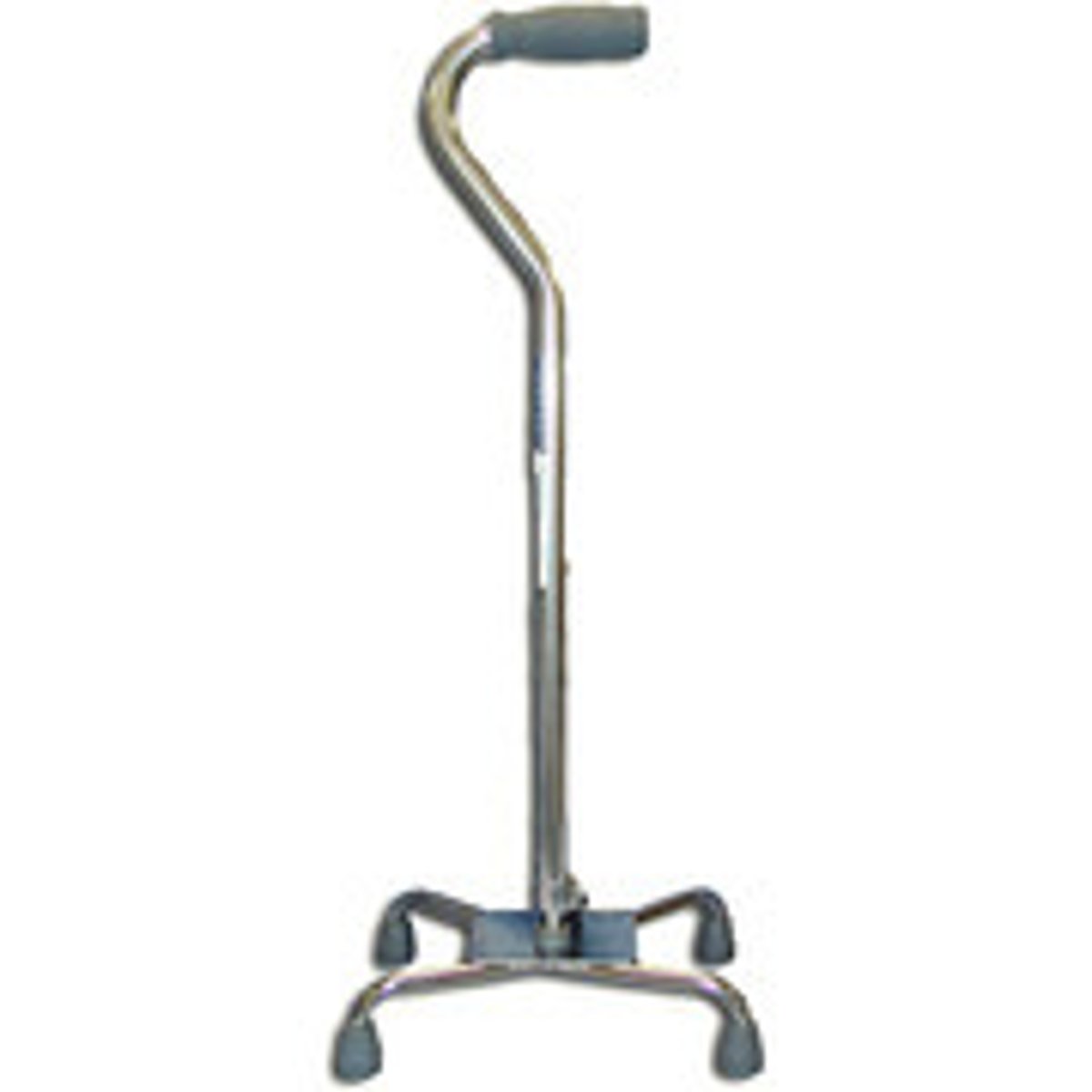
Quad cane
heavier and a bit harder to life but more stable
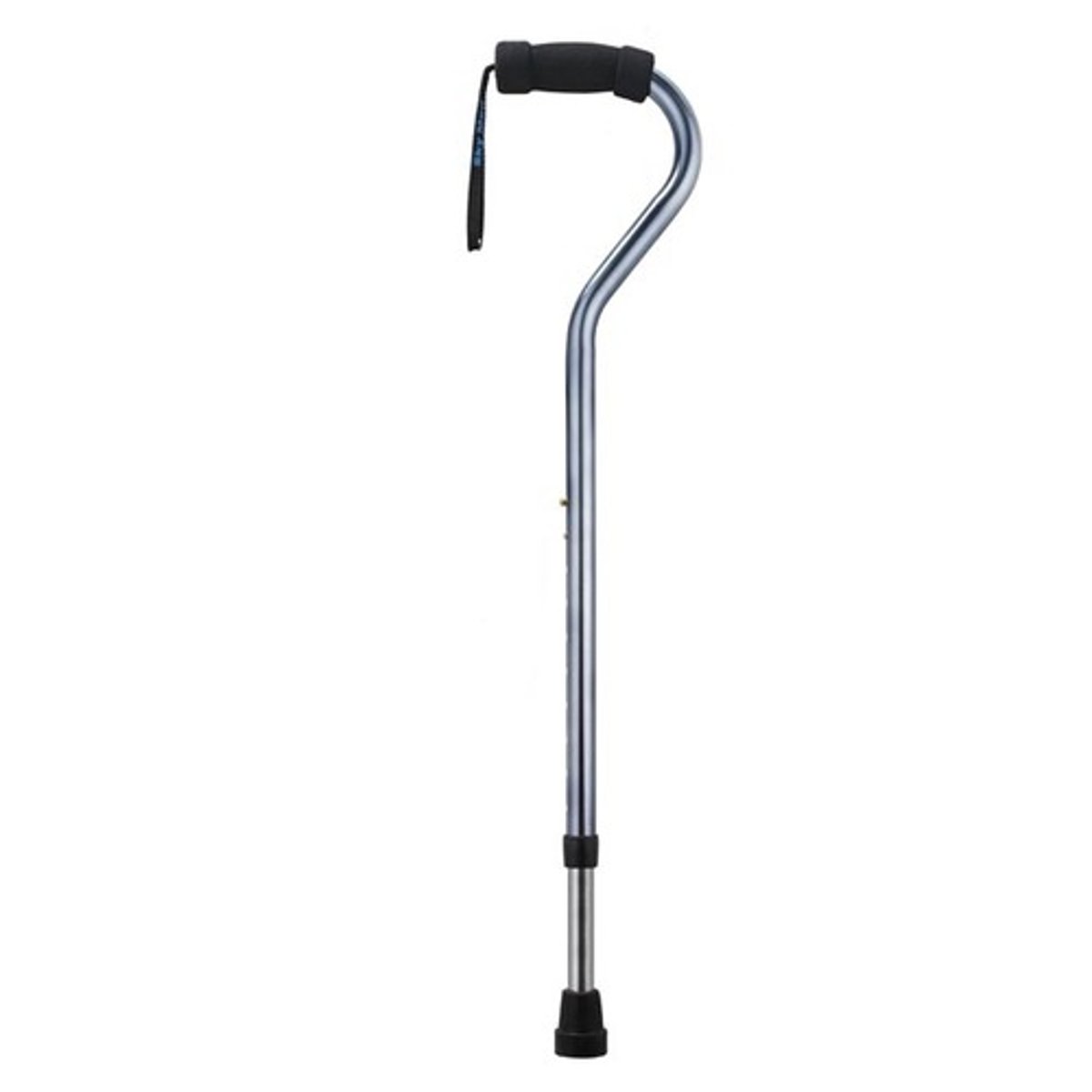
Single point cane
easier mobility, less stable
Edu on using a cane safely
- The cane should be held on the stronger side (right side for left-sided weakness)
- The proper sequence is: cane forward, weak leg forward (together with cane), then strong leg forward
- When going UP stairs: "Up with the good" - the strong leg leads. Then bring the weaker leg and cane up together
- When going DOWN stairs: "Down with the bad" - the cane and weak leg go first. Then bring the stronger leg down
- 15-30 deg angle @ elbow
- Head of cane at hip level (or greater trochanter)
- TEACHBACK!
education on how to care for home oxygen: Safety
Intensifies combustion
No smoking
10 feet distance from open flames (no fires, gas stoves, candles, etc)
Careful with flammable oil and alcohol based substances like petroleum jelly or hand sanitizer (use water based substances)
Change nasal cannula every 2 weeks or so
Respiratory S/Sx: When to call provider today Sometime
Trouble breathing while doing things
Feeling like there is not enough air in the room
Meds do not feel like they are healing as usual
Not sure what meds to take
Feel like they need to increase O2 from from normal to breath
Starting to feel uncomfortable
Respiratory S/Sx: When to call provider NOW
Confused or sleepy feeling
Can't get enough air
Face and fingers/toe turning blue
Meds not helping at all
Not sure what to do
Oxygen does not feel like it is helping
Very uncomfortable
Anxious or afraid
Describe safe handling of chemotherapy at home
best practice is to use gloves or pour the pill into a pill cup and swallow from there.
no crushing pills and no handling by caregivers unless they are wearing gloves
no handling at all for those who are pregnant.
If you do touch the medication, wash your hands thoroughly with soap and water.
Drug metabolites remain in bodily fluids—for up to 72 hours after the last dose.
Even if not required, partners may wish to consider barrier protection during sex due to risks related to infection, pregnancy, and exposure to the chemotherapy medication.