Physical Diagnosis Final
 Call Kai
 Learn
Learn Practice Test
 Spaced Repetition
 Match
Match Flashcards
 Knowt Play
1/229

There's no tags or description
Looks like no tags are added yet.
Name | Mastery | Learn | Test | Matching | Spaced | Call with Kai | Chat |
|---|
No analytics yet
Send a link to your students to track their progress
230 Terms
Systemic disease can affect dental treatment outcomes. Dental treatment can affect systemic disease.
A. both of the statements are true
B. the first statement is true, the second is false
C. both of the statements are false
D. the first statement is false, the second is true
A. both of the statements are true
It is best to address the chief complaint
A. first
B. after all esthetic procedures
C. after ruling out other problems
D. never - patient's have no idea what they are talking about
A. first
How should you document a chief complaint?
A. paraphrasing
B. using code words
C. in the patient's own words
D. it does not need to be documented
C. in the patient's own words
Which of the following is used in a physical examination?
A. inspection
B. palpation
C. percussion
D. auscultation
E. all of the above
E. all of the above
Put the following in order:
1. data base
2. diagnosis
3. treatment plan
A. 1, 2, 3
B. 2, 1, 3
C. 3, 2, 1
D. 3, 1, 2
A. 1, 2, 3
Of the following, which is the least important due to it being subjective from patient to patient?
A. blood pressure
B. level of pain 1-10
C. pulse
D. respiration
E. temperature
B. level of pain 1-10
Which of the following temperatures is considered the gold standard?
A. axillary
B. oral
C. rectal
D. tympanic membrane
C. rectal
Which of the following is measured to determine state of systemic infection?
A. blood pressure
B. level of pain 1-10
C. pulse
D. respiration
E. temperature
E. temperature
Which of the following does not generally cause malignant hyperthermia - the genetic hypermetabolic response of skeletal muscles?
A. halogenated ethers
B. cholecystokinin
C. succinylcholine
D. all of the above generally cause it
B. cholecystokinin
When is temperature generally the lowest?
A. in the morning
B. at noon
C. in the evening
D. at night
A. in the morning
What can be used to treat malignant hyperthermia induced by general anesthesia?
A. atropine
B. dantrolene
C. naloxone
D. NSAIDS
B. dantrolene
When is temperature generally the highest?
A. in the morning
B. at noon
C. in the evening
D. at night
C. in the evening
What is a term used to describe a high temperature >41 C or >106 F?
A. hyperpyrexia
B. hyperthermia
C. hypothermia
D. A&B
D. A & B
What is a term used to describe a low temperature < 35 C or < 95F?
A. hyperpyrexia
B. hyperthermia
C. hypothermia
D. A&C
C. hypothermia
What is the normal pulse rate?
A. 45-60
B. 60-85
C. 85-105
D. 105-120
B. 60-85
What would be considered tachycardia?
A. >40
B. >60
C. > 80
D. >100
D. >100
What would be considered bradycardia?
A.
A.
Which of the following can be done to help lower pulse rate?
A. having the patient bear down, as if having a bowel movement
B. placing ocular pressure
C. carotid body massage
D. all of the above
D. all of the above
What type of pulse is best to use?
A. carotid
B. radial
C. brachial
D. any of the above
B. radial
T/F. You can generally get a good initial observation of a patient and their health by watching how easily or difficultly a patient walks down the hall.
true
What is generally the most dangerous thing you can do as a dentist when treating a patient?
A. giving the patient epinephrine
B. giving the patient nitrous
C. giving the patient oxygen
D. drilling on the wrong tooth
A. giving the patient epinephrine
What is a term for a group of abnormal heart rhythms?
A. pulsus alterans
B. myocardial infarction
C. sick sinus syndrome
D. congestive heart failure
C. sick sinus syndrome
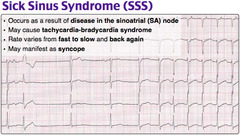
What is a term when a patient alternates between normal and strong pulses?
A. pulsus alterans
B. myocardial infarction
C. sick sinus syndrome
D. congestive heart failure
A. pulsus alterans
T/F. Children tend to have higher blood pressure than adults.
false
The upper limit of systolic pressure, where arterial strain begins, is _____
A. 100 torr
B. 115 torr
C. 130 torr
D. 140 torr
D. 140 torr
The upper limit of diastolic pressure, where arterial strain begins, is _____
A. 40 torr
B. 65 torr
C. 90 torr
D. 120 torr
C. 90 torr
Which of the following readings would constitute as pre-hypertension?
A. 135/82
B. 142/91
C. 164/101
D. 180/120
A. 135/82
Which of the following readings would constitute as hypertension stage I?
A. 135/82
B. 142/91
C. 164/101
D. 180/120
B. 142/91
Which of the following readings would constitute as hypertension stage II?
A. 135/82
B. 142/91
C. 164/101
D. 180/120
C. 164/101
Which of the following readings would constitute as hypertensive crisis?
A. 135/82
B. 142/91
C. 164/101
D. 180/120
D. 180/120
T/F. Anxiety can cause BP to rise.
true
Too small of a cuff on an obese patient can cause
A. low systolic BP
B. high systolic BP
C. low diastolic BP
D. high diastolic BP
B. high systolic BP
Which of the following may be caused by hyperventilation or diabetic ketoacidosis?
A. bradypnea
B. tachypnea
C. apnea
D. dyspnea
B. tachypnea
What is the normal rate of respiration?
A. 8-12
B. 12-16
C. 16-20
D. 20-24
B. 12-16
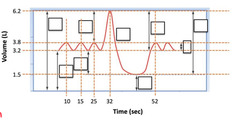
What is defined as respiration rate decreasing, while tidal volume remains unchanged?
A. apnea
B. bradypnea
C. hypopnea
D. polypnea
B. bradypnea
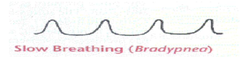
What is defined as respiration rate increasing, while tidal volume remains unchanged?
A. apnea
B. bradypnea
C. tachypnea
D. dyspnea
C. tachypnea
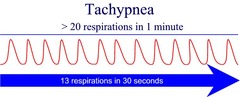
What is defined as respiration rate unchanged but tidal volume is decreasing?
A. dyspnea
B. bradypnea
C. hypopnea
D. polypnea
C. hypopnea
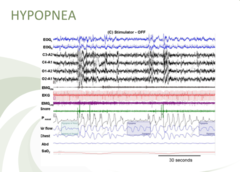
What is defined as respiratory rate and tidal volume increasing?
A. tachypnea
B. bradypnea
C. hypopnea
D. polypnea
D. polypnea
What is defined as no respiration and no tidal volume?
A. apnea
B. bradypnea
C. dyspnea
D. polypnea
A. apnea
What is defined as difficulty breathing or subjective suffocation?
A. apnea
B. dyspnea
C. hypopnea
D. polypnea
B. dyspnea
What is the average tidal volume for a patient?
A. 1/2 L/min
B. 1/3 L/min
C. 3/4 L/min
D. 1 L/min
A. 1/2 L/min
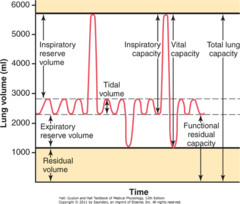
How is flow rate determined?
A. respiratory rate/TV
B. respiratory rate + TV
C. respiratory rate x TV
D. TV/respiratory rate
C. respiratory rate x TV
Respiratory Minute Volume is the amount of air you move in a minute. Functional Residual Capacity is what is exchanged when breathing.
A. both of the statements are true
B. the first statement is true, the second is false
C. both of the statements are false
D. the first statement is false, the second is true
B. the first statement is true, the second is false
Which of the following labs are included in the most basic CBC panel?
A. WBC count
B. Hgb
C. hematocrit
D. RBC count
E. all of the above
E. all of the above
What is the normal value for WBC count?
A. 4.5-6 x 10^6 cells/mm^3
B. 4-11 x 10^3 cells/mm^3
C. 4.5-6 x 10^3 cells/mm^3
D. 4-11 x 10^6 cells/mm^3
B. 4-11 x 10^3/mm^3
What is the normal value for RBC count?
A. 4.5-6 x 10^6 cells/mm^3
B. 4-11 x 10^3 cells/mm^3
C. 4.5-6 x 10^3 cells/mm^3
D. 4-11 x 10^6 cells/mm^3
A. 4.5-6 x 10^6 cells/mm^3
What is the term for too many WBC, usually due to infection?
A. anemia
B. leukocytosis
C. leukopenia
D. polycythemia
B. leukocytosis
What is the term for too few WBC, usually due to viral infections, aplastic anemia, or medications that depress the immune system?
A. anemia
B. leukocytosis
C. leukopenia
D. polycythemia
C. leukopenia
What is the term for too many RBC, usually due to dehydration, increase in altitude, malignancy, bone marrow dysfunction, etc.?
A. anemia
B. leukocytosis
C. leukopenia
D. polycythemia
D. polycythemia
What is the term for too few RBC, usually due to impaired production, destruction, or blood/fluid loss?
A. anemia
B. leukocytosis
C. leukopenia
D. polycythemia
A. anemia
What is the normal value of hematocrit for men?
A. 8-10
B. 12-16
C. 14-18
D. 18-20
C. 14-18
What is the normal value of hematocrit for women?
A. 8-10
B. 12-16
C. 14-18
D. 18-20
B. 12-16
What is the normal platelet count?
A. 5-150 x 10^3/mm^3
B. 150-450 x 10^3/mm^3
C. 450-650 x 10^3/mm^3
D. 650-1000 x 10^3/mm^3
B. 150-450 x 10^3/mm^3
What is the term for when too many platelets are present, such as in the case of bone marrow, leukemia, or spleen issues?
A. thrombocytosis
B. leukocytosis
C. leukopenia
D. polycythemia
A. thrombocytosis
What is the term for when too little platelets are present, often due to folic acid deficiencies, leukemia, liver failure, sepsis, certain syndromes, or medications?
A. anemia
B. leukocytosis
C. thrombocytopenia
D. polycythemia
C. thrombocytopenia
Which of the following is routinely used to test patients on Warfarin?
A. PT
B. PTT
C. INR
D. bleeding time
C. INR
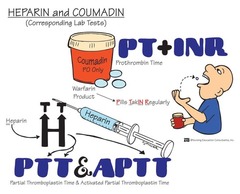
What is a normal INR?
A. 1
B. 2
C. 3
D. 4
A. 1
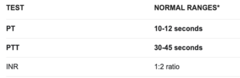
An INR of less than _____ is typically safe for procedures.
A. 1
B. 2
C. 3
D. 4
C. 3
Which of the following tests does not measure the extrinsic pathway?
A. PT
B. PTT
C. INR
D. all of the above are extrinsic
B. PTT
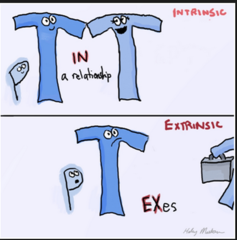
Which test is NEVER indicated in a patient with thrombocytopenia?
A. PT
B. PTT
C. INR
D. bleeding time
D. bleeding time
What is the lifespan of a platelet?
A. 2-3 days
B. 4-6 days
C. 7-10 days
D. 11-14 days
C. 7-10 days
Which of the following irreversibly binds to COX and thus needs to be stopped a week ahead of time to eliminate the coag effect?
A. acetaminophen
B. aspirin
C. marijuana
D. oxycodone
B. aspirin
Which of the following parts of a metabolic panel is not an indicator of renal function/health?
A. sodium
B. BUN
C. creatinine
D. all of the above are indicators
A. sodium
Potassium _____ can cause cardiac arrest.
A. >5
B. >7
C. >10
D. >12
B. >7
What type of anemia is due to iron deficiency?
A. aplastic
B. macrocytic
C. microcytic
D. sickle-cell
C. microcytic
What type of anemia is due to B12 or folate deficiency?
A. aplastic
B. macrocytic
C. microcytic
D. sickle-cell
B. macrocytic
A platelet count of _____ or less requires a transfusion prior to treatment.
A. 45,000
B. 60,000
C. 75,000
D. 100,000
B. 60,000
What is the normal range for bleeding time?
A.
B. 2-7 min
Leukopenia is when WBC count is under
A. 1000
B. 4000
C. 8000
D. 10000
B. 4000
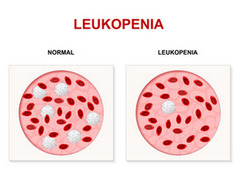
Leukocytotosis is when WBC count is greater than
A. 6000
B. 7500
C. 10000
D. 12500
C. 10000
What can be used to reverse anticoagulation, but should be used in caution as to not cause MI or stroke?
A. B12
B. vitamin K
C. dantrolene
D. aspirin
B. vitamin K
What condition is when there are too low of platelets and can be caused by unknown reasons?
A. MI
B. stroke
C. idiopathic thrombocytopenic purpura
D. congestive heart failure
C. idiopathic thrombocytopenic purpura
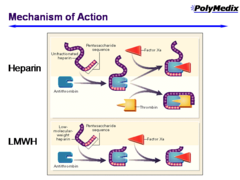
T/F. Heparin does not have a reversal agent.
true
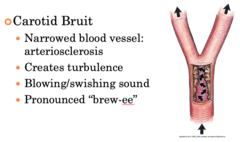
What is a murmur type sound present in a carotid?
A. gallop
B. bruit
C. distention
D. rhonchi
B. bruit
What valve separates the right atrium from the right ventricle?
A. aortic
B. mitral
C. pulmonary
D. tricuspid
D. tricuspid
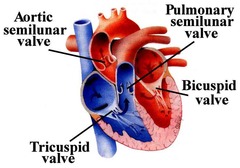
What valve separates the left atrium from the left ventricle?
A. aortic
B. mitral
C. pulmonary
D. tricuspid
B. mitral
Diastole is the period of
A. atrial contraction
B. ventricular contraction
C. atrial relaxation
D. ventricular relaxation
D. ventricular relaxation
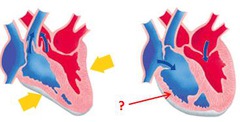
Systole is the period of
A. atrial contraction
B. ventricular contraction
C. atrial relaxation
D. ventricular relaxation
B. ventricular contraction
When which valve closes, do we get the first heart sound (S1)?
A. aortic
B. mitral
C. pulmonary
D. tricuspid
B. mitral
When which valve closes, do we get the second heart sound (S2)?
A. aortic
B. mitral
C. pulmonary
D. tricuspid
A. aortic
If a patient is having chest pain, you should give oxygen and nitroglycerin every
A. minute
B. 2 minutes
C. 5 minutes
D. 10 minutes
C. 5 minutes
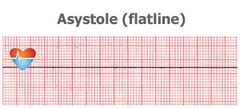
What can asystole be fixed with?
A. AED
B. epinephrine
C. nitroglycerin
D. all of the above
B. epinephrine
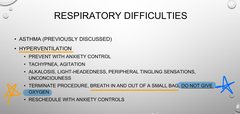
Which of the following is an emergency in which oxygen should never be administered?
A. angina
B. nitrous reversal
C. hyperventilation
D. all of the above should have oxygen administration
C. hyperventilation
Which of the following is a cardiovascular risk factor?
A. hypertension
B. smoking
C. hypercholesterolemia
D. diabetes
E. all of the above
E. all of the above
Chronic low O2 (hypoxic) will often have
A. barrel chest
B. pectus excavatum
C. clubbing of fingers
D. thinning hair
C. clubbing of fingers
Which of the following can be used to treat CHF?
A. digoxin
B. furosemide
C. lasix
D. all of the above
D. all of the above
Where is the best area to auscultate the heart?
A. apex
B. left interspace
C. right interspace
D. left sternal border
A. apex
What sound is caused by inflammation of the pericardial membrane and fluid accumulation in the base of the lungs?
A. petichae
B. rhonchi
C. rub
D. wheezing
C. rub
What sound is a higher pitch sound that is typically consistent with chronic bronchitis?
A. petichae
B. rhonchi
C. rub
D. wheezing
B. rhonchi
What sound is pathognomonic of bronchiolar constriction, usually secondary to asthma?
A. petichae
B. rhonchi
C. rub
D. wheezing
D. wheezing
What part of an EKG represents atrial depolarization?
A. P wave
B. QRS complex
C. T wave
D. ST elevation
A. P wave
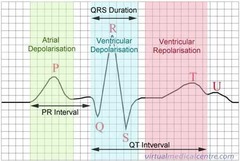
What part of an EKG represents atrial repolarization superimposed on ventricular depolarization?
A. P wave
B. QRS complex
C. T wave
D. ST elevation
B. QRS complex
What part of an EKG represents ventricular repolarization?
A. P wave
B. QRS complex
C. T wave
D. ST elevation
C. T wave
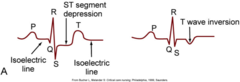
What part of an EKG represents myocardial ischemia?
A. P wave
B. QRS complex
C. T wave
D. ST elevation
D. ST elevation
What should you use to treat VAb or Vtach?
A. AED
B. epinephrine
C. nitroglycerin
D. all of the above
A. AED
Which of the following patients would you give pre-med to?
A. history of MI
B. valve replacement
C. blood thinners
D. epilepsy
B. valve replacement
If a patient is wheezing due to asthma, what medication can you give them?
A. epinephrine
B. albuterol
C. naloxone
D. dantrolene
B. albuterol
What should you be concerned about if a patient coughs up blood (hemoptysis)?
A. COVID
B. zika
C. bronchitis
D. tuberculosis
D. tuberculosis
What is another term for collapsed lung?
A. plural effusion
B. pneumothorax
C. rhonchi
D. stridor
B. pneumothorax
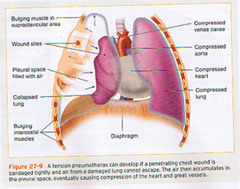
What is a collection of fluid outside the lung parenchyma in the plural space?
A. plural effusion
B. pneumothorax
C. rhonchi
D. stridor
A. plural effusion