ATDH- Biology
 Call Kai
 Learn
Learn Practice Test
 Spaced Repetition
 Match
Match Flashcards
 Knowt Play
1/49

There's no tags or description
Looks like no tags are added yet.
Name | Mastery | Learn | Test | Matching | Spaced | Call with Kai | Chat |
|---|
No analytics yet
Send a link to your students to track their progress
50 Terms
Sorting secretory and membrane proteins
What is the major function of the Golgi apparatus?
Viruses
Which might have an RNA genome?
shivering (to generate heat)
To maintain homeostasis, a drop in body temperature in a mammal is generally followed by
Transfer
Which type of RNA binds an amino acid and carries it to the ribosome?
Mutualism
Which condition is characterized by a symbiotic association between two species, without harm to either, but with some benefit to both symbionts?
Photosynthesis
What is the primary function of the chloroplast in plant cells?
Mitochondria
ATP production / Cellular Respiration
Ribosomes
Protein synthesis
Lysosomes
waste breakdown (contains digestive enzymes)
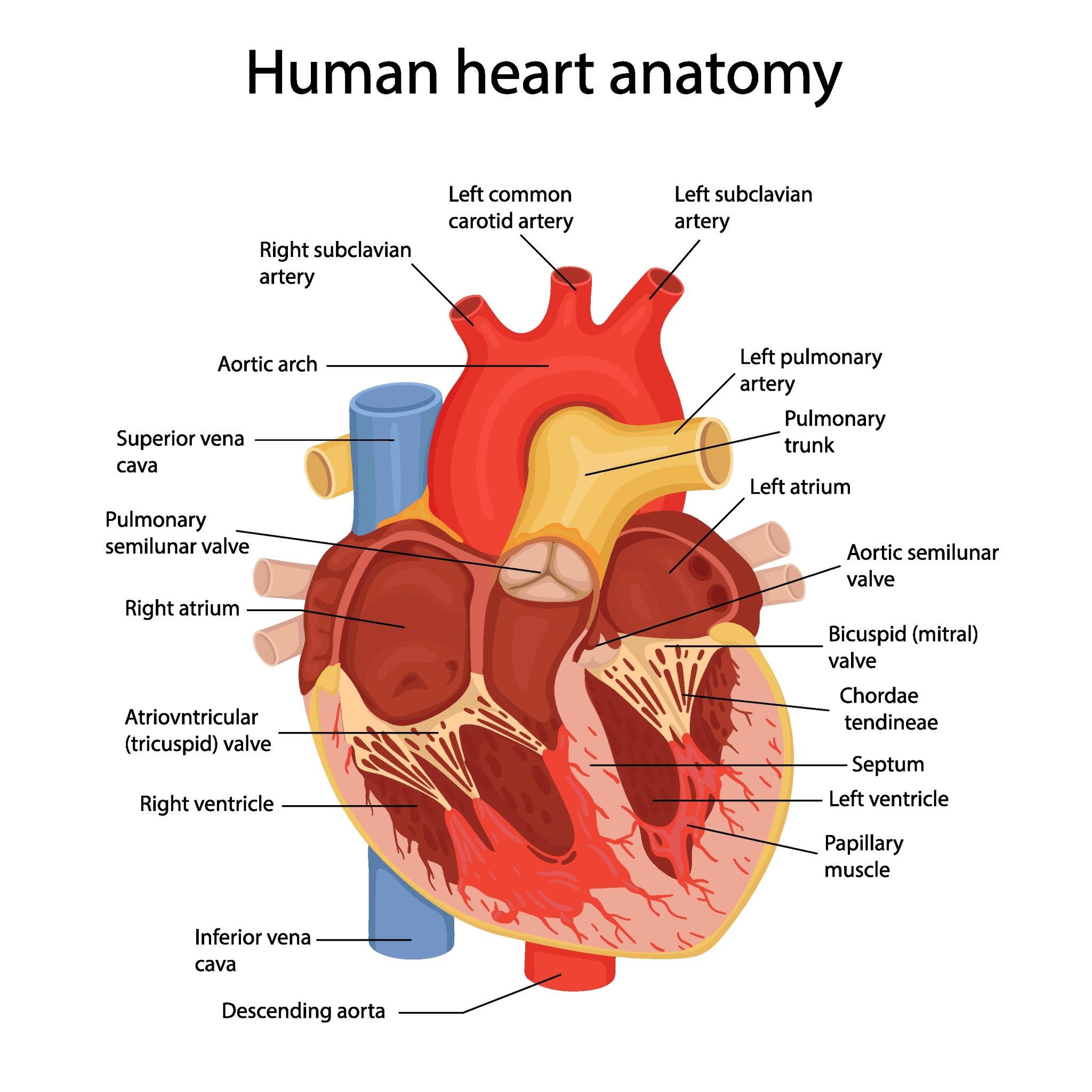
Cardiovascular System
you must trace a drop of blood through the heart. Know that the Right Atrium receives deoxygenated blood from the body, passes it to the Right Ventricle, which pumps it to the lungs. Oxygenated blood returns to the Left Atrium, then the Left Ventricle, which pumps it to the rest of the body via the aorta.
Nervous System
Understand how action potentials work (Sodium/Potassium pump) and the difference between the Sympathetic ("fight or flight") and Parasympathetic ("rest and digest") systems.
Mitosis
creates two identical somatic (body) cells
Meiosis
creates four unique sex cells (gametes)
Transcription
copies a DNA gene into a messenger RNA (mRNA) molecule in the nucleus (makes RNA from DNA)
Translation
uses that mRNA at a ribosome to build a chain of amino acids into a protein (eplaRmakes polypeptides from RNA)
Replacation
copies DNA for cell divison
Protein synthesis
If a cell is unable to produce ribosomes, which process is immediately affected?
Crenation
Red blood cells placed in a hypertonic solution will undergo which process?
By lowering the activation energy required for the reaction
How do enzymes speed up the rate of a biochemical reaction?
DNA → mRNA → Ribosome → Protein
During eukaryotic protein synthesis, which sequence represents the correct path of genetic information?
Superior and Inferior Vena Cava
Deoxygenated blood returns to the human heart from systemic circulation through which structure first?
Cell Wall
Which bacterial structural component contains peptidoglycan and provides shape and protection against osmotic lysis?
Stratified squamous epithelium
Which type of epithelial tissue lines the oral cavity, esophagus, and skin to protect against abrasion?
Smooth endoplasmic reticulum
Which organelle is responsible for synthesizing lipids and detoxifying metabolic by products?
Anaphase
During which stage of mitosis do sister chromatids pull apart to opposite poles of the cell?
Lack independent metabolic machinery and require a host cell to replicate.
Viruses are considered non-living biological entities primarily because they?
Prophase
Chromatin condenses into visible, tightly coiled chromosomes (sister chromatids joined at the centromere).
breaks down and disappears
metaphase
Chromosomes line up single-file along the middle (metaphase plate) of the cell
completely gone
telophase
Chromosomes reach opposite poles and begin to uncoil back into loose chromatin
Re-forms around each new set of chromosomes at both ends.
Parathyroid Hormone (PTH)
If blood calcium levels drop below normal, which hormone is secreted to stimulate osteoclast activity and restore calcium homeostasis?
Influx of Na+ ions into the cell
During the depolarization phase of an action potential in a neuron, which ion movement primarily causes the rapid increase in membrane potential?
Nephron
What is the primary functional unit of the kidney responsible for filtering blood and forming urine?
Capillaries
Which blood vessels have the thinnest walls and are the primary site for gas, nutrient, and waste exchange with tissues?
25%
Crossing Pp×Pp yields a genotypic ratio of 1PP:2Pp:1pp. Only the homozygous recessive genotype (pp) results in white flowers (1/4 or 25%).
In pea plants, purple flowers (P) are dominant to white flowers (p). If two heterozygous purple plants (Pp) are crossed, what percentage of the offspring is expected to have white flowers?
Homologous chromosome pairing and crossing over
Which event occurs during Meiosis I that contributes directly to genetic diversity in daughter cells?
Metabolism
Refers to all the metabolic pathways (series of chemical reactions) that are happening in a given organism
Gametocyte
eukaryotic germ cell that can either divide to form more gametocytes or produce gametes
cell membrane
Hold cellular components and are mainly composed of phospholipids, cholesterol, and proteins
organelles
Cellular compartments enclosed by phospholipids bilateral (membrane bound)
Are located within the cytosol (aqueous intracellular fluid) and help make up the cytoplasm
Only eukaryotes contain membrane-bound organelles
Nucleoid
Where prokaryotes keep their genetic material
nucleus
Primarily functions to protect and house DNA
DNA replication and translation occurs here
Mitochondria
Powerhouse of the cell
Produces ATP for energy use through cellular respiration
Chloroplasts
Found in plants and some protists
Carry out photosynthesis
Centrosomes
Organelles found in animal cells containing a pair of centrioles
Cytoskeleton
Provides structure and function within the cytoplasm
Microfilaments
Smallest structure of the cytoskeleton, and are composed of a double helix made of two actin filaments
Carbohydrates
contain carbon, hydrogen, and oxygen
Come in forms of monosaccharides, disaccharides, and polysaccharides
proteins
contain carbon, hydrogen, oxygen, and nitrogen
These atoms combine to form amino acids, which link together to build polypeptides
lipids
contain carbon, hydrogen, and oxygen
Have long hydrocarbon tails that make them very hydrophobic
Oxygen diffuses into the capillaries while carbon dioxide diffuses into the alveoli.
What occurs during alveolar gas exchange in the human respiratory system?