CNA: quiz 2 preparation: C7-C13
 Call Kai
 Learn
Learn Practice Test
 Spaced Repetition
 Match
Match Flashcards
 Knowt Play
1/106

There's no tags or description
Looks like no tags are added yet.
Name | Mastery | Learn | Test | Matching | Spaced | Call with Kai | Chat |
|---|
No analytics yet
Send a link to your students to track their progress
107 Terms
CH7
Poisoning may be suspected when a resident
vomits, has heavy, difficult breathing, is very drowsy, is confused, or has burns or red areas around the mouth
BURNS
first degree, second degree, third degree
1. First-Degree (Superficial) Burns
Depth: Affects only the outer layer of the skin (epidermis).
Symptoms: Redness, pain, and mild swelling, similar to a typical sunburn. There are no blisters.
Healing & Care: Usually heals on its own in 3 to 5 days. Care includes cold compresses and over-the-counter pain relievers. [1, 2, 3, 4, 5]
2. Second-Degree (Partial-Thickness) Burns
Depth: Affects both the outer layer and the second layer of skin (dermis).
Symptoms: Severe pain, redness, swelling, and fluid-filled blisters. The skin may look splotchy or wet.
Healing & Care: Superficial second-degree burns typically heal in a few weeks with proper wound care, while deeper burns may require surgery. Small burns (under 3 inches) can be treated at home with cool water and antibiotic ointment. [1, 2, 3, 4, 5]
3. Third-Degree (Full-Thickness) Burns
Depth: Destroys all layers of the skin (epidermis and dermis) and can penetrate into the fat, muscle, and even bone.
Symptoms: The skin appears stiff, dry, and has a leathery, charred, or pearly white appearance. Because the nerve endings are completely destroyed, the burn area is often painless.
Healing & Care: These require immediate emergency medical attention and often necessitate surgical treatments like skin grafts
First-Degree (Superficial) Burns
Depth: Affects only the outer layer of the skin (epidermis).
Symptoms: Redness, pain, and mild swelling, similar to a typical sunburn. There are no blisters.
Healing & Care: Usually heals on its own in 3 to 5 days. Care includes cold compresses and over-the-counter pain relievers. [1, 2, 3, 4, 5]
2. Second-Degree (Partial-Thickness) Burns
Depth: Affects both the outer layer and the second layer of skin (dermis).
Symptoms: Severe pain, redness, swelling, and fluid-filled blisters. The skin may look splotchy or wet.
Healing & Care: Superficial second-degree burns typically heal in a few weeks with proper wound care, while deeper burns may require surgery. Small burns (under 3 inches) can be treated at home with cool water and antibiotic ointment. [1, 2, 3, 4, 5]
3. Third-Degree (Full-Thickness) Burns
Depth: Destroys all layers of the skin (epidermis and dermis) and can penetrate into the fat, muscle, and even bone.
Symptoms: The skin appears stiff, dry, and has a leathery, charred, or pearly white appearance. Because the nerve endings are completely destroyed, the burn area is often painless.
Healing & Care: These require immediate emergency medical attention and often necessitate surgical treatments like skin grafts
Diabetic Ketoacidosis (DKA)
is caused by having too little insulin in the body. WHICH MEANS HIGH BLOOD SUGAR
is caused by having too little insulin in the body. WHICH MEANS HIGH BLOOD SUGAR
Diabetic Ketoacidosis (DKA)
Insulin reaction or hypoglycemia
MEANS LOW BLOOD SUGAR
MEANS LOW BLOOD SUGAR
Insulin reaction or hypoglycemia
CH8
Anorexia
is when a person does not eat
Bulimia
binges eats a lot of food and then purges it by exercising or vomitting: SO ITS LIKE A MORE EXTREME VERSION OF ANOREXIA
WHAT ARE NORMAL SIGNS OF AGING?
SKIN IS THINNER, DRIER, MORE FRAGILE, AND LESS ELASTIC. IT IS MORE EASILY DAMAGED.
MUSCLES WEAKEN AND LOSE TONE
BONES LOST DENSITY AND BECOME MORE BRITTLE.
SENSNITIVITY OF NERVE ENDINGS IN THE SKIN DECREASES
RESPONSES AND REFLEXES SLOW
SHORT-TERM MEMORY LOSS OCCURS
SENSES OF VISION, HEARING, TASTE, AND SMELL WEAKEN
HEART PUMPS LESS EFFIECENTLY
LUNG STRENGTH AND LUNG CAPACITY DECREASE
OXYGEN IN THE BLOOD DECREASES
URINARY ELIMINATION IS MORE FREQUENT - bladder muscles arent as strong
APPETITE DECREASES (due to loss of senses)
DIGESTION TSAKES LONGER AND IS LESS EFFICIENT
LEVELS OF HORMONES DECREASED
IMMUNITY WEAKENS
LIFESTYLE CHANGES OCCUR
what are NOT normal changes of aging?
Signs of depression
Suicidal thoughts
Loss of ability to think logically
Poor nutrition
Shortness of breath
Incontinence
Signs of depression
ARE NOT NORMAL SIGNS OF AGING
Suicidal thoughts
ARE NOT NORMAL SIGNS OF AGING
Loss of ability to think logically
ARE NOT NORMAL SIGNS OF AGING
Poor nutrition
ARE NOT NORMAL SIGNS OF AGING
Shortness of breath
ARE NOT NORMAL SIGNS OF AGING
Incontinence
ARE NOT NORMAL SIGNS OF AGING
CH9
SPECIFIC IMMUNITY
NONSPECIFIC IMMUNITY
SPECIFIC IMMUNITY is protection that the body developed from a vaccine or antibodies
NONSPECIFIC immunity is the body’s general defense system
Homeostasis
is the name for the condition in which all the body’s systems are balanced and are working together to maintain internal stability: EQUALLIBRIUM
WHAT IS THE CONDITION IN WHICH ALL THE BODY’S SYSTEMS ARE BALANCED AND MAINTAING AN INTERNAL STABILITY OF EQUALLIBRIUM?
Homeostasis
To be in homeostasis the body’s….
the body’s metabolism or physical and chemical process must be working at a steady level: EQUALIBRIUM
What is metabolism?
Let’s use this analogy..
What does your stomach metabolize?
What does your pancreas metabolize?
METABOLISM IS THE SET OF CHEMICAL PROCESSES IN YOUR BODY THAT CONVERTS FOOD TO ENERGY. It is the complex network of life-sustaining chemical processes your body uses to convert food into energy. It fuels everything you do—from breathing and thinking to repairing cells and digesting—and is primarily driven by two main processes
Your stomach metabolizes food - it breaks down the food in your stomach and turns it into energy.
Your pancreas metabolize sugar - it uses insulin to regulate your sugar at a steady rate, and feeds it into your cells for energy
What does your stomach metabolize?
What does your pancreas metabolize?
METABOLISM IS THE SET OF CHEMICAL PROCESSES IN YOUR BODY THAT CONVERTS FOOD TO ENERGY. It is the complex network of life-sustaining chemical processes your body uses to convert food into energy. It fuels everything you do—from breathing and thinking to repairing cells and digesting—and is primarily driven by two main processes
An organ
has a specific function
Tissues
are made up of groups of cells
Cells
are the building blocks of the body. Living cells divide, grow, and die renewing the tissues and organs of the body.
WHAT IS THE PURPOSE OF THE INTUGEMENTARY SYSTEM (SKIN)?
to protect internal organs from injury, protect the body against bacteria, and prevent the loss of too much water. It also responds to heat, cold, pain, touch and pressure, and it regulates body temperature.
Normal changes of aging include the following:
• Skin is thinner, drier, and more fragile. It is more easily damaged.
• Skin is less elastic.
• Protective fatty tissue is lost, so the person may feel colder.
• Hair thins and may turn gray.
• Wrinkles and brown spots, or liver spots appear.
• Nails are harder and more brittle
• Dry, itchy skin may result from lack of oil from the sebaceous glands.
Skin being thinner and dryer
Is a normal part of aging
Skin being less elastic and stretchy
Is a normal part of aging
Protective fatty tissue in skin being lost
Is a normal part of aging
What should you report when it comes to the skin? (Integumentary system)
Broken skin
• Redness or broken skin between the toes or around toenails
• Skin that appears different from normal or that has changed
Describe the musculoskeletal system
Muscles, bones, ligaments, tendons and cartilage give the body shape and structure.They work together to move the body. The skeleton or framework of the human body has 206 bones.
How many bones does the human body have?
206
Atrophy
Is when the muscle wastes away, decreases in size, and becomes weak
IT LOSES SIZE
Contracture
develops, the muscle or tendon shortens becomes inflexible and freezes in position. This causes permanent disability of the limb.
IT LOSES FLEXIBILITY
What is the difference between atrophy and contracture?
Atrophy refers to a decrease in size
Contracture refers to a decrease in flexibility
Atrophy refers to a…
Decrease in size
Contracture refers to
Decrease in flexibility
Muscle decreasing in size is..
Atrophy
Muscle decreasing in flexibility is..
Contracture
The functions of the musculoskeletal system
are to give the body shape and structure to low the body to move, to protect, to maintain posture, and to produce heat.
Normal changes of aging include the following:
• Muscles weaken to lose tone.
• Body movement slows.
• Bones lose density. They become more brittle, making them more susceptible to break.
• Joints may stiffen and become painful.
• Height is gradually lost.
central nervous system (CNS)
Is the mastermind that controls the singals in the peripheral nervous system (PNS)
peripheral nervous system (PNS)
Extends throughout the whole body. It receives signals from the CNS (the mastermind) to make the body move
Normal changes of aging include the following:
Responses and reflexes slow.
Sensitivity of nerve endings in skin decreases
Some short-term memory loss may occur. Long-term memory, or
memory of past events, usually remains sharp.
Some short-term memory loss may occur. Long-term memory, or
memory of past events, usually remains sharp.
is a normal part of aging
Responses and reflexes slow
is a normal part of aging
Observing and Reporting: Nervous System
Disturbance ort changes in vision or hearing
Difficulty swallowing
Bowel and bladder changes
Depression or mood changes
Memory loss or confusion
Violent behavior
Decreased ability to perform ADLs
Describe the circulatory system
The circulatory or cardiovascular system is made up of the heart, blood
vessels and blood. The heart pumps blood through the blood vessels to
the cells. The blood carries food, oxygen and other substance cells need
to function properly. The heart is the pump of the circulatory system. The heart is a muscle. It
is located in the middle lower chest, on the left side. The heart muscle is
made up of three layers: The pericardium, the mayocardium and the
endocardium.
Normal changes of aging include the following:
The heart pumps less efficiently.
Blood flow decreases.
Blood vessels narrow.
Respiration
the body taking in oxygen and removing carbon dioxide, involves breathing in, or inspiration, and breathing out or expiration. The lungs accomplish this process.
NORMAL SIGNS OF AGING WHEN IT COMES TO THE LUNGS:
Lung capacity decreases
Lung strength decreases
Oxygen in the blood decreases
Voice weakens
OBSERVING AND REPORTING WHEN IT COMES TO THE RESPIRATORY SYSTEM:
CHANGE IN RESPIRATORY RATE
SHALLOW BREATHING OR BREATHING THROUGH PURSED LIPS
COUGHING OR WHEEZING
NASAL CONGESTION AND DISCHARGE
SORE THROAT
NORMAL SIGNS OF AGING WHEN IT COMES TO THE ENDOCRINE SYSTEM
levels of hormones such as estrogen and progesterne decrease
insulin production lessens
the body is less able to handle stress
OBSERVING AND REPORTING: ENDOCRINE SYSTEM
headache
weakness
blurry vision
irriatibility….
OK ITS ALL SELF EXPLANATORY. MOVE ON
CH10
Principle of Body Mechanics
Assess the load. Before lifting, assess the weight of the load.
Determine whether you can safely move the resident or object
without help. Know the lift policies at your facility. Never
attempt to lift someone or something you are not sure you can
lift.
Think ahead, plan and communicate the move. Check for any
object in you path. Look for any potential risks, such as a wet
floor.
Check you base of support and be sure you have firm footing.
Use a wide but balanced stance to increase support.
Face what you are lifting. Your feet should always be the direction you are moving.
Keep your back straight
Begin in squatting position and lift with your legs
Tighten your stomach muscles
Keep the object close to your stomach
Push object when possible rather than lifting.
Positioning
means: helping residents into positions that promote
comfort and health. Bed bound residents should be repositioned at
least every two hours.
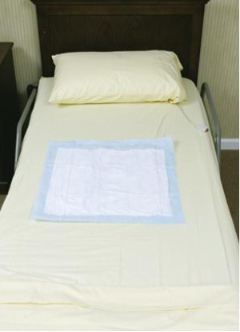
A draw sheet
is an extra sheet placed on top of the bottom sheet when the bed is made
Shearing
is rubbing or friction that results from the skin moving one way and the bone underneath it remaining fixed or moving in the opposite direction
Logrolling
means moving a resident as a unit, without disturbing
the alignment of the body.
To dangle means to sit up on the side of the bed with the legs
hanging over the side.
A quad
with four rubber-tipped feet and a rectangular base is designed to bear more weight than the other canes.
CH11
OBRA requires that at admission…
RESIDENTS BE TOLD OF THEIR LEGAL RIGHTS
HOW DO YOU USE THE WEIGHING SCALE?
Before the resident steps on the scale, ensure that it is balanced at 0
To determine the resident’s weight: You will move both the small and large weight indicators until the bar balances
Then once the bar balances, you need to read the two numbers on the small and large weight indicators
LARGE WEIGHT INDICATOR + LARGE SMALL INDICATOR = WEIGHT
WHEN WEIGHING A RESIDENT IN A WHEEL CHAIR…
YOU ROLL THE WHEELCHAIR ON THE WEIGHER. TAKE THE WEIGHT OF THE WHEELCHAIR.
THEN ROLL THE WHEELCHAIR ON THE WEIGTHER WITH THE RESIDENT.
THEN SUBTRACT THE WEIGHT OF THE WHEELCHAIR FROM THE TOTAL WEIGHT, TO GET THE WEIGHT OF THE RESIDENT
HOW DO YOU WEIGH A RESIDENT WHO CAN’T GET UP OR IS BEDRIDDEN?
MAKE MARKS ON THE SHEET AT THE RESIDENT’S HEAD AND HEEL
AND USE A MEASURING TAPE
Baseline
signs are initial values that can then be compared to future measurements.
CH12
Guidelines: Promoting Comfort
Promptly answer ringing telephones and call lights.
Odors may be caused by urine, feces, vomit, certain
diseases, and wound drainage. Body and breath odors
may be offensive too. Help control odors by doing the
following:
Temperature can affect comfort. OBRA requires that
long-term care facilities maintain comfortable and safe
environment with a temperature range of 71-81`F. As
people age and lose protective fatty tissues, they may
feel cold often. Illness can also cause a person to feel
cold. Help residents stay comfortable by doing the
following:
Layer clothing and bed covers for warmth.
Keep residents away from drafty areas, such as areas near
doors and windows.
Offer blankets to residents in wheelchairs
Keep residents covered while giving personal care.
If residents control the heat and air conditioning in their
room, do not change the temperature for your comfort.
WHAT TEMPERATURE DOES OBRA SAY THAT THE TEMPERATURE IN LONG-TERM CARE FACILITIES MUST BE?
71-81F’
71-81F
IS THE TEMPERATURE THAT LONG TERM CARE FACILITIES MUST BE
Circadian rhythm
is the 24-hour day – night cycle. It also affects body temperature and hormone production, among other things.
Sleep
is a natural period of rest for the mind and body. As a person sleeps, the mind and body’s energy is restored.
Insomnia
is the inability to fall asleep or remain asleep
An occupied bed
is a bed made while the resident is still in the bed
A closed bed
is a bed completely made with the bedspread and blankets
in place.
an open bed
opposite of closed bed
A surgical bed
is made to accept residents who are returning to bed onstretchers or gurneys.
CH13
Guidelines: Basic Skin Care [IMPORTANT]
Report any changes you observe in a resident’s skin. When
documenting changes, use the terms left or right in reference to the
left or right side of the resident’s body (not your own left or right).
Reposition immobile residents often (at least every two hours).
Elderly residents may have very fragile, thin skin. This makes the
skin more susceptible to injury. Be gentle during transfers. Avoid
pulling or tearing fragile skin.
Residents who are overweight may have poor circulation and extra
folds of skin. The skin under the folds may be difficult to clean and
to keep dry. Pay careful attention to these areas and give regular
skin care. Report signs of skin irritation.
—
Give frequent skin care as often as needed for residents who are incontinent
Massage the skin often. Use light, circular strokes to increase circulation.
The care plan may include special instructions for particularly dry skin or closed wounds. The skin may need a special soap. Follow the care plan’s instructions.
BASIC SKIN CARE FOR RESIDENTS WHO CANNOT MOVE EASILY
Keep the bottom sheet tight and free from wrinkles.
Do not pull the resident across sheets during transfers or repositioning. This causes shearing which can lead to skin breakdown.
Place an absorbent pad under the back and buttocks to absorb moisture or perspiration that may build up
Relieve pressure under bony prominences. Use pillows and other positioning devices to keep elbows and heels from resting on the surface of the bed.
Special matttresses such as an alternating pressure or low air loss mattress may be used to prevent pressure injuries
A bred or chair can be made softer with flotation cushions or special foam overlays
Use a bed cradle to keep top sheets from rubbing the resident’s skin
Residents seated in chairs or wheelchairs need to be respositioned often. REPOSITION AT LEAST EVERY HOUR IF THEY ARE IN A WHEELCHAIR OR CHAIR AND CANNOT MOVE EASILY
Guidelines: Positioning Devices
Backrests provide support and comfort for the back. They can be
regular pillows or special wedge- shaped foam pillows.
Bed cradles or foot cradles are used to keep the bed covers from
resting on residents’ legs and feet. Sometimes even the light
pressure of a sheet draped over the toes can eventually lead to
pressure injuries.
Draw sheets may be placed under residents to assist with turning,
lifting or moving residents up in bed. Draw sheets also help
prevent skin damage that can be caused by shearing A regular bed
sheet folded in half can be used as a draw sheet.
Footboards are padded boards placed against the feet to keep them
properly aligned. They help prevent foot drop.
Hand rolls are cloth – covered or rubber items that keep the hand
and/ or fingers in a normal, natural position.
An orthotic device or orthosis, is a device that helps support and
align a limb and improve its functioning.
An electric razor
is the safest and easiest type of razor to use
WHY IS AN ELECTRIC RAZOR THE EASIEST TO USE?
Because the oscillating or rotary blades are shielded behind a protective guard, you can achieve a fast, nick-free shave without having to worry about angle, pressure, or cutting your skin.
People with diabetes should use what kind of razors?
electric razors primarily because they minimize the risk of accidental nicks, cuts, and abrasions.
Pediculosis
is the infestation of lice
Edentulous
means having no teeth. For a resident who has no teeth, the NA will clean the mouth, tongue, and gums using mouth wash or other solution on sponge swabs
HOW DO YOU GIVE ORAL CARE TO AN UNCONSCIOUS RESIDENT?
Identify yourself by name. Identify the resident according to facility policy.
WASH YOUR HANDS
Explain the procedure to the resident
Provide privacy for the resident
Adjust the bed to a safe level, usually waist high. Lock the bed wheels
Put on gloves
Turn the resident onto his side. Place a towel under his cheek and chin. Place an emesis basin next to the cheek and chin so that excess fluid flows into the basin.
Hold the mouth open with the tongue depressor
Dip the sponge swab in the cleaning solution. Squeeze excess solution to prevent aspiration. Wipe the innter, outer, and chewing surfaces of the upper and lower teeth, gums, tongue, and inside surfaces of the mouth.
Rinse with a clean swab dipped in water. Squeeze the swab first to remove excess water.
Remove the towel and basin. Pat the lips or fry the face if needed. Appy mostirerizer. Turn the resident onto his back
Empty, rinse, and the dry basin. Place the basin in designated dirty supply area or return to storage, depending on the facility policy
Place the soiled linens in proper container
Remove and discard gloves. Wash your hands.
Return the bed to its lowest position. Remove privacy measures
Place the call light within the resident’s reach
Wash your hands
Report any problems with the teeth, mouth, tongue, or lips to the nurse, including odor, cracking, sores, bleeding, and discoloration
Document the procedure using facility guidelines
WHEN GIVING ORAL CARE TO AN UNCONSCIOUS RESIDENT, YOU MUST…
TURN THEM ONTO THEIR SIDES
YOU A TURN AN UNCONSCIOUS RESIDENT TO..
THEIR SIDE WHEN GIVING ORAL CARE
Pulmonary
means lung
GROOMING VS HYGEINE
Hygiene is the term used to describe practices that keep bodies clean
and healthy. Bathing and brushing teeth are two examples.
Grooming refers to practices like caring for fingernails, hair, shaving and applying
makeup.
Hygiene
is the term used to describe practices that keep bodies clean
and healthy. Bathing and brushing teeth are two examples.
Grooming
refers to practices like caring for fingernails, hair, shaving and applying
makeup.
is the term used to describe practices that keep bodies clean
and healthy. Bathing and brushing teeth are two examples.
Hygiene
refers to practices like caring for fingernails, hair, shaving and applying
makeup.
Grooming
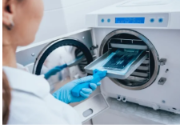
AN AUTOCLAVE
IS THIS STERLIZATION THING. IT STERILIZES EQUIPMENT
Partial Bath vs Complete Bath
Partial Bath
What it is: Washing only the parts of the body that cause discomfort, odor, or infection if left unwashed.
Key areas cleaned: Face, hands, underarms (axilla), and the perineal area.
Complete Bath
What it is: A thorough, head-to-toe cleansing of the entire body.
Key areas cleaned: Face, hair, neck, chest, arms, abdomen, legs, back, and the perineal area.
Partial Bath
What it is: Washing only the parts of the body that cause discomfort, odor, or infection if left unwashed.
Key areas cleaned: Face, hands, underarms (axilla), and the perineal area.
Complete Bath
What it is: A thorough, head-to-toe cleansing of the entire body.
Key areas cleaned: Face, hair, neck, chest, arms, abdomen, legs, back, and the perineal area.