Anatomy & Physiology Basics - Chapter 1: The Human Organism
 Call Kai
 Learn
Learn Practice Test
 Spaced Repetition
 Match
Match Flashcards
 Knowt Play
1/111

Earn XP
Description and Tags
Vocabulary flashcards covering fundamental concepts in Anatomy and Physiology including structural organization, organ systems, directional terms, planes, cavities, and homeostatic feedback systems.
Name | Mastery | Learn | Test | Matching | Spaced | Call with Kai | Chat |
|---|
No analytics yet
Send a link to your students to track their progress
112 Terms
Anatomy
The study of the body's structures, looking at shape and size of body parts and relating them to function.
Developmental anatomy
The study of structural changes occurring between conception and adulthood.
Embryology
A specific field of developmental anatomy that considers structural changes from conception to the 8th week of development.
Cytology
The study of structural features of cells.
Histology
The study of tissues, including cells and the materials surrounding them.
Gross anatomy
The study of structures that can be examined without the aid of a microscope.
Systemic anatomy
The study of the body system by system, such as the skeletal system or nervous system.
Regional anatomy
The study of the body area by area, such as the head, arm, or abdomen.
Surface anatomy
The study of the external form of the body and its relation to deeper structures.
Physiology
The study of the body's processes and functions.
Cell physiology
The field of physiology that examines processes occurring in cells, such as active and passive transport.
Systemic physiology
The field of physiology that considers the functions of organ systems.
Neurophysiology
The field of physiology focusing on the nervous system.
Cardiovascular physiology
The field of physiology focusing on the heart and blood vessels.
Pathology
The medical study of disease, emphasizing the cause, development, and structural/functional changes due to disease.
Exercise physiology
The study of changes in body function and structure due to exercise.
Atoms
The basic building blocks of matter.
Molecules
Structures formed when atoms combine, such as water, sugar, fats, and proteins.
Organelles
Small structures formed by combined molecules that make up cells, such as the nucleus, mitochondria, and endoplasmic reticulum.
Cells
The basic structural and functional units of organisms.
Tissues
A group of similar cells and the surrounding materials that perform specific functions.
Organs
Structures composed of two or more tissue types that perform one or more common functions.
Organ systems
A group of organs that have a common function or set of functions and are viewed as a unit.
Organism
Any living thing considered as a whole, whether composed of a single cell or trillions of cells.
Integumentary System
Organ system providing protection, temperature regulation, reduced water loss, and vitamin D precursor production; includes skin, hair, nails, and sweat glands.
Skeletal System
Organ system providing protection and support, allowing body movements, producing blood cells, and storing minerals and fat; includes bones, cartilages, ligaments, and joints.
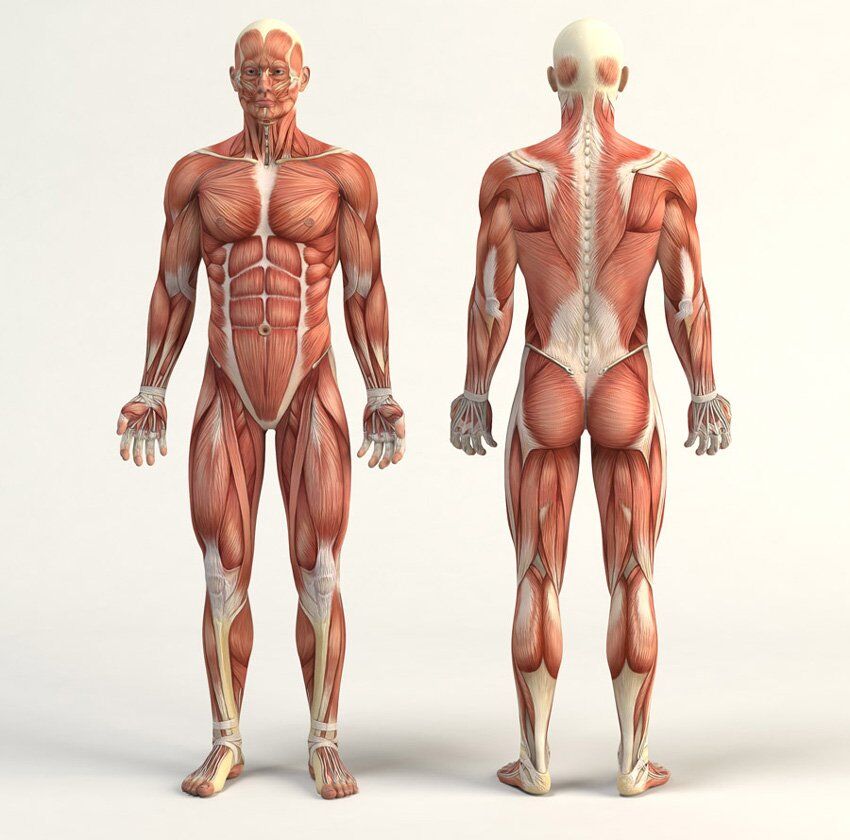
Muscular System
Organ system producing body movements, maintaining posture, and producing body heat; includes muscles attached to the skeleton by tendons.
Lymphatic System
Organ system removing foreign substances from blood and lymph, combating disease, maintaining fluid balance, and transporting fats; includes lymph glands and lymphatic vessels.
Respiratory System
Organ system exchanging oxygen and carbon dioxide between blood and air and regulating blood pH; includes lungs and respiratory passages.
Digestive System
Organ system performing mechanical and chemical processes of digestion, absorption of nutrients, and elimination of wastes; includes mouth, esophagus, stomach, and intestines.
Nervous System
Major regulatory system detecting sensations and controlling movements, physiologic processes, and intellectual functions; includes brain, spinal cord, nerves, and sensory receptors.
Endocrine System
Major regulatory system influencing metabolism, growth, reproduction, and other functions via hormone-secreting glands; includes thyroid and adrenal glands.
Cardiovascular System
Organ system transporting nutrients, waste products, gases, and hormones, and playing a role in immune response and temperature regulation; includes heart, blood vessels, and blood.
Urinary System
Organ system removing waste products from blood and regulating blood pH, ion balance, and water balance; includes kidneys, urinary bladder, and ducts.
Female Reproductive System
Organ system producing oocytes, serving as the site of fertilization and fetal development, producing milk, and secreting hormones influencing sexual functions.
Male Reproductive System
Organ system producing and transferring sperm cells to the female and producing hormones influencing sexual functions and behaviors.

Anatomical position
A posture where a person stands erect with face directed forward, upper limbs hanging at sides, and palms facing forward.
Supine
The position of a person lying face upward.
Prone
The position of a person lying face downward.
Superior
Directional term referring to a structure above another.
Inferior
Directional term referring to a structure below another.
Cephalic
Directional term referring to a structure closer to the head than another structure.
Caudal
Directional term referring to a structure closer to the tail than another structure.
Anterior
Directional term referring to the front of the body.
Posterior
Directional term referring to the back of the body.
Ventral
Directional term meaning toward the belly, synonymous with anterior.
Dorsal
Directional term meaning toward the back, synonymous with posterior.
Proximal
Directional term meaning closer to the point of attachment to the body than another structure.
Distal
Directional term meaning farther from the point of attachment to the body than another structure.
Lateral
Directional term meaning away from the midline of the body.
Medial
Directional term meaning toward the midline of the body.
Superficial
Directional term meaning toward or on the surface.
Deep
Directional term meaning away from the surface, internal.
Planes
Imaginary flat surfaces passing through the body, also known as sections.

Sagittal plane
A plane running vertically through the body, separating it into right and left portions.

Median plane
A sagittal plane passing directly through the midline of the body, dividing it into equal right and left halves; also called a midsagittal plane.

Transverse plane
A plane running parallel to the ground (horizontal), dividing the body into superior and inferior portions; also called a cross section.

Frontal plane
A plane running vertically from right to left, dividing the body into anterior and posterior parts; also known as a coronal plane.
Thoracic cavity
Cavity surrounded by the rib cage and separated from the abdominal cavity by the diaphragm; divided into left and right parts by the mediastinum.
Mediastinum
A median partition in the thoracic cavity containing the heart, thymus, trachea, esophagus, blood vessels, and nerves.
Abdominal cavity
Cavity enclosed by abdominal muscles containing the stomach, intestines, liver, spleen, pancreas, and kidneys.
Pelvic cavity
Cavity encased by pelvic bones containing the urinary bladder, part of the large intestine, and internal reproductive organs.
Abdominopelvic cavity
The collective cavity formed by the non-separated abdominal and pelvic cavities.
Hypochondriac region
Abdominal region on each side covered by the costal cartilages, located lateral to the epigastric region.
Epigastric region
Abdominal region located above the stomach region.
Hypogastric region
Abdominal region located under the stomach region.
Lumbar region
Abdominal region pertaining to the part of the body between the thorax and pelvis.
Umbilical region
Abdominal region centered around the navel.
Iliac region
Abdominal region pertaining to the ilium, the uppermost bone of the pelvis.
Homeostasis
The maintenance of a relatively constant environment within the body to maintain health and functioning through feedback controls.

Set point
The ideal normal value of a variable regulated within the body.
Normal range
The reasonable range of values around the set point within which body variables fluctuate.
Receptors
Cells that detect stimuli and receive messages regarding changes in an organism's internal or external environment.
Control center
Component, typically the brain, that receives afferent information from receptors, determines the appropriate response, and issues operational orders.
Effector
Cells, tissues, or organs that receive efferent orders from the control center and carry out the response to restore homeostasis.
Negative feedback mechanism
A control system maintaining homeostasis by resisting deviation and returning a variable back to its set point or normal range.
Positive feedback response
A control system response where a deviation from normal causes the system to amplify the deviation even further away from homeostasis.

buccal
relating to the cheek

mental
relating to the chin
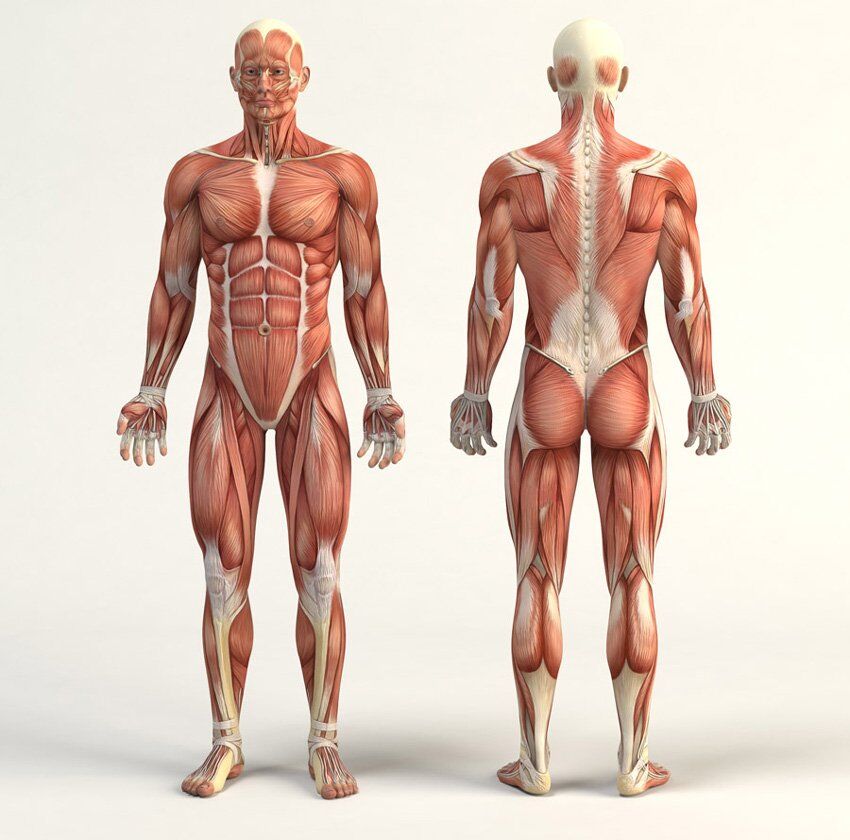
Cervical
relating to the neck

axillary
relating to the armpit

brachial
relating to the arm
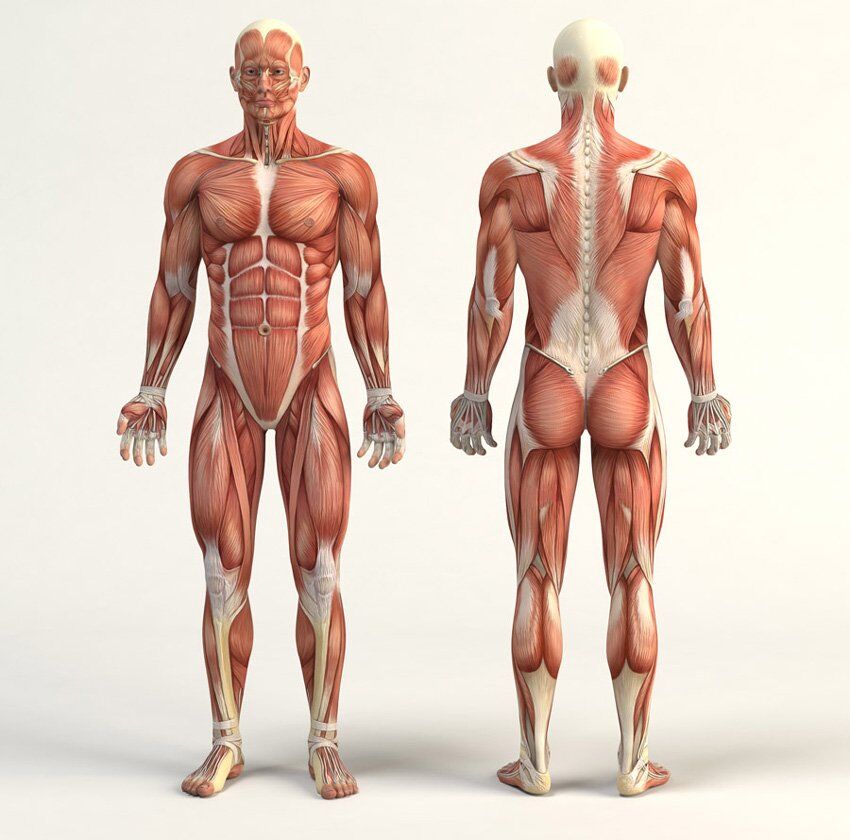
antecubital
relating to the anterior elbow

antebrachial
relating to the forearm

inguinal
relating to the groin

coxal
relating to the hip

crural
relating to the leg (shin)

carpal
relating to the wrist
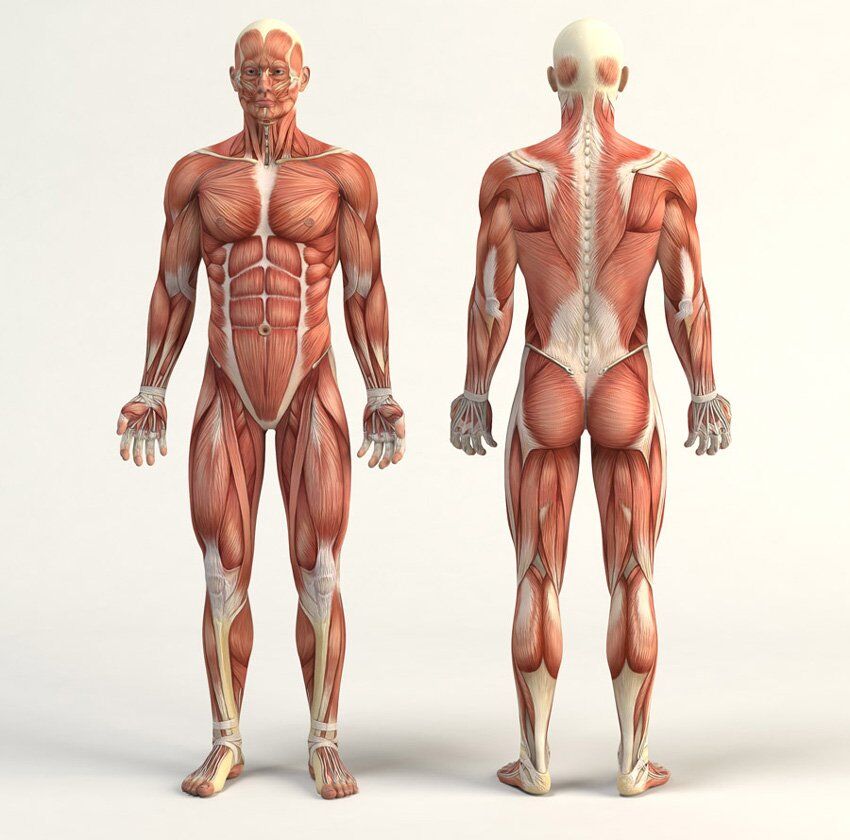
palmar
relating to the palm of the hand

pedal
relating to the foot

digital
relating to the fingers or toes

cranial
pertaining to the skull

acromial
pertaining to the shoulder

occipital
pertaining to the back of the head

olecranon
pertaining to the elbow
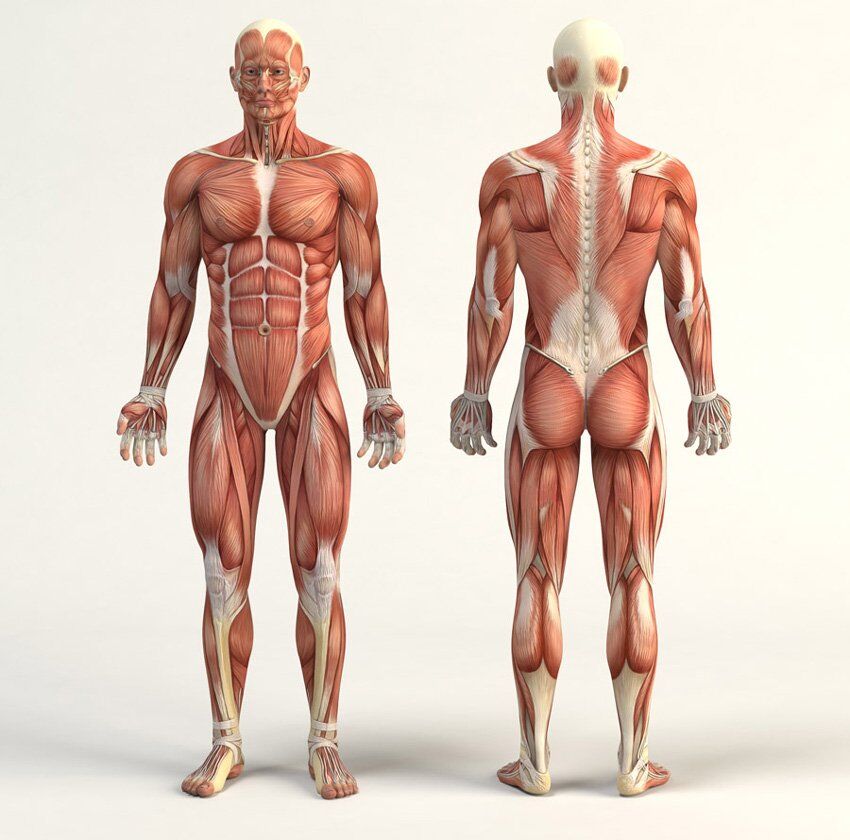
lumbar
pertaining to the lower back
popliteal
pertaining to the back of the knee

sural
pertaining to the calf

calcaneal
pertaining to the heel

gluteus
pertaining to the buttocks