insecticides
 Call Kai
 Learn
Learn Practice Test
 Spaced Repetition
 Match
Match Flashcards
 Knowt Play
1/90

There's no tags or description
Looks like no tags are added yet.
Name | Mastery | Learn | Test | Matching | Spaced | Call with Kai | Chat |
|---|
No analytics yet
Send a link to your students to track their progress
91 Terms
enumerate
Amitraz
has a chemical name of N′-(2,4 dimethylphenyl)-N-[[(2,4-dimethylphenyl)imino]methyl]-N methylmethanimidamide.
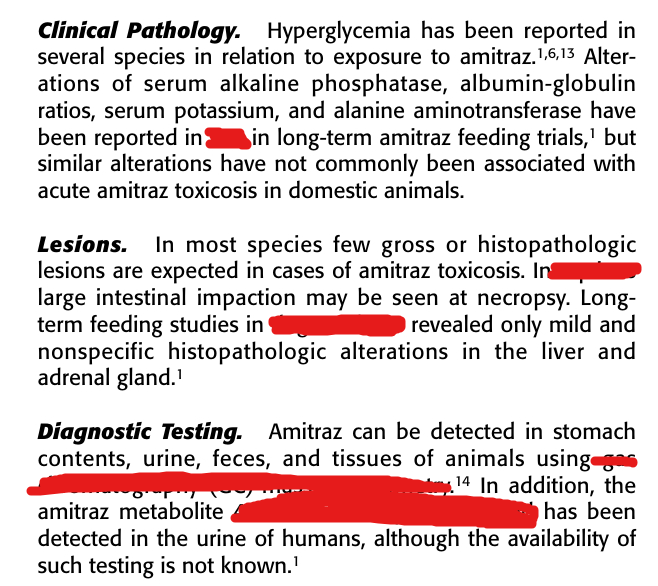
synthetic formamidine acaricide that is labeled for topical use to control ticks, mites, and lice on cattle, pigs, and dogs.
amitraz
The toxic effects of this are primarily due to α2-adrenergic agonist activity in the central nervous system (CNS), resulting in sedation.
Amitraz
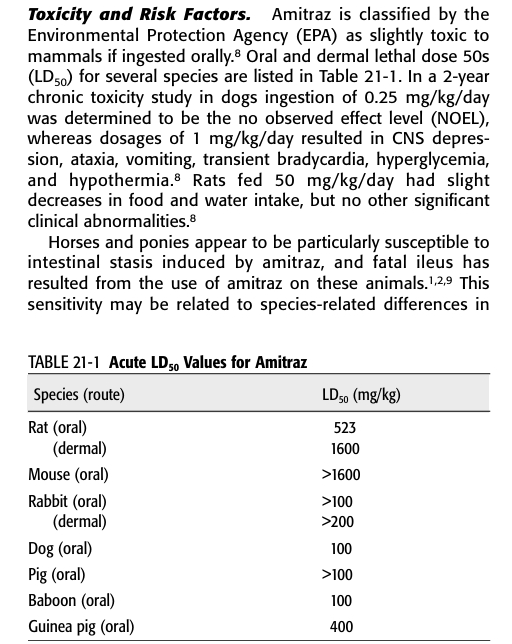
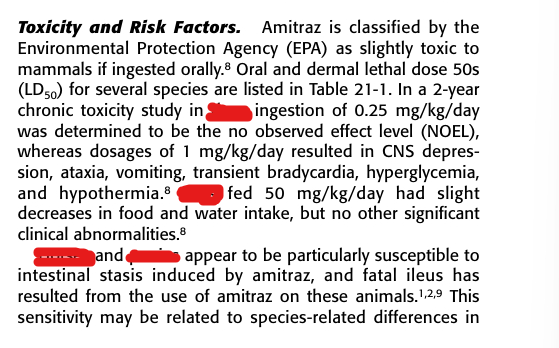
classified by the Environmental Protection Agency (EPA) as slightly toxic to mammals if ingested orally.
amitraz
a weak inhibitor of platelet ag gregation and has antipyretic and antiinflammatory activities.has no effect on serum acetylcholinesterase activity.7
Amitraz
inhibits monoamine oxidase and has weak antiserotonin activity, contributing to CNS depression
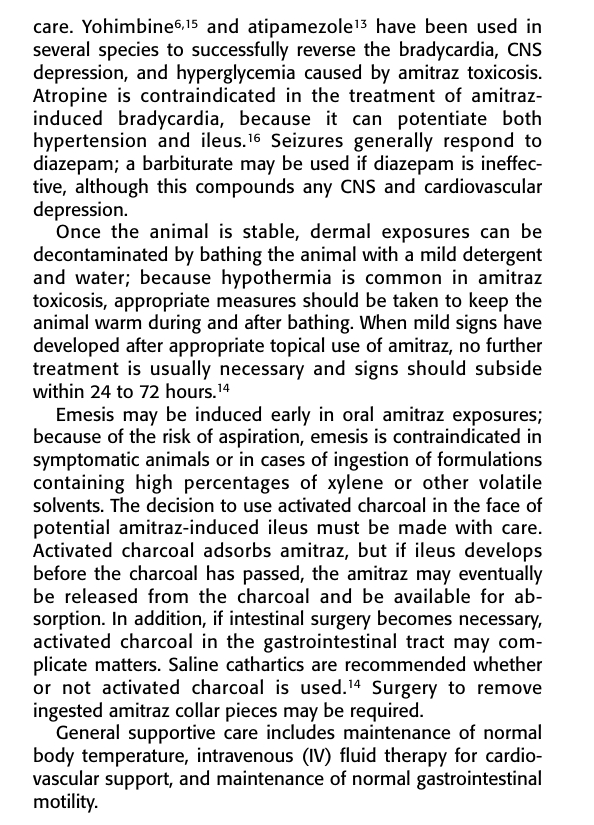
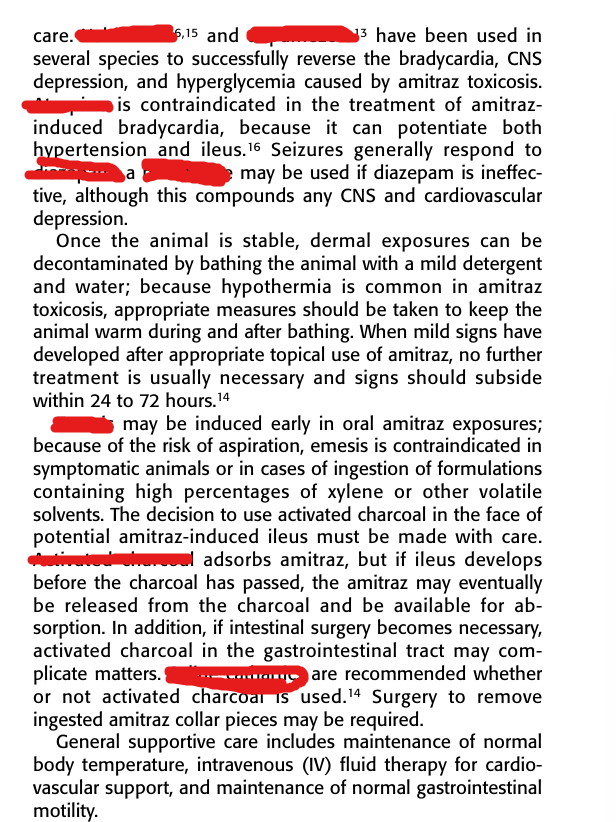
The bradycardia induced by amitraz is thought to be due to alteration of autonomic function rather than to a direct effect on the heart.1 Amitraz-induced mydriasis is due to stimulation of postsynaptic α2 receptors.1 Amitraz decreases intestinal motility by inhibiting smooth muscle contractility; in horses and ponies a reduction in colonic blood flow has also been associated with adminis tration of amitraz.1 Amitraz-induced hyperglycemia is thought to be due in part to α2-adrenergic–mediated suppression of insulin release.5
___ induced by amitraz is thought to be due to alteration of autonomic function rather than to a direct effect on the heart.
Amitraz-induced _____ is due to stimulation of postsynaptic α2 receptors.
Amitraz decreases intestinal motility by inhibiting smooth muscle contractility; in ___ and ___ a reduction in colonic blood flow has also been associated with adminis tration of amitraz.
Amitraz-induced hyperglycemia is thought to be due in part to α2-adrenergic–mediated suppression of _____release.
Common names for amitraz include
amitraze, triazid, and azaform.1
Trade names of products containing amitraz include BAAM, Ectodex, Mitaban, Preventic, Point-Guard, Taktic, and Triatox
Common names for amitraz
Trade names
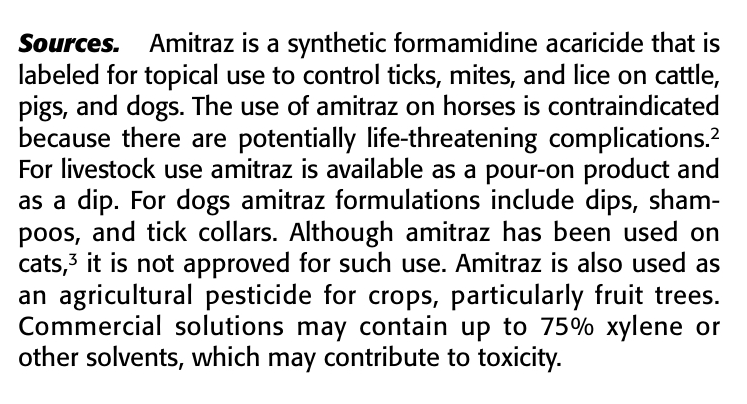
The use of amitraz on ——— is contraindicated because there are potentially life-threatening complications.
2 For livestock use amitraz is available as a pour-on product and as a dip.
For ——- amitraz formulations include dips, sham poos, and tick collars.
Although amitraz has been used on ——-,3 it is not approved for such use.
Amitraz is also used as an agricultural pesticide for crops, particularly fruit trees. Commercial solutions may contain up to 75% ——- or other solvents, which may contribute to toxicity.
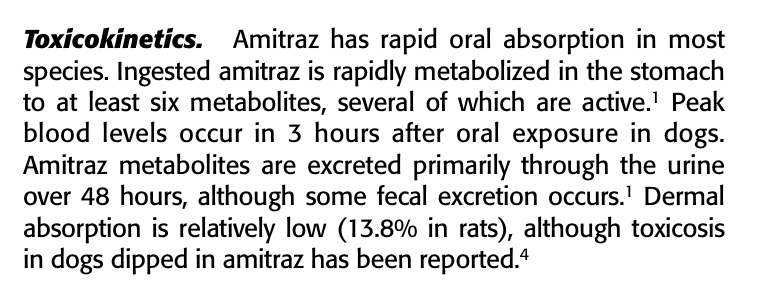
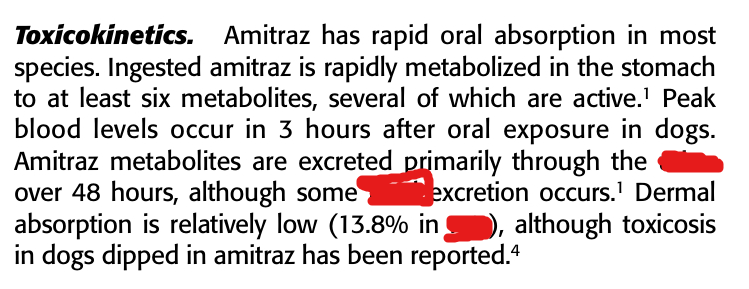
xylene
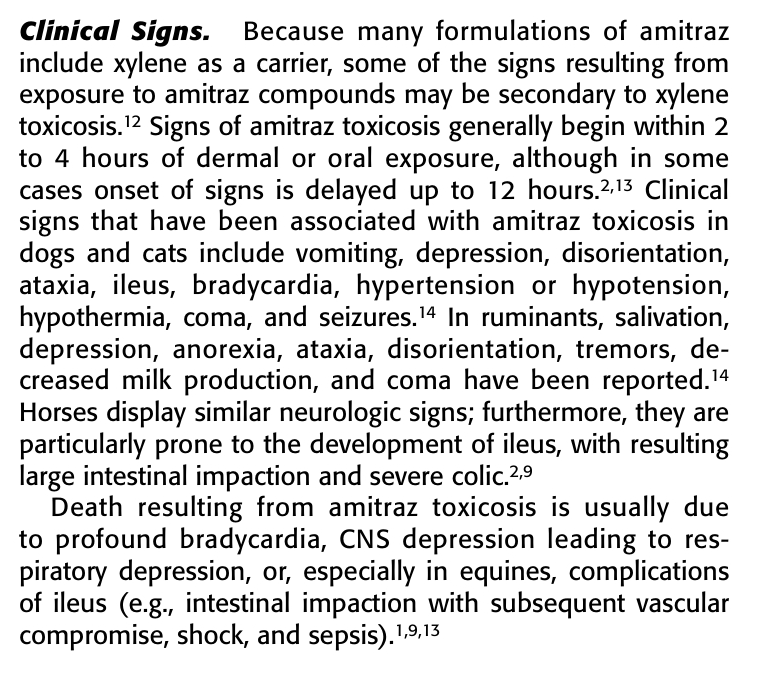
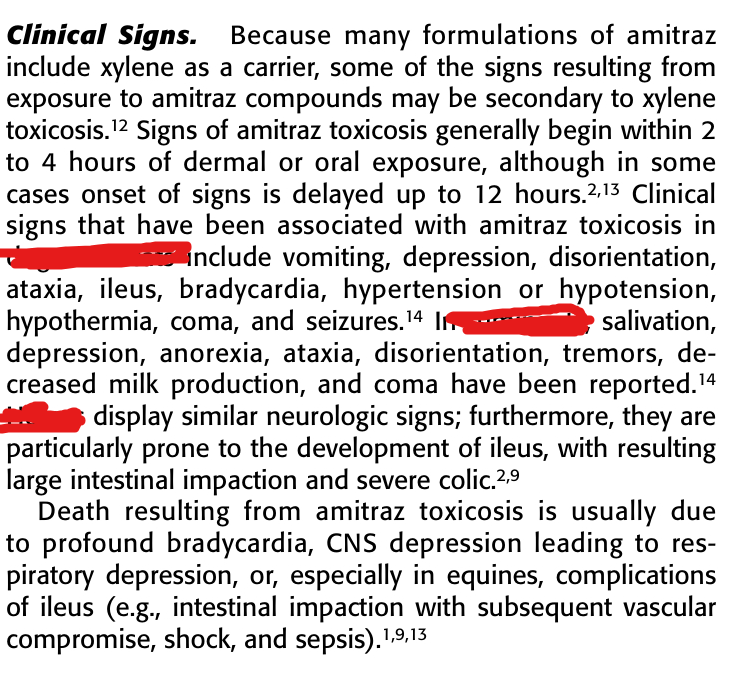
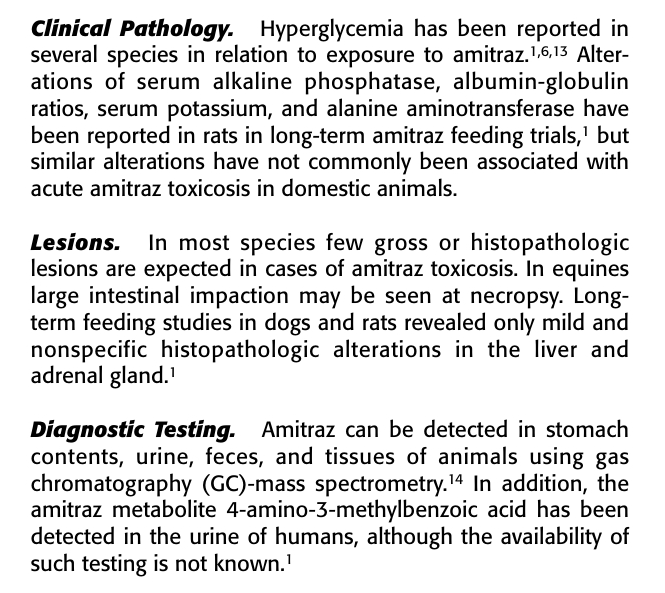
some of the signs resulting from exposure to amitraz compounds may be secondary to ____toxicosis.1
ANTICHOLINESTERASE INSECTICIDES
widespread use of ______ for insect control, some have been developed for chemical warfare and are referred to as “nerve gases.”
Organophosphorus (OP) and carbamate
insec ticides have been in common use in agriculture, gardens, and homes since the 1970s.
t dichlorvos)
Most OP insecticides (except _____) have comparatively low volatility.1
OP and carbamate
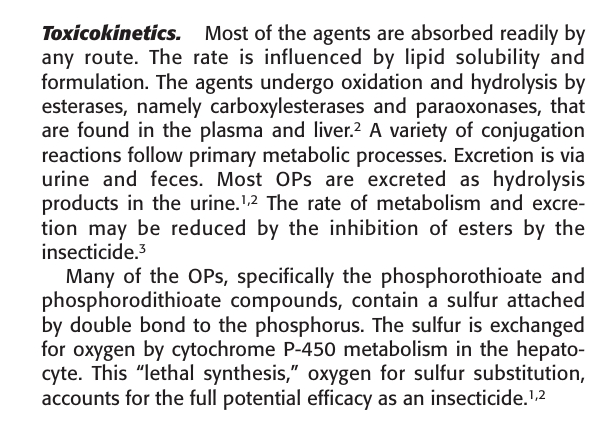
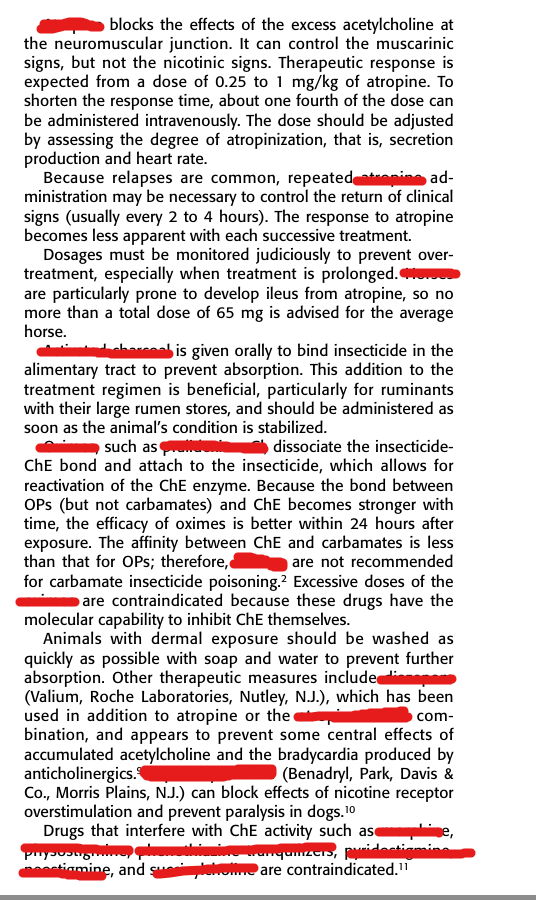
insecticides produce their toxic effects by binding with ChE enzymes, thereby inhibiting the catabolism of the acetylcholine. Poisoning is caused by overstimulation of the end organ as a result of the ac cumulation of acetylcholine. Death results primarily from respiratory failure, often with a cardiovascular component.
OP and carbamate
___are often referred to as “irreversible” in hibitors and _____as “reversible” inhibitors of ChE because they can spontaneously dislodge from the enzyme. This distinction is not absolute and cannot be used as a strict separation of the two insecticide groups.2,4 The stability of the OP-ChE enzyme bond is enhanced through “aging,” which is caused by the loss of one of the alkyl groups.
ANTICHOLINESTERASE INSECTICIDES
Dermal exposure can result in signs of intoxication within a few hours but may be delayed a few days depending on the rate of absorption.
intermediate syndrome
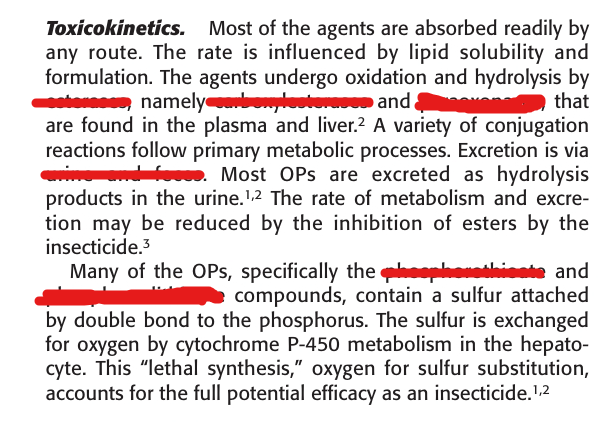
clinical signs of apparent muscular weakness that occur several days after exposure and that are accompanied by persistent low blood ChE activity. OPs with high lipid solubility and prolonged metabolism from system (cardio vascular, hepatic, or renal) impairment are thought to be involved.7 A common example is a syndrome in cats that exhibit anorexia, profound weakness, and depression fol lowing exposure to chlorpyrifos.
delayed neuropathy syndrome
triorthocresyl phosphate (TOCP)
_____referred to as “Ginger Jake” paralysis arose during the days of prohibition when Jamaican ginger extract contaminated with______ was consumed in place of alcohol.
Tri arylphosphates,
neurotoxic esterase
______of which TOCP is an example, and certain fluorine-containing alkylorganophosphorus compounds are capable of inducing delayed neurotoxicosis. At least 1 week to approximately 1 month after ingestion of the toxic agent, evidence of sensation deficits or pain leads to weakness and ataxia. Eventually, paralysis changes from flaccid to spastic. Any recovery is slow and usually incomplete. Toxicity is not related to inhibition of ChEs, but another esterase, referred to as a _______, is inhibited. Systemic effects appear limited to the nervous system and include axon and myelin sheath lesions.1
ANTICHOLINESTERASE INSECTICIDES
Respiratory failure is the principal cause of death from these insecticides
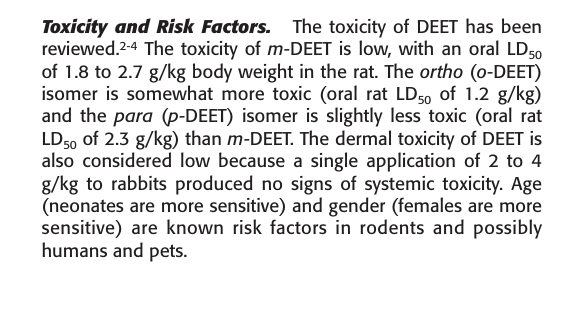
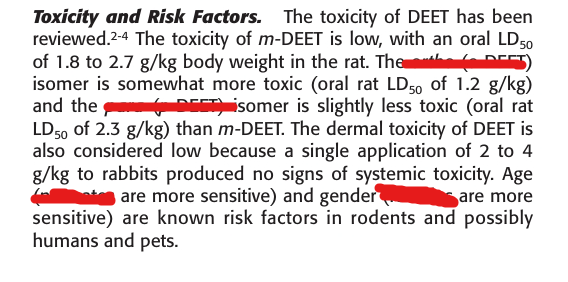
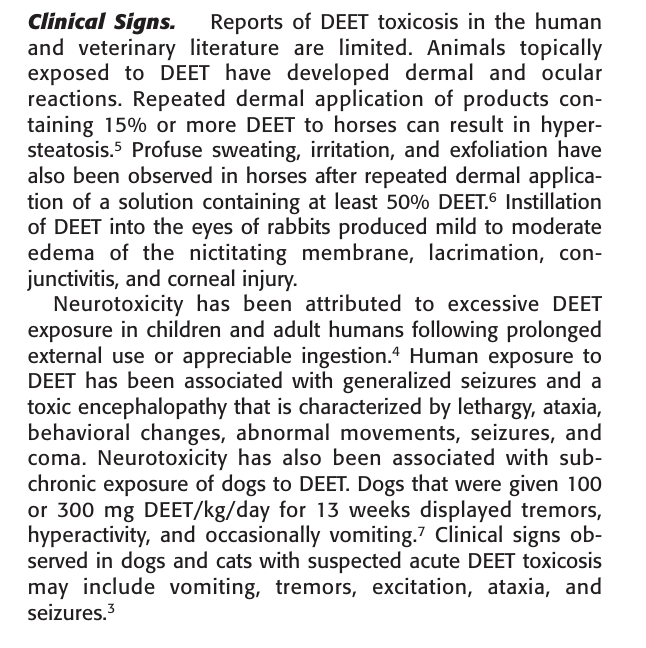
. Diethyltoluamide (DEET) is the common name for N,N-diethyl-m-toluamide
multipurpose insect repellent registered for direct application to human skin, clothing, and household pets. T
The most commonly used insect repellent isthe meta-substituted isomer (N,N-diethyl-m-toluamide; m DEET). The ortho- and para-isomers are also highly repellent but are less effective than m-DEET. Additional synonyms for DEET include detamide, diethylbenzemide, diethyl toluamide, m-delphene, and metadelphene, and it is also known by the acronyms DET, DETA, and M-DET. DEET-based insect repellents are widely used. It is the active ingredient in products such as Autan (Bayer AG, Kansas City, Mo.), Cutters (Cutter Laboratories, Berkeley, Calif.), and Deep Woods Off (S.C. Johnson Wax, Inc., Racine, Wis.).
The most commonly used insect repellent is the meta-substituted isomer________.
The ________________ are also highly repellent but are less effective than m-DEET.
Additional synonyms for DEET include _______
and it is also known by the acronyms DET, DETA, and M-DET. DEET-based insect repellents are widely used.
It is the active ingredient in products such as ___(Bayer AG, Kansas City, Mo.), ___ (Cutter Laboratories, Berkeley, Calif.), and ____ (S.C. Johnson Wax, Inc., Racine, Wis.)
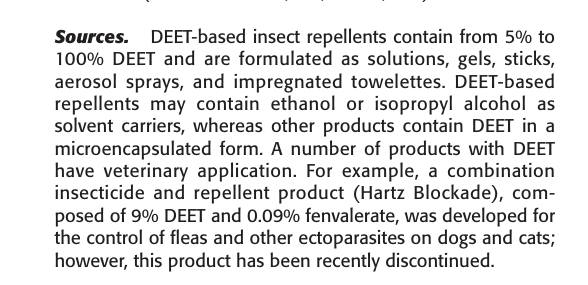
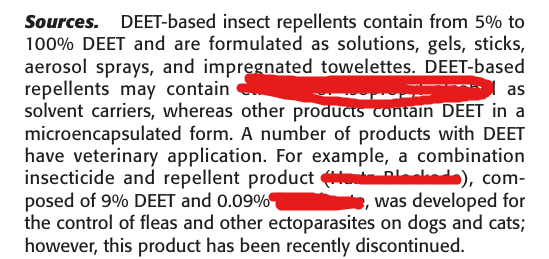
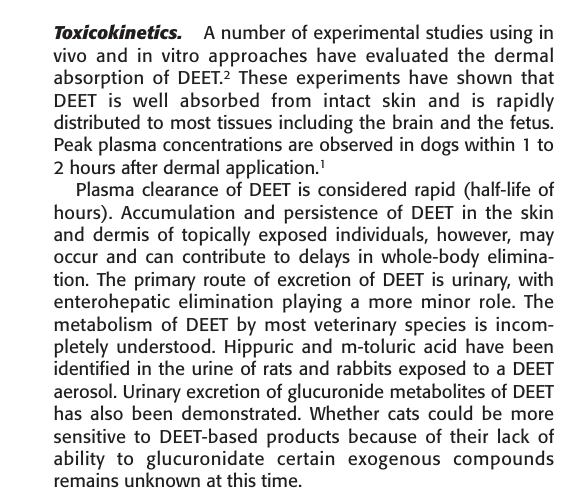
T
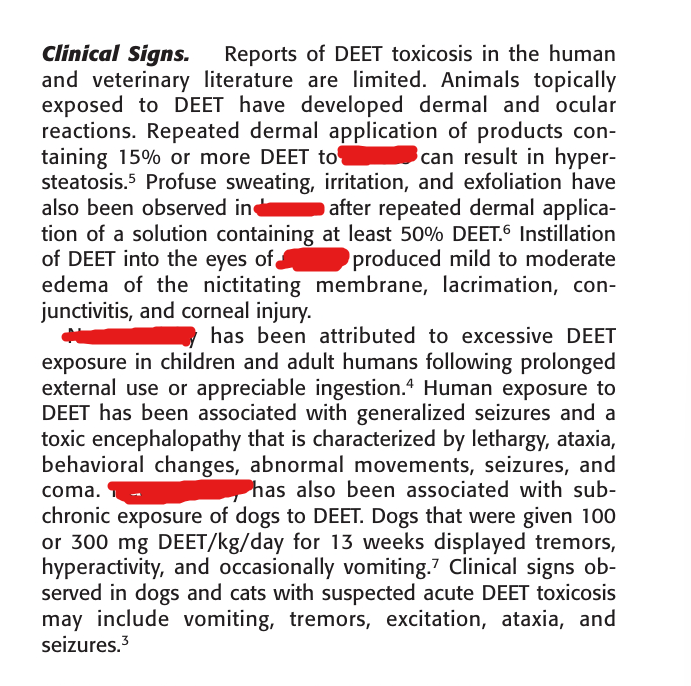
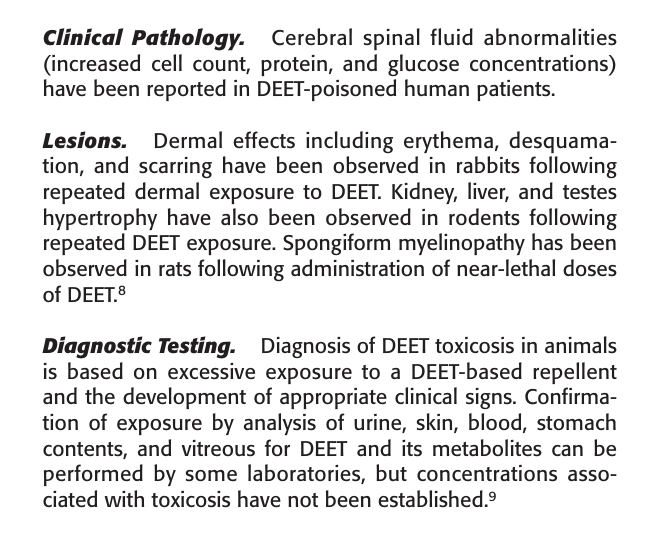
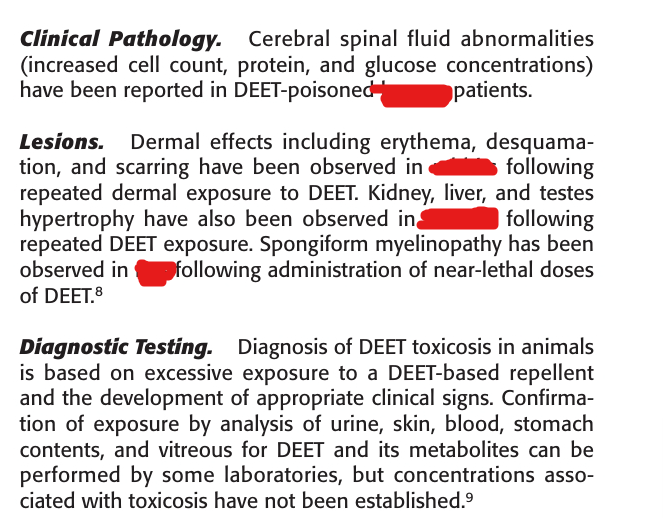
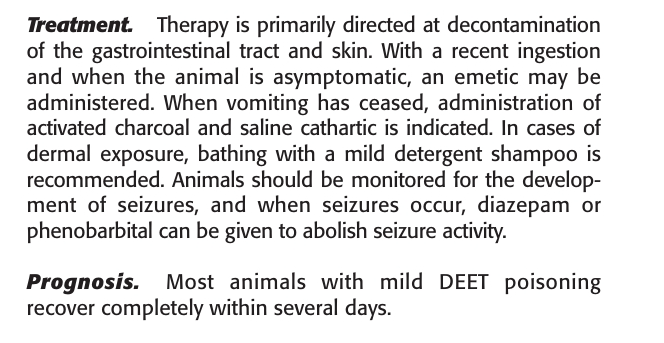
Mechanism of Action. Despite its widespread use the toxicologic mechanisms of action of DEET have not been fully characterized
treatnent
Metaldehyde
is a tetramer made of acetaldehyde molecules arranged in an eight-member ring.
Slug bait, snail bait, and molluscicide
commonly used names for products that contain met aldehyde.
“Shake and bake” syndrome
common name for the disease that is produced in domestic animals that ingest metaldehyde.
Metaldehyde
has also been used in several countries as canned or pelletized solid fuel for camping stoves and lamps, as well as being marketed as a color flame tablet for party goods
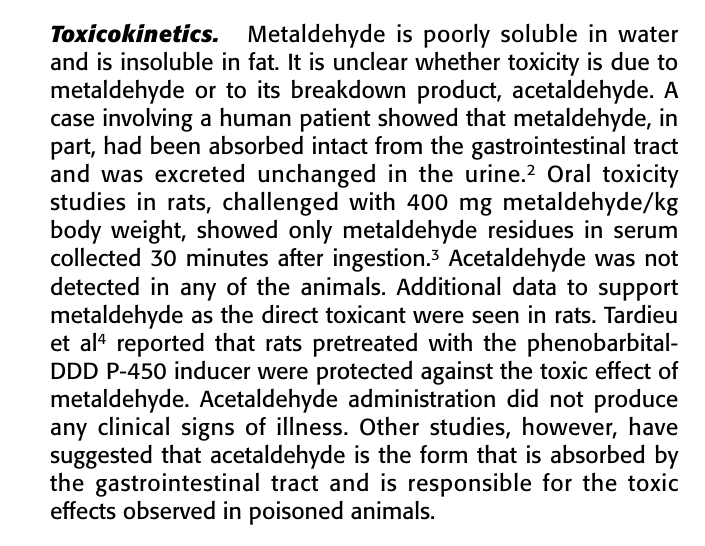
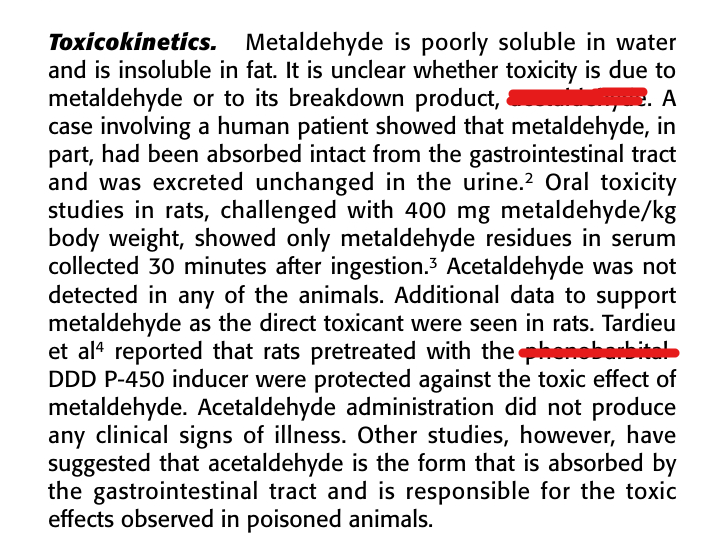
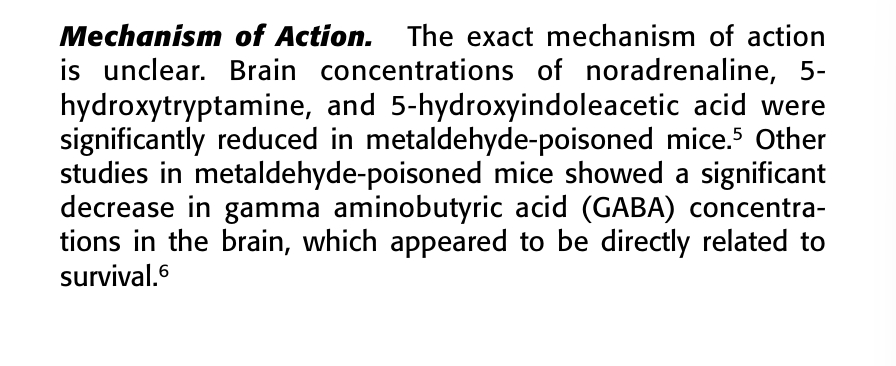
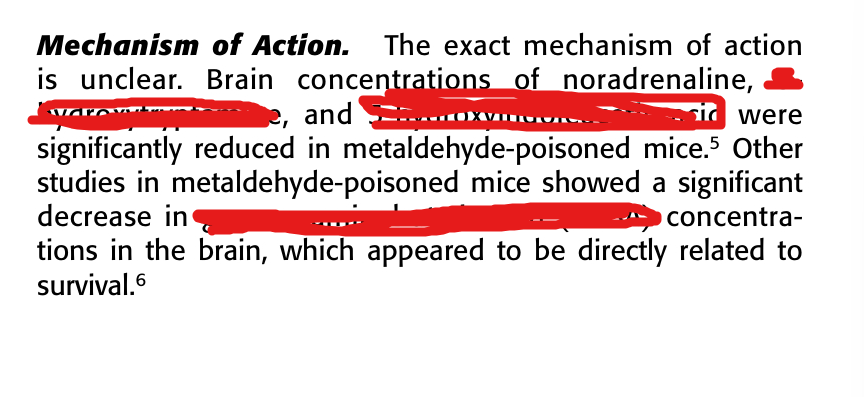
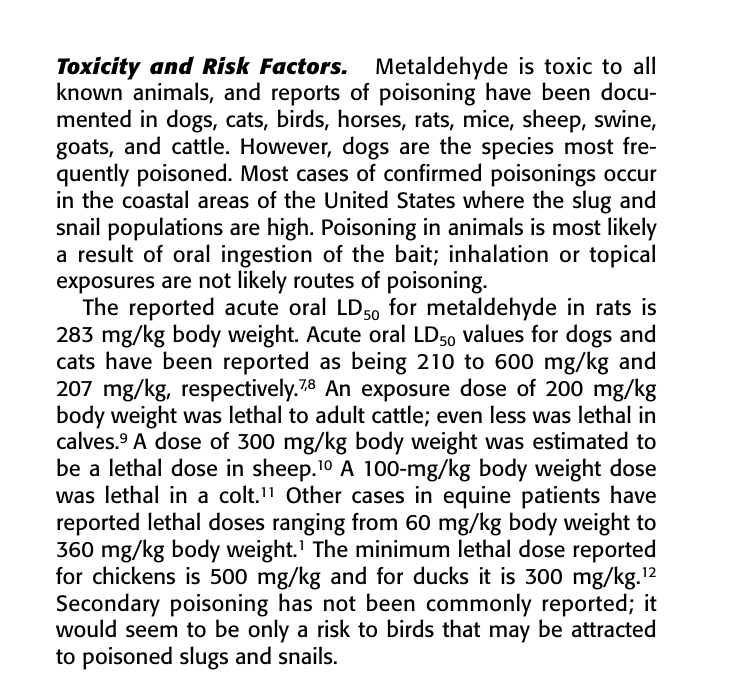
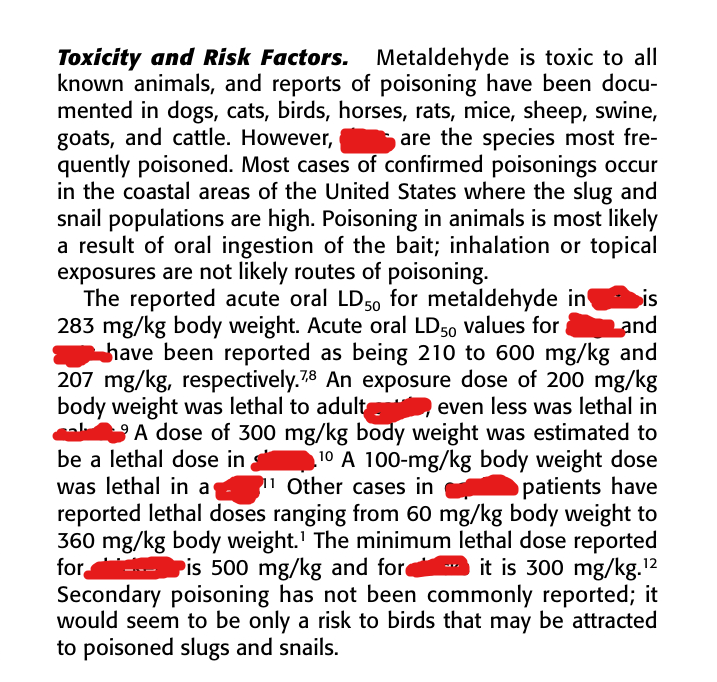
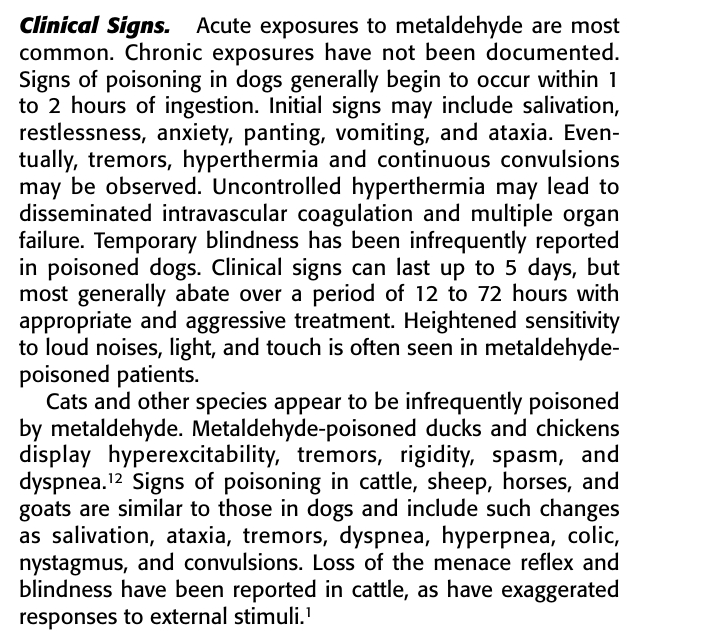
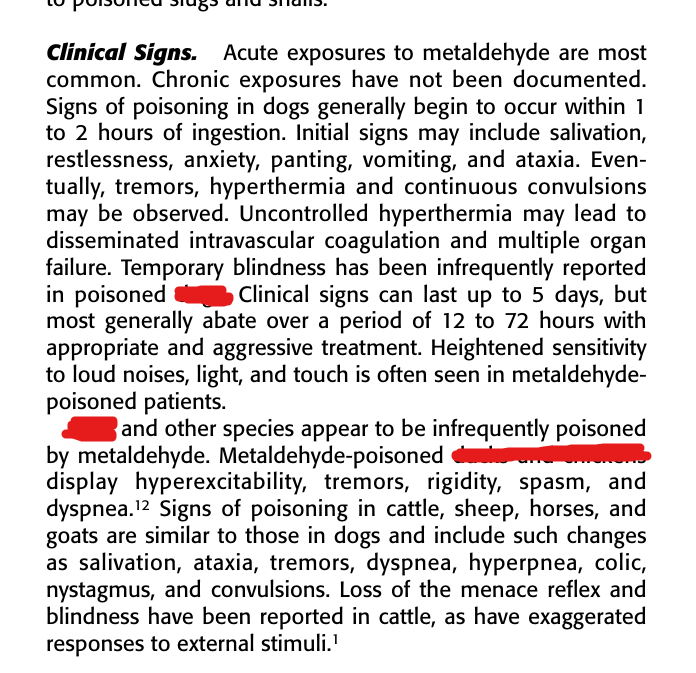
T
No specific clinical pathologic changes are associated with metaldehyde poisoning. Hemoconcentra tion (elevated packed cell volume and total protein) may be observed in animals showing moderate to severe signs. Changes associated with renal or hepatic disease infre quently are reported and are most likely a result of persistent and uncontrolled elevations in body temperature. A mild metabolic acidosis may be present.
emetics- apomorphine
gastric lavage & rectal enemas
AC? sorbitol slurry - questionable
anesthetics - diazepam and ketamine, phenobarbital, pentobarbital, methocarbamol, and gas anesthesia,
ddiazepam
methocarbamol
pheno& pentobarbital
AC
diazeepam
pheno & pento barbitaql
xylazine
treatmemt
_____ is probably the most commonly used drug, and dosages in dogs and cats range from 0.5 to 5 mg/kg and from 0.5 to 1 mg/kg IV, respectively, to effect.
______ at a dose of 55 to 220 mg/kg IV in dogs and cats (administer half rapidly, then wait until the animal relaxes and then continue to administer) has also been shown to be effective.
_____(3 to 30 mg/kg IV to effect) or ____ (5 to 15 mg/kg IV to effect) can also be used.
____(2 g/kg body weight), possibly followed by mineral oil. ____(cattle: 0.5 to 1.5 mg/kg IV or intramuscularly; horses: 25 to 50 mg IV; foals: 0.05 to 0.4 mg/kg IV), along with _____(cattle, horses: 1 to 10 mg/kg IV to effect), and ____ (cattle: 30 mg/kg IV to effect) can be used to control tremors or seizures. ____combined with acepromazine has been used in horses. I
enumerate novel insecticides
Fipronil
phenylpyrazole insecticide. It may also be referred to by its generic name 5-amino-1-[2,6 dichloro-4-(trifluoromethyl) phenyl]-4-[(1R,S)-(trifluoromethyl) sulfinyl]-1H-pyrazole-3-carbonitrile.
Combat, Frontline, Regent, Maxforce, Termidor, Icon, and Chipco.1
Common trade names include C
fipronil
is lipid soluble but does not readily penetrate skin. Microscopic examination of the skin after topical administration is widely distributed in the stratum corneum, viable epidermis, and pilosebaceous units.
2found on the hair shafts but is not detected in the dermis and adipose tissue, suggesting that it is absorbed and accumulates in the sebaceous glands, from which it is slowly released via follicular ducts.
fipronil
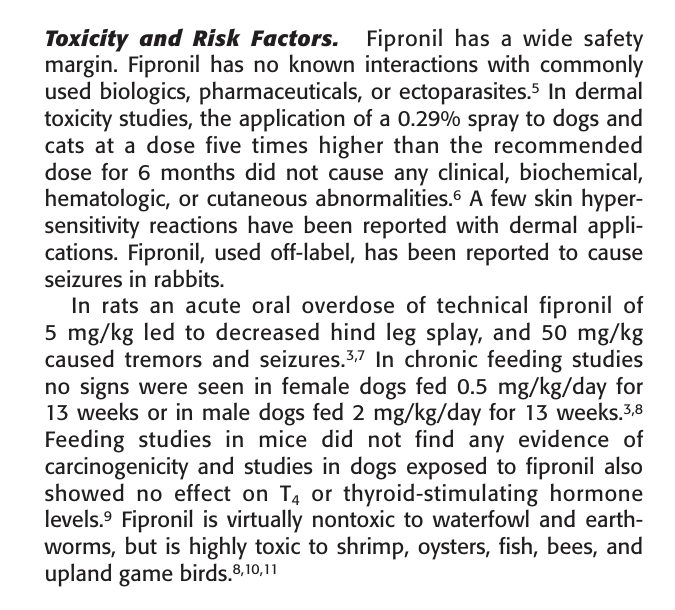
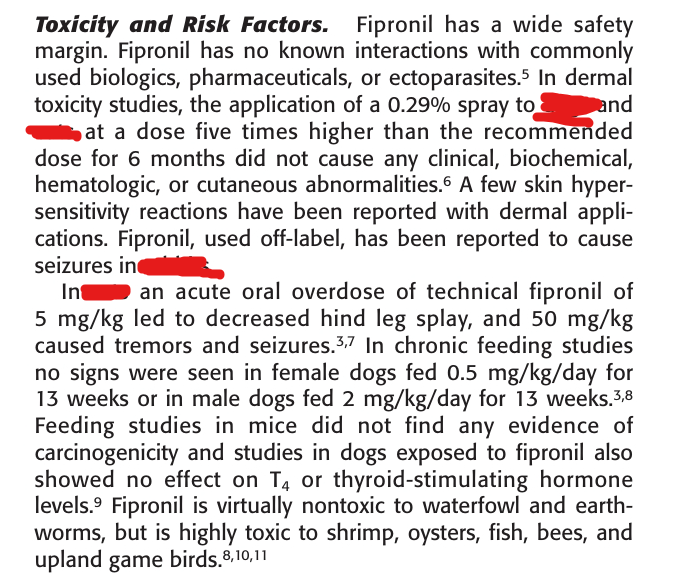
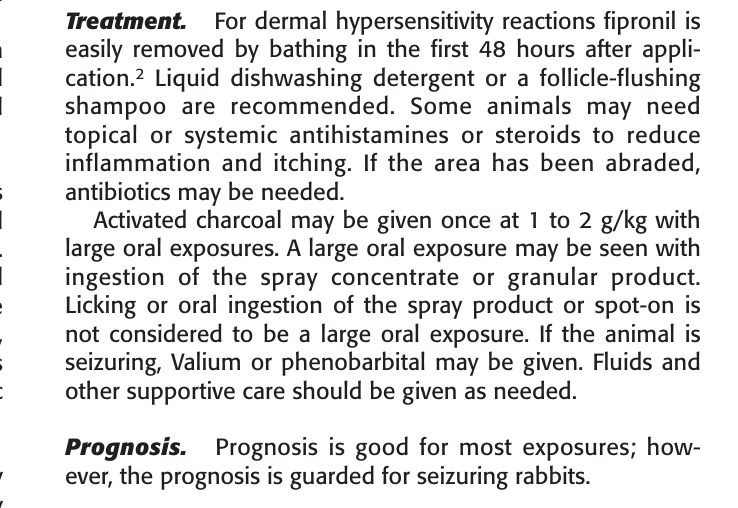
a GABA agonist. GABA is an inhibitory neurotransmitter in both invertebrates and vertebrates, and it normally stops transmission of impulses. it works by binding to the GABA receptors and blocking chloride passage.
treatment
IMIDACLOPRID
chloronicotinyl nitroguanide insecticide found in a variety of commercial insecticides. In may also be called by its chemical name 1-(6-chloro 3-pyridylmethyl)-N-nitroimidazolidin-2-ylideneamine or 1 [(6-chloro-3-pyridinyl)methyl]-N-nitro-2-imidazolidinimine.
Admire, Advantage, Bayer Advanced, Condifor, Gaucho, Marathon, Merit, Premier, Premise, and Provado.
Common trade names include
Imidacloprid
is used for crop, fruit, and vegetable pest control, termite control, and flea control on dogs and cats. Imidacloprid-based insecticide formulations are avail able as a dustable powder, granular product, seed dressing (flowable slurry concentrate), soluble concentrate, suspen sion concentrate, wettable powder (75%), and spot-on (9.1%).1
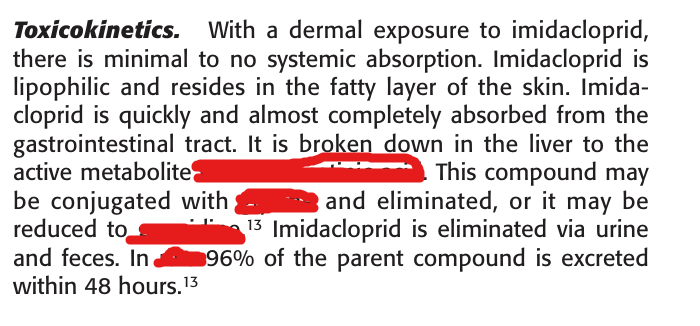
Imidacloprid
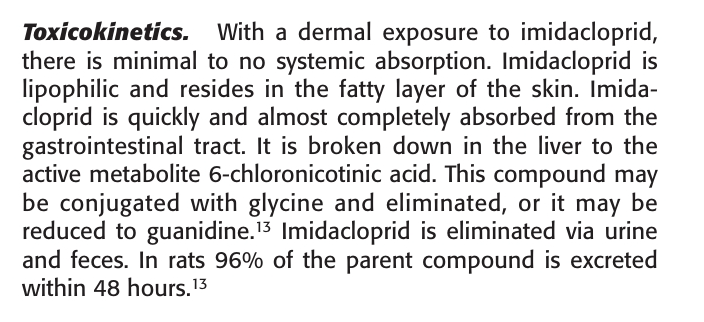
works by interfering with the transmission of stimuli in the insect nervous system. mimics the action of acetylcholine, but it is not degraded by the enzyme acetylcholinesterase. binds to the acetylcholine receptor on the postsynaptic portion of nerve cells.14,15 This results in persistent activation preventing transmission of impulses and leading to an accumulation of acetylcholine.
T
imidacloprid has both agonistic and antagonistic effects on the nicotinic acetylcholine receptor channels.
Imidacloprid
is considered safe for use during pregnancy and is considered to be of minimal carcinogenic risk. Imida cloprid is categorized by the EPA as a “group E” carcinogen (evidence of noncarcinogenicity for humans).
Imidacloprid
is highly toxic to bees if used as a foliar application, especially during flowering, but it is not con sidered a hazard when used as a seed treatment.13 Products containing imidacloprid may be highly toxic to aquatic invertebrates, toxic to upland game birds, and of moderately low toxicity to fish.
high performance liquid chromatography (HPLC) with ultraviolet (UV) detection and enzyme-linked immunosorbent assay.
Two methods are used to detect imidacloprid and 6-chloronicotinic acid residues:
HYDRAMETHYLNON
a trifluoromethyl amino hydrazone insecticide. It may be found listed on product labels as 5,5-dimethylperhydropyrimidin-2-one 4-trifluoromethyl alpha-(4-trifluoromethylstyryl)-cinnamylidenehydrazone or tetrahydro-5,5-dimethyl-2(1H)-pyrimidinone (3-[4-(trifluoro methyl)phenyl]-1-(2-[4-(trifluoromethyl)phenyl]-ethenyl) 2-propenylidene)hydrazone.
Amdro, Maxforce, Combat Blatex, Cyaforce, Cyclon, Impact, Matox, Pyramdron, Seige, and Wipeout.1
Common trade names include
Hydramethylnon
n is used in baits, both indoor and outdoor, to control fire ants, leafcutter ants, harvester ants, big-headed ants, and cockroaches.
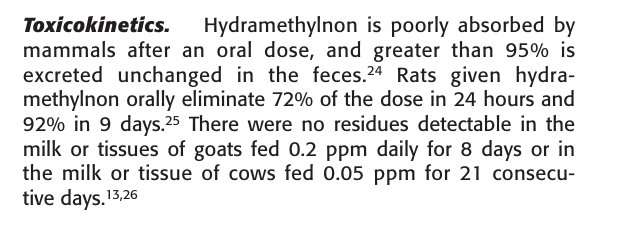
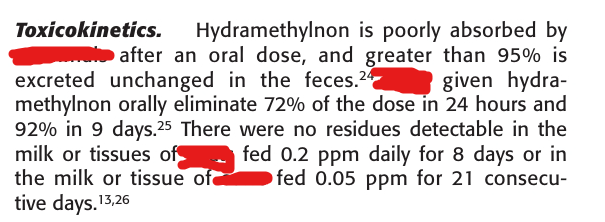
Hydramethylnon
works by un coupling oxidative phosphorylation. It inhibits the electron transport system in the mitochondria. Inhibition of the electron transport system blocks the production of aden osine triphosphate (ATP) and causes a decrease in oxygen consumption by the mitochondria. Disruption of energy metabolism and the subsequent loss of ATP results in a slowly developing toxicosis, with the insect developing lethargy, paralysis, and death.
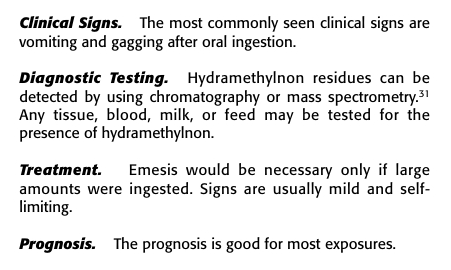
Sulfluramid
fluorinated sulfonamide. This unique polyfluorinated insecticide may also be called perfluorooctanesulfonamide, N-ethylperfluorooctane sulfon amide, or N-ethyl-1,1,2,2,3,3,4,4,5,5,6,6,7,7,8,8,8-heptade cafluro-1-octanesulfonamide.
Common trade names include Advance, Firstline, FlourGuard, and RaidMax.1
Common trade names include
perfluorooctane sulfonamide, also called desethylsulfluramid.
Sulfluramid is de-ethylated by cytochrome P-450 to form
(deselthylsulfluramid)
The de-ethylated metabolite of sulfluramid is a potent uncoupler of mitochondrial respiration. The disruption of energy metab olism and the subsequent loss of ATP result in a slowly developing toxicosis, and the effects of sulfluramid include inactivity, paralysis, and death. Insects may take 24 to 48 hours to die.
dog & cats
slightly toxic to fish and aquatic arthropods and moderately to highly toxic to birds
Sulfluramid appears to be safe in _____
slightly toxic to ____ and _____ and
moderately to highly toxic to ____
sulfluramid
Preliminary studies in dogs suggested that ingestion of high doses for prolonged periods of time may arrest spermatogenesis
ORGANOCHLORINE INSECTICIDES
The chlorinated hydrocarbons of significance to animals include the diphenyl aliphatic compounds, the aryl hydrocarbons, and the cyclodiene insecticides.1
The diphenyl aliphatics include dichlorodiphenyltrichloroethane (DDT), methoxychlor, perthane, and dicofol. Aryl hydro carbons include lindane, mirex, kepone, and paradichloro benzene.2 The important cyclodiene insecticides are aldrin, dieldrin, endrin, chlordane, heptachlor, and toxaphene (Fig. 21-1). Most of these compounds are banned in the United States, but limited use of lindane and methoxychlor continues. DDT was banned in the United States in 1972
The diphenyl aliphatics include __________
. Aryl hydro carbons include________
.The important cyclodiene insecticides are______
Most of these compounds are banned in the United States, but limited use of ___ and ___ continues.
_____ was banned in the United States in 1972
DDT
organochlorine insec ticides affect the peripheral nerves and brain by slowing Na+ influx and inhibiting K+ outflow.
cyclodiene
organochlorine insecticides act by competitive inhibition of the binding of GABA at its receptor, causing stimulation of the neuron.
Cats
are the most sensitive species to organochlorines.
Organochlorine insecticides
have been associated with eggshell thinning in raptors and can have estrogenic effects in birds that interfere with reproduction.
Detoxification
n is the most essential component of therapy for organochlorine toxicosis.
Pyrethrum
occurs naturally in the flowers of Chrysan themum cinerariaefolium and Chrysanthemum cineum. mixture of six active insecticidal compounds termed pyrethrins.
Pyrethrins
s are esters consisting of an acid and alcohol moiety.readily degraded by UV light, acids, or alkalis.
pyrethroids.
Sequential replacement of the acid, the alcohol, or both has resulted in synthetic analogues of the original pyrethrin esters that are collectively known as _____. o have more potent insecticidal properties, tend to be more toxic, and are more stable in the environment than naturally occurring pyrethrins
piperonyl butoxide, N-octylbicycloheptene dicarboxi mide (MGK 264), sesamolin, sesamex, sesamin, sulfoxide, propynyl ethers, and tropital.
d. Synergists are often added to pyrethrin and pyrethroid insecticide products to inhibit mixed function oxidase and esterase enzymes of insects, hindering detoxification of the insecticide and prolonging its action.Commonly used synergists include
Pyrethroids
exhibit first order elimination kinetics, with the majority eliminated from the body in the first 12 to 48 hours.
Pyrethroids
s appear to bind to the membrane lipid phase of nerve cells near the sodium channel.