GCSAA Turf Bowl Insects
 Studied by 0 people
 Call Kai
 Learn
Learn Practice Test
 Spaced Repetition
 Match
Match Flashcards
 Knowt Play
1/49

There's no tags or description
Looks like no tags are added yet.
Name | Mastery | Learn | Test | Matching | Spaced |
|---|
No study sessions yet.
50 Terms
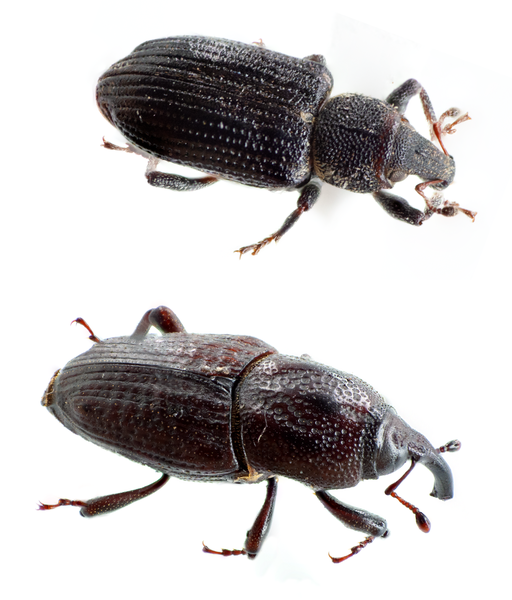
Size: adult ~3–4 mm. Small snout beetle; larvae tunnel inside Poa annua stems, causing yellow to brown patches.
Annual Bluegrass Weevil
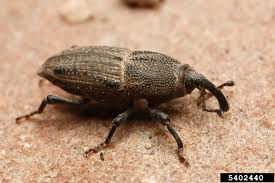
Size: adult 6–8 mm. Adults notch grass stems; larvae hollow out crowns, causing “tug test” failure.
Bluegrass Billbug
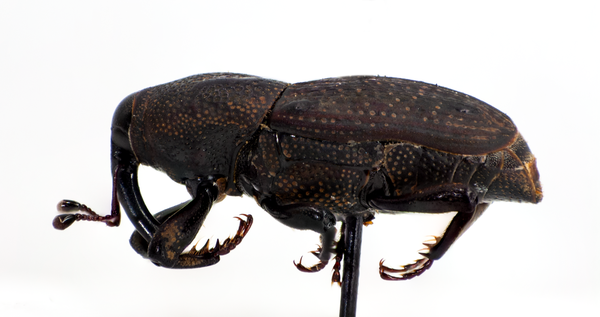
Size: adult 7–9 mm. Warm-season turf pest; larvae feed in stems/crowns.
Hunting Billbug
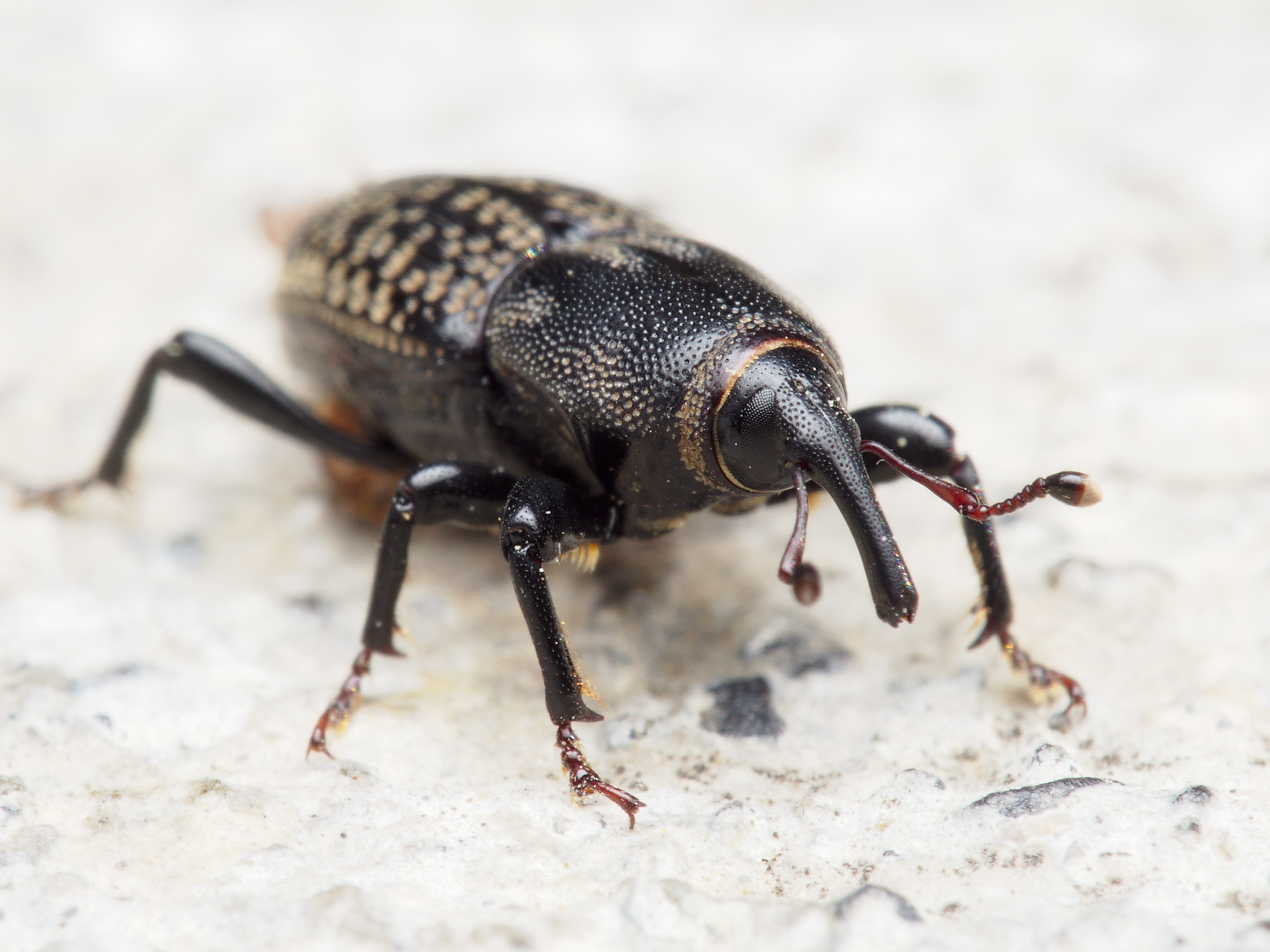
Size: adult 6–8 mm. Western species; larvae feed on crowns of cool-season turf.
Denver/Rocky Mountain Billbug
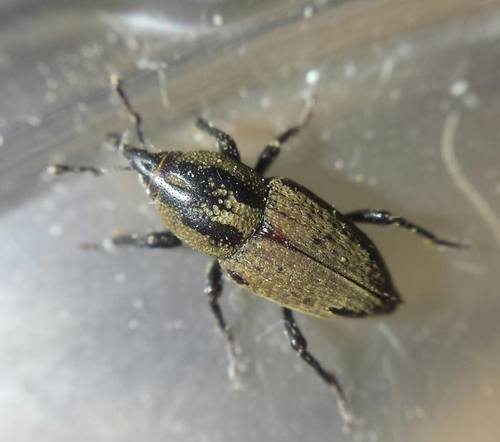
Size: adult ~7–9 mm Southwest pest; crown-feeding larvae similar to others.
Phoenix Billbug
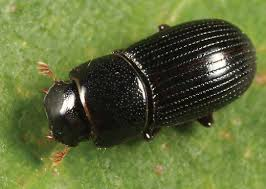
Size: adult 3–4 mm Small black scarab; larvae (grubs) damage Poa/bentgrass roots in summer.
Black Turfgrass Ataenius (BTA)
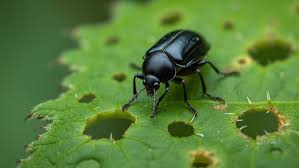
Size: 2–4 mm Tiny jumping beetles; shot-hole feeding on leaves.
Flea Beetle
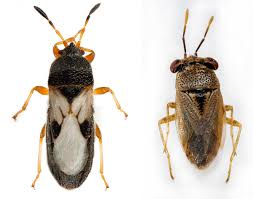
Size: 3–4 mm. Sucks sap in cool-season turf; causes drought-like patches.
Hairy Chinchbug
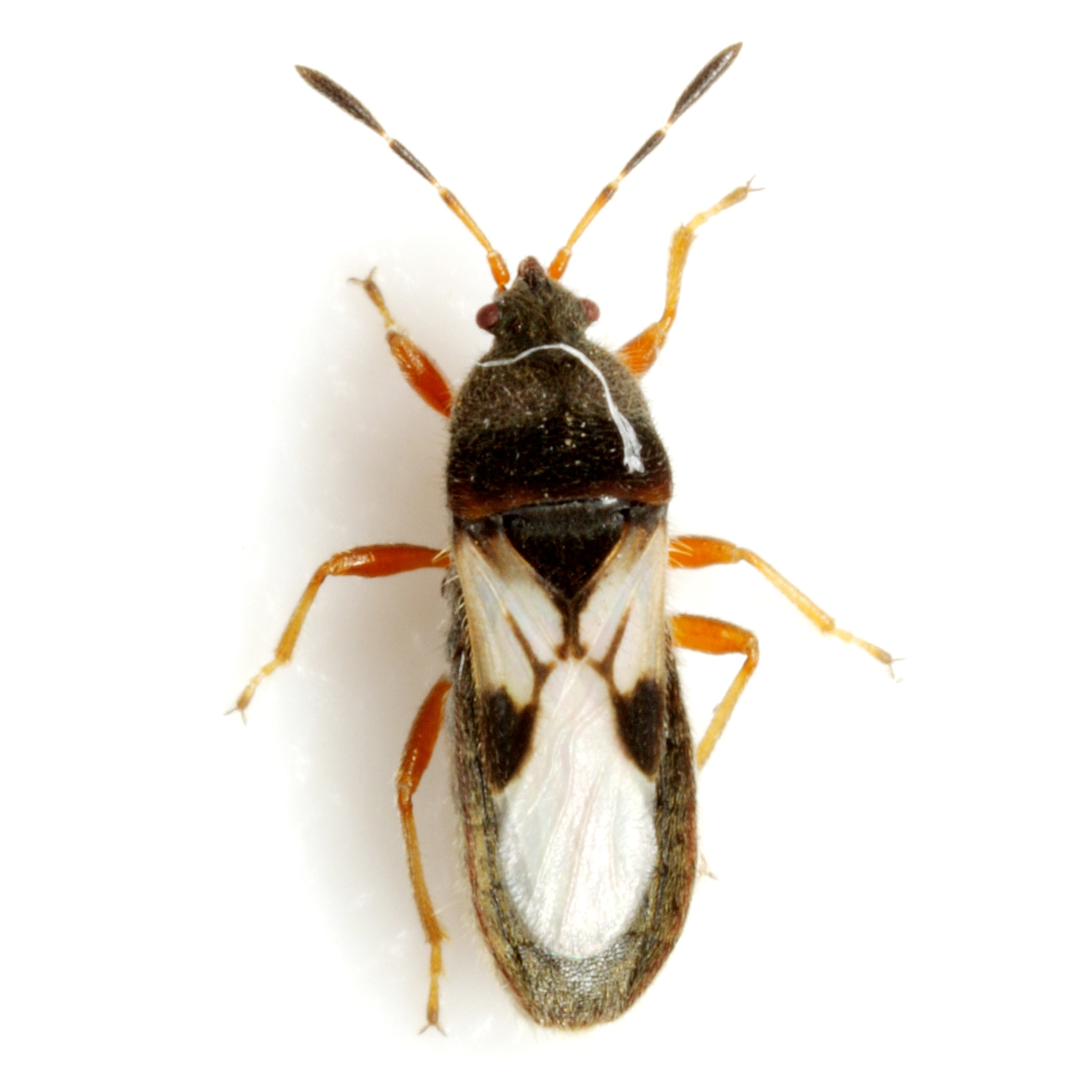
Size: 3–4 mmMajor St. Augustinegrass pest; intense yellowing/decline
Southern Chinchbug
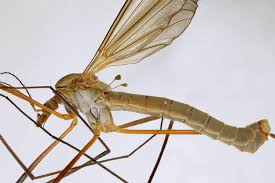
Size: adult 20–25 mm; larva ~25 mm Larvae feed on crowns/roots.
European Cranefly (Tipula paludosa)
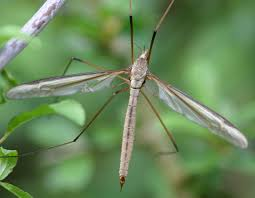
Size: adult 25–30 mm; larva ~30 mm. Often two generations; heavy root feeding.
Common Cranefly (Tipula oleraceae)
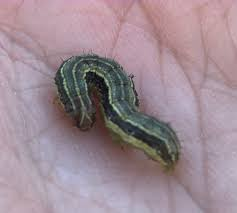
Size: 25–35 mm. Rapid foliar feeding; can “march” across turf.
Armyworm
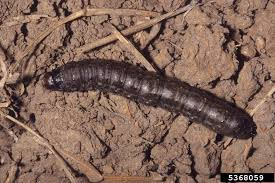
Size: 20–30 mm. Creates pockmarks on greens; cuts stems at night.
Black Cutworm
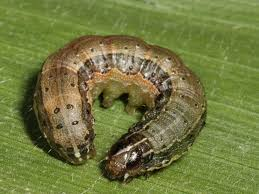
Size: 30–40 mm. Warm-season defoliator; fast outbreaks.
Fall Armyworm
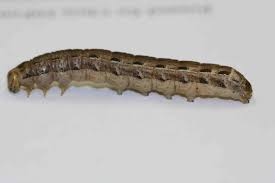
Size: 25–35 mm. Active in cool weather; night crown feeding.
Winter Cutworm
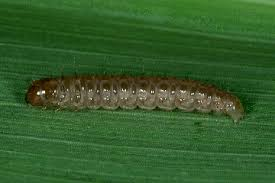
Size: 15–25 mm. Larvae skeletonize leaves; live in silk-lined thatch tunnels.
Sod Webworm
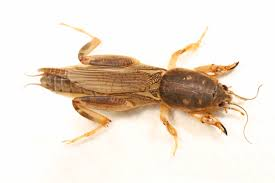
Size: 30–35 mm. Tunnels + root feeding; major warm-season pest.
Southern Mole Cricket
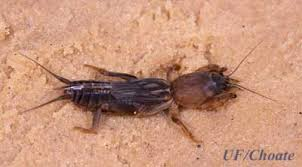
Size: 25–30 mm. Mostly tunnels; light feeding.
Northern Mole Cricket
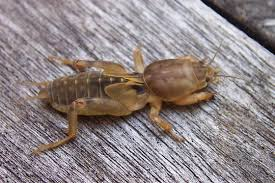
Size: 30–35 mm. Severe feeding + tunneling; highly destructive.
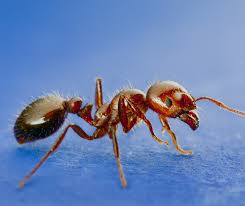
Size: 3–6 mm. Painful stings; mound-building.
Red Imported Fire Ant
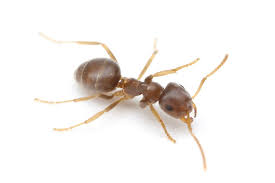
Size: 2–4 mm. Minor feeding; surface disruption.
Turfgrass Ant
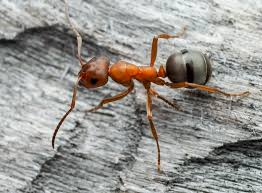
Size: 4–7 mm. Mound builders; little turf injury.
Formica Ant
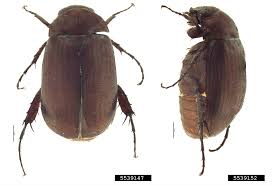
Adult 8–10 mm; grub ~15–25 mm. Night feeder; grub root damage.
Asiatic Garden Beetle
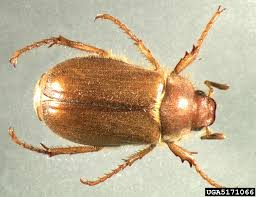
Adult 12–14 mm; grub 20–25 mm. Major cool-season turf grub.
European Chafer
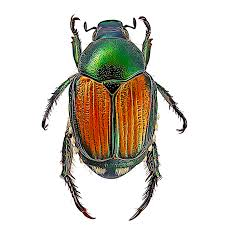
Adult ~10 mm; grub ~25 mm. Larvae feed on roots; adults on ornamentals
Japanese Beetle
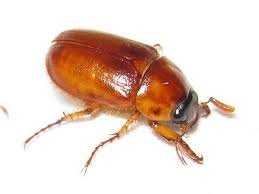
Northern Masked Chafer
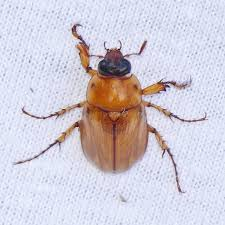
Southern Masked Chafer
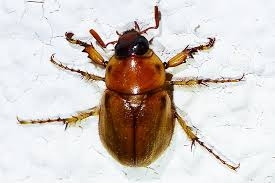
Western Masked Chafer
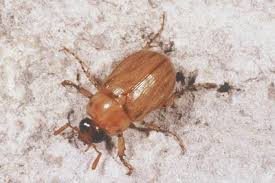
Southwestern Masked Chafer
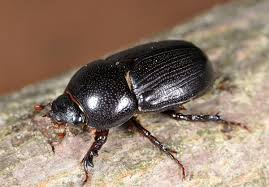
Adult 12–15 mm. Adults chew stems at soil line.
Sugarcane Beetle
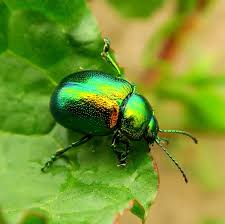
Adult 20–25 mm; grub up to 50 mm. Large grubs tunnel near surface.
Green June Beetle

Adult 20–25 mm; grub up to 30–40 mm. 3-year cycle; heavy root feeders.
May/June Beetle
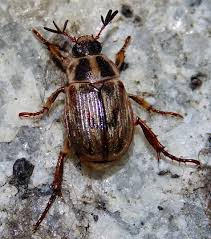
Adult ~10 mm; grub 15–25 mm. Root-feeding grub; ornamental pest adults.
Oriental Beetle
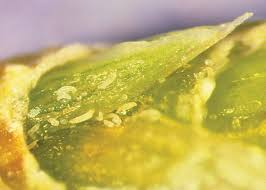
Size: <0.2 mm. Causes tufted, stunted Bermuda turf.
Stunt Mite (Bermuda Mite)
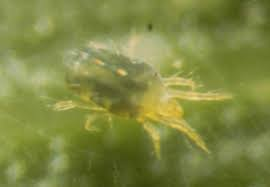
Size: ~0.5 mm. Hot-dry leaf feeding causing bronzing.
Banks Grass Mite
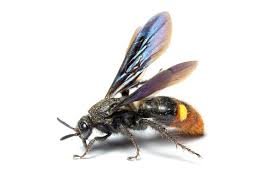
Size: 15–25 mm. Parasitoid of white grubs (beneficial).
Scoliid Wasp
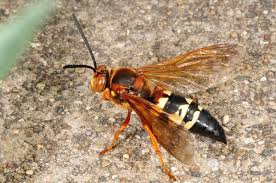
Size: 30–40 mm. Large wasp; digs holes but turf-safe.
Cicada Killer
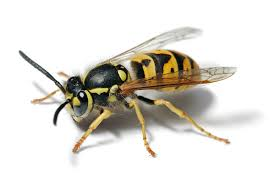
Size: 10–12 mm. Ground-nesting, aggressive.
Yellow Jacket
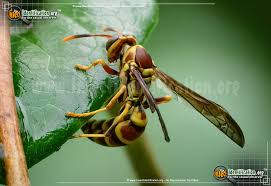
Size: 15–20 mm. Above-ground nests; nuisance more than turf pest.
Paper Wasp
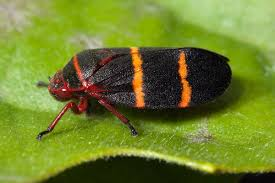
Size: adult ~8–10 mm. Red-striped; nymphs create “spittle” and suck sap.
Two-Lined Spittlebug
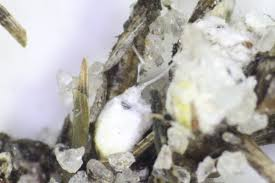
Size: 2–3 mm. White cottony masses in thatch; sap-sucking pest.
Rhodesgrass Mealybug
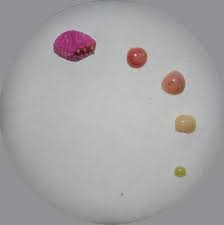
Size: 1–3 mm. Encased in pearl-like shells; kill warm-season turf
Ground Pearl (Pearl Scales)
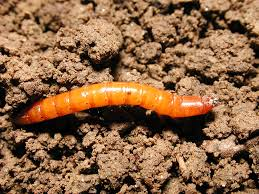
Size: larvae 10–20 mm. Click beetle larvae; root and seed feeders.
Wireworm
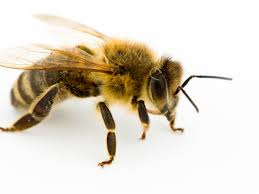
Size: ~12–15 mm. Pollinator; not a turf pest.
Honey Bee
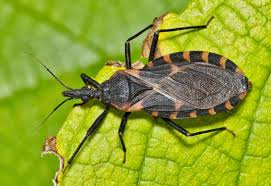
Size: 10–20 mm. Predator of many soft-bodied pests.
Assassin Bug
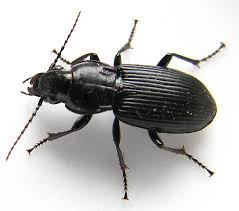
Size: 10–20 mm. Active soil predators; eat larvae and eggs.
Ground Beetle
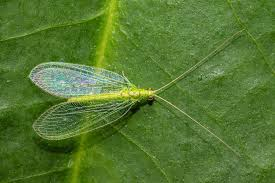
Adult 12–20 mm; larva 8–10 mm. Larvae (“aphid lions”) eat mites and caterpillars.
Lacewing
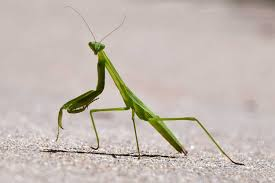
Size: 50–100+ mm. Generalist predator.
Praying Mantis
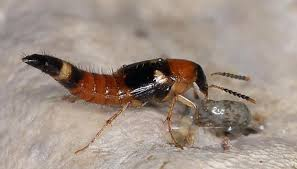
Size: 2–20 mm. Fast predators in soil; feed on grubs + maggots.
Rove Beetles
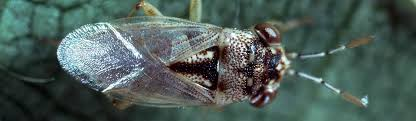
Size: 3–5 mm. Predator of chinchbugs, mites, caterpillars.
Big-Eyed Bug