Lesson 2 New Englishes
 Call Kai
 Learn
Learn Practice Test
 Spaced Repetition
 Match
Match Flashcards
 Knowt Play
1/45

There's no tags or description
Looks like no tags are added yet.
Name | Mastery | Learn | Test | Matching | Spaced | Call with Kai | Chat |
|---|
No analytics yet
Send a link to your students to track their progress
46 Terms
What is convergence?
The process where different English varieties become more similar.
What is divergence?
The process where English varieties become more different and develop local identity.
Who are the “haves” in New Englishes?
People who have access to English for education, jobs, prestige, and international communication.
What is symbolic capital?
Social and economic advantages gained through language, especially through English.
Which variety of English increasingly takes the lead globally?
American English (US English).
eg.
Lexical : British “wireless” becoming American “radio.”
Grammar: “Must” being replaced by “have to.”
What is Mid-Atlantic English?
A prestige mixture of British and American English, especially in pronunciation.
Commonly used by Upper classes, actors, and film stars for social prestige
irrelevant today
Who are the “have nots” in New Englishes?
Speakers in Outer Circle countries who use English but have less power to define correctness.
eg India and Nigeria
Why are local Englishes in countries like India and Nigeria often unfairly criticized?
Because they are called “broken English,” even though they are systematic varieties.
Why does divergence happen in postcolonial Englishes?
Because speakers want local identity, empowerment, and ownership of English.
Why is English useful in postcolonial societies despite colonial history?
Because it provides economic opportunities and works as a lingua franca.
What is the tension between universality and particularity?
Between one global standard of English and many local English norms.
What is universality in English?
The idea of one common standard of English controlled by powerful groups.
What is particularity in English?
The idea that local English varieties should have their own norms and equal status.
What is intellectual colonialism?
English dominating knowledge systems like academia and the internet.
Why is the internet linked to intellectual colonialism?
Because it developed mainly in English-speaking areas and often privileges English.
What is language death?
When a language stops being useful socially or economically and disappears.
What happens to a language during language death?
It becomes endangered and is no longer passed to children.
major cause : Formal education
What is symbolic violence in language policy?
Forcing people to abandon their own language and identity.
eg. Native American children forced into boarding schools where they had to stop speaking their own language.
What are the three major attitudes toward English dominance?
Opposition
compromise
surrender.
Which country is the main example of opposition?
Tanzania.
2 official languages : Swahili & English
After 1967: Only Swahili became the official language & English became the language of the elite
Which country is the main example of compromise?
India
A three-language model: Hindi, English, and a regional third language.
Which country is the main example of surrender?
Japan.
English strongly influences society despite no colonial history.
= The exapanding circle
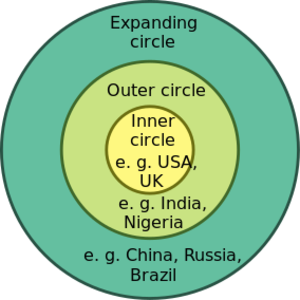
What are the three circles in Kachru’s model?
Inner Circle : Countries where English is the native language. eg UK, USA
Outer Circle : Former colonies where English is an important second language. eg. India, Nigeria
Expanding Circle : Countries where English is a foreign language. eg. Japan and Belgium
What is English Plus?
The idea that other languages should also be used for official purposes.
What is a heritage language?
A language connected to family and cultural identity.
What is assimilation?
Fully abandoning your own language and culture.
= the melting pot
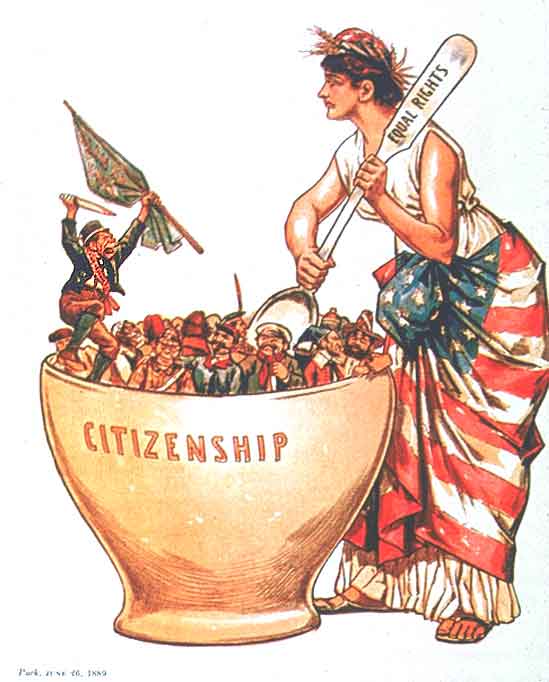
What is integration?
Joining society while keeping your own identity.
= the salad bowl

How many traditional dialects were there in England?
13 traditional dialects.
What is the main traditional dialect division in England?
North vs South, divided by the River Humber.
What is Estuary English?
A modern prestige variety around London and South East England.
What is dialect death?
The disappearance of traditional dialects due to standardisation and mobility.
What is dialect birth?
The creation of new urban dialects.
eg. Cockney in working-class London.
What is dialectology?
The study of dialects.
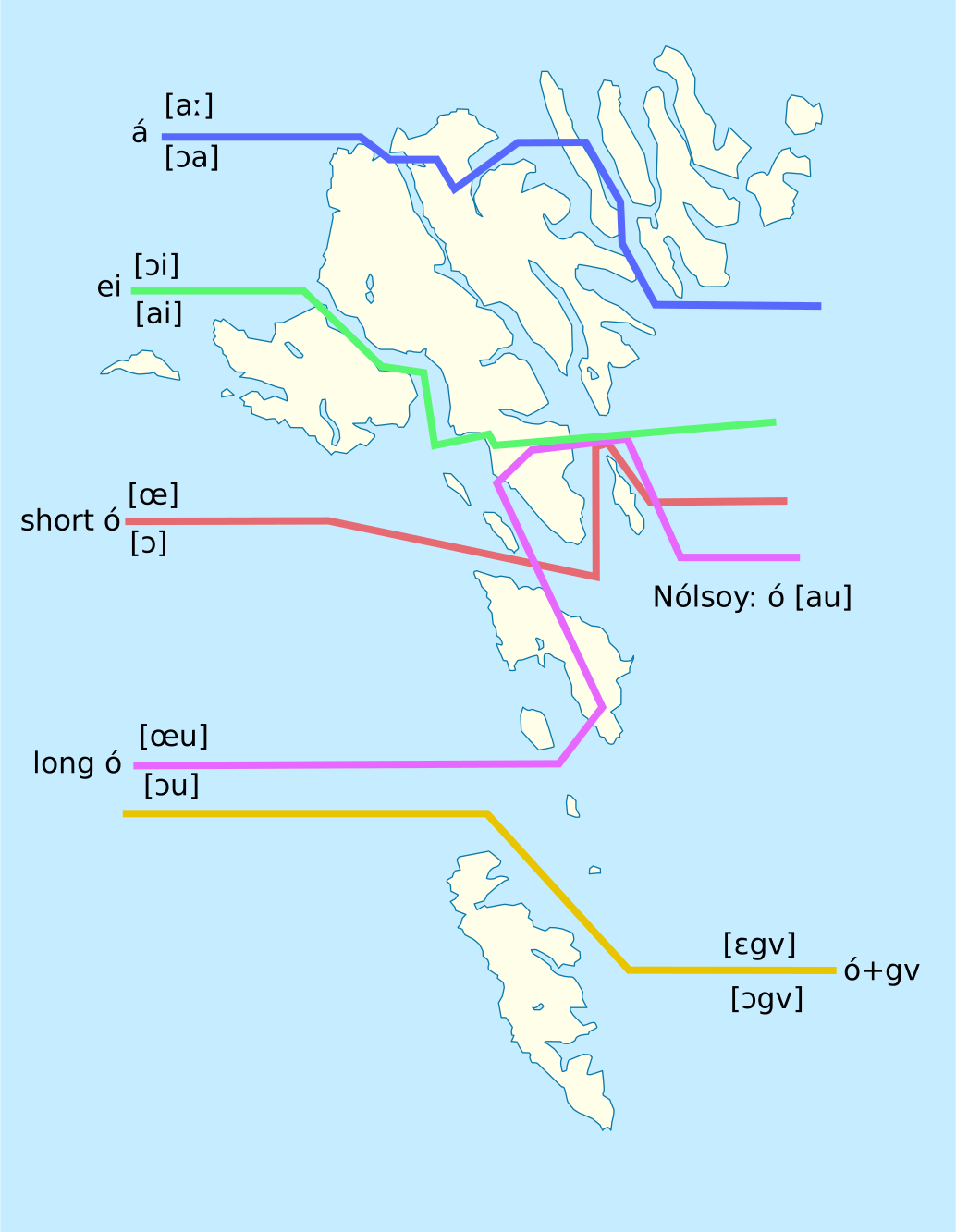
What are isoglosses?
Lines on maps showing where linguistic features change.
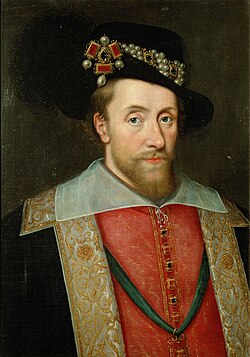
What happened in Scotland in 1603?
James VI and I united the crowns of England and Scotland.
What happened in 1707?
Great Britain was created.
What were the original languages of the British Isles?
Celtic languages.
What is anglicization?
English gradually replacing original local languages.
Name the three important languages in Scotland.
Gaelic : A Celtic language spoken in Scotland.
Scots : A separate Germanic language variety that developed in Early Middle English.
Scottish English : An English variety strongly influenced by Scots.
What is Lallans?
The 20th-century literary revival of Scots, especially in the Lowlands.
What are settler Englishes?
Englishes that developed in settler colonies where English speakers moved permanently.
eg. USA, Canada, Australia, New Zealand, South Africa.
What is an ethnolect?
A language variety associated with a specific ethnic group.
eg. African American English.
What is a regiolect?
A regional variety between dialect and standard language.
What are New Englishes (Outer Circle Englishes)?
English varieties developed mainly through education in former colonies.
List the four main characteristics of New Englishes.
Educational development
coexistence with stronger local languages
specific functionality
nativization.
What is nativization?
When English adopts local pronunciation, grammar, vocabulary, and cultural meanings and becomes a local English variety.