Chapter Two: Chemistry of Life
 Call Kai
 Learn
Learn Practice Test
 Spaced Repetition
 Match
Match Flashcards
 Knowt Play
1/38

Earn XP
Description and Tags
Name | Mastery | Learn | Test | Matching | Spaced | Call with Kai | Chat |
|---|
No analytics yet
Send a link to your students to track their progress
39 Terms
Matter
Composed of everything and has volume and mass
Atom
Smallest unit of an element that contains an atomic nucleus of protons and neutrons with electrons that orbit it
Molecule
Two or more atoms chemically bonded together
Element
A substance defined by the number of protons
Compound
Two or more elements chemically bonded to make a new substance
What is the unit of mass of a proton?
One
What is the charge of a proton?
+1
What is a proton part of?
The atomic nucleus
What is the unit of mass of a neutron?
One
What is the charge of a neutron?
None
What is a neutron a part of?
The atomic nucleus
What is the unit of mass of an electron?
None
What is the charge of an electron?
-1
What do electrons do?
Orbit the atomic nucleus
How do subatomic particles attract and repel each other?
Positive charges attract negative charges (e.g., protons attract electrons), and similar charges repel each other (e.g., electrons and electrons)
Valence shell
The outermost shell of an atom containing electrons

Fill in the blank diagram
a. Electrons
b. Atomic nucleus
c. Neutrons
d. Protons
Octet rule
The inner shell contains two electrons, and the valence shell contains eight
What is an example of a noble gas?
Helium (He)
Reactive atom
An atom that is not inert (does not have a filled valence shell) which makes it unstable
What determines the size of an atom?
Number of protons
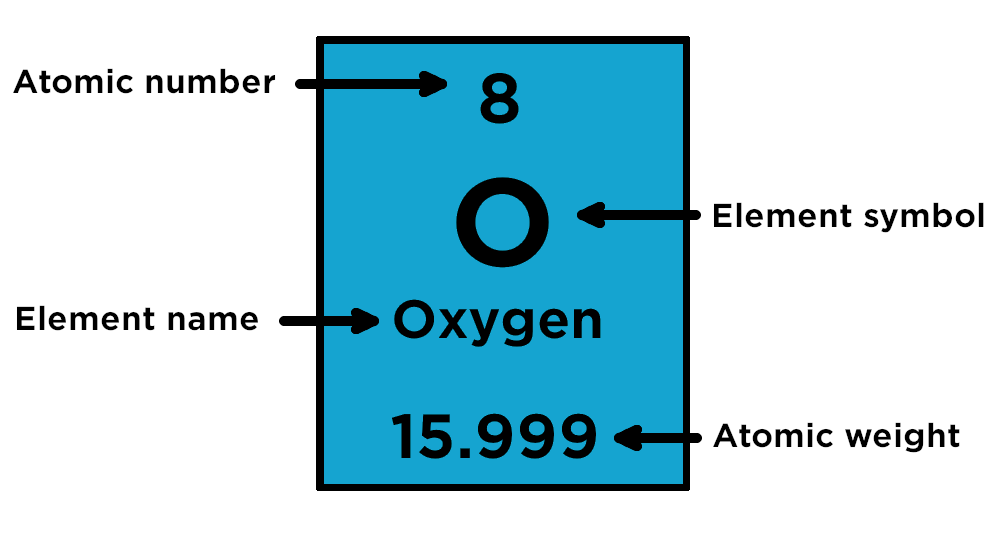
Atomic number
The amount of protons in the atomic nucleus
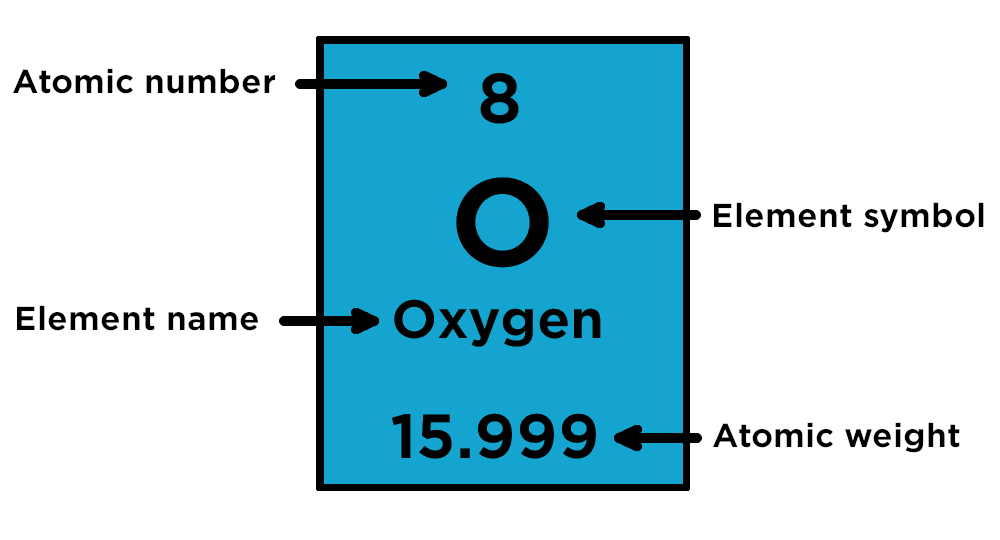
Atomic mass
The amount of protons and neutrons in the atomic nucleus
Isotope
One of two or more atoms with the same protons (atomic number) but with different numbers of neutrons (atomic mass)
Neutral atom
An atom with the same number of electrons as protons (the charges equal each other)
What is an example of a neutral atom?
Carbon (C) has six protons and six electrons
Ion
An atom or group of atoms that carries a positive or negative electric charge as a result of having lost or gained one or more electrons
What does it mean to have a positive ion (cation)?
An electron(s) is lost (more protons than electrons)
What does it mean to have a negative ion (anion)?
An electron(s) is gained (more electrons than protons)
What is needed for chemicals to bond?
Energy
What is created when chemical bonds are broken?
Energy
Ionic bond
A chemical bond where one or more electrons are transferred creating oppositely charged ions that attract each other
What is an example of an ionic bond?
Sodium chloride (NaCI) or table salt

Covalent bond
A type of chemical bond where two atoms are connected to each other by the sharing of two or more electrons
Polar covalent bond
A chemical bond with unequal sharing of electrons and unequal charges
What is an example of a polar covalent bond?
Water (H2O)

Non-polar covalent bond
A chemical bond with equal sharing of electrons and equal charges
What is an example of non-polar covalent bond?
Hydrogen gas (H2)

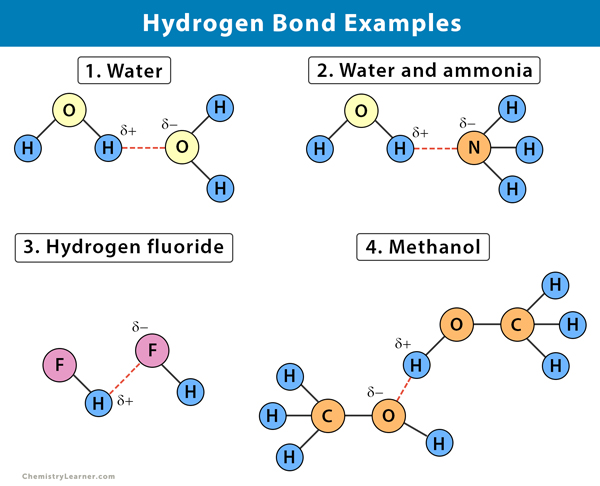
Hydrogen bond
A chemical bond in which a hydrogen atom of one molecule is attracted to an electronegative atom, especially a nitrogen, oxygen, or fluorine atom, usually of another molecule