Macro: Exam 2
0.0(0)
Studied by 1 person Call Kai
 Learn
Learn Practice Test
 Spaced Repetition
 Match
Match Flashcards
 Knowt Play
Card Sorting
1/54

Earn XP
Description and Tags
Last updated 5:46 PM on 10/10/22
Name | Mastery | Learn | Test | Matching | Spaced | Call with Kai | Chat |
|---|
No analytics yet
Send a link to your students to track their progress
55 Terms
1
New cards
Demand schedule
Shows the quantities of a good consumers are willing and able to purchase at various prices out of a set of all possible prices, over a specified period of time
2
New cards
Quantity goes up
What happens to quantity demanded as price goes down?
3
New cards
Price goes up
What happens to price as quantity demanded decreases?
4
New cards
Law of demand
There will be always be an inverse (indirect) or negative relationship between price and quantity
5
New cards
Quantity demanded
Reflects a move along (slide) a demand curve as the price changes -ceteris paribus
6
New cards
Change in demand
(Shift) movement of the entire curve
7
New cards
Non-price determinants
What causes a change or shift in the demand curve?
8
New cards
Non-price determinants definition
When you make choices about what to buy, you consider other factors in addition to the price
9
New cards
Price is important, but it gets a permanent spot on the vertical axis, so these are shifters
Why will change in price not shift the demand curve?
10
New cards
1. Consumer tastes (preferences)
2. Income
3. Prices of related goods
4. Number of buyers
2. Income
3. Prices of related goods
4. Number of buyers
Non-price determinants (Demand shifters)
11
New cards
Consumer tastes (preferences)
Media/Climate/Home/Age/Gender
12
New cards
Income
Superior/Normal Goods
13
New cards
Prices of related goods
Complementary goods
14
New cards
Buyers
Number of ___ in the market
15
New cards
Expectations
Future based (Make decisions from)
16
New cards
Superior (Normal Goods)
Goods you will buy more of as your income rises (vice versa)
17
New cards
Inferior (Good)
Good you will by less of as income rises (vice versa)
18
New cards
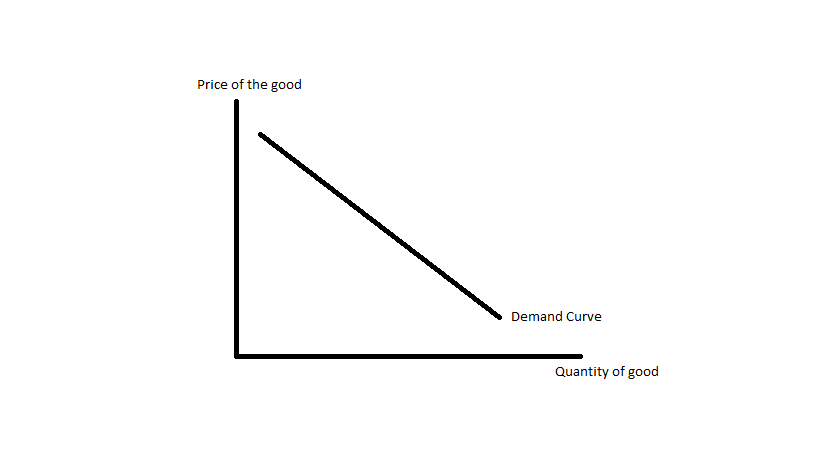
Superior=rightward shift
What will happen to the demand for sailboats (the curve) as income rises (ceteris paribus)?
19
New cards
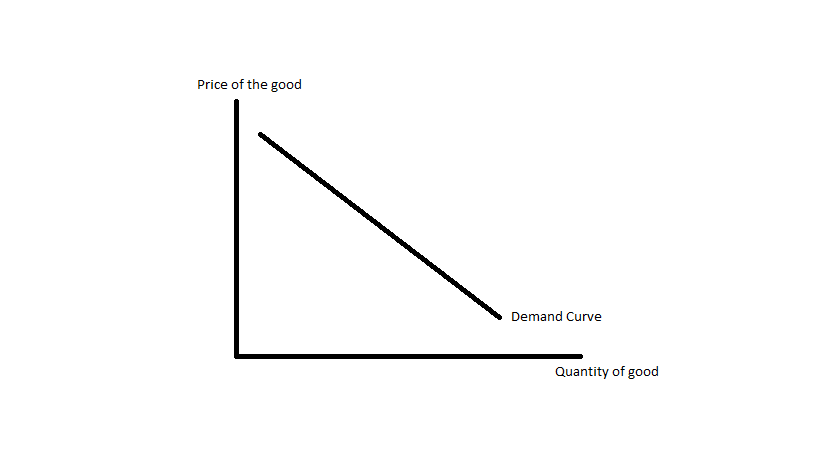
Inferior=leftward shift
What will happen to the demand for roman noodles (the curve) as income rises (ceteris paribus)?
20
New cards
Complementary goods
If you buy them or use them together; an increase in the price of one good causes a decrease in the demand for the other good
21
New cards
Peanut butter and jelly
Example of complementary good
22
New cards
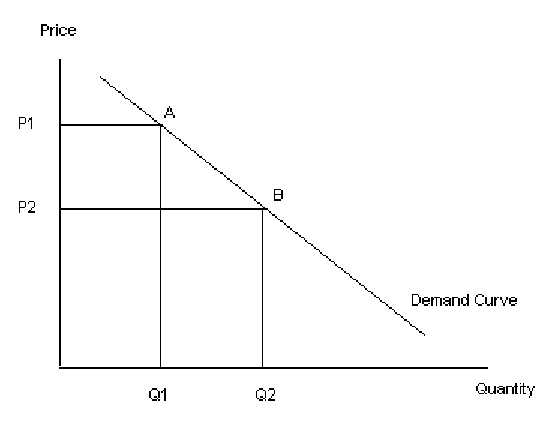
Quantity Demanded
Change in ___
23
New cards
Demand
Change in ___

24
New cards
Substitute Goods
Am increase in the price of one good causes an increase in the demand for the other good
25
New cards
Coffee vs Tea
Example of substitute
26
New cards
more; increase
If there are ___ buyers in the market will ___ the demand (shift to the right)
27
New cards
leave; decrease
If there are ___ buyers in the market will ___ the demand (shift to the left)
28
New cards
Supply Schedule
Quantities of a good that producers are willing and able to produce at various prices out of a set of all possible prices over a specified period of time
29
New cards
It goes down
What happens to quantity supplied as price goes down?
30
New cards
It goes up
What happens to quantity supplied as price goes up?
31
New cards
Law of supply
There will always be a direct or positive relationship between price and quantity supplied
32
New cards
Quantity supplied
Movement along a supply curve as prices change (ceteris paribus)
33
New cards
Shift in supply
Movement of the entire curve
34
New cards
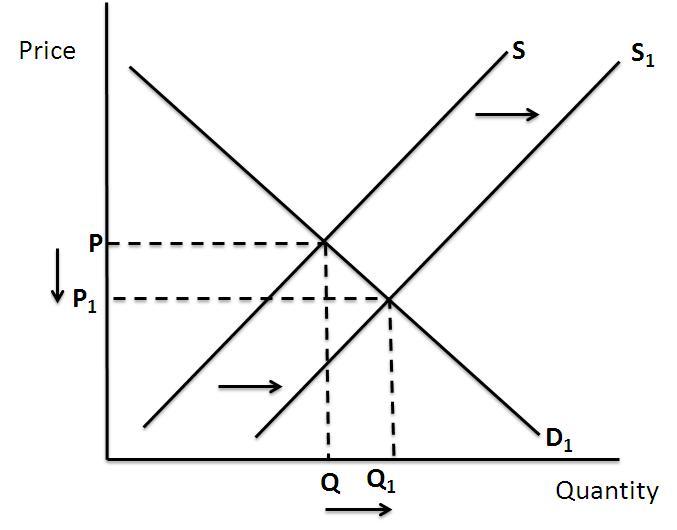
Rightward; increase
More is supplied at all possible prices
35
New cards
Leftward; decrease
Less is supplied at all possible prices
36
New cards
Price
___ does not shift curve
37
New cards
1. Costs of Inputs
2. Technology
3. Number of producers in the market
4. Prices of related goods
5. Government Polices
6. Expectations
2. Technology
3. Number of producers in the market
4. Prices of related goods
5. Government Polices
6. Expectations
Non-Price Determinants (Supply)
38
New cards
Interaction
How is a price determined?
39
New cards
A price once achieved it will tend to be sustained
How is an equilibrium price determined?
40
New cards
Equilibrium
Both the quantity and supply curve intersect/touch (QD=QS)
41
New cards
Shortages/Surpluses
In equilibrium there are no
42
New cards
Surplus
Quantity supplied exceeds quantity demanded, movement to equilibrium
43
New cards
Shortage
Quantity demanded exceeds quantity supplied, movement to equilibrium
44
New cards
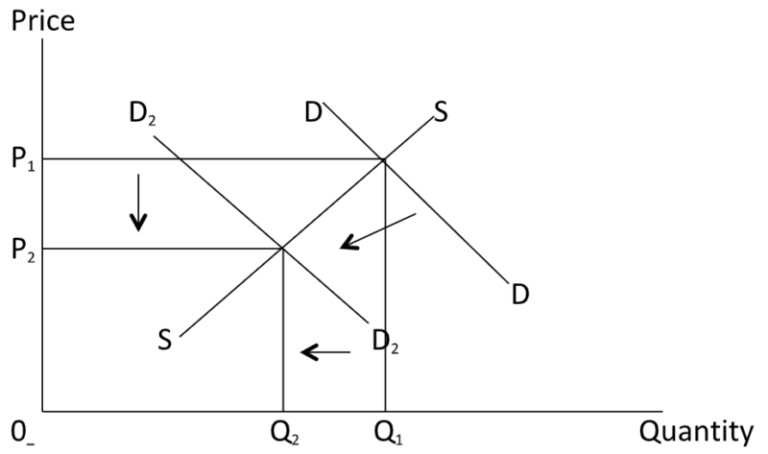
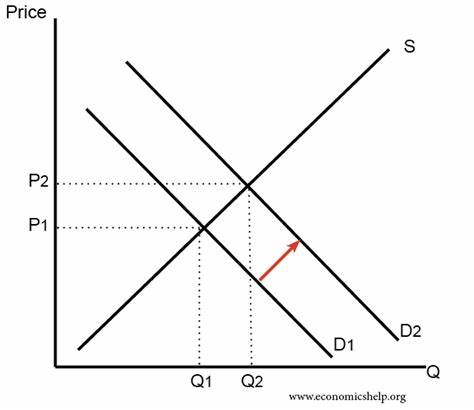
Increase Demand
-Rightward shift
-Shift caused by non-price determinants (ex: beef, superior)
-Shift caused by non-price determinants (ex: beef, superior)
45
New cards
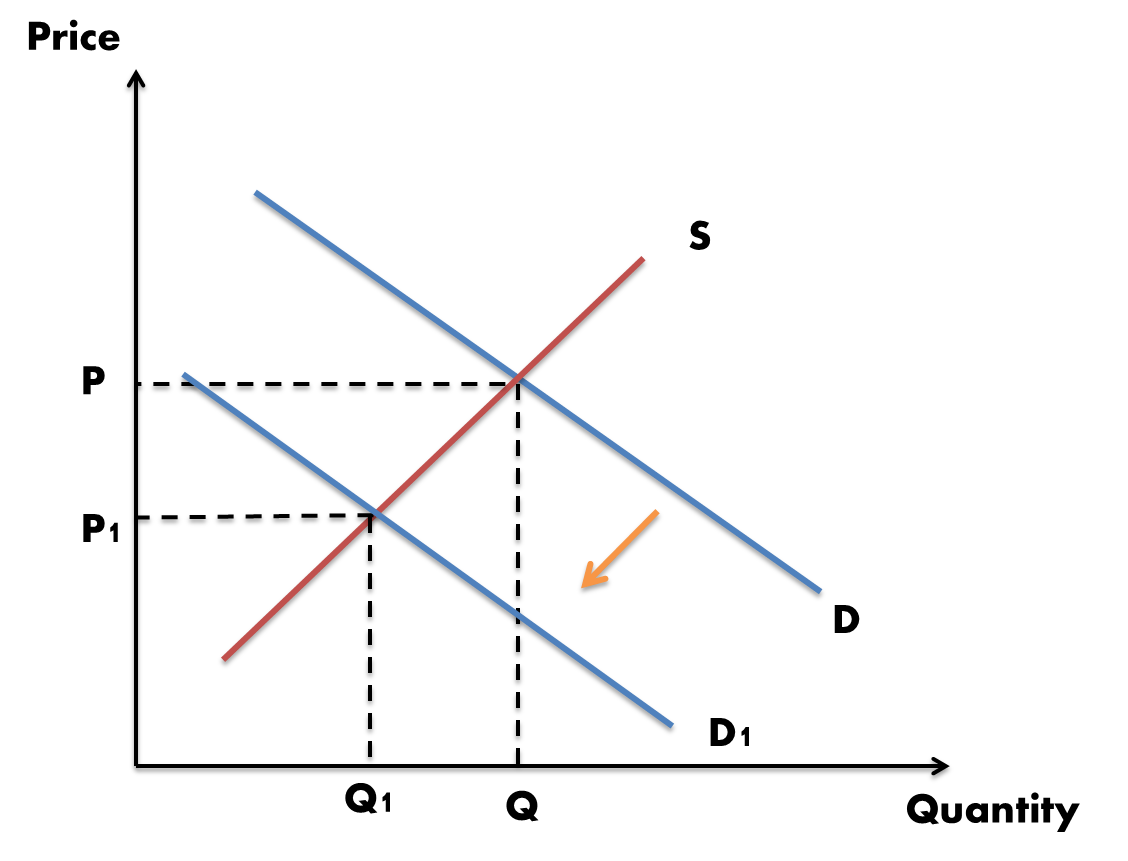
Decrease Demand
-Leftward shift
-Shift caused by non-price determinants (ex: beef, superior)
-Shift caused by non-price determinants (ex: beef, superior)
46
New cards
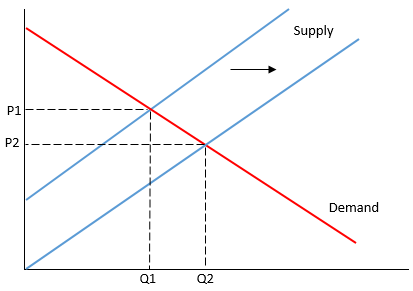
Increase Supply
-Rightward shift
-Price falls
Ex: Tech/Producers increase
-Price falls
Ex: Tech/Producers increase
47
New cards
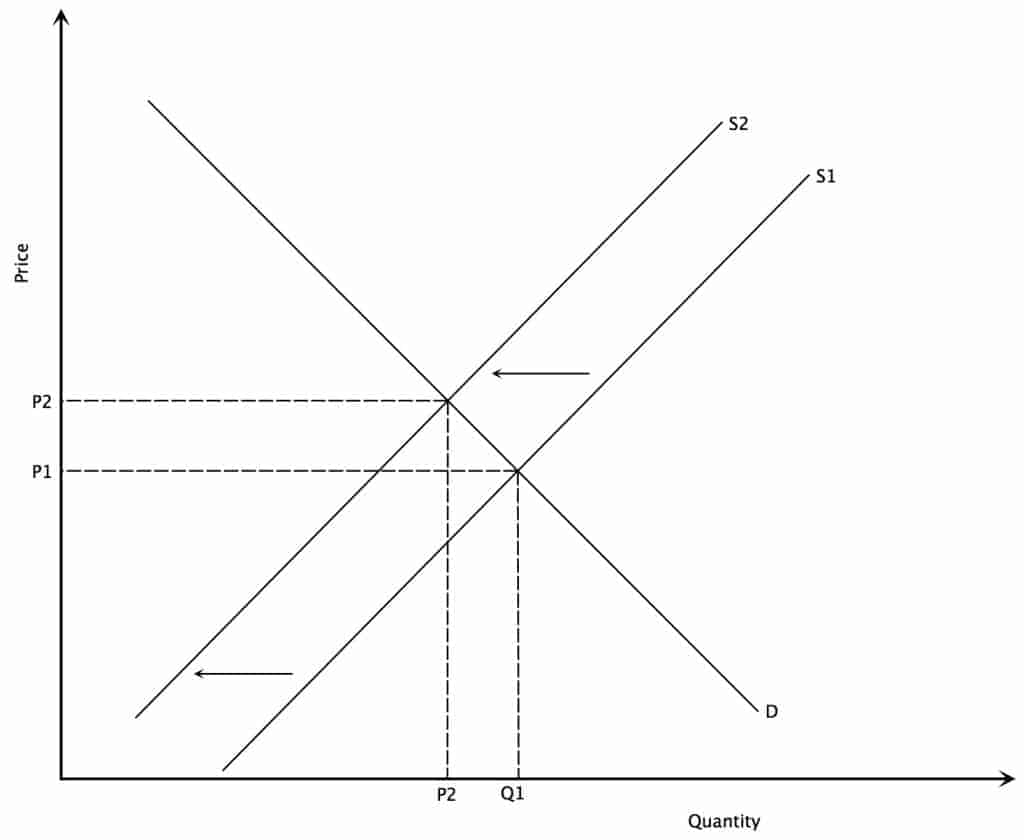
Decrease Supply
-Leftward shift
-Price rise
Ex: Tax increase
-Price rise
Ex: Tax increase
48
New cards
Price Ceiling
Legal price set below equilibrium
49
New cards
Political reasons/legal bite
Why are there price ceilings and floors?
50
New cards
1. Shortages
2. Black markets
3. Distortion of market (signals/misallocation of resources)
2. Black markets
3. Distortion of market (signals/misallocation of resources)
Impacts of price ceilings
51
New cards
Price Floors (Support)
Legal price set above equilibrium
52
New cards
Minimum Wage
Example of price floors
53
New cards
Rent Control
Example of price ceiling
54
New cards
1. Surplus
2. Surplus Disposal (Control required)
3. Distortion of Market (signals/misallocation of resources)
2. Surplus Disposal (Control required)
3. Distortion of Market (signals/misallocation of resources)
Impacts of price floors
55
New cards
Disposal
Government buys up the surplus