Consents, OR Environment, Transporting/Positioning, Counts
 Call Kai
 Learn
Learn Practice Test
 Spaced Repetition
 Match
Match Flashcards
 Knowt Play
1/54

There's no tags or description
Looks like no tags are added yet.
Name | Mastery | Learn | Test | Matching | Spaced | Call with Kai | Chat |
|---|
No analytics yet
Send a link to your students to track their progress
55 Terms
Which position would be the most desirable for a pilonidal cystectomy or a hemorrhoidectomy?
Kraske
The patient is premedicated and brought to the operating room (OR) for a cystoscopy and an open reduction of the wrist. Upon arrival in the OR, it is observed that the patient has only signed for the cystoscopy. The correct procedure would be to:
cancel surgery until a valid permission can be obtained
The ultimate responsibility for obtaining consent lies with the:
surgeon
The surgical consent is signed:
before administration of preoperative medications
The patient must receive information regarding consent, the patient must understand the procedure. If the patient does not fully understand what the physician informed them about due to language barrier, and something gorse wrong during the procedure, this could constitute:
assault and battery
In the event that a child needs emergency surgery, and the parents cannot be located to sign the permission:
a written consultation by two physicians other than the surgeon will suffice
What is the protocol for an illiterate person who cannot write to sign the consent form
they can sign with an X
The room temperature in an standard operating room (OR) should be:
between 68°F and 76°F
The Humidity in an operating room (OR) should be:
20%-60%
The number of air exchanges in an operating room (OR) should be:
20-25 air exchanges per hour
Symptoms of hypothermia include all EXCEPT:
tachycardia
When using a patient roller, how many people are necessary to move the patient safely and efficiently?
Four
When moving the patient from the operating room (OR) table, who is responsible for guarding the head and neck from injury?
Anesthesiologist
When transferring an unconscious or immobile patient from the stretcher to the OR table, ideally how many people are required?
Four to six
To move the patient from the transport stretcher to the OR table:
one person stands next to the stretcher, one adjacent to the OR table, while the patient moves over
When moving a patient with a fracture in the OR, all of the following are true EXCEPT:
support of the extremity should always be from below the site of fracture
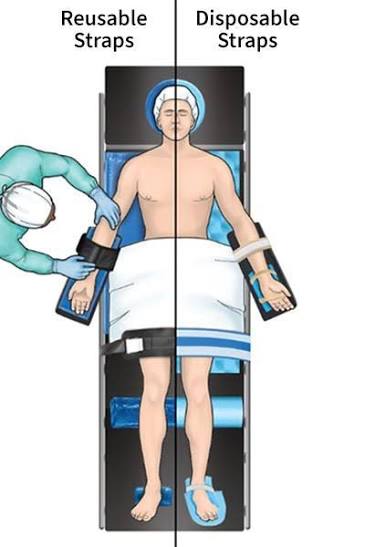
To avoid compromising the venous circulation, the restraint or safety strap should be placed:
2 in above the knee
Which statement is false regarding the position on the OR table?
Safety strap is 4 in below the knee
Positioning aids used for lithotomy position include:
All of the above
Crossing the patient’s arms across his or her chest may cause
interference with respiration
During lateral positioning:
pillow is placed between the legs
To prevent strain to the lumbosacral muscles and ligaments when the patient is in the lithotomy position:
the buttocks must not extend beyond the table edge
All of the following are requirements of the Kraske position EXCEPT:
arms are tucked in at sides
When using an armboard, the most important measure to take is to:
avoid hyperextension of the arm
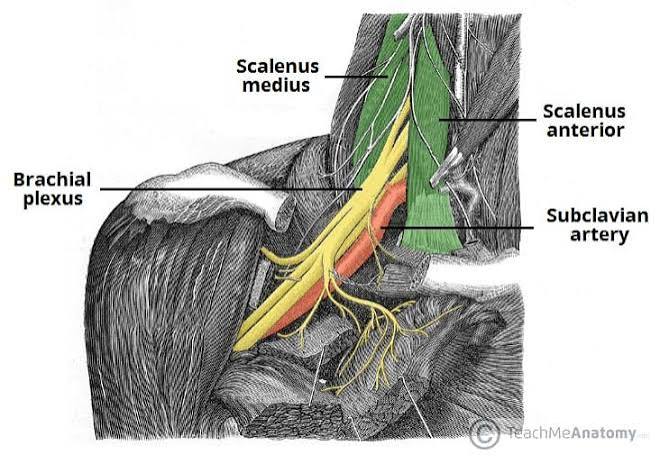
Extreme positions of the head and arm can cause injury to the:
brachial plexus
In the prone position, the thorax must be elevated from the OR table to prevent:
compromised respiration
A position often used in cranial procedures is called:
Fowler’s
In positioning for laminectomy, rolls or bolsters are placed:
longitudinally to support the chest from axilla to hip
A Mayfield headrest would be used for which type of surgery?
Neurological
Good exposure for thyroid surgery is ensured by all of the following EXCEPT:
firm retraction of the laryngeal nerve and surrounding structures
A procedure requiring the patient to be positioned supine in modified lithotomy
abdominoperineal resection (APR)
In which procedure may the patient be placed in a supine position with the right side slightly elevated by a wedge to tilt the patient to the left?
Cesarean section
The closing counts are done in what order?
(1) Mayo stand
(2) Back table
(3) Sterile field
(4) Items discarded from the sterile field
3, 1, 2, 4
Which factor is important to consider when positioning the aging patient?
All of the above
What is the position called when the OR bed is tilted with feet down?
Reverse Trendelenberg
Antiembolism or SCDs are placed on the patient’s legs prior to surgery to prevent:
thromboembolus
Another name for the supine position is:
dorsal recumbent
When the patient is positioned in supine position, the armboard must not ______ be more than ________ degrees.
abducted, 90
Ulnar neuropathy results from:
All of the above
When removing a patient from lithotomy position:
lower the legs together
The surgical consent form can be witnessed by each of the following EXCEPT:
the patient’s spouse
Which statement is incorrect when the patient is in Fowler’s position?
A padded shoulder board is used to prevent the patient from sliding off the table
The desirable position for better visualization in the lower abdomen or pelvis is:
Trendelenburg
When are counts done in the OR?
Before beginning of case, at beginning of wound closure, and at skin closure
The initial count requires:
that the count be done aloud by circulator and scrub
If a sponge pack contains an incorrect number of sponges, once the patient is in the room, the circulating nurse should:
isolate the pack, put in bag, do not remove from the room
In an instrument count:
all instruments and parts must be counted
Which of the following statements concerning sponges are true EXCEPT:
a count is unnecessary in a vaginal procedure
The following statements regarding counts are true EXCEPT:
the relief scrub or circulator does not need to repeat count if only one of them is relieved
During the closure count a discrepancy:
is reported to surgeon
What action should be taken when there is an incorrect sponge count and the patient is on the operating room table?
Place sponges in a bag and isolate them in the operating room until the case is completed
If the count is incorrect the proper order or procedural steps are: 1. Radiograph is taken 2. Search is initiated 3. Notify surgeon and count repeated:
3, 2, 1
When performing a C-section, the first closing count is initiated:
before closing the uterus
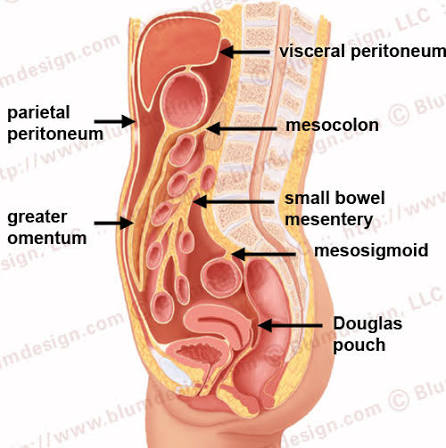
The first closing count is performed on which abdominal layer?
Peritoneum
Room temperature for infants and children should be maintained as warm as:
85°F