Psychology Study Guide
 Call Kai
 Learn
Learn Practice Test
 Spaced Repetition
 Match
Match Flashcards
 Knowt Play
1/12

There's no tags or description
Looks like no tags are added yet.
Name | Mastery | Learn | Test | Matching | Spaced | Call with Kai | Chat |
|---|
No analytics yet
Send a link to your students to track their progress
13 Terms
Definition of Psychology
The scientific study of the mind and behavior.
Key Aspects (There are 3)
Mind - Internal processes, thoughts, feelings, and memories.
Behavior - All observations actions
Scientific Discipline - Uses scientific methods to study and interpret human behavior.
18th Century
Dualism: The body and mind are different entities
Rene Descartes

19th century
Psychology becomes a scientific discipline
Wilhelm Wundt (Father of Psychology)
19th Century
William James
"Father of American Psychology”
Study of consciousness
Wrote a book (Principles of Psychology 1980)

20th Century
Sigmund Freud
Introduced psychoanalysis; (Unconscious motives & early childhood experiences)
20th Century
Behaviorism - Observable behavior & effects of learning.
Paulov and B.F. Skinner (Discovered)
Evolution of Psychology as a Science
Empiricism: Role of experience and evidence in forming ideas.
Psychology started to use observation and experimentation.
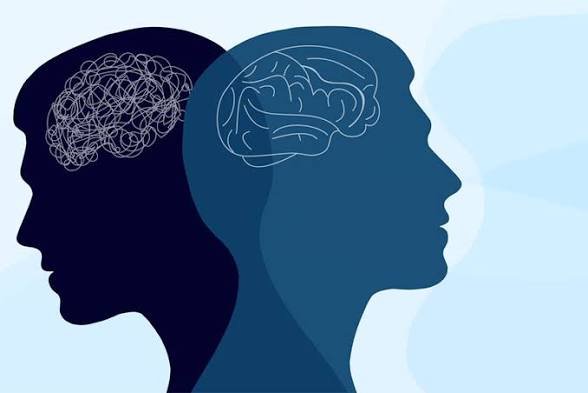
Psychology Today:
Interdisciplinary Nature: Combines insights from various fields.
Diverse Approaches: Uses different perspectives to understand behavior.
Applied Fields: Applied in health, education, industry, and criminal justice.
Why Study Psychology?
Understanding Yourself and Other(Understand thoughts, emotions, and behaviors.)
Improving Communication Skills: (Enhance relationships through understanding interaction.)
Solving Real-World Problems:(Addresses mental health, education, and workplace issues.)
Developing Critical Thinking: (Promotes critical thinking and evidence-based decisions.)
*Just memorize what is colored

Major branches of Psychology
Clinical Psychology: Treatment of mental disorders.
Educational Psychology: Learning and teaching.
Developmental PsychologyHow people change and grow.
Social Psychology: How people interact and influence each other.
Neuropsychology: Relationship between brain and behavior.
*Just memorize what is colored
Research Methods
Experimental Methods: Control and manipulation of variables.
Case Studies:Study of a specific patient.
Naturalistic Observation: Studying behavior in natural settings.

What was psychology originally/ originated from
Philosophy