Astronomy Glossary Practice Flashcards
 Call Kai
 Learn
Learn Practice Test
 Spaced Repetition
 Match
Match Flashcards
1/91

Earn XP
Description and Tags
A comprehensive vocabulary list of terms and definitions from an introductory astronomy lecture.
Name | Mastery | Learn | Test | Matching | Spaced | Call with Kai | Chat |
|---|
No analytics yet
Send a link to your students to track their progress
92 Terms
ACCRETION
The process where gravity pulls dust and gases together into bigger and bigger clumps, eventually building stars and planets.
ANTIMATTER
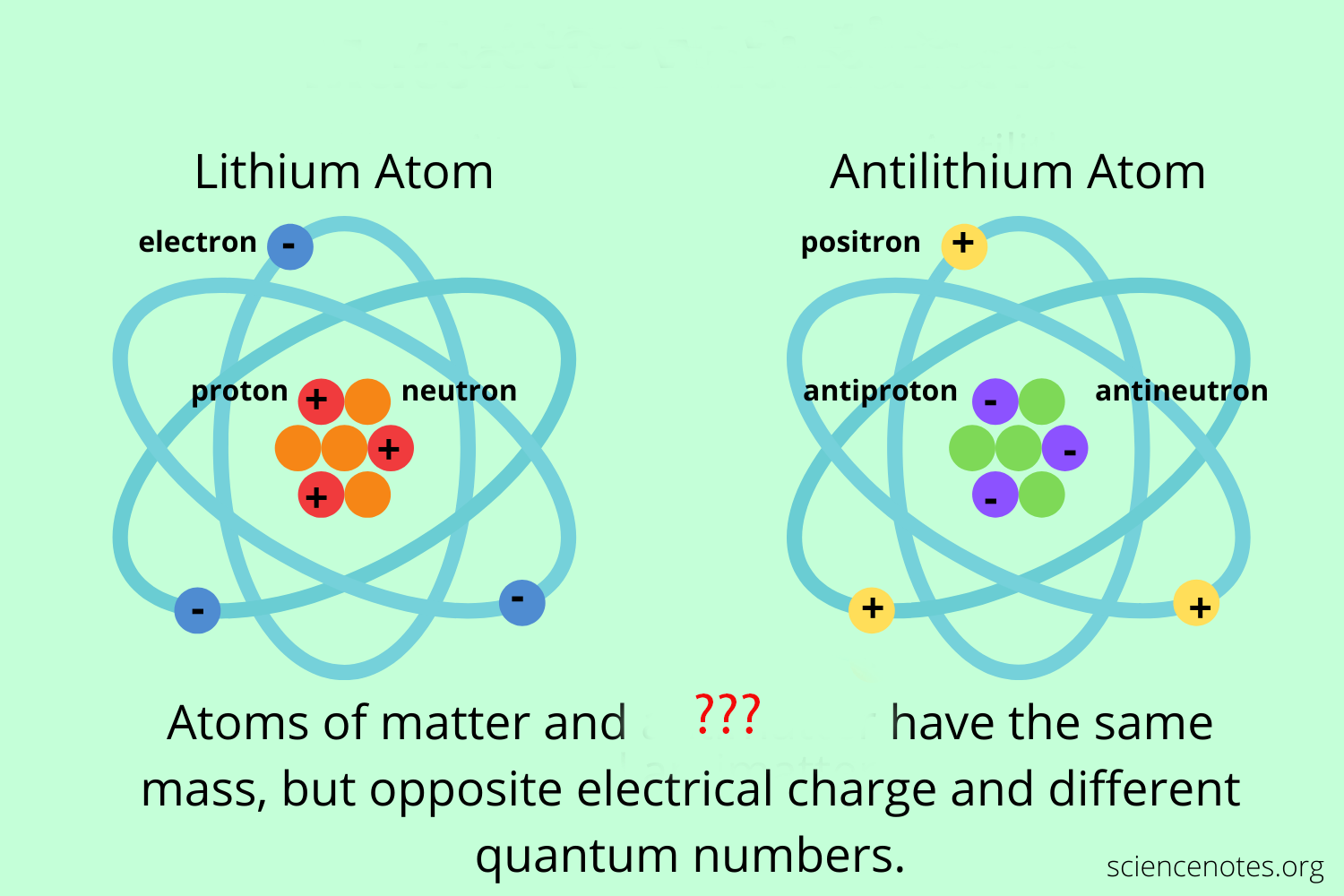
Particles that are a "mirror image" of regular matter with the exact same size and weight but with completely flipped electrical charges; they destroy each other and release pure energy upon contact with matter.
APHELION
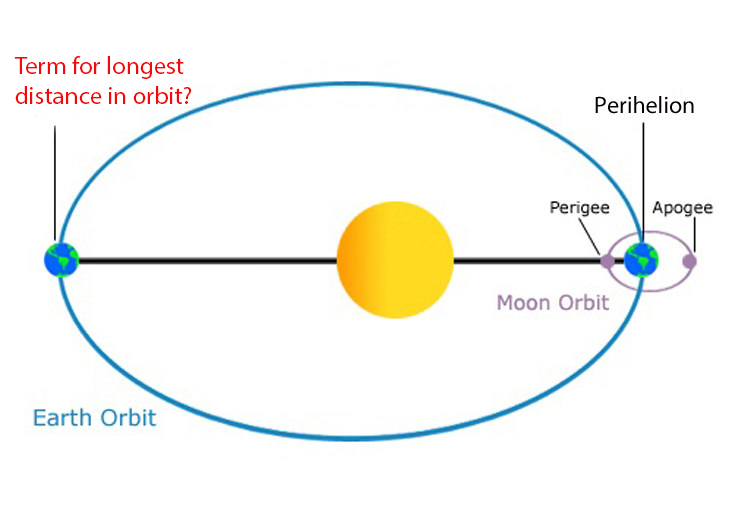
The furthest point in the orbit of an object around the sun.
ASTERIOD BELT
A disc of material made up of a huge number of asteroids that orbits the Sun between the orbits of Mars and Jupiter.
ASTERIOD
Small, rocky or metal objects in the solar system which are smaller than planets but bigger than pebbles.
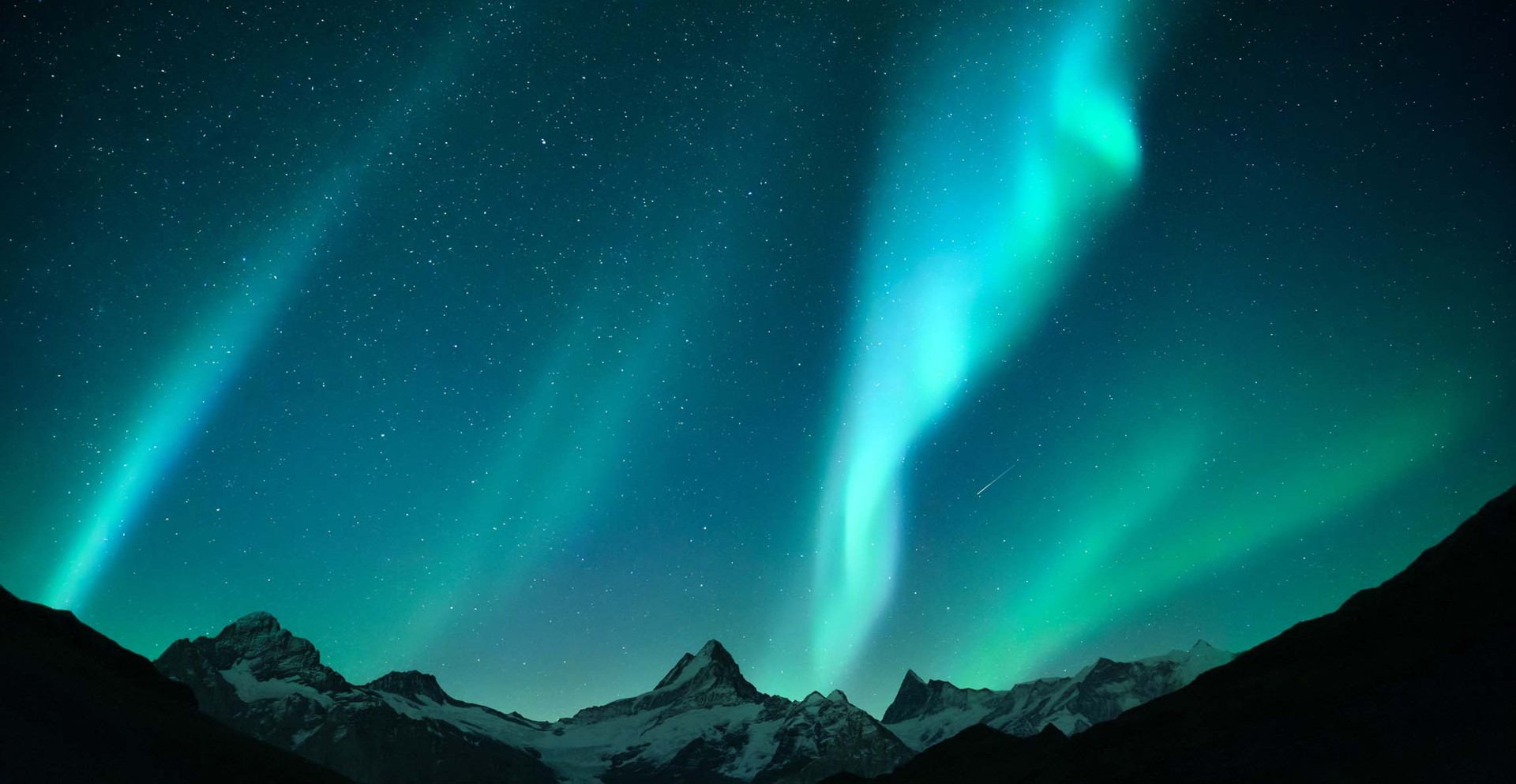
AURORA
A natural light show near the North or South Poles created when energy particles from the Sun crash into Earth’s invisible magnetic shield.
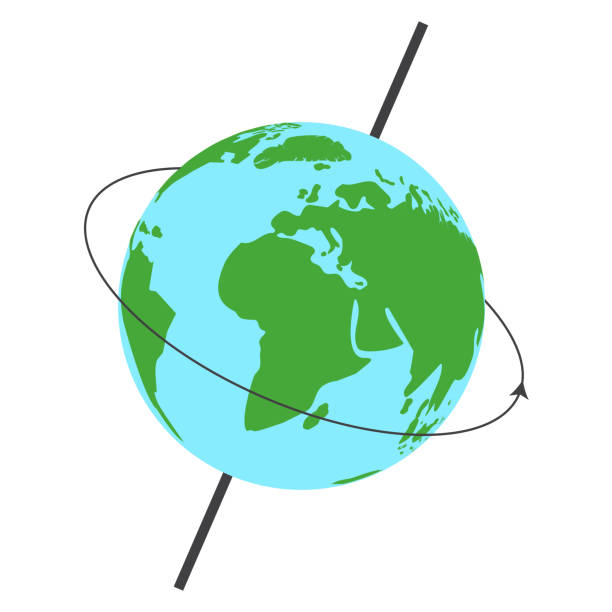
AXIS OF ROTATION
The imaginary line about which rotating objects, such as the Earth, spin.
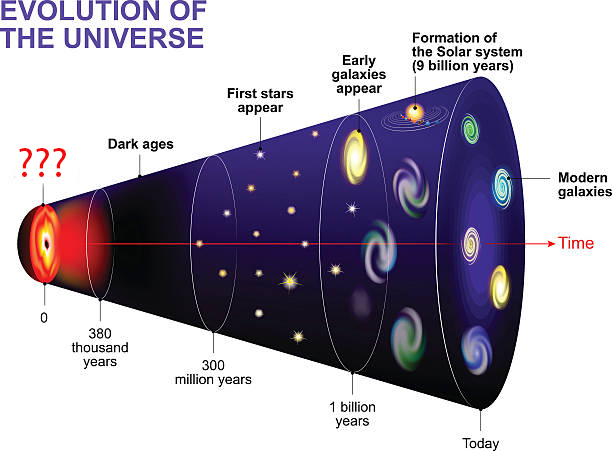
BIG BANG
The theory of the beginning of the universe, occurring 13.8 billion years ago, where everything expanded rapidly from a tiny point.
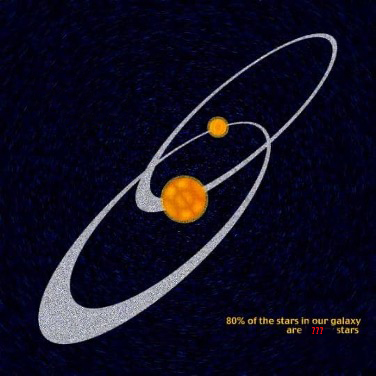
BINARY STAR
A system of two stars orbiting a common center of mass that appear as a single point of light to the naked eye.
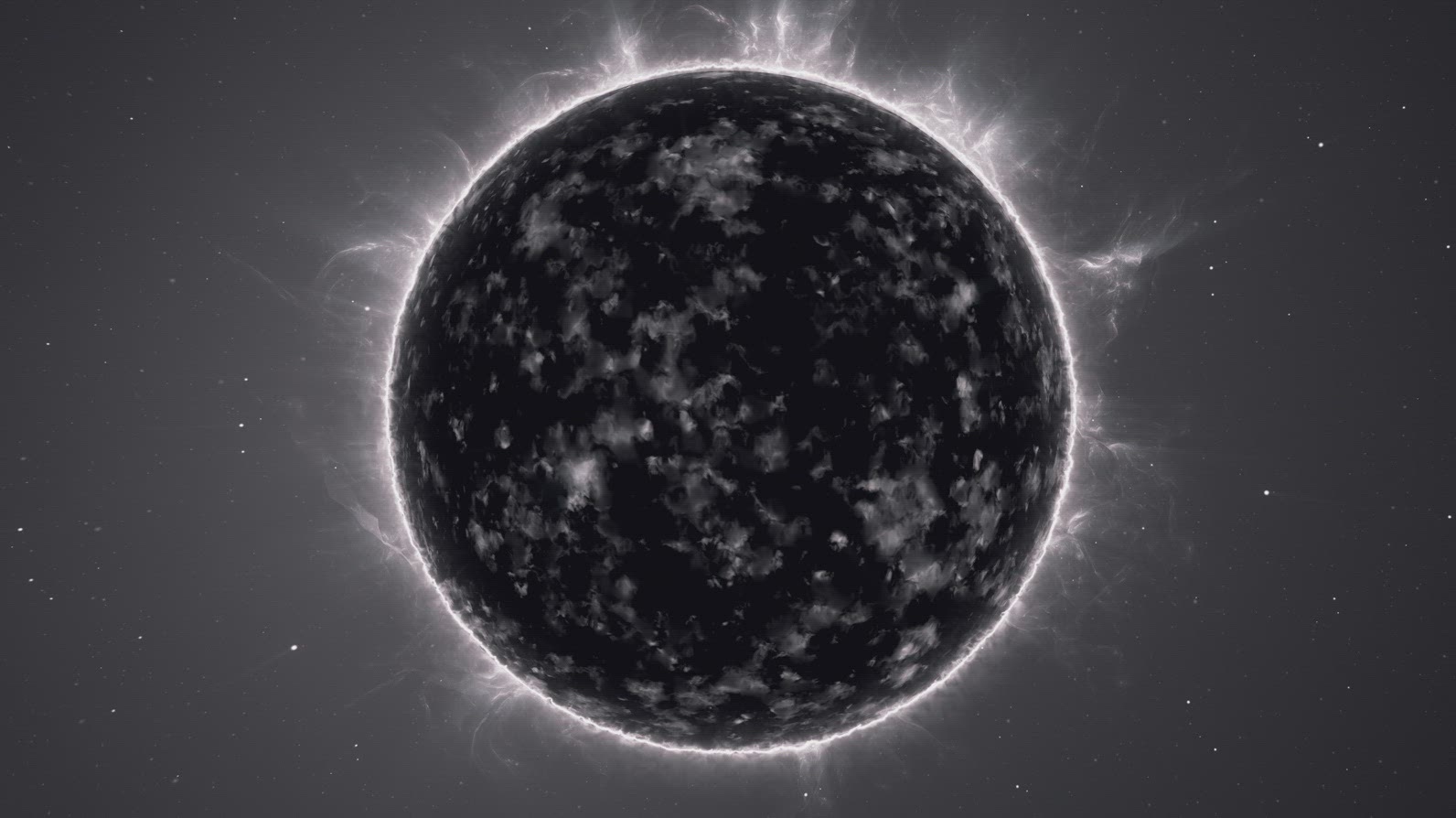
BLACK DWARF STAR
A star that does not emit light, formed after a white dwarf star releases the majority of its energy into space over billions of years.
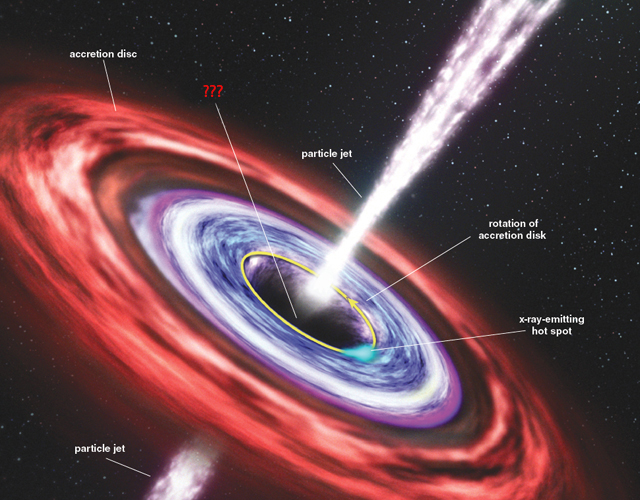
BLACK HOLE
A region of space with gravity so strong that nothing, not even light, can escape it; described as being like a giant, invisible vacuum cleaner.
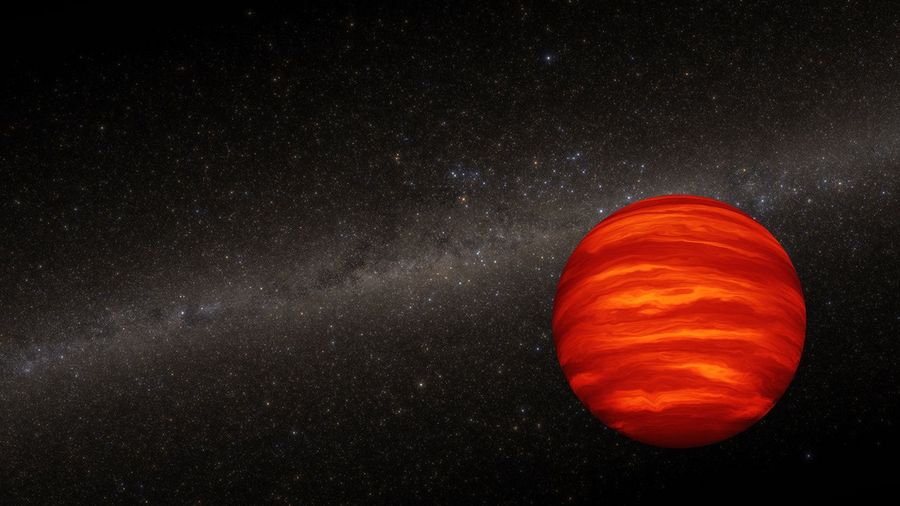
BROWN DWARF STAR
Also called a Fallen Star, this is a space object larger than a giant planet but smaller than a star that failed to gather enough material to start hydrogen fusion.
CEPHEID
A type of variable star that regularly changes its diameter and temperature, resulting in changes in brightness.
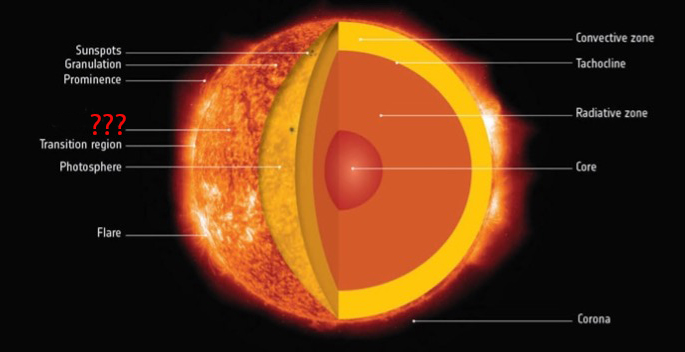
CHROMOSPHERE
The second layer in the Sun’s atmosphere located above the photosphere and below the transition region, used to transfer energy and heat outward.
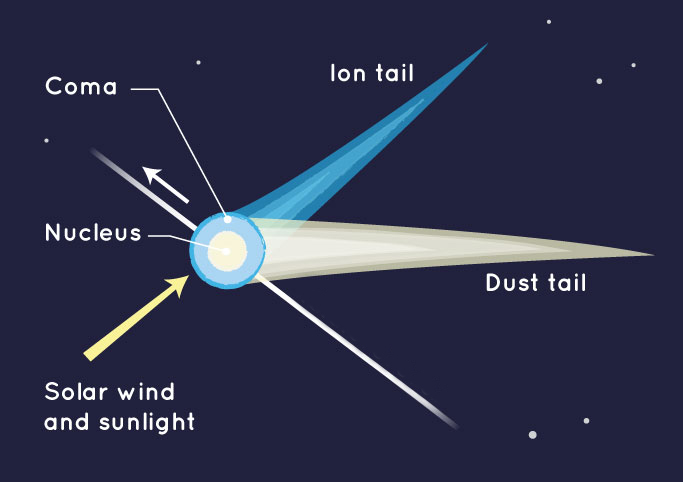
COMET
Small frozen objects that release gases to create a tail when they orbit close to the sun.
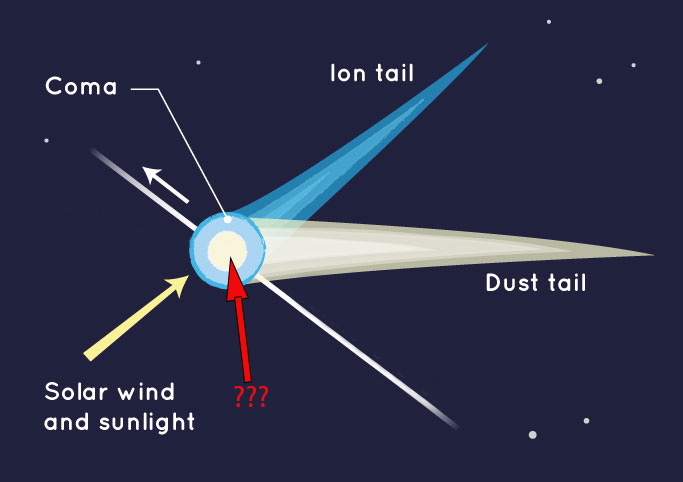
COMET NUCLEUS
The solid part of a comet consisting of frozen rock, dust, and gases.
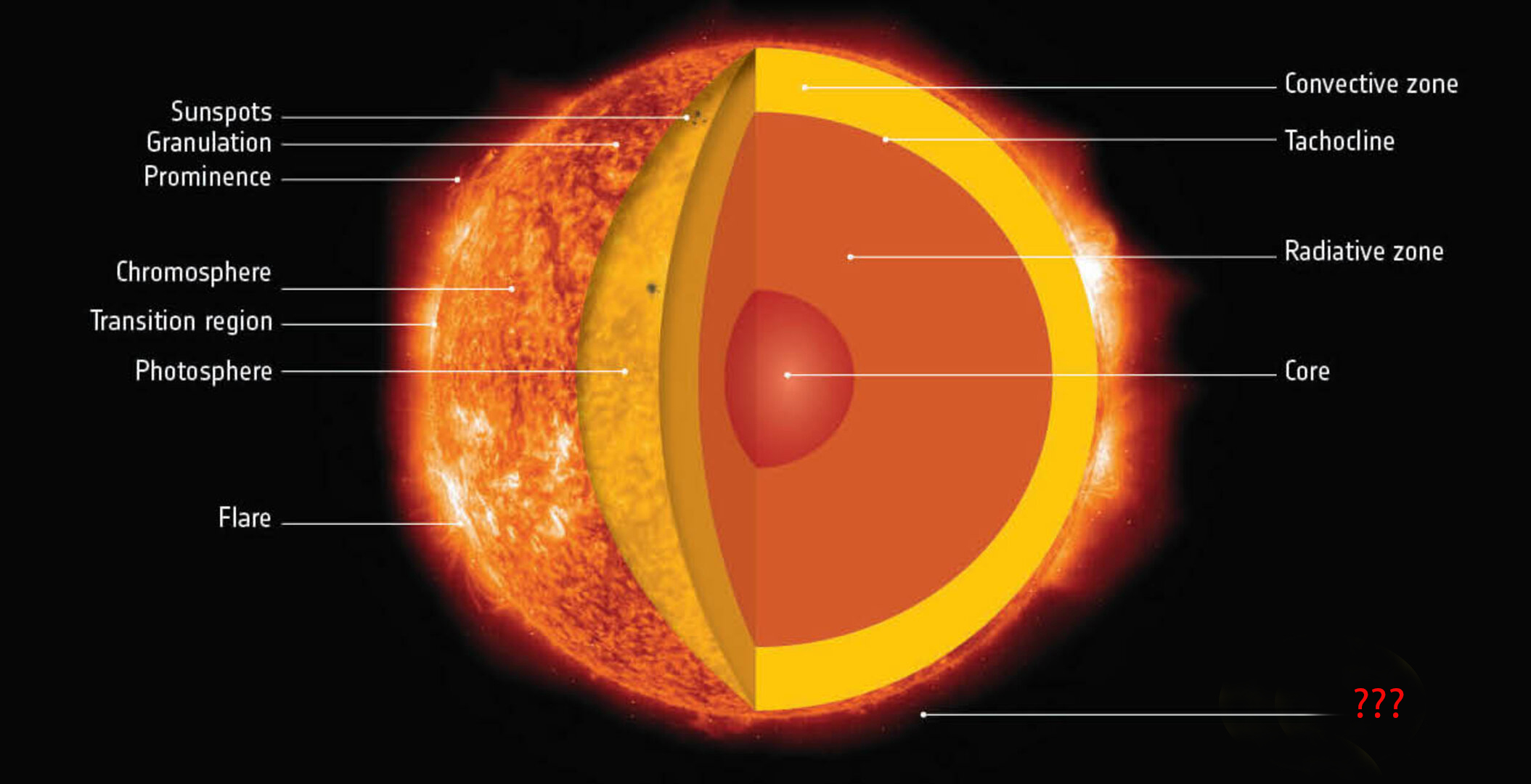
CORONA
The Sun’s outermost atmosphere made of plasma; it is millions of miles wide and serves as the launchpad for solar wind.
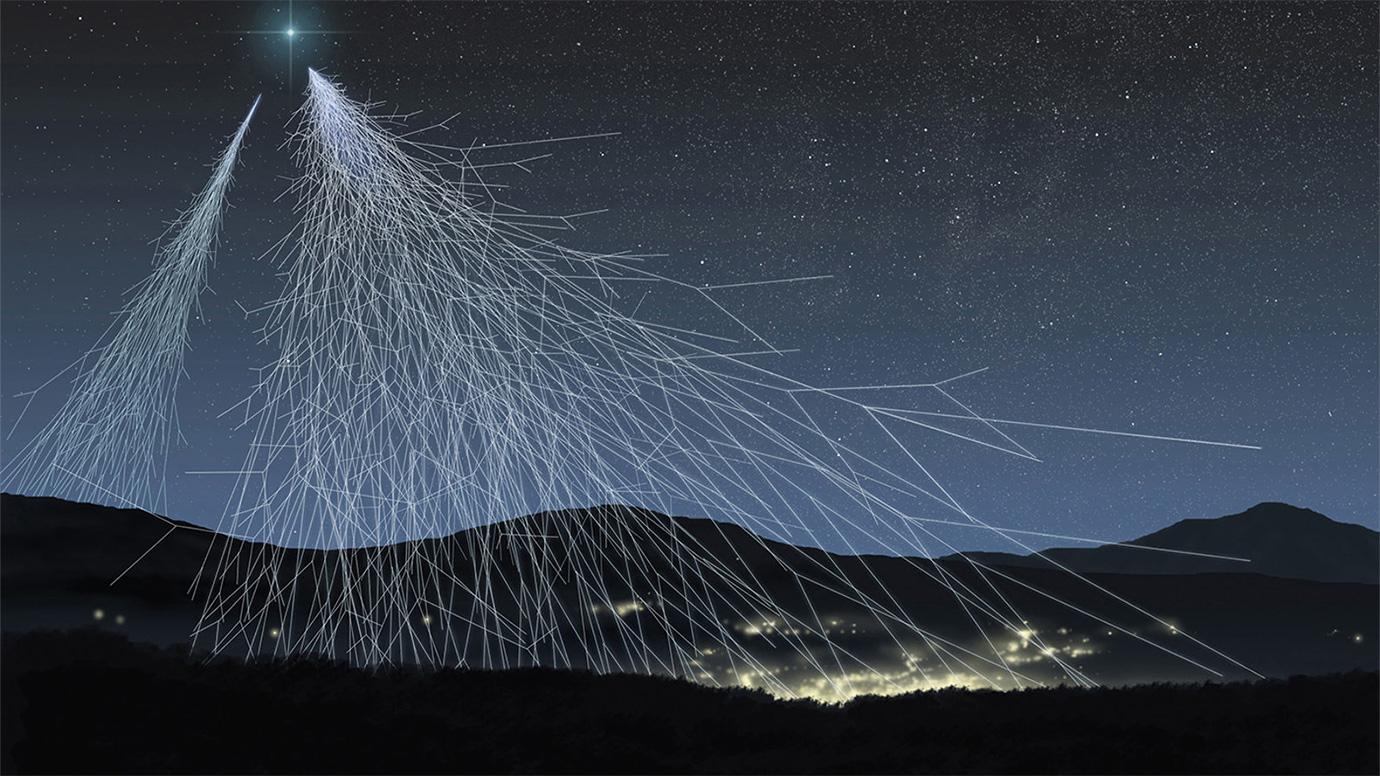
COSMIC RAYS
Extremely fast, high energy radiation coming from outside the solar system and Milky Way Galaxy, originating from exploding stars and black holes.
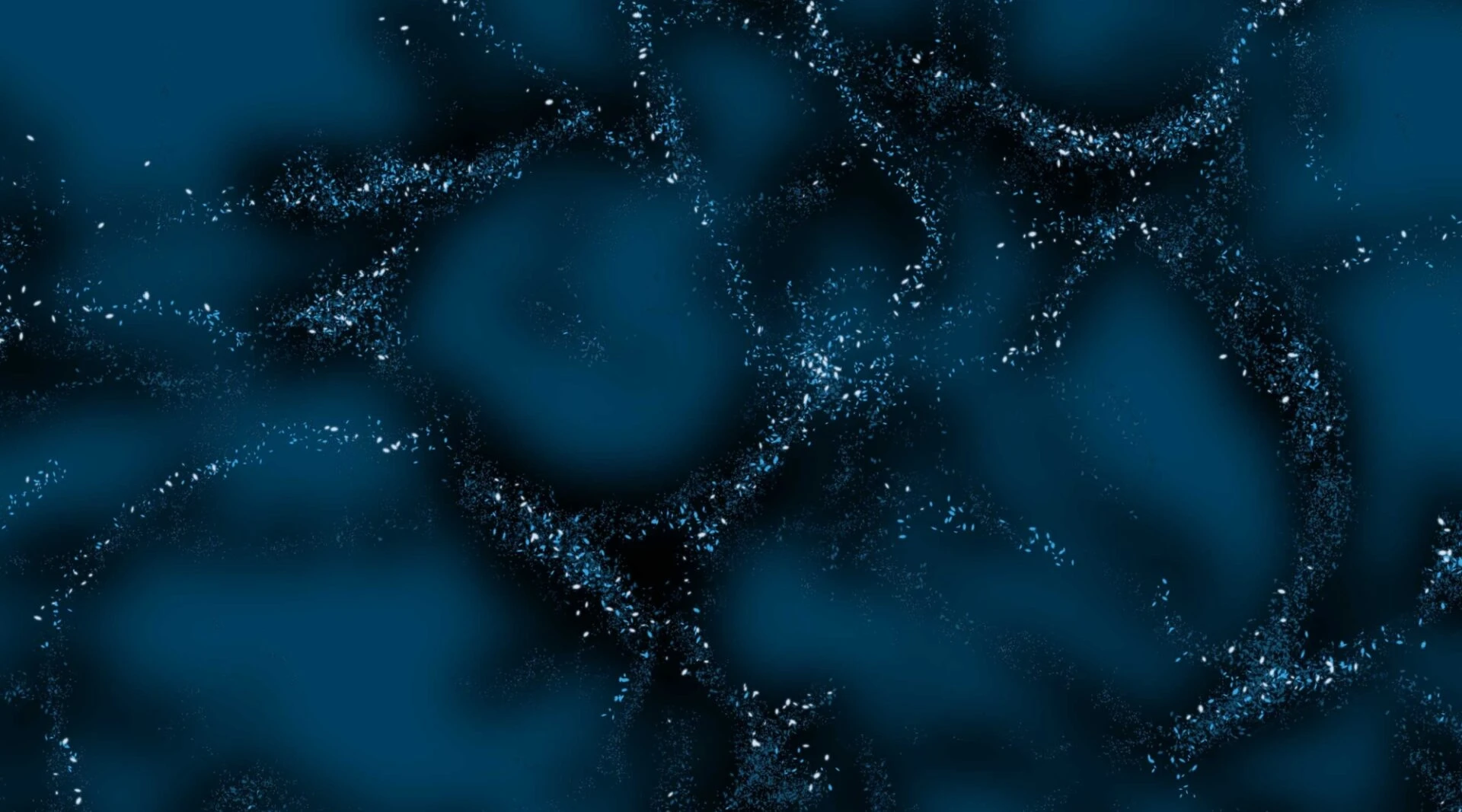
DARK MATTER
An invisible type of matter that makes up 95% of all matter in the Universe.
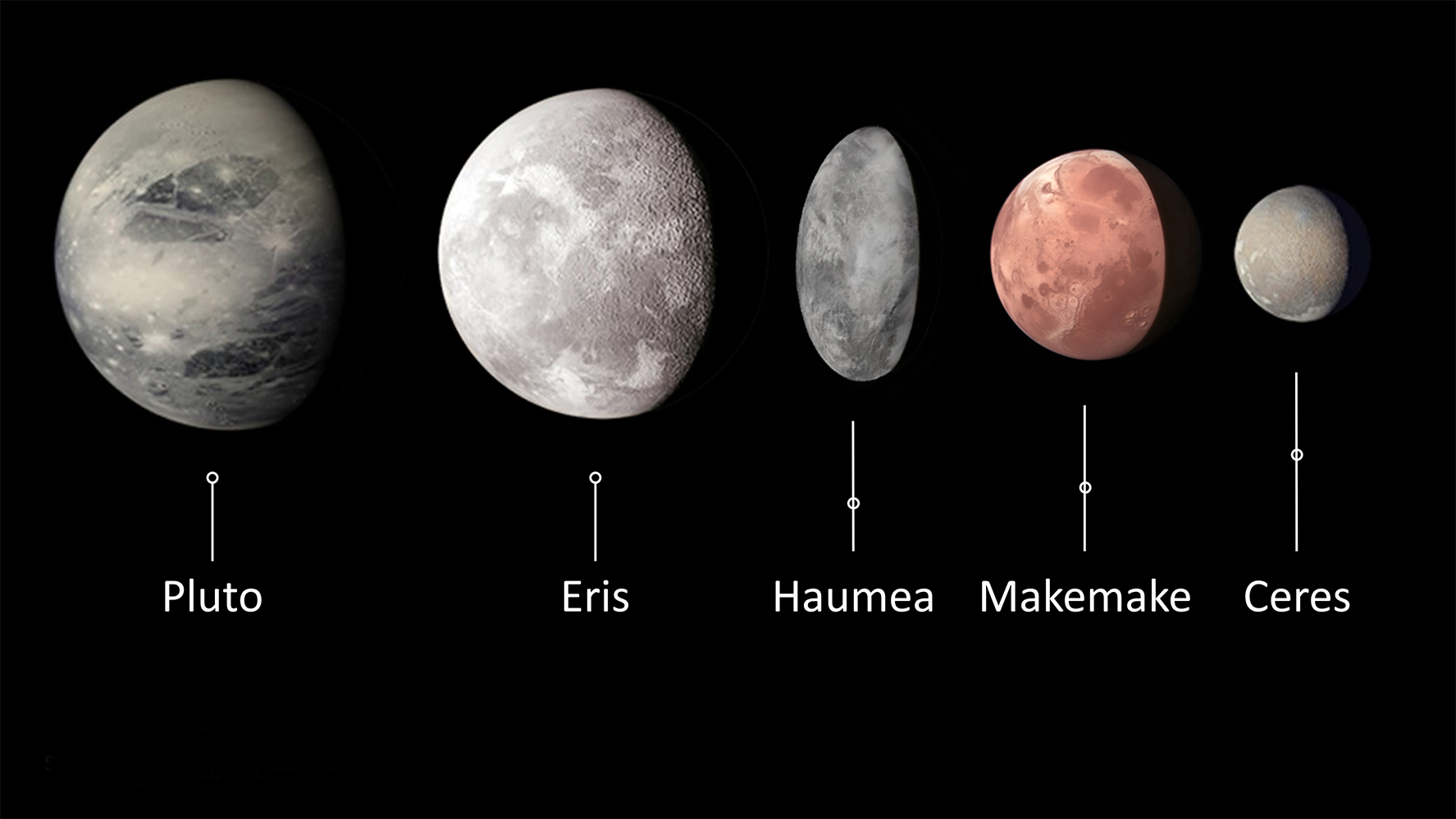
DWARF PLANET
A spherical object with planetary mass that orbits a star but lacks orbital dominance and is not classified as a planet or moon.
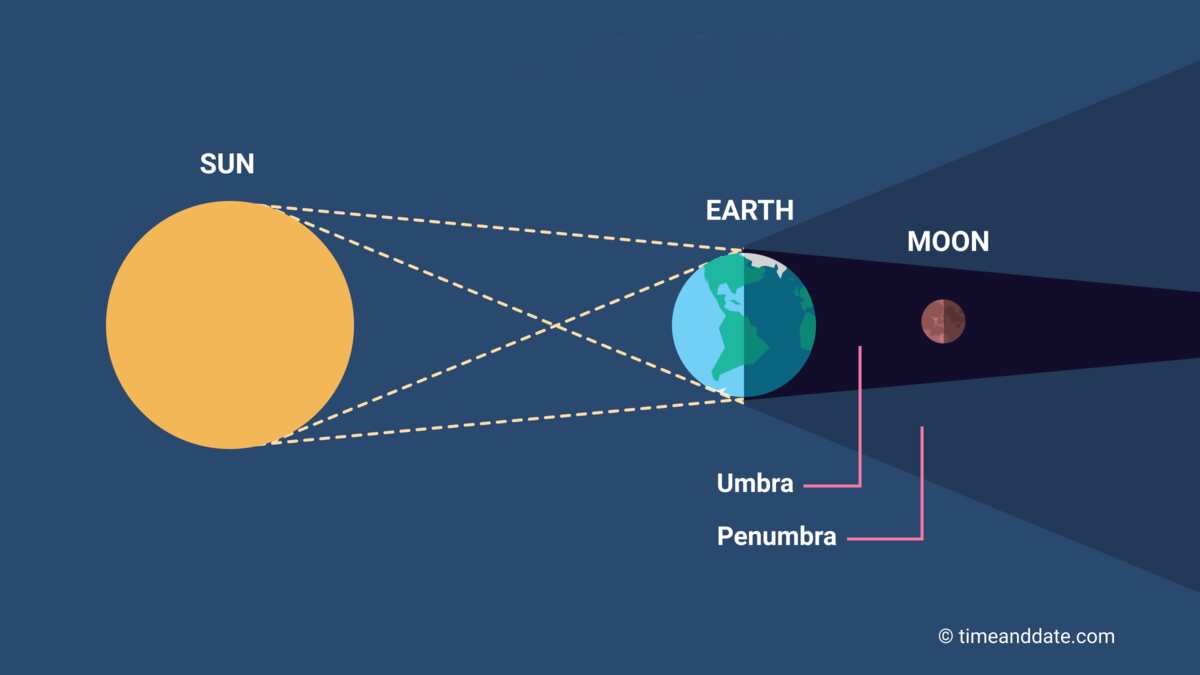
ECLIPSE
An event where an object is temporarily blocked from view, either by passing through another object's shadow or when a second object passes between the observer and the target.
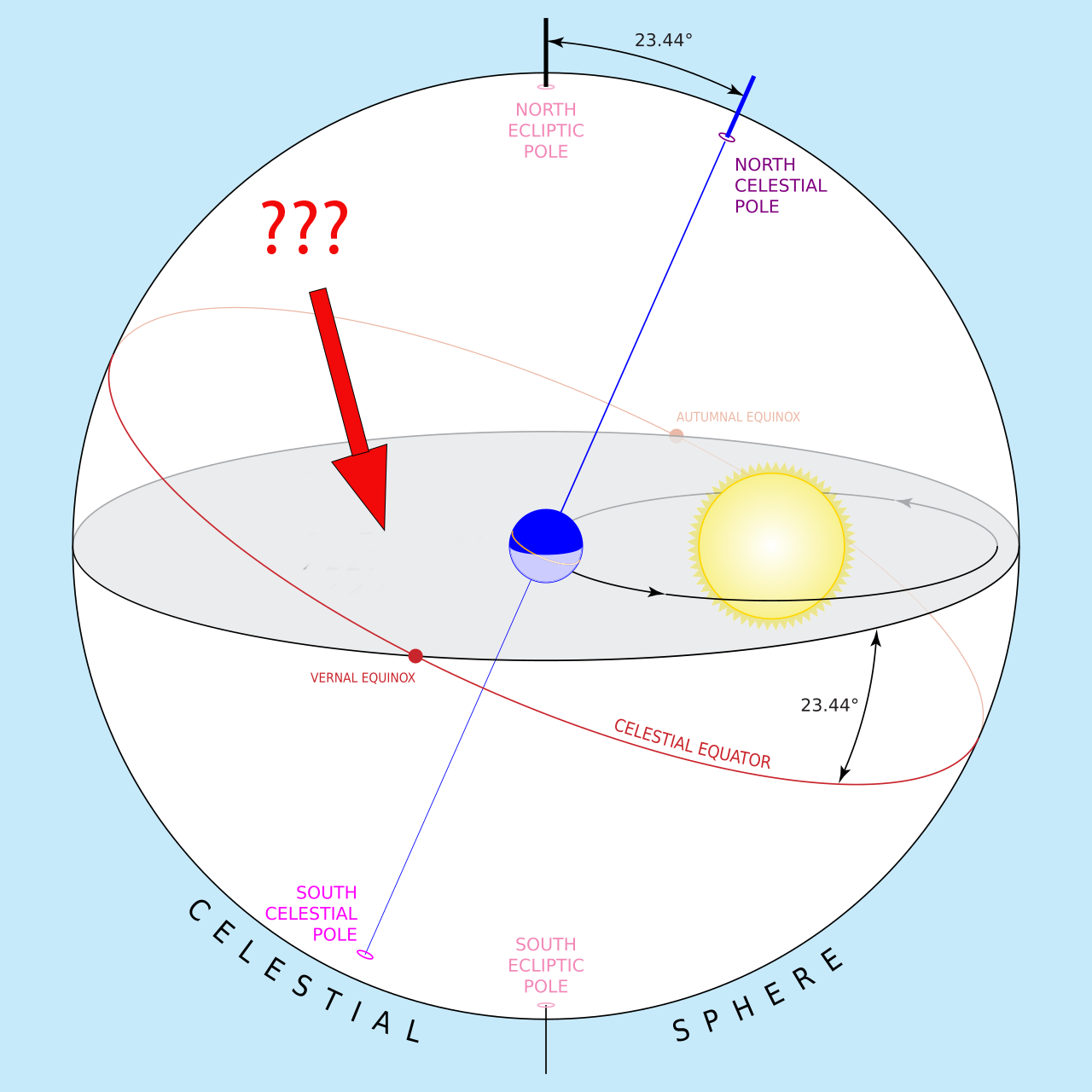
ECLIPTIC
The orbital plane in which the Earth moves around the sun, used as a reference for identifying the orbital slant of other solar system objects.
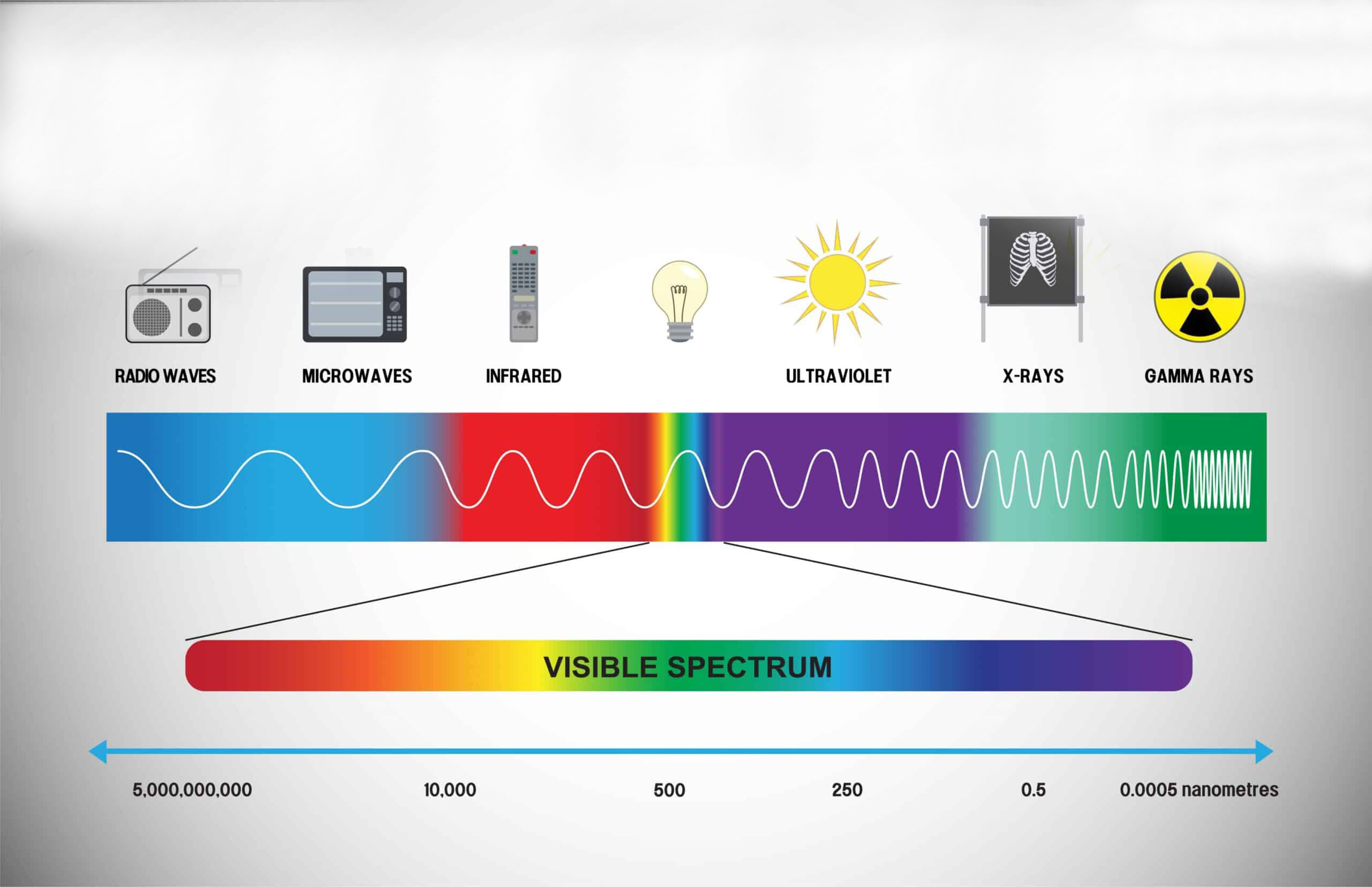
ELECTROMAGNETIC SPECTRUM
The total range of all energy types traveling in waves, including radio waves, microwaves, infrared, visible light, ultraviolet, x-rays, and gamma rays.
EQUINOX
The two days a year when night and day are the same length; on Earth, these occur on March 20 and September 22.
ESCAPE VELOCITY
The minimum velocity needed to escape the gravity of an object; higher for larger objects.
EVENT HORIZON
Also known as the point of no return, it is the area around a black hole where gravity is so intense that light cannot escape.
EXOPLANET
A planet located outside of our solar system that orbits a star other than the Sun.
GALACTIC ARMS
Structures extending from the center of spiral galaxies consisting of stars, gas, and dust.
GALACTIC BULGE
A giant group of stars in a relatively small space found near the center of many galaxies.
GALACTIC CLUSTER
A group of hundreds or thousands of galaxies linked by gravity; the largest structures in the Universe.
GALACTIC DISC
The plane of a spiral galaxy containing arms, bars, young stars, and the highest concentration of gas and dust.
GALACTIC HALO
A spherical region extending beyond the visible galaxy, containing low-density gas, old stars, and dark matter.
GALACTIC SUPERCLUSTERS
Massive structures formed by groups of galactic clusters clumping together due to gravity.
GALAXY
A group of objects including stars, planets, nebulae, and black holes attracted to each other by gravity.
GAMMA RAYS
The highest energy radiation in the electromagnetic spectrum, created by radioactivity and capable of ionizing atoms.
GAS PLANET
A planet with a small rocky core made mostly of gases like hydrogen and helium, such as Jupiter, Saturn, Uranus, and Neptune.
GEOMAGNETIC STORM
A temporary disruption of Earth’s magnetosphere caused by solar wind or interacting magnetic fields.
GRAVITATIONAL WAVES
Deformations in the curvature of space-time that travel at the speed of light, caused by specific gravitational interactions.
HABITABILITY
The measure of how likely a planet or moon is to support an environment for life and living organisms.
HEAD (COMET)
The cloud of gas and dust surrounding a comet's core that vaporizes and forms a thick atmosphere when near the Sun.
HELIOSPHERE
A bubble-like region of space fed by solar wind that includes the Sun and extends past Pluto to the edge of the Solar System.
H-R DIAGRAM
The Hertzsprung-Russell diagram used to classify stars based on luminosity, temperature, and color.
HYPERNOVA
Also known as a superluminous supernova, a star explosion with luminosity 10 times greater than a standard supernova.
INFRARED
Electromagnetic radiation with a wavelength greater than visible light, making it invisible to humans.
INTERSTELLAR DUST
Microscopic particles found in the space between stars, consisting of the remains of ancient stars.
IONOSPHERE
The upper part of Earth’s atmosphere that is charged (ionized) by solar radiation.
KUIPER BELT
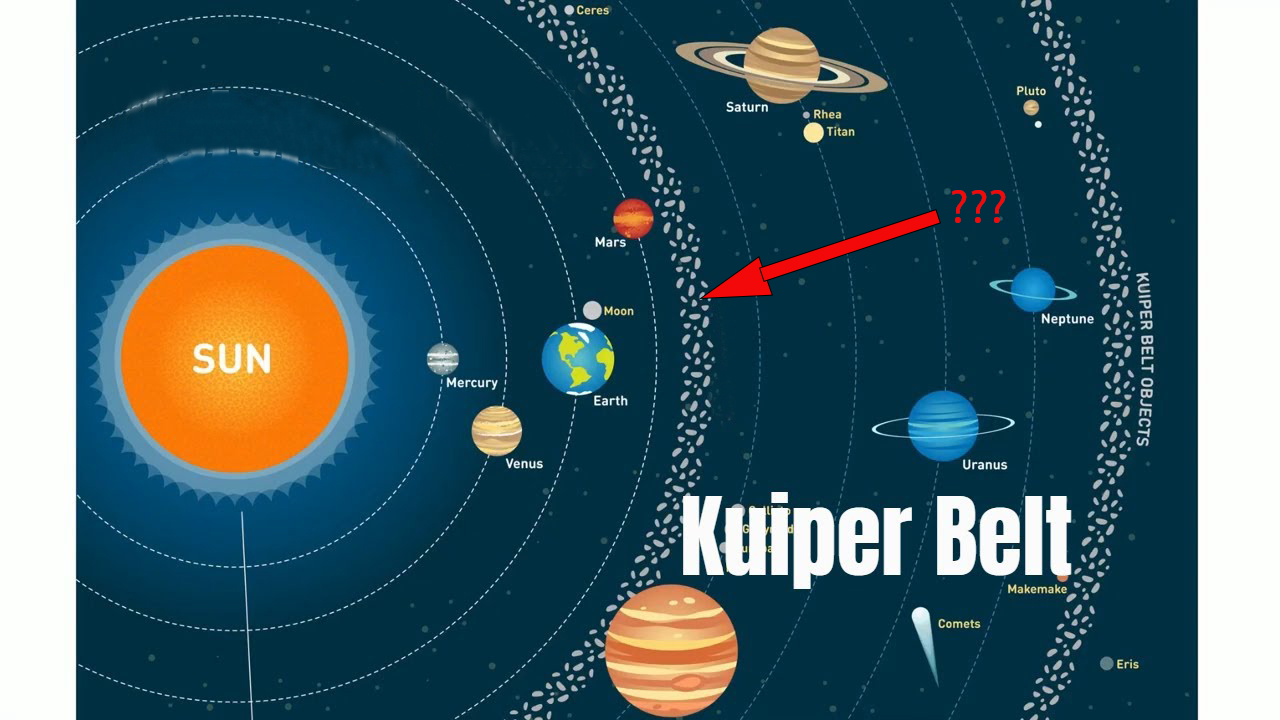
A disc of material orbiting the Sun outside Neptune's orbit that is 20 times wider than the asteroid belt.
LIGHT-YEAR
The distance light travels in one year, equaling 5.88 trillion miles.
LUMINOSITY
The total amount of energy a star emits every second, indicating its true brightness.
MAGNETIC POLE
The two opposite ends of a magnet where the magnetic force is at its strongest.
MAGNETOSPHERE
A protective magnetic field bubble surrounding an object in space; Earth's deflects most solar wind.
MAIN SEQUENCE
The stable phase in a star's life where it burns hydrogen in its core to create helium.
METEORITE
A fragment of a space rock (meteoroid or asteroid) that survives impact with the surface of an object in the solar system.
MICROWAVES
A type of electromagnetic radiation emitted by stars, planets, and galaxies.
NEBULA
A giant cloud of dust and gases in space, often the site of star death or new star formation.
NEUTRON STAR
An extremely dense object formed at the end of the life of a star with a mass 8−25 times that of the sun.
NUCLEAR FUSION
A reaction where atomic nuclei join to create a heavier nucleus and release energy; it powers the Sun and other stars.
OORT CLOUD
A massive cloud of billions of icy objects surrounding the solar system, acting as the main source of comets.
ORBIT
The gravity-driven curved path an object takes around another object.
PARALLAX
The observed movement of an object against a distant background from two different viewpoints, used to measure distance.
PERIHELION
The point in an object's orbit where it is closest to the sun.
PHOTOSPHERE
The outermost layer of a star that releases light.
PLANETESIMAL
Small space objects that collided and fused via gravity to form the early solar system.
PLASMA
One of the four states of matter in which all atoms are ionized (electrically charged).
PROTOPLANET
Large objects formed by the collision of planetesimals that are not quite big enough to be planets.
PROTOSTAR
The first step in a star's lifecycle; a young star currently absorbing mass from its molecular cloud.
PULSAR
A neutron star that emits high-speed streams of charged particles.
QUASAR
An extremely luminous active galaxy containing a supermassive black hole surrounded by an accretion disc.
RADIO WAVES
Electromagnetic radiation with wavelengths much larger than infrared, emitted by energetic objects in the universe.
RADIOACTIVITY
The process where unstable atomic nuclei deteriorate into stable elements, releasing radiation.
RED DWARF STAR
The most common type of star in the Milky Way; they are small, cold, and can live for billions of years.
RED GIANT STAR
A star that has left the main sequence, consumed its core hydrogen, and exhibits high radiance and luminosity.
RED SUPERGIANT STAR
A star with at least 8 times the sun's mass that fissions helium and other elements after exhausting its core hydrogen.
REDSHIFT
A phenomenon where light from an object moving away stretches toward the red end of the electromagnetic spectrum.
ROCKY PLANET
A planet comprised mostly of rocks and metals, such as Mercury, Venus, Earth, and Mars.
SINGULARITY
A point in space, like the center of a black hole, where gravity is infinite and the laws of physics cease to function.
SOLAR ATMOSPHERE
The outermost region of the sun consisting of the photosphere, chromosphere, and corona.
SOLAR CORE
The hottest part of the solar system, reaching temperatures of 27 million degrees Fahrenheit.
SOLAR FLARE
A powerful burst of radiation caused by the sudden release of magnetic energy in the solar atmosphere.
SOLAR STORM
A term referring to intense solar flares and coronal mass ejections.
SOLSTICE
The time of year with the shortest or longest days, when the sun reaches its highest or lowest point in the sky at noon.
STELLAR WIND
A stream of charged particles (electrons, protons, etc.) coming from the outer layers of a star.
STRATOSPHERE
The layer of Earth's atmosphere above the troposphere containing about 20 percent of the atmospheric mass.
SUNSPOT
Darker, cooler regions in the sun's photosphere caused by magnetic field increases slowing the circulation of solar material.
SUPERNOVA
An extremely energetic phenomenon marking the end and destruction of a massive star's life.
T TAURI STAR
A very young star in its final formation stages before it begins fusing hydrogen to enter the main sequence.
TRANSIT
The apparent movement of one object in front of another from the perspective of an observer.
ULTRAVIOLET
Radiation with wavelengths shorter than visible light but longer than x-rays.
VARIABLE STAR
A star that appears to have changing brightness from Earth, due to either internal changes or external blockage.
WAVELENGTH
The distance between two identical regions of a wave, such as between two crests.
WHITE DWARF
The final life stage of a star after its outer layers have been ejected into space.
X-RAYS
Energetic radiation emitted by space objects with temperatures exceeding 1.8 million degrees Fahrenheit.