US GOV & politics test 9/10/26
 Call Kai
 Learn
Learn Practice Test
 Spaced Repetition
 Match
Match Flashcards
 Knowt Play
1/57

There's no tags or description
Looks like no tags are added yet.
Name | Mastery | Learn | Test | Matching | Spaced | Call with Kai | Chat |
|---|
No analytics yet
Send a link to your students to track their progress
58 Terms
What are the different types of governments?
Direct and indirect democracy, dictatorship, oligarchy, monarchy, theocracy, anarchy.
What is democracy?
Government ran by people, citizens have political power, participate in government.
What is a direct / pure democracy?
Citizens make decisions themselves, eg citizens voting directly on a law or policy.
What is indirect / representative democracy?
Citizens elect representatives who make decisions for them. The US is a representative democracy.
Why is the US a representative democracy?
The US has a very large population, it would be impractical for everyone to vote directly on every government decision and representatives can specialize in governing.
What is a republic system?
Citizens can exercise political power through elected representatives and government operates under a constitution. The Constitution requires every state to have a “Republican Form of Government.”
what is political culture?
shared beliefs and values that people have about government and politics.
Examples
How much power government should have
Individual freedom
Political participation
Equality
The role of citizens
What government should do
What is political ideology?
An individuals beliefs about a government and politics. for example “I think the government should spend more money on education.”
Political socialization
Where people develop their political beliefs and attitudes through school, family, friends, religion, media etc.
Civic participation
Citizens being involved in political / community life for example voting, campaigns, political meetings.
Federalism
Power is divided between the national government and the state governments. They both have governmental authority established by the constitution.
Constitutionalism
Government power is limited by a constitution
Limited government
Government officials cannot do what they want
What is the difference between democratic constitutional government vs dictatorship?
Democratic constitutional government: Government power is limited by a constitution and citizens have a role in choosing their leaders.
Dictatorship: Power is concentrated in one person or a small group, with little meaningful democratic competition or constitutional restraint.
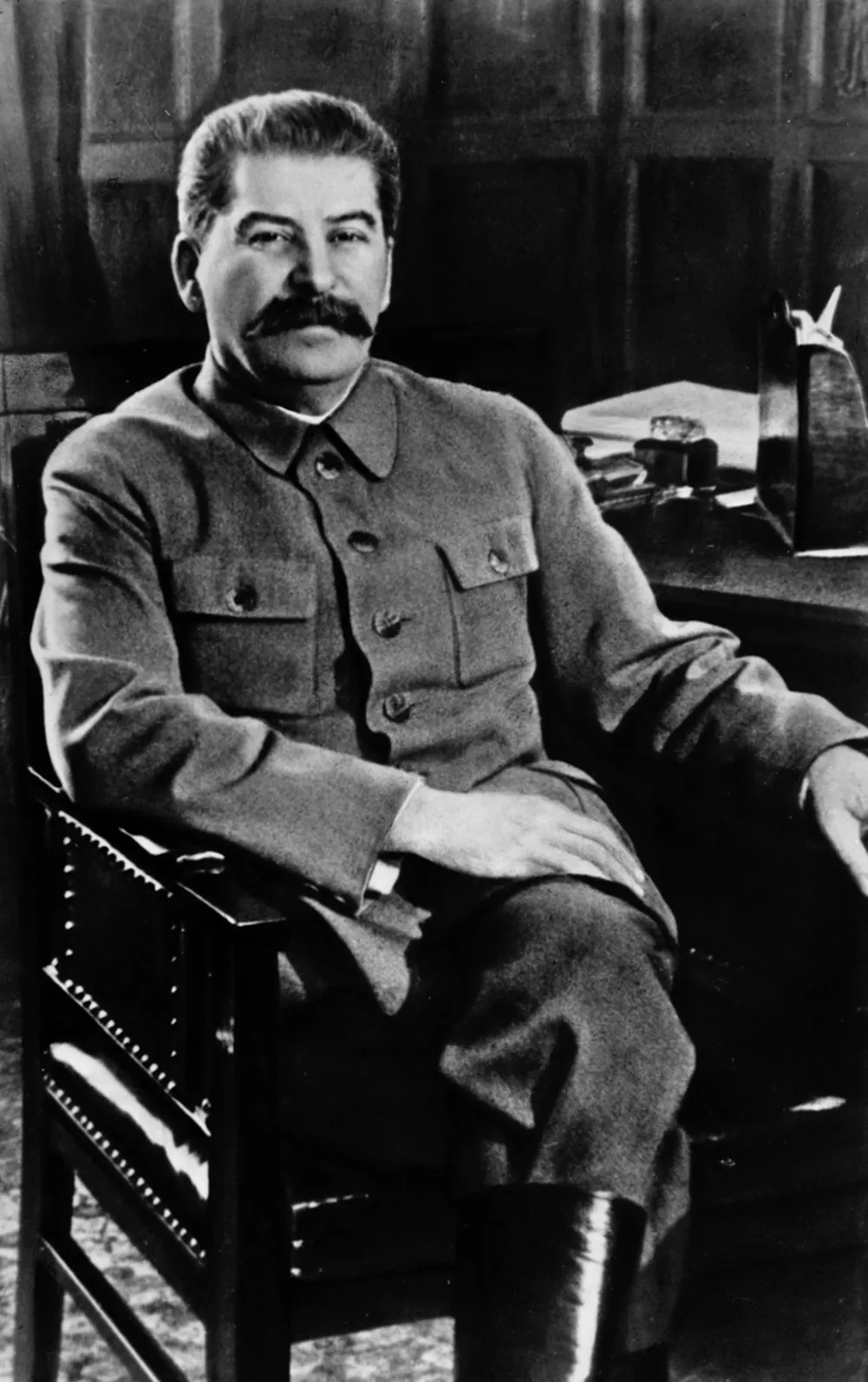
What is a dictatorship?
One person holds extensive political power, usually without meaningful democratic competition or constitutional restraints. with little meaningful democratic competition or restraint.
This distinguishes a dictatorship from a monarchy.
One person → concentrated power
Examples:
Hitler
Mussolini
Stalin
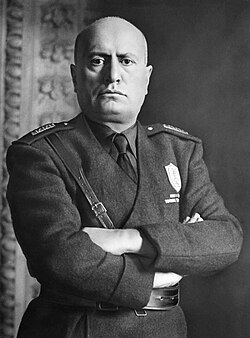
What is an authoritarian?
Government with limited political freedoms and concentrated power.
Totalitarian
Extreme form of authoritarianism in which the government attempts to exercise very extensive control over political and social life.
Authoritarian vs totalitarian
Authoritarian = government controls politics
Totalitarian = government tries to control almost everything
What is oligarchy?
Rule by a small group of people.
Oligo = few
Oligarchy = rule by the few
Dictatorship → one
Oligarchy → few
Democracy → people
Anarchy
no functioning government or central authority.
Theocracy
Religious authority plays the central governing role, often claiming authority from God or religious law.
Monarchy
Government headed by a king or queen, traditionally with power passed through a hereditary line.
What are the two types of monarchies?
Absolute and constitutional/ limited
Absolute monarchy
Monarch holds extensive governing power and is not significantly limited by a constitution or elected institutions.
Constitutional / limited monarchy
There is a king or queen, but their power is limited by a constitution and laws.
For example: United Kingdom King Charles III is the monarch, but elected officials and Parliament exercise most governing power.
Absolute power does what?
Corrupts absolutely.
When political power becomes highly concentrated and there are few checks on the leader, there is a greater opportunity for abuse of power.
Coup d’état
sudden seizure of government power, usually by a small group, often involving military or political insiders.
Coup = forcefully taking control of the government
Every economic system has to answer 3 main questions
what goods should be produced? how should those goods be produced? who are the goods and resources distributes?
What is capitalism?
An economic system based primarily on private ownership, markets, competition, and prices determined largely by supply and demand.
eg United States, Australia, Japan
Communism in traditional communist theory:
Major economic resources are state owned rather than privately owned and a goal of creating a classless society.
eg China, Cuba, Vietnam, North Korea
Socialism (mixed market)
An economic system or ideology involving greater government/collective involvement in the economy and greater emphasis on economic equality.
eg Sweden, Norway, Denmark
What is political freedom?
Involves people’s ability to participate in political life and exercise political rights.
Examples:
Voting
Political expression
Political participation
Associating with political groups
What is self government?
The idea that people have the ability and authority to govern themselves.
What is popular sovereignty
People are the ultimate source of governmental power.
Who is Alex De Tocqueville?
French political thinker who traveled to the US in 1830s
wrote Democracy in America and studied American democracy and compared it with European political systems.
Congress
Makes laws
congress has two chambers
House of representatives and senate
what does the courts do?
interpret laws and the constitution
What are the 3 separation of power branches
Branch | Main role |
Legislative | Makes laws |
Executive | Enforces laws |
Judicial | Interprets laws |
Checks and balances
Each branch has ways to limit the power of the other branches.
Congress passes a bill → President can veto it.
Congress → can override a veto under constitutional conditions.
Courts → can determine whether government actions violate the Constitution.
Cuban Missile Crisis — 1962
United States discovered Soviet nuclear missiles in Cuba.
Cuba is very close to the United States.
The U.S. and Soviet Union faced a serious confrontation.
President John F. Kennedy chose a naval blockade/quarantine rather than immediately launching an attack.
The Soviet Union ultimately removed the missiles.
Liberty
Freedom from government interference and the ability to make individual choices.
Equality
The belief that people should have equal rights and opportunities
Civic Duty
The belief that citizens should participate in political and civic life.
Civic Competence
The belief that citizens can understand and influence government.
Individual Responsibility
The belief that individuals are responsible for their own choices, actions, and well-being.
Economic Individualism
The belief that individuals are largely responsible for their own economic success.
Political Tolerance
Willingness to allow people with different or unpopular political views to participate in political life.
Culture War
Political conflict over moral and social values.
Progressive
A view emphasizing personal freedom and adapting moral standards to changing circumstances.
Civil Society
Voluntary organizations and groups that exist outside government and the commercial market.
Social Capital
Networks and relationships that help people build trust and cooperate.
Religious Pluralism
The existence and acceptance of multiple religious beliefs and groups within society.
Political Equality
Equal political rights and opportunities to participate in government.
Who is Karl Marx
German philosopher
Economist whose ideas about class conflict, capitalism communism heavily influenced communist theory.
He co-wrote The Communist Manifesto
Traditionalism
The belief that society should preserve established traditions, customs and values
What is the difference between self government and popular sovereignty?
Popular sovereignty means government power comes from the people, self government means people use that power to govern themselves.
what is the difference between authoritarianism and totalitarianism?
authoritarian governments restrict political freedom and concentrate power, totalitarian governments seek extensive control over political and private life.