A&P Cardiovascular System
 Call Kai
 Learn
Learn Practice Test
 Spaced Repetition
 Match
Match Flashcards
 Knowt Play
1/39

There's no tags or description
Looks like no tags are added yet.
Name | Mastery | Learn | Test | Matching | Spaced | Call with Kai | Chat |
|---|
No analytics yet
Send a link to your students to track their progress
40 Terms
What are the four chambers of the heart?
Two upper chambers called atria, and two lower chambers called ventricles.
What controls the flow of blood into and out of the heart's chambers?
One-way valves
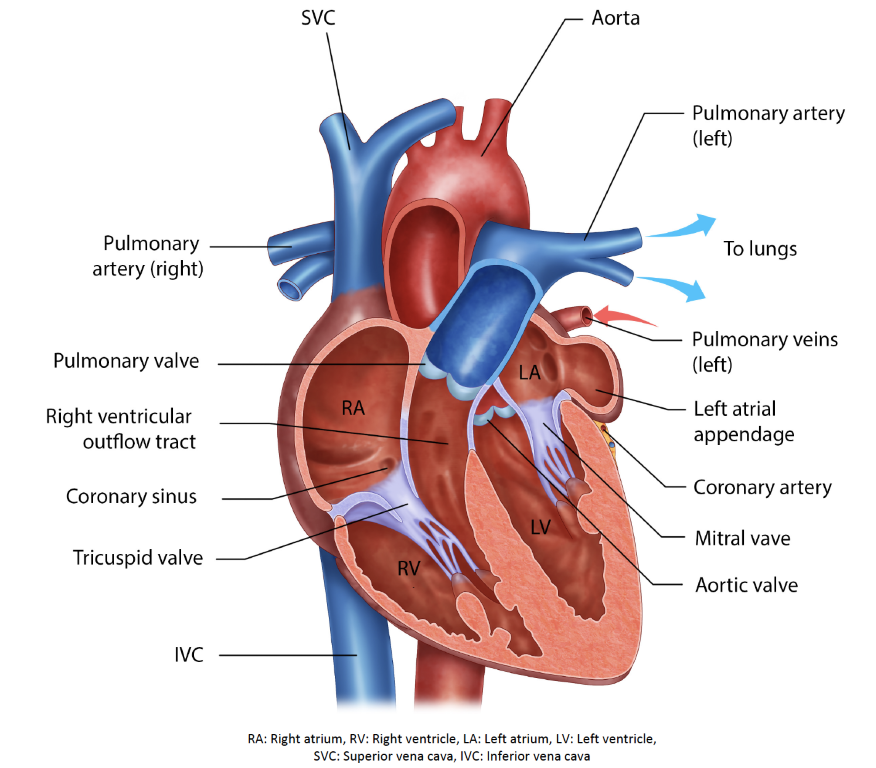
Name the two atrioventricular (AV) valves.
tricuspid valve and the bicuspid valve
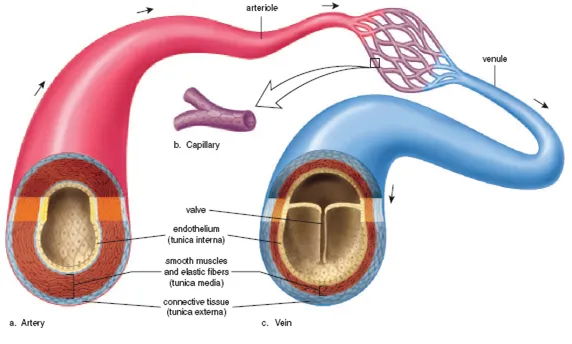
How do artery and vein walls differ?
Arteries have thick walls to withstand pumping pressure; veins have thinner walls and larger lumen
Arteries are vessels that carry blood ______ from the heart.
away
Veins are vessels that carry blood _____ the heart.
toward
What are capillaries made of, and what do they do?
A single layer of endothelium; forms the network connecting arteries to veins
The heart contractions are controlled by a pacemaker known as the…?
sinoatrial (SA) node
The SA node does what?
sends out electrical signals
What is the difference between systole and diastole?
Systole is contraction of the heart muscle; diastole is relaxation of the heart muscle
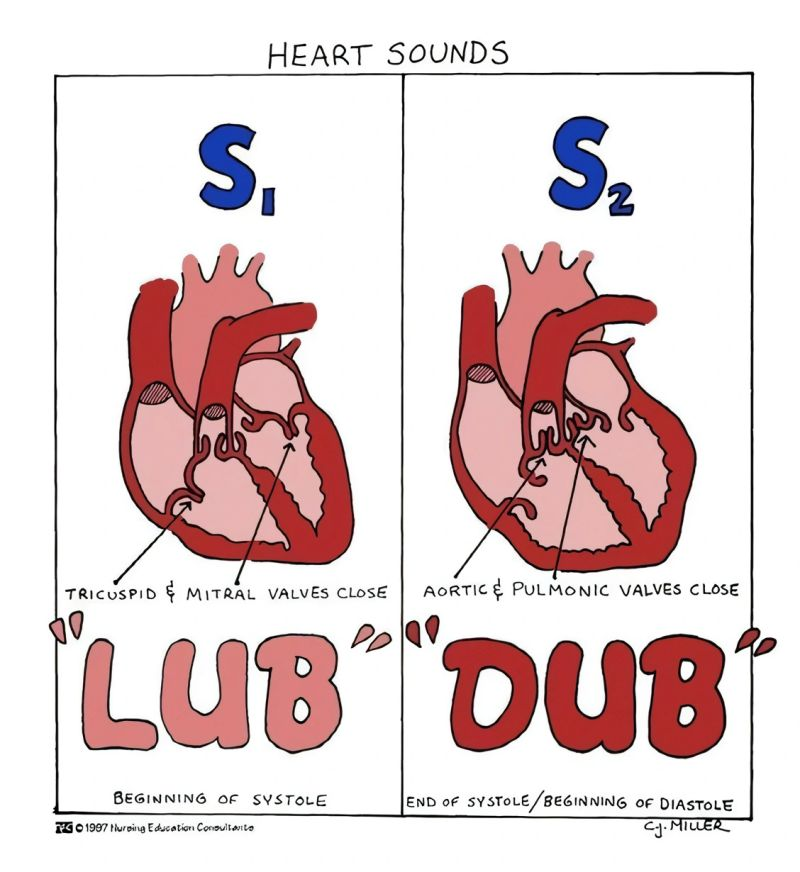
What causes the "lub" heart sound?
Ventricular systole (ventricles contract) closing the AV (bicuspid and tricuspid) valves.
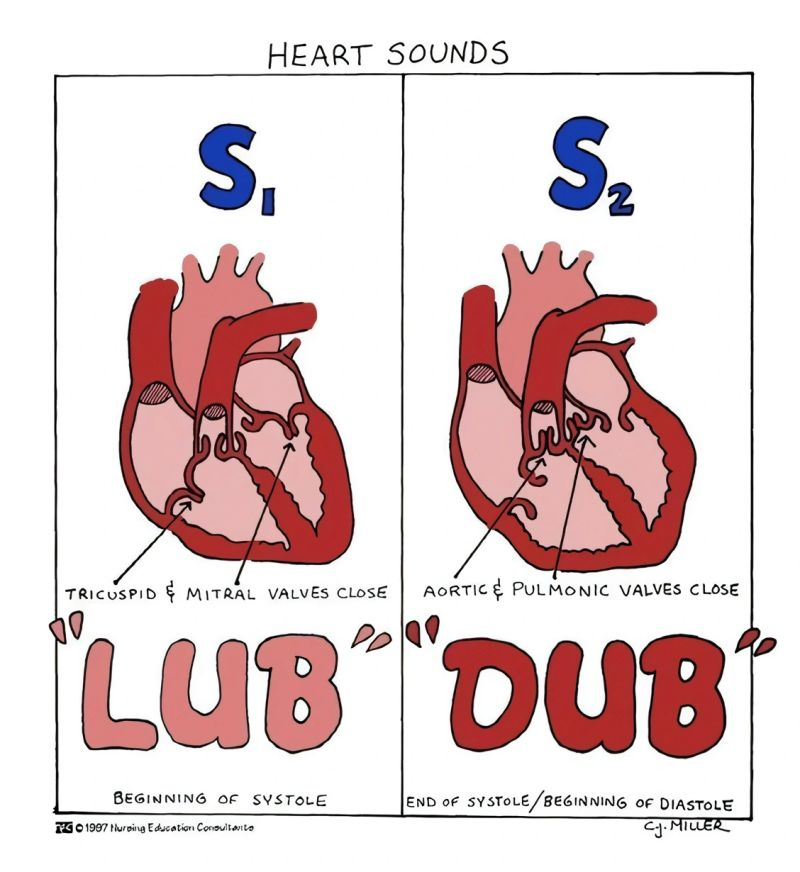
What causes the "dub" heart sound?
The semilunar valves in the aorta and pulmonary trunk close (preventing blood from falling back into the ventricles)
The closed, double-loop system transports blood and hormones. The two parts of the loop are ________ and ______ loops.
pulmonary; systemic
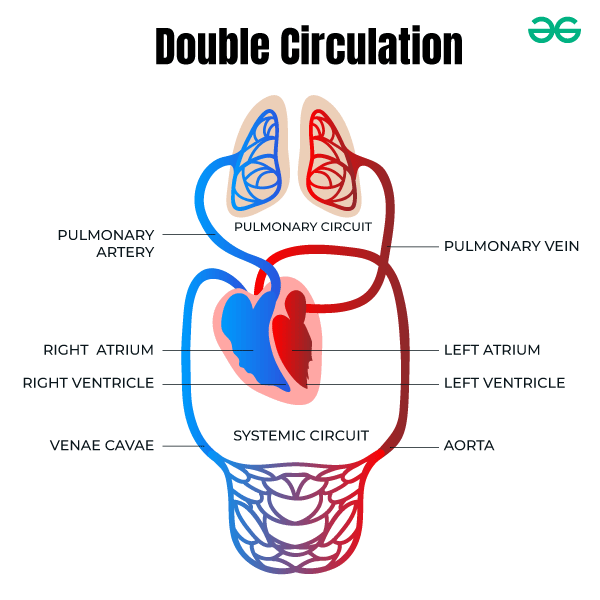
The pulmonary loop carries _______ blood.
deoxygenated
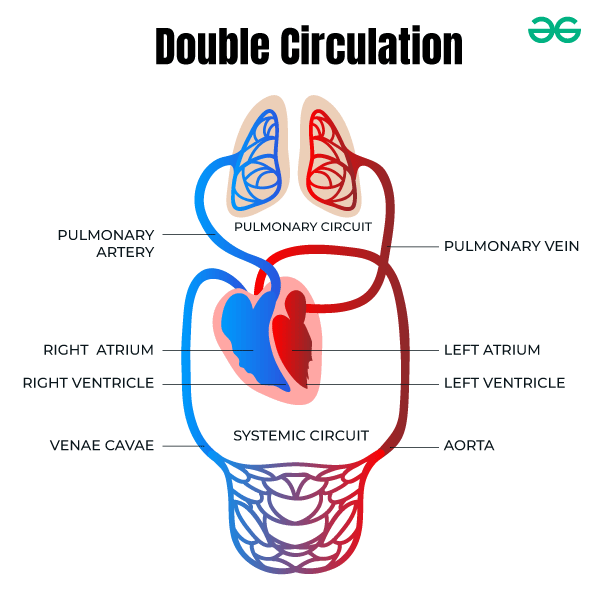
Trace the pulmonary loop of circulation.
right ventricle carries deoxygenated blood to the lungs (where blood is oxygenated), then returns to left atrium
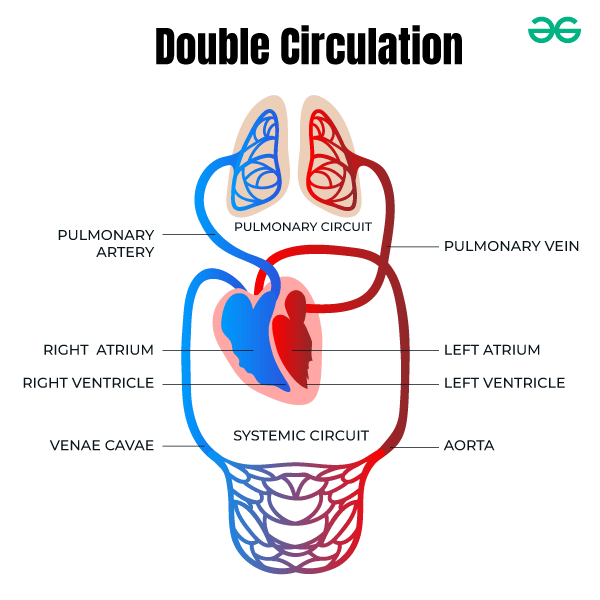
The systemic loop carries _______ blood.
oxygenated
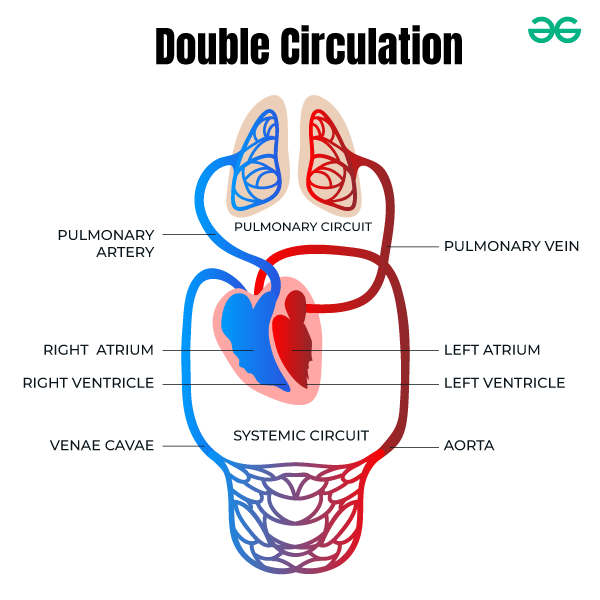
Trace the systemic loop of circulation.
left ventricle carries oxygenated blood to the body (gas exchange), then deoxygenated blood returns to the right atrium.
What are the two loops of the closed, double-loop circulatory system?
The pulmonary loop and the systemic loop.
What does blood plasma contain? (4)
Nutrients, hormones, antibodies, immune proteins
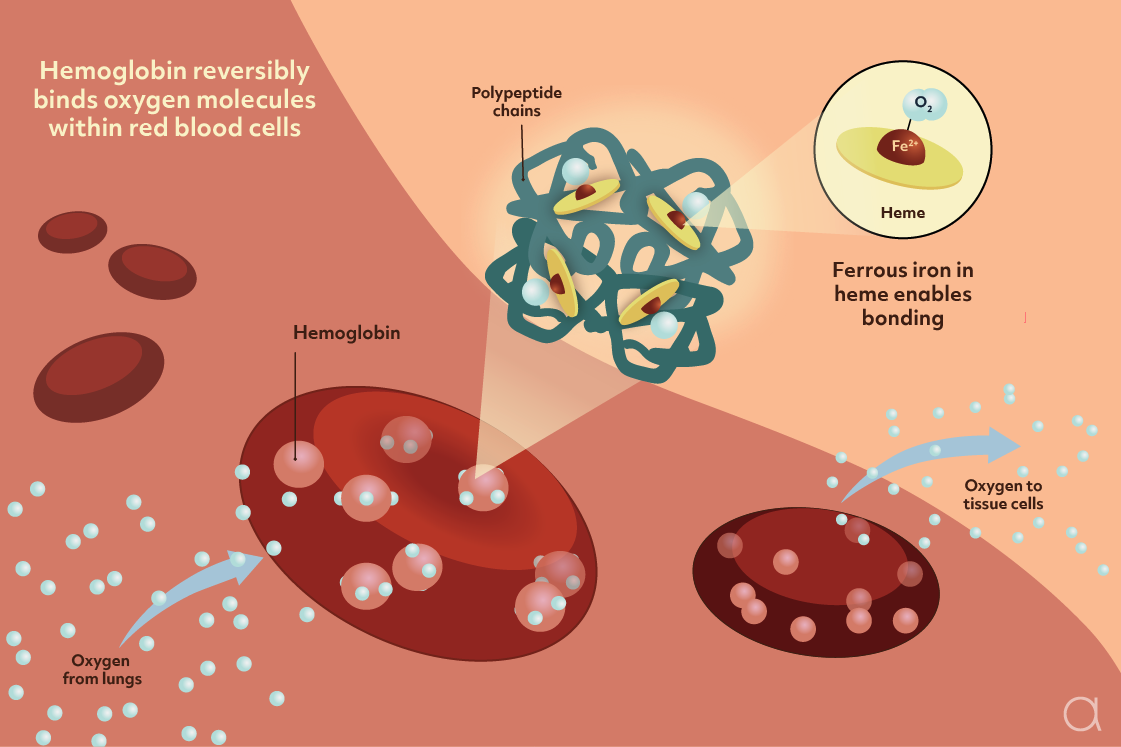
What is the role of hemoglobin in red blood cells? (2)
It transports oxygen from the lungs to the rest of the body and carries some carbon dioxide back to the lungs.
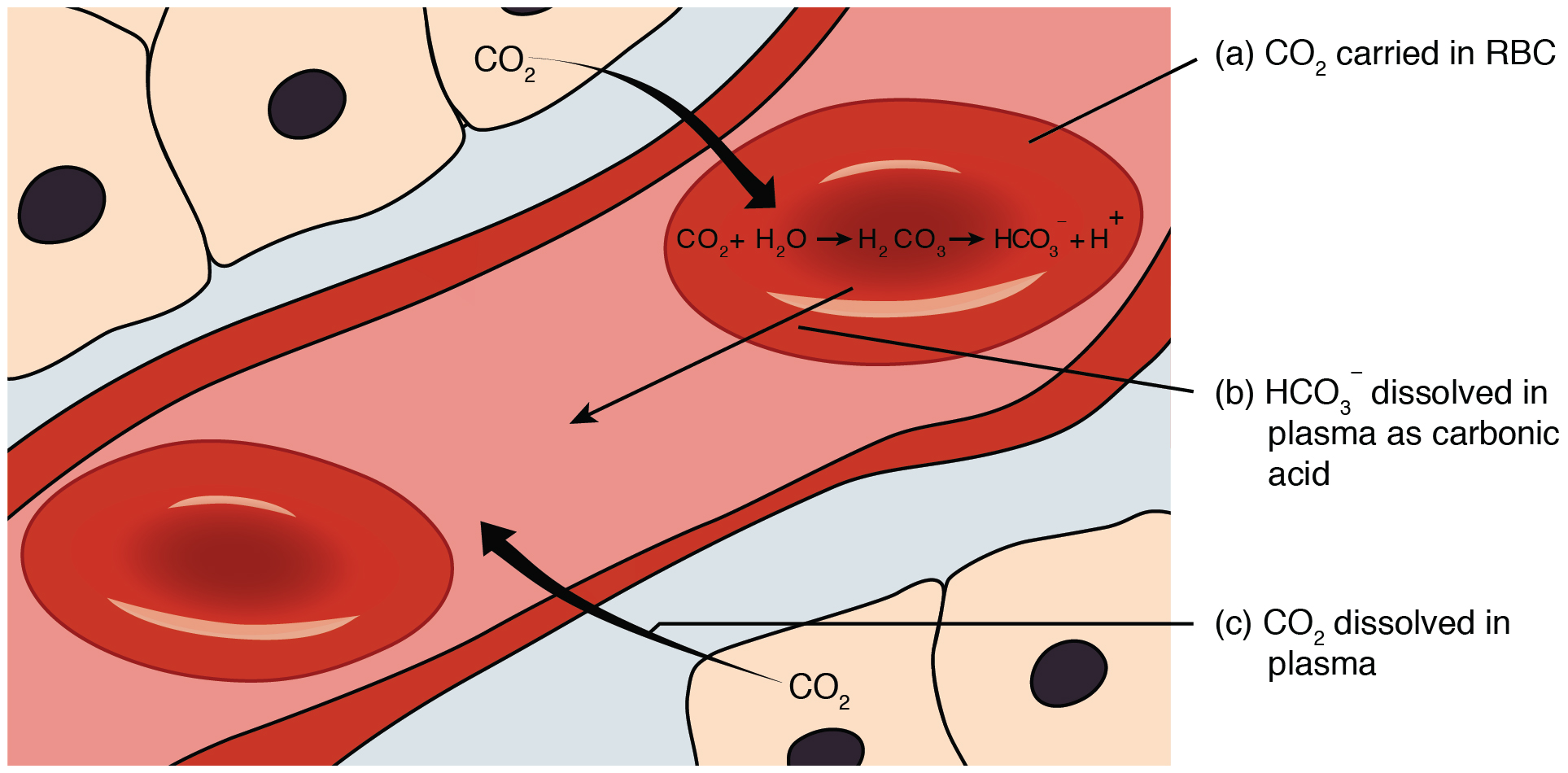
How is most carbon dioxide transported and balanced in the blood?
About 5-7% dissolves in plasma and 85% is used to maintain pH through the bicarbonate buffer system
What are the two main white blood cell lineages?
Granulocytes and agranulocytes
What cells are granulocytes? (3)
basophils, eosinophils, neutrophils
What cells are agranulocytes? (2)
monocytes, lymphocytes
Function of white blood cells
defend against pathogens
Blood also contains platelets. What is the function of platelets?
Blood clotting.
The human cardiovascular system is _____.
closed (blood remains in the vessels when it travels through body)
What is interstitial fluid?
Blood plasma that naturally leaks out of capillaries into the surrounding tissue, bathing and nourishing cells.
Excess interstitial fluid must get removed via _____ ______.
lymphatic system
What is interstitial fluid called once it enters the lymphatic capillaries?
Lymph (intracellular spaces → lymphatic capillaries)
What happens to lymph in the lymph nodes?
Macrophages and leukocytes remove harmful products before the cleansed fluid returns to the bloodstream via neck veins.
Where are lymph nodes commonly found? (3)
The neck, groin, and armpits.
What is the overall function of the lymphatic system? (3)
Maintain proper interstitial fluid levels, remove harmful wastes, and return fluid to the bloodstream (for plasma balance)
Define heart attacks (aka myocardial infarction)
blood flow to part of heart muscle is blocked, causing tissue in that area to die
Define a stroke
blood flow to a part of the brain is reduced, preventing brain tissue from receiving oxygen and nutrients (which can lead to cell death and loss of brain function)
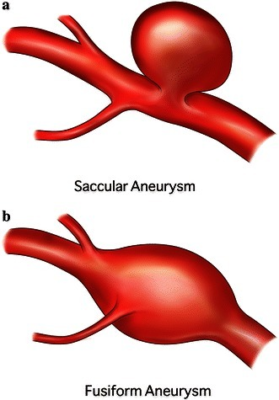
Define an aneurysm
weak, bulging spot in the wall of a blood vessel (occurs due to bp pushing against a weak part of an artery)
Define atherosclerosis
a condition in which arteries become narrowed and hardened due to a buildup of plaque, leading to reduced blood flow.
Define arrhythmias
irregular heartbeat patterns that can disrupt normal blood flow (potentially leading to complications such as stroke or heart failure)
Define hypertension
a condition characterized by consistently elevated blood pressure in the arteries
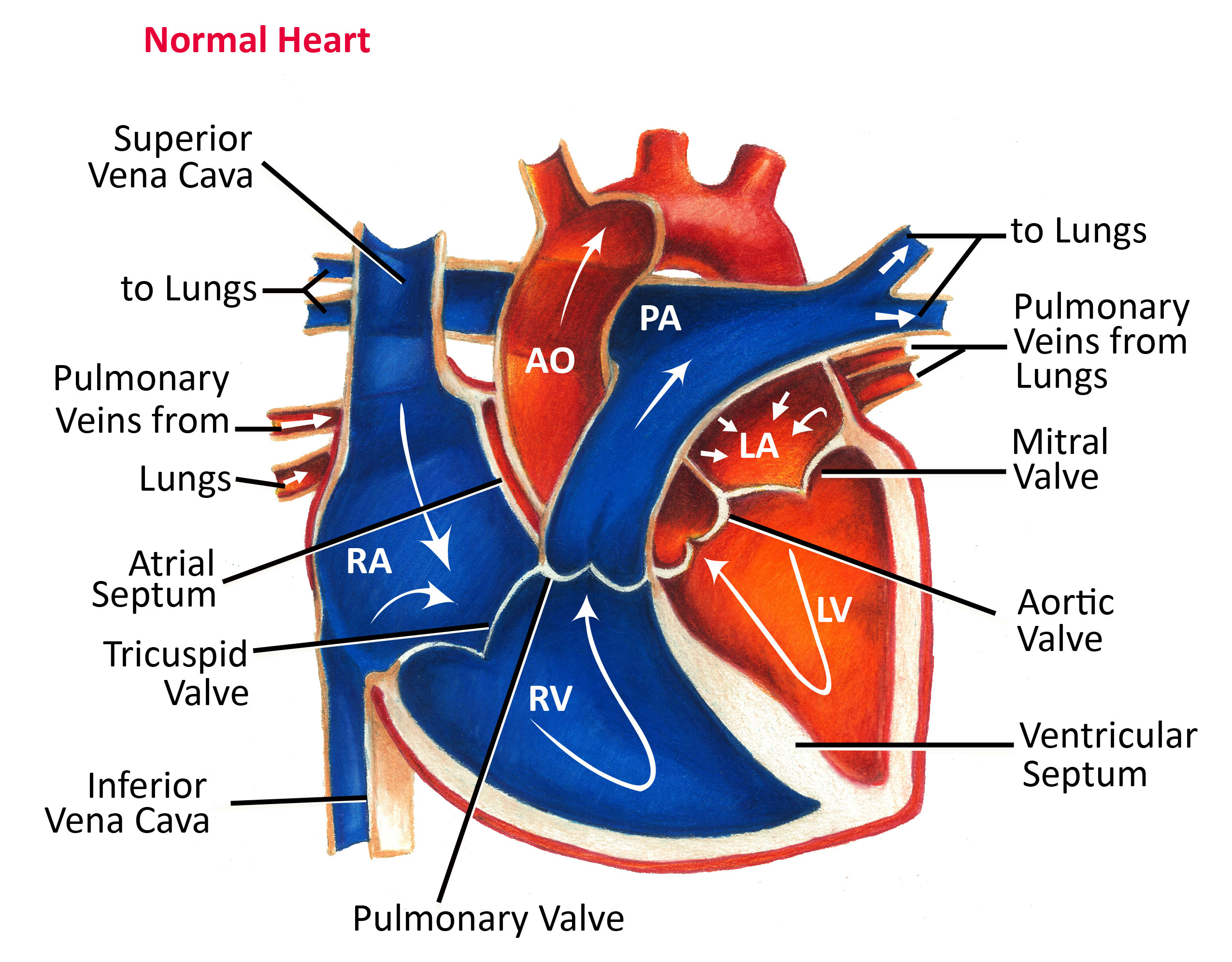
Describe the flow of blood from the superior/inverior vena cava: (14)
vena cava, right atrium, tricuspid valve, right ventricle, pulmonary valve, pulmonary arteries, lungs, pulmonary veins, left atrium, bicuspid valve, left ventricle, aortic valve, aorta, body