enzyme energetics + thermodynamics and equilibrium
 Call Kai
 Learn
Learn Practice Test
 Spaced Repetition
 Match
Match Flashcards
 Knowt Play
1/20

There's no tags or description
Looks like no tags are added yet.
Name | Mastery | Learn | Test | Matching | Spaced | Call with Kai | Chat |
|---|
No analytics yet
Send a link to your students to track their progress
21 Terms
what is the thermodynamics of a reaction?
predicts if a reaction is possible
focus on energy difference between substrate and product
looking at equilibrium positions and spontanaeity
what is thermodynamics determined by?
ΔG (change in Gibbs free energy)
how is ΔG measured?
energy difference between substrate and product
what is the kinetics of a reaction?
rate of reaction
focus on factors that affect reaction rates
focus on different reaction mechanisms
what determines reaction kinetics?
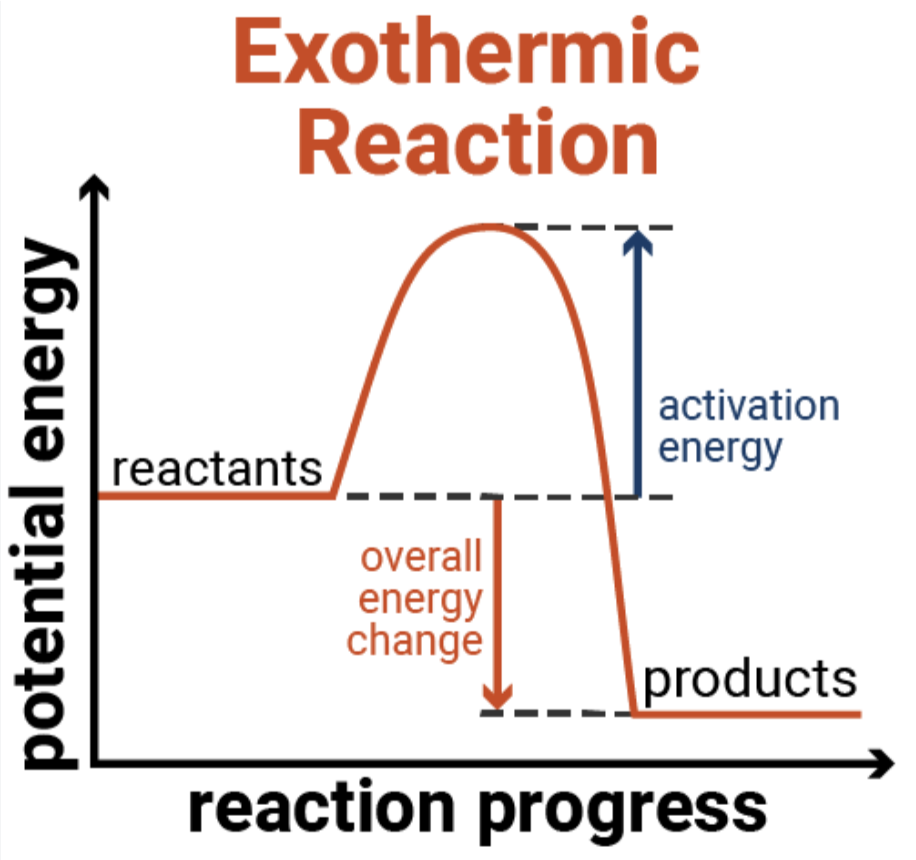
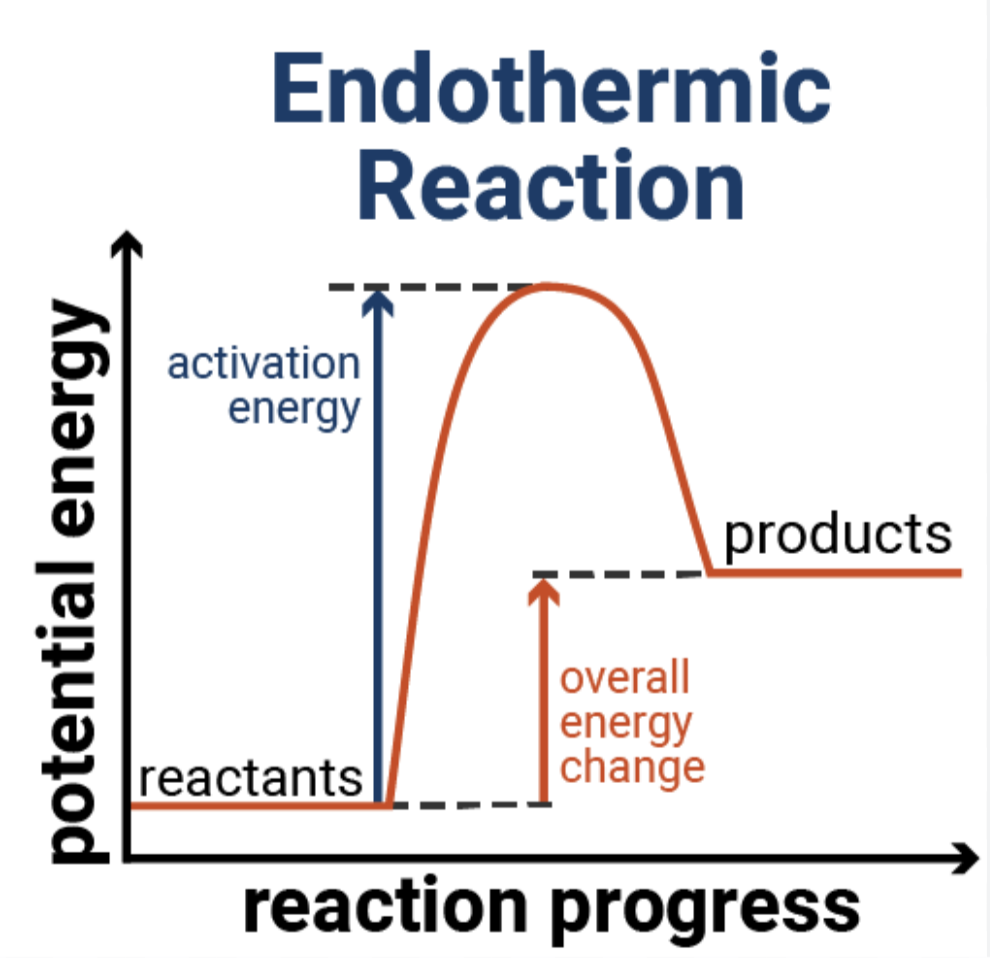
EA (activation energy)
the higher the EA, the slower the reaction
what is activation energy?
the minimum amount of energy required to initiate a chemical reaction
how is activation energy measured?
energy differnce between transition state and substrate
what is gibb’s free energy change?
change in free energy between reactant and product
what does it mean if ΔG is negative?
reaction favours product formation (forwards reaction)
product is more stable than substrate
favourable reaction as system’s free energy is decreased
can take place spontaneously
what does it mean if ΔG is positive?
reaction favours reactant/substrate formation (reverse reaction)
substrate is more stable than product
unfavourable reaction as system’s free energy is increased
cannot take place spontaneously
what does it mean when ΔG = 0?
the reaction is at equilibrium (equal rate of formation and dissociation)
what factors is ΔG dependent on?
concentration (of reactants/products), temperature…
what is a transition state?
point where bonds are in the process of breaking/forming
peak of energy barrier
reaction coordinate diagram for an exothermic reaction (-ΔG)
reaction coordinate diagram for an endothermic reaction?
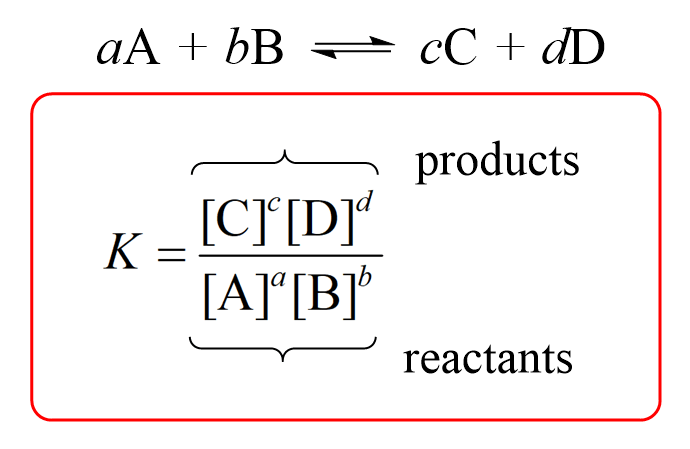
what is the equilbrium constant, Keq?
ratio of product concentration to reactant concentration at equilibrium
calculated at a specific temperature
what is the equation for Keq?
what is teh equation for ΔG°? (standard gibb’s free energy change)
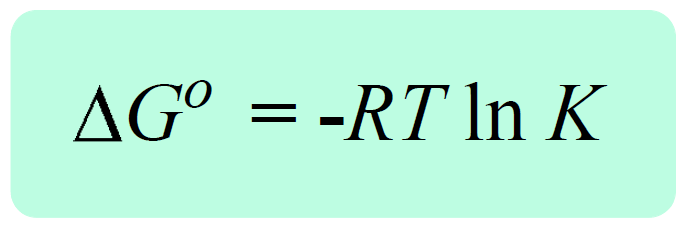
what does it mean when Keq > 1?
ΔG is negative
concentration of products > concentration of reactants
what does it mean when Keq < 1?
ΔG is positive
concentration of reactants > concentration of products
what does it mean when Keq = 0?
ΔG = 0
concentration of products = concentration of reactants