BIO Test #4
 Call Kai
 Learn
Learn Practice Test
 Spaced Repetition
 Match
Match Flashcards
 Knowt Play
1/13

There's no tags or description
Looks like no tags are added yet.
Name | Mastery | Learn | Test | Matching | Spaced | Call with Kai | Chat |
|---|
No analytics yet
Send a link to your students to track their progress
14 Terms
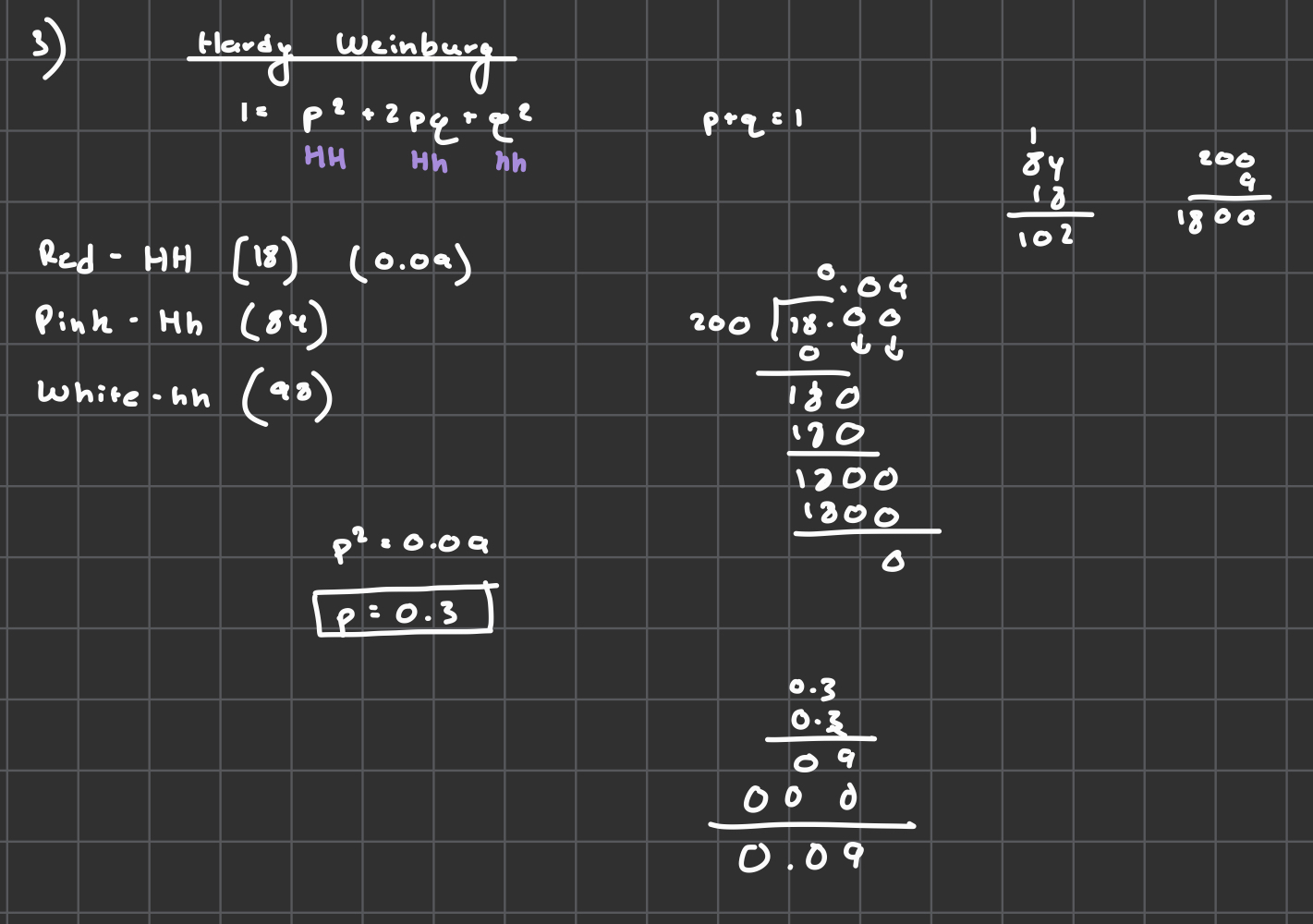
There are three types of flowers in a population: red (homozygous dominant), pink (heterozygous), and white (homozygous recessive). In a population of 200 flowers, 18 are red, 84 are pink, and the rest are white. What is the frequency of the dominant allele?
A.
0.3
B.
0.7
C.
0.09
D.
0.42
E.
0.49
A.
0.3
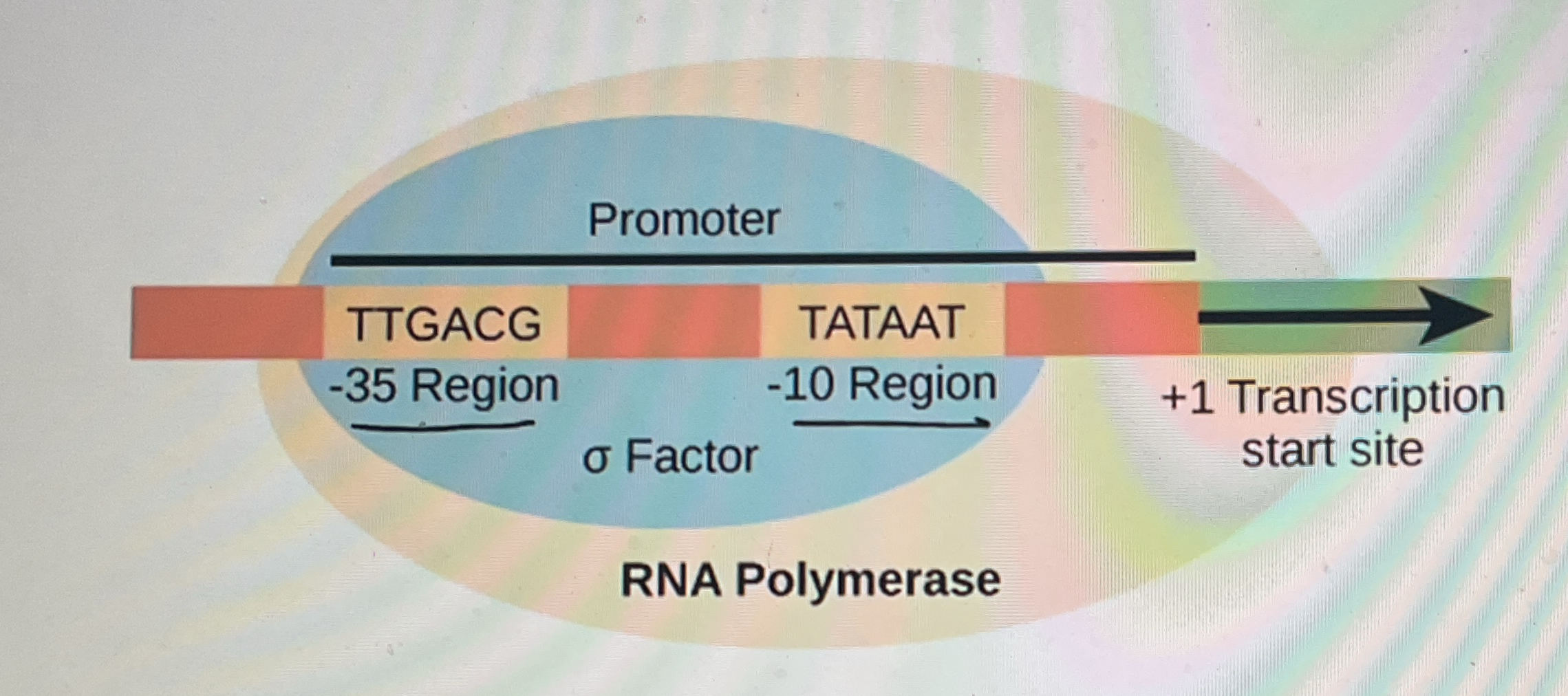
All of the following are correct statements about protein production in prokaryotes and eukaryotes EXCEPT for one. Which one is the EXCEPTION?
A.
Eukaryotes have promoter sequences while prokaryotes do not
B.
Protein translation occurs in the cytosol for both prokaryotes and eukaryotes
C.
Eukaryotic ribosomes are 80S and prokaryotic ribosomes are 70S
D.
RNA polymerase is necessary for transcription in eukaryotes and prokaryotes
E.
Transcription and translation are simultaneous in prokaryotes but not eukaryotes
A.
Eukaryotes have promoter sequences while prokaryotes do not
Both prokaryotes and eukaryotes have promotor sequences
Differences:
Eukaryotes:
Bigger Promoters
RNA Polymerase cannot directly bind to promoter (needs transcription factors)
Prokaryotes:
Smaller promotoers
RNA Polymerase can directly bind to promoter
Erythroblastosis fetalis is a hemolysis disease that can be fatal to the embryo. Which of the following conditions would cause this hemolysis disease?
A.
Rh-negative blood from the mother interacts with Rh-positive blood from the baby
B.
Rh-positive blood from the mother interacts with Rh-negative blood from the baby
C.
Rh-negative blood from the mother interacts with Rh-positive blood from the father
D.
Rh-positive blood from the father interacts with Rh-negative blood from the baby
E.
Rh-negative blood from the mother interacts with Rh-negative blood from the baby
A.
Rh-negative blood from the mother interacts with Rh-positive blood from the baby
Erythroblastosis fetalis
Immune system of mother attacks RBCs of fetus
Baby has Rh antigens on RBCs (Rh+)
Mother is Rh- (Doesnt have Rh antigens on RBCs)
Mothers body sees Rh antigen as foreign, body produces Rh factor antibodies agasint them.
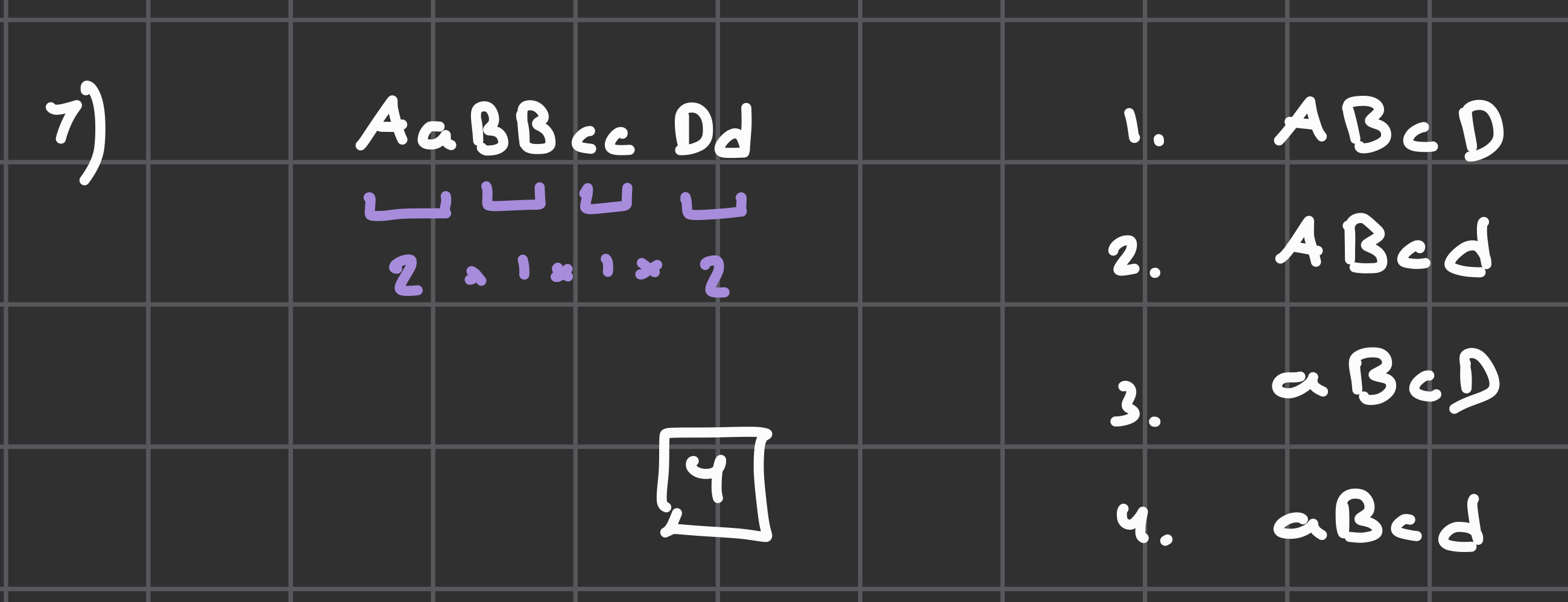
How many unique gametes can be produced from an organism with the genotype AaBBccDd?
A.
2
B.
4
C.
6
D.
212
E.
All gametes would be identical
B.
4
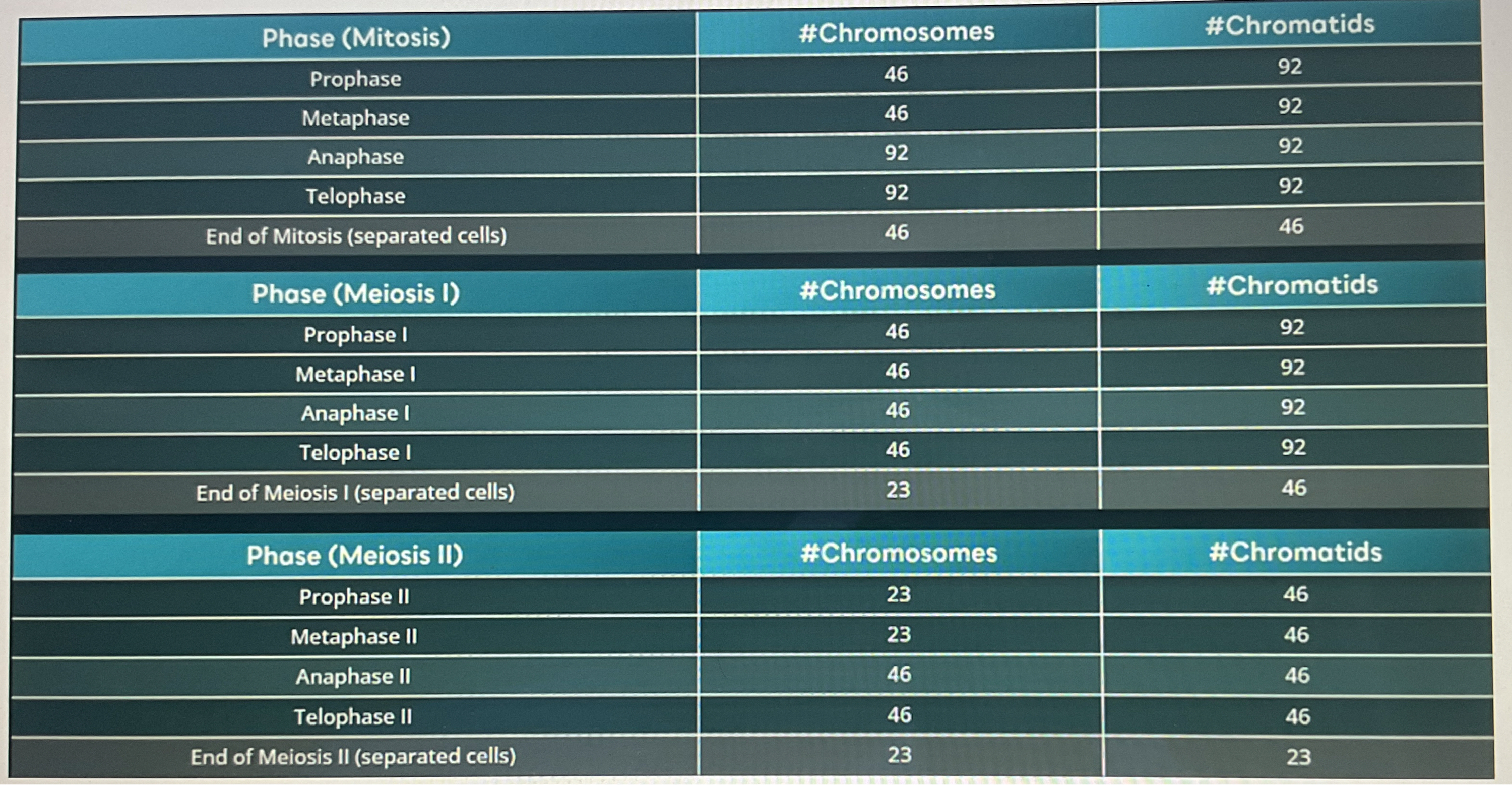
In human gamete production during meiosis, how many chromatids are present during Anaphase I?
A.
0
B.
23
C.
46
D.
92
E.
184
D.
92
Draw a diagram
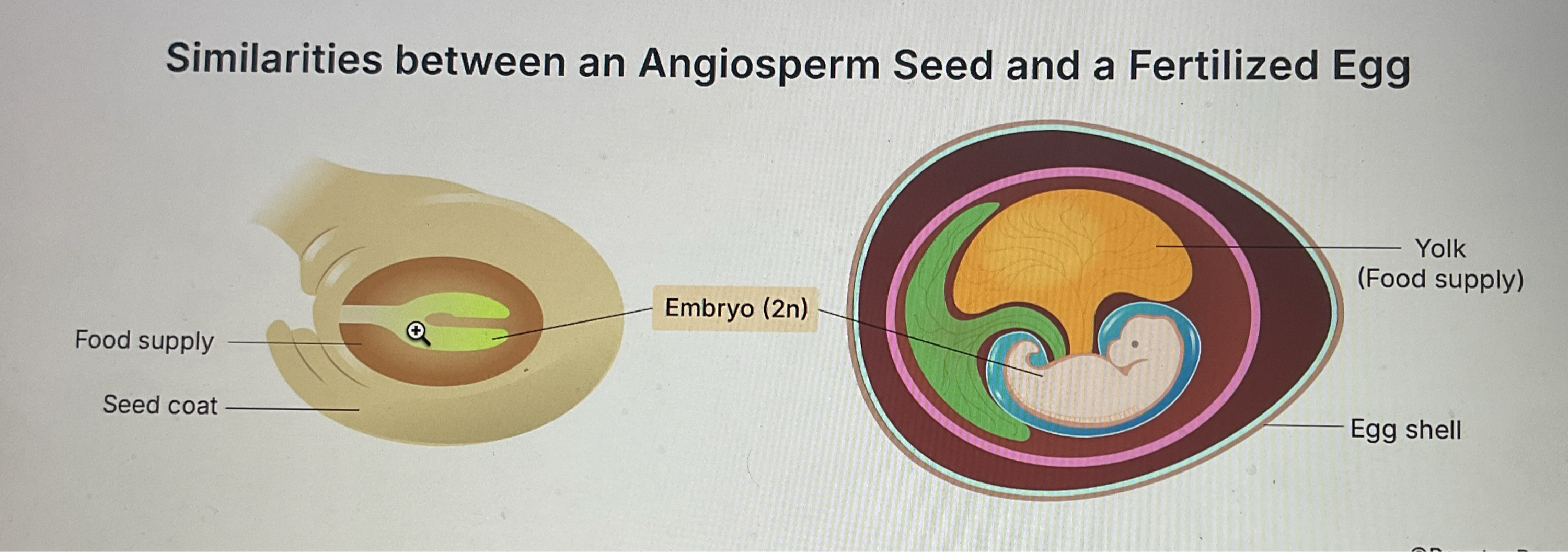
What is a similar trait between flower-bearing plants and birds?
A. An abundant nutrient sac to provide for the developing embryo
B. Colorful patterns to attract mates
C. Engage in both sexual and asexual reproduction
D. Courtship behaviors for mating
E. Alternation between haploid and diploid forms
A.
An abundant nutrient sac to provide for the developing embryo
What type of mutation causes sickle cell anemia?
A.
Missense
B.
Nonsense
C.
Frameshift
D.
Silent
E.
Deletion
A.
Missense
Remember, sickle cell anemia is heterozygoes advatnage, one normal allele and one mutated allele.
Which of the following organisms contains nucleated cells and has a predominantly haploid lifecycle?
A.
Angiosperms
B.
Fungi
C.
Gymnosperms
D.
Queen bees
E.
Tracheophytes
B.
Fungi
Which of the following processes causes the webbing between human fingers to disappear during embryonic development?
A.
Apoptosis
B.
Splicing
C.
Hypertrophy
D.
Gastrulation
E.
Conjugation
A.
Apoptosis
Which of the following organisms are amniotes?
A.
Mammals and amphibians
B.
Amphibians and reptiles
C.
Mammals, amphibians, and reptiles
D.
Birds, amphibians, and reptiles
E.
Mammals, birds, and reptiles
E. Mammals, birds, and reptiles
Most things that live in the water are not amniotes (tadpoles))
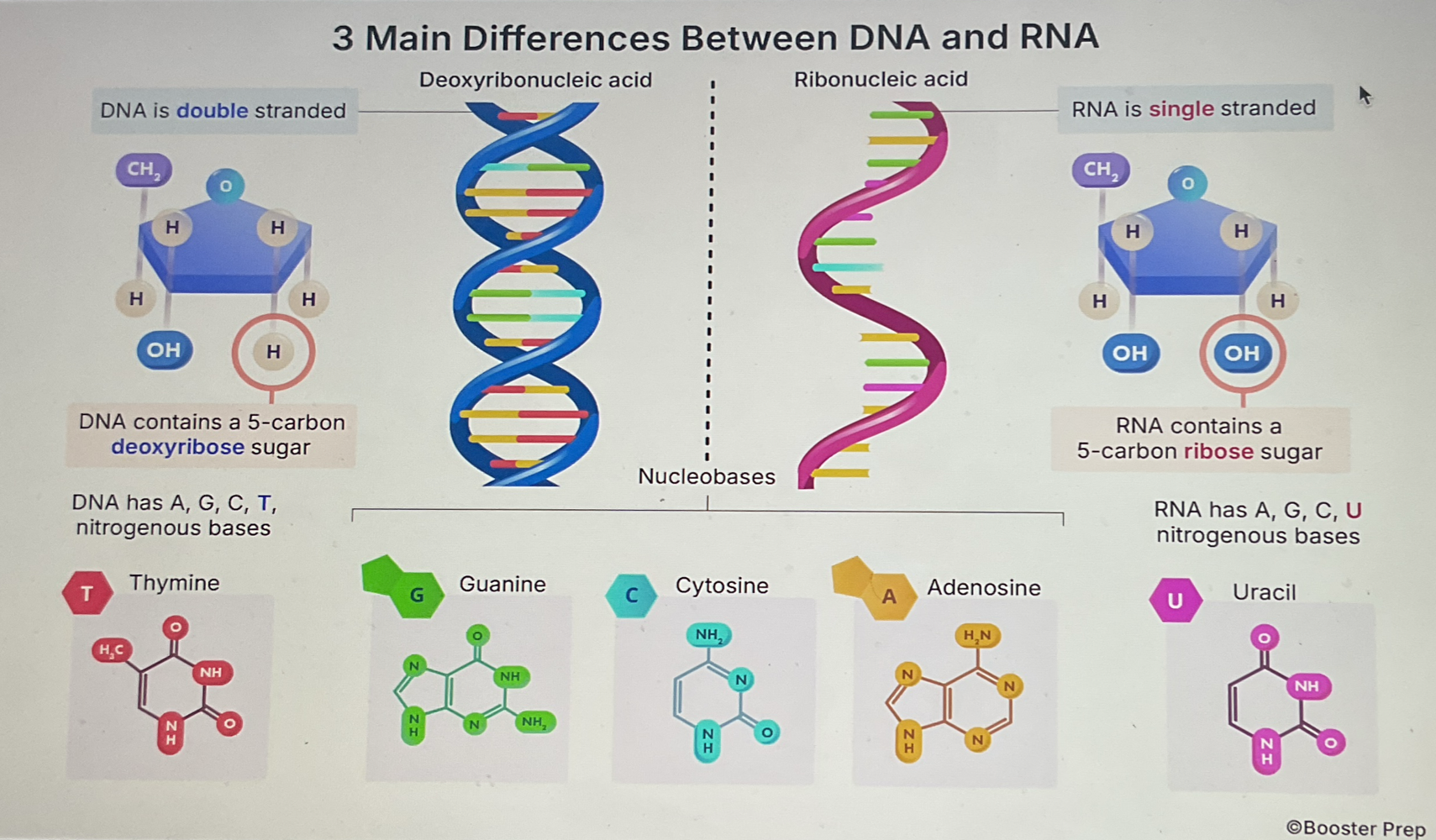
What is the primary difference between DNA and RNA?
A.
Presence of nitrogenous base
B.
Carbon atoms
C.
Phosphate group
D.
Phosphodiester backbone
E.
Sugar type
E. Sugar type
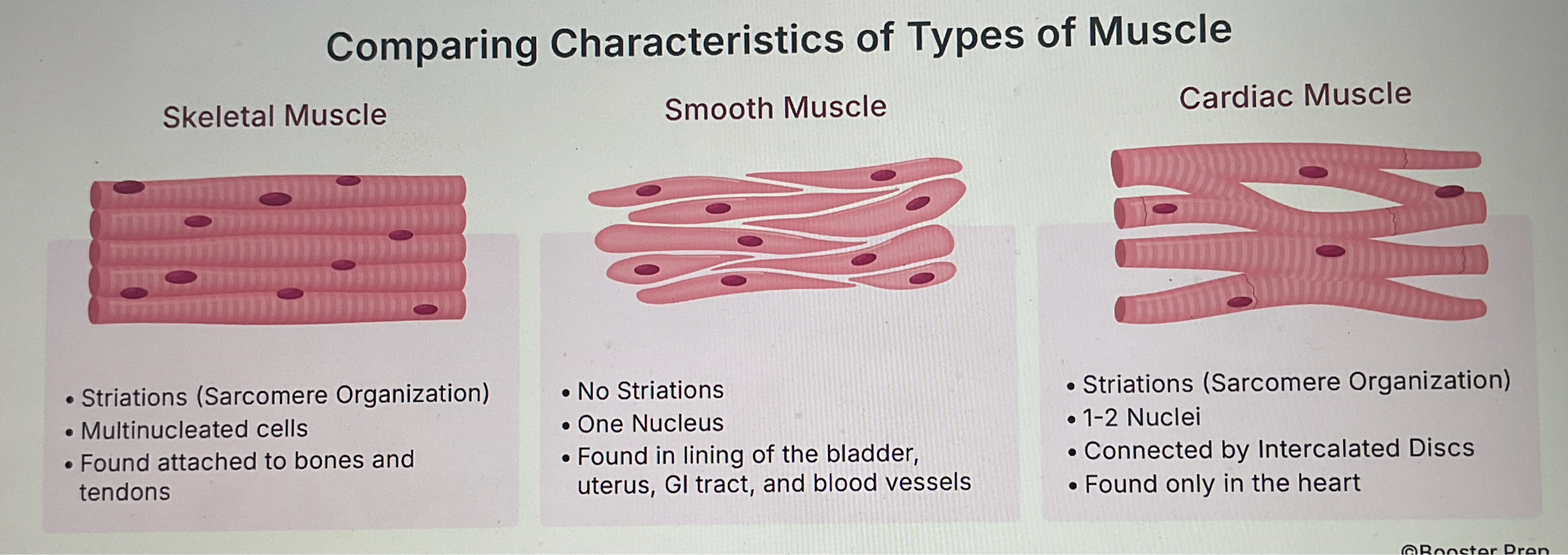
Which of the following is a characteristic of a smooth muscle cell?
A.
Single nucleus
B.
Sarcomere
C.
Troponin
D.
T-tubules
E.
Intercalated discs
A. Single nucleus
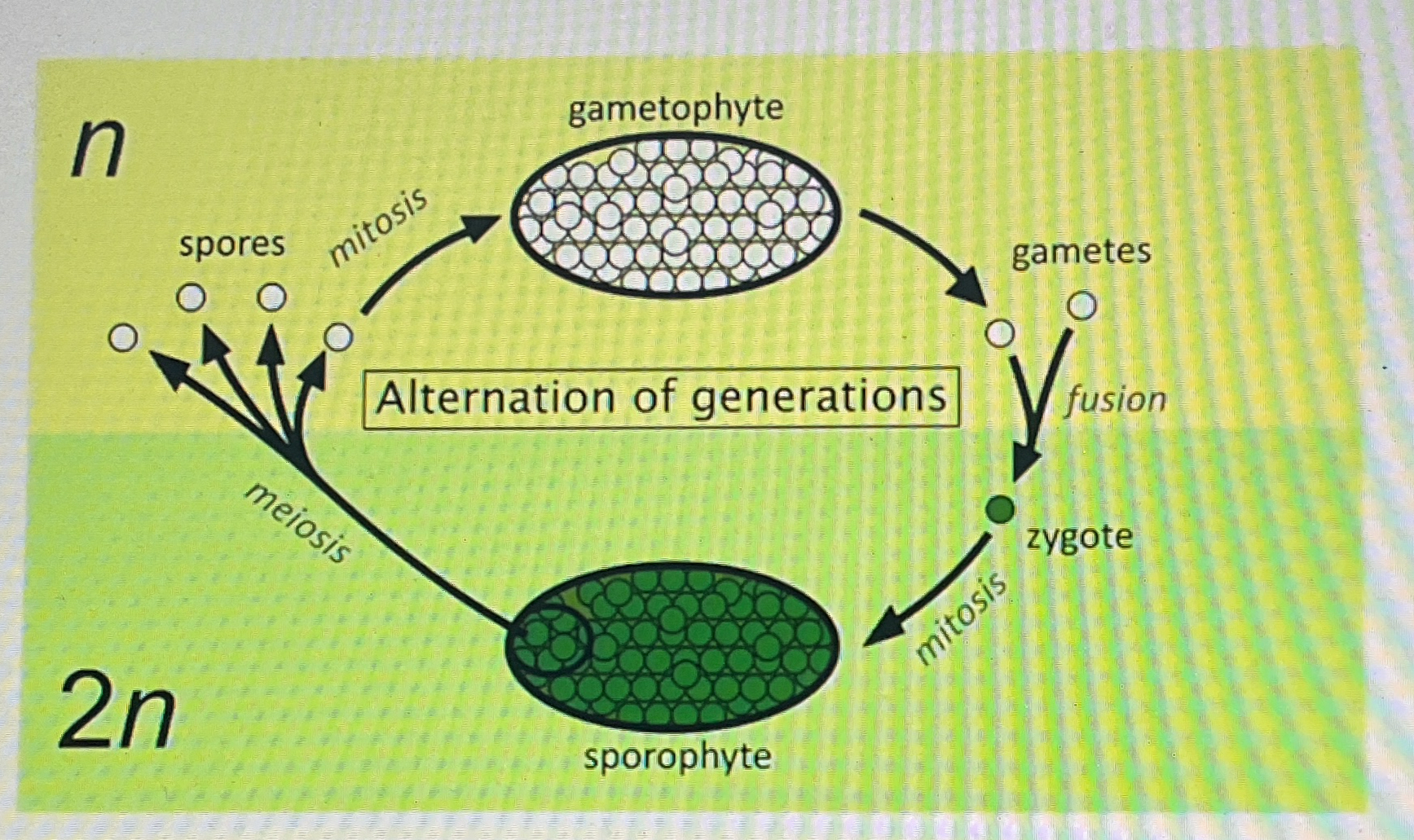
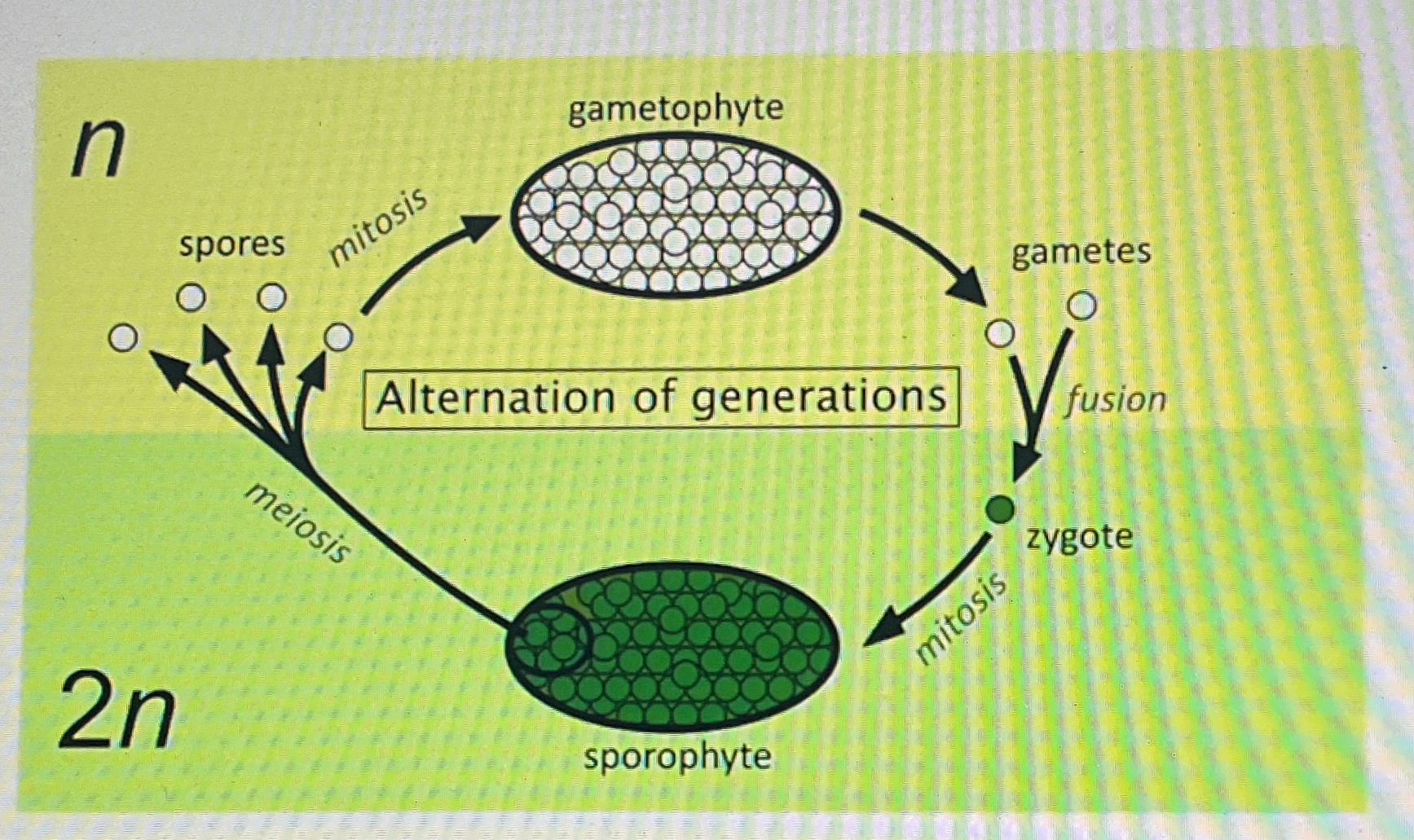
Which of the following is true regarding the reproductive cycle of plants?
A.
Spores are unicellular diploid cells that divide to become multicellular
B.
The gametophyte is a multicellular haploid stage that produces diploid cells
C.
The sporophyte is the multicellular diploid stage and the gametophyte is the multicellular haploid stage
D.
Fertilization gives rise to a multicellular diploid gametophyte
E.
Gametes are formed only by the diploid generation
C.
The sporophyte is the multicellular diploid stage and the gametophyte is the multicellular haploid stage
If actin were deficient in a cell, what would be the effect on the cell cycle?
A.
Chromosomes would be unable to align on the metaphase plate
B.
The centrosome would fail to organize the mitotic spindle
C.
Sister chromatids would remain stuck together during anaphase
D.
Cytokinesis would be impaired
E.
The nucleus would be unable to dissolve during prophase
D.
Cytokinesis would be impaired
Actin and Myosin do the “heavy duty” work of splitting the cell with the cleavage furrow. Everything else regarding the movement of chromomes in teh cell cycle are done by microtubules.