Practical 1 (based on 9/11 review)
 Call Kai
 Learn
Learn Practice Test
 Spaced Repetition
 Match
Match Flashcards
 Knowt Play
1/118

There's no tags or description
Looks like no tags are added yet.
Name | Mastery | Learn | Test | Matching | Spaced | Call with Kai | Chat |
|---|
No analytics yet
Send a link to your students to track their progress
119 Terms
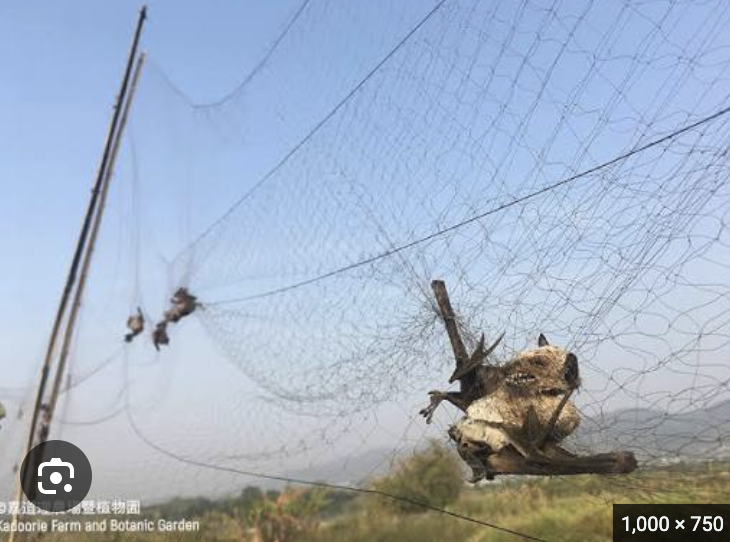
This live trap is used for bats
Mist net
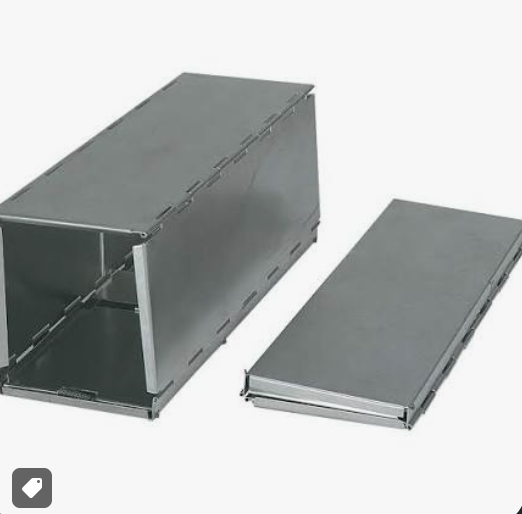
This live trap is used for small mammals
Sherman Live Trap
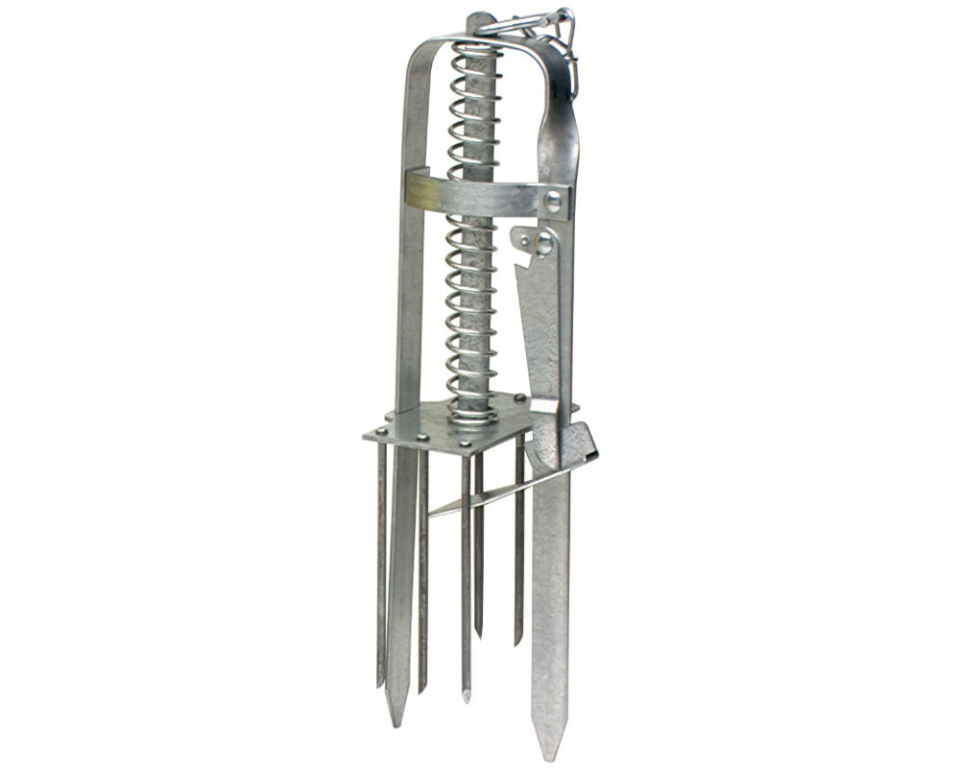
This kill trap is used for burrows and dens
Harpoon mole trap
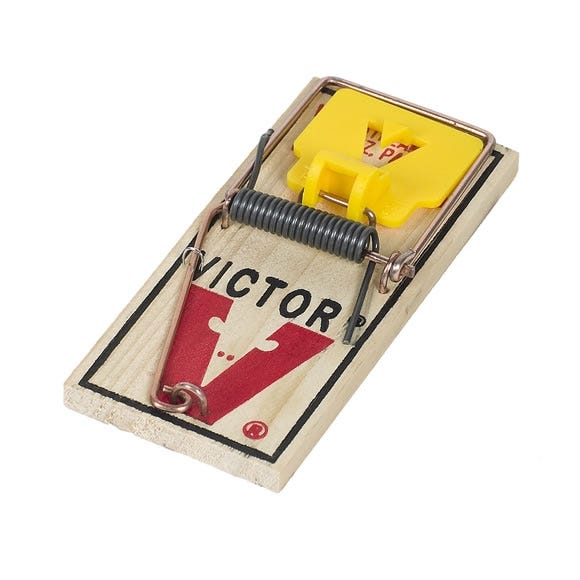
This kill trap is used for small mice
Victor snap trap
2 types of hair growth patterns
Angora
Definitive
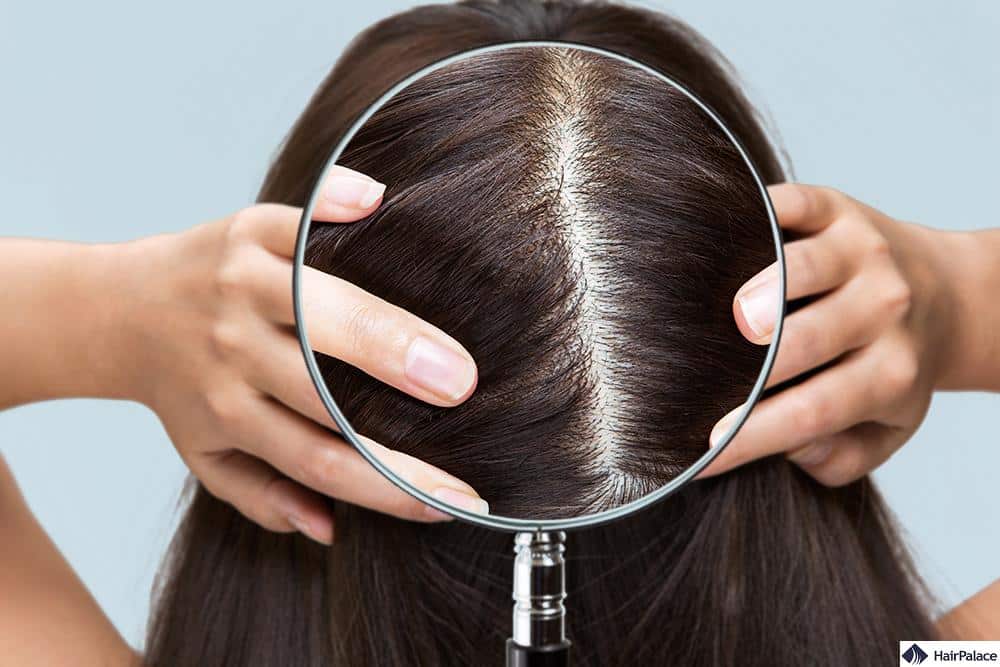
______ hair exhibits continuous growth (Ex: human head hair)
Angora
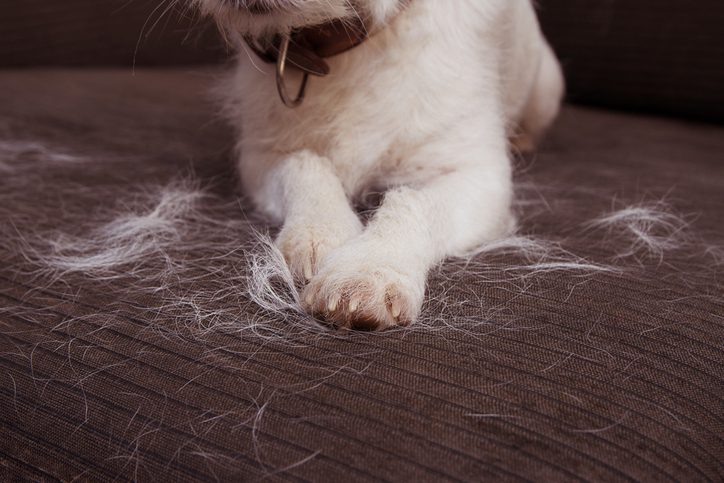
_______ hair reaches a definitive length and is shed periodically (Ex: fur, eyelashes)
Definitive
3 types of hair
Vibrissae
Guard hair
Underfur
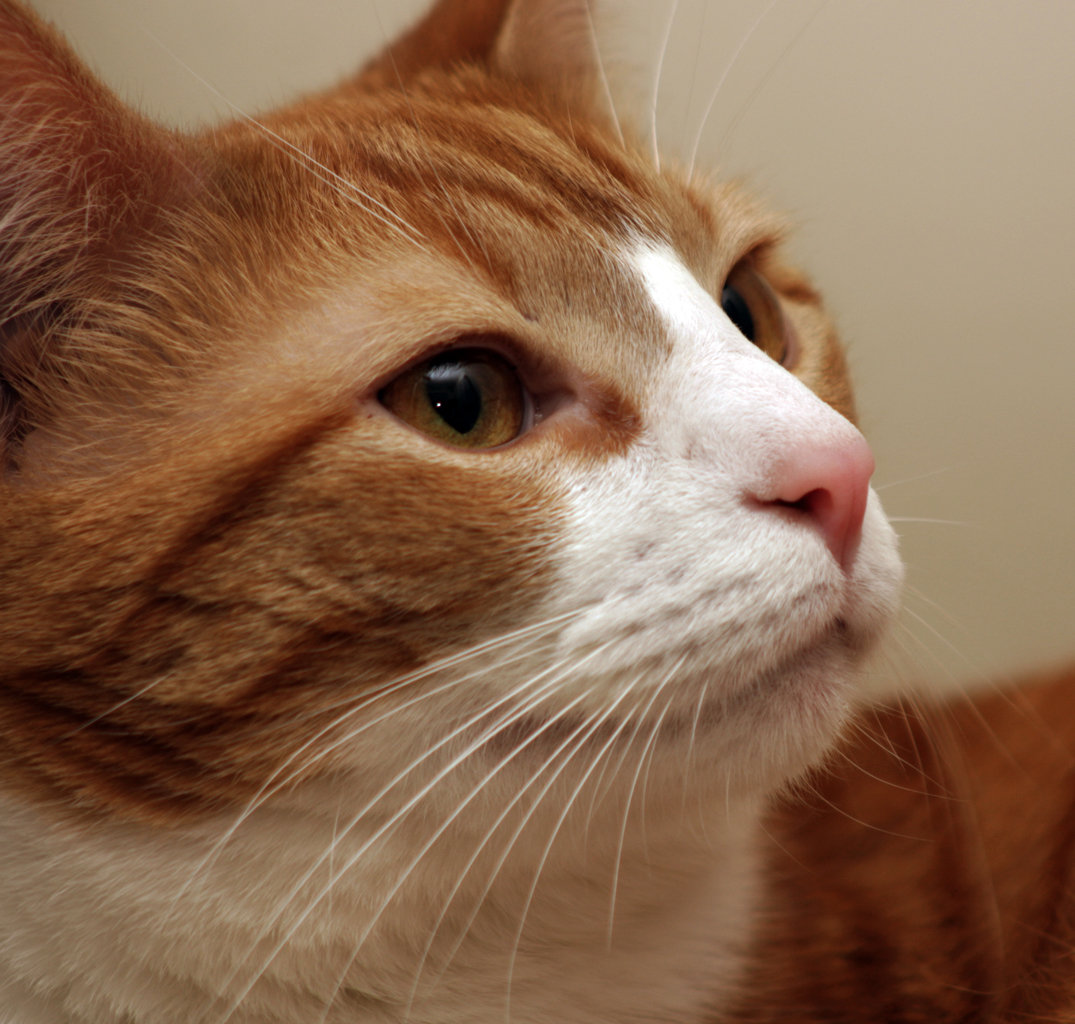
________ or whiskers, are long stiff hairs that serve as tactile receptors
Vibrissae
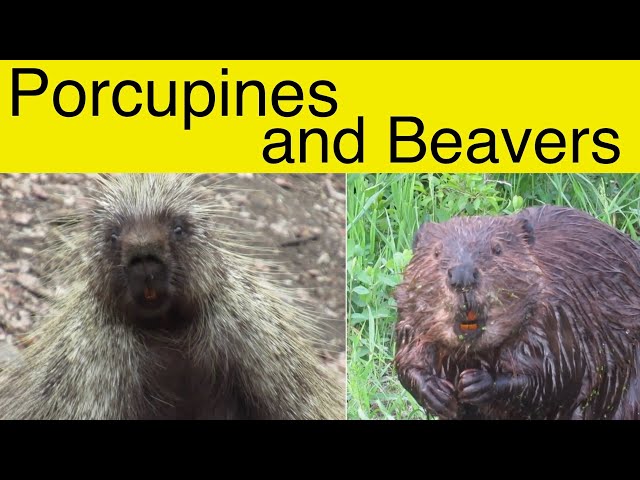
________ ____ is a hair type that functions as protection and waterproofing, sometimes modified into spines
Guard hair
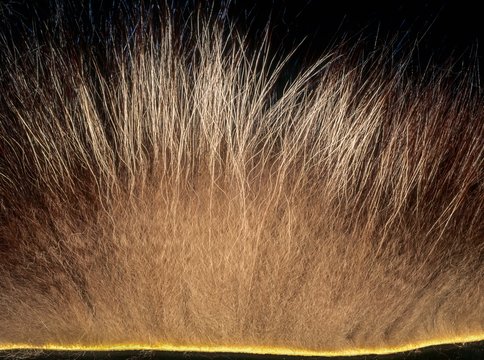
_______ is a hair type that consists of a short, dense undercoat and can function as insulation
Underfur
_______ are present in Therian mammals but NOT in Prototherians (Platypus/Echidna)
(knowt wouldnt let me finish the full word)
Nips
The ________ ______ separates abdominal (guts) and thoracic (heart/lungs) cavities
Muscular diaphragm
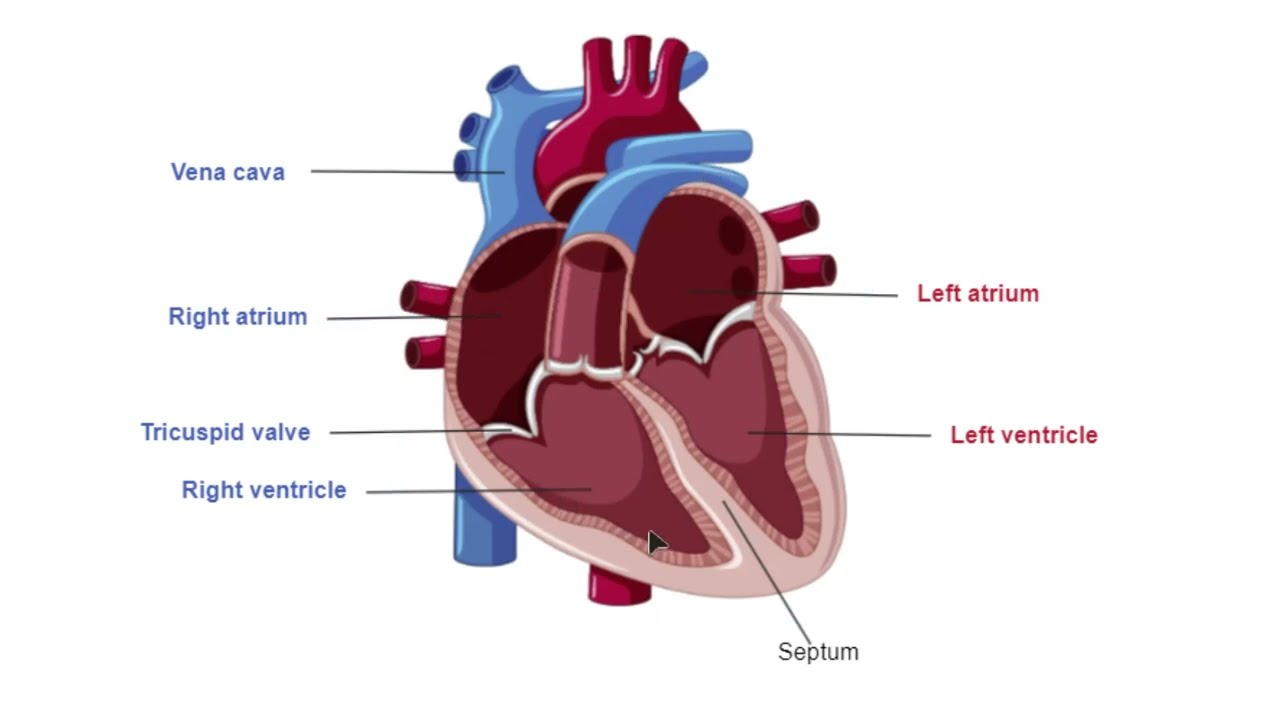
Mammals have a _ chambered heart
4
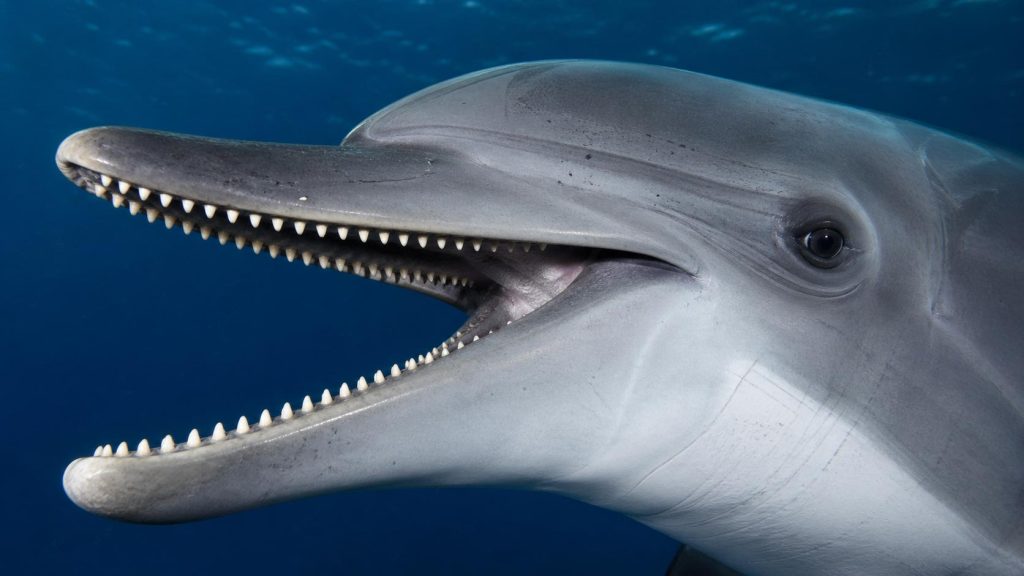
A _______ has teeth that are all the same size and structure (Ex: Dolphin)
Homodont
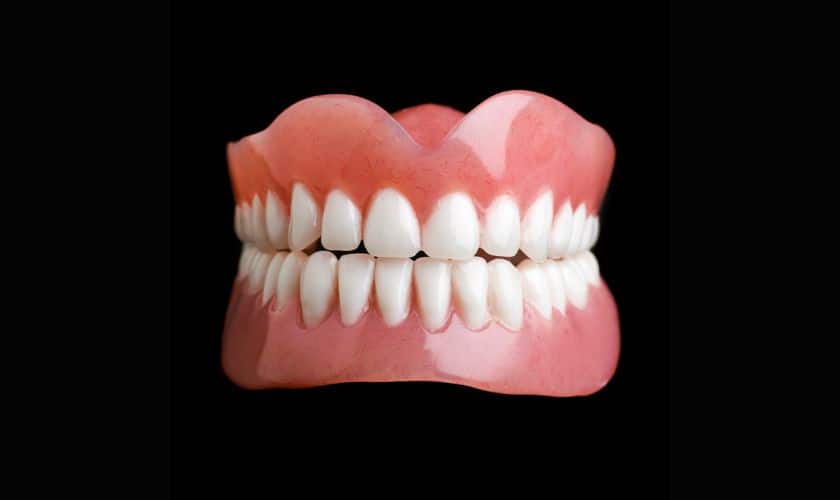
A ________ have multiple types of teeth of different sizes and structures. (Ex: most mammals)
Heterodont
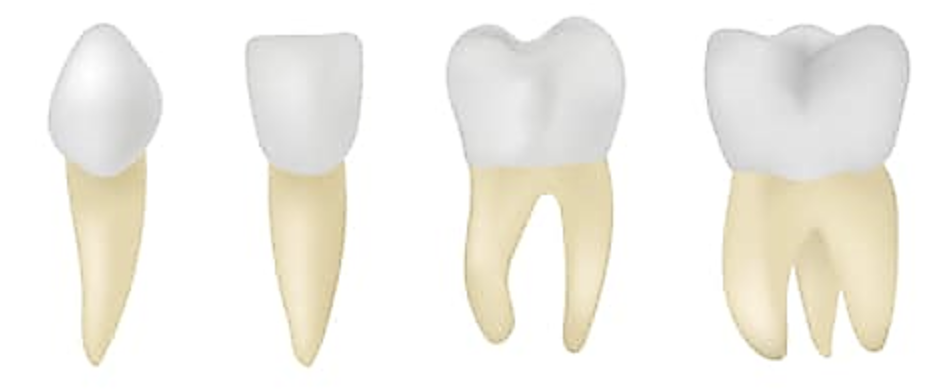
4 basic types of teeth for heterodonts
Canine (sharp teeth)
Incisor (front)
Premolar (smaller molars between canine and molars)
Molar (large in the back)
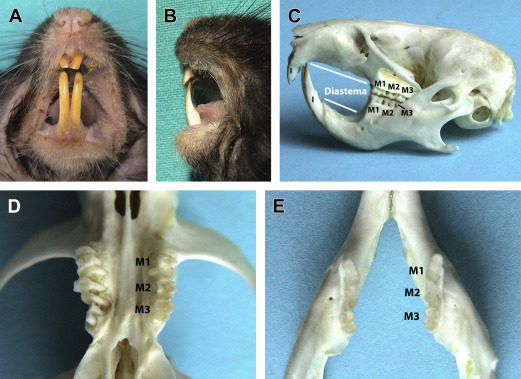
A ________ is a gap between teeth (Ex: Beaver, Horses, Rabbits)
Diastema
A ___________ have one set of teeth (Ex: Hamster)
Monophyodont
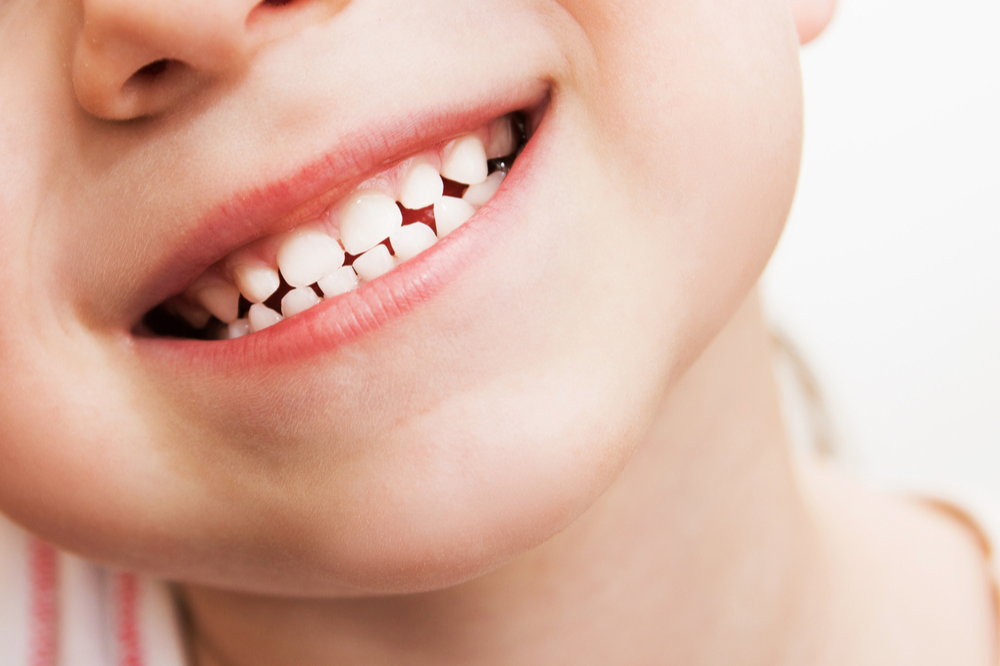
A _______ have two sets of teeth (Ex: Humans → baby teeth)
Diphyodont
2 molar crown types
Hypsodont (high crowns)
Brachydont
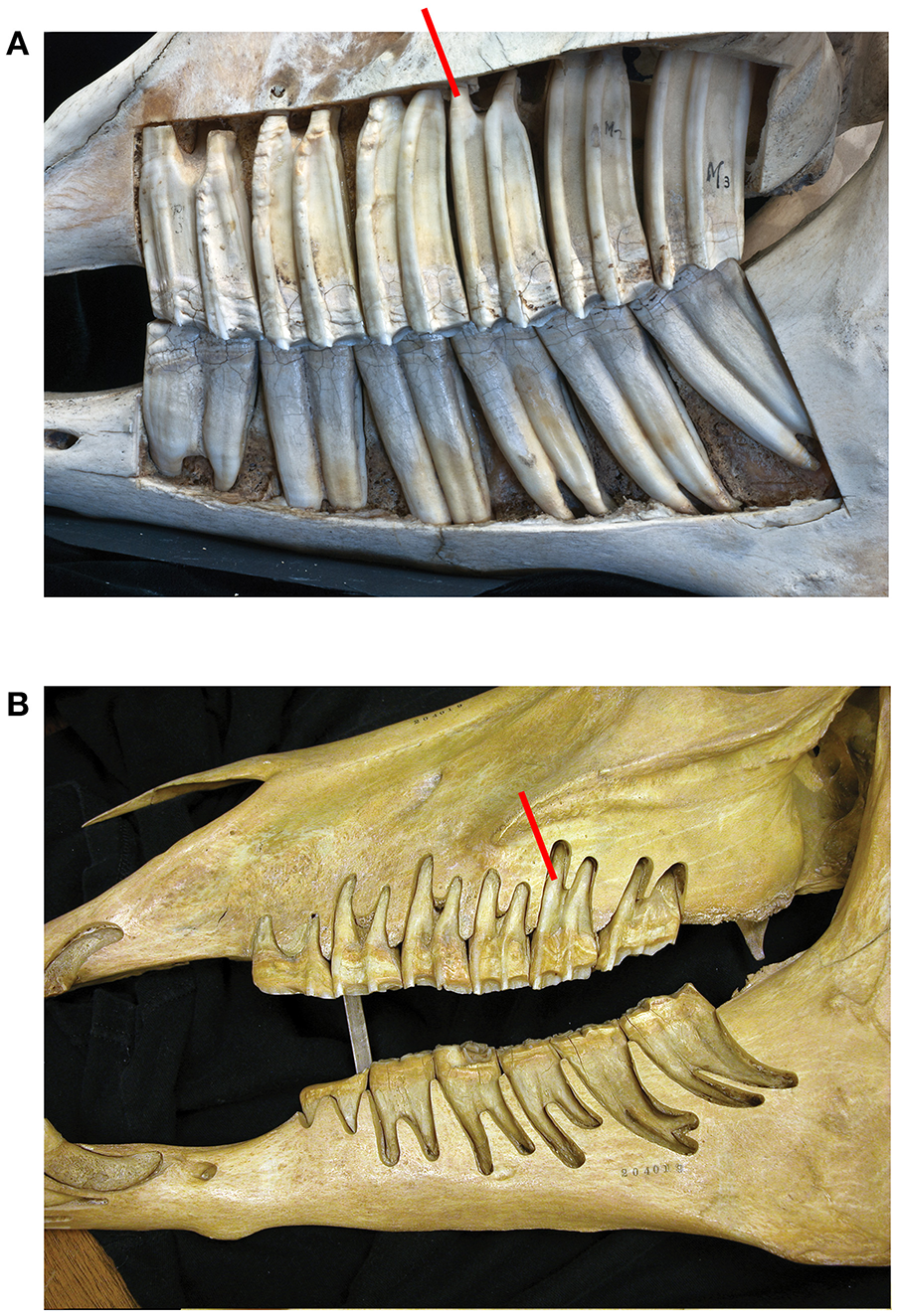
__________ are high crowned molars for mammals that eat abrasive foods (Ex: Horses)
Hypsodont
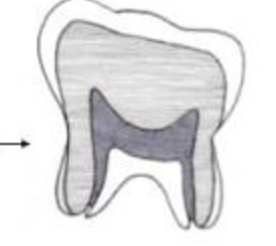
_________ are low crowned molars (Ex: Humans)
Brachydont
5 molar shapes
Bunodont
Lophodont
Selenodont
Dilambdodont
Secodont
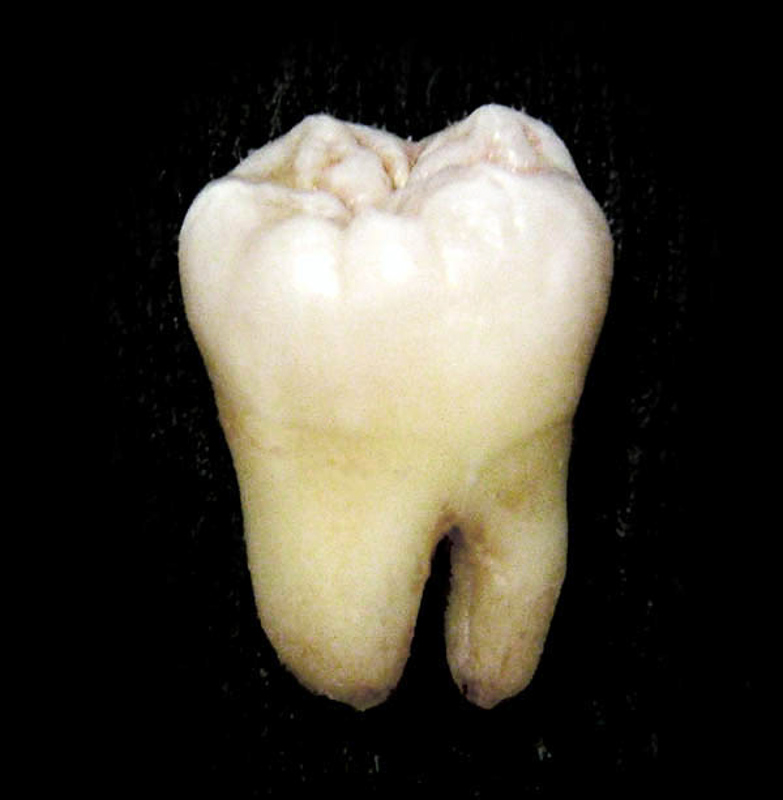
________ is a crown pattern with low, cone shaped or rounded cusps.
Omnivores
Bunodont
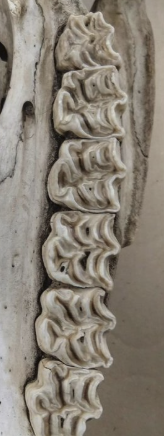
_______ is a crown pattern with transverse cusps with intervening valleys, grinding teeth
Herbivores
Lophodont
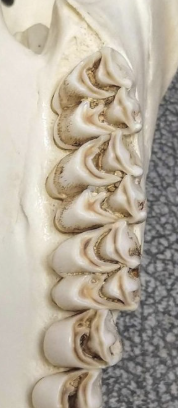
_______ is a crown pattern of crescent shaped cusps. grinding teeth
Herbivores
Selenodont
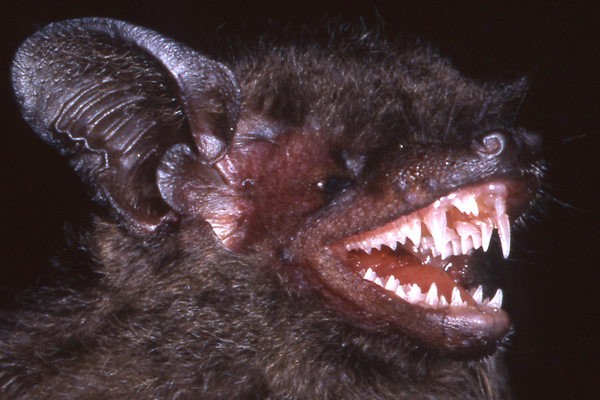
__________ is a crown pattern shaped like a W and found in bats
Dilambdont
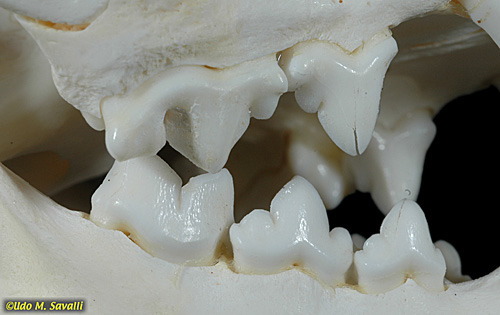
________ is a crown pattern whre cusps are reduced to 2 major cusps that form a cutting edge
Carnivores
Secodont
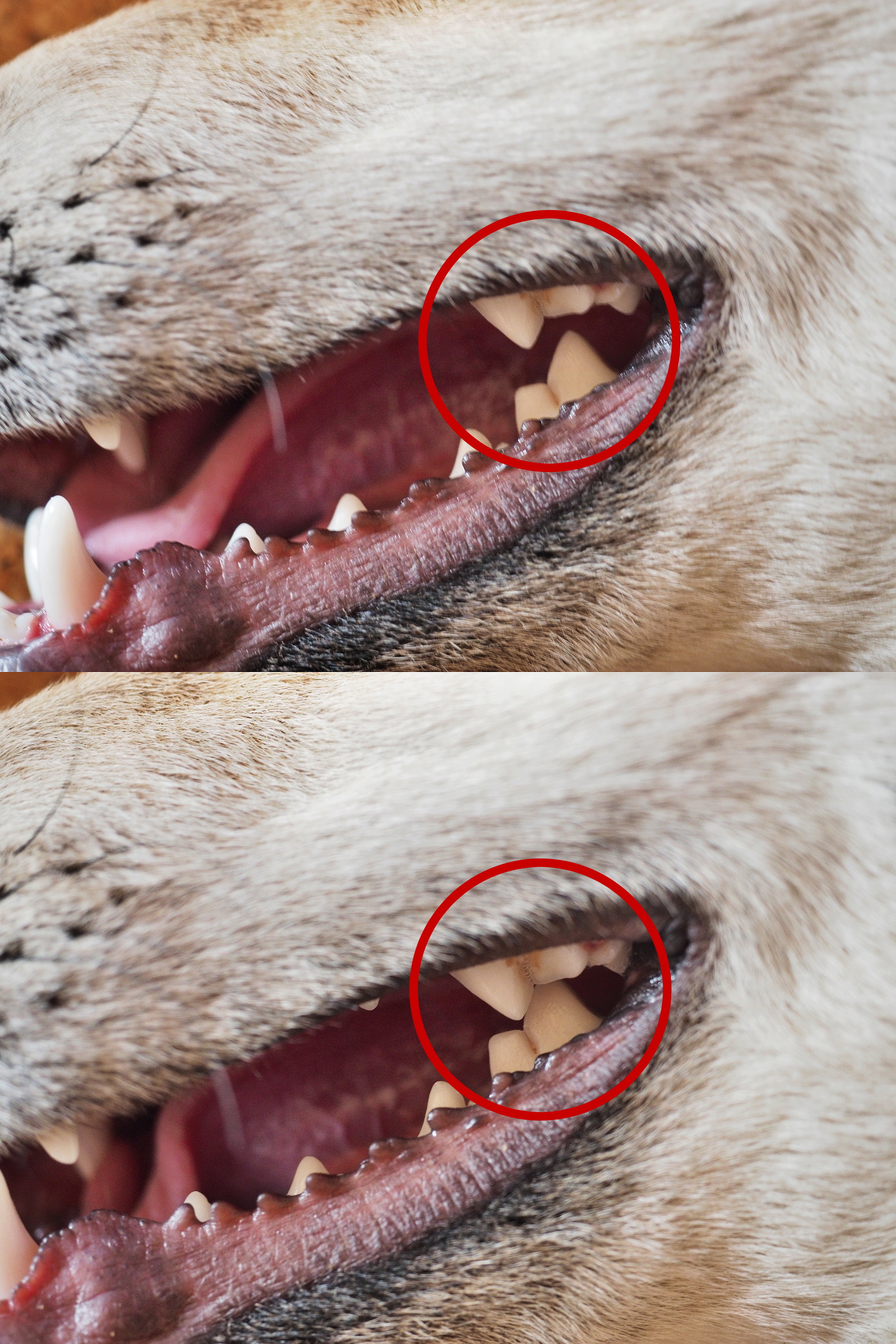
A _______ ___ is a specialized secodont molar found only in Order Carnivora; blade like teeth that cut like scissors (last upper premolar and 1st lower molar)
Carnassial pair

A mammals bottom jaw is made up of a single _______ bone
Dentary

Jaw articulation in MAMMALS
Dentary → Squamosal

Jaw atriculation in REPTILES
Articular → Quadrite

Like reptiles, Mammals also have a _______ and _____ bone, but it is in the ear.
Malleus (Articular) and Incus (quadrate)
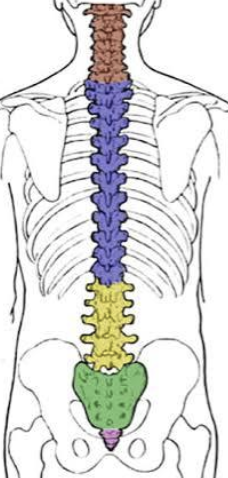
Vertebral column (top to bottom)
Cervical (7)
Thoracic (12)
Lumbar (5)
Sacral/Sacrum (varies)
Caudal (varies)

Shoulder/Front leg
Scapula (shoulder blade)
Humerus (upper arm)
Ulna (elbow → pinky)
Radius (elbow → thumb)
Carpels (wrist bones)
Metacarpels (hand bones)
Phalanges (fingers)

Hips
Ilium (Hip bones)
Pubis (Pubic bone)
Ischium (sitting bones)
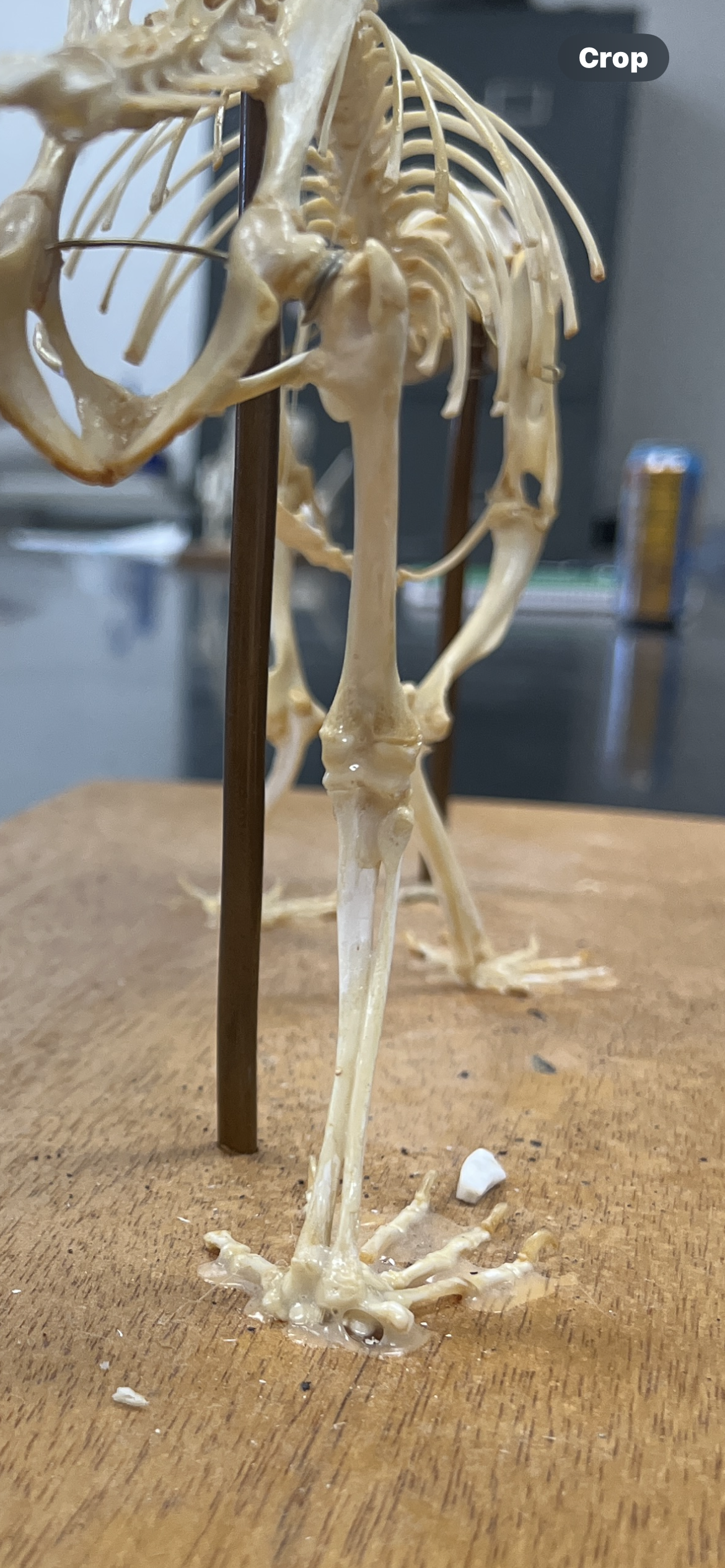
Back Leg
Femur (thigh)
Patella (Knee cap)
Tibia (Knee → ankle)
Fibula (small on side of leg)
Tarsals (Ankle bones)
Metatarsals (feet bones)
Phalanges (Toes)
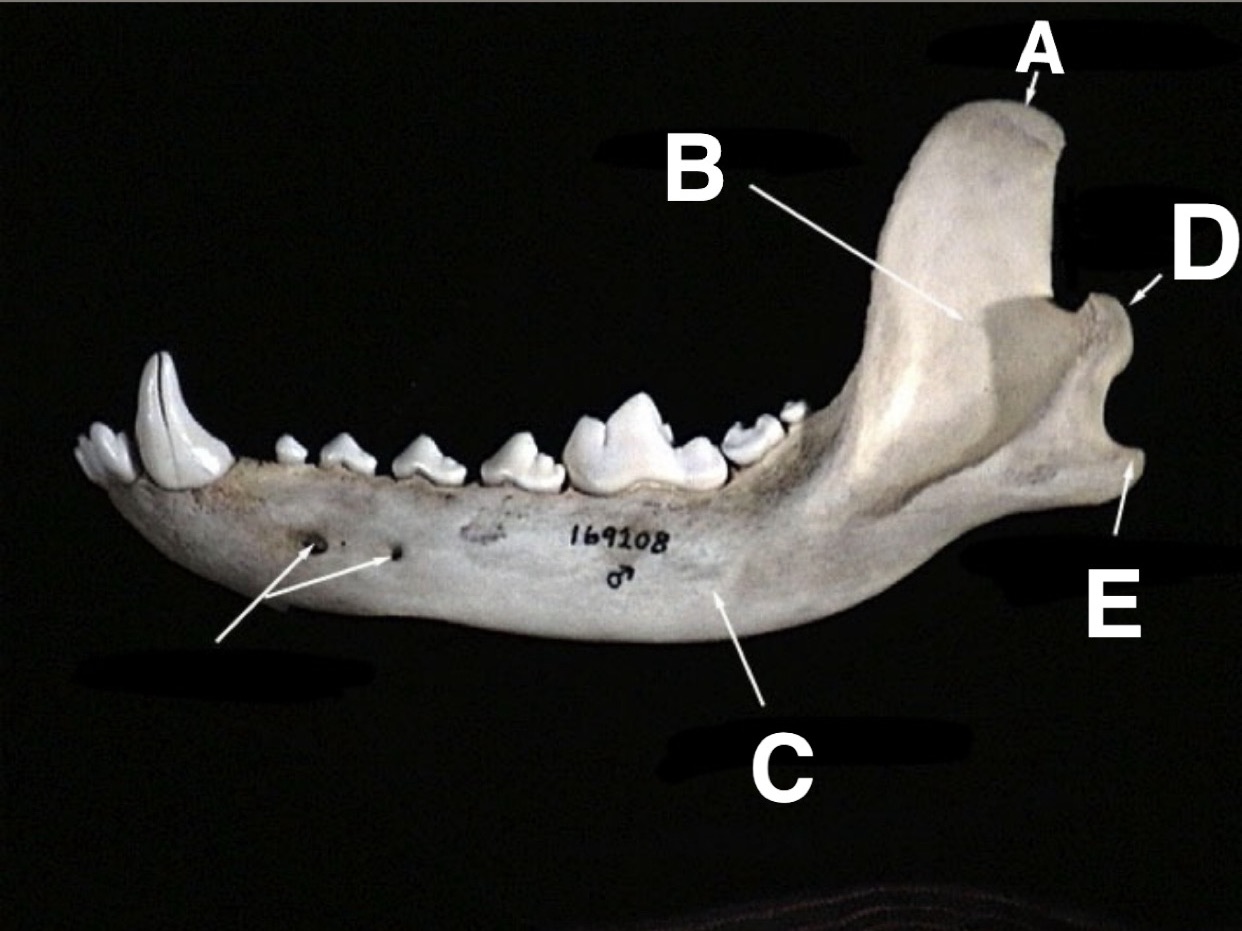
A (High round part)
Coronoid Process
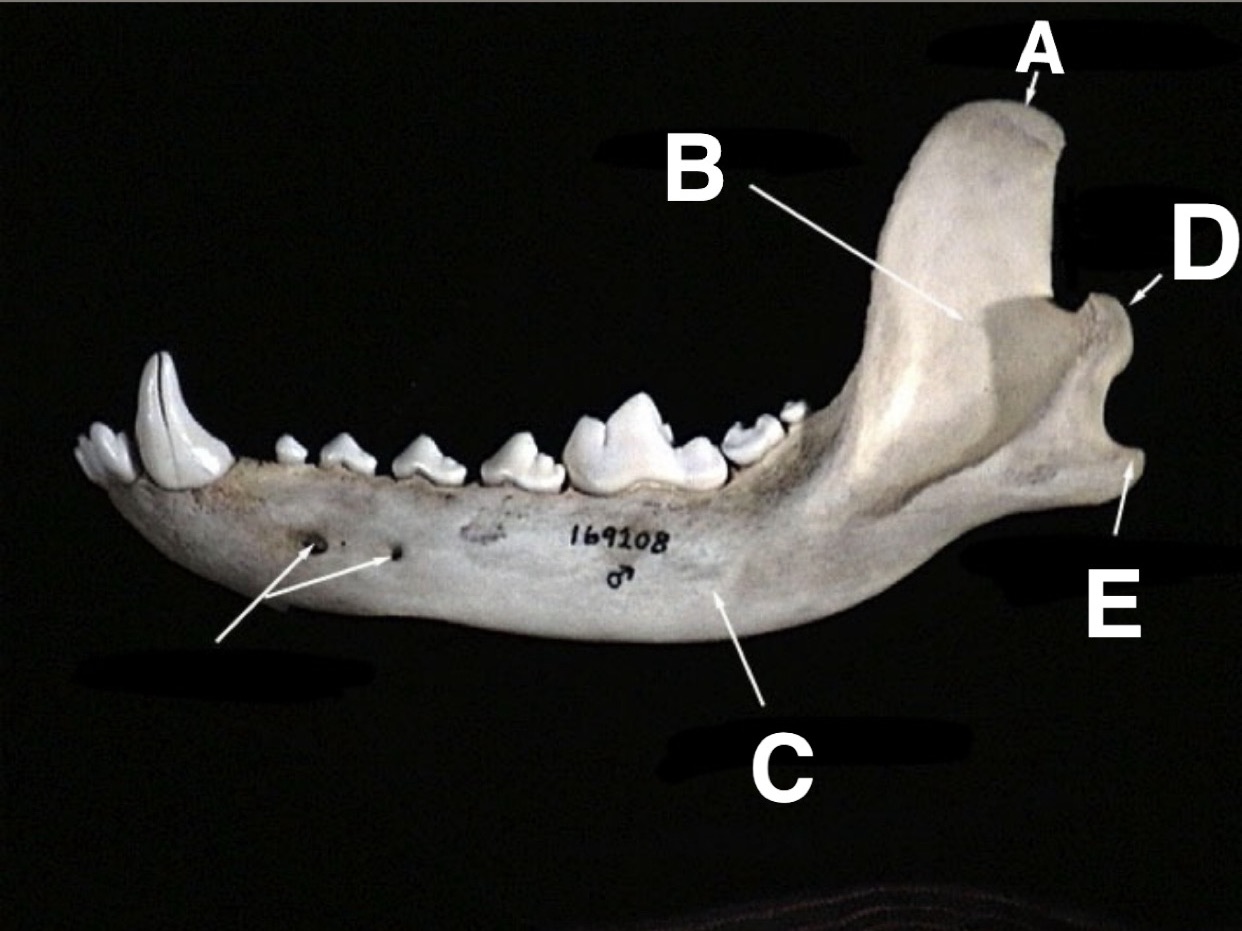
B (Where muscle sits)
Masseteric Fossa

C (One whole lower jaw bone)
Dentary
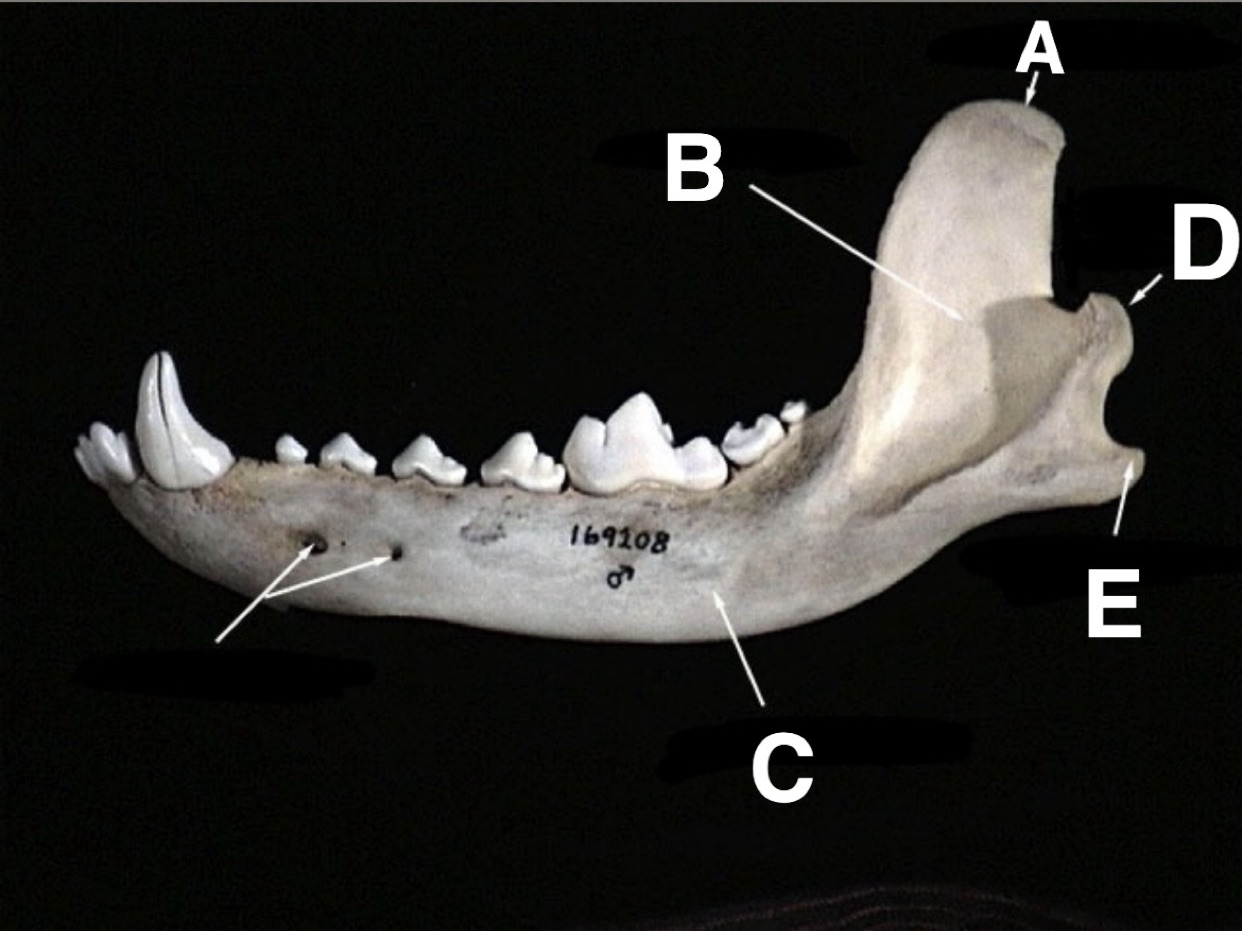
D (Horizontal nub)
Mandibular Condyle
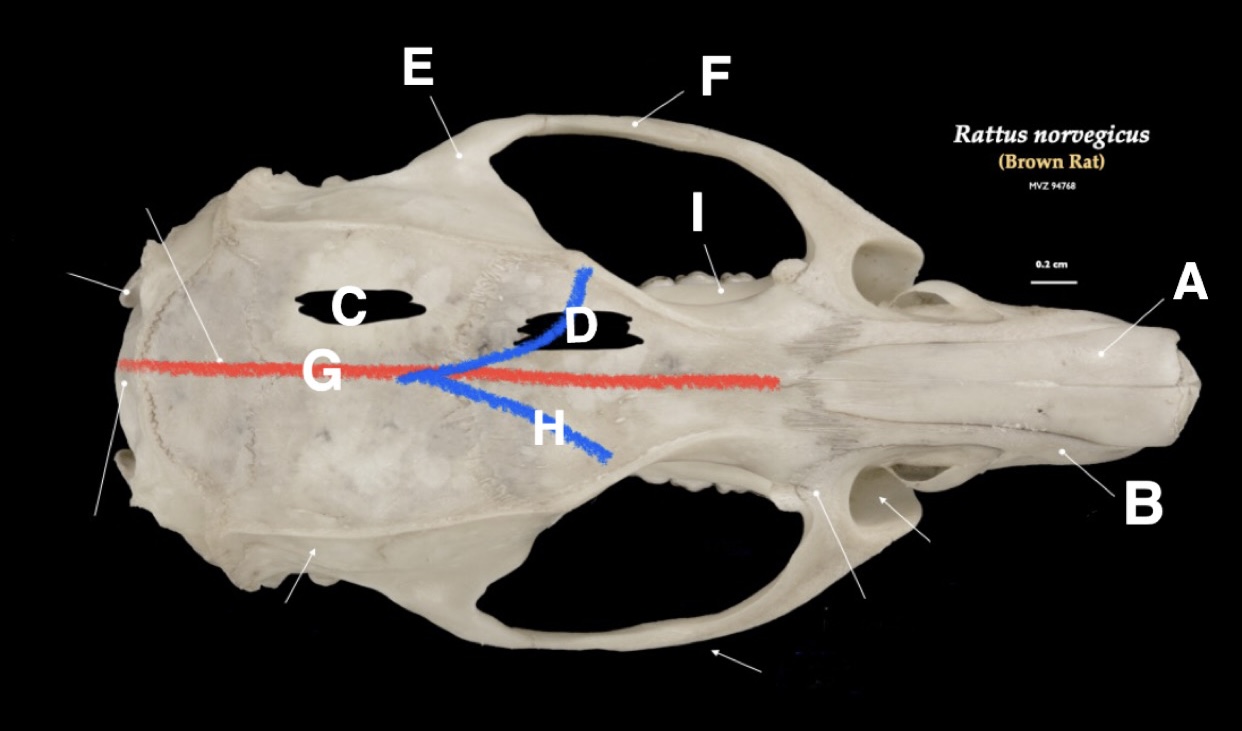
A (nose)
Nasal
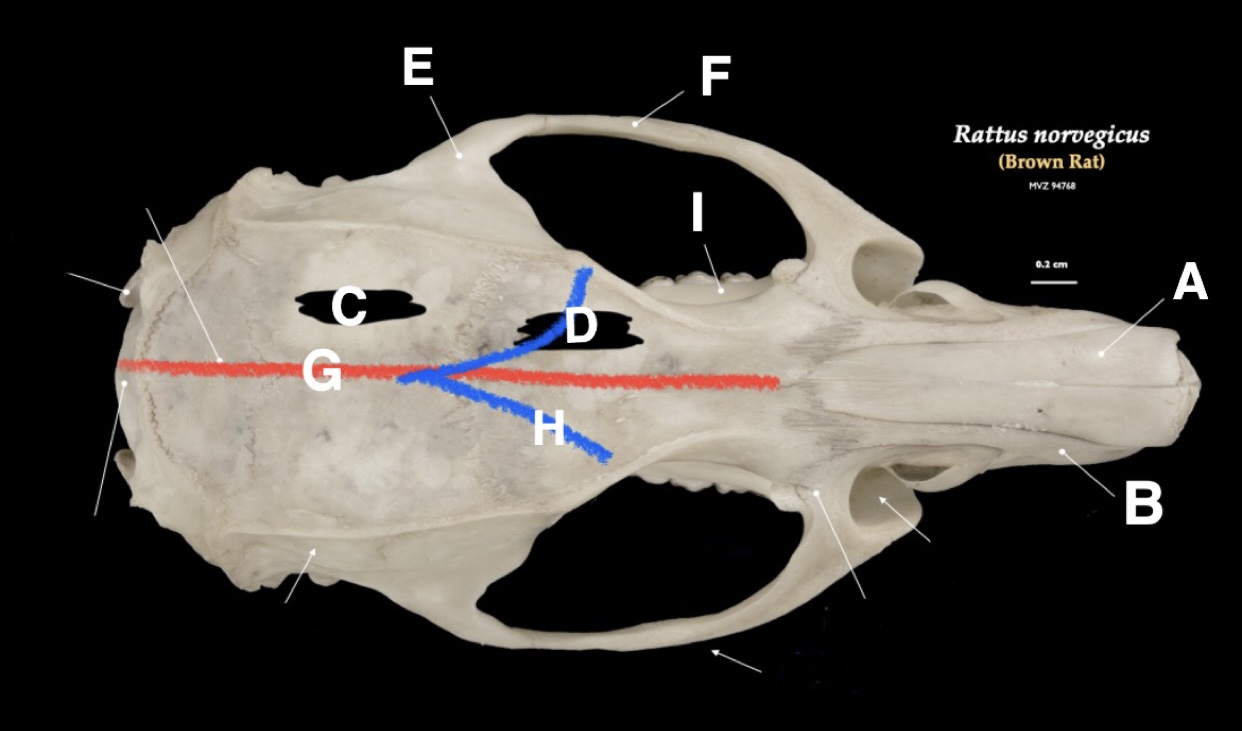
B (Where incisors are)
Premaxilla

C (Top of head)
Parietal
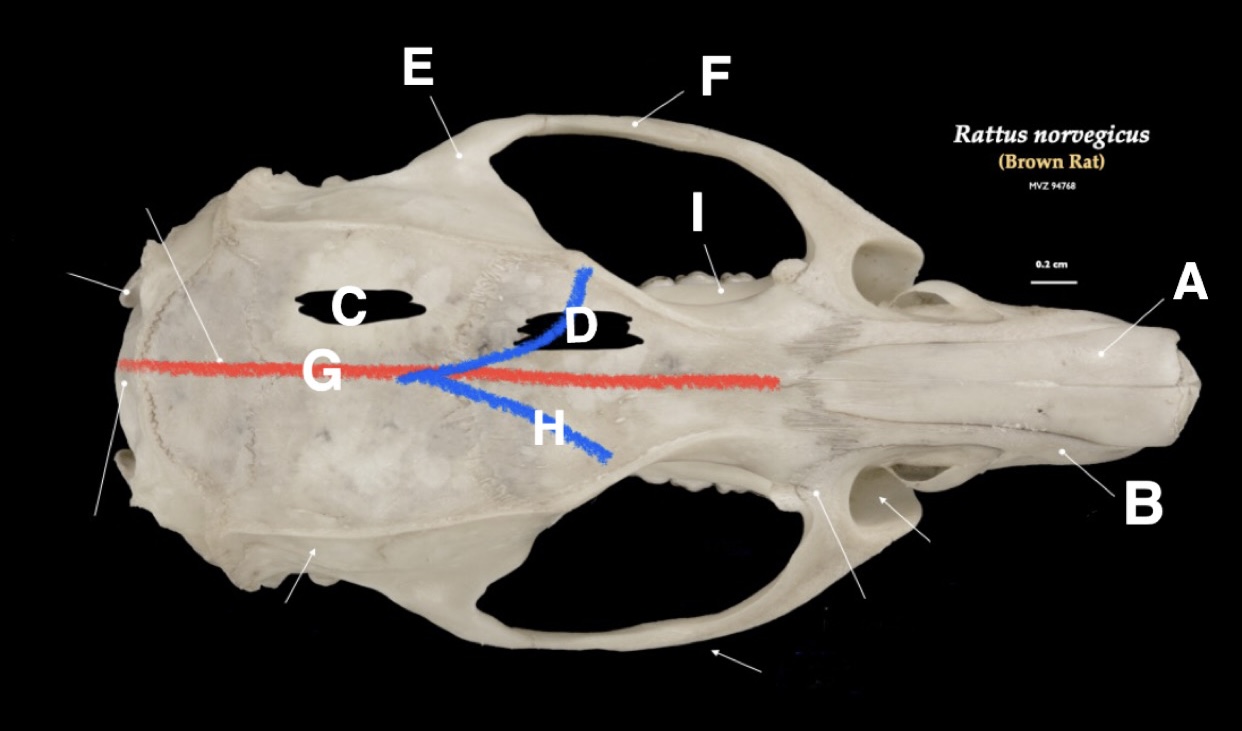
D (Forehead)
Frontal

E (Back of upper jaw)
Squamosal)

F (Round high part)
Jugal
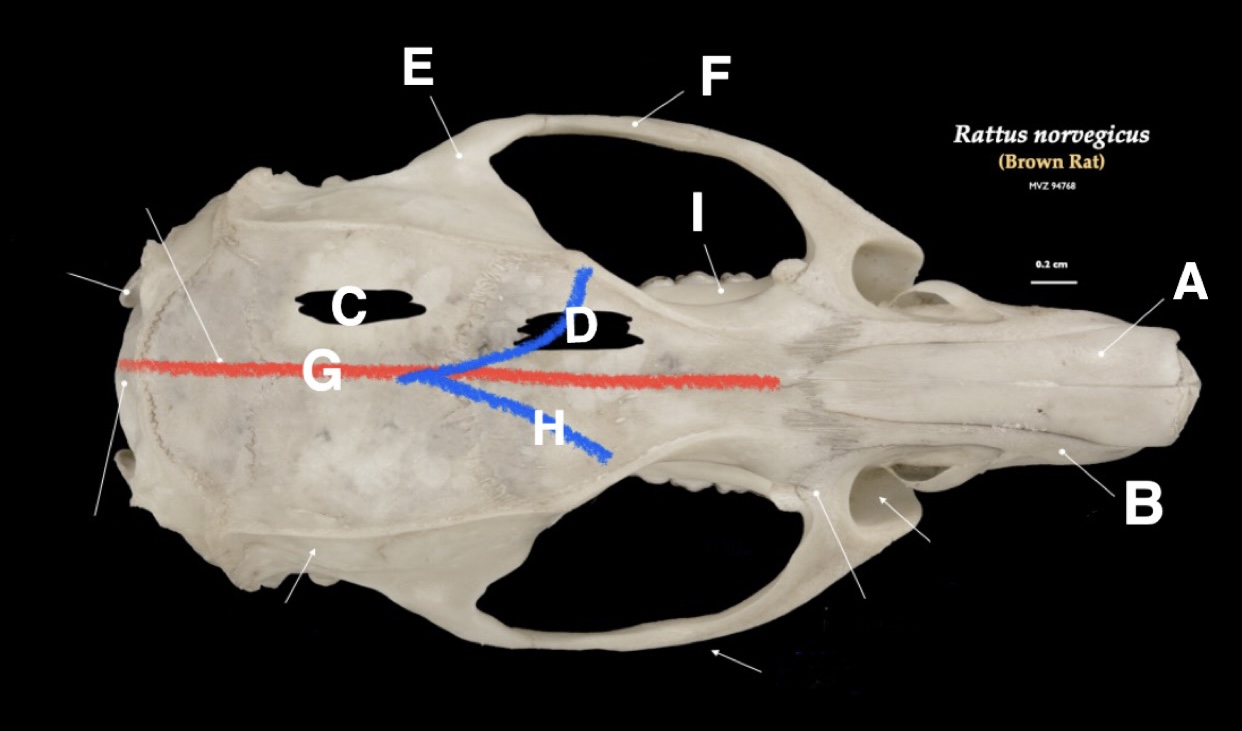
G (Line to back of skull)
Sagittal Crest
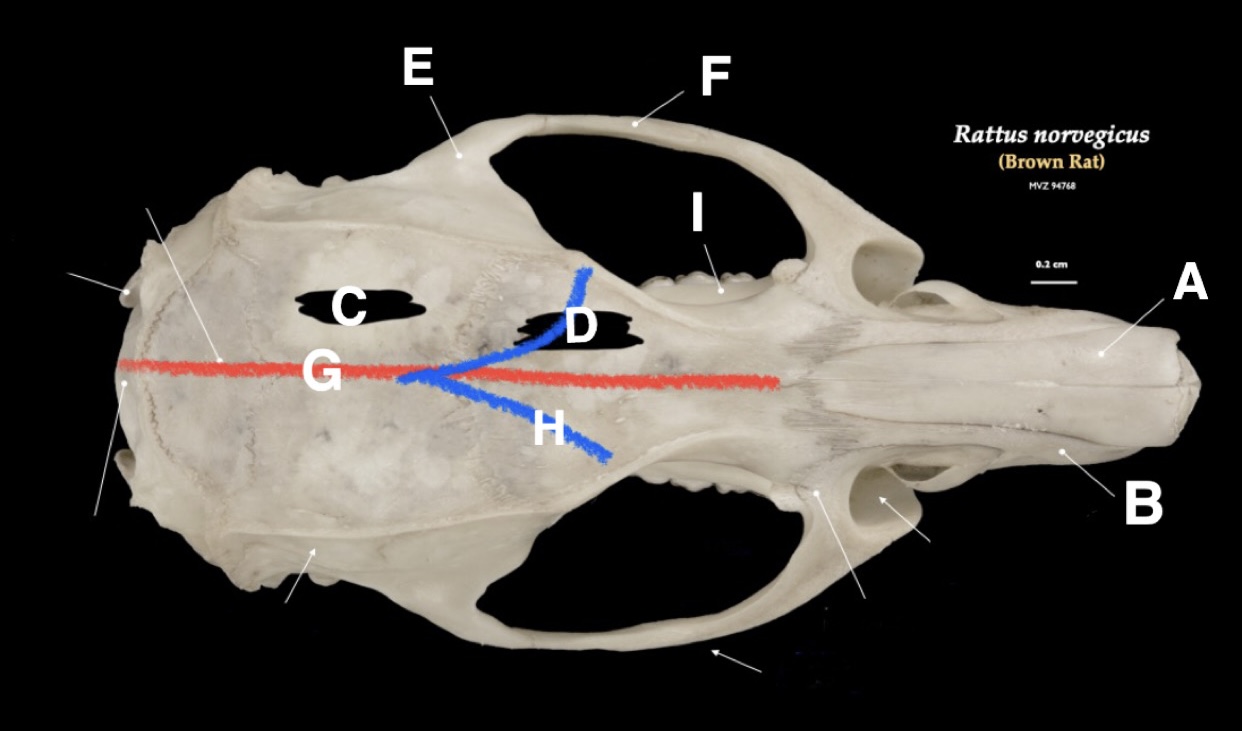
H (line from orbital process to sagittal crest)
Temporal ridge

I (Rest of teeth)
Maxilla
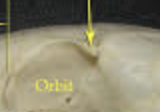
The ______ _______ _______ is the process (point) above the orbital.
Post orbital process
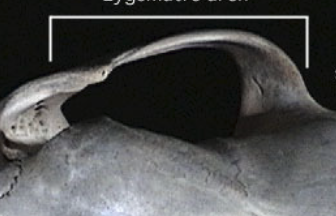
The _______ _______ is where the Squamosal and Jugal meet)
Zygomatic arch
The _____ ______ ______ is the ear hole.
External auditory canal
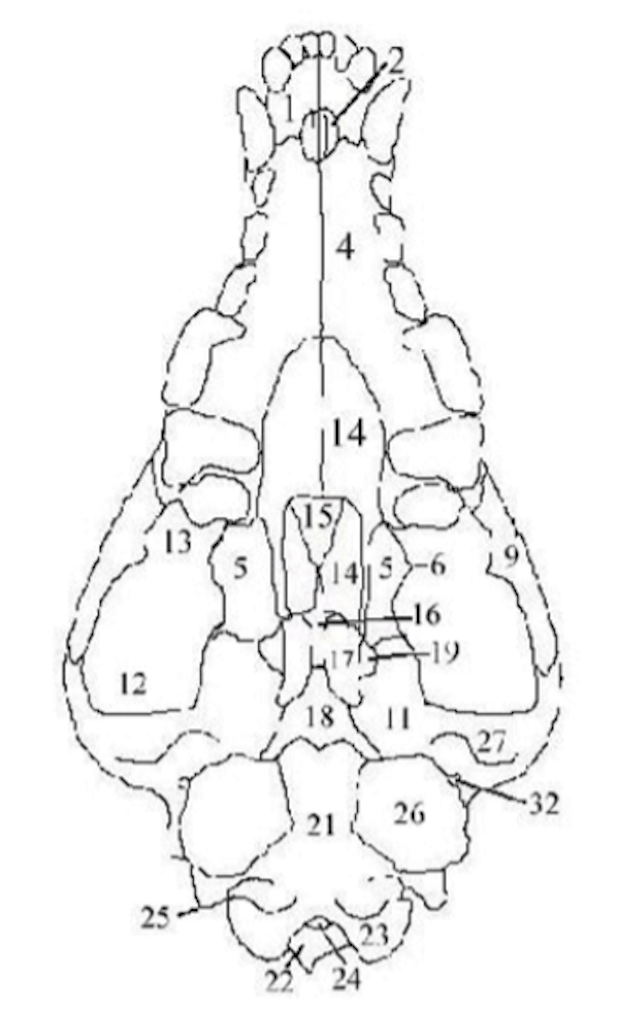
Number 14 is the…
Palatine
The V shaped bone inside of the nose is called the ____
Vomer
________ means hole.
Foramen
_______ means pointy thing
Process
______ means nub
Condyle

__________ _______ are the holes behind the incisors.
Incisive foramen

________ _______ is the hole under orbital
Infraorbital foramen

18 (Guitar pick)
Basisphenoid

16 (Tiny diamond)
Presphenoid

17 (Wings)
Pterygoid

26 (Big bumps)
Auditory Bulla

23 (Where skull meets neck)
Occipital Condyle
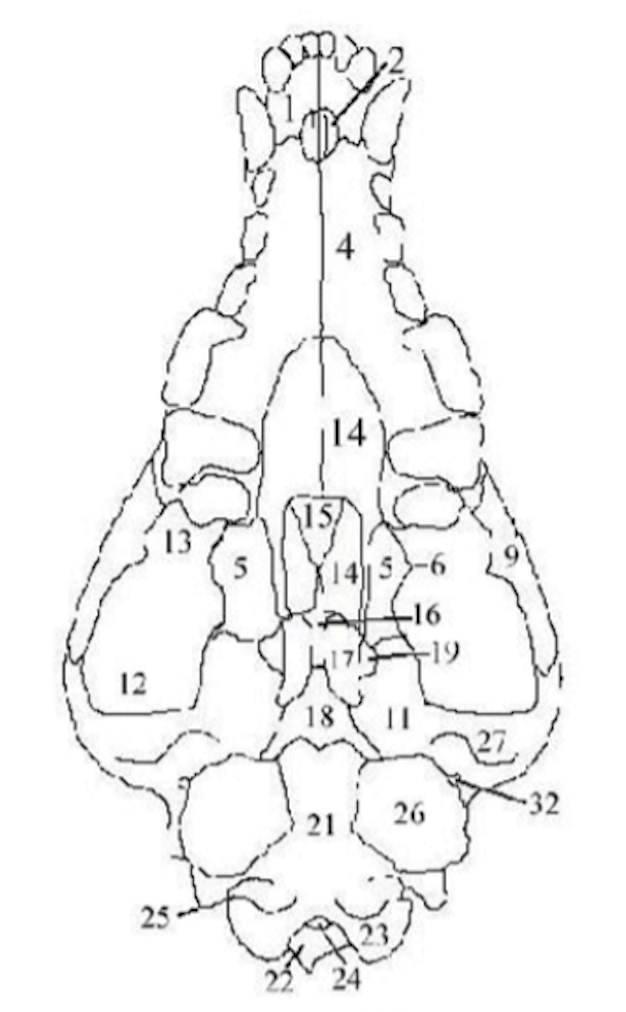
24 (Hole where cords go)
Foramen magnum

27 (hole on the back of orbital curvey thing)
Mandibular fossa
How do you calculate dental formula?
Split mouth in half vertically
Count teeth on top
Count teeth on bottom
Add similar teeth
Multiply by 2
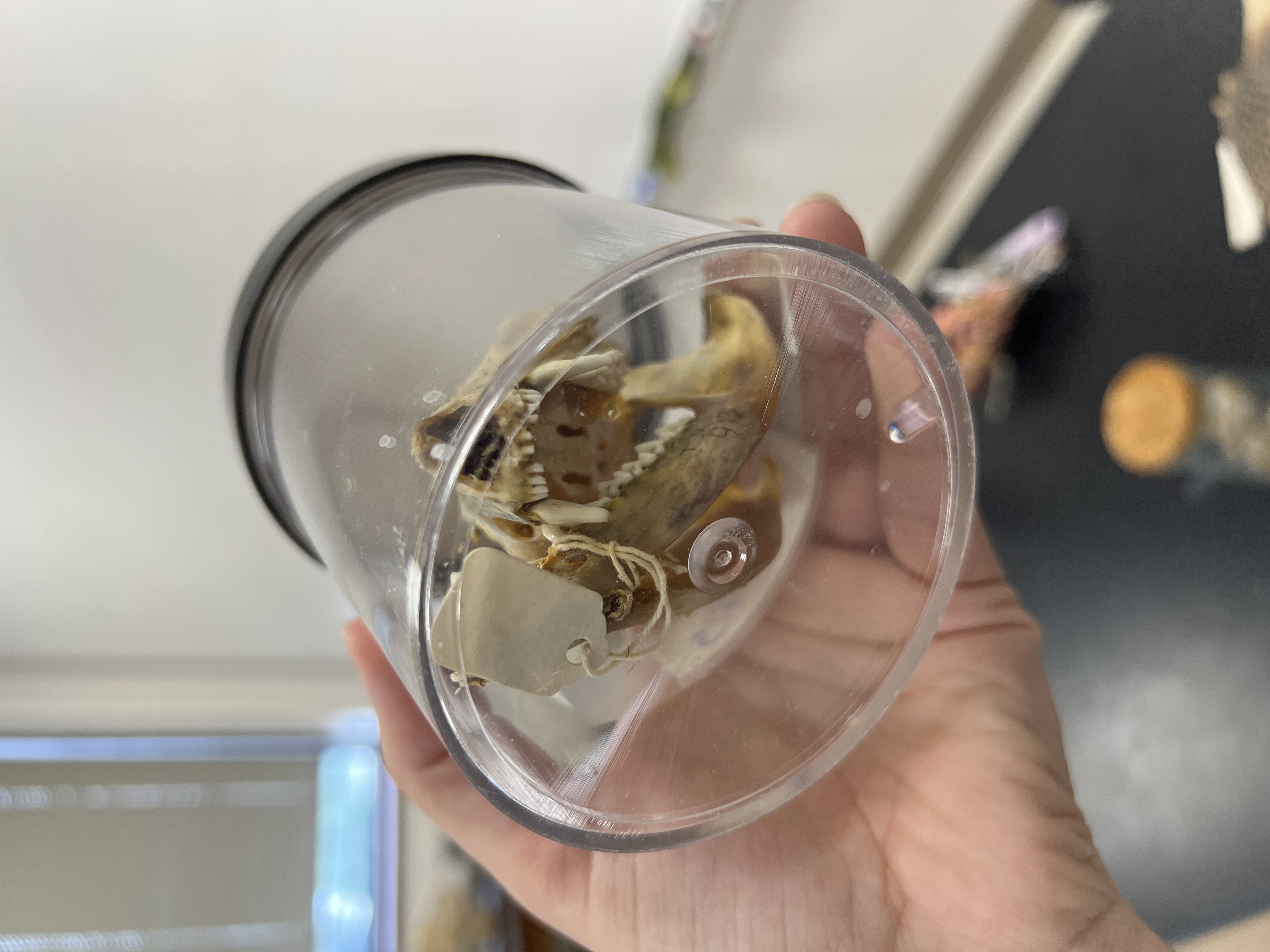
Order __________
Didelphimorphia
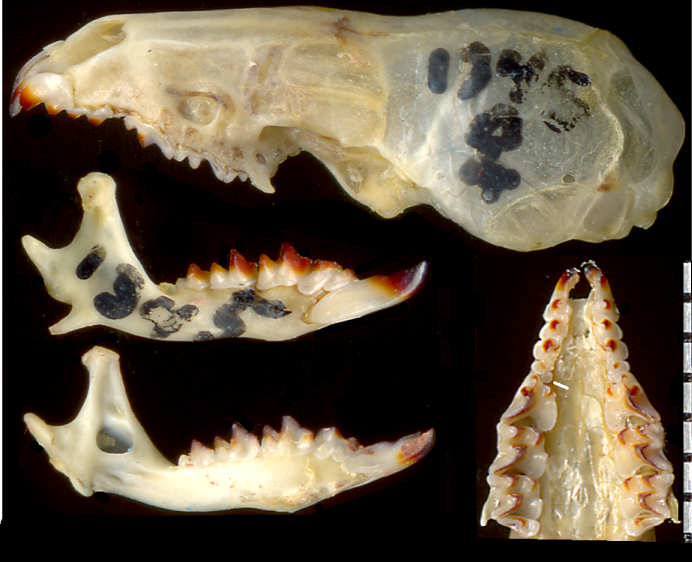
Order __________
Eulipotyphla

Order _________
Chirpotera

Order _________
Cingulata

Order _________
Lagomorpha

Order __________
Rodentia
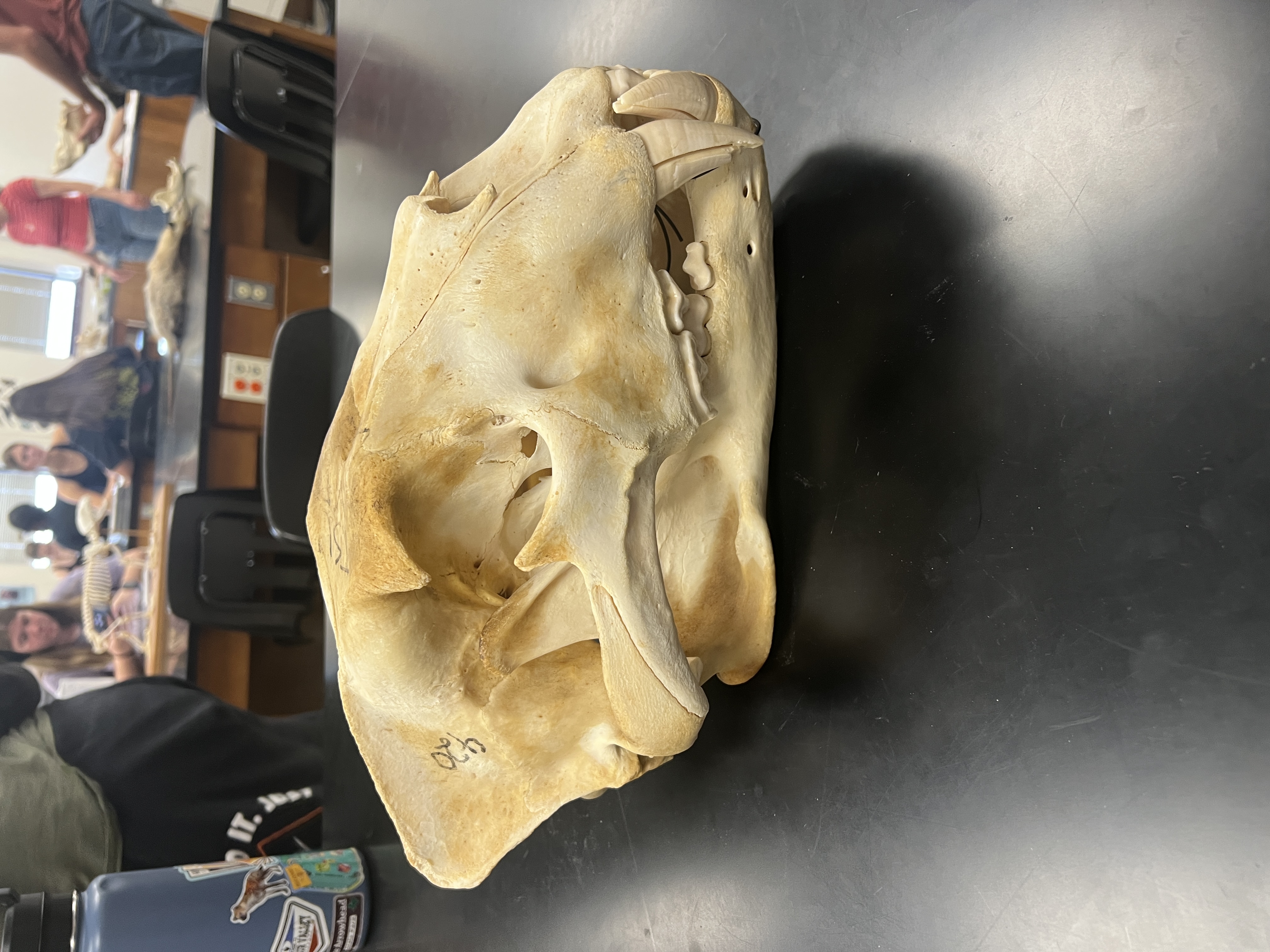
Order ________
Carnivora
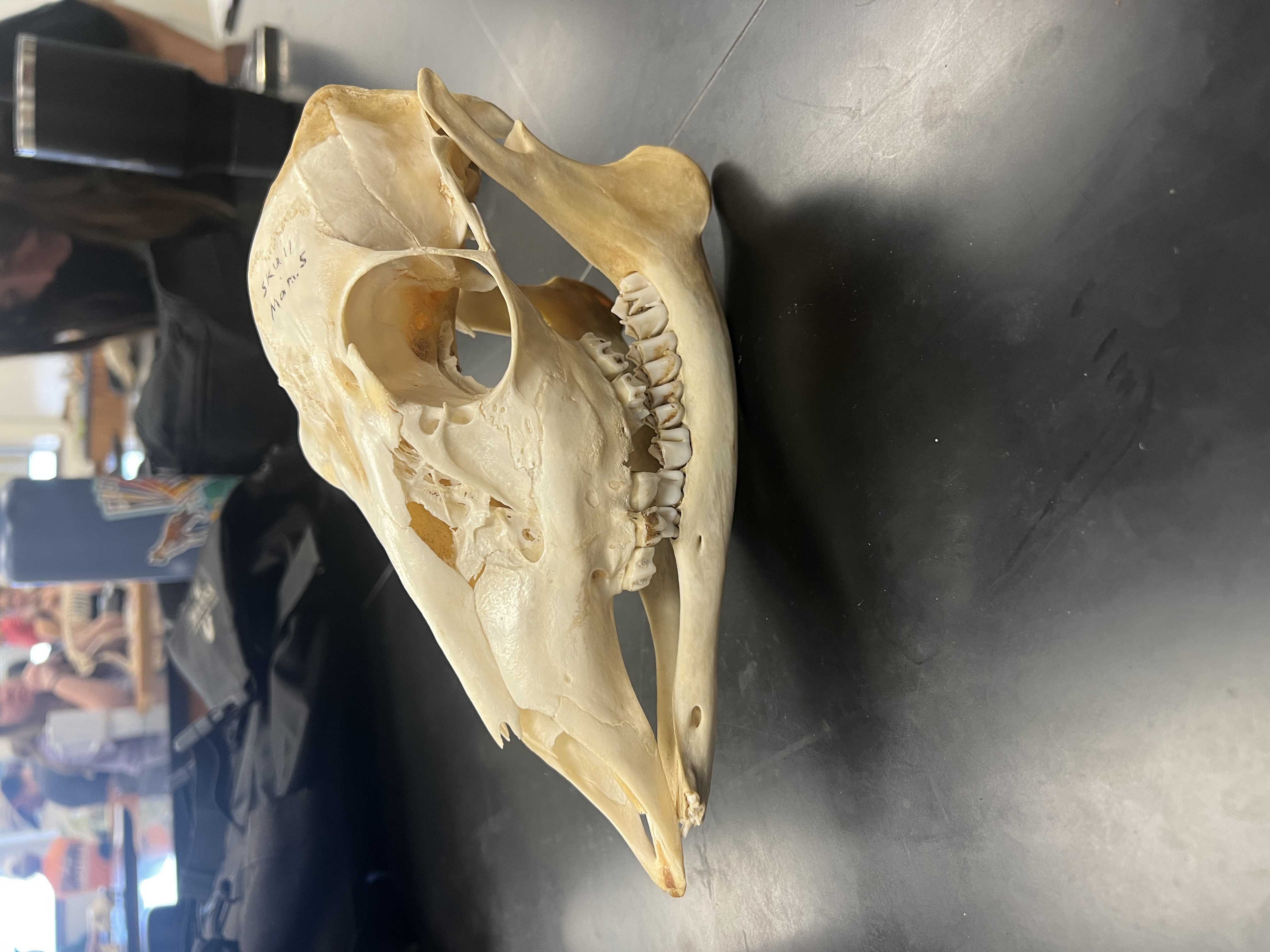
Order ________
Artiodactyla

Order _______
Cetacea

A
Plains Country

B
Trans-Pecos

C
Rio Grande Plains

D
East Texas

1
Piney woods

2
Gulf Prairies and Marshes

3
Post Oak Savannah

4
Blackland Prairies

5
Cross Timbers and Prairies

6
South Texas Plains

7
Edwards Plateau

8
Rolling Plains

9
High Plains

10
Trans-Pecos, mountains and basins
Endemic species to Texas
Geomys attwateri
Geomys personatus
Geomys streckeri
Geomys texensis
Dipodomys compactus
Dipodomys elator

2 species in the plains country (A)
Geomys texensis
Dipodomys elator

2 species in the Trans-Pecos (B)
Sylvilagus robustus
Neotoma mexicana

2 species in the Rio Grande Plains (C)
Geomys streckeri
Geomys personatus

2 species in East Texas (D)
Geomys attwateri
Blarina carolinensis
There is only one member of Infraclass Metatheria in Texas. That species is…
Didelphis virginiana


A way to ID a Didelphis virginiana skull is by…
5 incisors on top and bottom

The animal on the far left is in Family _______
Talpidae