Fall Finals Chapters/Miscellaneous
0.0(0)
Studied by 4 people0%Exam Mastery
Build your Mastery score
 AP Practice
Supplemental Materials Call Kai
Call KaiCard Sorting
1/9

Earn XP
Description and Tags
Last updated 3:34 PM on 12/15/22
Name | Mastery | Learn | Test | Matching | Spaced | Call with Kai | Chat |
|---|
No analytics yet
Send a link to your students to track their progress
10 Terms
1
New cards
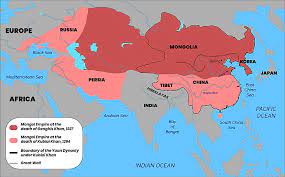
Mongol Empire: Ghengis Khan
* William of Rubruck (Flemish Franciscan missionary) wrote the most valuable accounts of the Mongols from the Western view
* Mongols were nomadic pastoralists
* Genghis Khan was the founder of the Mongols and popular with the commoners
* **Steppe Diplomacy**: displays of courage, loyalty, willingness to betray to improve status, & ability to cooperate with tribes
* Military prowess in equestrian skills, archery, and strategy
* Mongol Empire was the largest in the history of the world
* All of central Asia, eastern Europe, and Russia
* If someone didn’t surrender they would be massacred
* Mongols were nomadic pastoralists
* Genghis Khan was the founder of the Mongols and popular with the commoners
* **Steppe Diplomacy**: displays of courage, loyalty, willingness to betray to improve status, & ability to cooperate with tribes
* Military prowess in equestrian skills, archery, and strategy
* Mongol Empire was the largest in the history of the world
* All of central Asia, eastern Europe, and Russia
* If someone didn’t surrender they would be massacred
2
New cards
Mongol Empire: Yuan Dynasty
* After Ghengis Khan death empire split into four
* Khubilai Khan created:
* Killed off Song dynasty
* Silk roads that were extremely safe so there was heavy trade
* Also promoted trade with diplomats & ambassadors
* High religious tolerance and cultural tolerance
* Except for Chinese
* Moved skilled people to different locations based on where they needed them for administration
* Khubilai Khan created:
* Killed off Song dynasty
* Silk roads that were extremely safe so there was heavy trade
* Also promoted trade with diplomats & ambassadors
* High religious tolerance and cultural tolerance
* Except for Chinese
* Moved skilled people to different locations based on where they needed them for administration
3
New cards
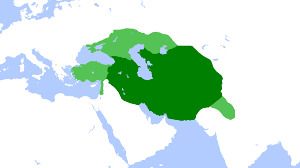
Mongol Collapse - Tamerlane the Whirlwind
* General population lost faith in paper money and civil war broke out
* Bubonic plague weakened Mongol regime
* Chinese revolted because of poor treatment
* Tamerlane the Whirlwind (Turkish) took over the land in Persia and the Hindu Kush
* Ming dynasty took over China
* Bubonic plague weakened Mongol regime
* Chinese revolted because of poor treatment
* Tamerlane the Whirlwind (Turkish) took over the land in Persia and the Hindu Kush
* Ming dynasty took over China
4
New cards
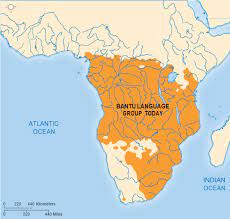
Bantu People & Mansa Musa
* Bantu people migrated all over but especially to south Africa
* **Bananas**, yams, sorghum, millet, and cows were staples
* Bantu people relied on **kin based societies** (“stateless societies” - no elaborate bureaucracy)
* Mostly patriarchal - women managed households
* Eventually became chiefdoms - a chief would rule over multiple tribes
* Camels caravans sped up trade and travel significantly
* Ghana (west Africa) traded **gold for salt** and slaves from Sub-Saharan Africa
* Islam came to Africa from Arab merchants
* On Mansa Musa’s trip to Mecca he spent so much gold that it brought down it’s value
* He also heavily encouraged Islam
* Zimbabwe was a giant city made entirely of stone
* **Bananas**, yams, sorghum, millet, and cows were staples
* Bantu people relied on **kin based societies** (“stateless societies” - no elaborate bureaucracy)
* Mostly patriarchal - women managed households
* Eventually became chiefdoms - a chief would rule over multiple tribes
* Camels caravans sped up trade and travel significantly
* Ghana (west Africa) traded **gold for salt** and slaves from Sub-Saharan Africa
* Islam came to Africa from Arab merchants
* On Mansa Musa’s trip to Mecca he spent so much gold that it brought down it’s value
* He also heavily encouraged Islam
* Zimbabwe was a giant city made entirely of stone
5
New cards
Sub-Saharan Africa
* No private land ownership
* Male heads of family governed and distributed harvests
* Skilled jobs were for men; household chores were for women (post colonial)
* There were female aristocrats, warriors and merchants (precolonial)
* Not affected by other area’s conversion to Islam
* Eventually converted to a blend of Christianity and Islam
* Age grades: Grouping of people born within a few years of each other that were given similar tasks and support one another
* Slaves came from war captive, criminals, and suspected witches
* Represented wealth
* Male heads of family governed and distributed harvests
* Skilled jobs were for men; household chores were for women (post colonial)
* There were female aristocrats, warriors and merchants (precolonial)
* Not affected by other area’s conversion to Islam
* Eventually converted to a blend of Christianity and Islam
* Age grades: Grouping of people born within a few years of each other that were given similar tasks and support one another
* Slaves came from war captive, criminals, and suspected witches
* Represented wealth
6
New cards
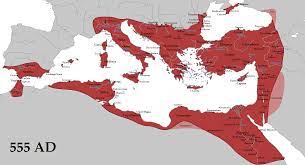
Theme System (Byzantine Empire)
* Military system: Land was granted to peasants who joined the Byzantine army
* Increased loyalty
* Enabled Byzantine Empire to control Asia minor
* Increased loyalty
* Enabled Byzantine Empire to control Asia minor
7
New cards
Holy Roman Empire
* Took over after the Carolingian Empire
8
New cards
Ming Exploration
* Admiral **Zheng He** led Ming expeditions of treasure ships
* Sought diplomacy but used force when needed - Crushed pirates in Asian waters
* Sought diplomacy but used force when needed - Crushed pirates in Asian waters
9
New cards
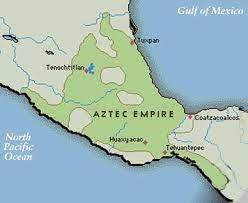
Mesoamerica: The Mexica (Aztec) Empire
* Moved around for a while causing disruption
* Spoke Nahuatl language from Toltecs
* Created a capitol in Tenochtitlan
* Allowed for chinampa agriculture - Tapped waters from canals for crops during dry season
* Slaves and commoners cultivated these farms
* Empire of 12 million in Mesoamerica in central Mexico
* Rigidly hierarchical society; highest positions going to acclaimed warriors and priests
* Men could rise in the ranks of soldiers relatively easily
* Women had no standing politically and were subject to their fathers, husbands, and sons
* Wielded power in the home
* Had two main gods (Tezcatlipoca & Quetzalcóatl) but were polytheistic
* Ritual bloodletting and sacrificing of humans
* Spoke Nahuatl language from Toltecs
* Created a capitol in Tenochtitlan
* Allowed for chinampa agriculture - Tapped waters from canals for crops during dry season
* Slaves and commoners cultivated these farms
* Empire of 12 million in Mesoamerica in central Mexico
* Rigidly hierarchical society; highest positions going to acclaimed warriors and priests
* Men could rise in the ranks of soldiers relatively easily
* Women had no standing politically and were subject to their fathers, husbands, and sons
* Wielded power in the home
* Had two main gods (Tezcatlipoca & Quetzalcóatl) but were polytheistic
* Ritual bloodletting and sacrificing of humans
10
New cards
Spanish Crusades (Reconquista)
* \