Egypt (New Kingdom), Cycladic Art (Ancient Aegean), Minoan, Mycenae, Geometric Greek, and Archaic Greek Exam Review ARTHC 201
 Studied by 0 people
 Call Kai
 Learn
Learn Practice Test
 Spaced Repetition
 Match
Match Flashcards
 Knowt Play
1/14

There's no tags or description
Looks like no tags are added yet.
Name | Mastery | Learn | Test | Matching | Spaced | Call with Kai |
|---|
No analytics yet
Send a link to your students to track their progress
15 Terms
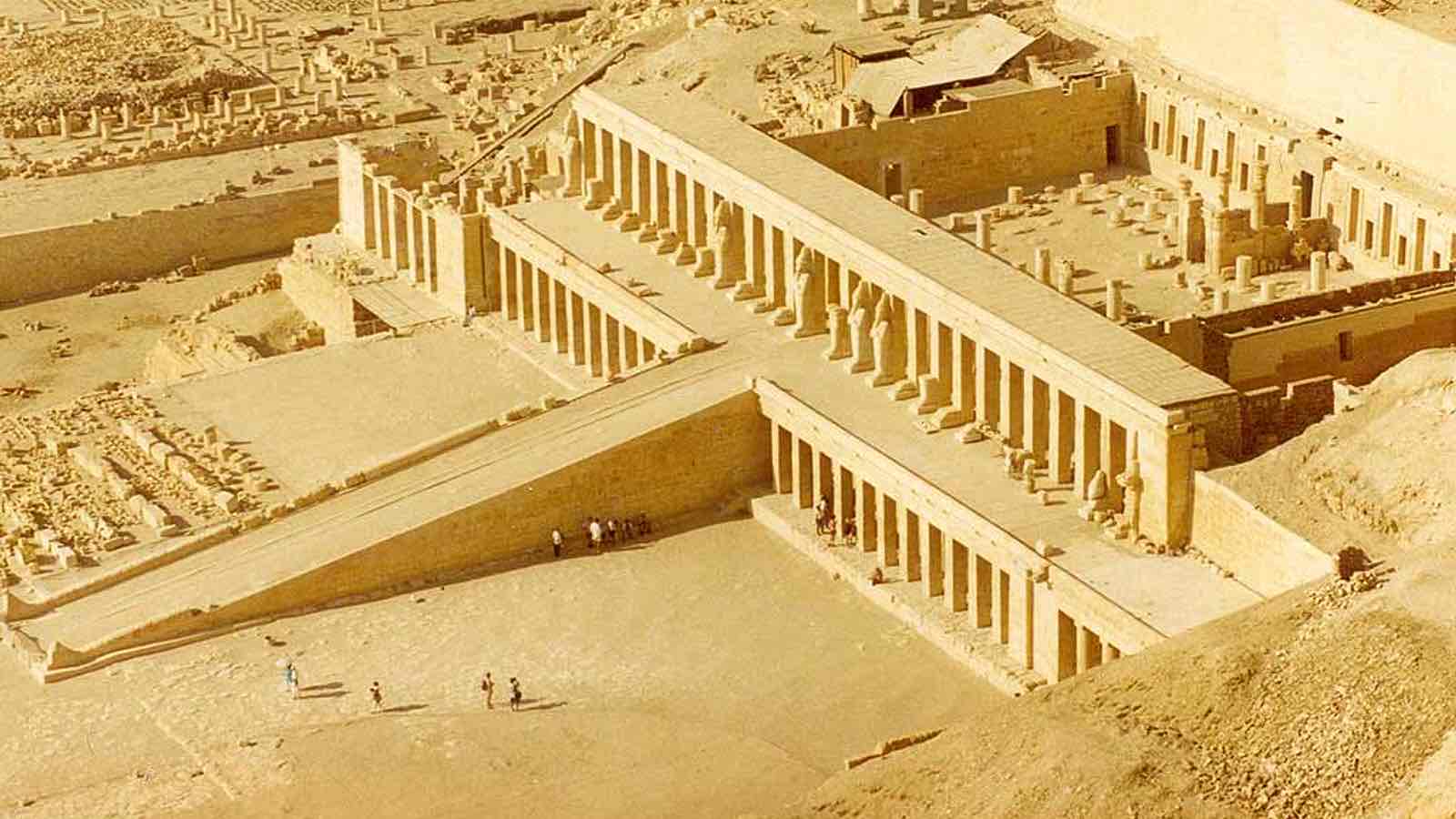
Mortuary Temple of Queen Hatshepsut
Found at Deir el-Bahri
Egypt (New Kingdom)
Architect: Senmut
Built during the queens time as a pharaoh
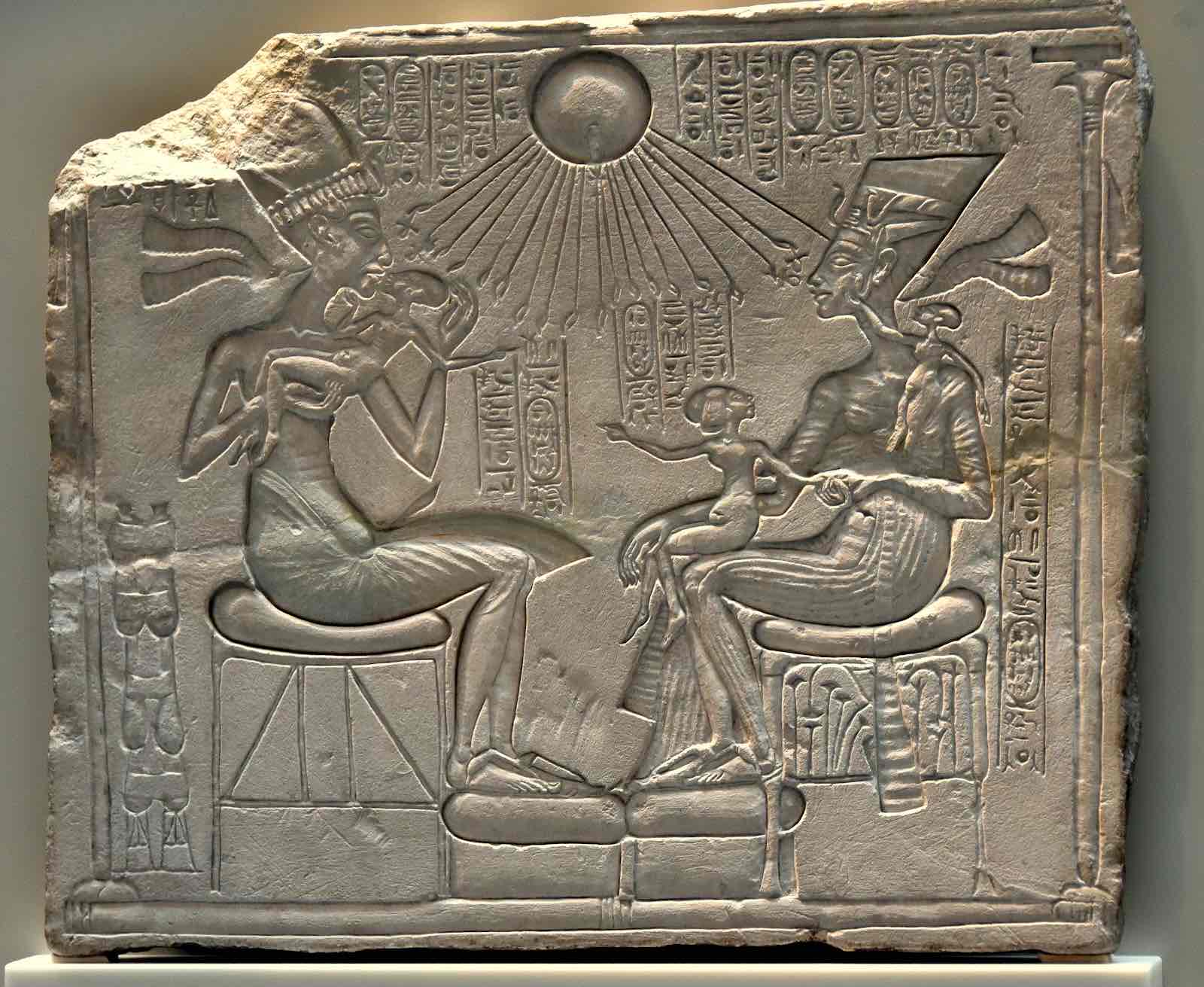
Akhenaton, Nefertiti, and Daughters
Found in Aten
Egypt (New Kingdom)
Limestone
Represents their connection to the sun god Aten and the shift in Egyptian art.
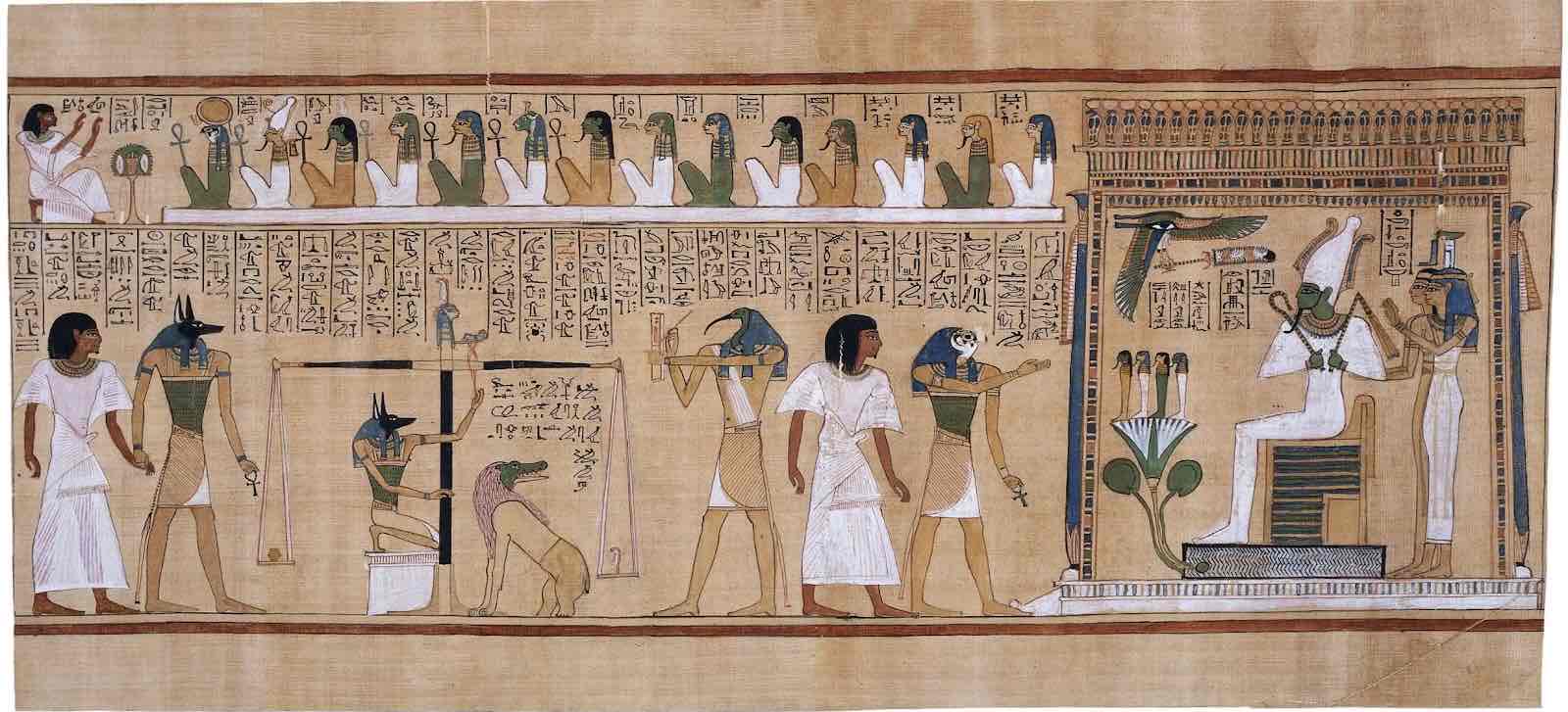
Last Judgement of Hu-Nefer
Found in Thebes, Egypt
Egypt (New Kingdom)
Painted Papyrus scroll from his tomb
Purpose is to depict the Egyptian belief in a divine judgement process that determines a persons afterlife
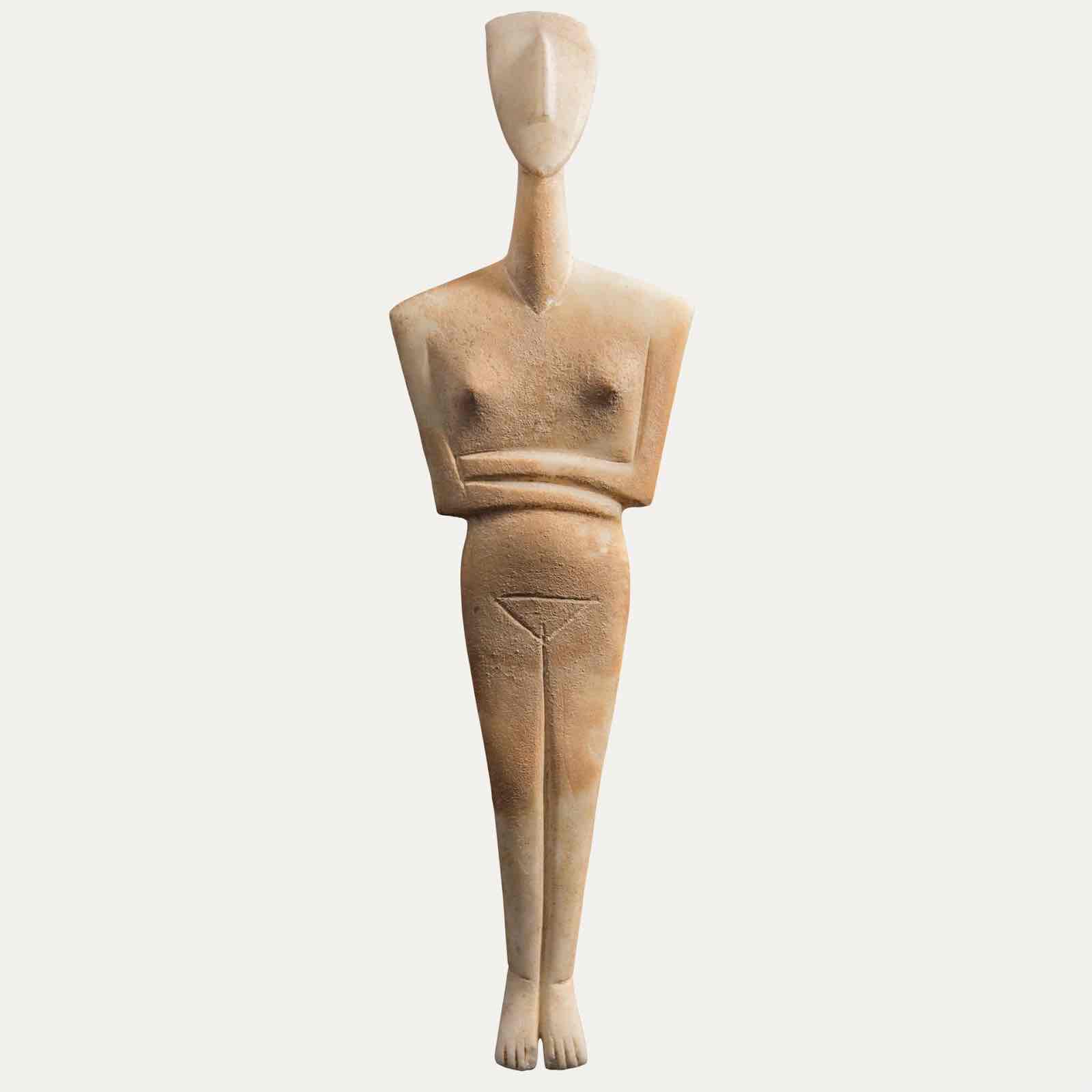
Cycladic Statuette
often are found in cemeteries
Cycladic Art (Ancient Aegean)
Made of white marble
The exact purpose is unknown but thought to serve as religious idols or representations of the deceased
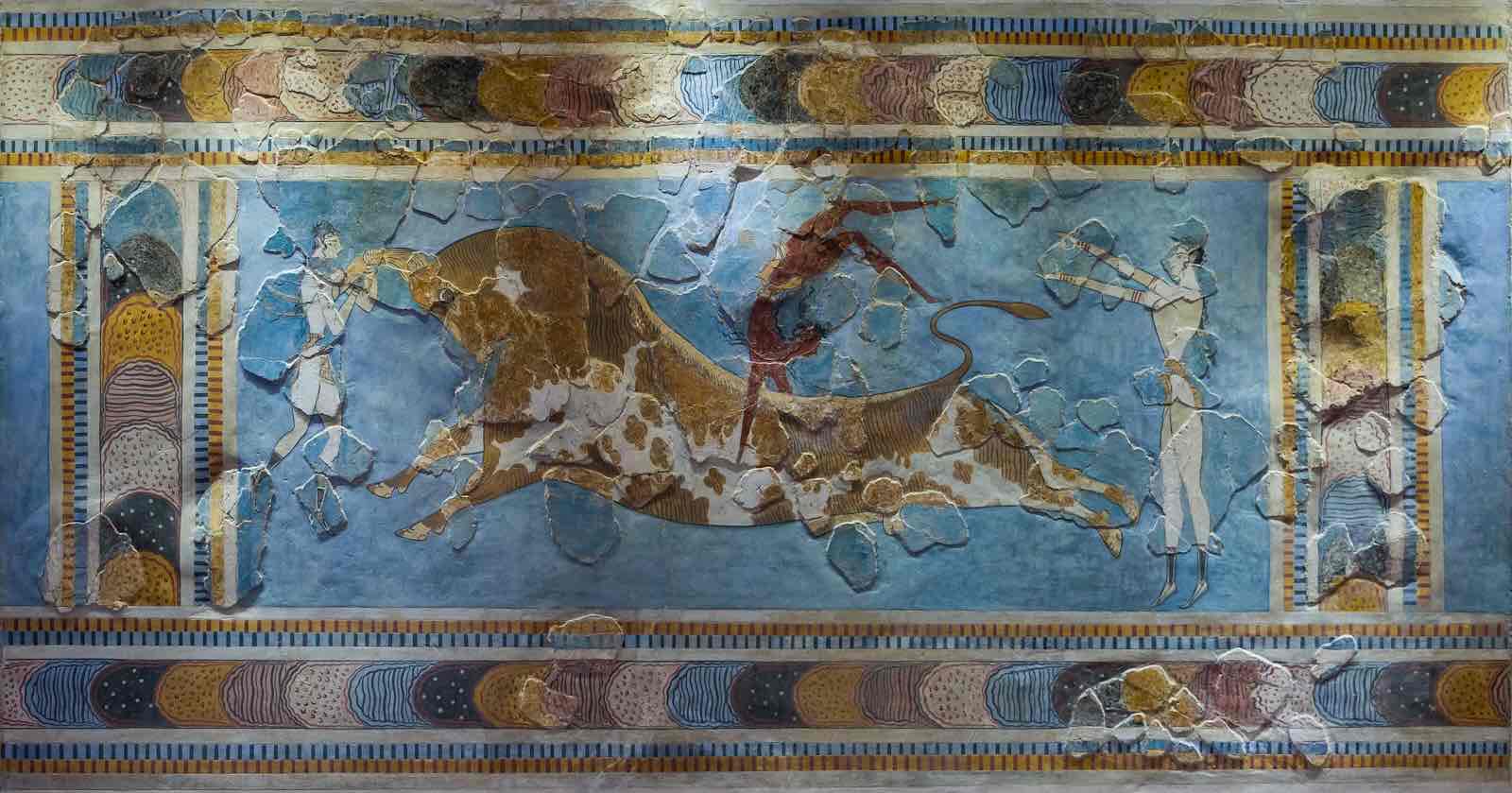
Bull Leaping Fresco
from the “palace” complex found in Knossos, Crete
Minoan Age
Made of plaster
Purpose is to express the tension between humans and nature, and to reaffirm humanity’s triumph over animals.
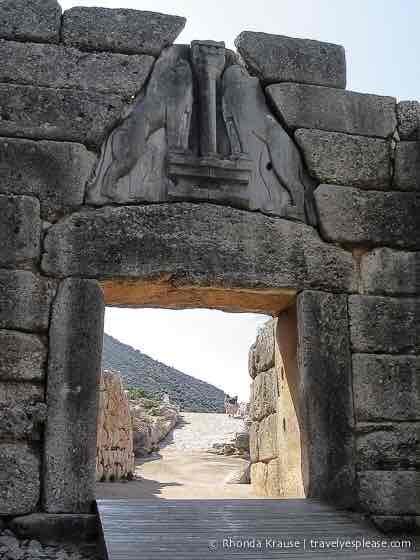
Lion Gate
found in Mycenae
Mycenae Age
Made of Limestone
Served as the main entrance to the citadel of Mycenae
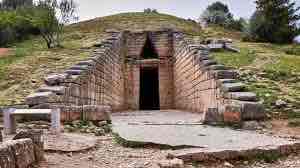
“Treasury of Atreus” (Tholos Tomb)
found in Mycenae, Greece
Mycenae Age
Made of stone blocks
Used to bury the elite and royalty in Mycenaean
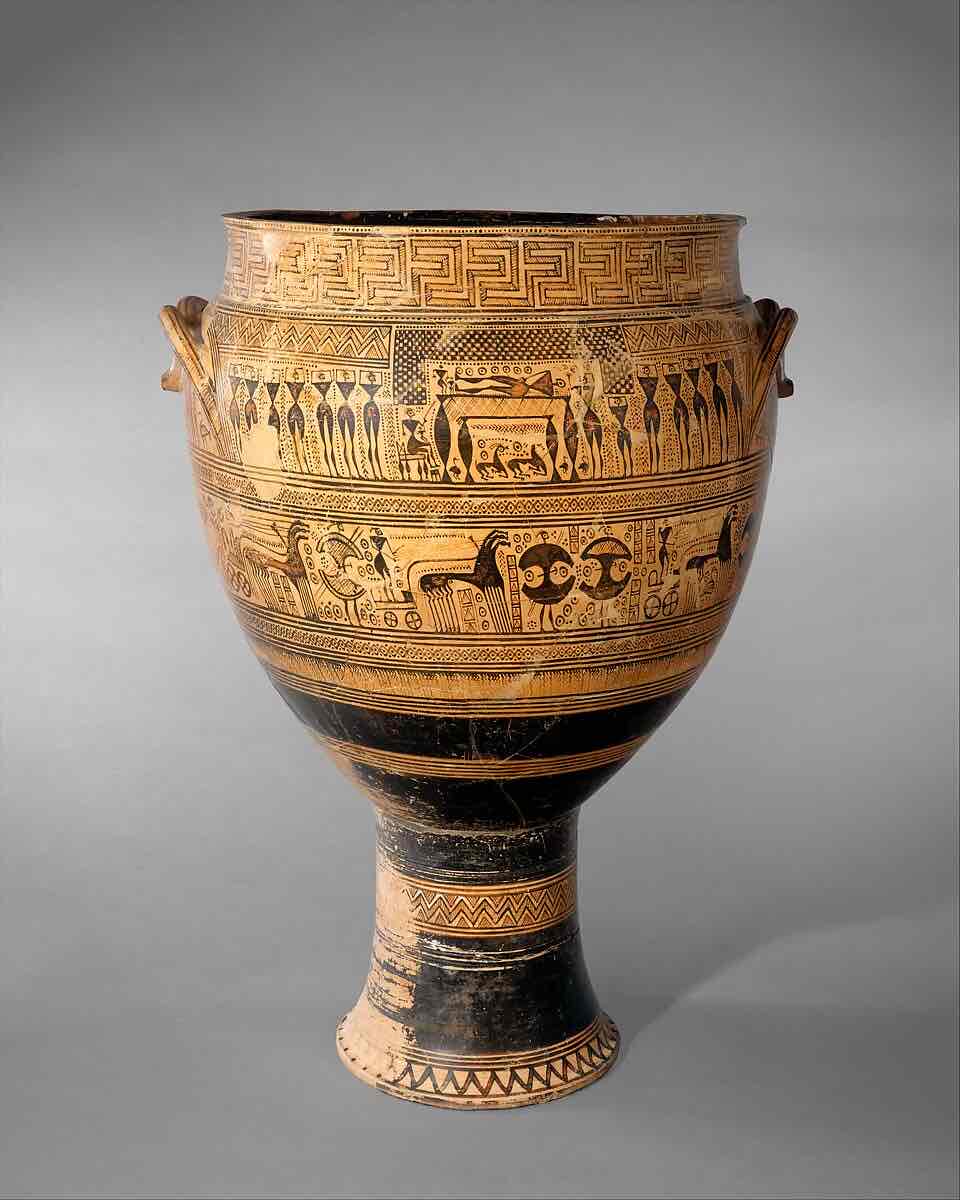
Funerary Krater
found in the Dipylon Cemetery in Athens
Geometric Greek
Used for grave markers and to hold ritualistic offerings in a tomb.
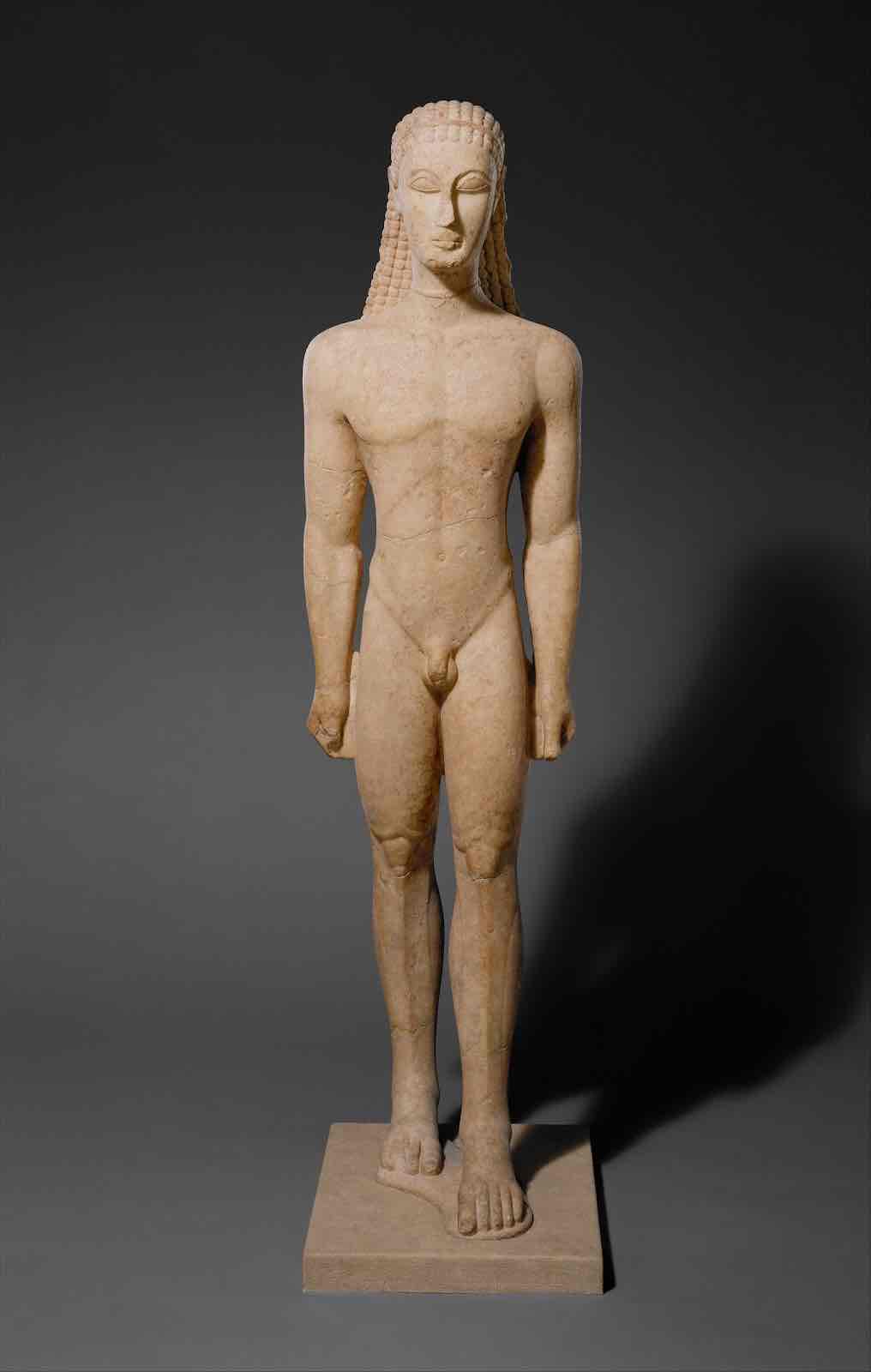
Metropolitan Kouros
Found in Attica, Greece
Archaic Greek
Made of Marble
A grave marker
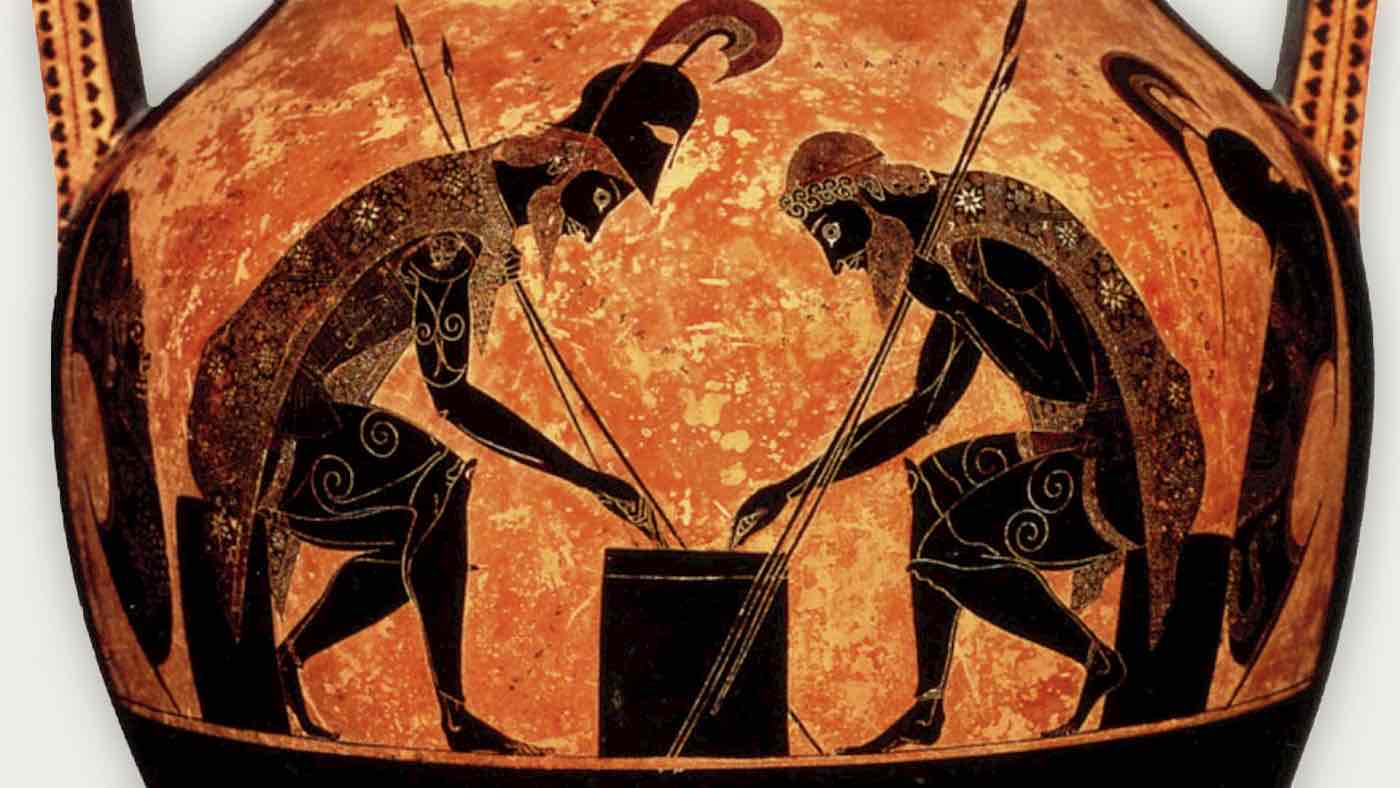
Ajax and Achilles Playing a Game
painted on a ceramic amphora
Archaic Greek
Exekias is both the potter and painter
A metaphor for the tragic future of the two hero’s in the Trojan war
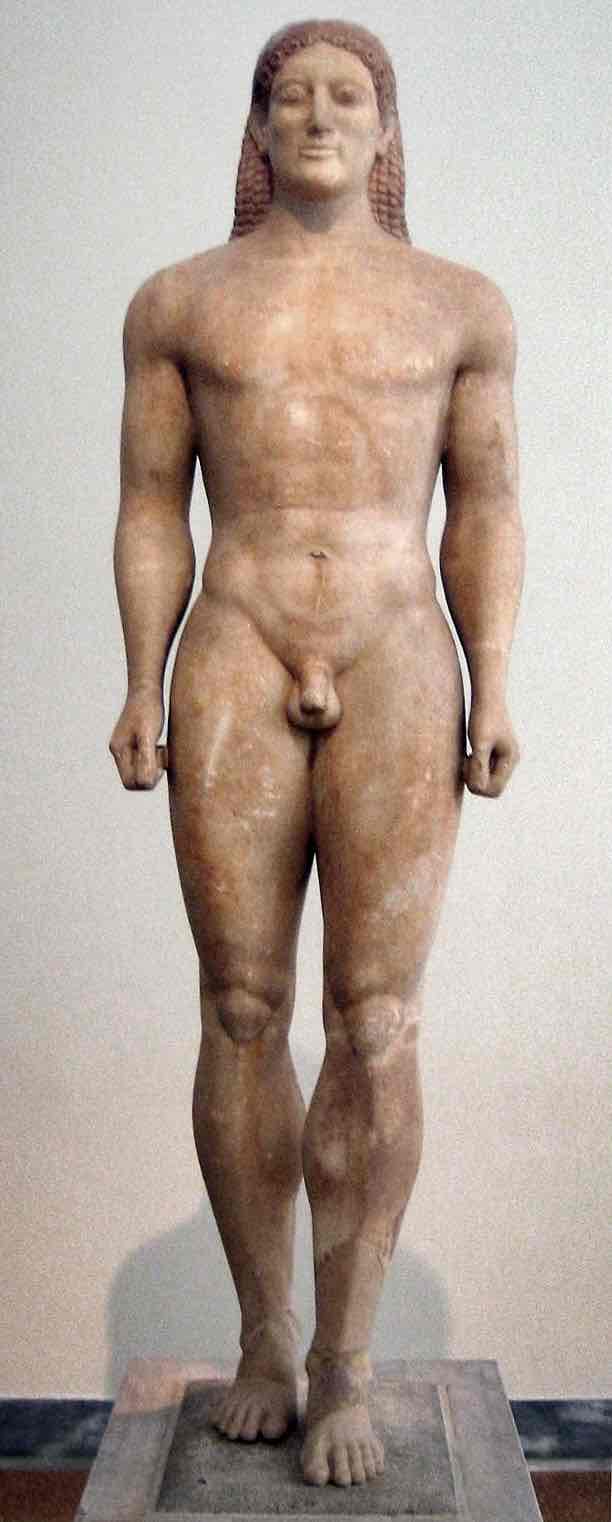
Anavysos Kouros (Kroisios)
from the cemetery ay Anavysos, near Athens
Archaic Greek
Made of marble with revenants of paint
Represents an idealized young male figure in his prime
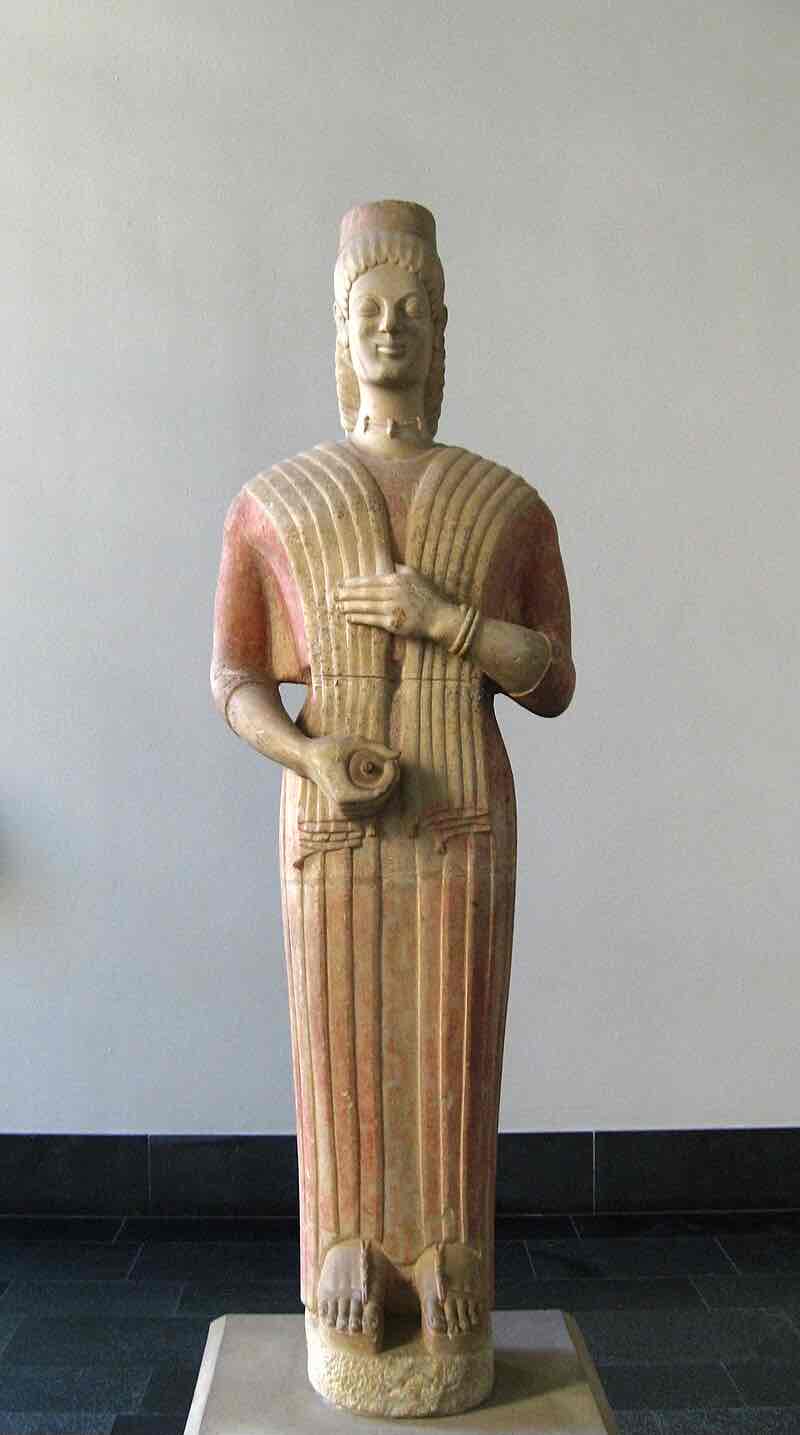
Berlin Kore
from the cemetery at Keratea, near Athens
Archaic Greek
Marble with remnants of red paint
Used as a votive offering or a representation of a goddess
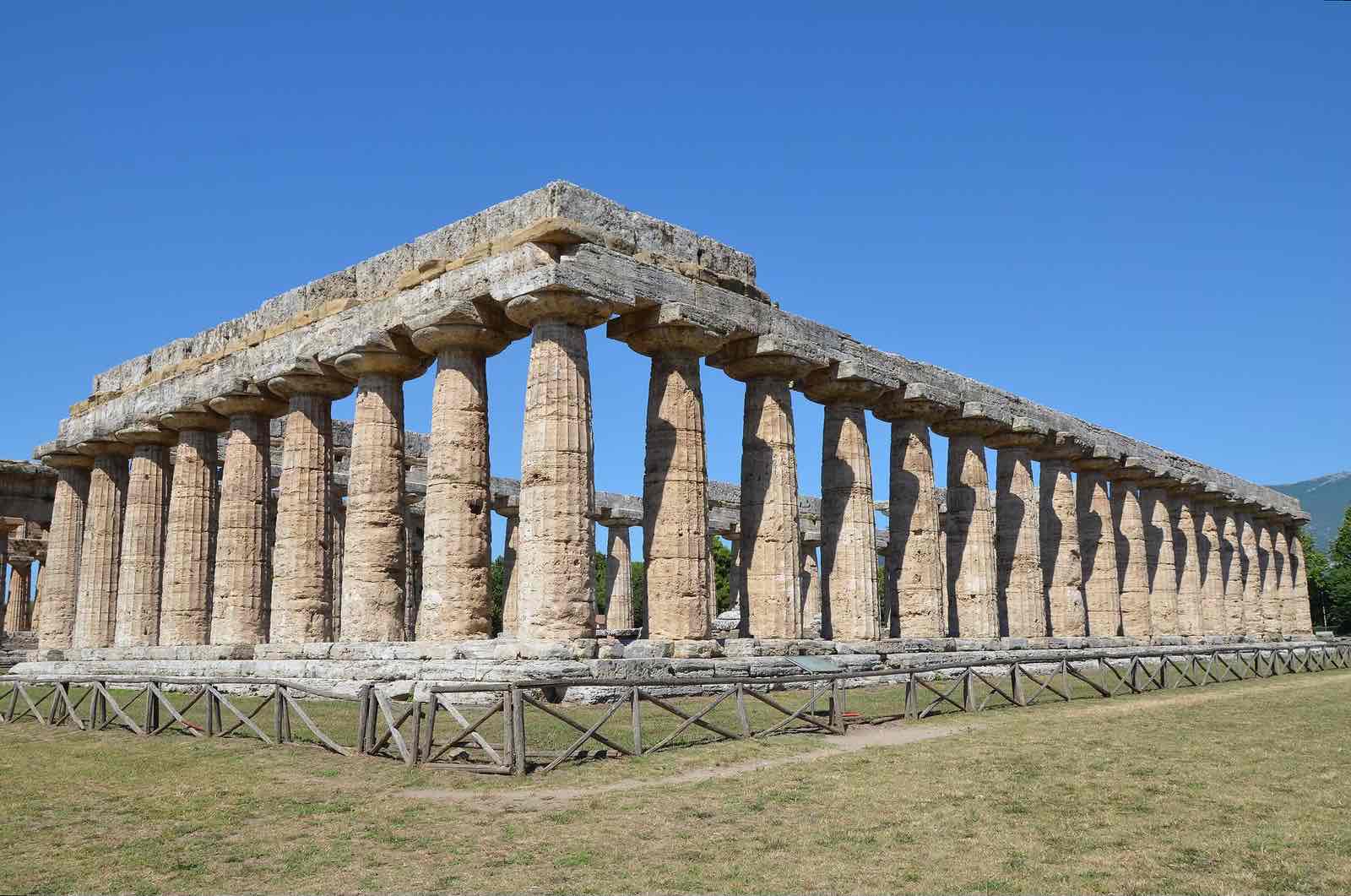
Temple of Hera I
found in Poseidonia in Southern Italy
Archaic Greek
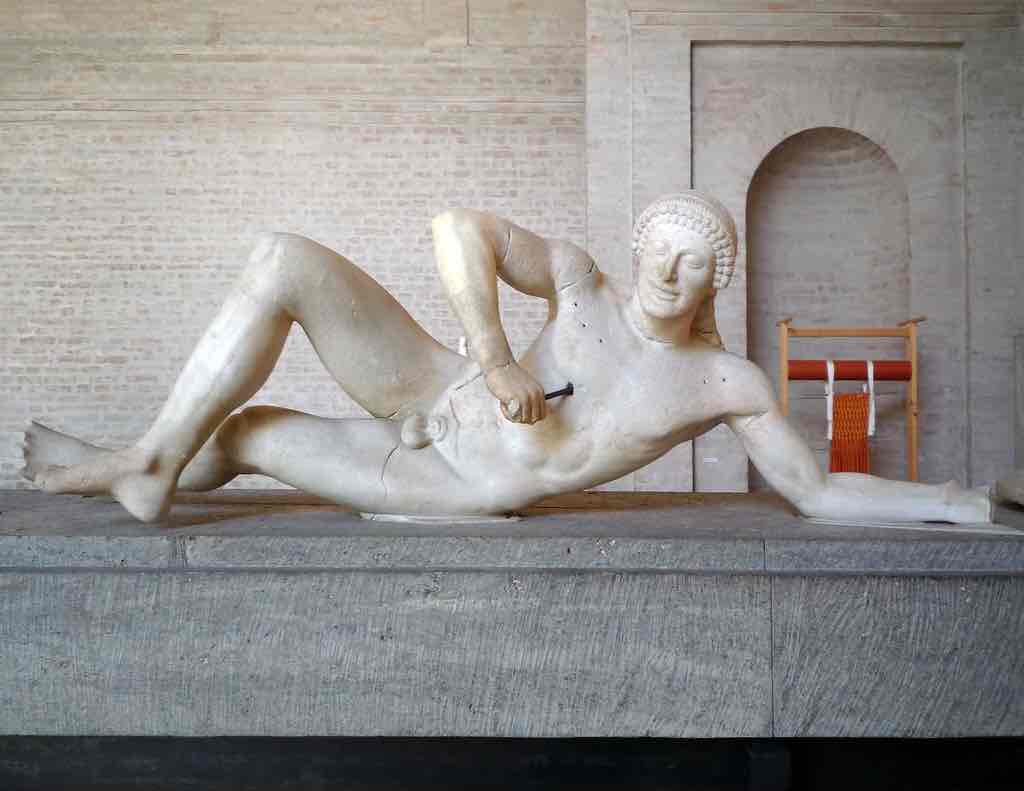
Dying Warrior, from the west pediment
found in the Temple of Aphaia
Archaic Greek
Marble
Depicting a dying warrior
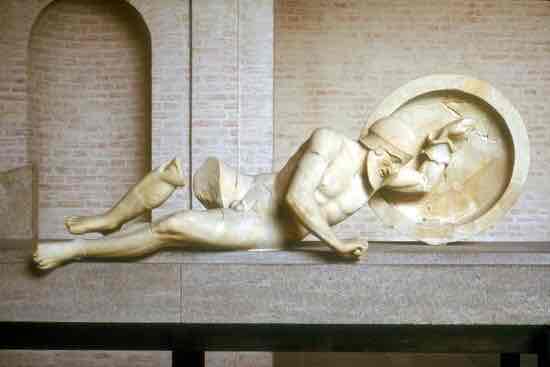
Dying Warrior, from the left corner of the east pediment
found in the Temple of Aphaia, Aegina
Archaic Greek
Marble
Depicting a dying warrior
 Note
Note  Flashcards (45)