'general' curly arrow mechanism for the electrophilic substitution of benzene using E+ as the electrophil
0.0(0)
Studied by 0 people Call Kai
 Learn
Learn Practice Test
 Spaced Repetition
 Match
Match Flashcards
 Knowt Play
Card Sorting
1/3

There's no tags or description
Looks like no tags are added yet.
Last updated 12:07 PM on 7/1/26
Name | Mastery | Learn | Test | Matching | Spaced | Call with Kai | Chat |
|---|
No analytics yet
Send a link to your students to track their progress
4 Terms
1
New cards
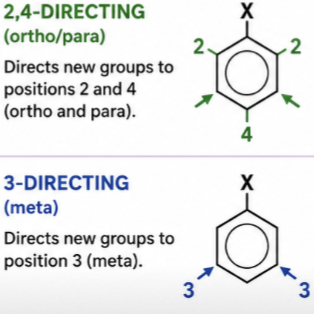
what is the “directing effects” in aromatic chemistry?$$
The directing effect is how a substituent already attached to a benzene ring influences where a new substituent is addedduring electrophilic substitution.
2
New cards
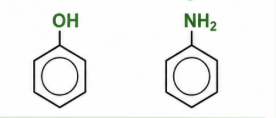
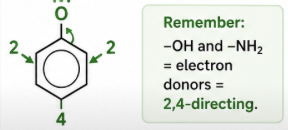
why are -OH and -NH2 2,4- directing?
They donate electron density into the benzene ring through their lone pair.
This makes the ring more electron-rich and more reactive.
They direct new substituents to the 2 (ortho) and 4 (para) positions.
3
New cards
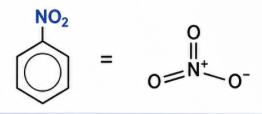
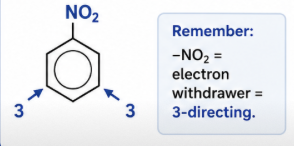
Why is –NO₂ 3-directing?
It withdraws electron density from the benzene ring.
This makes the ring less electron-rich and less reactive.
It directs new substituents to the 3 (meta) position.55
4
New cards
hi
hi