Words by Level C1
 Call Kai
 Learn
Learn Practice Test
 Spaced Repetition
 Match
Match Flashcards
 Knowt Play
1/19

There's no tags or description
Looks like no tags are added yet.
Name | Mastery | Learn | Test | Matching | Spaced | Call with Kai | Chat |
|---|
No analytics yet
Send a link to your students to track their progress
20 Terms

ABOLISH (verb)
English: To officially end or stop a law, system, or practice.
Spanish: Abolir; eliminar oficialmente.
Example: The government decided to abolish the old law.

ABORTION (noun)
English: The deliberate ending of a pregnancy.
Spanish: Aborto.
Example: The topic of abortion remains controversial in many countries.

ABSENCE (noun)
English: The state of not being present.
Spanish: Ausencia.
Example: Her absence was noticed by everyone.

ABSENT (adjective)
English: Not present in a place.
Spanish: Ausente.
Example: Two students were absent from class today.

Absurd (adjective)
English: Completely unreasonable or ridiculous.
Spanish: Absurdo; ridículo.
Example: The idea sounded completely absurd.

Abundance (noun)
English: A very large quantity of something.
Spanish: Abundancia.
Example: The region has an abundance of natural resources.

ABUSE (Noun)
English: Cruel, violent, or unfair treatment of someone or something.
Spanish: Abuso; maltrato.
Example: Child abuse is a serious crime.

ABUSE (Verb)
English: To treat someone or something cruelly or unfairly.
Spanish: Abusar de; maltratar.
Example: No one should abuse their power.

ACADEMY (noun)
English: A school or institution for specialized education or training.
Spanish: Academia.
Example: She studied music at a prestigious academy.

ACCELERATE (verb)
English: To increase speed or make something happen faster.
Spanish: Acelerar.
Example: Technology continues to accelerate scientific progress.

ACCEPTANCE (noun)
English: The act of agreeing to receive, approve, or accept something.
Spanish: Aceptación.
Example: Her acceptance into the university was a proud moment for her family.

ACCESSIBLE (adjective)
English: Easy to reach, use, understand, or obtain.
Spanish: Accesible.
Example: The museum is fully accessible to wheelchair users.

ACCOMPLISHMENT (noun)
English: Something that has been achieved successfully.
Spanish: Logro; realización.
Example: Graduating from university was one of her greatest accomplishments.

ACCORDANCE (noun)
English: Following or obeying a rule or law.
Spanish: De acuerdo con; conforme a.
Example: The decision was made in accordance with company policy.

ACCORDINGLY (adverb)
English: In a way that is suitable for the situation; therefore.
Spanish: En consecuencia; por lo tanto.
Example: The forecast predicted rain, so we planned accordingly.
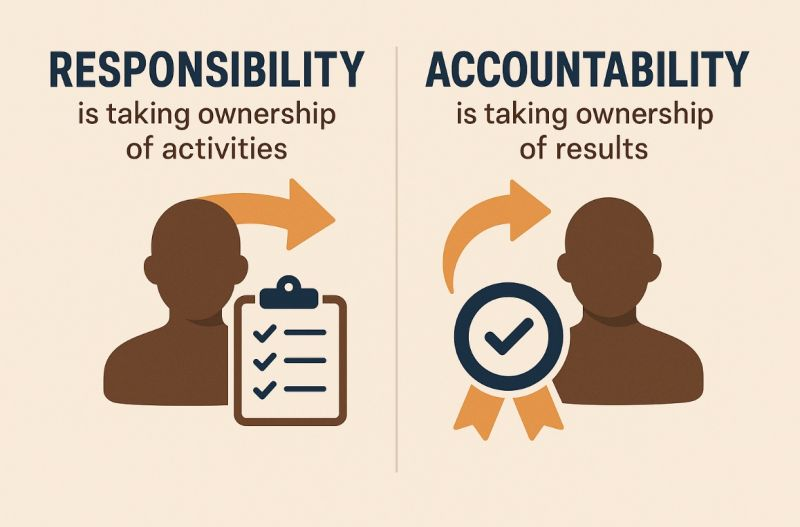
ACCOUNTABILITY (noun)
English: The responsibility for actions and decisions.
Spanish: Responsabilidad; rendición de cuentas.
Example: Good leaders demonstrate accountability for their decisions.
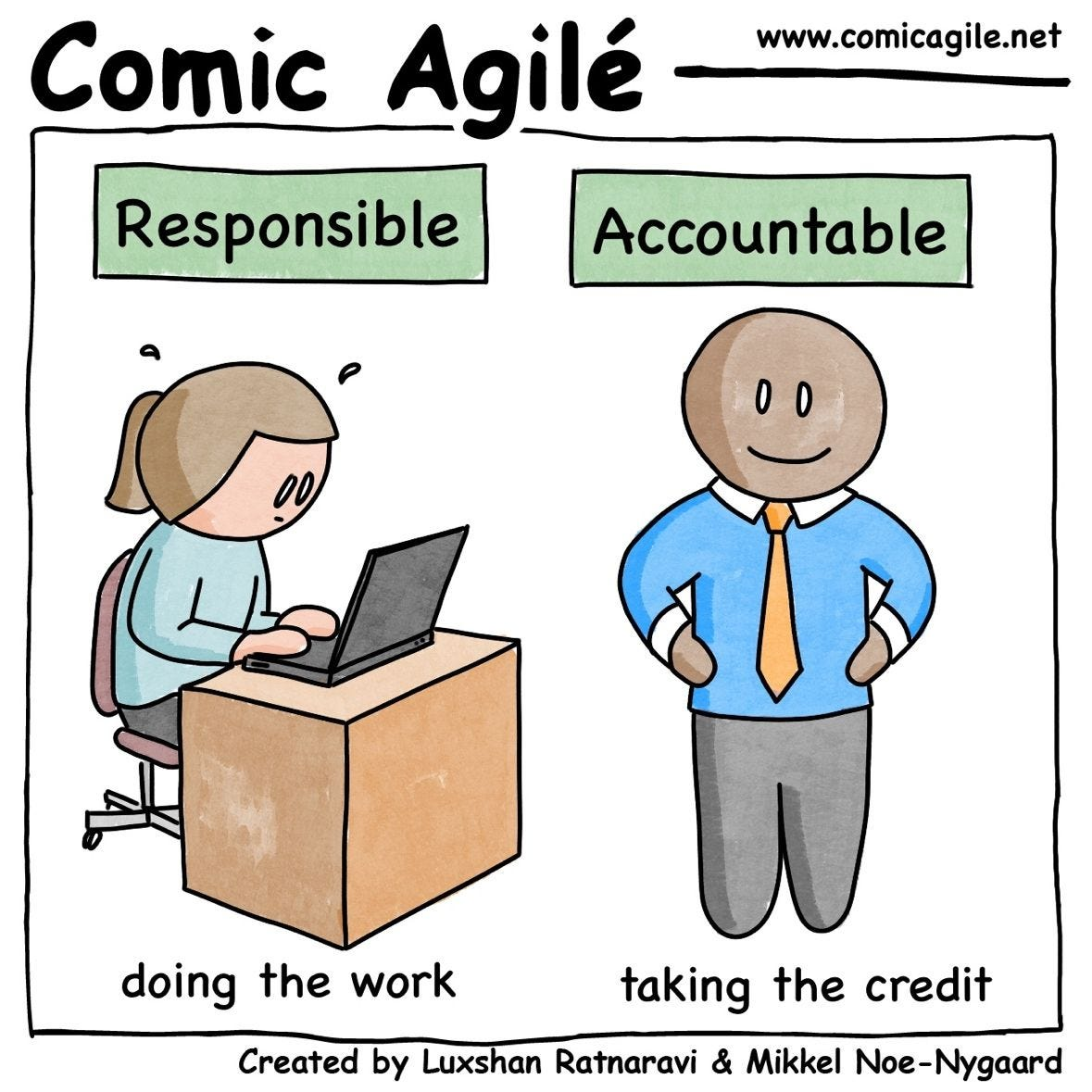
ACCOUNTABLE (adjective)
English: Responsible for actions and required to explain them.
Spanish: Responsable de; obligado a rendir cuentas.
Example: Managers are accountable for the performance of their teams.

ACCUMULATE (verb)
English: To collect or gather gradually over time.
Spanish: Acumular.
Example: Dust accumulated on the shelves over the years.

ACCUMULATION (noun)
English: The process of collecting or gathering over time.
Spanish: Acumulación.
Example: The accumulation of snow caused traffic problems.

ACCUSATION (noun)
English: A claim that someone has done something wrong or illegal.
Spanish: Acusación.
Example: He denied the accusation immediately.